Top 20 Castles around Visé
Castles around Visé are situated in the Liège province of Belgium, a region known for its historical significance and diverse landscapes. The area features a mix of well-preserved castles and evocative ruins, many with origins dating back centuries. These structures reflect various architectural styles, from medieval fortifications to 17th-century residences. The region's proximity to the Meuse river also contributes to its scenic and strategic importance.
Best castles around Visé
- The most popular castles is Château Neercanne, a castle that…
Last updated: June 22, 2026
Château Neercanne
Highlight • Castle
Translated by Google •
Tip by

Commandery of Sint-Pieters-Voeren
Highlight • Castle
The place is known for its coming. Daniel de Fouron …
Translated by Google •
Tip by

Sign up now to discover places like this
Get recommendations on the best single tracks, peaks, & plenty of other exciting outdoor places.
Sign up for free
Mheer Castle
Highlight • Castle
Translated by Google •
Tip by

Fort Eben-Emael
Highlight • Historical Site
Source: landofmemory.eu/de/sites-historiques/fort-eben-emael
Translated by Google •
Tip by

Eijsden Castle
Highlight • Castle
Translated by Google •
Tip by

Sign up for free to discover even more castles around Visé.
Sign up for free
Already have an account?
Start today with a free account
Your next adventure awaits.
Login or Signup



Tips from the Community

The Commanderie is a textbook example of the Maasland Renaissance style, recognizable by: brick construction combined with Namur stone; straight, symmetrical volumes; decorative tiers of brick; a closed, almost monastic courtyard.
11
0

Beautiful historic location, worth a stop.
8
0

Commanderie Castle is one of the most historically significant buildings in the region. Its origins date back to the Middle Ages: as early as the 13th century, a settlement of the Teutonic Knights existed here, from which the name "Commanderie" is derived. The castle was not only a stately residence but also an administrative and economic center for the surrounding lands. The complex is surrounded by a moat and has been rebuilt and expanded several times over the centuries. A characteristic feature is the combination of medieval foundations with later Renaissance and Baroque elements. Particularly striking are the picturesque courtyard, the historic farm buildings, and the castle grounds surrounded by avenues and meadows. After the end of the Order's rule, the property passed into private hands and was used for agricultural purposes for a time. Today, Commanderie Castle is privately owned but parts of it are used for cultural and tourist activities. The castle represents the eventful history of the border region between Belgium, the Netherlands, and Germany and reflects the influence of religious orders of knights on the cultural landscape of this region.
14
0

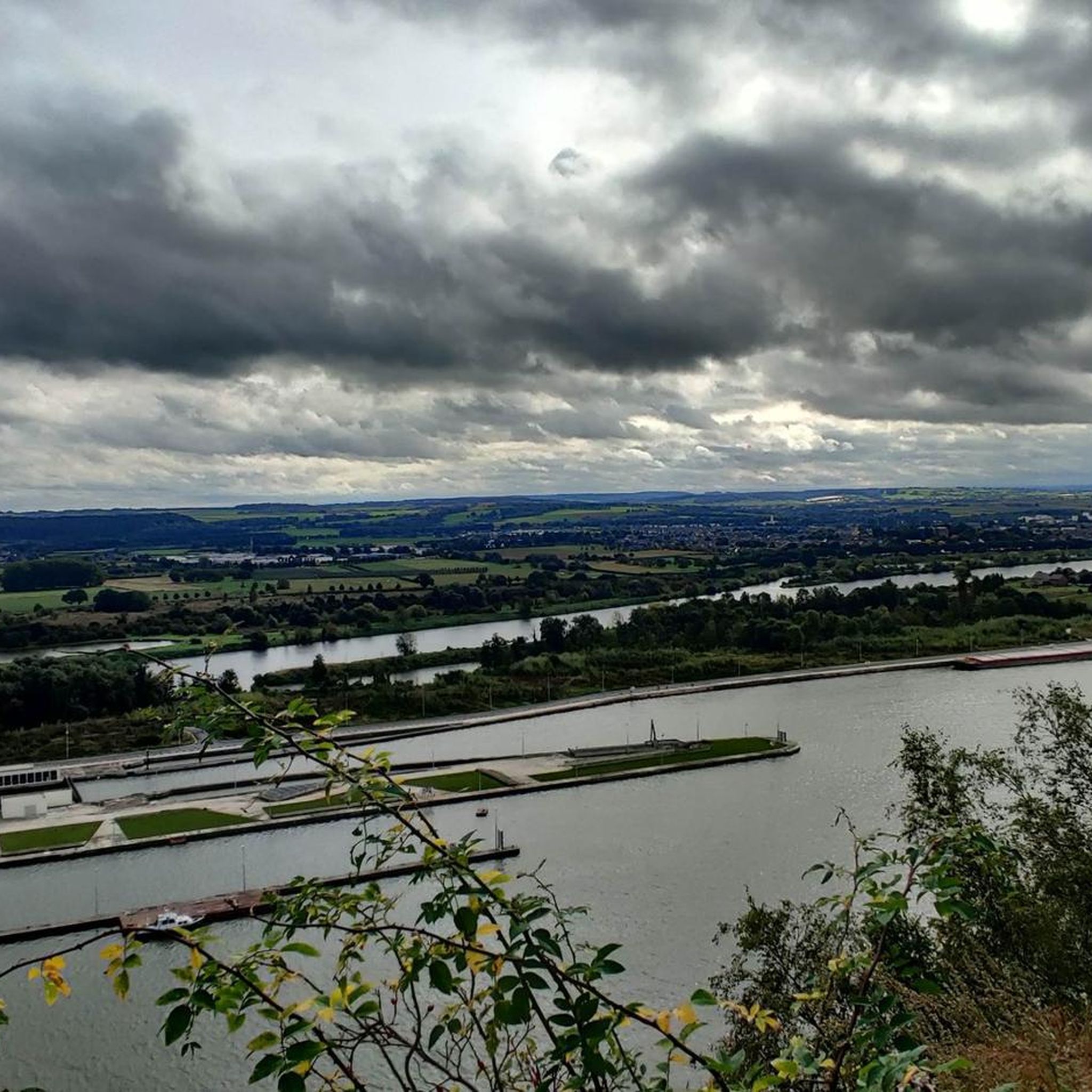
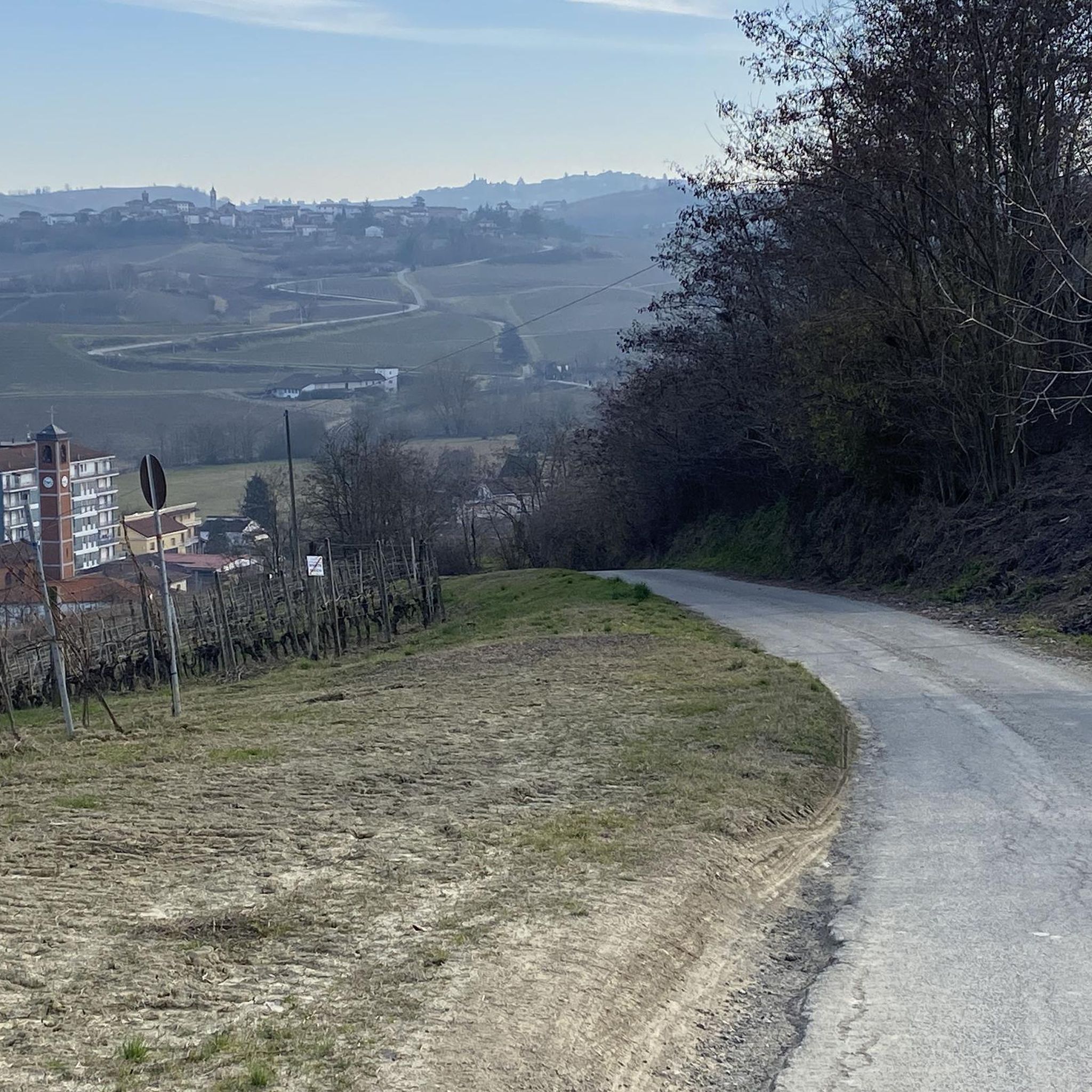
Very nice walking route along the chateau. Beautiful panorama. With a house in the valley below that used to be the border post.
4
0

Neercanne Castle was built on the original site of Roman fortifications, the caves of which still exist and are used as wine cellars. The original staircase with a banister on wide columns is still in the hall. The ceiling features relief depictions of weapon trophies. The castle is currently in use as a hotel and restaurant.
7
0

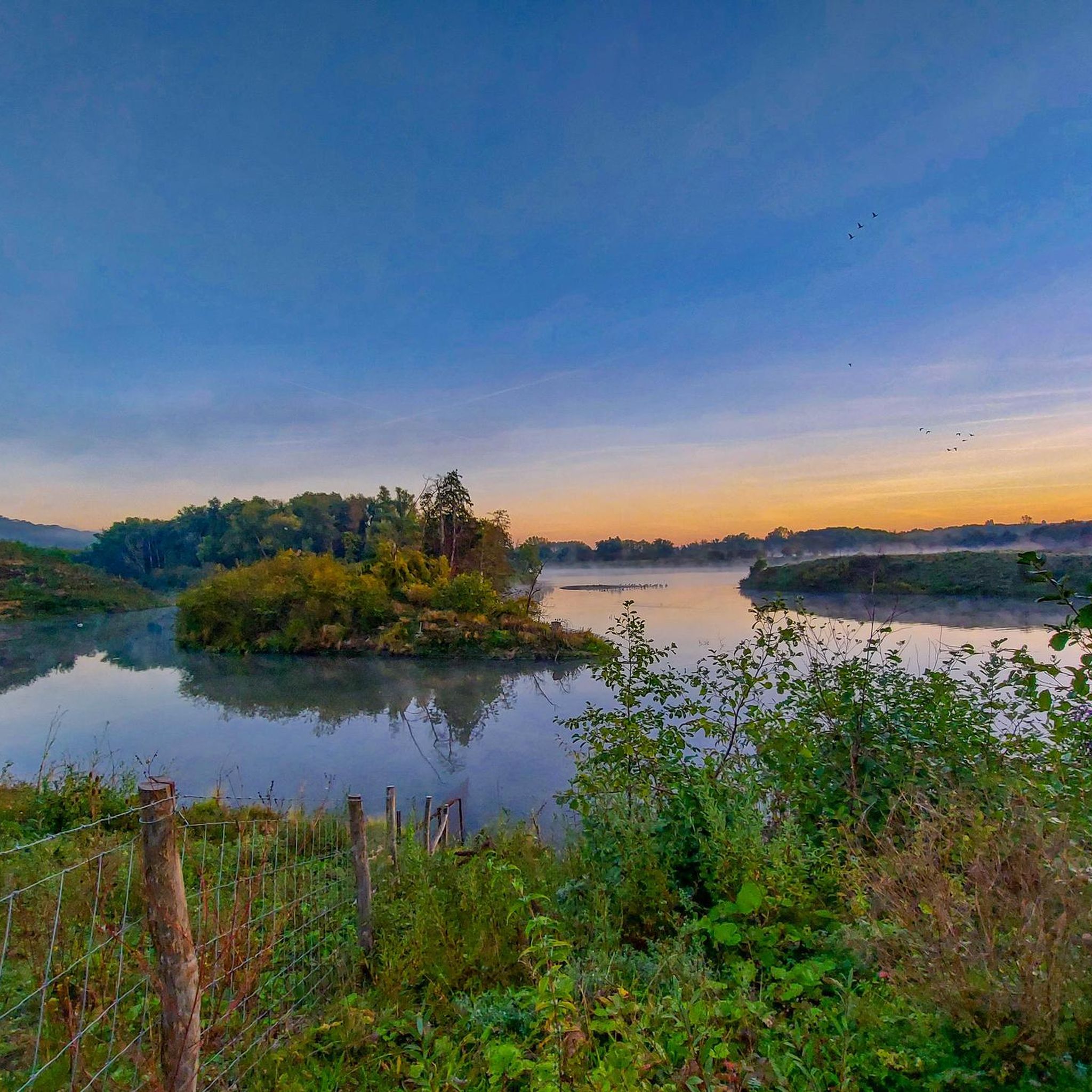
Tip: if you keep walking straight ahead from the main entrance you will reach the Maas. Look left and you will see a small path. Walk a few meters on it and see how the Voer flows into the Maas here. A beautiful view of a surprisingly peaceful spot on the beautiful grounds of the castle where you also walk a beautiful piece of wild garlic path.
8
0
Basement and moated main building in Maasland Renaissance style, consisting of a rectangular west and south wing, which enclose a square, partly paved castle square in a hook shape. The castle is built in red brick interrupted by marlstone bands and rests with the castle square on a substructure of brick and bluestone blocks. As such, the castle was built or completed in 1636, five years after the marriage of Arnold de la Margelle to Margaretha Anna Francisca van Bocholtz. This event is commemorated by a facade stone above the gate on the south side of the south facade, where the front of the castle is located. In archive documents from 1633 present at the castle, there is mention of an architect Servais Charles, who may have been the builder of the castle. Traces of construction in the foundation in the form of a fire layer approx. 2.75 meters below the castle square give rise to the suspicion that the castle was built on the site of an older building. Source and full description via Monumenten.nl at https://www.monumenten.nl/monument/421723
7
0

The Cannerbos is very compact and can therefore be walked in a morning or afternoon. You could say that the forest consists of floors, so you can view and walk nature from below and from higher up. Chateau Neercanne is located on the edge of the Cannerbos. This castle is the only terraced castle in the Benelux. Daniël Wolf van Dopff built this impressive castle in 1698.
4
0
Frequently Asked Questions
What kind of historical castles can I explore in the Visé region?
The Visé region offers a diverse range of historical castles, from medieval fortifications to 17th-century aristocratic residences and structures with industrial connections. You'll find both well-preserved sites and evocative ruins, each telling a unique story of the area's past.
Are there any castles near Visé with significant historical importance?
Yes, the region is rich in history. For instance, the Château d'Argenteau in Argenteau has roots dating back to a 10th-century fortified castle built to deter Norman invasions. Though the current structure is from 1683, it was home to notable figures like Napoleon's chamberlain. Another is the Château de Saroléa in Cheratte, built in 1643 in the distinctive Mosan style, which later played a role in the region's coal mining industry.
Which castles offer a unique visitor experience, such as dining or specific attractions?
For a unique experience, consider Château Neercanne, known as the only terraced castle in the Netherlands. It offers a culinary experience with a restaurant and auberge, set in a beautiful historic location near the Belgian border. Its limestone quarry is even used as a wine cellar and dining room.
Are there any castles around Visé that are particularly family-friendly?
Many castles in the region, such as Château Neercanne, Commandery of Sint-Pieters-Voeren, Mheer Castle, and St. Gerlach Castle, are considered family-friendly. They often feature expansive grounds, historical insights, and sometimes even restaurants or cafes, making them suitable for a day out with children.
Can I find castles that are also connected to natural landscapes or offer scenic views?
Absolutely. The Château d'Argenteau, for example, stands majestically above the Meuse river and features a magnificent park with a Lebanese cedar planted in 1804. The rock it stands on, which gives Argenteau its name, adds to its natural beauty. The Commandery of Sint-Pieters-Voeren is set within a wooded park with trout ponds fed by a natural spring, offering a serene natural setting.
Are there any castles with industrial heritage in the Visé area?
Yes, the Château de Saroléa in Cheratte has a strong connection to the region's industrial past. Built in 1643, it later served as the director's residence for the Hasard coal mine in the 19th century, linking its aristocratic history with the area's coal exploitation.
What outdoor activities, like hiking or cycling, can I do near the castles around Visé?
The area around Visé offers various outdoor activities. You can find numerous MTB trails, cycling routes, and road cycling routes that pass by or near some of these historical sites. For example, you could explore routes like the 'Dalhem Tunnel – Julienne Ponds loop' or the 'Boverie Park – La Boverie Museum, Liège loop' which allow you to combine castle visits with active exploration of the landscape.
Is there a castle near Visé that was once a military fortification?
Yes, Fort Eben-Emael, while primarily a historical site, is a massive underground fortress built in the shape of a pentagon with an impressive protective structure. It played a crucial role in military history and offers a unique glimpse into 20th-century fortifications, with 5 km of underground galleries and 17 combat bunkers.
What do visitors particularly enjoy about the castles and surrounding areas of Visé?
Visitors appreciate the rich history and diverse architectural styles of the castles, from medieval origins to aristocratic residences. Many enjoy the beautiful parks and natural settings, such as the trout ponds at the Commandery of Sint-Pieters-Voeren, or the unique culinary experience at Château Neercanne. The combination of historical exploration with scenic walks and cycling routes is also a major draw.
Are there any castles in the region that were originally religious institutions?
Yes, St. Gerlach Castle was originally built in the 12th century as a monastery of canons and later functioned as a noble women's monastery. In the 19th century, it was converted into a castle-like country house, retaining its historical and religious significance. Similarly, the Commandery of Sint-Pieters-Voeren was a former commandery of the Teutonic Order.
Can I find any castles that are recognized as protected heritage sites?
Yes, the Château de Saroléa and its surroundings in Cheratte are recognized as a protected heritage site, highlighting its architectural style and connection to the region's industrial past. You can find more information about protected sites in Visé on Wikipedia.
Most popular routes around Visé
Most popular attractions around Visé

Get inspired with the komoot mobile app


Explore more
Looking for the best castles somewhere else? Discover other guides around Visé:
