The best cycling routes around Visé
4.3
(510)
3,202
riders
75
rides
Touring cycling routes around Visé are characterized by diverse landscapes along the Meuse River, featuring well-maintained paths and scenic views. The region includes significant natural features such as the Montagne Saint-Pierre, known for its calcareous grasslands and woodlands. The Julienne estate further contributes with its woodlands, ponds, and streams, offering varied terrain for cyclists. This blend of riverine routes and ecologically rich areas provides a compelling environment for touring cyclists.
Best touring cycling routes around Visé
- The most popular touring…
Last updated: October 8, 2026
4.5
(44)
196
riders
24.8km
01:29
130m
130m
Easy bike ride. Great for any fitness level. Mostly paved surfaces. Suitable for all skill levels.
4.6
(32)
162
riders
49.7km
03:05
290m
290m
Moderate bike ride. Good fitness required. Mostly paved surfaces. Suitable for all skill levels.

4.4
(25)
120
riders
41.5km
02:35
360m
360m
Moderate bike ride. Good fitness required. Mostly paved surfaces. Suitable for all skill levels.
4.1
(9)
204
riders
15.1km
00:54
100m
100m
Easy bike ride. Great for any fitness level. Mostly paved surfaces. Suitable for all skill levels.
4.6
(17)
70
riders
36.1km
02:16
330m
330m
Moderate bike ride. Good fitness required. Mostly paved surfaces. Suitable for all skill levels.
Get access to more routes and recommendations from other explorers.
Already have an account?
Our route recommendations are based on thousands of hikes, rides, and runs completed by other people on komoot.
Start today with a free account
Your next adventure awaits.



Tips from the Community

The Blegny Mine (Rue Lambert Marlet 23, Blegny) is one of Belgium's most important industrial monuments and was included in July 2012 as part of the four great Walloon mining sites on the UNESCO World Heritage List.
3
0

Worth visiting. Great paths lead through the park.
1
0

New super great multilingual presentation
0
0

Main attractions in Blegny * The Mine Shafts are (-30m and -60m) deep: Visitors can descend into the underground mine galleries with an authentic cage lift to experience the working conditions of the 'koempels' (miners). This can be done via the official Blegny-Mine website. * The Mine Museum: An extensive exhibition that takes you through eight centuries of Walloon coal mining history. * Biotope of the Terril: A walk with an audio guide on the slag heap, where you learn how nature has reclaimed the old mining waste mountain. * Tourist train: A relaxing ride through the rural landscape of the Pays de Herve. Practical information for visitors * Location: Located in the Pays de Herve region, approximately 15 kilometers northeast of Liège. * Underground temperature: In the mine galleries, the temperature is constantly around 15 degrees Celsius; a jacket and sturdy shoes are recommended. A safety helmet is mandatory and is provided on site. * Accessibility: The underground tour includes two staircases (130 and 160 steps), but can also be adapted for wheelchair users upon prior request.
0
0

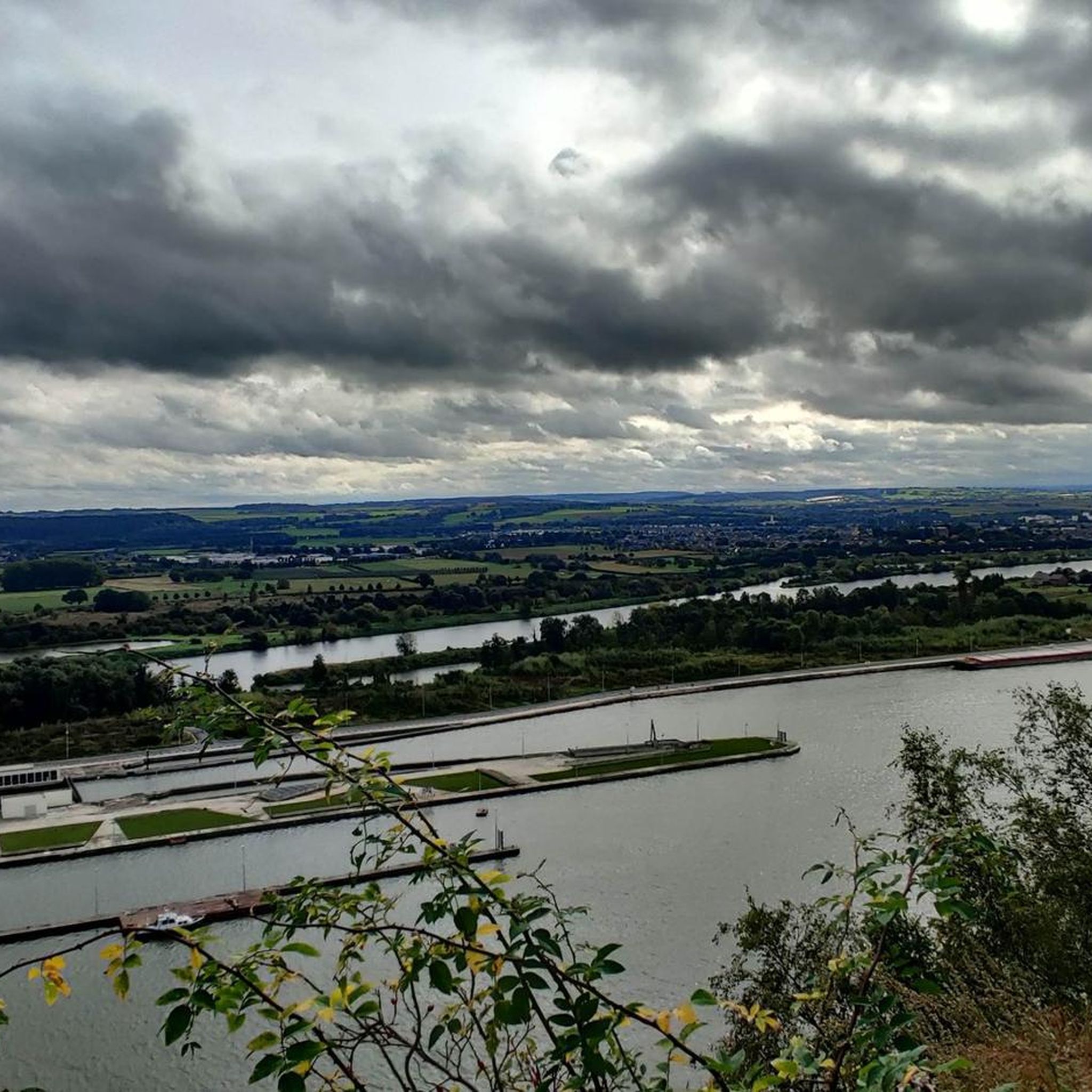
The bridge at Kanne is a suspension bridge and is part of the regional road N619 (Grenadiersweg). The first bridge at this location was a truss bridge built during the construction of the Albert Canal in 1930. This bridge was destroyed by the Belgian army on May 10, 1940, to prevent the advance of German troops. During World War II, there was a raft to cross the canal. American troops partially filled in the canal during the liberation to make a quick crossing possible. After the war, a wooden emergency bridge was built. In March 1950, the construction of a concrete arch bridge began. The contractor was Arthur Moens from Etterbeek, Brussels. In October 1951, the bridge was ready, at the same time as the new macadam road from the mill of Opkanne to the Oudeweg/Nieuweweg intersection. The concrete part of the bridge was cast in one go to achieve even curing. In 2004, the current, 120-meter-long bridge was built to a design by the engineering firm Greisch. The bridge was hoisted in on September 19, 2004, next to the old bridge, which was subsequently demolished. It is the first suspension bridge in Belgium. The bridge cost approximately 9.4 million euros.
3
0

The Parc de la Boverie inserted between the Meuse and the "Dérivation"
2
0

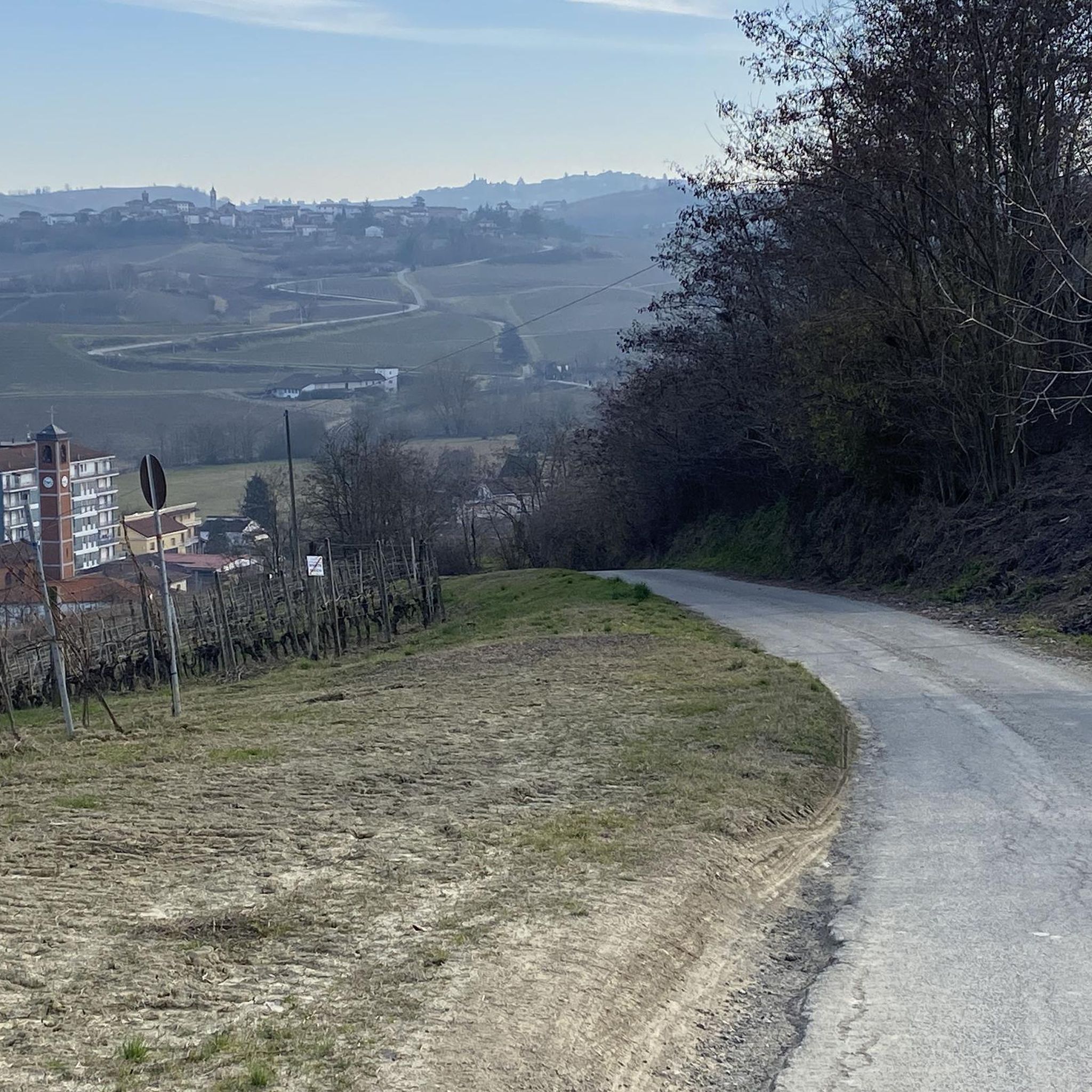
The small church overlooks the Commandery.
2
0
Frequently Asked Questions
What kind of terrain can I expect on touring cycling routes around Visé?
Touring cycling routes around Visé offer a diverse landscape. You'll find many well-maintained paths along the Meuse River, providing relatively flat and scenic rides. However, the region also features areas with more varied terrain, including the ecologically rich calcareous grasslands and woodlands of Montagne Saint-Pierre, and the serene woodlands, ponds, and streams of the Julienne estate. This blend provides options ranging from easy riverside cruises to more challenging routes with gentle climbs.
Are there any easy touring cycling routes suitable for beginners or families in Visé?
Yes, Visé offers several easy touring cycling routes perfect for beginners or families. For instance, the Lanaye Lock – Maastricht Marina loop from Eijsden is an easy 9.5-mile (15.3 km) trail that takes you through the Meuse River valley and connects to Maastricht, often completed in about 55 minutes. Overall, there are 17 easy routes available in the region, providing gentle rides for all skill levels.
What natural attractions or landmarks can I see along the cycling routes in Visé?
Visé's cycling routes are rich with natural beauty and historical landmarks. You can explore the unique ecology of Montagne Saint-Pierre, known for its diverse flora and fauna, including orchids and various insect species. The Julienne estate offers woodlands, ponds, and streams for a relaxing stop. Along the Meuse River, you might encounter the Château Neercanne or the Strooberg Quarry. The L'Île Robinson on the Meuse is also a notable attraction, offering recreational activities and picnic areas.
Are there any circular touring cycling routes around Visé?
Yes, many touring cycling routes around Visé are designed as loops, allowing you to start and end in the same location. Examples include the popular Boverie Park – La Boverie Museum, Liège loop from Visé, which connects Visé with Liège, and the Val-Dieu Abbey – Aubel Cycle Path loop from Visé, exploring the countryside and historical sites. These circular routes offer convenience and varied scenery.
What is the best season for touring cycling in Visé?
The best season for touring cycling in Visé is generally from spring to early autumn (April to October). During these months, the weather is typically mild and pleasant, making for comfortable rides. Spring brings blooming landscapes, while summer offers longer daylight hours. Autumn provides beautiful foliage and cooler temperatures. Always check the local weather forecast before heading out.
Can I find cafes or pubs along the touring cycling routes in Visé?
Yes, you will find opportunities to stop for refreshments along many touring cycling routes in and around Visé. The historical center of Visé itself offers various cafes and pubs. Routes that pass through towns or villages, or along popular river paths, often have establishments where cyclists can take a break, grab a coffee, or enjoy a meal. The L'Île Robinson on the Meuse also features facilities for relaxation.
How can I access the touring cycling routes in Visé using public transport?
Visé is well-connected by public transport, making it accessible for cyclists. The town has a train station, which can be a convenient starting point for many routes. Additionally, local bus services operate in the region. It's advisable to check the specific public transport provider's website for information on carrying bicycles, as policies can vary.
Are there options for challenging touring cycling routes in the Visé area?
Absolutely. While Visé offers many easy and moderate routes, there are also more challenging options for experienced touring cyclists. These routes often involve more significant elevation changes as they venture away from the flat river plains into the rolling countryside. With 16 difficult routes available, you can find rides that test your endurance and offer rewarding climbs and descents.
What do other touring cyclists say about cycling in Visé?
The touring cycling experience in Visé is highly regarded by the komoot community, with an average rating of 4.3 stars from over 400 reviews. Cyclists often praise the region's diverse landscapes, from the serene Meuse River paths to the ecologically rich areas like Montagne Saint-Pierre. The well-maintained routes and the blend of natural beauty with historical sites are frequently highlighted as key attractions.
Are there any touring cycling routes that connect Visé with other cities or regions?
Yes, Visé's strategic location along the Meuse River makes it a great starting point for routes connecting to other cities and regions, including cross-border adventures. The Boverie Park – La Boverie Museum, Liège loop from Visé connects you directly to the city of Liège. Additionally, routes like the Lanaye Lock – Maastricht Marina loop from Eijsden offer connections towards Maastricht in the Netherlands, providing opportunities for international cycling experiences.
Where can I park my car if I want to start a touring cycling route in Visé?
Visé offers various parking options for cyclists. You can typically find public parking facilities within the town center or near popular starting points for routes. If you're planning to start a route from a specific village or attraction outside Visé, it's advisable to check for designated parking areas there. Many routes are designed to be accessible from central locations with available parking.
Most popular attractions around Visé

Get inspired with the komoot mobile app


Explore more
Browse the best Cycling routes in other regions.
