Top 20 Caves around Visé
Best caves around Visé are found in a region characterized by its geological history and natural formations, including the Albert Canal and surrounding hills. This area, located near the Belgian-Dutch border, features a landscape shaped by ancient mining and natural erosion. The presence of marlstone and flint deposits contributes to unique underground structures. Visitors can explore a variety of cave types, from historical quarries to natural flint caves.
Best caves around Visé
- The most popular caves is Strooberg Quarry,…
Last updated: June 17, 2026
Château Neercanne
Highlight • Castle
Translated by Google •
Tip by

Strooberg Quarry
Highlight • Cave
The green, sloping Bemelerberg has a marl wall on one side like on a postcard. Here the yellow limestone rises high into the air and …
Translated by Google •
Tip by

Sign up now to discover places like this
Get recommendations on the best single tracks, peaks, & plenty of other exciting outdoor places.
Sign up for free
Geulhemmerberg Climb and Cave Dwellings
Highlight (Segment) • Climb
Translated by Google •
Tip by

Trichterberggroeve Limestone Quarry
Highlight • Natural Monument
Translated by Google •
Tip by

Savelsbos — The Henkeput
Highlight • Cave
Translated by Google •
Tip by
Sign up for free to discover even more caves around Visé.
Sign up for free
Already have an account?
Start today with a free account
Your next adventure awaits.
Login or Signup



Tips from the Community

we tried to return to Maastricht using the Arriva bus. However, it was a small bus and only 3 seats were available. My friends walked.
0
0

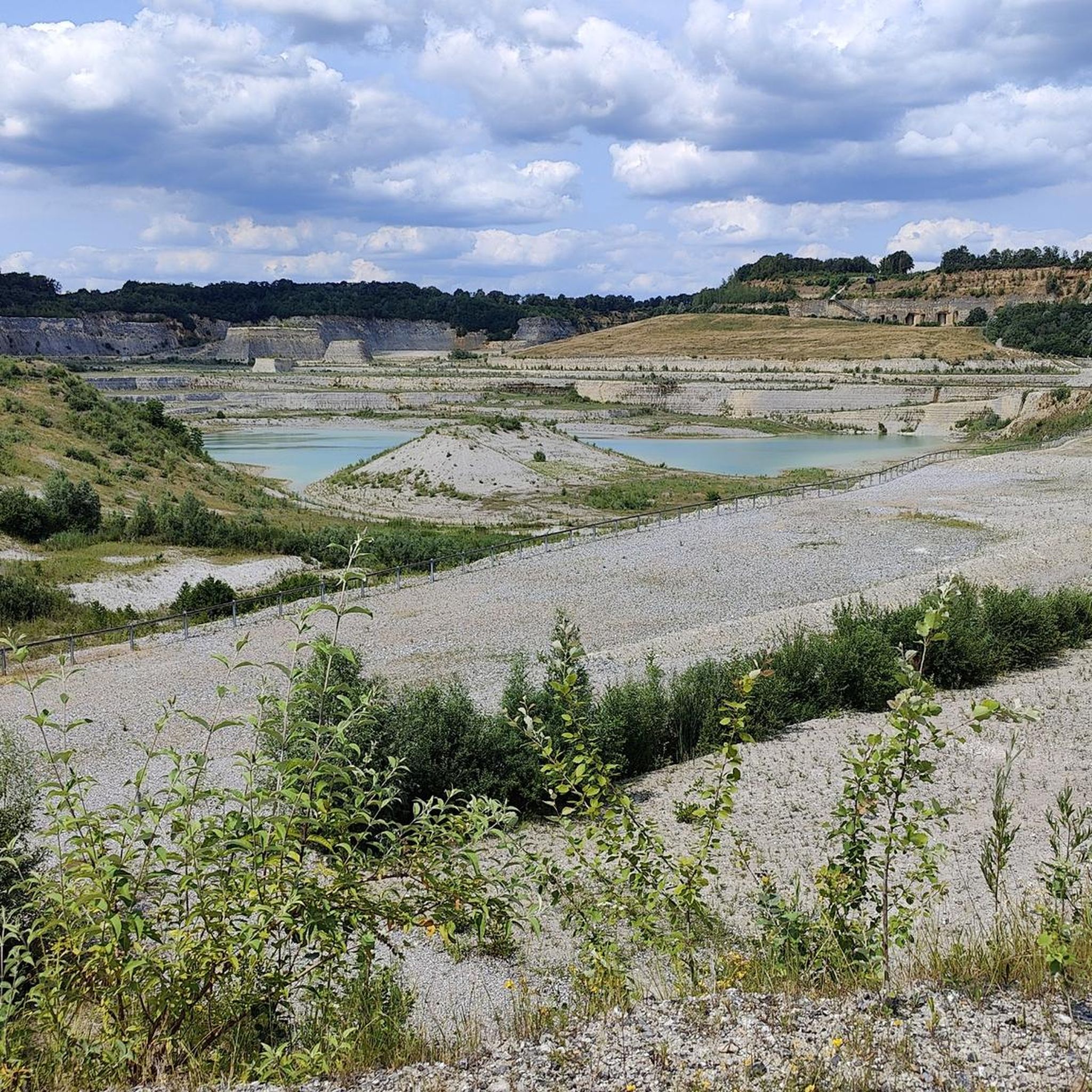
Here you have a view of old marl quarries. You can see a marl wall with meadows, cows, or sheep.
0
0

The Strooberggroeve is a Limburg marl quarry in the Dutch municipality of Eijsden-Margraten. The underground quarry is located north of Bemelen under the Bemelerberg on the north side of the mouth of the dry valley Koelbosgrub in the Meuse valley. The quarry is located on the western edge of the Plateau of Margraten in the transition to the Meuse valley. At this point, the plateau drops steeply for a few meters. https://nl.wikipedia.org/wiki/Strooberggroeve
1
0

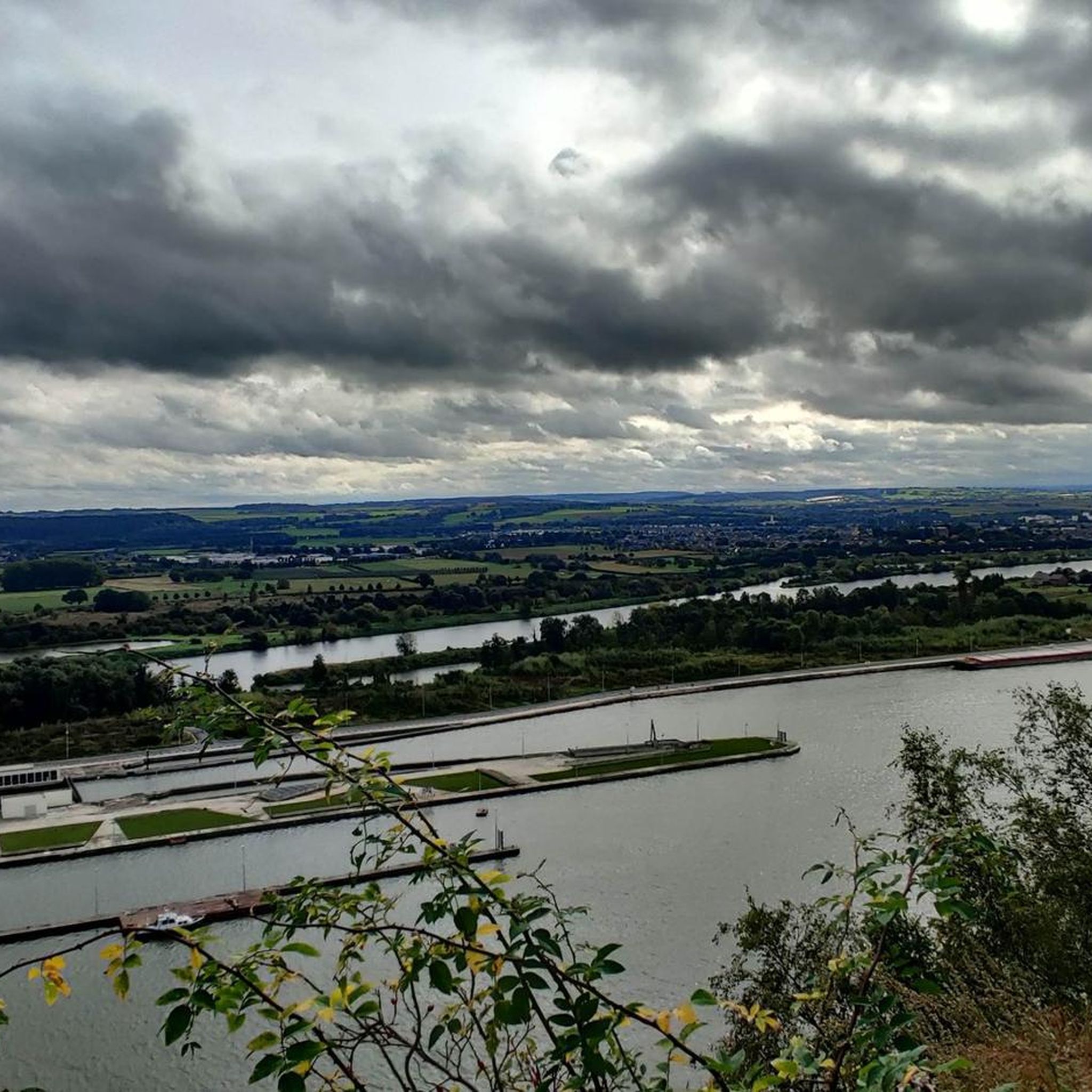
Very nice walking route along the chateau. Beautiful panorama. With a house in the valley below that used to be the border post.
4
0

Neercanne Castle was built on the original site of Roman fortifications, the caves of which still exist and are used as wine cellars. The original staircase with a banister on wide columns is still in the hall. The ceiling features relief depictions of weapon trophies. The castle is currently in use as a hotel and restaurant.
7
0

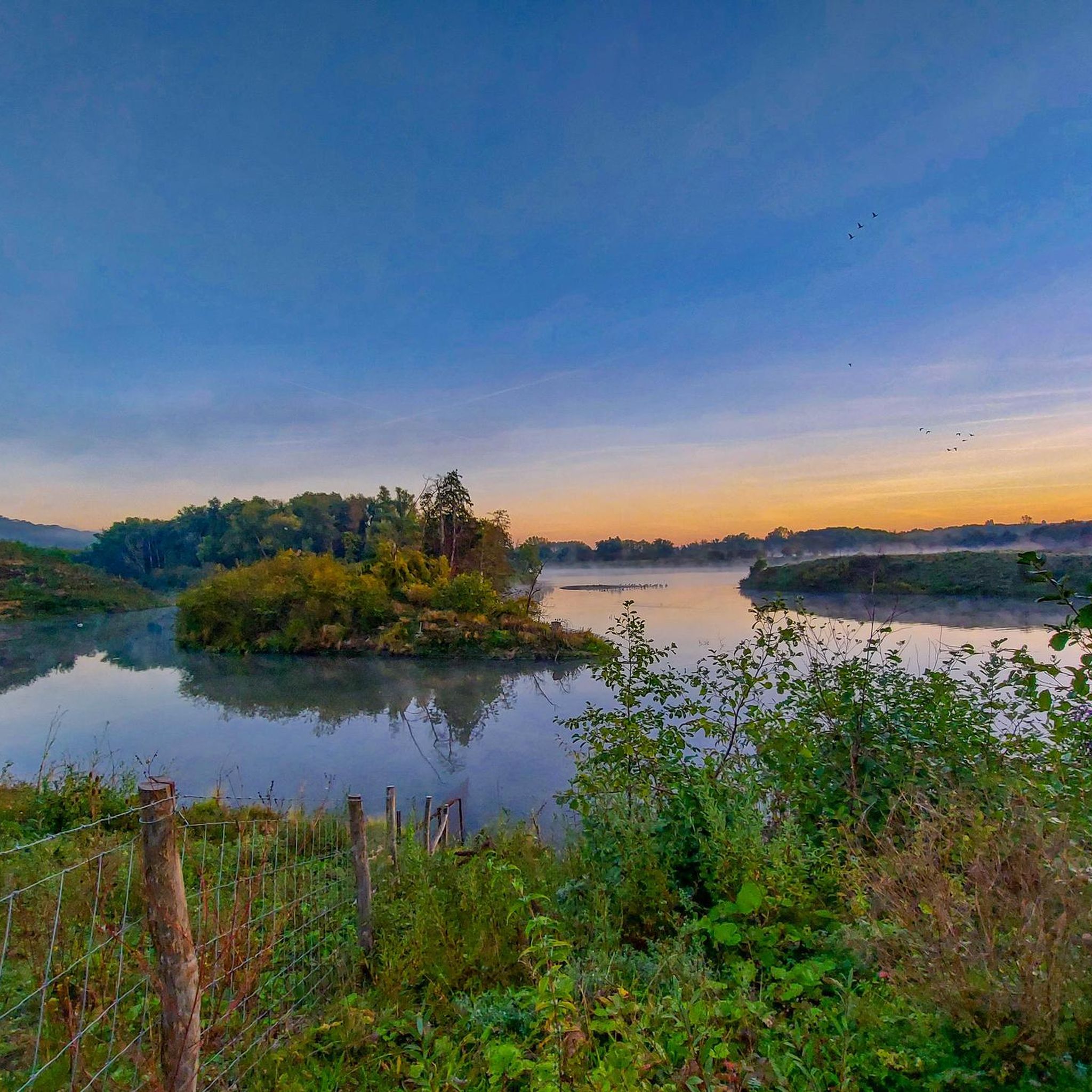
A mysterious deep hole that appeals to the imagination. Good thing there is a sturdy fence around it!
0
0

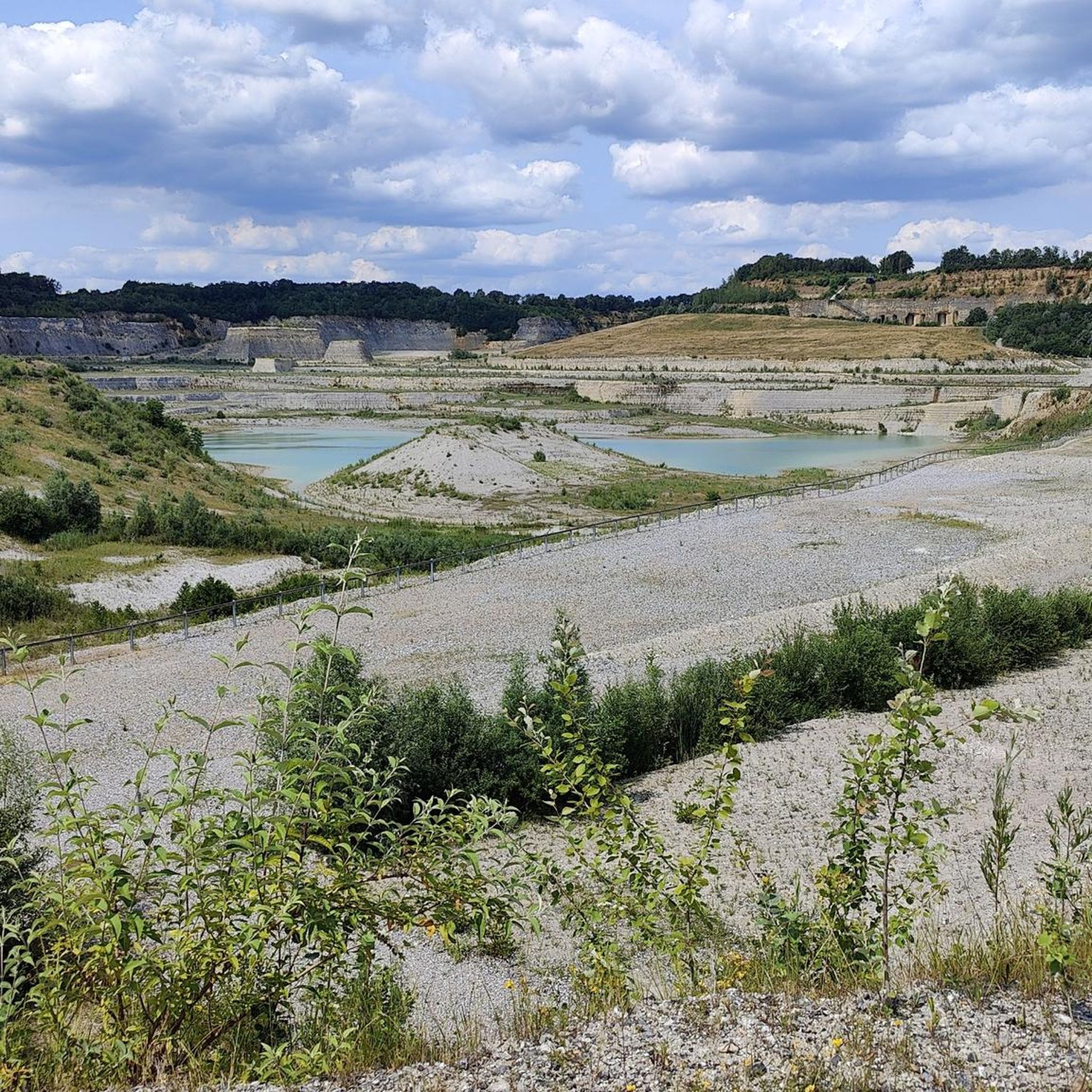
The Trichterberg quarry is located in the forest to the left of the steep Eckelraderweg, between Gronsveld and Eckelrade. Diagonally opposite are dole chambers. The quarry has been designated as a “Geological Monument”. Steep limestone walls with here and there sawn surfaces and a few small corridor remains are the only remains. Not much is known about the Trichterberg quarry. That is why Peter Jennekens, Kevin Amendt and Rob Habets wrote a source overview for the magazine of the Study Group Underground Limestone Quarries - Natural History Society in Limburg. Based on this, they cautiously conclude that the origin of the quarry must lie somewhere between the years 1846 and 1867. The entire PDF with all sources can be found at https://www.sok.nl (November 2013 edition).
5
0

Frequently Asked Questions
What types of caves can I explore around Visé?
The Visé region offers a variety of underground formations, including flint caves, marl caves, and historical cave dwellings. These reflect the area's geological history and ancient mining activities.
What are some notable caves to visit near Visé?
You can explore several interesting sites. The Strooberg Quarry features marl caves within a nature reserve. Another must-see is the Thier des Vignes Flint Caves, known for its very old flint formations and 13 cave entrances. Additionally, the Geulhemmerberg Climb and Cave Dwellings offers a glimpse into historical rock dwellings.
What makes the Thier des Vignes Flint Caves unique?
The Thier des Vignes Flint Caves are notable for their ancient flint formations and the presence of 13 cave entrances along the path, protected within a Natagora site. They offer a dark, cool, and atmospheric exploration experience, suggesting an authentic and less developed cave visit. Visitors are advised to bring a flashlight and wear good walking shoes.
Are there family-friendly cave experiences in the Visé region?
While specific 'family-friendly' designations for all caves are not always available, sites like the Trichterberggroeve Limestone Quarry are listed as family-friendly. Exploring the historical cave dwellings at Geulhemmerberg or the accessible entrances at Thier des Vignes could also be suitable for families, keeping in mind the need for appropriate gear like flashlights and sturdy shoes for some locations.
What historical significance do the caves around Visé hold?
Many caves in the region, such as the Geulhemmerberg Cave Dwellings, are old rock dwellings, showcasing historical human habitation. The Thier des Vignes Flint Caves also have historical significance, with flint indicating ancient mining or natural formations. The Trichterberggroeve Limestone Quarry is designated as a 'Geological Monument' with remnants of past quarrying.
What should I bring or wear when visiting caves around Visé?
For caves like the Thier des Vignes Flint Caves, it is recommended to bring a flashlight and wear good walking shoes, as they are described as dark and cool. General advice for cave exploration includes wearing layers, as temperatures underground can be consistently cool, and footwear with good grip.
What outdoor activities can I combine with a visit to the caves near Visé?
The Visé region offers various outdoor activities. You can find numerous hiking trails, including a moderate loop to the Thier des Vignes Flint Caves. Cycling is also popular, with routes like the 'Val-Dieu Abbey – Aubel Cycle Path loop' available. For runners, there are several running trails, such as the 'Albert Canal loop'. You can explore more options in the hiking, cycling, and running guides for Visé.
Are there hiking trails near the caves around Visé?
Yes, there are several hiking trails in the vicinity. For instance, a moderate 7.5 km loop takes you to the Stairs to Thier des Vignes – Thier des Vignes Flint Caves. Other trails include the 'Julienne Valley loop' and the 'Gravière Brock Nature Reserve loop'. You can find more details and routes in the Hiking around Visé guide.
What do visitors appreciate most about the caves around Visé?
Visitors frequently appreciate the unique natural beauty and historical aspects of the caves. The Strooberg Quarry is praised as a beautiful nature reserve with marl caves, offering sights that make you feel 'abroad'. The Trichterberggroeve Limestone Quarry is considered a 'TOP location' for its environment and geological features.
Is there parking available for caves near Visé?
While specific parking details for every cave are not always provided, many natural and historical sites in the region typically have nearby parking options or are accessible via trails from villages. For example, the Château Neercanne, which features old limestone quarries, is reachable by car.
What is the best time to visit the caves around Visé?
Caves generally maintain a consistent cool temperature year-round, making them a good option in various seasons. However, accessing some caves, especially those with steep paths like the Thier des Vignes Flint Caves, might be more comfortable in drier conditions during spring, summer, or early autumn. Always check local weather conditions before your visit.
Most popular routes around Visé
Most popular attractions around Visé

Get inspired with the komoot mobile app


Explore more
Extend your search for the best caves by checking out these guides of the top ones around Visé:
