Top 20 Castles around Crisnée
Castles around Crisnée, a municipality in the province of Liège, Wallonia, Belgium, offer historical exploration within a rural setting. The surrounding region is characterized by its gently rolling landscape, providing a backdrop for numerous historical estates. There are 20 castles to explore in the area around Crisnée.
Best castles around Crisnée
- The most popular castles is Castle of Betho, a castle that features a symmetrical layout with two connecting courtyards. Its well-preserved architecture, including its moated design and historical significance, makes it an interesting site.
- Another must-see spot is Widooie Castle, a castle farm. It forms a closed structure with four wings around a rectangular courtyard, featuring a gate dating from 1662.
- Visitors also love Heks Castle, a well-preserved estate built starting in 1770. It is surrounded by historic gardens, including a rose garden with an exceptional assortment of rose varieties.
- Crisnée is known for its moated castles, castle farms, and palatial estates. The region offers a variety of castles to see and explore, each with distinct architectural styles and historical backgrounds.
- The castles around Crisnée are appreciated by the komoot community, with over 180 upvotes and 13 photos shared by visitors.
Last updated: June 24, 2026
Heks Castle
Highlight • Castle
The palatial castle was built from 1770, probably by the Liège architect Etienne Fayen, for the Prince-Bishop of Liège Franciscus Karel de Velbrück.
As a lover of nature, the Prince-Bishop chose this place in the slightly hilly Haspengouw to build his summer residence and pleasure garden. He had a Chinese garden, a rose garden and a vegetable garden laid out there. Later, the castle was embellished with one of the first landscape parks on the European mainland, inspired by the English garden architecture of Capability Brown.
He died on his estate in 1784. The estate is owned by the d'Ursel family.
The rose garden now (2004) has an exceptional assortment of rose varieties, the oldest of which were present in the original garden. The gardens and park are open to the public during the first weekend in June and the second weekend in September.
The castle features in Harry Kümel's 1968 film Monsieur Hawarden.
Translated by Google •
Tip by

Castle of Betho
Highlight • Castle
In 1412 the castle is mentioned as "une maison et cour", in 1478 a tower is added, probably the current southern corner tower, almost entirely made of marl stone, the only remainder of this original building. The other buildings and the barn of the farm date from a subsequent building campaign (mid-17th century). The southeast wing of the castle and the farm date from the second half of the 17th century and the beginning of the 18th century. These parts are probably the result of the building activities of Pierre de Simonis (+ 1691) and his heir François de Hinnisdael (1691-1720).
The castle groups its buildings around a courtyard (not open to visitors). Brick buildings, anchored by means of wrought iron wall anchors with curls, under hipped roofs (slate); the corner towers have tent roofs, the south tower has a bell-shaped roof, each crowned with a roof turret. The mid-17th century buildings are brick and marlstone constructions, equipped with bands, corner blocks, profiled cornice on ojief-shaped consoles and rectangular windows in a marlstone frame with nave blocks and cockscomb.
Source: inventaris.onroerenderfgoed.be/erfgoedobjecten/37305
Translated by Google •
Tip by

Sign up now to discover places like this
Get recommendations on the best single tracks, peaks, & plenty of other exciting outdoor places.
Sign up for free
Heks Castle
Highlight • Castle
More:
- visitsinttruiden.be/aanbod/tuinen-van-kasteel-van-hex
- hex.be
- inventaris.onroerenderfgoed.be/erfgoedobjecten/32081
Translated by Google •
Tip by
Widooie Castle
Highlight • Castle
Translated by Google •
Tip by

Lexhy Castle
Highlight • Castle
After the death of Count Joseph de Borchgrave d´Altena in 1975, the castle and a large part of the park of Lexhy were sold to the municipality of Grâce-Hollogne. At the end of 1992, the entire estate became the property of a private purchaser. He began renovating the castle, then sold it to another businessman who completed the work.
Translated by Google •
Tip by

Sign up for free to discover even more castles around Crisnée.
Sign up for free
Already have an account?
Start today with a free account
Your next adventure awaits.
Login or Signup

Tips from the Community

Just outside the village center of Widooie, on Kasteelweg, lies the beautifully preserved Widooie Castle: a secluded castle farm with deep historical roots. Four wings surrounding a rectangular courtyard form a harmonious whole, with marlstone bands, ornate wall anchors, and a stately gate dating from 1662 where the coat of arms of Richard Vaes still proudly stands. The corner tower, the classically renovated residential wing, and the 17th-century barns together tell the story of a place where generations have come and gone for centuries.
1
0

The castle belonged to the goods of the abbey of Corbie, which were given in leasehold by the abbot to Godfried van Bocholtz in 1559. The castle was sold in 1588 to Hendrik Vaes-Valck, mayor of Tongeren. He began rebuilding the castle. The work was completed by Richard Vaes-van den Hove, as indicated on the facade stone with his coat of arms above the entrance gate (1662). It is said that the actual castle extended south of the current buildings, on the site of the current garden, and was completely destroyed in a fire in 1670 and not rebuilt. The castle remained in the possession of the Vaes family until 1816. See also: https://inventaris.onroerenderfgoed.be/erfgoedobjecten/37615
5
0
The imposing castle of Betho was originally a moated castle. The residential domain is symmetrically laid out and consists of the castle, a square farm and a park with a pond. The current buildings mainly date from the seventeenth and eighteenth centuries. The marlstone corner tower is a remnant of the medieval castle. The castle is named after its first resident Arnold van Betu, popularly known as 'Betho'.
6
0

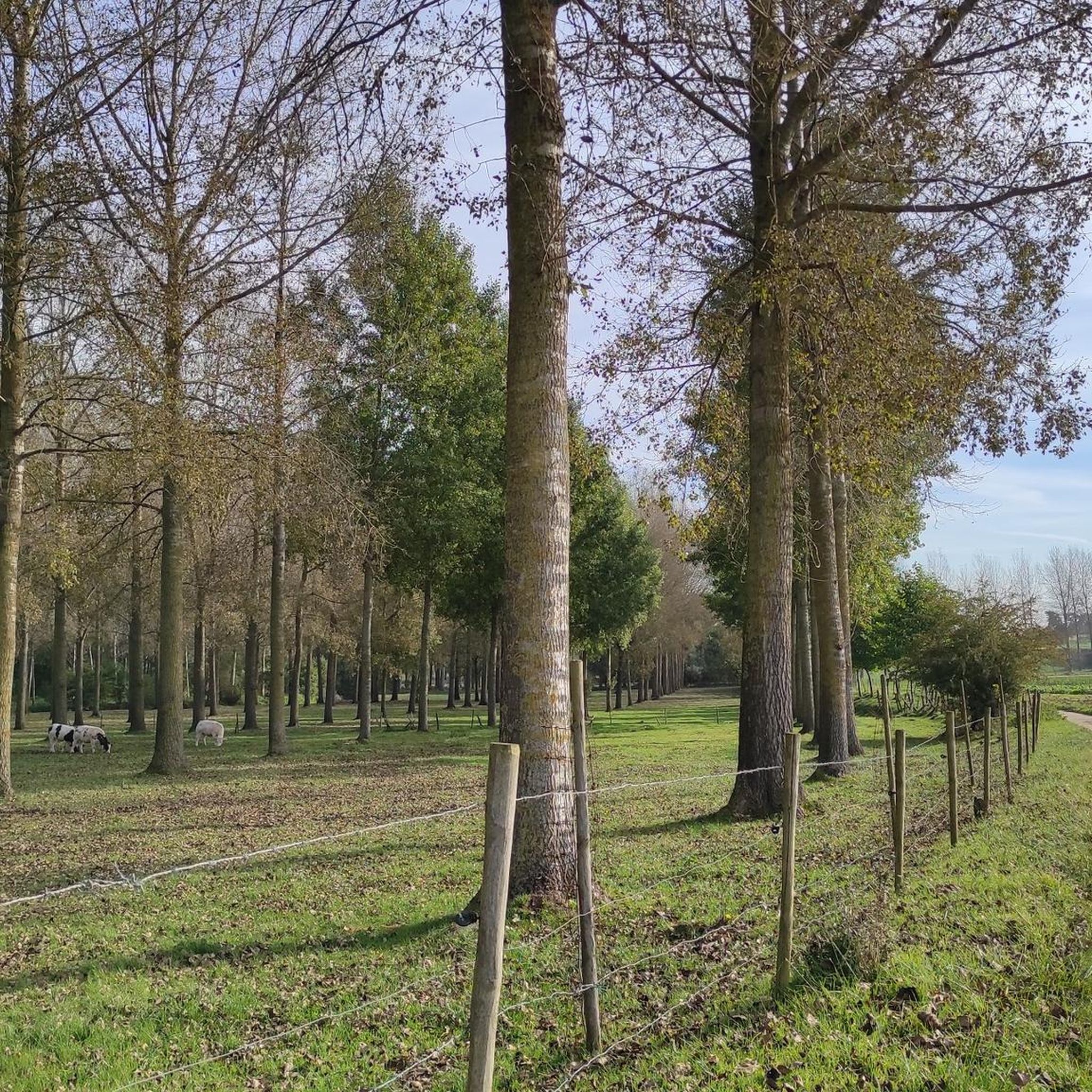
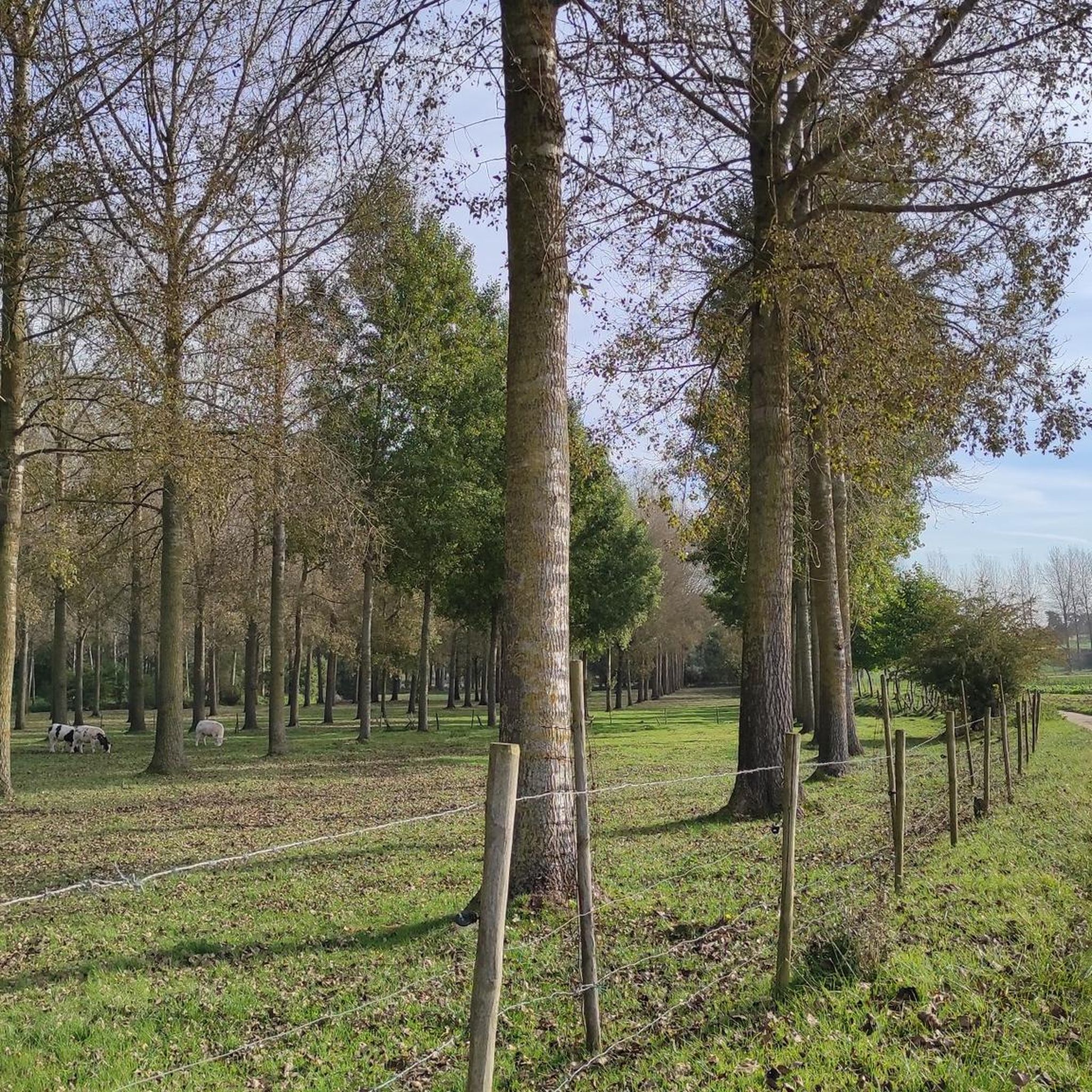
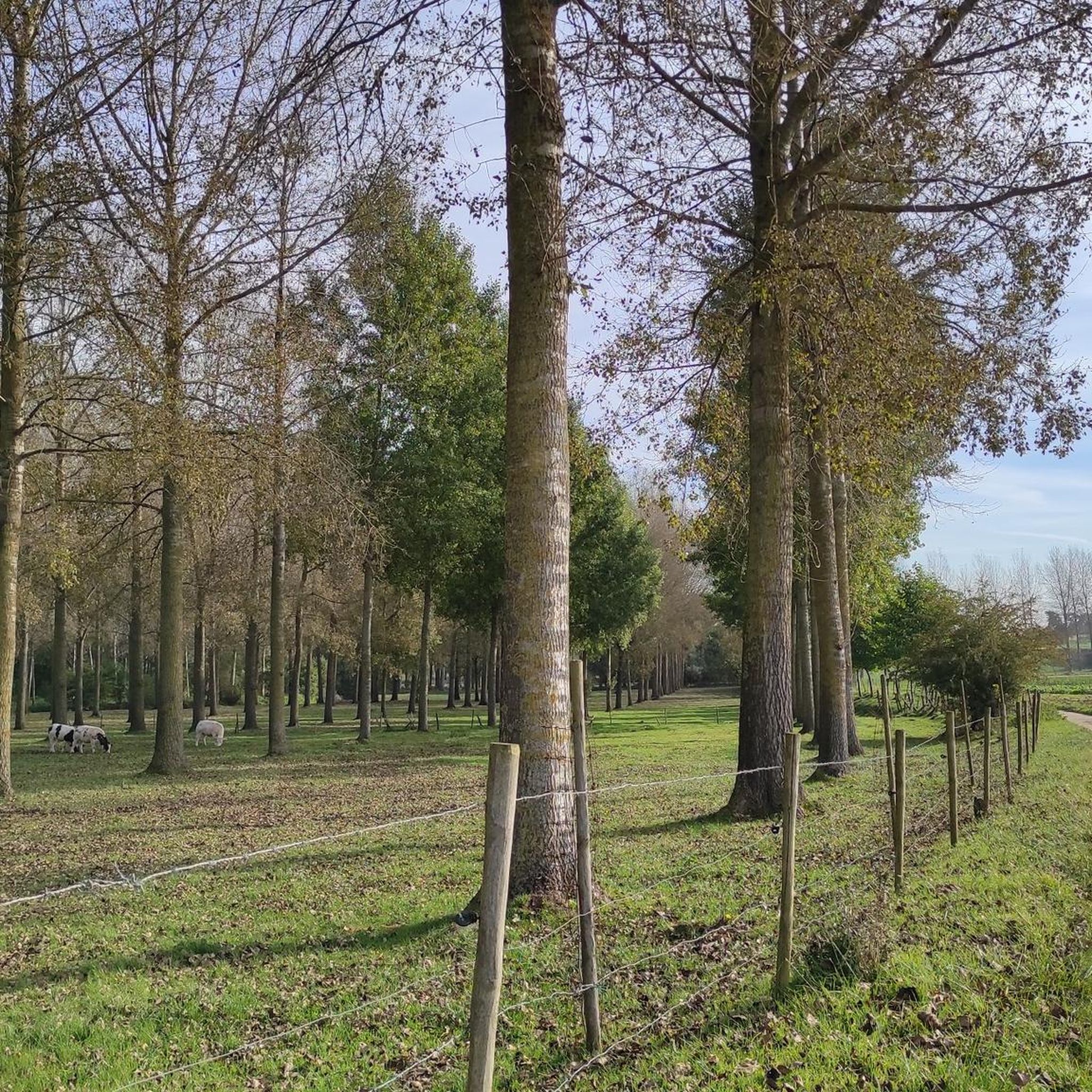
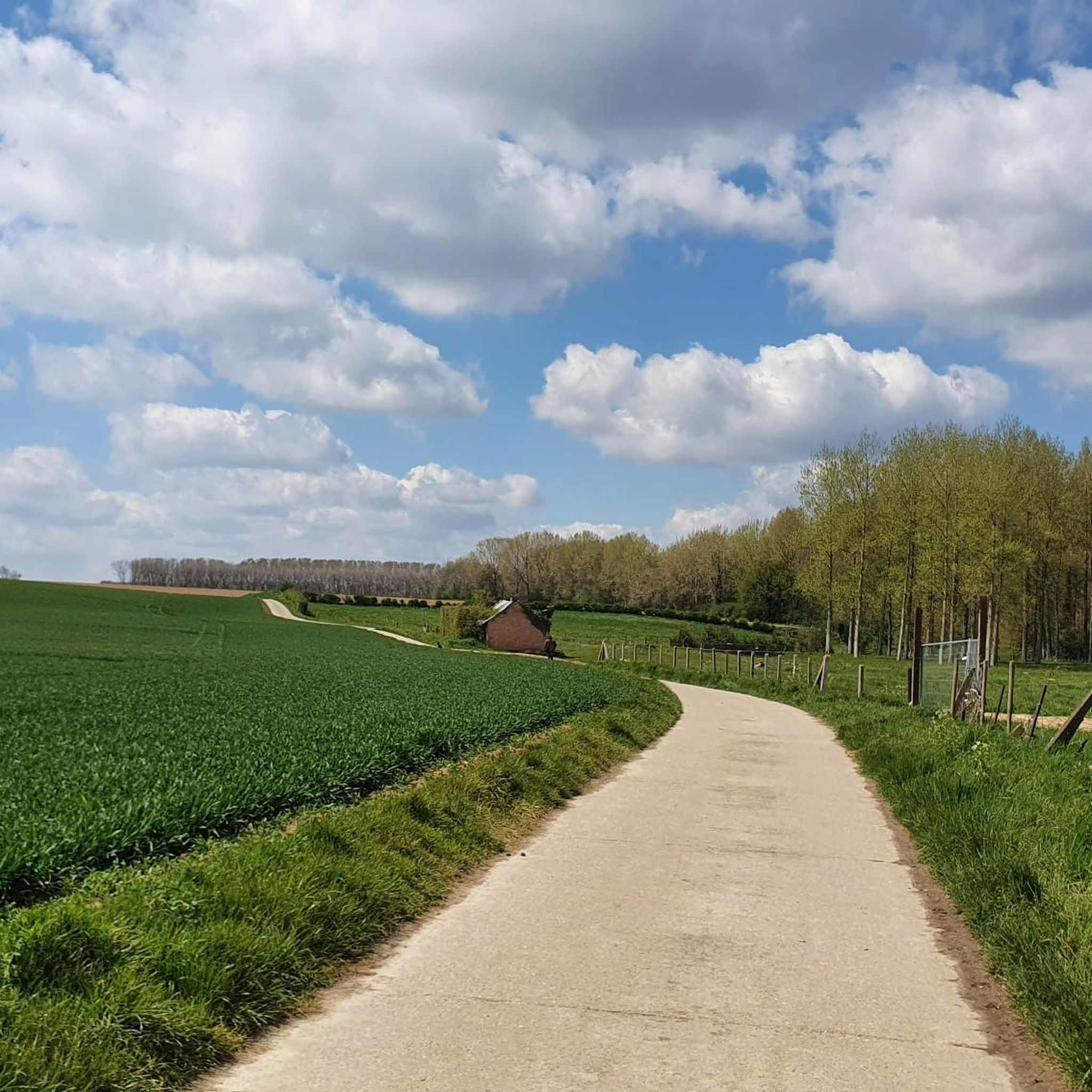
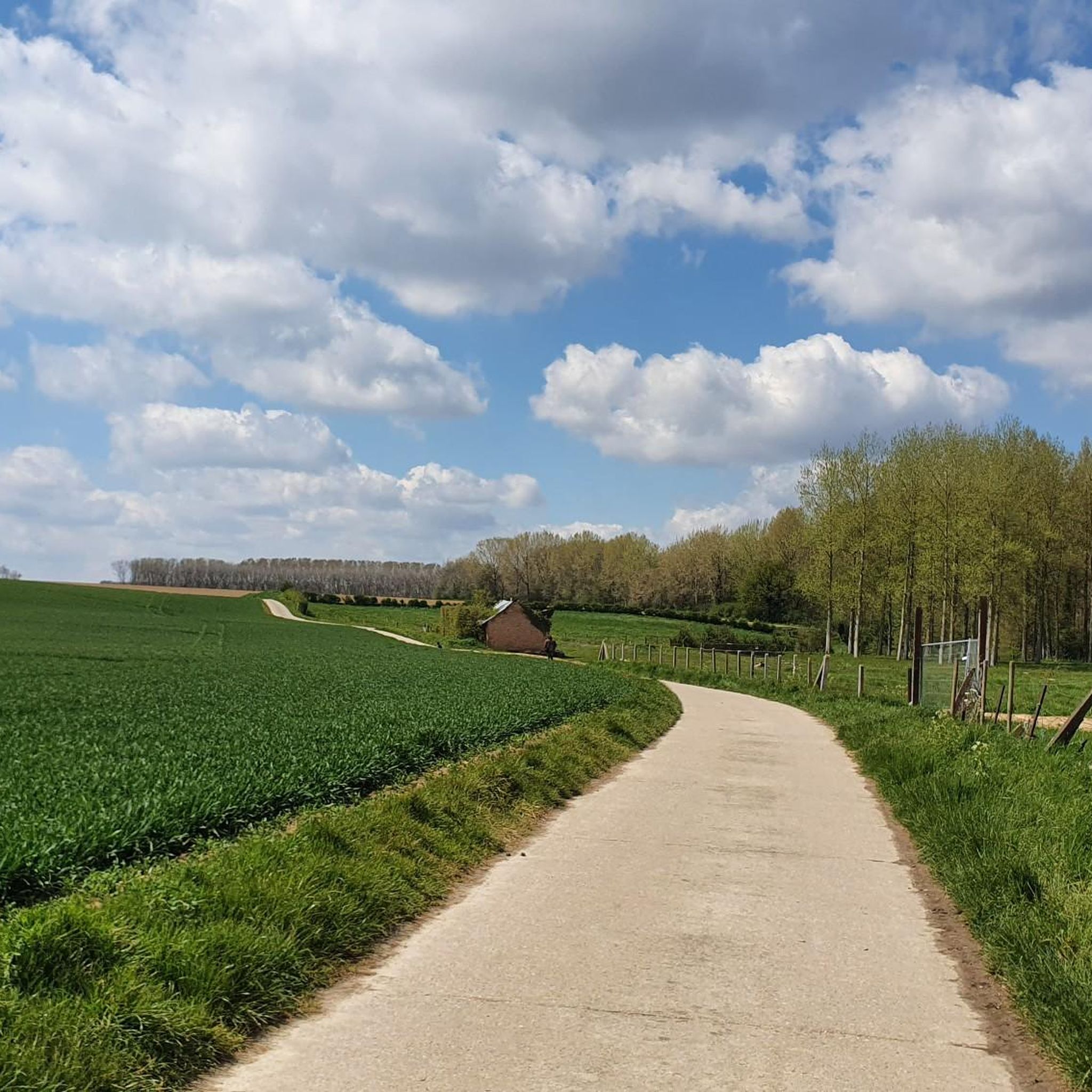
visible from the road with a bench and trash can to take a break
0
0

Hex Castle is one of the most beautiful and best preserved estates in Belgium. The castle is attributed to the Liège architect Etienne Fayn and dates from around 1775. It was built as a hunting lodge for Prince-Bishop François-Charles de Velbrück. It is surrounded by period gardens, a vegetable garden with an original vegetable cellar and a landscape park by Louis Fuchs, known for its collection of old and wild roses and age-old exotics. The annual garden days/plant fair are an opportunity for many to meet friends and colleagues in a relaxed atmosphere - and in the exceptional setting of these historic gardens - to discover special plants and to seek advice from growers and specialists. More: - https://www.visitsinttruiden.be/aanbod/tuinen-van-kasteel-van-hex/ - https://www.hex.be/ - https://inventaris.onroerenderfgoed.be/erfgoedobjecten/32081
5
0

The castle consists of four wings built of brick and provided with curled wall anchors. The whole is covered by hipped roofs of slate. The southern corner tower is topped by a bell-shaped spire while the other three corner towers have a tent roof. Each corner tower is crowned by a roof turret. The southern corner tower is built of marlstone and dates from the 15th century, the other parts of the castle are the result of thorough adjustments in the 17th century. The front facade of the castle on the southeastern side has two floors and is thirteen bays wide. Above each bay is a dormer window. The middle bay was converted into a monumental entrance gate at the beginning of the 18th century by Frans van Hinnisdael, Count of Betho. This gate was provided with a rectangular frame spread over two floors. In the second floor is a rectangular window with balustrade. The whole is crowned by a pediment showing the coat of arms of the van Hinnisdael family. The other wings of the castle date from the middle of the 17th century, these wings are also built of brick and marlstone. The farm dates back to the 17th century. The buildings are built of brick and have hipped and saddle roofs covered with slates. The northwestern facade of the farm contains a central round-arched entrance gate with a limestone frame. On either side of this entrance gate are living areas that protrude from the facade like risalits.
2
1
The castle of Heks is a Belgian castle, located in the village of Heks (part of Heers) in the province of Limburg. The palatial castle was built from 1770, probably by the Liège architect Etienne Fayen, for the Prince-Bishop of Liège Franciscus Karel de Velbrück. As a lover of nature, the Prince-Bishop chose this place in the slightly hilly Haspengouw to build his summer residence and pleasure garden. He had a Chinese garden, a rose garden and a vegetable garden laid out there. Later, the castle was embellished with one of the first landscape parks on the European mainland, inspired by the English garden architecture of Capability Brown. He died on his estate in 1784. The estate is owned by the d'Ursel family. The rose garden now (2004) has an exceptional assortment of rose varieties, the oldest of which were present in the original garden. The gardens and park are open to the public during the first weekend in June and the second weekend in September. The castle features in Harry Kümel's 1968 film Monsieur Hawarden.
7
1
Located just outside the city, in the middle of a beautifully preserved landscape. Impressive, partially moated castle with farm, symmetrically laid out: castle and farm are built around two connecting courtyards, the castle to the southeast, the farm to the northwest. The castle has a tower on each corner. Access to each section is at both ends of the central southwest-northeast axis. First mentioned in 1267 as Betue. It was a Liège fief, successively owned by the families Betho, Huwenial (1417), Betho (1442), Oyembrugge (1524), Krafft (1598), de Simonis (mid-17th century), de Hinnisdael (1691), van der Gracht (1728), the Hinnisdael (1748), the Copis (1828). In 1412 the castle is mentioned as "une maison et cour", in 1478 a tower is added, probably the current southern corner tower, almost entirely made of marl stone, the only remainder of this original building. The other buildings and the barn of the farm date from a subsequent building campaign (mid-17th century). The southeast wing of the castle and the farm date from the second half of the 17th century and the beginning of the 18th century. These parts are probably the result of the building activities of Pierre de Simonis (+ 1691) and his heir François de Hinnisdael (1691-1720). The castle groups its buildings around a courtyard (not open to visitors). Brick buildings, anchored by means of wrought iron wall anchors with curls, under hipped roofs (slate); the corner towers have tent roofs, the south tower has a bell-shaped roof, each crowned with a roof turret. The mid-17th century buildings are brick and marlstone constructions, equipped with bands, corner blocks, profiled cornice on ojief-shaped consoles and rectangular windows in a marlstone frame with nave blocks and cockscomb. Source: https://inventaris.onroerenderfgoed.be/erfgoedobjecten/37305
10
0
Frequently Asked Questions
What makes the castles around Crisnée unique?
The castles around Crisnée are characterized by a variety of architectural styles and historical backgrounds, including moated castles, castle farms, and palatial estates. The region's gently rolling landscape provides a distinctive backdrop for these historical sites, offering a blend of natural beauty and rich heritage. For example, Castle of Betho is known for its impressive moated design and symmetrical layout, while Widooie Castle is a well-preserved castle farm.
Are there any hidden gem castles in the Crisnée region?
While the region boasts 20 castles, some offer unique features that might be considered hidden gems. Heks Castle, for instance, is renowned for its meticulously maintained historic gardens, including a Chinese garden, a rose garden with an exceptional assortment of rose varieties, and one of the first landscape parks on the European mainland. Its gardens are open to the public during specific weekends in June and September, offering a special experience.
What historical periods do the castles around Crisnée represent?
The castles in the Crisnée region span several historical periods. For example, the Castle of Betho was first mentioned in 1267, with its southern corner tower dating back to around 1478, and other parts from the mid-17th to early 18th centuries. Heks Castle was built starting in 1770 as a summer residence, showcasing 18th-century architecture and garden design. Widooie Castle features a gate dating from 1662, indicating 17th-century construction and later adaptations.
What are some of the most beautiful castle gardens to visit near Crisnée?
The gardens of Heks Castle are particularly notable. They include a Chinese garden, a rose garden with an exceptional assortment of rose varieties, and a vegetable garden with an original vegetable cellar. The estate also features one of the first landscape parks on the European mainland, inspired by English garden architecture. The gardens and park are open to the public during the first weekend in June and the second weekend in September.
Are there family-friendly castles to visit near Crisnée?
Many castles in the region offer an engaging experience for families, often with expansive grounds to explore. Heks Castle, with its extensive gardens and park, can be a pleasant outing for families, especially during its open garden days. While specific family activities vary, the historical settings and outdoor spaces provide opportunities for exploration and learning.
What is the best time of year to visit the castles around Crisnée?
The spring and summer months (May to September) are generally ideal for visiting the castles around Crisnée. During this time, the weather is pleasant for exploring castle grounds and gardens, such as those at Heks Castle, which are specifically open to the public in June and September. The surrounding landscape is also at its most vibrant, enhancing the experience of outdoor activities.
Are there easy walking trails around the castles near Crisnée?
Yes, the region offers various walking opportunities. While specific easy walking trails directly around each castle might vary, you can find numerous easy routes in the broader Crisnée area. For example, the nearby MTB Trails around Crisnée guide includes routes like the 'Old Tramway Path – Route Along the Jeker loop from Crisnée' which is rated as easy and can be adapted for walking.
Can I visit the interior of all castles around Crisnée?
Access to the interior of castles varies. Some, like the Castle of Betho, are private residences and not open to the public. Heks Castle opens its gardens and park to the public on specific dates, but interior access is generally limited. It's advisable to check the official websites or local tourism information for specific opening times and access details for each castle you plan to visit.
What outdoor activities can I do near these castles?
The area around Crisnée offers a range of outdoor activities. You can find various routes for mountain biking and gravel biking. For example, the MTB Trails around Crisnée guide features routes like the 'Lexhy Castle – Tramway Path loop from Fexhe-le-Haut-Clocher'. There are also several Running Trails around Crisnée, such as the 'Crisnée Country Road loop from Crisnée', allowing you to explore the scenic countryside.
Are there hiking trails near the castles?
Yes, the region provides opportunities for hiking and walking. While specific hiking trails directly around each castle may vary, you can explore numerous routes in the wider Crisnée area. The Running Trails around Crisnée guide offers several moderate routes, such as the 'Water retention basin on the Jeker – Pure Rust loop from Crisnée', which can be enjoyed for walking and offer views of the local landscape.
What do visitors enjoy most about the castles around Crisnée?
Visitors appreciate the historical significance and diverse architecture of the castles, from moated designs to castle farms. The well-preserved estates and their surrounding natural beauty are often highlighted. For instance, Heks Castle is particularly praised for its beautiful gardens and landscape park. The komoot community has shown significant interest, with over 180 upvotes and 13 photos shared, indicating a strong appreciation for these sites.
Are there any castles near Crisnée that are particularly good for photography?
Many castles in the region offer picturesque settings for photography. The symmetrical layout and partially moated design of the Castle of Betho, with its corner towers and historical architecture, make for striking images. Similarly, the well-preserved Widooie Castle, a castle farm with a distinctive gate and four wings around a courtyard, provides unique photographic opportunities. The expansive and historic gardens of Heks Castle are also a favorite among photographers, especially when the roses are in bloom.
Most popular routes around Crisnée
Most popular attractions around Crisnée

Get inspired with the komoot mobile app


Explore more
Looking for the best castles somewhere else? Discover other guides around Crisnée:
