The best road cycling routes around Controguerra
4.3
(428)
11,811
riders
316
rides
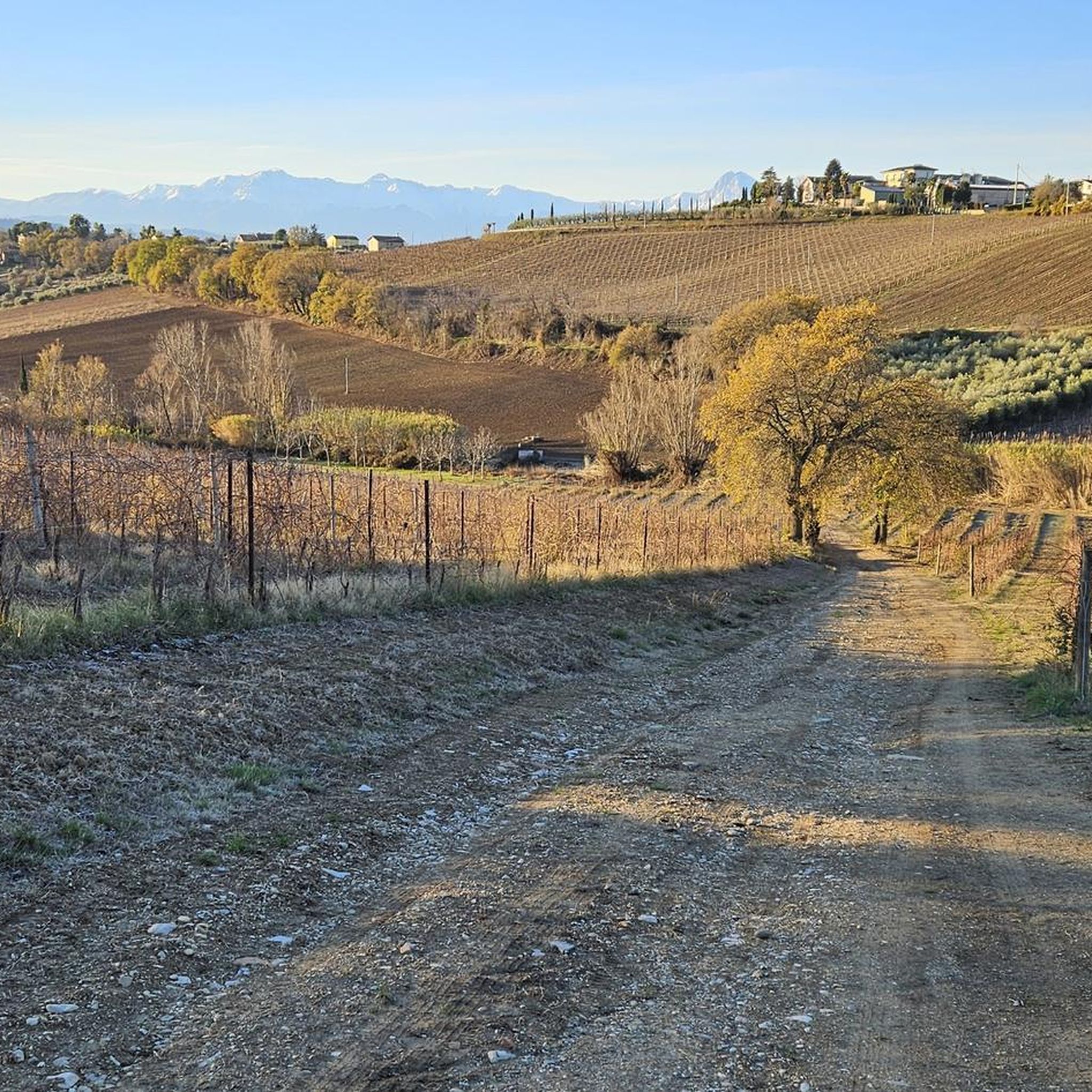
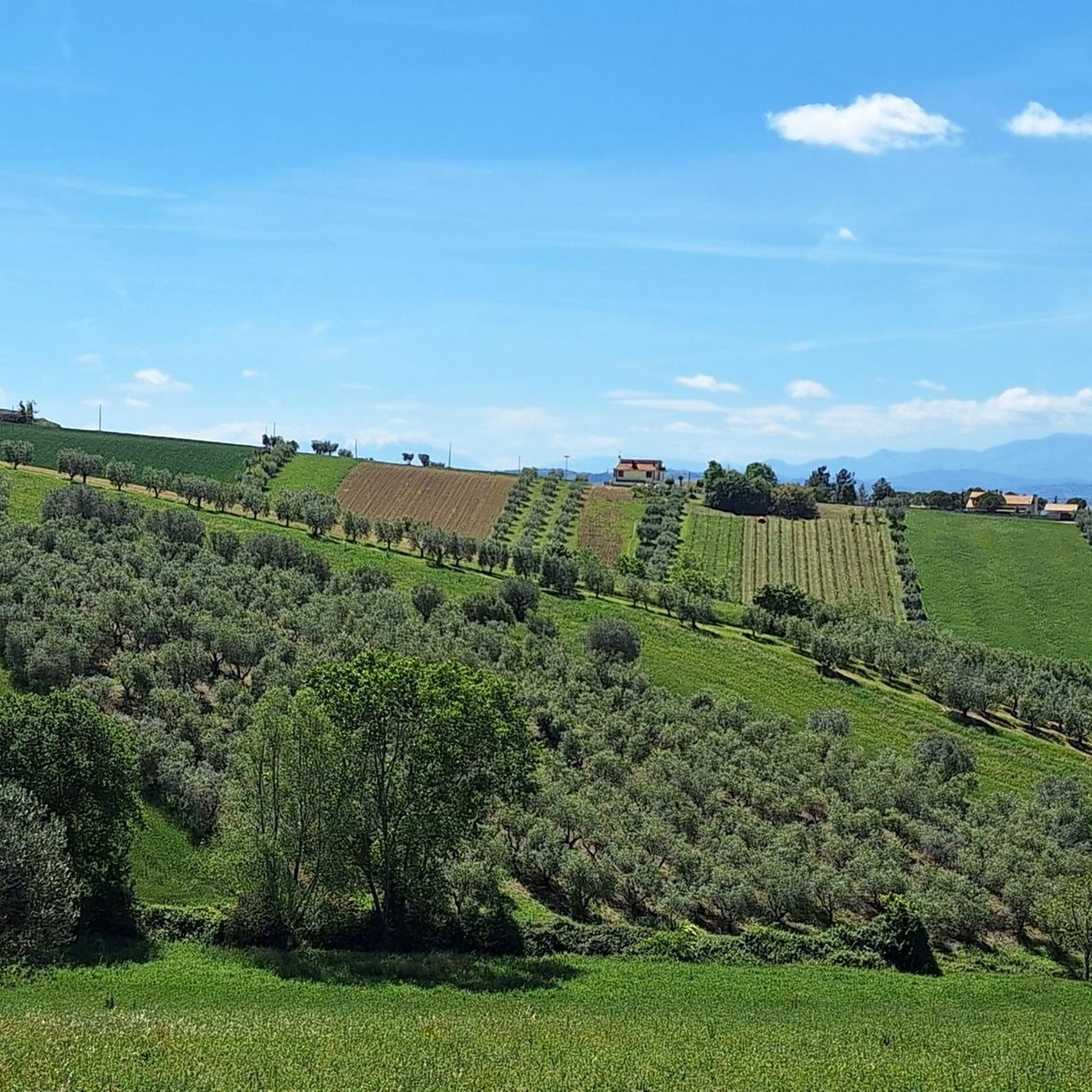
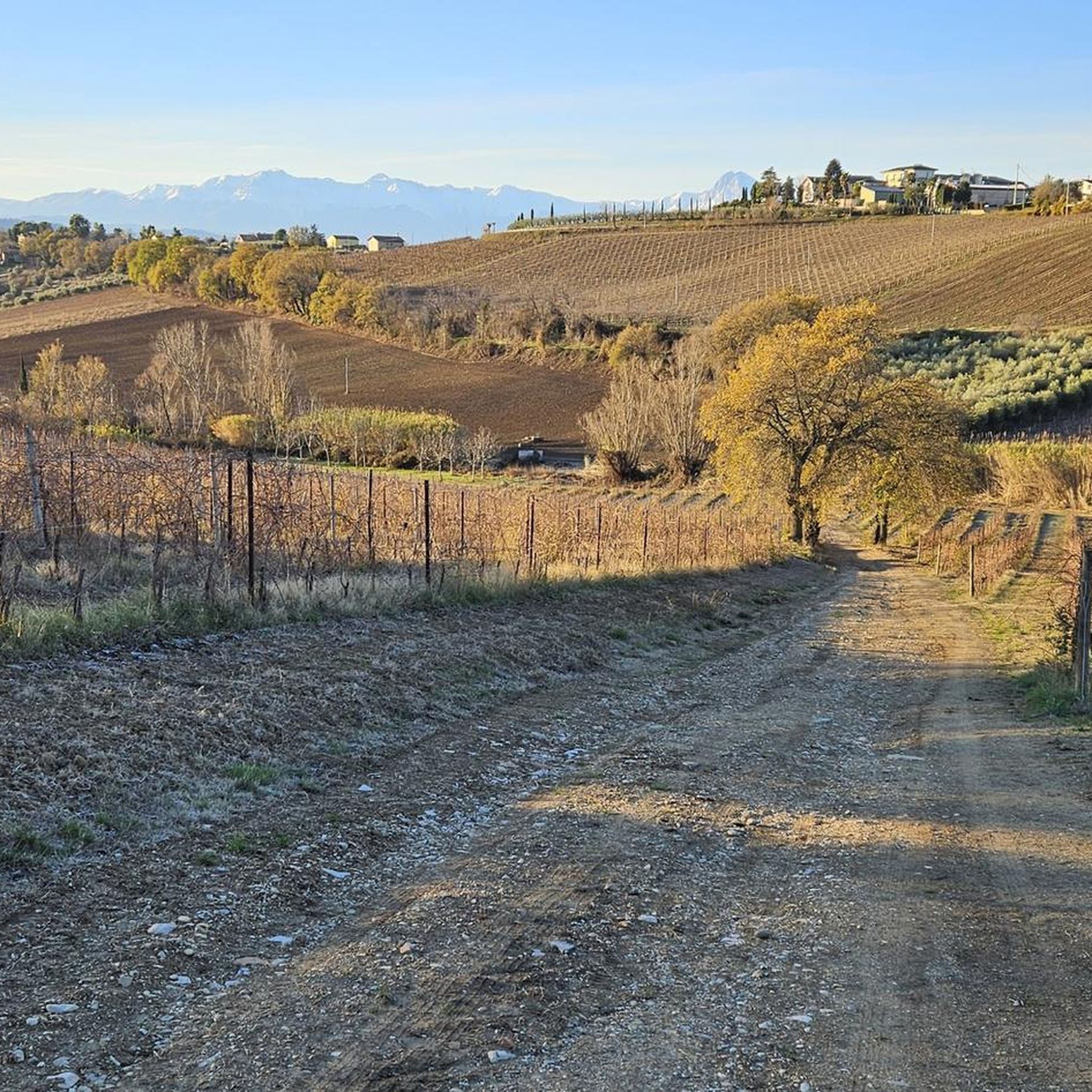
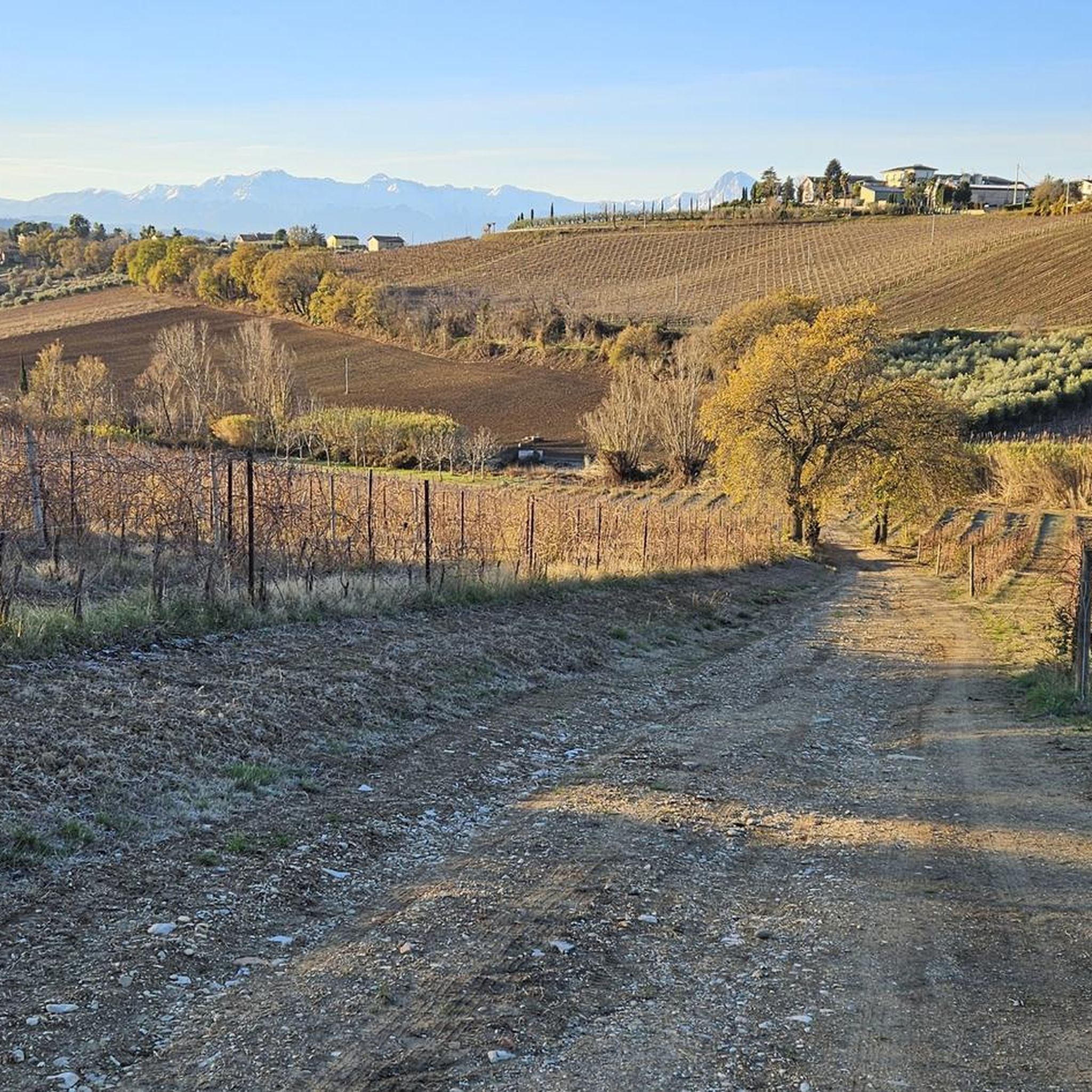
Road cycling routes around Controguerra traverse a landscape characterized by rolling hills and valleys, offering views towards the Adriatic coast and inland agricultural areas. The terrain includes gentle ascents and descents, with some routes featuring more significant elevation changes. Historic roads and rural paths connect small towns and scenic viewpoints. The region's geography provides varied conditions for different road cycling preferences.
Best road cycling routes around Controguerra
- The most popular road cycling route is View of Grottammare – View of…
Last updated: July 8, 2026
4.7
(6)
246
riders
Moderate road ride. Good fitness required. Mostly well-paved surfaces and easy to ride.
29
riders
Moderate road ride. Good fitness required. Mostly well-paved surfaces and easy to ride.

Sign up for free
19
riders
Easy road ride. Great for any fitness level. Mostly well-paved surfaces and easy to ride.
20
riders
131km
05:58
1,180m
1,180m
Hard road ride. Very good fitness required. Mostly well-paved surfaces and easy to ride.
6
riders
21.1km
01:01
310m
310m
Moderate road ride. Good fitness required. Mostly well-paved surfaces and easy to ride.
Get access to more routes and recommendations from other explorers.
Sign up for free
Already have an account?
Our route recommendations are based on thousands of hikes, rides, and runs completed by other people on komoot.
Start today with a free account
Your next adventure awaits.
Login or Signup
Tips from the Community

A true open-air museum of modern art on the tourist pier of San Benedetto del Tronto
0
0


The Museum of Art on the Sea (MAM), located on the beautiful south pier of the city, is a permanent open-air exhibit of contemporary works of art, with an impressive display of 135 sculptures and 10 wall paintings. The artworks, signed by more than 130 different artists coming from every corner of the country and from all over the world, were created during the past editions of the “Scultura Viva” (Living Sculpture) International Sculpture and Painting Symposium, held in San Benedetto since 1997. Works by Mario Lupo, Marcello Sgattoni, Genti Tavanxhiu and Giuseppe Straccia are also exhibited on the pier. Commissioned by “Circolo dei Sambenedettesi”, a local association for the conservation of the city’s cultural heritage, and completed in year 1986, a monument by Mario Lupo proudly stands as the biggest piece in the exhibition: an eight metres high bronze sculpture dedicated to Jonathan Livingston Seagull. Visiting the Museum of Art on the Sea is a really unique experience, not only because of its exhibit, but also thanks to its beautiful setting: a graceful promenade stretching out into the open sea, for a length of over one kilometre. The first half of the walk is dedicated to sculpture, showcasing bas-reliefs, high reliefs and sculptures in the round, created by the artists who took part in the “Scultura Viva” International Symposium and carved on the travertine stone blocks acting as a breakwater on one side of the pier. On the opposite side, one single and bizarre artwork can be found, the creation of local artist Marcello Sgattoni: a fountain made of concrete and river pebbles representing a girl from whose breasts drinking water flows, a celebration of water as the source of all life. The second half of the walk is dedicated to street art painting. On the huge concrete blocks fringing the final stretch of the pier, 10 wonderful murals were painted by renowned artists from all over the world. The Museum of Art on the Sea is always open and free to visit at any time. (c) https://www.comunesbt.it/museodelmare/Engine/RAServePG.php/P/25241MDM0316/L/1
2
0

Torre di Palme is a must-see for cycle tourists arriving in the Fermo area. It is part of the circuit of the most beautiful villages in Italy and from its height you can admire the Adriatic coast up to Conero.
0
0

Panoramic point towards the southern coast and towards the Sibillini Mountains, a guaranteed spectacle on a clear day after the first snowfalls
0
0
Torre di Palme is a fantastic panoramic balcony on the top of a hill from which you can admire the coast and the Adriatic Sea. The village belongs to the circle of Fermo castles divided, depending on their location, into marine, middle and mountain: the marine ones rise on the top of the hills and generally have an ellipsoidal urban layout (with an east-west axis) surrounded by walls that they open with "Sun" or "Bora" doors. The town arose in the Middle Ages as a fortified protection of the ancient seaport of the Roman city of Palma with the aim of defending it from frequent pirate incursions. Definitely worth visiting
0
0
Beautiful seaside town, seafront famous for its palm trees
0
0

Wonderful life in the Sibillini Mountains and the Gran Sasso
0
0
Frequently Asked Questions
How many road cycling routes are available around Controguerra?
There are over 270 road cycling routes available in the Controguerra area, catering to various skill levels and preferences. This includes a mix of easy, moderate, and challenging options.
Are there easy road cycling routes suitable for beginners in Controguerra?
Yes, Controguerra offers more than 30 easy road cycling routes perfect for beginners or those seeking a relaxed ride. These routes typically feature gentler ascents and descents through the region's rolling hills.
Where can I find challenging road cycling routes with significant elevation gain near Controguerra?
For more challenging rides, Controguerra has over 90 difficult routes. One such route is the Embarcadero Maestro Pastrana – View of Grottammare loop from Monsampolo del Tronto, which covers 83 miles (133.7 km) with over 1,100 meters of elevation gain, offering a substantial workout and expansive views.
Are there long-distance road cycling routes in the Controguerra area?
Absolutely. The region features several long-distance routes, such as the View of Grottammare – View of Fermo loop from Monsampolo del Tronto, which spans nearly 62 miles (99.8 km) and provides extensive views of the Adriatic coastline and inland hills.
Can I find circular road cycling routes around Controguerra?
Many of the road cycling routes in Controguerra are designed as loops, allowing you to start and finish at the same point. For example, the Milestone of the Via Salaria – Embarcadero Maestro Pastrana loop from Controguerra is a popular 38.1-mile (61.4 km) circular trail through historical areas and rural landscapes.
What scenic viewpoints can I expect to see while road cycling around Controguerra?
Road cycling routes in Controguerra often provide stunning vistas of the Adriatic coast, inland agricultural areas, and the surrounding rolling hills. Many routes pass through charming small towns and offer panoramic views, such as those found on the Offida Historic Center – View of Civitella del Tronto loop from Monsampolo del Tronto.
Are there any historical sites or landmarks to explore along the road cycling routes?
Yes, the region is rich in history. Routes often connect small towns and pass by significant landmarks. You might encounter sites like the Acquaviva Picena Fortress or explore the charming Controguerra — Village and Vineyards, offering cultural stops during your ride.
What is the best time of year for road cycling in Controguerra?
The best time for road cycling in Controguerra is typically during the spring (April to June) and autumn (September to October) months. During these periods, the weather is generally mild and pleasant, with less intense heat than summer and fewer chances of winter rainfall, making for ideal riding conditions.
Are there cafes or refreshment stops along the road cycling routes in Controguerra?
Given the routes often connect small towns and pass through rural areas, you'll find opportunities for refreshment. Many villages and towns along the way, such as Controguerra itself, offer local cafes, bars, and trattorias where you can refuel and experience local hospitality.
What do other road cyclists enjoy most about road cycling in Controguerra?
The road cycling routes in Controguerra are highly rated by the komoot community, with an average score of 4.38 stars from over 470 reviews. Cyclists frequently praise the diverse terrain, which includes rolling hills and coastal views, as well as the opportunity to explore historic roads and charming rural landscapes.
Is parking available for road cyclists in Controguerra?
Yes, parking is generally available in and around Controguerra, particularly in the main town centers or designated parking areas. When planning your route, it's advisable to check the starting point for specific parking options to ensure convenience.
How accessible are Controguerra's road cycling routes by public transport?
While Controguerra is a rural area, some public transport options like local buses connect it to larger towns. However, for maximum flexibility and access to various starting points for road cycling routes, traveling by car is often the most convenient option.
Most popular routes around Controguerra
Most popular attractions around Controguerra

Get inspired with the komoot mobile app


Explore more
Browse the best Road cycling routes in other regions.
