The best road cycling routes around Grezzago
4.3
(631)
12,397
riders
186
rides
Road cycling routes around Grezzago are primarily characterized by a flat to gently rolling landscape, shaped by the Adda River and various canals. The region offers numerous paths along waterways, providing consistent terrain for road cyclists. These routes often traverse open countryside, occasionally passing through small villages. The elevation changes are generally minimal, making it suitable for sustained cycling efforts.
Best road cycling routes around Grezzago
- The most popular road cycling route is Adda and Paderno Canal Trail, a…
Last updated: July 3, 2026
3.0
(1)
31
riders
35.4km
01:34
270m
270m
Moderate road ride. Great for any fitness level. Some segments of this route may be unpaved and difficult to ride.
4.3
(3)
253
riders
Moderate road ride. Good fitness required. Mostly well-paved surfaces and easy to ride.

Sign up for free
4.5
(8)
163
riders
47.5km
01:50
110m
110m
Easy road ride. Great for any fitness level. Mostly well-paved surfaces and easy to ride.
103
riders
Moderate road ride. Good fitness required. Mostly well-paved surfaces and easy to ride.
5.0
(3)
90
riders
52.3km
02:24
420m
420m
Moderate road ride. Good fitness required. Some segments of this route may be unpaved and difficult to ride.
Get access to more routes and recommendations from other explorers.
Sign up for free
Already have an account?
Our route recommendations are based on thousands of hikes, rides, and runs completed by other people on komoot.
Start today with a free account
Your next adventure awaits.
Login or Signup

Tips from the Community

Ponte San Michele (also known as Ponte di Paderno or Ponte Röthlisberger) is a masterpiece of industrial archaeology from the late 19th century, located in Lombardy, which spans a deep gorge of the Adda river, connecting the municipalities of Paderno d'Adda (Lecco) and Calusco d'Adda (Bergamo). It was inaugurated in 1889. It was calculated by the Swiss engineer Jules Röthlisberger and built by the Società Nazionale Officine di Savigliano. It has an overall length of 266 meters and rises a good 85 meters above the river level. It is a single-arch bridge entirely in iron, riveted and without welds, built in the same historical period as the Eiffel Tower.
0
0

The Angelo Bertini Hydroelectric Power Plant is a gem of industrial archaeology located in Porto d'Adda (a hamlet of Cornate d'Adda, Monza and Brianza). Inaugurated on September 28, 1898, by the Edison group, it holds an extraordinary historical record: at the time of its construction, it was the most powerful hydroelectric power plant in Europe and the second in the world, surpassed only by that of Niagara Falls. Its original purpose was fundamental for the modernization of Milan, as it had to supply the energy necessary for the electrification of Milan's tram network, allowing for the definitive replacement of horse-drawn trams.
0
0
The bridge over the Muzza Canal, located in Lavagna (a hamlet of the municipality of Comazzo in the province of Lodi), is a historical landmark for crossing this ancient artificial waterway. The Muzza is a branch of the Adda river, known for being one of the oldest canals in Europe. Lavagna Lodigiana is a small rural village immersed in the countryside that develops right next to the canal. The bridge area is frequented by cyclists and hikers who travel along the Muzza cycle path or the Muzza-Ponte di Lavagna route, enjoying the river landscape.
0
0
The Muzza Canal is one of the most important and oldest hydraulic engineering works in Europe. It is a large artificial branch of the Adda river that crosses the Lombard plain. For centuries, it has represented the main resource for irrigating the lands of the province of Lodi and southern Milan. It originates in Cassano d'Adda (Milan), drawing water directly from the Adda near the Visconti castle. It ends its course after about 39-40 kilometers (over 60 km considering the entire main network), rejoining the Adda at Castiglione d'Adda (Lodi).
0
0

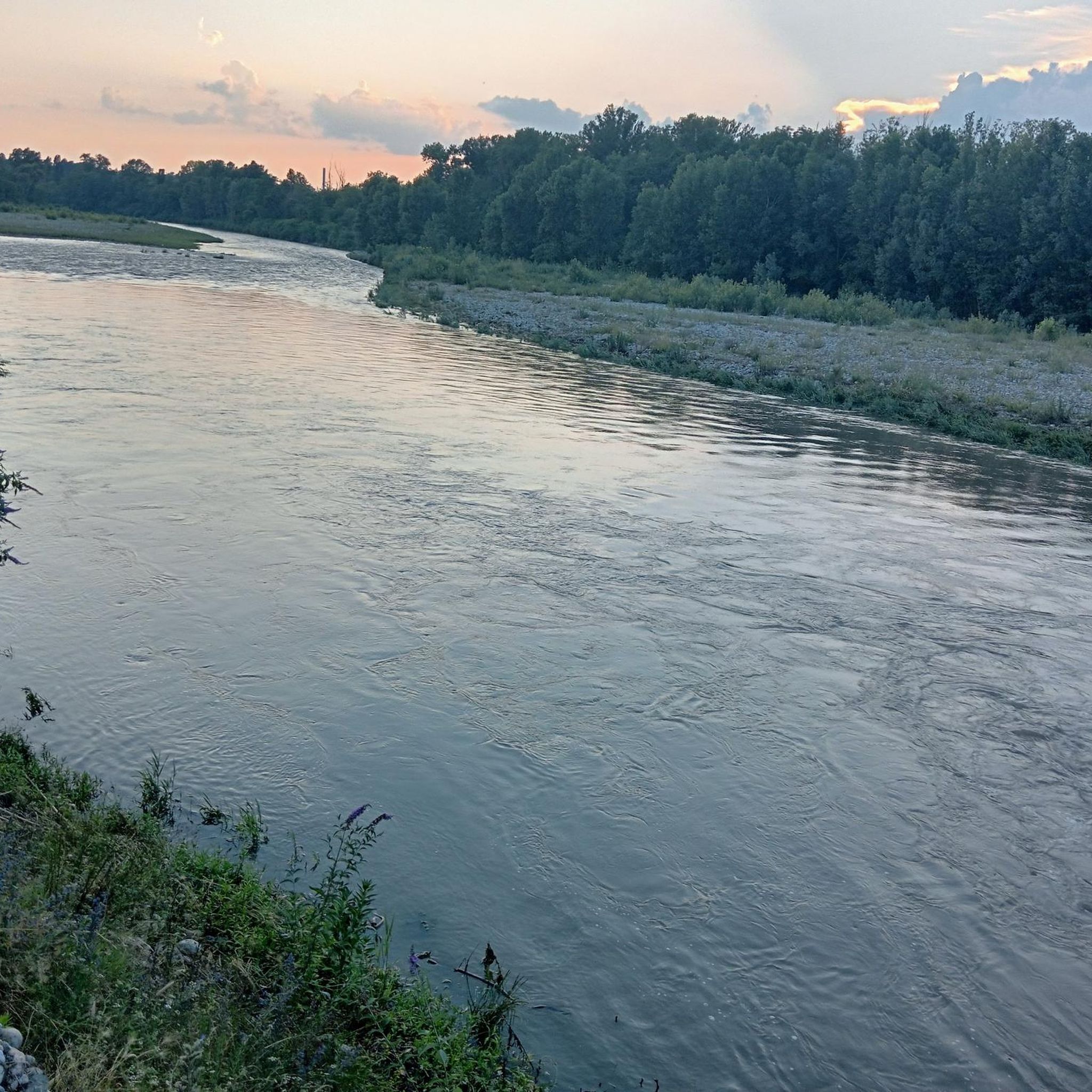
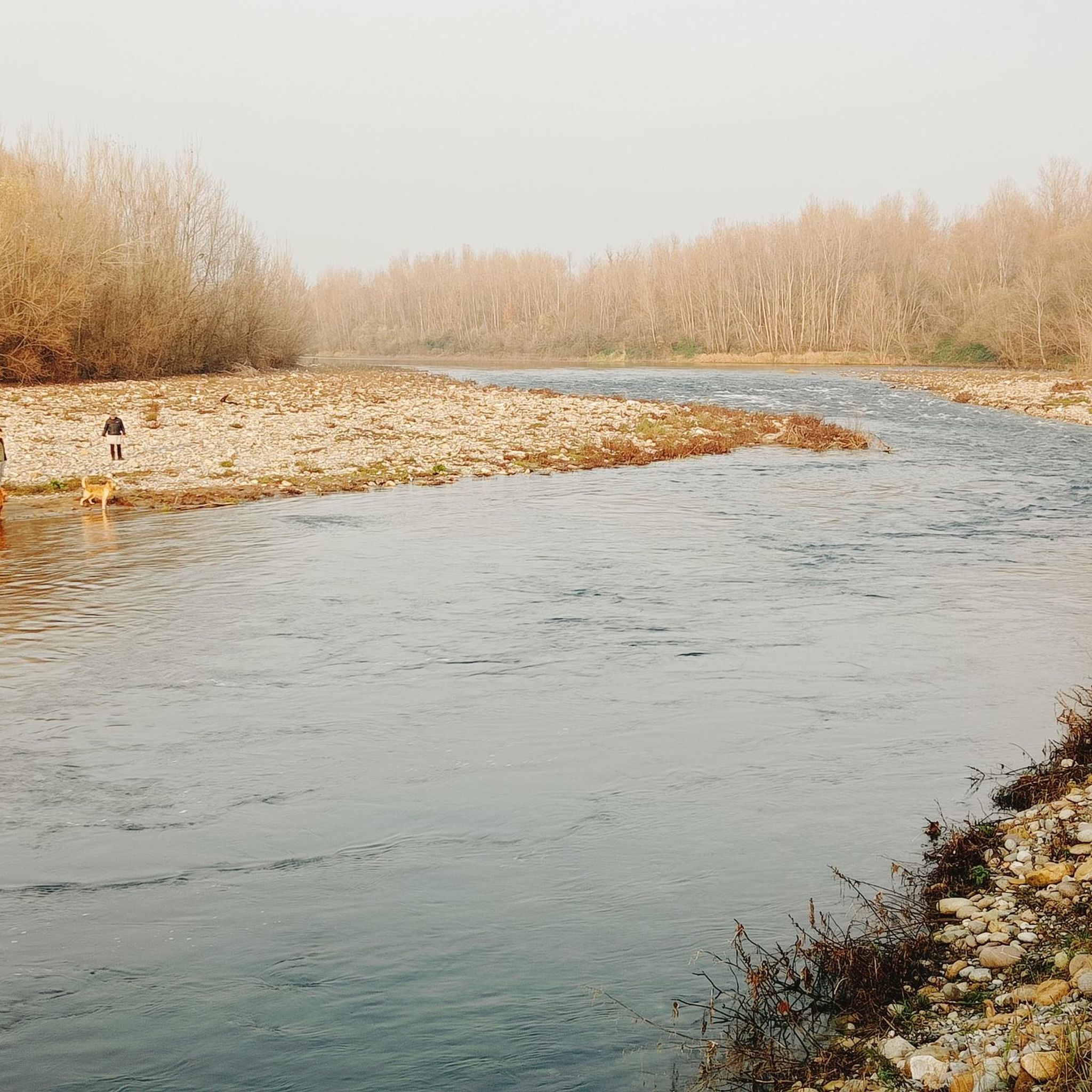
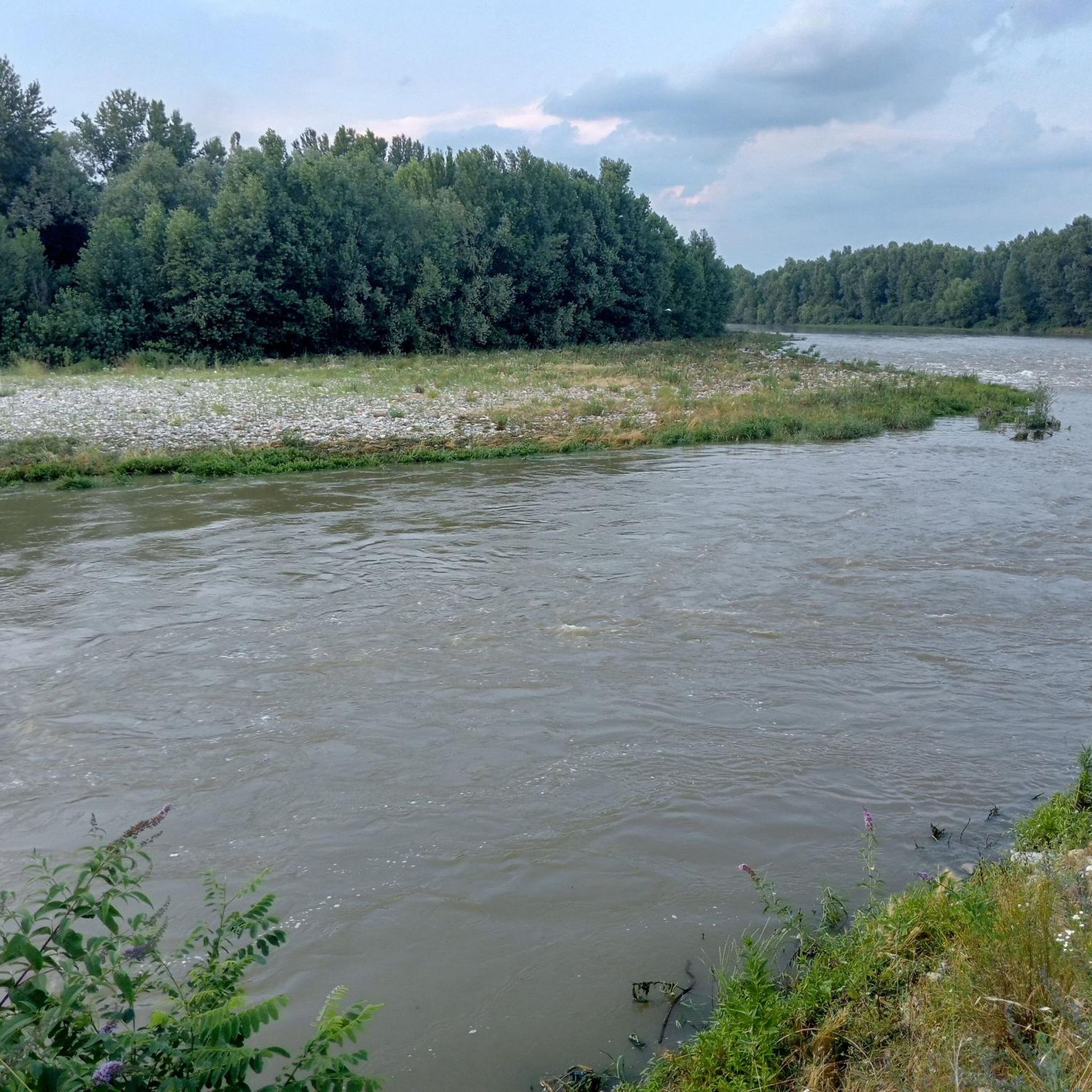
Unique wildlife oasis, perhaps the last of all ecosystems in urbanized areas. An environment to be respected and carefully maintained. I think of the devastation that routes D and C of the foothill highway will cause. Let's stop useless works and preserve what our territory still offers us.
0
0
The Muzza Canal is the oldest in Europe and this year, its 800th anniversary was celebrated by the Municipality of Paullo in collaboration with the Pro Loco and other Municipalities. Its origin dates back to the year 1220, when Frederick II of Swabia, crowned emperor of the Holy Roman Empire, issued an imperial edict that granted the people of Lodi the right to use the waters flowing through their territory. The current route, about 60 km long, receives the waters of the Adda at Cassano d’Adda, at an altitude of 120 m above sea level, crosses the Lodi territory for about 40 km up to near Castiglione d’Adda, at an altitude of 45 m above sea level, and here it releases them back into the Adda. It has a regulated water regime, with a flow rate, depending on the seasons, of about 200,000 liters of water per second; an initial width of 50 meters which reduces to a few meters at the end of its course and an average depth of 2 meters.
1
0
The Muzza canal (61 km long in total) is a branch of the Adda River and has recently celebrated its 800th anniversary, making it one of the oldest in Europe. Its name, with slight variations over the centuries, still recalls the Roman family Mutia who moved here in 90 BC, starting the first land reclamation works. Smaller watercourses branch off from the wide canal, winding through the countryside for a total length of about 1000 kilometers, mainly intended for agricultural irrigation. The surrounding landscape of countryside and farmhouses is evocative, with a succession of tree-lined rows and open fields. It is also very interesting from a naturalistic point of view as it attracts many aquatic birds that can be observed along the route.
1
0
Naviglio della Martesana is perhaps the least known of the ancient artificial canals connecting Milan to the great Lombard rivers. It originates from the Adda in Concesa, a hamlet of Trezzo d’Adda, crosses the Martesana sub-region, northeast of the provincial capital, and once in the city, it plunges underground beneath Via Melchiorre Gioia, at the height of Cassina de’ Pomm. It measures approximately 38 km in length, with a width varying from 9 to 18 meters. However, once upon a time, the Naviglio della Martesana continued in the open air all the way to the center, where a lock system centered on the Conca dell’Incoronata connected it to the short Naviglio di S. Marco and the urban network of the Navigli. The lock was inaugurated in 1496, utilizing lock gates designed by Leonardo da Vinci. The canal had been opened in 1471, under Francesco Sforza. By connecting it to the other Navigli, Leonardo laid the foundations for realizing a dream of the Sforzas: to travel by water from the Ticino, and therefore from Lake Maggiore, all the way to the Adda.
1
0
Frequently Asked Questions
How many road cycling routes are available around Grezzago?
There are nearly 200 road cycling routes around Grezzago, offering a wide range of options for different skill levels. The region is characterized by a flat to gently rolling landscape, primarily along the Adda River and various canals.
Are there easy road cycling routes suitable for beginners in Grezzago?
Yes, Grezzago offers over 75 easy road cycling routes, perfect for beginners or those seeking a relaxed ride. These routes often follow flat canal paths or quiet country roads. An excellent option is the Canale Muzza – Bridge over the Muzza loop from Trezzano Rosa, which is 29.5 miles (47.5 km) with minimal elevation gain.
What is the typical elevation gain on road cycling routes near Grezzago?
The road cycling routes around Grezzago are generally flat to gently rolling, with minimal elevation changes. For instance, the Park Fountain – Bellinzago Lombardo Locks loop from Trezzano Rosa has an elevation gain of only about 60 meters over 29 kilometers, making it suitable for sustained cycling efforts without significant climbs.
Are there any challenging road cycling routes for experienced cyclists?
While the region is largely flat, there are 16 routes classified as difficult, offering longer distances and slightly more varied terrain. For a moderate challenge, consider the Odiago village – Adda River at Trezzo sull'Adda loop from Capriate San Gervasio, which covers 34.7 miles (55.9 km) with around 498 meters of elevation gain.
What kind of scenery can I expect on road cycling routes in Grezzago?
Road cycling routes in Grezzago offer diverse scenery, primarily featuring picturesque river paths along the Adda River, tranquil canal-side routes, and open countryside. You'll often pass through small, charming villages and enjoy views of the Lombardy landscape.
Are there any circular road cycling routes around Grezzago?
Yes, many routes around Grezzago are designed as loops, allowing you to start and end at the same point. An example is the Brivio Bridge – Adda River at Trezzo sull'Adda loop from Trezzo sull'Adda, a 49.5 km route that offers varied scenery along the river.
What interesting landmarks or attractions can I see along the road cycling routes?
Many routes pass by historical and natural attractions. You might cycle past the Taccani Hydroelectric Power Plant and Trezzo Castle Tower, or the Rudun Water Wheel in Groppello d'Adda. For natural beauty, look out for the Pignone Park and Waterfall on the Adda River.
What do other road cyclists enjoy most about road cycling in Grezzago?
The area is highly rated by the komoot community, with an average score of 4.4 stars from over 700 reviews. Road cyclists often praise the well-maintained paths along the Adda River and canals, the minimal traffic, and the peaceful, scenic countryside that makes for enjoyable and sustained cycling.
Are there road cycling routes suitable for families with children?
Given the generally flat terrain and numerous canal-side paths, many of the easy routes are suitable for families. These paths often provide a safe and enjoyable environment away from heavy traffic. Look for routes with lower distances and minimal elevation for the best family experience.
Can I access road cycling routes in Grezzago using public transport?
While specific public transport connections to trailheads vary, many towns along the Adda River and canals are accessible by regional buses or trains, allowing you to start your ride from different points. It's advisable to check local transport schedules for the most convenient access to your chosen route.
What is the best time of year for road biking around Grezzago?
The best time for road biking around Grezzago is typically during spring (April-May) and autumn (September-October) when the weather is mild and pleasant. Summer can also be enjoyable, especially along shaded river paths, but be prepared for warmer temperatures. Winter rides are possible but can be chilly.
Are there cafes or places to stop for refreshments along the road cycling routes?
Yes, many routes pass through or near small villages and towns where you can find cafes, bakeries, and restaurants to refuel. The popular canal and river paths often have establishments catering to cyclists, especially in larger towns like Trezzo sull'Adda.
Most popular attractions around Grezzago

Get inspired with the komoot mobile app


Explore more
Browse the best Road cycling routes in other regions.
