The best walks and hikes around Follonica
4.6
(204)
1,676
hikers
75
hikes
Hiking around Follonica offers a diverse landscape blending coastal paths, Mediterranean forests, and rolling hills of the Alta Maremma in Tuscany. The region is characterized by extensive nature reserves, ancient medieval villages, and varied terrain suitable for different fitness levels. Hikers can explore lush woodlands, discover historical sites, and access scenic coves along the coastline.
Best hiking trails around Follonica
- The most popular hiking route is Pievaccia Tower and Bicocchi Lake Loop, a 5.6 miles (9.1 km) trail that takes 2 hours 35 minutes to complete. This moderate route features a historic tower and a serene lake.
- Another top favourite among local hikers is House on the Beach – Donkey Farm loop from Follonica, a moderate 6.3 miles (10.1 km) path. This route leads through pine dunes and Mediterranean vegetation, with an optional stop at a donkey farm.
- Local hikers also love the Montioni Village loop from Montioni, a 3.0 miles (4.8 km) trail leading through the Montioni Natural Park, often completed in about 1 hour 20 minutes.
- Hiking around Follonica is defined by coastal paths, Mediterranean forests, and rolling hills within nature reserves. The network offers options for different ability levels, from easy strolls to moderate climbs.
- The routes in Follonica are highly rated by the komoot community with an average score of 4.6 stars from over 150 reviews. More than 1,300 hikers have used komoot to explore Follonica's varied terrain.
Last updated: October 10, 2026
4.3
(7)
17
hikers
9.05km
02:35
150m
150m
Moderate hike. Good fitness required. Mostly accessible paths. Sure-footedness required.
4.4
(15)
49
hikers
7.50km
02:13
180m
180m
Moderate hike. Good fitness required. Mostly accessible paths. Sure-footedness required.

5.0
(2)
76
hikers
4.65km
01:10
10m
10m
Easy hike. Great for any fitness level. Easily-accessible paths. Suitable for all skill levels.
5.0
(2)
76
hikers
Easy hike. Great for any fitness level. Easily-accessible paths. Suitable for all skill levels.
4.6
(8)
84
hikers
10.1km
02:34
30m
30m
Moderate hike. Good fitness required. Easily-accessible paths. Suitable for all skill levels.
Get access to more routes and recommendations from other explorers.
Already have an account?
Our route recommendations are based on thousands of hikes, rides, and runs completed by other people on komoot.
Start today with a free account
Your next adventure awaits.

Tips from the Community

Piazza Nicola Guerrazzi, universally known as Piazza a Mare, represents the beating heart of the Follonica seafront. This spectacular urban terrace connects the city center (linking Via Roma and Corso Italia) directly to the beach and the waters of the gulf. Thanks to its elevated position, the square offers a magical optical illusion, giving the impression of extending directly over the water to ideally connect with the horizon and the Island of Elba. It is absolutely one of the most photographed and beloved panoramic spots for admiring the sunsets of the Maremma coast.
0
0
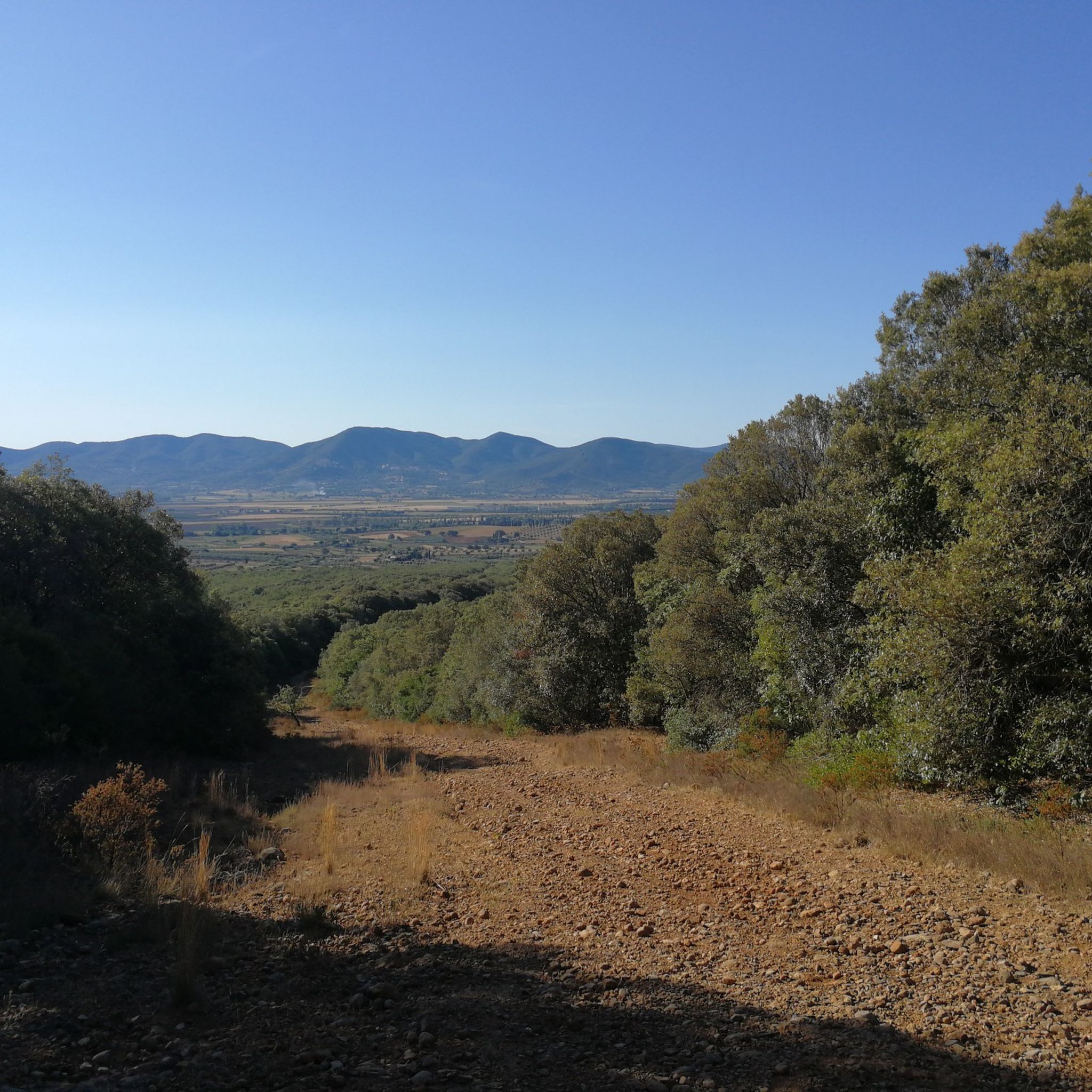
Route Details Length: Approximately 7.4 km (variable up to 11-13 km depending on the chosen starting point). Travel time: Approximately 2 hours and 15 minutes. Elevation gain: 180–300 meters. Difficulty: Moderate (sure-footedness required in the final section). Itinerary Features The start: You walk through Mediterranean scrub, holm oak woods, and dirt roads. Lago del Bicocchi: A picturesque artificial basin along the route. The final climb: You take dirt tracks and firebreaks; the last few hundred meters towards the summit (Poggio Chiecco) feature a steeper and more challenging climb. La Pievaccia: The remains of an imposing fortified ecclesiastical complex and a medieval tower, offering a 360-degree panoramic view of the Val di Cornia and the Gulf of Follonica.
0
0
La Torre di Pievaccia is the ruin of an imposing 13th-century fortified complex located in the Montioni Natural Park, near Follonica. Reachable via hiking or mountain bike trails, the tower offers a 360° panoramic view of the Pecora river valley and the Gulf of Follonica.
1
0
The skyline of Follonica is dominated by the Torre Azzurra, the city's most iconic architectural element, but it has recently undergone a historic change due to the demolition of the Piombino chimneys that stood out against the gulf. After the 60s, palaces and apartment buildings arrived. Follonica's urban development has transformed the city from a predominantly industrial center linked to 19th-century iron and steel production into a tourist and residential town, with a redevelopment of the territory with all the flaws of dense and hurried development..
2
0

The structure reflects the monumental aesthetic typical of the architecture of the fascist twenty-year period, with imposing volumes reminiscent of classical Roman models, such as the Basilica Emilia.
2
0
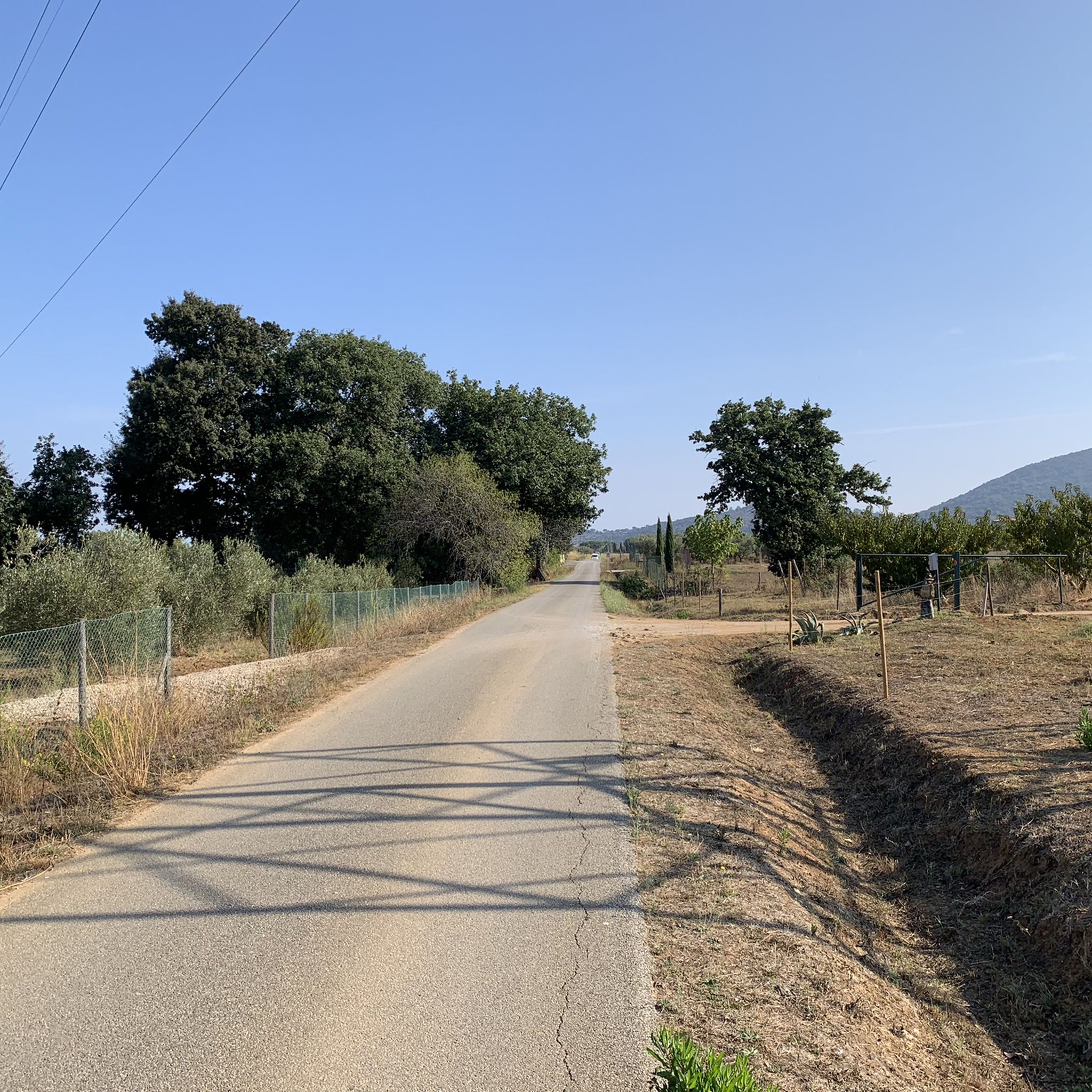
A fine example of an asphalt cycle path flanked by a green area with pine trees and an adjacent road. This is a route dedicated to cycling and pedestrian mobility. The surface is asphalted and has horizontal markings to divide the directions of travel.
1
0
The olive trees, besides their oil-producing function, are also ornamental plants in Tuscany, and are also used as urban furniture. The olive tree is a universal symbol of resilient love, strength, and fidelity, often given as a wish. It represents a deep bond that grows over time, capable of bearing fruit in every season of life.
1
0
Frequently Asked Questions
How many hiking trails are available around Follonica?
Follonica offers a wide variety of hiking experiences, with over 70 routes documented on komoot. These trails range from easy coastal strolls to more challenging paths through nature reserves, ensuring options for every fitness level.
What kind of terrain can I expect on hikes near Follonica?
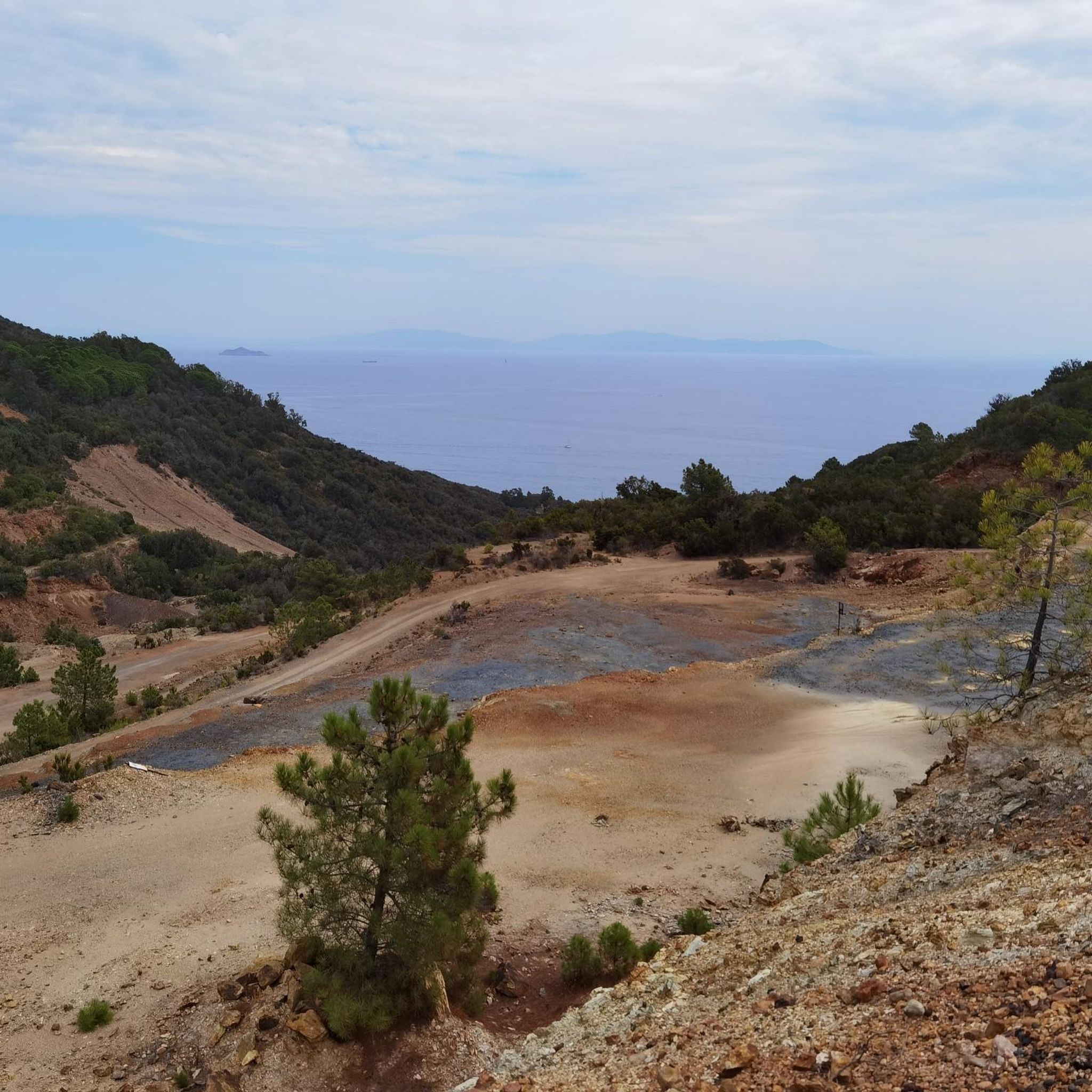
The terrain around Follonica is incredibly diverse. You'll find picturesque coastal paths, lush Mediterranean forests, and rolling hills within extensive nature reserves like the Bandite di Scarlino and Montioni Natural Park. Some trails also lead through ancient medieval villages and past historical mining ruins.
Are there family-friendly hiking options in Follonica?
Yes, Follonica has many trails suitable for families. Routes like the House on the Beach – Donkey Farm loop from Follonica offer easy, enjoyable walks through pine dunes and Mediterranean vegetation, with the added fun of a potential stop at a donkey farm.
Can I find circular hiking routes in the Follonica area?
Many of the hiking routes around Follonica are circular, allowing you to start and end at the same point. Examples include the moderate Pievaccia Tower and Bicocchi Lake Loop or the easier Montioni Village loop from Montioni.
What natural attractions or landmarks can I see while hiking near Follonica?
The region is rich in natural beauty and historical sites. You can discover stunning beaches like Cala Violina, known for its 'singing sand', or the serene Bicocchi Lake. Historical landmarks include the Pievaccia Tower and ancient mining ruins within Montioni Natural Park.
Are there coastal walks with sea views around Follonica?
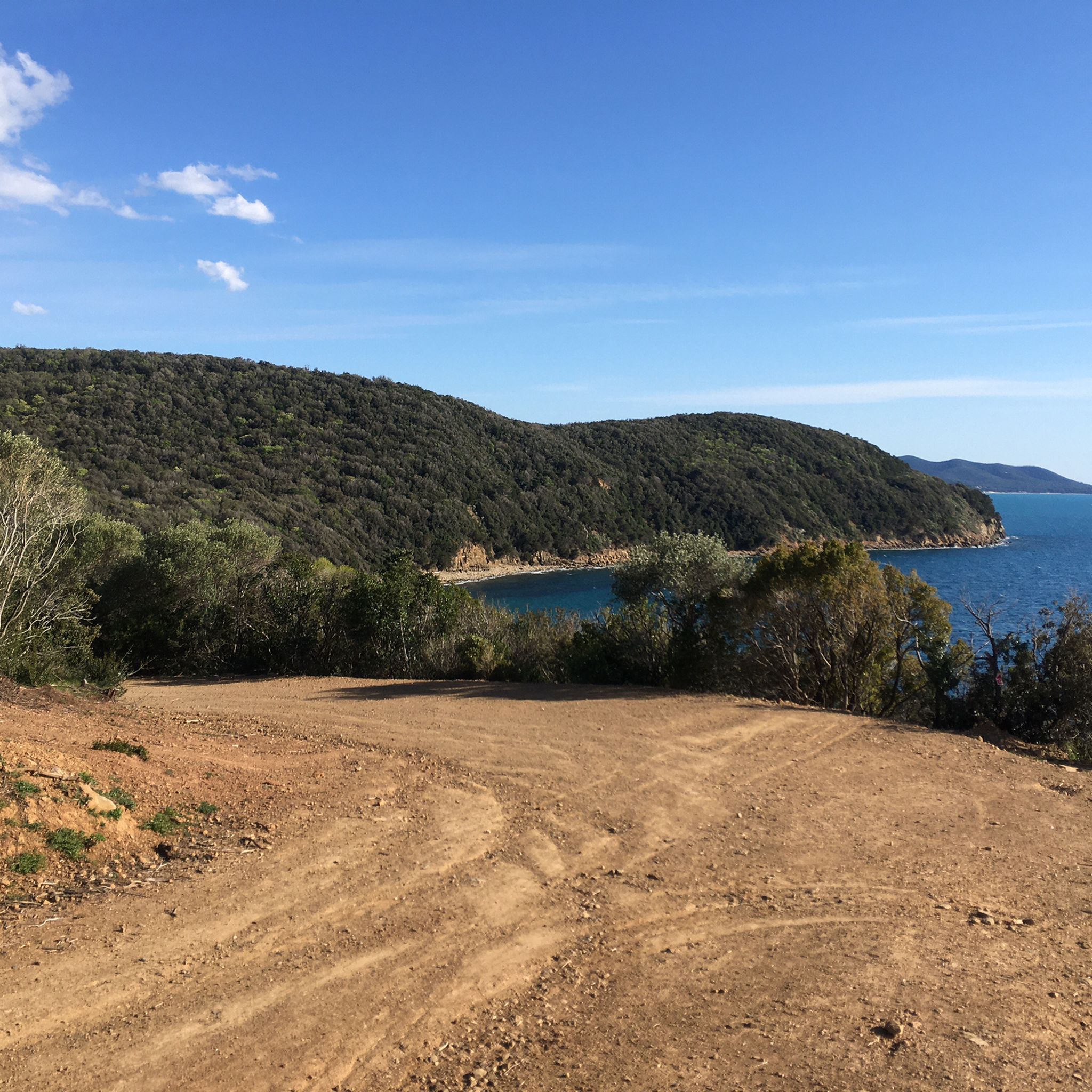
Absolutely. Follonica is renowned for its beautiful coastal trails. The House on the Beach – Donkey Farm loop from Follonica offers sea views, and the Sentiero delle Scogliere (Cliffs Trail) provides breathtaking vistas along the coastline from Puntone to Cala Civette.
What is the best time of year to go hiking in Follonica?
The best time for hiking in Follonica is typically during spring (April-May) and autumn (September-October) when the weather is mild and pleasant. Summers can be quite hot, especially for longer trails, while winters are generally mild but can be rainy.
Are dogs allowed on the hiking trails in Follonica?
Many trails in the Follonica area are dog-friendly, especially those outside of strictly protected areas. However, it's always advisable to check specific regulations for nature reserves like Bandite di Scarlino or Maremma Natural Park, as some areas may require dogs to be on a leash or have restricted access during certain seasons.
Are there any hidden gem hikes or less crowded trails near Follonica?
For a quieter experience, explore the trails within Montioni Natural Park. While popular, the paths leading to Cala Civette or Cala Martina within the Bandite di Scarlino reserve can be less crowded than Cala Violina, offering pristine nature and peaceful walks.
What do other hikers enjoy the most about hiking in Follonica?
The hiking routes in Follonica are highly rated by the komoot community, with an average score of 4.6 stars from over 150 reviews. Reviewers often praise the diverse landscapes, the stunning coastal views, and the well-maintained paths that cater to various skill levels.
Is parking available at the trailheads?
Yes, parking is generally available near popular trailheads and access points for the nature reserves. For example, you'll find designated parking areas when accessing trails in the Bandite di Scarlino or Montioni Natural Park. It's recommended to arrive early during peak season to secure a spot.
Are there any trails that lead to wild swimming spots?
Yes, several trails in the Bandite di Scarlino Nature Reserve lead to beautiful coves perfect for a refreshing dip. The path to Cala Violina is famous for its crystal-clear waters, and Cala Civette is another excellent, less crowded option for swimming and snorkeling after a hike.
Most popular routes around Follonica
Most popular attractions around Follonica

Get inspired with the komoot mobile app


Explore more
Browse the best Hikes in other regions.
