Attractions and Places To See around Mòguru/Mogoro - Top 20
Best attractions and places to see around Mòguru/Mogoro include a variety of historical, cultural, and natural sites in the Province of Oristano, Sardinia. The area is known for its rich archaeological heritage, with numerous Nuraghi and pre-Nuragic settlements. Mogoro sits on a fertile plain on the southern slopes of Monte Arci, characterized by watercourses and a volcanic landscape. The town also preserves strong artisanal traditions, particularly in textiles and woodworking.
Best attractions and places to see around Mòguru/Mogoro
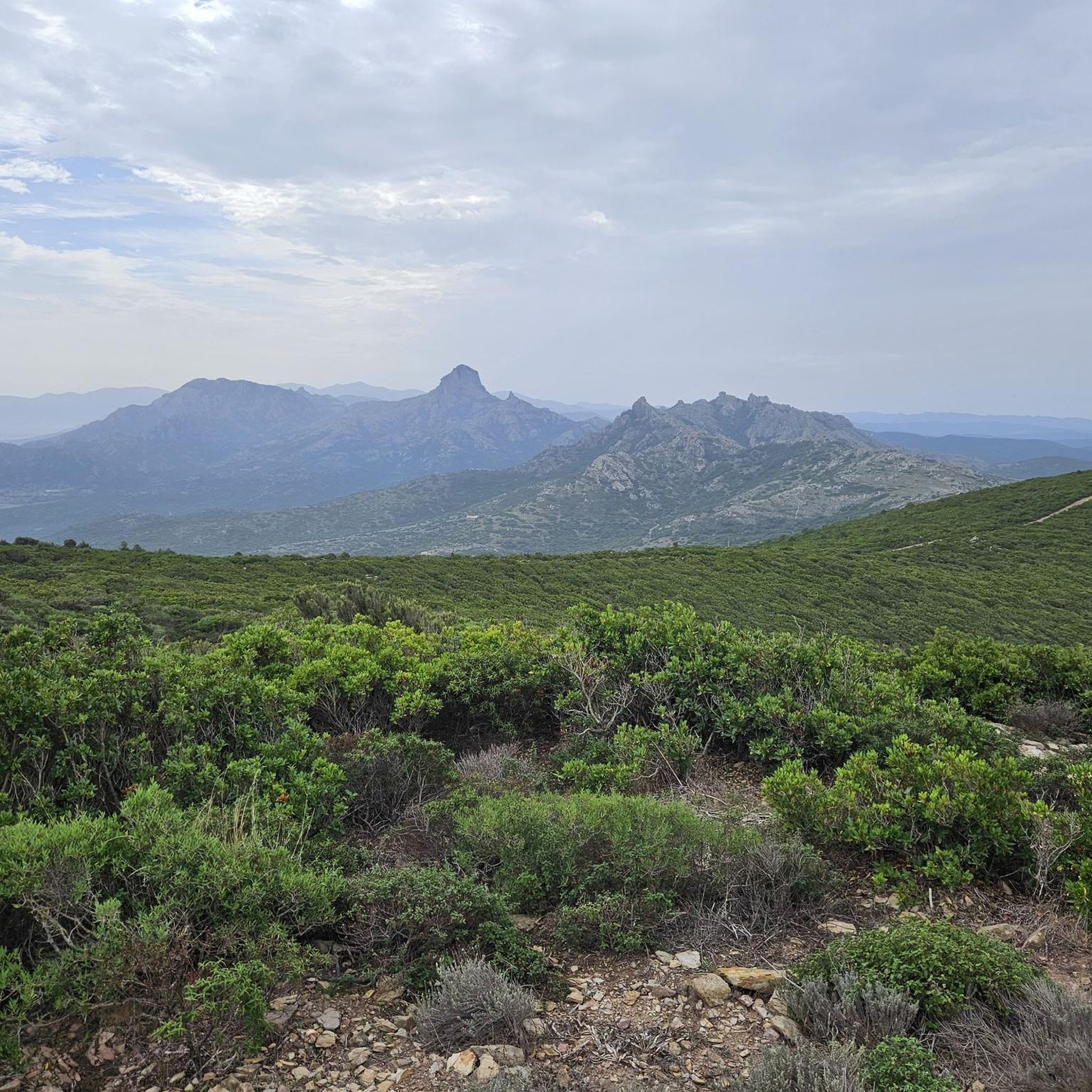
- The most popular attractions is Monte Arci - Trebina Longa, a summit that is the highest point of Monte Arci at 812 m above sea level. This large basaltic rock is visible from a distance and offers challenging routes through a wooded setting.
- Another must-see spot is Is Benas Pond, a lake located next to a pine forest. Visitors can find this pond in an arid area, situated between granite rocks.
- Visitors also love Tomb of the Giants Sa Domu e S'Orku, a historical site. This is one of the best-preserved Nuragic funerary monuments in Sardinia, located within the archaeological site of the Giara di Siddi.
- Mòguru/Mogoro is known for its ancient archaeological sites, historic churches, and traditional craft workshops. The region offers a blend of historical exploration, cultural immersion, and natural beauty to discover.
- The attractions around Mòguru/Mogoro are appreciated by the komoot community, with 20 upvotes and 9 photos shared by visitors.
Last updated: July 1, 2026
Monte Arci - Trebina Longa
Highlight • Summit
Translated by Google •
Tip by

Murals and Church of San Nicolò d'Arcidano
Highlight • Settlement
Translated by Google •
Tip by

Sign up now to discover places like this
Get recommendations on the best single tracks, peaks, & plenty of other exciting outdoor places.
Sign up for free
Tomb of the Giants Sa Domu e S'Orku
Highlight • Historical Site
Translated by Google •
Tip by

Is Benas Pond
Highlight • Lake
Translated by Google •
Tip by

Giara di Siddi
Highlight (Segment) • Natural Monument
Rich in many archaeological remains from the Nuragic era, such as the Tomb of the Giants of SA Domu and S'Orku and a protonuraghe on the slopes towards Siddi.
in the southern part there is the sad wreck of a chair lift, a sign of a perverse attempt at tourist development
Translated by Google •
Tip by

Sign up for free to discover even more attractions around Mòguru/Mogoro.
Sign up for free
Already have an account?
Start today with a free account
Your next adventure awaits.
Login or Signup
Tips from the Community

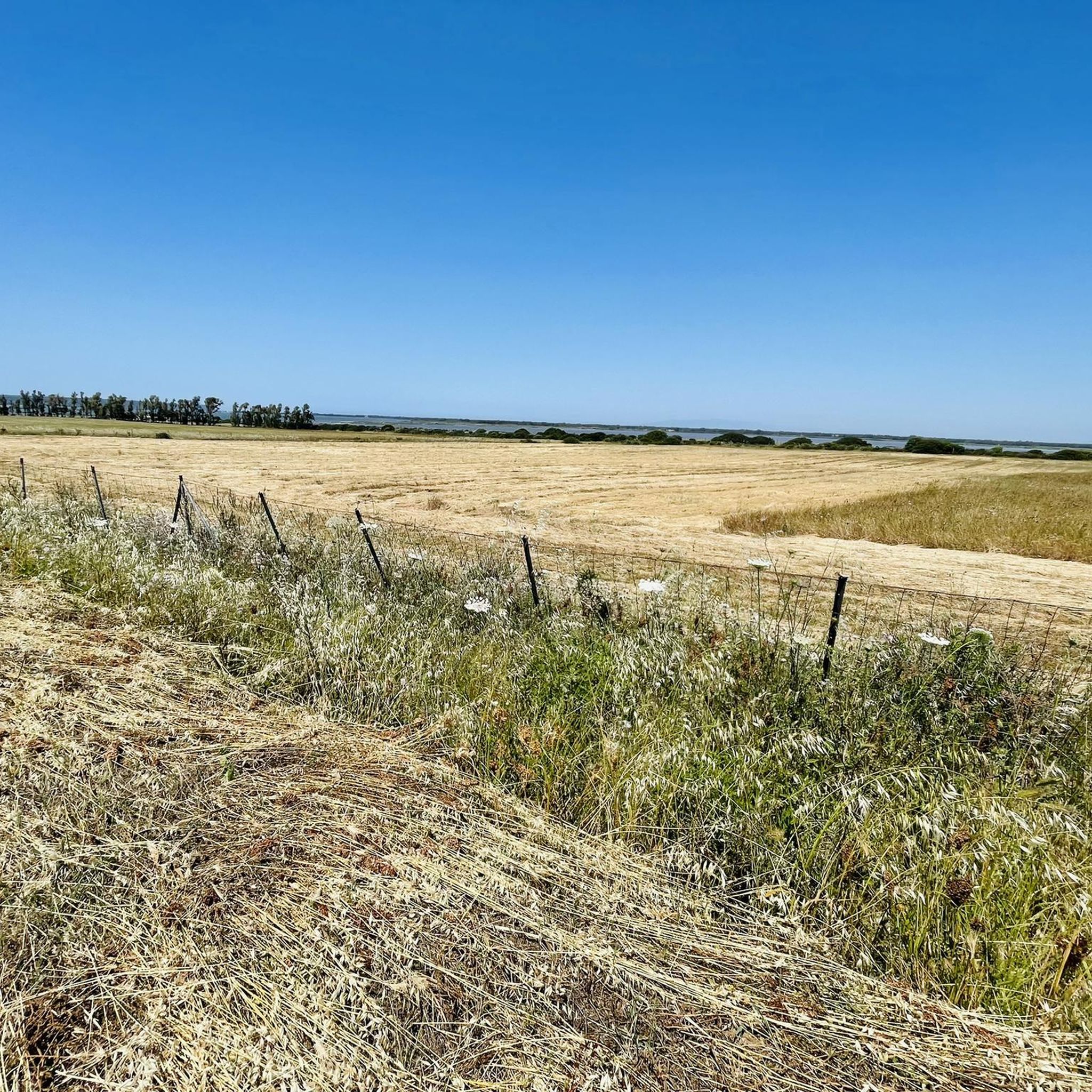
The Is Benas lake is located next to the pine forest of the same name. It is located in an arid area, between granite rocks.
0
0


Sa Dome and s'Orku, one of the best preserved giants' tombs on the island
0
0

Volcanic black stone, highest point of Monte Arci
1
0
Tamba dei Giganti really beautiful and impressive, a pity that part of the arch on the sides of the entrance is missing
0
0

There are about 800 Giants' Tombs in Sardinia. The one inside the archaeological site of the Giara di Siddi is one of the best preserved Nuragic funerary monuments.
1
0

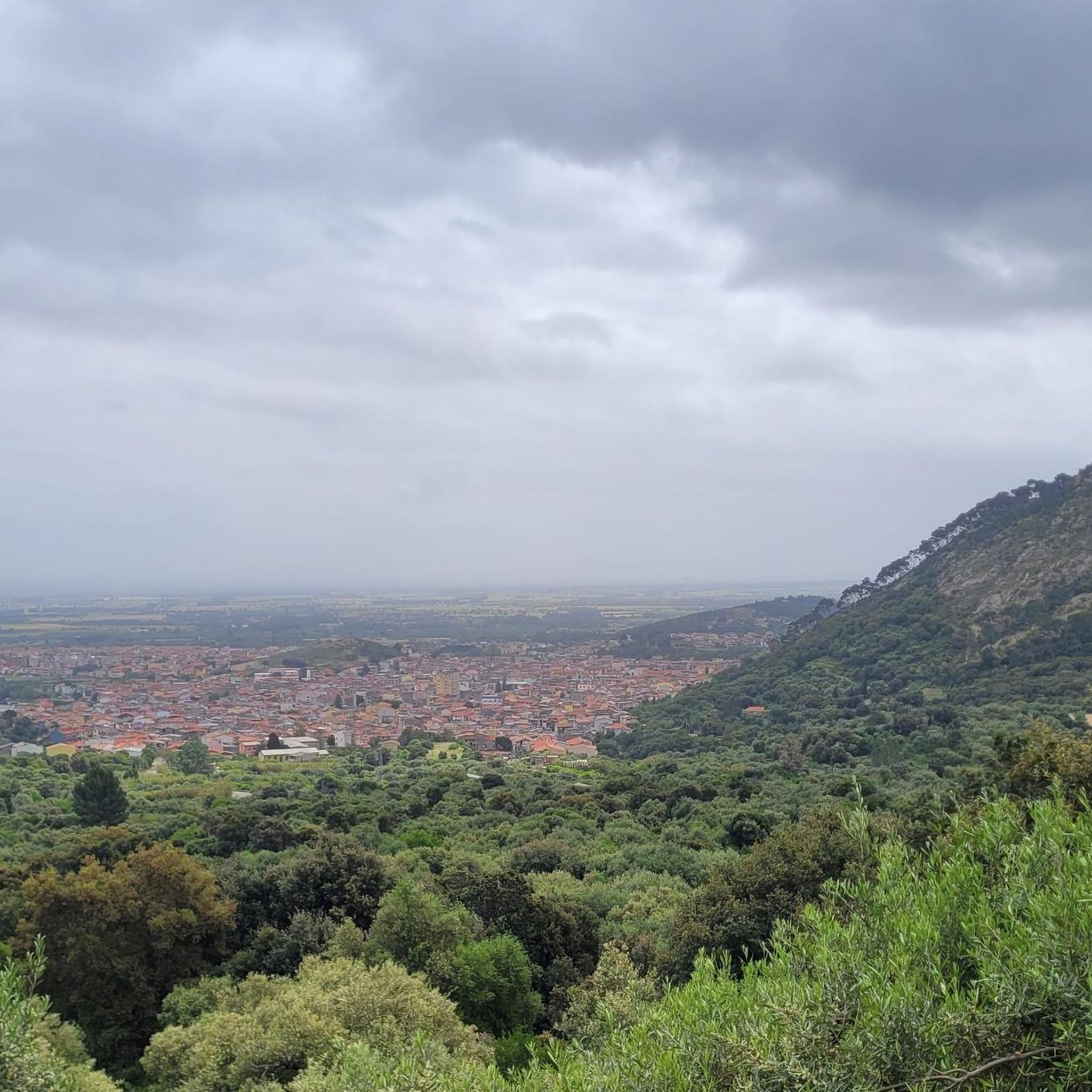
Small town in the province of Oristano. The murals representing bucolic scenes and the church of San Nicolò are beautiful.
1
0
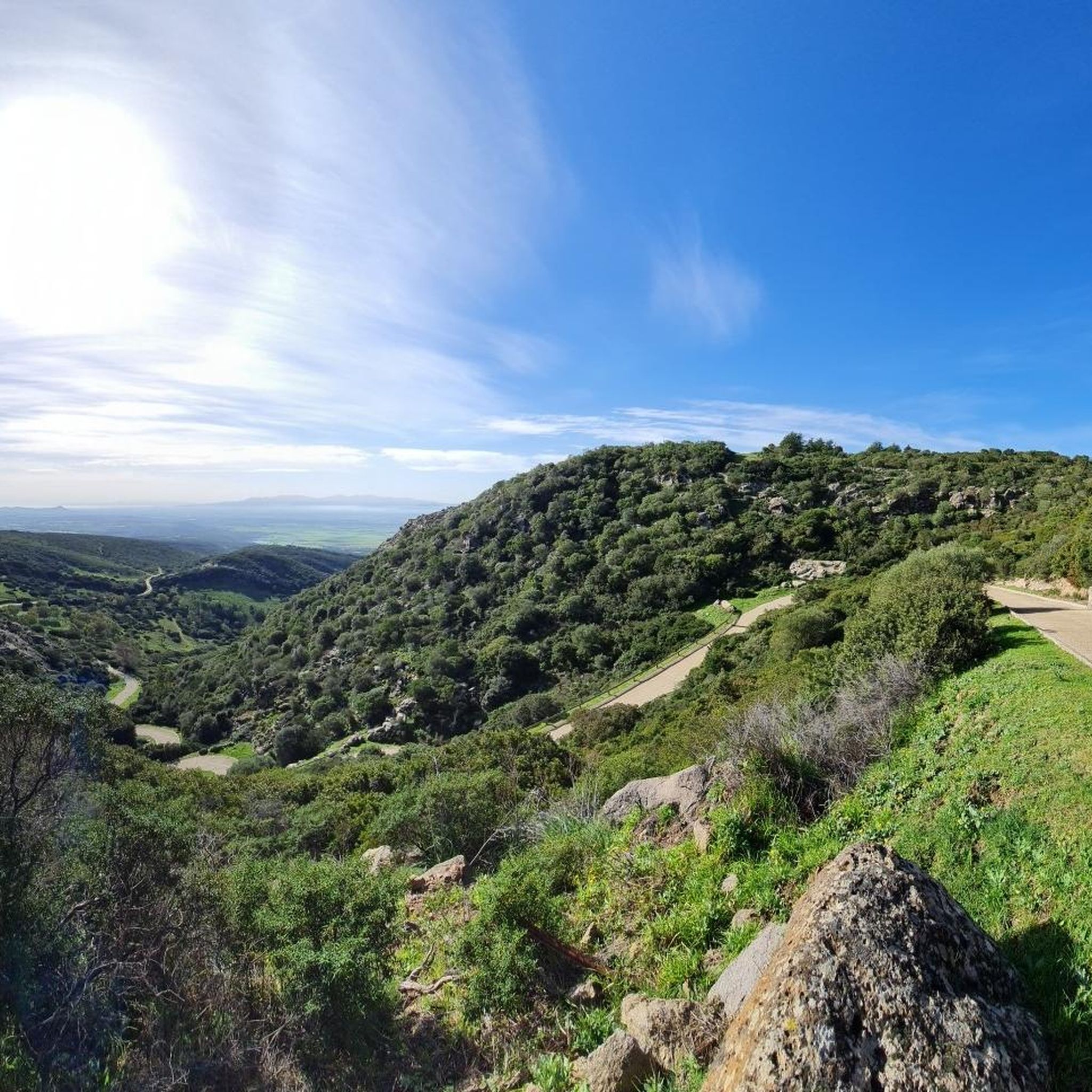
Seen from above, it has a curious inverted 'T' shape, with high steep walls, but this is not its only peculiarity: the southern side has reddish spots and, inside, preserves precious pre-Nuragic and Nuragic legacies, including one of the Tombs of Giants best preserved on the island. The Giara di Siddi, also known as su Pranu, is one of the three basaltic 'tables' of Marmilla that originated following a lava flow that occurred between two and five million years ago. Over time, the atmospheric agents eroded the sandstone rock, while the solidified layers of lava were preserved at a higher level, giving rise, in addition to the Giara di Siddi, to that of Serri and sa Jara Manna (or Giara di Gesturi), the largest of the three, 'home' of the famous little horses. Rich in many archaeological remains from the Nuragic era, such as the Tomb of the Giants of SA Domu and S'Orku and a protonuraghe on the slopes towards Siddi. in the southern part there is the sad wreck of a chair lift, a sign of a perverse attempt at tourist development
1
0
Frequently Asked Questions
What archaeological sites can I explore in Mogoro?
Mogoro is rich in archaeological history. You can visit the Tomb of the Giants Sa Domu e S'Orku, one of the best-preserved Nuragic funerary monuments in Sardinia. The area also features 27 nuraghi, including the multi-lobed nuraghe at the Cuccurada Archaeological Site, and the pre-Nuragic village of Puisteris, known for its Ozieri culture remains.
Are there any significant churches or religious sites to visit in Mogoro?
Yes, Mogoro has several historic churches. The Church of San Bernardino da Siena in the town center is a late Romanesque building with Baroque elements. Other notable churches include the Romanesque-Gothic Church of Carmine, the 17th-century Church of Sant'Antioco built with black basalt, and the Church of Santa Maria Carcaxia, located in a medieval village.
What natural attractions are there around Mogoro?
The region offers several natural highlights. You can explore Monte Arci - Trebina Longa, the highest point of Monte Arci, which is a large basaltic rock offering challenging routes through a wooded setting. Another spot is Is Benas Pond, a lake situated in an arid area between granite rocks, next to a pine forest.
What kind of cultural and artisanal heritage can I experience in Mogoro?
Mogoro is renowned for its deep-rooted artisanal traditions, particularly in textiles and woodworking. You can find workshops creating rugs, tapestries, and traditional dresses. The town also hosts the annual Sardinian Artistic Crafts Fair every summer, attracting visitors to admire and purchase local crafts, especially Sardinian carpets.
Are there opportunities for hiking or outdoor activities near Mogoro?
Absolutely. The area around Mogoro, especially Monte Arci, offers challenging hiking routes. For cycling enthusiasts, there are various options. You can find more details on routes like 'The Nuraghe of Marmilla and the history of Obsidian - ring tour' or 'Montevecchio Mines – Coastal Road with Sea View loop' in the Cycling around Mòguru/Mogoro guide. For mountain biking, explore routes such as 'NATO Listening Post – Monte Arci - Trebina Longa loop' in the MTB Trails around Mòguru/Mogoro guide.
What are some family-friendly attractions in the Mogoro area?
While many archaeological sites are suitable for families, the Murals and Church of San Nicolò d'Arcidano offer a pleasant visit with bucolic murals and a charming church. Exploring the traditional basalt homes in Mogoro's streets can also be an engaging activity for families.
When is the best time to visit Mogoro to experience its attractions?
Mogoro's attractions, including archaeological sites and natural features, can be enjoyed throughout much of the year. The Sardinian Artistic Crafts Fair takes place every summer, making it an ideal time for cultural immersion. For outdoor activities like hiking, spring and autumn offer milder temperatures, while summer is best for exploring the cultural events.
Can I find challenging hiking routes around Mogoro?
Yes, the area around Mogoro provides challenging hiking opportunities, particularly on Monte Arci - Trebina Longa. The routes to this summit can have gradients of up to 20% in some sections, set within a spectacular wooded environment. These trails are appreciated by the komoot community for their difficulty and scenic views.
Where can I see traditional Sardinian architecture in Mogoro?
As you walk through the streets of Mogoro, you can observe traditional basalt homes. These houses often feature distinctive lime window frames and wooden doors, showcasing the local architectural style and the use of regional materials.
What unique natural features characterize the landscape around Mogoro?
Mogoro is situated on the southern slopes of Monte Arci, a mountain of volcanic origin, which was historically significant for obsidian processing. The landscape is characterized by watercourses like the Rio Mogoro and Rio Flumineddu, and features like the basaltic Giara di Siddi, a plateau with steep walls and archaeological remains, formed by ancient lava flows.
Are there any specific events or fairs related to Mogoro's traditions?
Yes, Mogoro is well-known for hosting the Sardinian Artistic Crafts Fair annually since 1961. This event is a significant showcase for local crafts, especially traditional Sardinian carpets, and attracts visitors from across Europe interested in the region's vibrant artisanal heritage.
What do visitors enjoy most about the attractions around Mogoro?
Visitors particularly appreciate the blend of history, culture, and natural beauty. The ancient archaeological sites, such as the Tomb of the Giants Sa Domu e S'Orku, are highly valued for their preservation. The challenging routes and spectacular wooded settings of Monte Arci - Trebina Longa are also popular among those seeking outdoor adventure.
Most popular routes around Mòguru/Mogoro
Most popular attractions around Mòguru/Mogoro

Get inspired with the komoot mobile app


Explore more
Still not found the Highlight you’re looking for? See guides of the top attractions in other regions:
