Attractions and Places To See around Ceggia - Top 20
Best attractions and places to see around Ceggia include historical sites and natural landscapes in the Metropolitan City of Venice, Italy. The town features ancient Roman heritage, including an exposed Roman bridge and artifacts found in Gainiga. The area is characterized by the Piave River and its associated cycling routes, offering opportunities for outdoor activities.
Best attractions and places to see around Ceggia
- The most popular attractions is BIM Basso Piave Cycle Path, a cycle_way that follows the Piave…
Last updated: July 6, 2026
BIM Basso Piave Cycle Path
Highlight (Segment) • Cycleway
Translated by Google •
Tip by

Piave Vecchia Cycle Path
Highlight • Cycleway
Translated by Google •
Tip by
Sign up now to discover places like this
Get recommendations on the best single tracks, peaks, & plenty of other exciting outdoor places.
Sign up for free
Fossalta di Piave Floating Bridge
Highlight (Segment) • Bridge
Translated by Google •
Tip by
BIM Basso Piave Cycle Route (Musile di Piave – Eraclea)
Highlight (Segment) • Cycleway
Translated by Google •
Tip by
Victory Bridge (San Donà di Piave)
Highlight • Bridge
Translated by Google •
Tip by
Sign up for free to discover even more attractions around Ceggia.
Sign up for free
Already have an account?
Start today with a free account
Your next adventure awaits.
Login or Signup


Tips from the Community

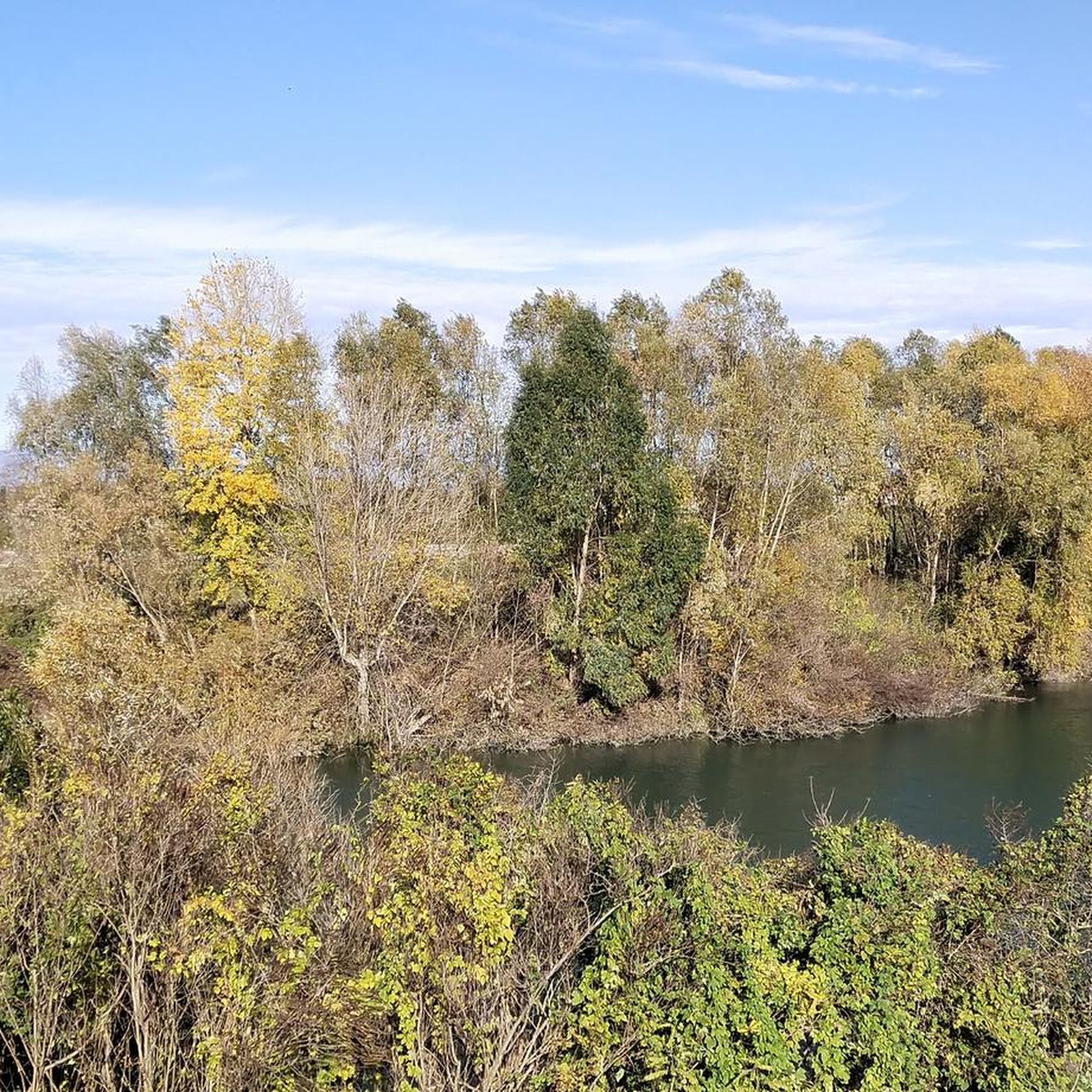
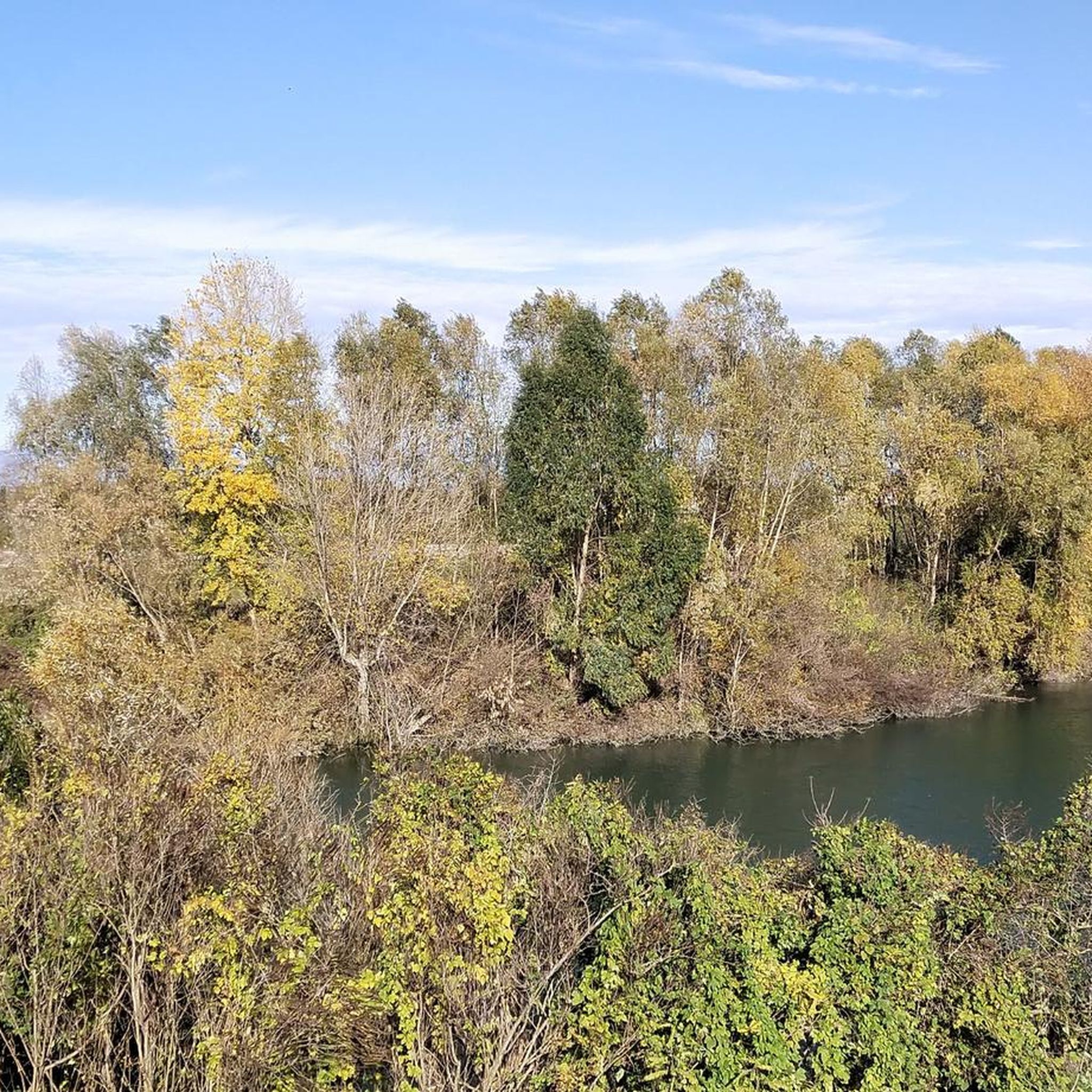
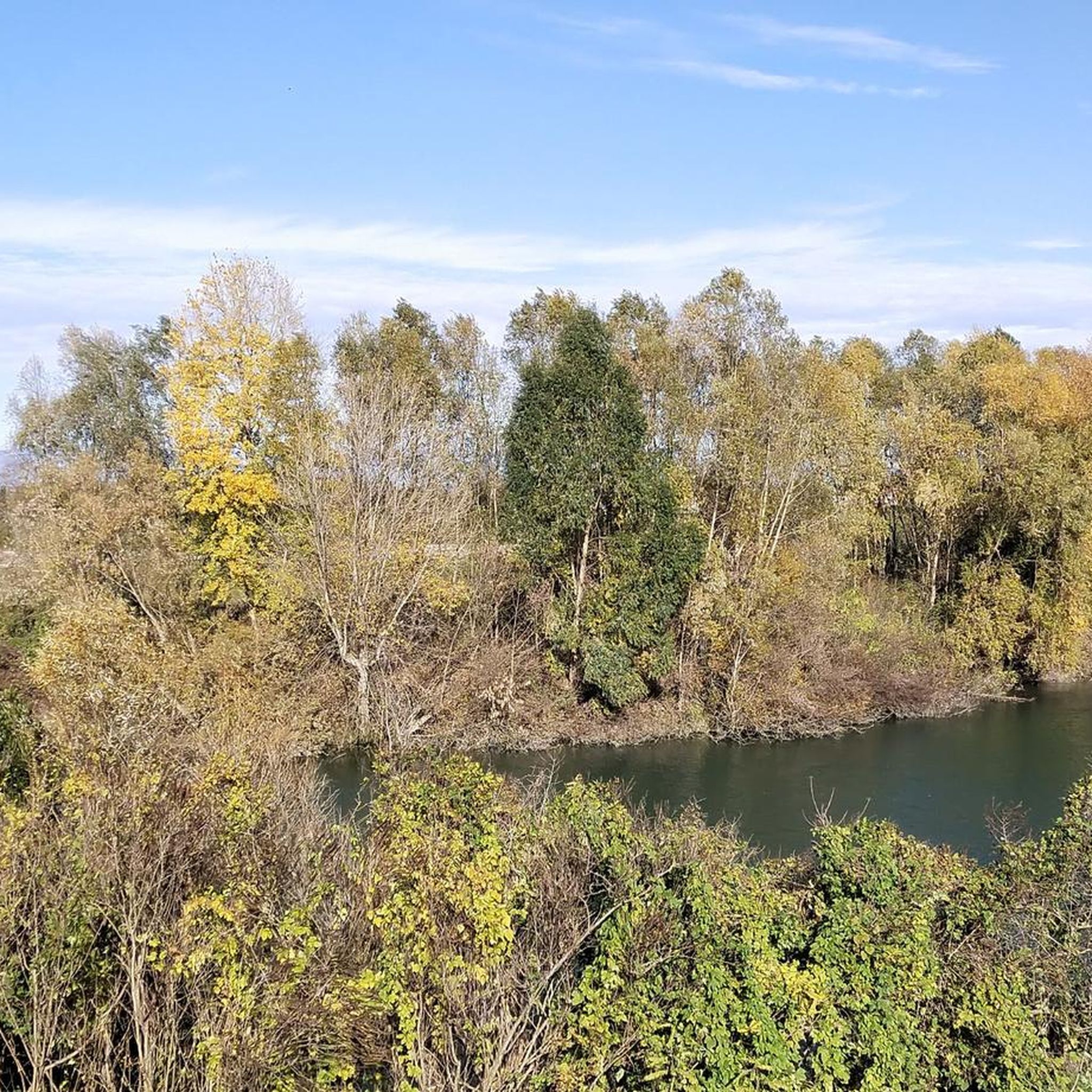
A beautiful trail through the forest, with varied surfaces such as sand, mud, and gravel. Occasionally, clearings offer views of the former course of the Piave River.
0
0
A beautiful cycling route along the former course of the Piave River, amidst many shady trees. The surface is sand and gravel.
2
0
A great, official cycle path along the Piave River, which is more of a single-track option. The path leads past meadows, through patches of woodland, and alongside meter-high bamboo bushes. The surface is sandy, with occasional gravel. After rain, it can be a bit slippery in places.
1
0

Wonderful area.
3
1

Beautiful pontoon bridge, there are few of them in Italy, which connects the towns of Fossalta di Piave and Noventa di Piave.
30
0
Beautiful pontoon bridge (one of the few in Italy) that connects Fossalta di Piave and Noventa di Piave.
32
0

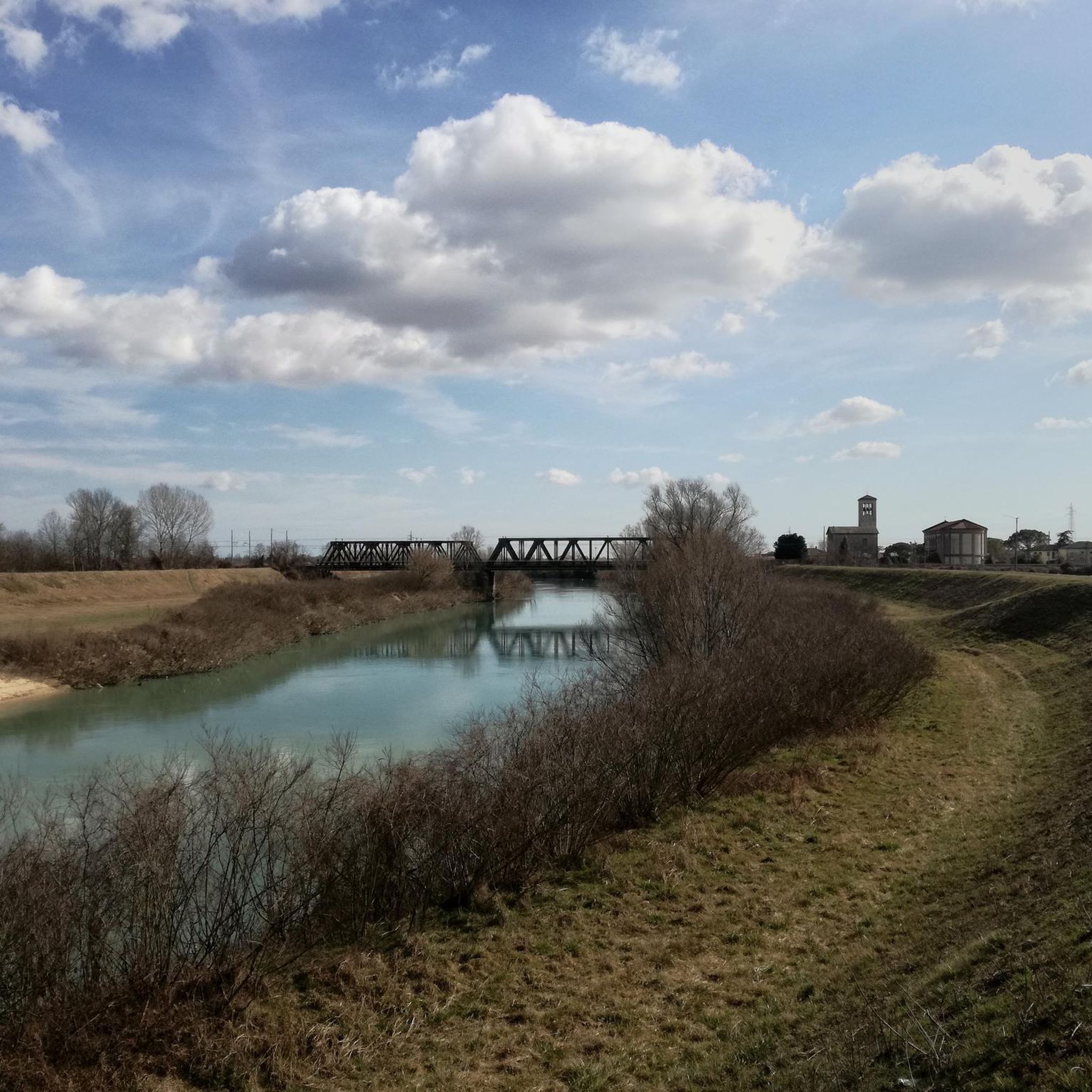
Bridge over the Piave between San Donà and Musile di Piave, an essential connection for the two towns.
4
0

The gateway to San Donna di Piave. ☺️ The cycle path is separated from the car lane. However, it is quite narrow when there is oncoming bicycle traffic. Nevertheless, you should definitely cycle on it, stop and take a photo
4
0
Frequently Asked Questions
What historical sites can I explore in and around Ceggia?
Ceggia boasts a rich Roman heritage. You can see an ancient Roman bridge still exposed in its original location within the town. The nearby hamlet of Gainiga has also yielded numerous Roman artifacts, including coins and amphorae, indicating a significant Roman presence. Additionally, the area is crossed by the ancient Via Annia, a Roman road built in 153 BC.
Are there cycling routes suitable for families near Ceggia?
Yes, the area offers several family-friendly cycling options. The Piave Vecchia Cycle Path is noted as family-friendly and follows the ancient bed of the Piave River, offering a historical perspective. The Fossalta di Piave Floating Bridge is also a family-friendly spot along the river.
What are the best cycling routes around Ceggia?
For cycling enthusiasts, the BIM Basso Piave Cycle Path is a popular choice, offering well-maintained routes along the Piave River. Another excellent option is the Piave Vecchia Cycle Path, which follows the historic riverbed. You can find more cycling tours, including routes like 'Ponte della Vittoria – Piave River loop from Ceggia', on the Cycling around Ceggia guide.
Can I find mountain biking or gravel biking trails near Ceggia?
Absolutely. For mountain biking, consider routes like 'Riverside Trail along the Piave loop from Ceggia'. Gravel biking options include 'BIM Basso Piave Cycle Path – Along the Piave River loop from San Donà di Piave - Jesolo'. Explore more trails on the MTB Trails around Ceggia guide and the Gravel biking around Ceggia guide.
What natural features can I see near Ceggia?
The most prominent natural feature is the Piave River, which defines much of the local landscape. You can explore its banks via numerous cycle paths, such as the BIM Basso Piave Cycle Path and the Piave Vecchia Cycle Path. These routes offer views of the river, meadows, and patches of woodland, showcasing the area's natural beauty.
What is the significance of the Piave Vecchia Cycle Path?
The Piave Vecchia Cycle Path follows the ancient bed of the Piave River. The river's course was diverted in the seventeenth century by the Republic of Venice to prevent flooding, making this path a unique way to experience the historical geography and natural environment of the region.
Is there a bridge that crosses the Piave River near Ceggia?
Yes, the Fossalta di Piave Floating Bridge is a private pontoon bridge that allows you to cross the Piave River at Fossalta di Piave. Another significant crossing is the Victory Bridge (San Donà di Piave), which has been reconstructed multiple times due to historical conflicts.
What do visitors enjoy most about the attractions around Ceggia?
Visitors particularly enjoy the well-maintained cycle paths along the Piave River, offering beautiful views and a sense of tranquility. The historical context of the Piave Vecchia and the unique experience of crossing the floating bridge are also highly appreciated. The blend of historical sites and natural river landscapes makes the area appealing for exploration.
When is the best time to visit Ceggia for outdoor activities?
The spring and autumn months generally offer the most pleasant weather for outdoor activities like cycling and exploring historical sites, with milder temperatures. Summer can be warm, but river-side activities remain popular. Winter offers a different, often quieter, experience for those interested in crisp walks or less crowded routes.
Are there any specific historical facts about the bridges in the area?
The Victory Bridge (San Donà di Piave) has a notable history, having been destroyed and rebuilt twice due to the First and Second World Wars. Its current form was completed in 1950. Ceggia itself also features an ancient Roman bridge, a testament to the area's long history.
Are there any hidden gems or less-known outdoor activities near Ceggia?
Beyond the main cycle paths, exploring the smaller, less-trafficked sections of the Piave River banks can offer a more secluded experience. The varied terrain of the Piave Vecchia Cycle Path, including sand, mud, and gravel, provides a more adventurous ride for those looking for something beyond paved routes. Keep an eye out for local Roman artifacts in areas like Gainiga for a deeper historical dive.
Most popular attractions around Ceggia

Get inspired with the komoot mobile app


Explore more
Still not found the Highlight you’re looking for? See guides of the top attractions in other regions:
