The best cycling routes around Ceggia
4.4
(102)
952
riders
24
rides
Touring cycling routes around Ceggia are characterized by the flat terrain of the Veneto region, making them accessible for various fitness levels. The area features scenic river paths along the Piave and Livenza Rivers, winding through meadows and woodlands. Agricultural landscapes, including vineyards and orchards, are also common along quiet secondary roads. This combination offers diverse experiences for cyclists exploring the Venetian countryside.
Best touring cycling routes around Ceggia
- The most popular touring cycling route is Caorle Bell Tower –…
Last updated: June 21, 2026
13
riders
41.4km
02:48
80m
80m
Moderate bike ride. Good fitness required. Mostly paved surfaces. Suitable for all skill levels.
18
riders
40.8km
02:44
80m
80m
Moderate bike ride. Good fitness required. Mostly paved surfaces. Suitable for all skill levels.

Sign up for free
12
riders
47.1km
03:10
90m
90m
Moderate bike ride. Good fitness required. Mostly paved surfaces. Suitable for all skill levels.
2.7
(3)
9
riders
84.2km
04:58
100m
100m
Moderate bike ride. Good fitness required. Mostly paved surfaces. Suitable for all skill levels.
5
riders
16.0km
00:55
20m
20m
Easy bike ride. Great for any fitness level. Mostly paved surfaces. Suitable for all skill levels.
Get access to more routes and recommendations from other explorers.
Sign up for free
Already have an account?
Our route recommendations are based on thousands of hikes, rides, and runs completed by other people on komoot.
Start today with a free account
Your next adventure awaits.
Login or Signup


Tips from the Community

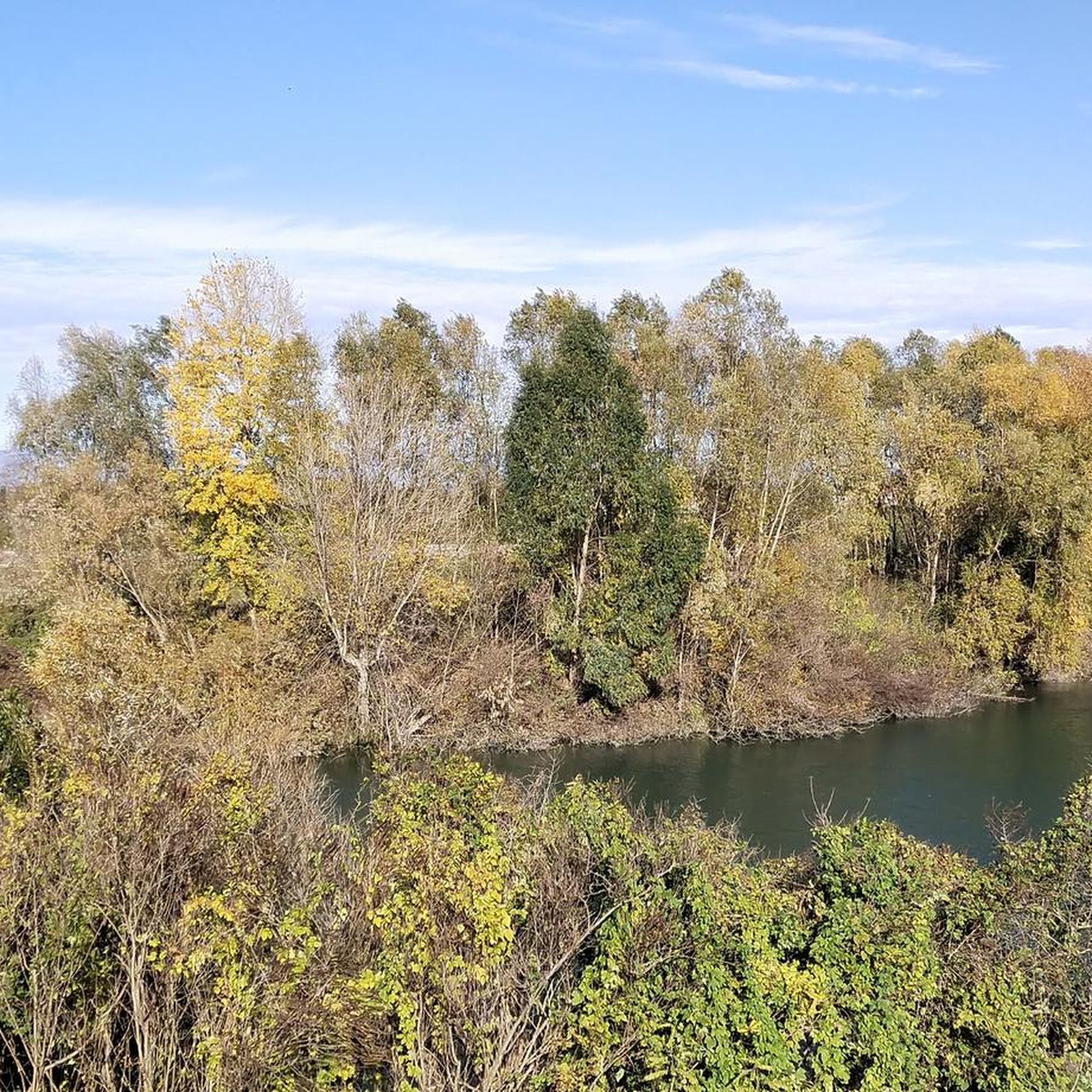
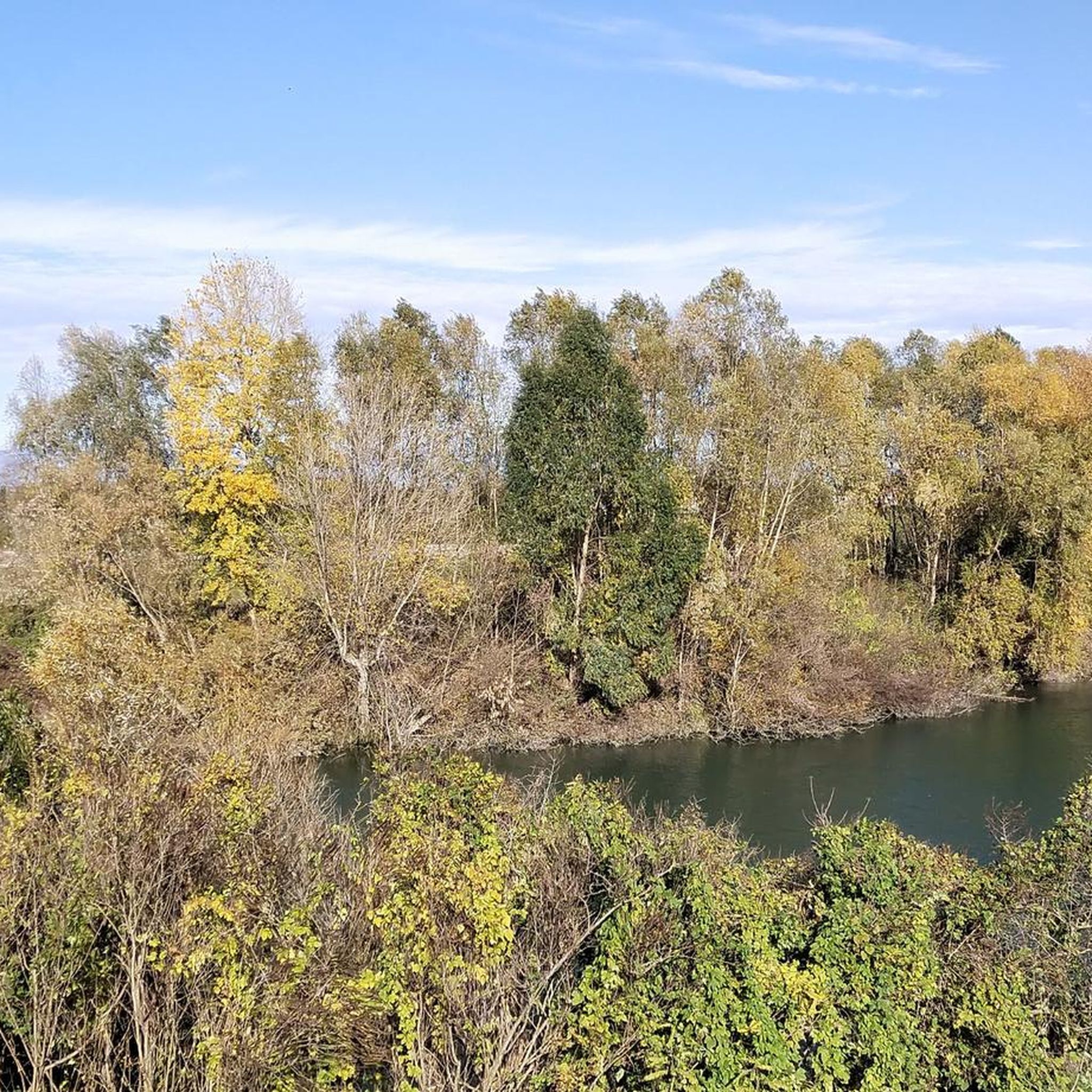
The Piave is an idyllic, quiet river, partly with beautiful water lilies and swans, simply fairytale-like
2
0

The Bell Tower of the Caorle Cathedral is the true symbol of the lagoon city and represents a unique architectural masterpiece in the world. It stands in Piazza Vescovado, next to the Romanesque Basilica of Santo Stefano Protomartire. Unique Characteristics Cylindrical shape: Unlike almost all medieval bell towers with a square plan, it has a cylindrical structure with clear Byzantine-Ravenna influence. Conical spire: The upper part ends with a conical spire worked with "saw teeth" in brick, an element that makes it a unique specimen of its kind. Inclination: The tower is slightly inclined. It has an inclination of about 1.4° in the east-southeast direction due to ground subsidence over the centuries. Dimensions: It is 42 meters high and has a diameter at the base of about 6.5 meters.
1
0

The townscape of La Salute di Livenza is characterized by the typical Venetian, very massive bell tower and the associated church.
0
0
At La Salute and from the bridge over the Livenza, there are great views of the Livenza.
0
0

The pontoon bridge between Fossalta and Noventa di Piave is a suggestive floating structure that represents one of the last testaments to traditional river engineering on the Sacro alla Patria river. The structure, formed by a series of connected barges that float according to the water level, constitutes a vital and historical link between the two banks. Beyond its practical utility, the bridge offers a unique sensory experience: the slight rolling and the rustling of the current accompany the passage of cars and cycle tourists, immersed in a natural landscape of rare beauty. A symbol of local identity and of a time when man constantly dialogued with the rhythms of the river, the bridge remains a fundamental stop for those seeking slow and conscious mobility, capable of uniting technical ingenuity and respect for the riparian environment.
1
0
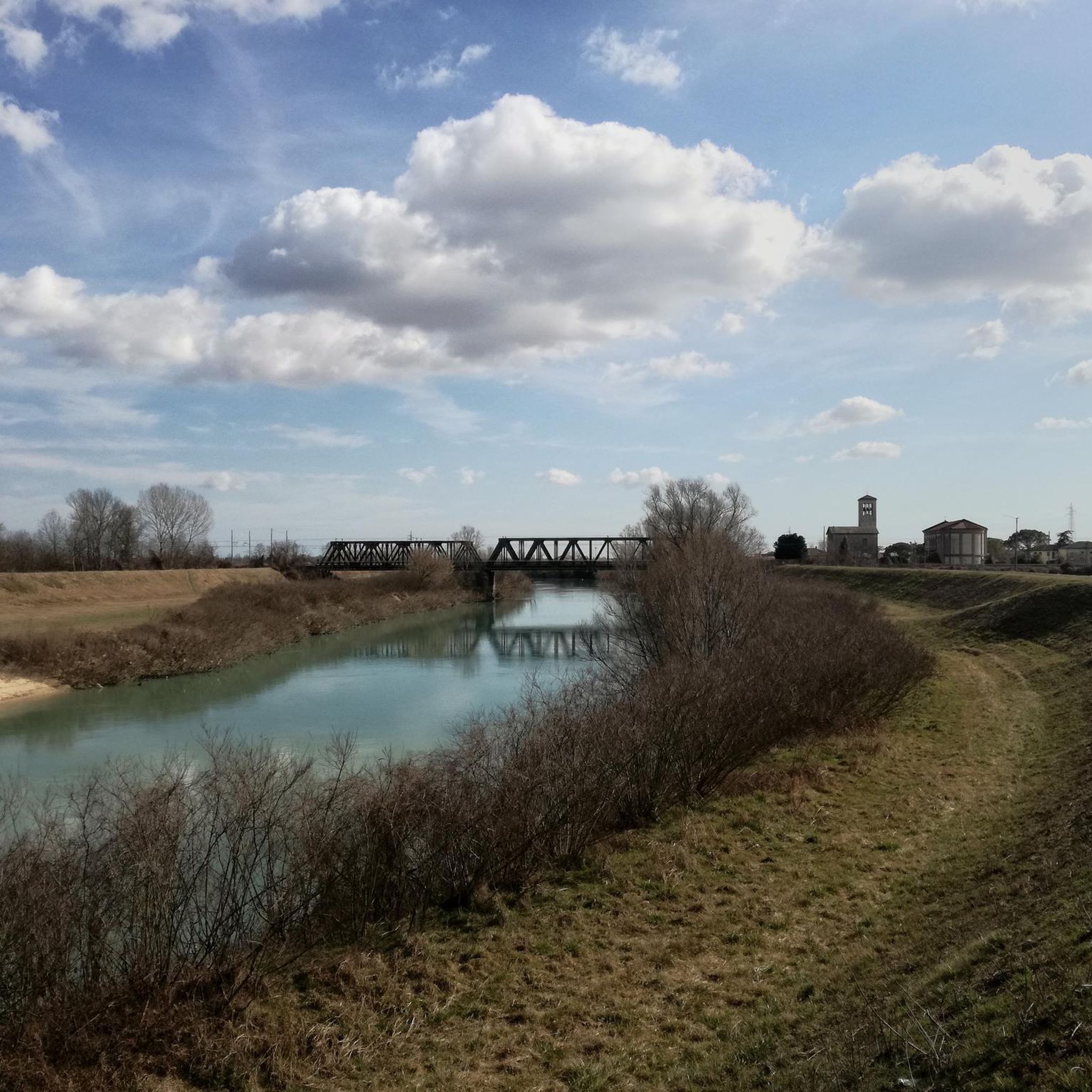
The Ponte di Tezze, which connects the banks of the Livenza river between the provinces of Treviso and Pordenone, represents a fundamental infrastructure for local mobility and history. The current structure, characterized by spans that elegantly reflect on the river's waters, stands at a historically strategic point for trade and movement between the Veneto and Friuli regions. The surrounding area is of considerable landscape value: the banks of the Livenza here offer suggestive natural views, with lush vegetation that changes color with the seasons. The bridge is not just a functional link, but a privileged viewpoint for admiring the slow flow of the river, a symbol of a territory that has managed to integrate modern development with the protection of the river environment.
2
0

“Flumen Liquentia ex montibus Opiterginis…” among the rivers mentioned by Pliny is the Livenza, in the feminine form. Almost always, however, in current language it is used as if it were masculine, due to the appellation “river” that precedes it. Regarding the origin of its name, there are two versions: some derive it from livens, from the verb livere (to be livid in color); others from liquens, from the verb liqui (to be liquid, to melt). By the ancients it was always called Liquentia and this is also because its waters teem, clear, cold and silent at the foot of the mountain above the pebbles, as if these and those were liquefying. Sacile's peculiar river is certainly one of the most beautiful waterways encountered in the plains of northern Italy. A means of communication, the ultimate defense of the nascent Veneto Domain, a source of life for its water flow and fish richness, the Livenza has always been cited by Greek and Latin authors.
1
0
The Church of San Giorgio Martire in Grassaga, a hamlet of San Donà di Piave, is a place steeped in history that dates back to the Middle Ages. Already documented in the 12th century as a dependency of the abbey of Tomba, the current structure is the result of a reconstruction completed around 1920, necessary after the devastations of the First World War, as the area was located right on the edge of the Piave front line. Characterized by a sober Neo-Romanesque style, the church preserves traces of rural devotion and a strong connection with the land reclamation within. The bell tower stands out against the surrounding agricultural landscape, making it a constant visual reference point. For the local community, it represents not only a religious center but also a symbol of post-war rebirth in an area that has undergone profound environmental and social changes.
1
0
Frequently Asked Questions
How many touring cycling routes are available around Ceggia?
There are over 20 touring cycling routes around Ceggia, offering a variety of experiences. These include 13 easy routes and 11 moderate routes, ensuring options for different fitness levels.
What makes touring cycling in Ceggia unique?
Touring cycling in Ceggia is unique due to its predominantly flat terrain, which is ideal for relaxed rides. The routes often follow scenic river paths along the Piave River and its old course, the Piave Vecchia, winding through meadows, woodlands, and past agricultural landscapes. This offers a blend of natural beauty and historical context.
What do other cyclists say about the routes in Ceggia?
The touring cycling routes in Ceggia are highly rated by the komoot community, with an average score of 4.5 stars from over 130 reviews. Cyclists often praise the flat, accessible paths and the varied scenery along the rivers and through the countryside.
Are there easy touring cycling routes suitable for beginners in Ceggia?
Yes, Ceggia offers 13 easy touring cycling routes perfect for beginners or those looking for a relaxed ride. The flat terrain of the Veneto region makes these routes very accessible. An example is the Church of La Salute di Livenza – View of the Livenza River loop from Ceggia, which is a moderate 24.8 miles (40.0 km) path following the Livenza River.
Are there any circular touring cycling routes in Ceggia?
Many of the touring cycling routes around Ceggia are designed as loops, allowing you to start and end in the same location. For instance, the popular Ponte delle Bilance – Caorle Bell Tower loop from Ceggia is a 36.2 miles (58.2 km) circular route offering coastal views.
What interesting sights or landmarks can I see along the touring cycling routes in Ceggia?
Along the touring cycling routes, you can explore several interesting landmarks and natural features. These include the BIM Basso Piave Cycle Path and the Piave Vecchia Cycle Path. You might also encounter historical structures like the Fossalta di Piave Floating Bridge and the Victory Bridge (San Donà di Piave), which offer scenic stops.
Are there family-friendly touring cycling routes in Ceggia?
Yes, the flat terrain and dedicated cycle paths make many routes around Ceggia suitable for families. The BIM Basso Piave Cycle Path, for example, is a well-regarded and easily rideable section along the Piave River, perfect for a relaxing family outing.
What are the typical distances and durations for touring cycling routes in Ceggia?
Routes vary in length and time. For example, the Ponte della Vittoria – Piave River loop from Ceggia is about 29.2 miles (47.0 km) and typically takes around 3 hours 9 minutes. Longer options like the Lemene Stream Trail – Ponte delle Bilance loop from Ceggia cover 50.7 miles (81.5 km) and can take over 4 hours.
Is it possible to reach the cycling routes around Ceggia using public transport?
Ceggia has a train station, making it accessible by public transport. From there, many of the touring cycling routes are within easy reach, allowing you to start your ride directly from the town center.
Where can I park my car when starting a touring cycling route in Ceggia?
Ceggia, being a town, offers various parking options. You can typically find public parking areas within the town center or near the train station, providing convenient starting points for your cycling adventures.
What is the best time of year to go touring cycling in Ceggia?
The best time for touring cycling in Ceggia is generally during the spring and autumn months when the weather is mild and pleasant. Summer can also be enjoyable, but it's advisable to start earlier in the day to avoid the midday heat. The flat terrain makes it accessible for most of the year, though surfaces can be sandy or muddy after rain.
Are there any routes that offer views towards the coast?
Yes, some routes extend towards the Adriatic coast, offering unique views. The Ponte delle Bilance – Caorle Bell Tower loop from Ceggia is a popular option that provides scenic vistas towards the coast as you cycle through the region.
Can I cycle along the Piave River?
Absolutely. The Piave River is a central feature for touring cyclists in Ceggia. Routes like the Cortellazzo Bridge – Port of Cortellazzo loop from Ceggia follow the river, offering relaxing tours through diverse landscapes. The BIM Basso Piave Cycle Path is a well-regarded route along the Piave from Musile di Piave to Cortellazzo.
Most popular attractions around Ceggia

Get inspired with the komoot mobile app


Explore more
Browse the best Cycling routes in other regions.
