Attractions and Places To See around Cona - Top 20
Attractions and places to see around Cona encompass a diverse range of natural and cultural sites, primarily situated near the Venetian Lagoon. This region features unique ecosystems, including wetlands and coastal areas, alongside historical structures. The area is characterized by its connection to the Isonzo River and the southern part of the Venetian Lagoon, a UNESCO World Heritage site. Visitors can explore natural reserves, traditional architecture, and historical religious buildings.
Best attractions and places to see around Cona
- The most…
Last updated: October 9, 2026
Boschettona Beach
Highlight • Beach
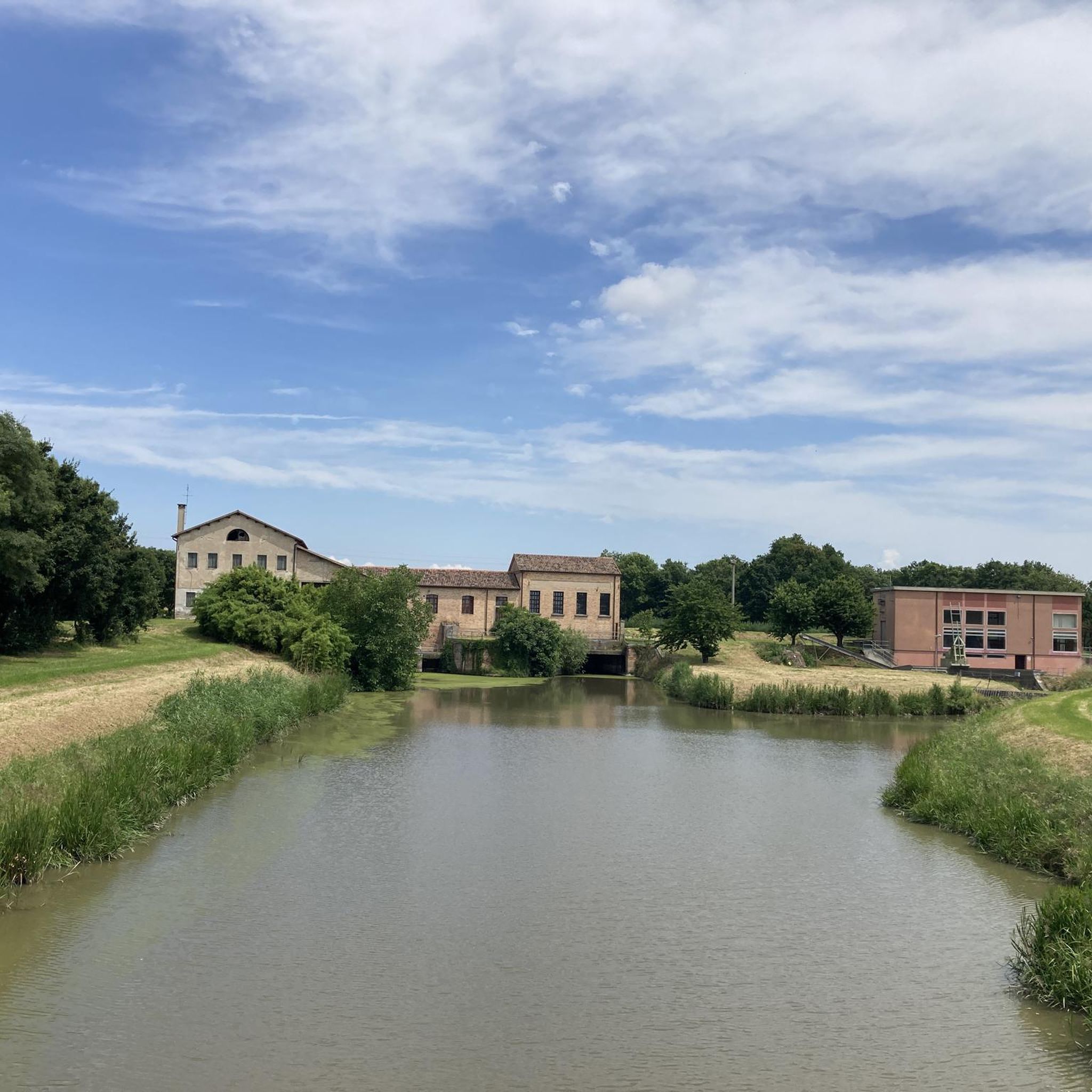
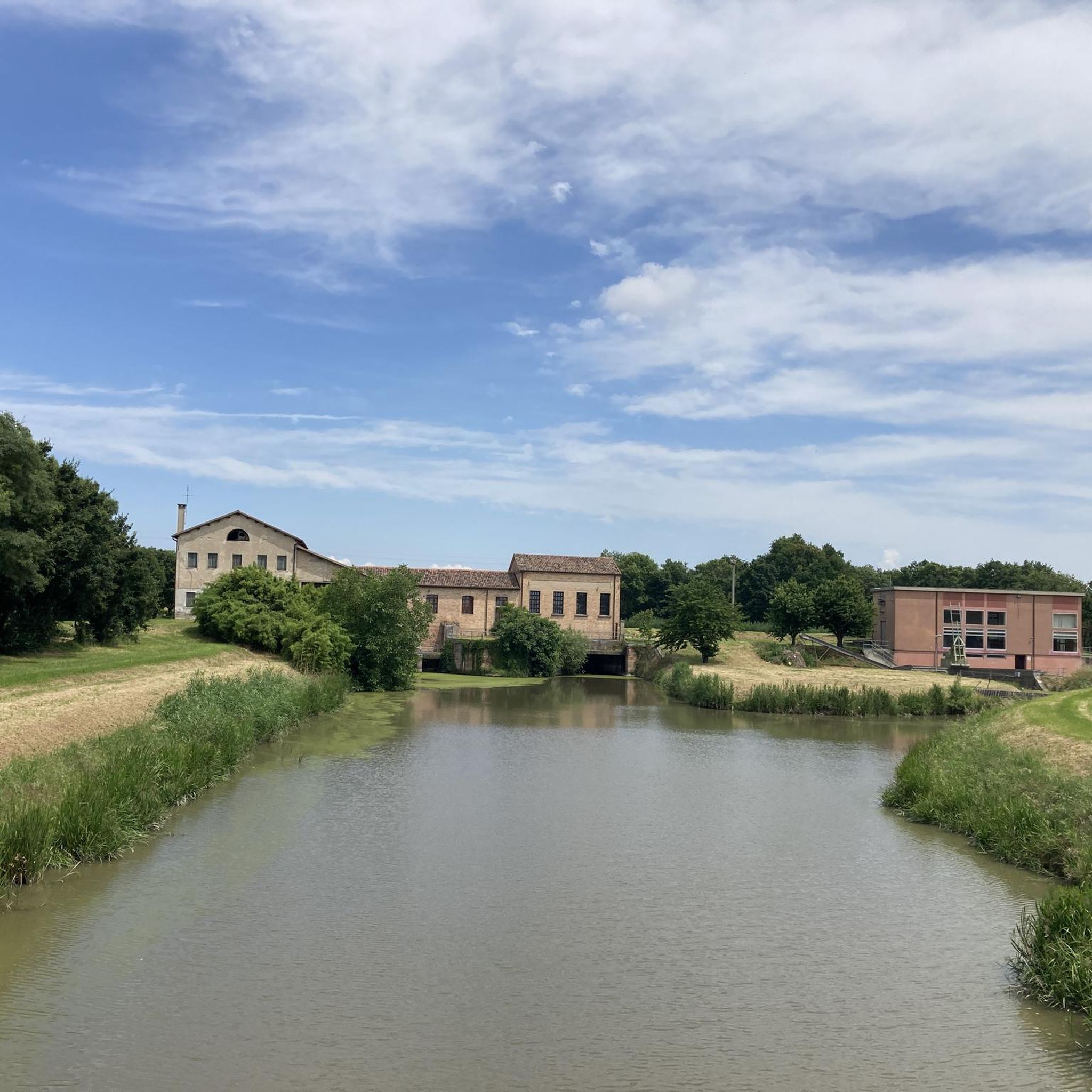
Beautiful to reach on foot or by bike better if Gravel.
Boschettona beach, an oasis in …
Translated by Google •
Tip by

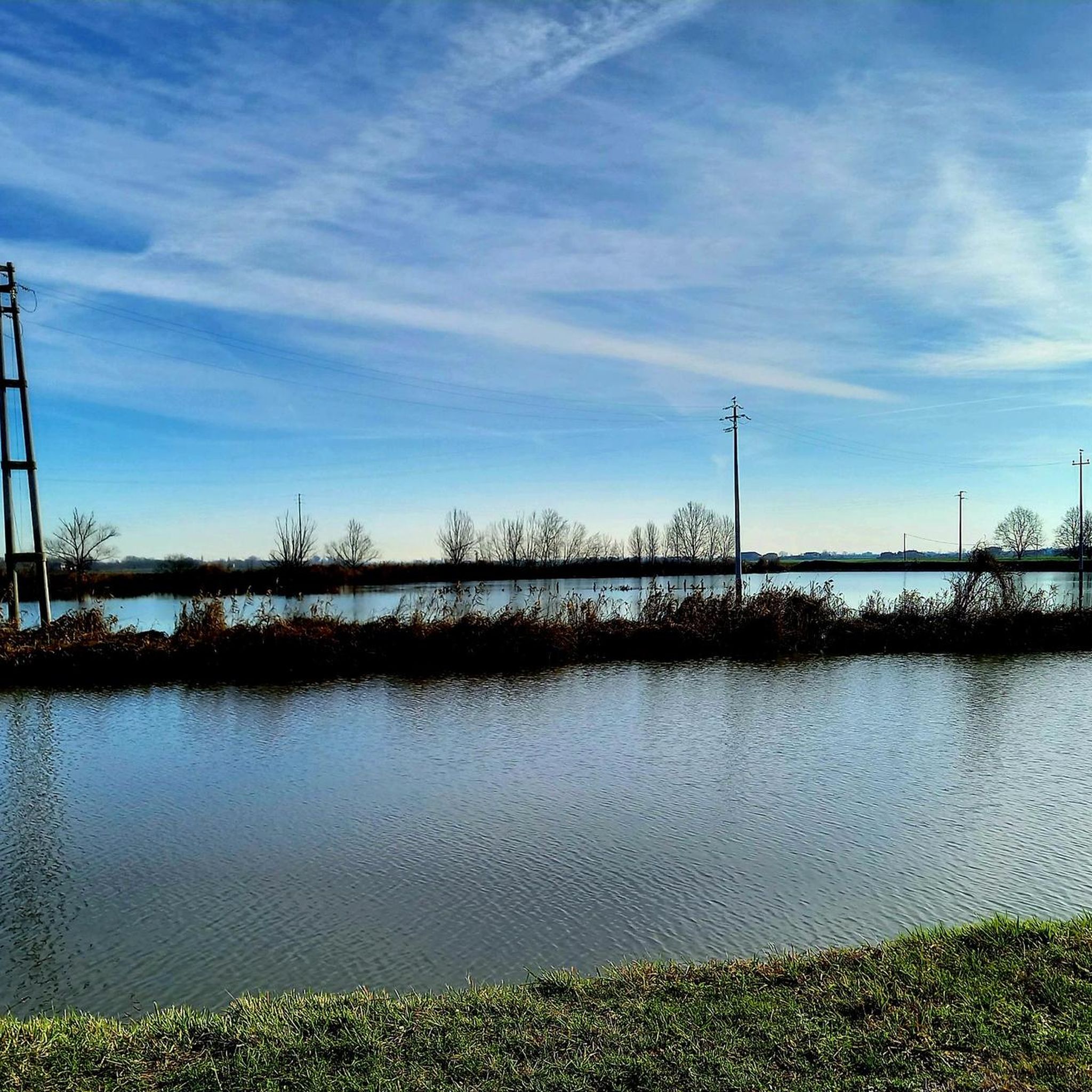
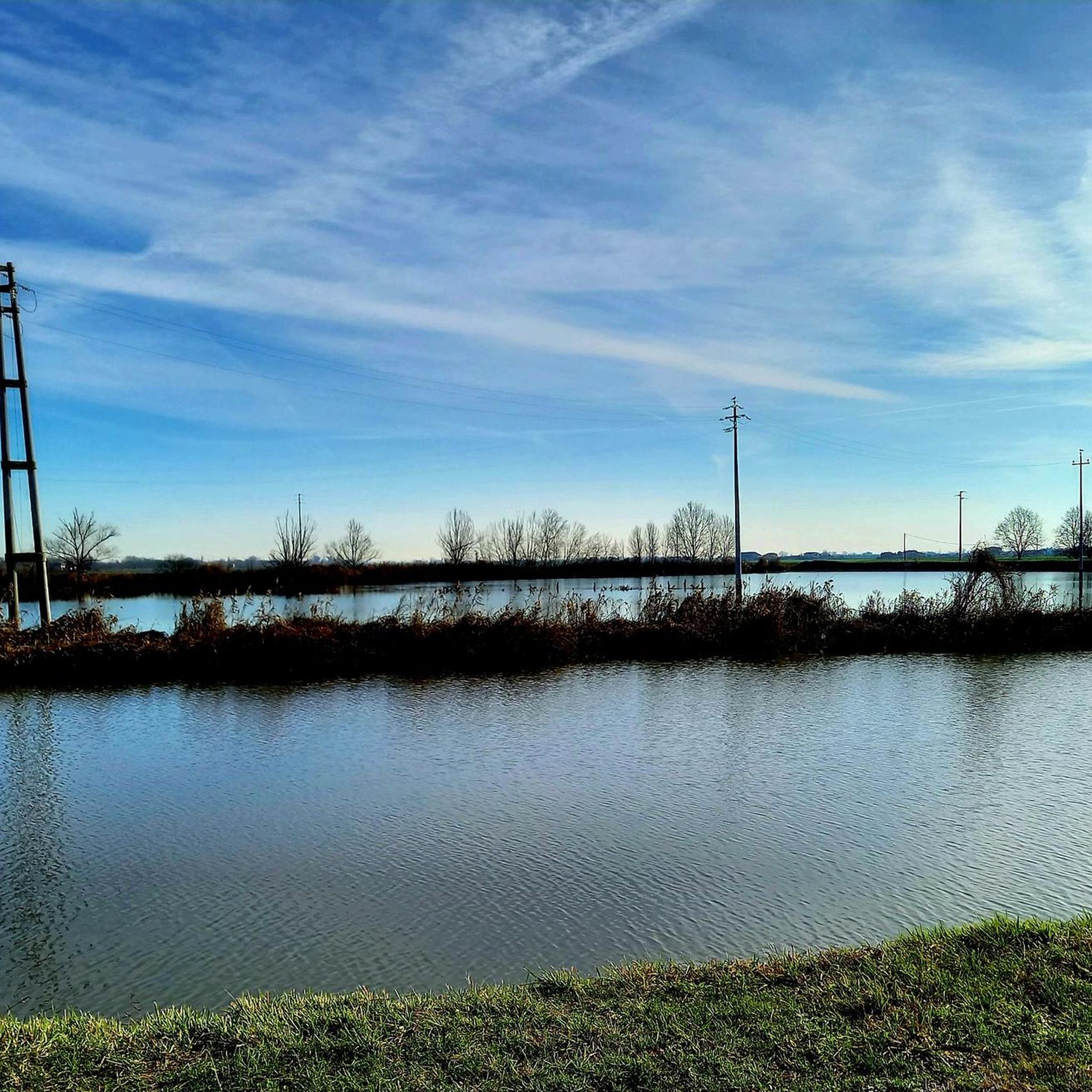
View of the Vena Canal
Highlight • Bridge
Showing Translation
Tip by

Sign up now to discover places like this
Get recommendations on the best single tracks, peaks, & plenty of other exciting outdoor places.
Santa Maria Assunta Cathedral (Chioggia Cathedral)
Highlight • Religious Site
The bishop's see, which had been located in Malamocco since 1100 after massive coastal erosion and a tsunami rendered the area uninhabitable, was moved to Chioggia. Next to …
Translated by Google •
Tip by

Casoni della Fogolana
Highlight • Monument
Showing Translation
Tip by

Porta di Santa Maria
Highlight • Historical Site
This is a city wall that closed off access to the two canals and marked the southern entrance to the city.
Translated by Google •
Tip by
Sign up for free to discover even more attractions around Cona.
Already have an account?
Start today with a free account
Your next adventure awaits.

Tips from the Community

An absolutely must-see canal that can be strolled along. The colorful houses, paired with small Venetian-style palaces, are real eye-catchers. You can get from one district to another via nine bridges.
0
0
Large gate at the entrance to Chioggia, a real eye-catcher.
0
0
An imposing church with a matching campanile, very worth seeing.
0
0

The Cathedral of Santa Maria Assunta represents the monumental heart of Chioggia, located at the southern end of Corso del Popolo. Rebuilt in the 17th century based on a design by Baldassarre Longhena after a fire destroyed the medieval building, the church features an imposing and sober facade, while the interior is a celebration of Venetian Baroque. The internal space is marked by wide naves housing pictorial masterpieces by artists such as Palma il Giovane and Pietro Liberi. Next to the cathedral stands the 64-meter-high Romanesque bell tower, on top of which is a lantern that historically served as a reference point for sailors. This complex is not just a religious center, but an architectural symbol that blends the solemnity of faith with the maritime history of the city.
1
0

The Porta di Santa Maria Assunta is also popularly known as Porta Garibaldi. The historic city gate was originally built around 1520 and was part of the city fortifications. It is located at the southern end of the main street, the Corso del Popolo, and today serves as a freestanding gate around which road traffic flows. On the side facing the mainland, there is a marble relief of the Lion of Saint Mark, the symbol of Venice's former rule over the city.
1
0
The Porta di Santa Maria is the ancient monumental gateway that marks the entrance to the historic center of Chioggia for those coming from the mainland. Located at the southern end of the Corso del Popolo, the gate was built in 1530 to a design attributed to Michele Sanmicheli, replacing a previous medieval structure for the city's defense. The elegant and austere architecture served as a customs and military barrier in an era when Chioggia was a strategic stronghold of the Serenissima. Today, the gate represents the starting point of the main city promenade, welcoming visitors with its Istrian stone structure that introduces the Venetian atmosphere of the village, amidst canals and historic palaces.
1
0
The Canal Vena is the most picturesque and vital waterway in Chioggia, often described as the city's "Grand Canal". What makes it unique are its nine bridges, each with its own history and appearance, connecting the side foundations and allowing passage between the alleys. The most majestic is undoubtedly the Ponte di Vigo, located at the northern end of the canal, towards the lagoon. Built of marble in 1685, it represents the monumental gateway to the city: with its imposing staircase and elegant decorations, it offers a spectacular view that ranges from the canal to the nearby island of Pellestrina. The other eight bridges, such as the Ponte di San Giacomo or the Ponte Caneva, follow one another along the route, offering postcard-worthy glimpses between moored boats and historic markets. These passages are not just architectural structures, but the beating heart of Chioggia life, where the Venetian atmosphere blends with the authenticity of the fishing village.
0
0

Boschettona Beach—also known as Paduan Beach—is a stretch of lagoon located in the municipality of Codevigo, and is the only stretch of coast still suitable for swimming in the province of Padua.
0
0
Frequently Asked Questions
What natural attractions can I explore around Cona?
Cona is rich in natural beauty, particularly within the Venetian Lagoon. You can visit Boschettona Beach, the only outlet to the sea for the Province of Padua, known for its scenic views and kite surfing. The area also features the unique ecosystem of the Millecampi Valley, where you'll find the characteristic Casoni della Fogolana.
Are there opportunities for birdwatching near Cona?
Yes, the region around Cona is a prime destination for birdwatching. The nearby Isola della Cona Nature Reserve, part of the 'Foce dell'Isonzo' Natural Reserve, is a premier birdwatching spot in Italy, home to 323 poultry species including herons, coots, and mallards. The Visitors' Centre there is ideal for nature photography and birdwatching enthusiasts.
What historical and cultural sites are there to visit near Cona?
Cona is close to Chioggia, often called 'Little Venice,' which offers several historical sites. You can explore the Baroque Santa Maria Assunta Cathedral (Chioggia Cathedral), dating back to 1627, and the Basilica of Saint James, Chioggia, built in 1740. Additionally, the Casoni della Fogolana offer a glimpse into traditional Saccisica area architecture.
Are there any family-friendly attractions around Cona?
Many attractions around Cona are suitable for families. Boschettona Beach is a great spot for a family outing, offering space for walks and enjoying the lagoon views. Historical sites like the Santa Maria Assunta Cathedral are also generally accessible for families interested in culture.
What outdoor activities can I do near these attractions?
The area around Cona is excellent for various outdoor activities. You can enjoy walking or cycling tours, especially in natural areas like the Isola della Cona Nature Reserve. Kite surfing is popular at Boschettona Beach. For more structured routes, explore the many cycling routes or hiking trails available in the region.
Are there hiking trails near Cona's attractions?
Yes, there are several hiking trails near Cona, particularly around the natural areas. For example, you can find moderate trails like 'I casoni della Fogolana — ring tour' or 'Casoni della Fogolana Loop' which allow you to explore the Millecampi Valley. You can find more details and routes on the hiking guide for Cona.
What do visitors enjoy most about the attractions around Cona?
Visitors particularly appreciate the natural beauty and tranquility of the area. Boschettona Beach is often described as a 'wonderful and very romantic place' and a 'natural paradise.' The Casoni della Fogolana are valued for their unique reproduction of traditional architecture and their setting within an area of significant environmental value. The historical churches in Chioggia are admired for their Baroque style and rich artistic heritage.
Can I go cycling around Cona?
Absolutely! The flat terrain around Cona and the Venetian Lagoon is ideal for cycling. There are numerous routes, including those that take you along the coast or through the countryside. Popular options include the 'View of the Chioggia Canal – Boschettona Beach loop' or the 'From Cavarzere to Chioggia – ring tour.' Discover more routes on the cycling guide for Cona.
Are there any unique natural features to see?
Beyond the beach, the Millecampi Valley, where the Casoni della Fogolana are located, is recognized for its significant environmental and naturalistic value. This area is part of the Southern Lagoon of Venice, a UNESCO World Heritage site, offering a unique landscape of wetlands and traditional lagoon structures.
What is the significance of the Casoni della Fogolana?
The Casoni della Fogolana are recently built huts that faithfully reproduce the characteristic 'casoni' of the Saccisica area, featuring traditional reed roofs. Located within the environmentally significant Millecampi Valley, they serve as a visitor center, inn, and B&B, preserving the architectural heritage and offering services within this UNESCO World Heritage site.
Is there a specific time of year that is best to visit Cona for outdoor activities?
While specific data isn't provided, the Venetian Lagoon area generally offers pleasant conditions for outdoor activities during spring (April-May) and early autumn (September-October) when temperatures are mild and the weather is stable. Summer can be warm, ideal for beach activities, while winter might be cooler but still suitable for birdwatching.
What kind of religious buildings can I find in the area?
The area is home to significant religious architecture, primarily in nearby Chioggia. The Santa Maria Assunta Cathedral (Chioggia Cathedral) is a prominent Baroque structure and the main church of Chioggia. You can also visit the Basilica of Saint James, Chioggia, which houses numerous works of art and became a Basilica in 1806.
Most popular attractions around Cona

Get inspired with the komoot mobile app


Explore more
Still not found the Highlight you’re looking for? See guides of the top attractions in other regions:
