Attractions and Places To See around Correzzola - Top 20
Best attractions and places to see around Correzzola include historical sites and natural landscapes shaped by the Bacchiglione River. The municipality, located in the Province of Padua, Italy, features a flat terrain ideal for cycling and walking along canals and riverbanks. Its heritage is deeply rooted in Benedictine history, evident in its significant architectural complexes and traditional farms. The area offers a blend of cultural landmarks and natural environments.
Best attractions and places to see around Correzzola
- The most popular…
Last updated: October 9, 2026
Ponte San Giacomo di Chioggia
Highlight • River
Translated by Google •
Tip by

Isola dell'Unione Bridge
Highlight • Bridge
Translated by Google •
Tip by
Sign up now to discover places like this
Get recommendations on the best single tracks, peaks, & plenty of other exciting outdoor places.
Boschettona Beach
Highlight • Beach
Beautiful to reach on foot or by bike better if Gravel.
Boschettona beach, an oasis in …
Translated by Google •
Tip by

View of the Vena Canal
Highlight • Bridge
Showing Translation
Tip by

Vigo Bridge
Highlight • Bridge
The Vigo Bridge is one of the most important symbols of Chioggia, also known as Little Venice. A major tourist attraction, the bridge tells the story of the lagoon city's centuries-old past.
Translated by Google •
Tip by

Sign up for free to discover even more attractions around Correzzola.
Already have an account?
Start today with a free account
Your next adventure awaits.

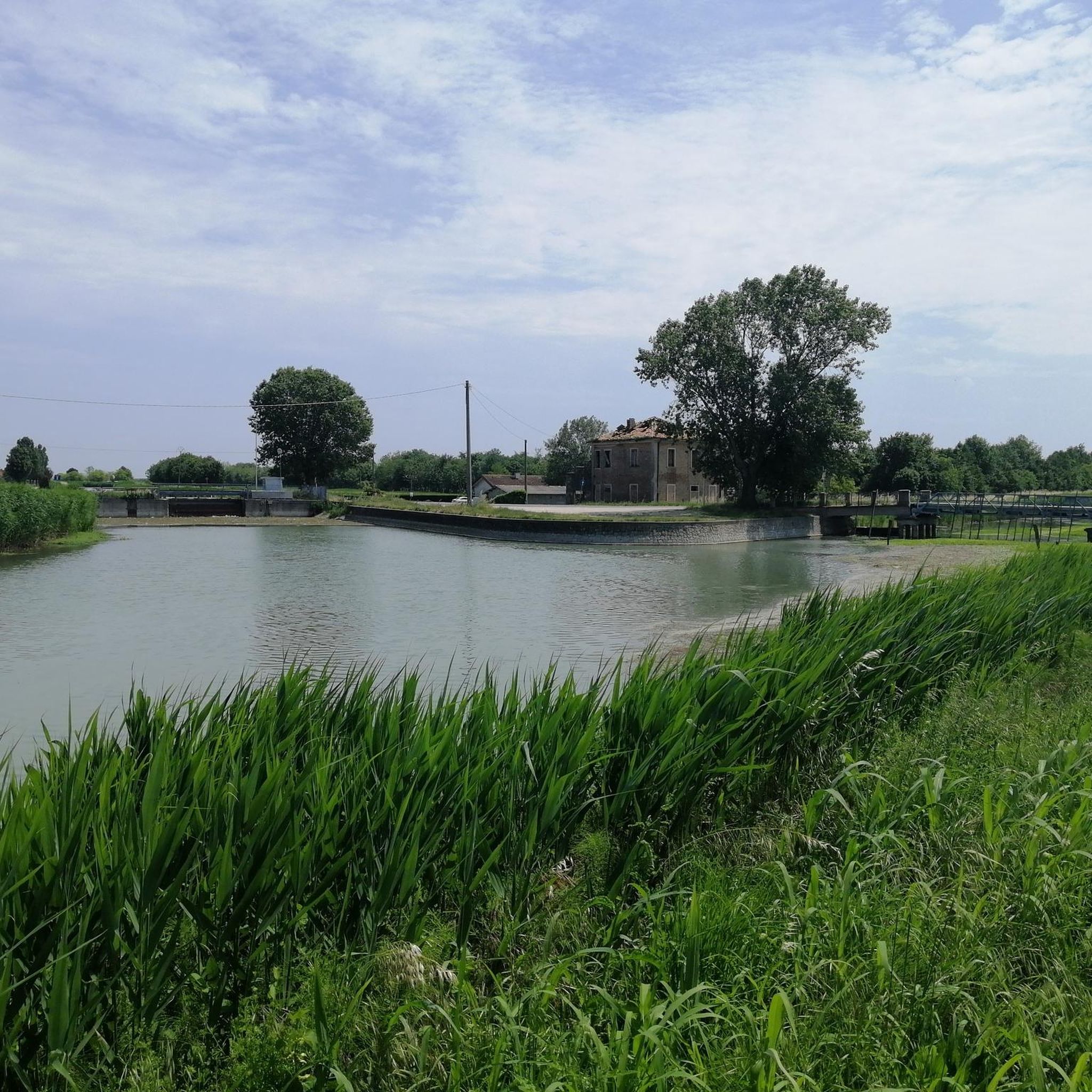
Tips from the Community

An absolutely must-see canal that can be strolled along. The colorful houses, paired with small Venetian-style palaces, are real eye-catchers. You can get from one district to another via nine bridges.
0
0

The system of bridges and the viability of the Isola dell'Unione in Chioggia (VE) historically connect the historic center of Chioggia with the nearby seaside resort of Sottomarina. The area is served by a translagunar bridge and the characteristic swing bridge that crosses the Canale San Domenico. The main details about the Isola dell'Unione infrastructure include: Ponte Translagunare (Ponte della Concordia): Inaugurated in 1931, it is about 700 meters long and directly connects Sottomarina to Chioggia by crossing the lagoon. Ponte Girevole (Canale San Domenico): Regulates internal traffic and allows boats to pass. It has recently been the subject of tenders for extraordinary maintenance and the reorganization of city traffic. Roads and Cycle Paths: The area is part of the Passeggiata del Lusenzo, a circular pedestrian and cycle path that connects the two centers passing through the Isola dell'Unione, ideal for tourist visits and excursions.
1
0

The Ponte dell'Isola dell'Unione is the key infrastructure that unites Chioggia and Sottomarina, connecting the historicity of "Little Venice" to the vibrancy of its seaside soul. Crossing the lagoon, this bridge is not just a crucial communication route for vehicular and pedestrian traffic, but a true umbilical cord that transforms two distinct realities into a single urban organism. Strolling along its sidewalks, you can enjoy a spectacular view of the southern lagoon, with the moored boats, the distant casoni, and the unmistakable profiles of the two towns. For residents and tourists, it represents a suggestive transit point, particularly fascinating at sunset, when the lights reflect on the water, summarizing in a single glance the maritime, historical, and tourist essence of this unique territory.
2
0
The Canal Vena is the most picturesque and vital waterway in Chioggia, often described as the city's "Grand Canal". What makes it unique are its nine bridges, each with its own history and appearance, connecting the side foundations and allowing passage between the alleys. The most majestic is undoubtedly the Ponte di Vigo, located at the northern end of the canal, towards the lagoon. Built of marble in 1685, it represents the monumental gateway to the city: with its imposing staircase and elegant decorations, it offers a spectacular view that ranges from the canal to the nearby island of Pellestrina. The other eight bridges, such as the Ponte di San Giacomo or the Ponte Caneva, follow one another along the route, offering postcard-worthy glimpses between moored boats and historic markets. These passages are not just architectural structures, but the beating heart of Chioggia life, where the Venetian atmosphere blends with the authenticity of the fishing village.
0
0

Boschettona Beach—also known as Paduan Beach—is a stretch of lagoon located in the municipality of Codevigo, and is the only stretch of coast still suitable for swimming in the province of Padua.
0
0

Many embankments and roads with little traffic
0
0

Vigo Bridge, Chioggia The Vigo Bridge is one of the most important symbols of Chioggia, also known as Little Venice. A major tourist attraction, the bridge tells the story of the lagoon city's centuries-old past. Already existing in 1408, the old bridge was already present during the war against Genoa. At that time, it was the site of the fighting, so it is inferred that it existed at least by 1379. The majestic bridge was restored in 1424, but it wasn't until 1478 that it was rebuilt in stone. The bridge's balcony is entirely covered with Istrian stone and features a marble balustrade. Rebuilt in stone in 1685, the bridge was designed by Giovanni Francesco Morosini. Its conversion was prompted by the excessively high maintenance costs associated with the wooden structure. Furthermore, the bridge was essential for the city and was considered a symbol of beauty and elegance. Therefore, the year 1685 was engraved in the center of the arch. Text / Source: viaggiamo.it https://www.viaggiamo.it/ponte-vigo-chioggia/
15
0

Connection between Chioggia and Sottomarina. The city's only green space.
3
0
Frequently Asked Questions
What historical and cultural sites can I visit in Correzzola itself?
Correzzola's primary landmark is the immense Benedictine Court of Correzzola, founded in the 15th century. This complex, once a hub for monks and farmers, now houses the Municipality and a library with ancient frescoes. You can also explore several historic churches, including the Parish Church of San Leonardo, known for its elegant colonnaded portico, and the Church of Saints Niccolò and Rocco, originally Romanesque.
What historical landmarks are there in the nearby city of Chioggia?
The nearby city of Chioggia, often called 'Little Venice,' offers several significant historical landmarks. These include the iconic Vigo Bridge, rebuilt in stone in 1685, and the impressive Santa Maria Assunta Cathedral, believed to be built on ancient foundations. Another notable site is the Church of the Filippini, a grand religious building from the Serenissima era.
What natural features can I explore around Correzzola?
The area around Correzzola is characterized by the Bacchiglione River and its surrounding reclamation canals. These waterways offer scenic routes for cycling and walking. You can also discover historical Benedictine farms and traditional 'casoni' (peasant houses with straw roofs), which provide insight into the region's agricultural past and its transformation from a marshy landscape.
Are there opportunities for cycling or walking near Correzzola?
Yes, the flat terrain around Correzzola is ideal for cycling and walking. You can enjoy scenic routes along the Bacchiglione River and various canals, connecting to broader regional cycling networks. For specific routes, check out the Cycling around Correzzola guide or the Hiking around Correzzola guide.
Where can I find a beach near Correzzola?
The closest beach is Boschettona Beach, located in the nearby municipality of Codevigo. This natural area is recognized as a UNESCO World Heritage Site and is popular for activities like kitesurfing and cycling. It's considered the only direct outlet to the sea for the Province of Padua.
Are there family-friendly attractions or activities in the Correzzola area?
Many attractions in the area are family-friendly, including the historical sites like the Vigo Bridge and Santa Maria Assunta Cathedral in Chioggia. Outdoor activities such as cycling and walking along the riverbanks and canals are also great for families. Boschettona Beach is another excellent spot for families to enjoy the natural environment.
When is the best time to visit Correzzola for outdoor activities?
The flat terrain and riverine landscapes make Correzzola enjoyable for outdoor activities during most temperate seasons. The end of summer is particularly vibrant, as it hosts the annual historical re-enactment, 'La Marciliana in territorio Padovano,' which brings the ancient court to life with medieval trades, dances, and games.
What kind of outdoor activities are popular around Correzzola?
The region is excellent for various outdoor activities. Cycling is very popular, with numerous routes available for touring bicycles and gravel biking along canals and riverbanks. Hiking is also a great option, especially around the traditional 'casoni' and natural areas. You can find detailed routes in the Cycling around Correzzola, Gravel biking around Correzzola, and Hiking around Correzzola guides.
Are there any cultural events or historical re-enactments in Correzzola?
Yes, Correzzola hosts an annual historical re-enactment called 'La Marciliana in territorio Padovano' at the end of summer. This event vividly recreates the ancient court, featuring medieval trades, weaponry displays, taverns, dances, and games, offering a unique cultural experience.
What are some unique traditional sights to see beyond the main landmarks?
Beyond the main historical landmarks, you can explore the traditional Benedictine farms and 'casoni' (peasant houses with distinctive straw roofs) scattered throughout the countryside. These sites offer a glimpse into the region's rich agricultural heritage and the historical land reclamation efforts that shaped the landscape.
How long does it typically take to visit the main attractions?
Visiting the Benedictine Court of Correzzola can take 1-2 hours, especially if you opt for a guided tour on Sundays. Exploring the churches in Correzzola might add another hour. For attractions in Chioggia like the Vigo Bridge and Santa Maria Assunta Cathedral, allow at least half a day to enjoy the city's atmosphere. A trip to Boschettona Beach could be a half-day excursion itself.
What do visitors enjoy the most about the attractions around Correzzola?
Visitors particularly appreciate the blend of historical richness and natural beauty. The Vigo Bridge in Chioggia is often highlighted as a 'real eye-catcher,' especially in the evening. Boschettona Beach is described as a 'wonderful and very romantic place' and a 'natural paradise.' The authentic liveliness of Chioggia's canals, similar to Venice but with a more bearable number of tourists, is also a common positive remark.
Most popular routes around Correzzola
Most popular attractions around Correzzola

Get inspired with the komoot mobile app


Explore more
Still not found the Highlight you’re looking for? See guides of the top attractions in other regions:
