The best road cycling routes around Margherita Di Savoia
4.5
(45)
719
riders
59
rides
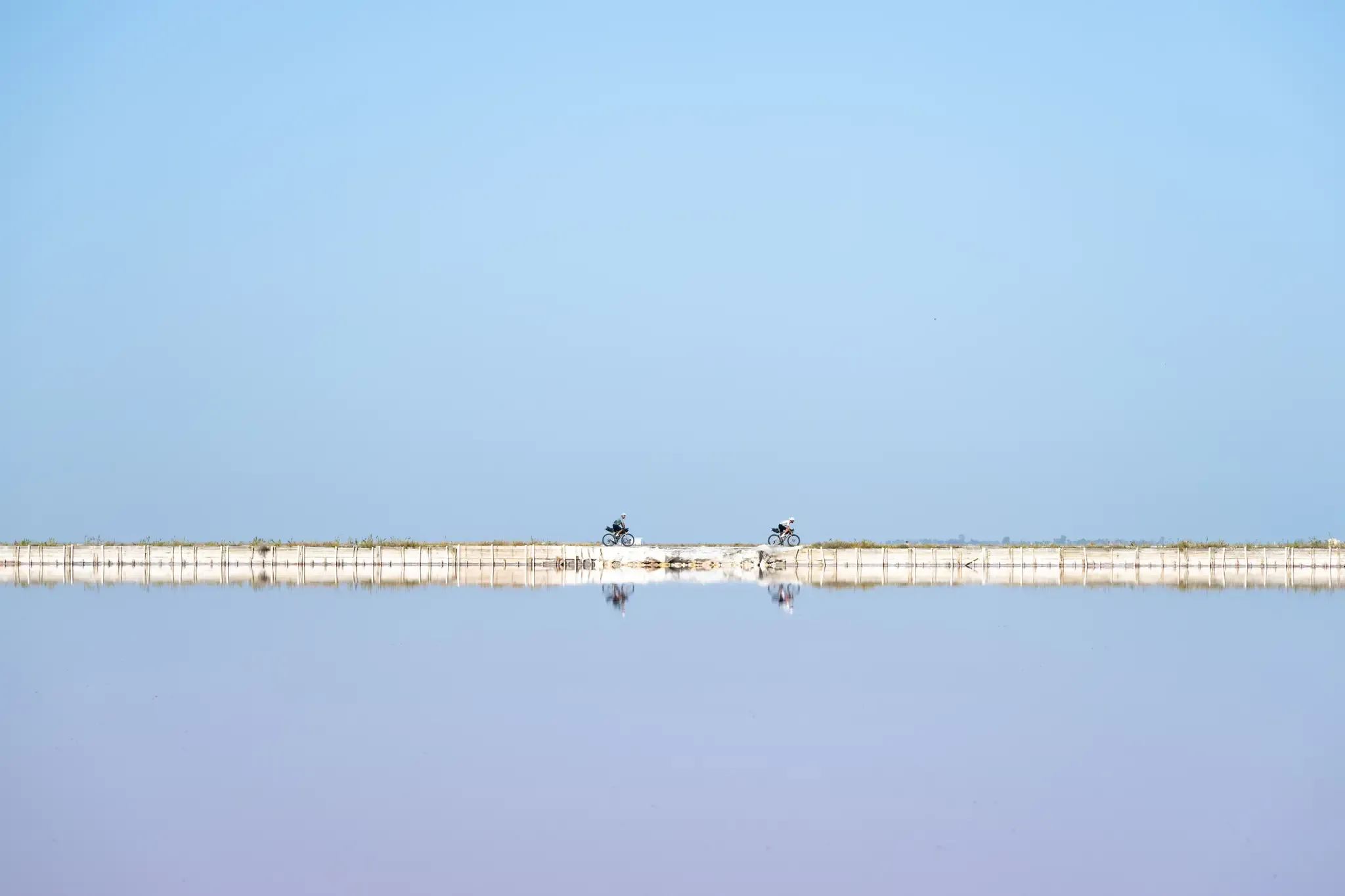
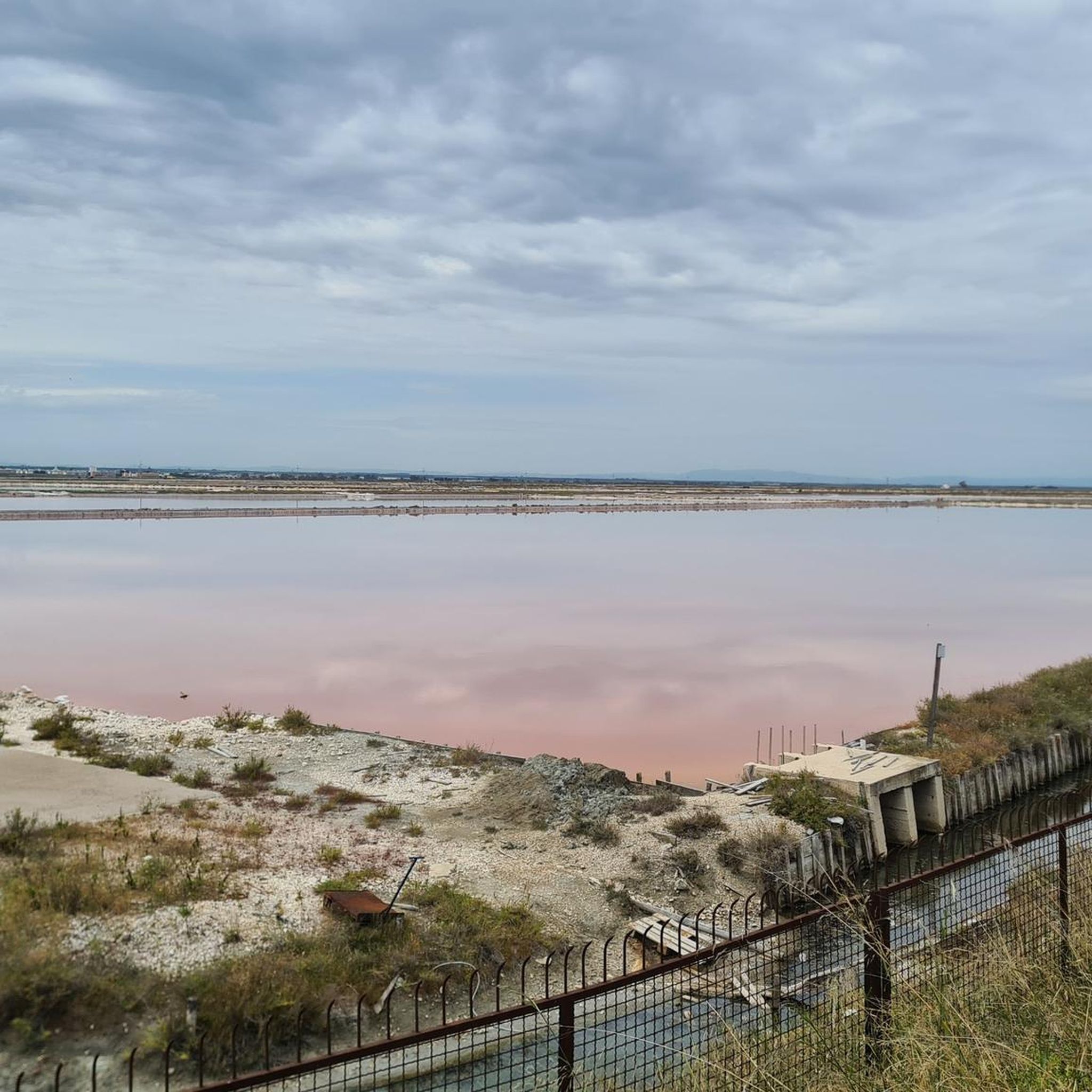
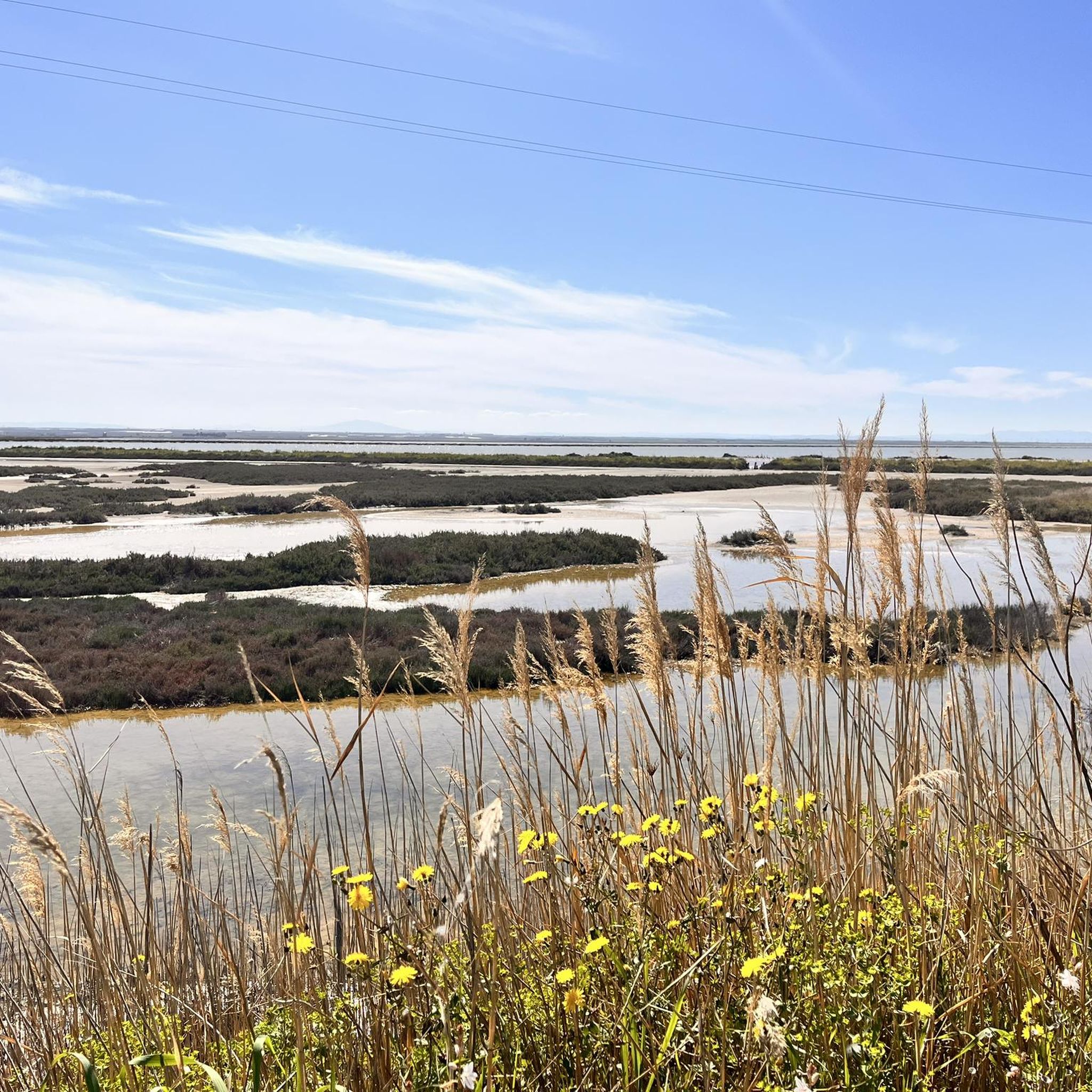
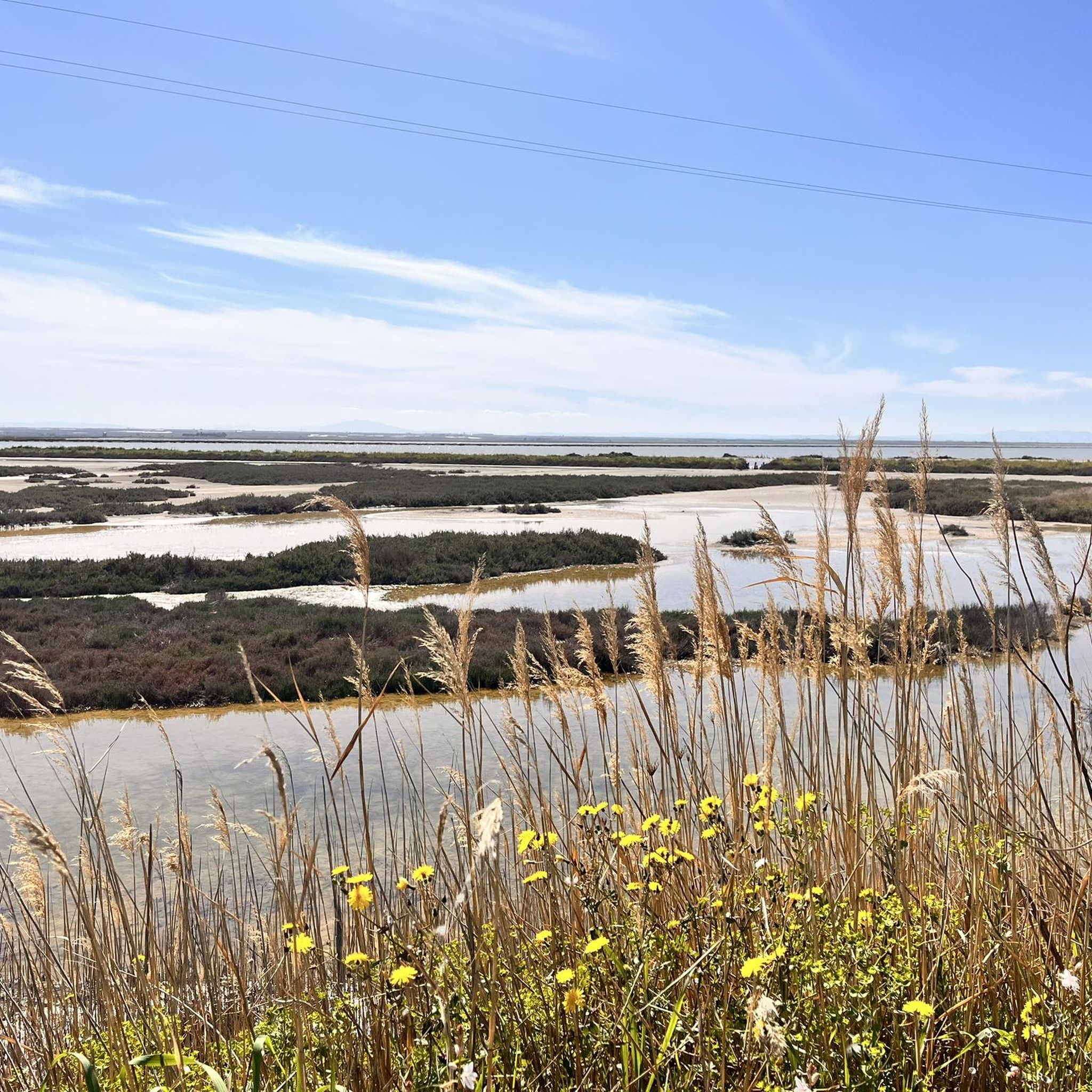
Road cycling routes around Margherita di Savoia are characterized by a flat to gently rolling topography, making the area accessible for various skill levels. The region is dominated by the vast Saline di Margherita di Savoia (Salt Pans), which create a unique landscape. Well-maintained roads often traverse picturesque farmland, olive groves, and vineyards, offering scenic rides. The Adriatic coast provides long, sandy beaches and seafront promenades, contributing to the diverse cycling environment.
Best road cycling routes around Margherita Di Savoia
…Last updated: July 5, 2026
4.7
(3)
30
riders
52.3km
02:15
330m
330m
Moderate road ride. Good fitness required. Mostly well-paved surfaces and easy to ride.
18
riders
48.6km
01:55
70m
70m
Easy road ride. Great for any fitness level. Mostly well-paved surfaces and easy to ride.

Sign up for free
14
riders
75.0km
03:03
380m
380m
This moderate 46.6-mile road cycling loop from Barletta explores olive groves, ancient towns like Canosa di Puglia, and the Margherita di Sa
4.0
(2)
47
riders
64.5km
02:46
380m
380m
Moderate road ride. Good fitness required. Mostly well-paved surfaces and easy to ride.
4.4
(8)
44
riders
46.5km
01:51
160m
160m
Moderate road ride. Great for any fitness level. Some segments of this route may be unpaved and difficult to ride.
Get access to more routes and recommendations from other explorers.
Sign up for free
Already have an account?
Our route recommendations are based on thousands of hikes, rides, and runs completed by other people on komoot.
Start today with a free account
Your next adventure awaits.
Login or Signup
Other adventures around Margherita Di Savoia

Tips from the Community

The Via Francigena del Sud leads through Canosa di Puglia and here it is beautiful in the evening on the square in front of the Cattedrale di San Sabino. People gather under wonderfully illuminated palm trees, stroll and chat. It is a joy
1
0

The site of Canne della Battaglia is mainly remembered for the decisive battle of 216 BC, fought between the Romans and Carthaginians during the Second Punic War. The hilly reliefs overlooking the Ofanto valley have been inhabited since the Neolithic period and continuously until the 3rd century BC, most likely in conjunction with the epic clash that disrupted the settlement patterns of the entire area. In Roman times, it is recalled in the sources as the emporium of Canusium, in whose shadow it lived until the latter's abandonment in the second half of the 9th century. From this moment, Canne began its most important historical phase, linked to the stabilization of Byzantine power in Puglia. Thanks to its strategic position, the Cannese village, likely built on a pre-existing Roman structure and known today as the 'Cittadella', was re-occupied from the late antique period and consolidated in the following centuries, around two main centers, the basilicas and the castle, also thanks to the establishment of a diocese, led, in the early 12th century, by Ruggero, the current patron saint of Barletta. The antiquarium annexed to the archaeological park was created in the late 1950s for the valorization and conservation of artifacts from excavations conducted in the area, starting from the Ventennio, a period of frenetic exaltation of Roman grandeur. Today's exhibition favors the narration of events related to the Second Punic War and the great battle that represented a trauma for the surrounding territory and for the indomitable Roman army. However, according to the current state of research, no archaeological documentation referring to the clash of 216 BC has yet been found, nor can the reconstruction of the landscape on these hills, as described by historical sources, particularly Livy and Polybius, be considered plausible. Rather, the site of Canne, in addition to being located in an area of great landscape and natural value, constitutes, to this day, one of the most interesting examples of abandoned medieval settlements in Italy.
0
0
A city of great interest for archaeology enthusiasts. The most scenic routes wind along the Ofanto River, on the ridge leading to the Madonna di Ripalta, between Cefalicchio and Loconia (remains of a USAAF base), along the Locone reservoir, and toward the Murge, near Minervino.
1
0

Very nice to sit and enjoy different dishes.
0
0

Pedestrian area. Castle visits are available for a fee.
0
0

216 BC. Museum, ruins of the old city built on the site of the Carthaginian camp. Entrance to the museum is 6 euros. You can lock your bike nearby.
0
0

Worth seeing old Norman fortress.
4
0
Worth seeing old Norman fortress.
0
0
Frequently Asked Questions
How many road cycling routes are available in Margherita di Savoia?
Margherita di Savoia offers a wide selection of road cycling routes, with over 45 options available. These routes cater to various skill levels, from easy rides to more challenging excursions.
What is the typical terrain like for road cycling in Margherita di Savoia?
The terrain around Margherita di Savoia is generally flat to gently rolling, making it accessible for most cyclists. Roads are often well-maintained and traverse picturesque farmland, olive groves, and vineyards. The most distinctive feature is the vast Saline di Margherita di Savoia (Salt Pans), which provide a unique, often 'lunar' landscape for many routes.
When is the best time of year for road cycling in Margherita di Savoia?
The favorable climate of Puglia, with over 300 days of sunshine annually, makes spring and autumn ideal for cycling in Margherita di Savoia. During these seasons, you can expect mild temperatures and a light breeze, providing comfortable conditions for your rides.
Are there road cycling routes suitable for beginners in Margherita di Savoia?
Yes, Margherita di Savoia is very welcoming for beginners. There are 7 easy road cycling routes, many of which are flat and offer minimal elevation gain. A great option is the Le Saline di Margherita di Savoia e Trinitapoli – loop tour, which is an easy 30.2-mile (48.6 km) ride with views of the salt pans.
What options are there for more experienced road cyclists?
For more experienced road cyclists, Margherita di Savoia offers 5 difficult routes that require very good fitness, and 37 moderate routes. These may include longer distances, some unpaved segments, or greater elevation changes. An example of a moderate route is the Barletta, Canosa di Puglia, and Margherita di Savoia Saltworks Loop, a 46.6-mile (75.0 km) path connecting to nearby towns.
What natural features or landmarks can I expect to see while road cycling?
Road cycling routes in Margherita di Savoia offer diverse scenery. You'll frequently encounter the vast Saline di Margherita di Savoia, known for its unique landscape and migratory birds like flamingos. Other notable sights include the Adriatic coast with its long, sandy beaches, and agricultural plains with olive groves and vineyards. Further inland, you might pass by historical sites such as the Archaeological Site of Cannae or the impressive Castello di Barletta.
Are there scenic loop routes around Margherita di Savoia?
Yes, many of the road cycling routes around Margherita di Savoia are designed as loops, offering varied scenery without retracing your path. For instance, the Barletta, Montegrosso and Andria – loop tour takes you through agricultural landscapes connecting several towns, while the Archaeological Site of Cannae – Castello di Barletta loop from Barletta combines historical sites with scenic riding.
Are there any specific rules or permits needed for cycling near the Saline di Margherita di Savoia?
The Saline di Margherita di Savoia is a protected area (Riserva Naturale Saline di Margherita di Savoia). While cycling on public roads adjacent to or through parts of the salt pans is generally permitted, it's advisable to respect all signage regarding access restrictions, especially within sensitive ecological zones. No specific cycling permits are typically required for general road use, but always stay on designated paths and roads.
Where can I find parking for road cycling routes in Margherita di Savoia?
Margherita di Savoia, being a tourist-friendly town, offers various parking options. You can typically find public parking near the town center or along the Lungomare Cristoforo Colombo. For routes starting slightly outside the town, look for designated parking areas in nearby villages or at specific attractions like the Museo delle Saline. Always check local signage for parking regulations and fees.
Are there family-friendly road cycling routes in Margherita di Savoia?
Yes, the generally flat and well-maintained roads make Margherita di Savoia suitable for family-friendly cycling. Many easy routes, particularly those around the salt pans, are ideal for families. These routes often have minimal traffic and offer a safe environment for children to cycle while enjoying the unique natural surroundings.
Are there places to eat or drink along the road cycling routes?
While some routes traverse more rural areas, you'll find cafes, pubs, and restaurants in Margherita di Savoia itself and in the neighboring towns connected by the routes, such as Barletta or Trinitapoli. It's a good idea to plan your stops in advance, especially on longer rides, to ensure you have access to refreshments.
What do other cyclists say about road cycling in Margherita di Savoia?
The road cycling routes in Margherita di Savoia are highly rated by the komoot community, with an average score of 4.4 stars from over 40 reviews. Cyclists often praise the unique scenery of the salt pans, the flat and accessible terrain, and the opportunity to explore both coastal and agricultural landscapes.
Most popular attractions around Margherita Di Savoia

Get inspired with the komoot mobile app


Explore more
Browse the best Road cycling routes in other regions.
