The best MTB trails around Margherita Di Savoia
3.5
(9)
118
riders
36
rides
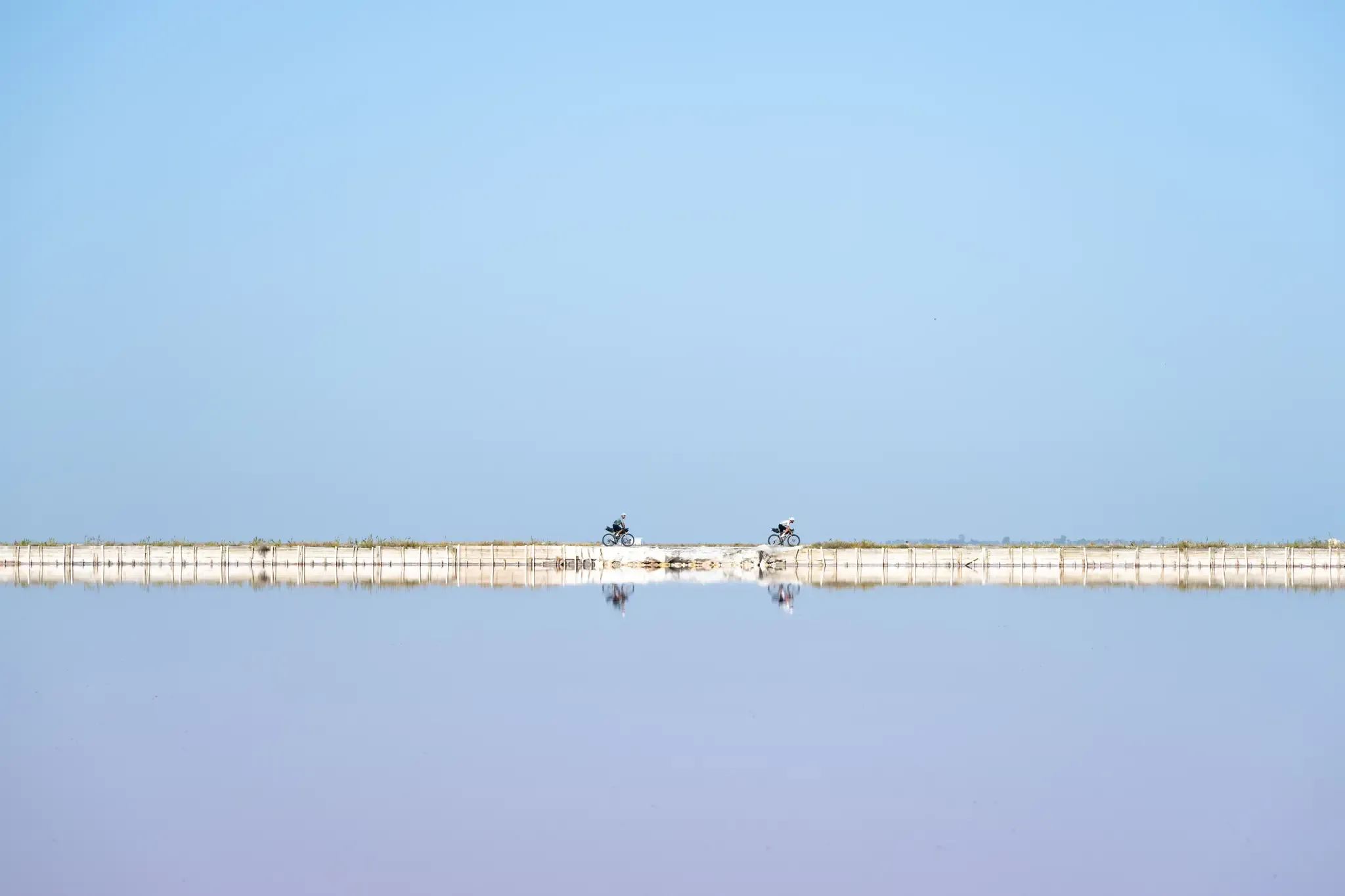
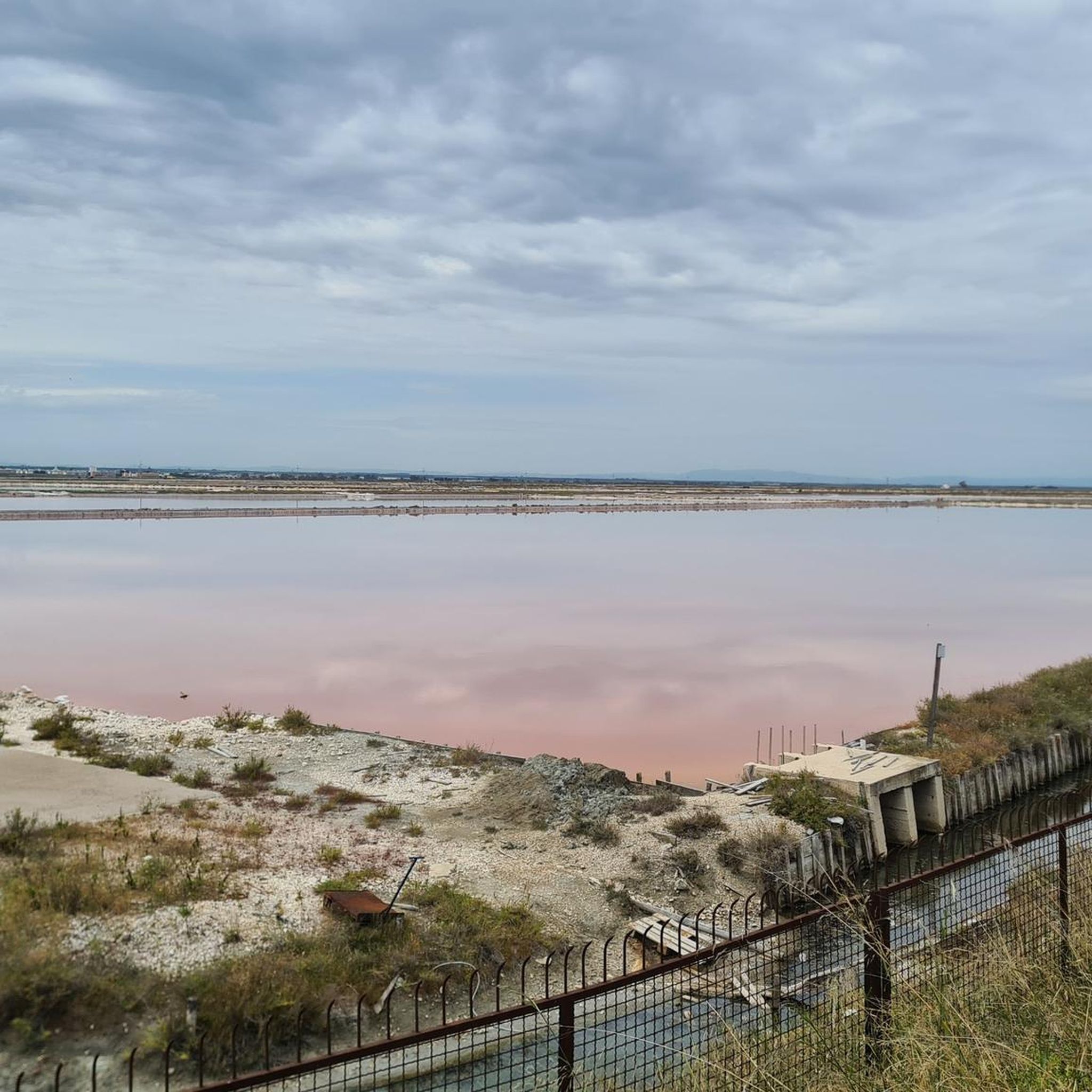
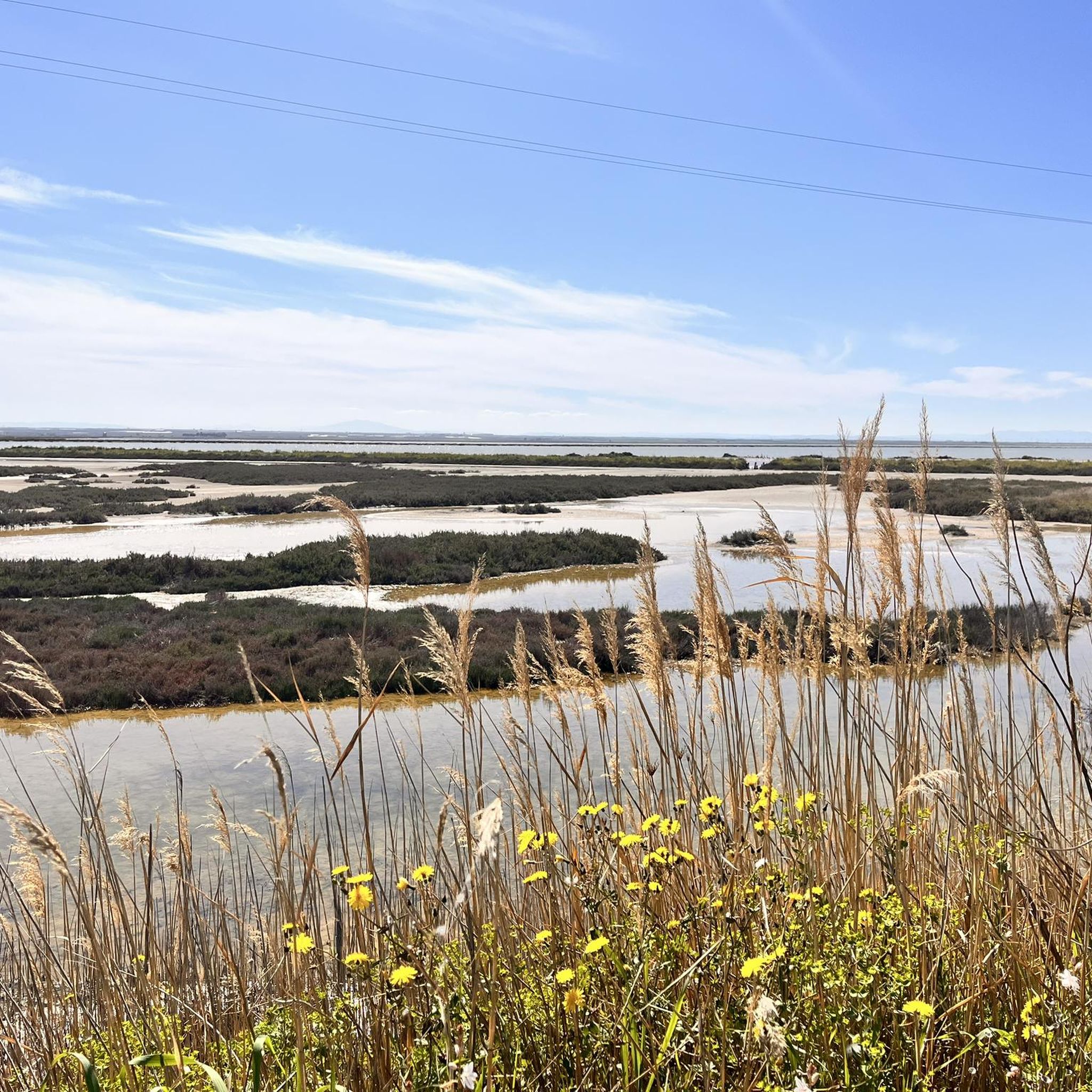
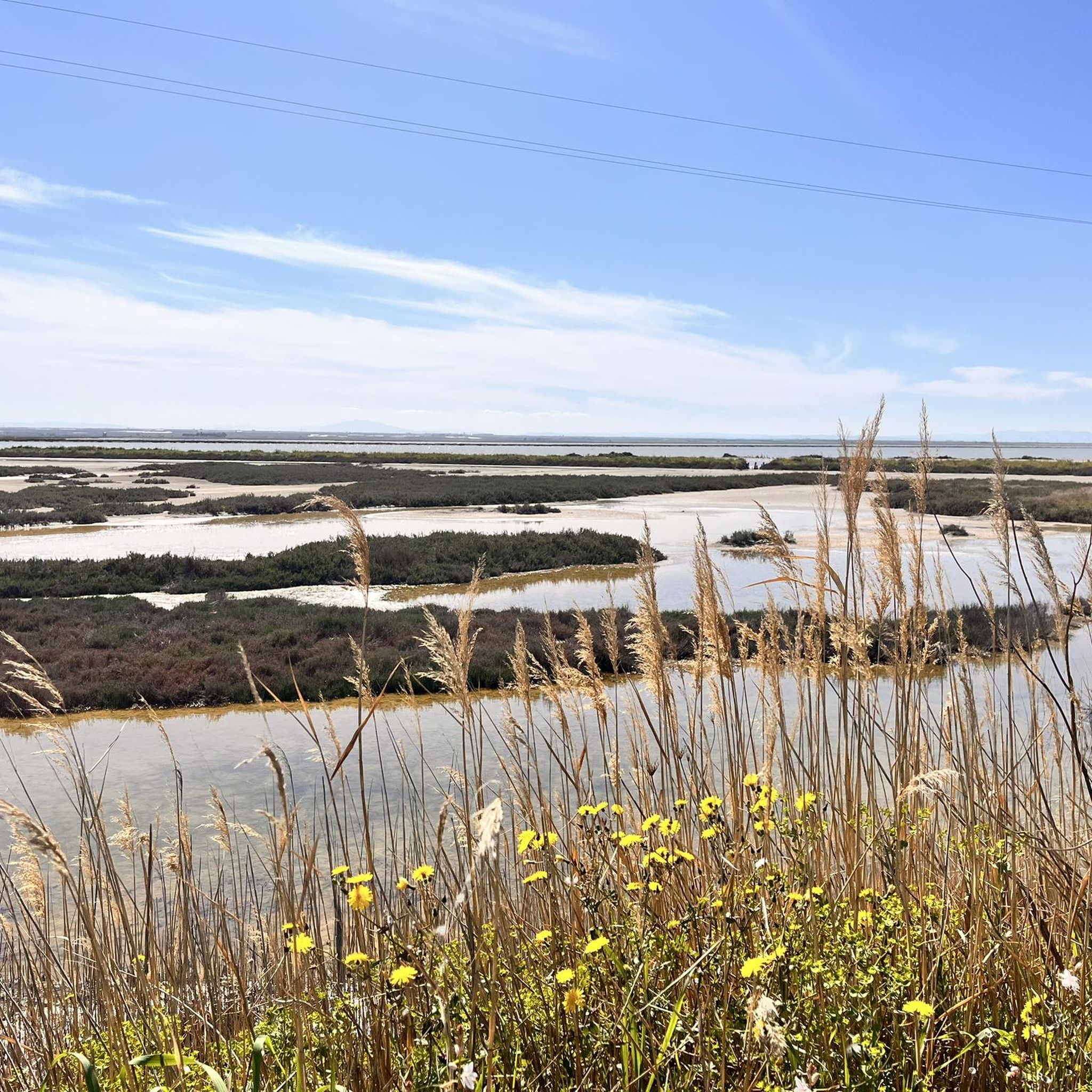
Mountain biking around Margherita Di Savoia offers a unique experience across a landscape dominated by the vast salt flats and the Adriatic coast. The region features generally flat to gently undulating terrain, with opportunities to explore coastal dunes and green spaces. While not known for rugged mountain trails, the area provides off-road cycling paths suitable for mountain bikes, particularly for scenic exploration. These routes often traverse the distinctive ecosystems of the salt pans and surrounding countryside.
Best mountain bike trails…
Last updated: October 21, 2026
2
riders
76.6km
05:10
570m
570m
Challenging 47.6-mile mountain bike loop from Barletta to Monte Carafa, offering diverse scenery in Alta Murgia National Park.
8
riders
Moderate mountain bike ride. Good fitness required. Suitable for all skill levels.

3.5
(2)
6
riders
Moderate mountain bike ride. Good fitness required. Suitable for all skill levels.
6
riders
37.3km
02:41
270m
270m
Moderate mountain bike ride. Good fitness required. Suitable for all skill levels.
7
riders
Moderate mountain bike ride. Good fitness required. Advanced riding skills necessary.
Get access to more routes and recommendations from other explorers.
Already have an account?
Our route recommendations are based on thousands of hikes, rides, and runs completed by other people on komoot.
Start today with a free account
Your next adventure awaits.
Other adventures around Margherita Di Savoia

Tips from the Community

The old Roman bridge was probably built in the 1st or 2nd century and was an important section of the Via Traiana over the Ofanto river. After renovations, particularly after an earthquake in the 18th century, not much of the original structure can be seen anymore. Today, 5 arches span the river and secure the path for pilgrims on the Via Francigena nel Sud.
1
0
On the Via Traiana between Cerignola and Canosa di Puglia is a Roman mausoleum from the 2nd century AD. The Torre Casieri marks the ancient entrance to Canusium and consists of a rectangular burial chamber with a barrel vault and two semicircular niches.
1
0
The Via Francigena del Sud leads through Canosa di Puglia and here it is beautiful in the evening on the square in front of the Cattedrale di San Sabino. People gather under wonderfully illuminated palm trees, stroll and chat. It is a joy
2
0

The site of Canne della Battaglia is mainly remembered for the decisive battle of 216 BC, fought between the Romans and Carthaginians during the Second Punic War. The hilly reliefs overlooking the Ofanto valley have been inhabited since the Neolithic period and continuously until the 3rd century BC, most likely in conjunction with the epic clash that disrupted the settlement patterns of the entire area. In Roman times, it is recalled in the sources as the emporium of Canusium, in whose shadow it lived until the latter's abandonment in the second half of the 9th century. From this moment, Canne began its most important historical phase, linked to the stabilization of Byzantine power in Puglia. Thanks to its strategic position, the Cannese village, likely built on a pre-existing Roman structure and known today as the 'Cittadella', was re-occupied from the late antique period and consolidated in the following centuries, around two main centers, the basilicas and the castle, also thanks to the establishment of a diocese, led, in the early 12th century, by Ruggero, the current patron saint of Barletta. The antiquarium annexed to the archaeological park was created in the late 1950s for the valorization and conservation of artifacts from excavations conducted in the area, starting from the Ventennio, a period of frenetic exaltation of Roman grandeur. Today's exhibition favors the narration of events related to the Second Punic War and the great battle that represented a trauma for the surrounding territory and for the indomitable Roman army. However, according to the current state of research, no archaeological documentation referring to the clash of 216 BC has yet been found, nor can the reconstruction of the landscape on these hills, as described by historical sources, particularly Livy and Polybius, be considered plausible. Rather, the site of Canne, in addition to being located in an area of great landscape and natural value, constitutes, to this day, one of the most interesting examples of abandoned medieval settlements in Italy.
0
0

the panorama is suggestive, worth a stop
0
0
A city of great interest for archaeology enthusiasts. The most scenic routes wind along the Ofanto River, on the ridge leading to the Madonna di Ripalta, between Cefalicchio and Loconia (remains of a USAAF base), along the Locone reservoir, and toward the Murge, near Minervino.
1
0

216 BC. Museum, ruins of the old city built on the site of the Carthaginian camp. Entrance to the museum is 6 euros. You can lock your bike nearby.
0
0
Remains of a two-story Roman mausoleum, from the 2nd century AD, located on the route of the Via Traiana
0
0
Frequently Asked Questions
What kind of terrain can I expect on mountain bike trails around Margherita Di Savoia?
The mountain bike trails around Margherita Di Savoia primarily feature generally flat to gently undulating terrain. You'll find off-road paths traversing the vast salt flats, coastal dunes, and green spaces, offering a unique landscape for exploration rather than rugged mountainous trails.
How many mountain bike trails are available in Margherita Di Savoia?
There are nearly 30 mountain bike trails available around Margherita Di Savoia. These routes cater to various skill levels, from easy scenic rides to more challenging longer routes.
Are there any easy mountain bike trails suitable for beginners in Margherita Di Savoia?
Yes, there are 4 easy mountain bike trails in the area, perfect for beginners or those looking for a relaxed ride. Additionally, 24 moderate trails offer a good balance for intermediate riders.
What are some notable landmarks or attractions I can see while mountain biking in Margherita Di Savoia?
Many routes offer views of the unique landscape, including the vast Saline di Margherita di Savoia, which are Europe's largest salt pans. You might also encounter historical sites like the Archaeological Park of Canne della Battaglia or the San Ruggiero Fountain on some routes.
Are there any longer or more challenging mountain bike routes in the region?
For experienced riders seeking a challenge, the Barletta to Monte Carafa Loop Trail is a difficult 76.6 km route with significant elevation gain, typically taking over 5 hours to complete. There are also many moderate routes over 40 km in length.
What do other mountain bikers say about the trails in Margherita Di Savoia?
The routes in Margherita Di Savoia are highly rated by the komoot community, with an average score of 4.0 stars from over 6 reviews. Riders often praise the unique scenery of the salt flats and coastal areas.
Can I explore the salt pans by mountain bike?
Absolutely. The Margherita di Savoia Salt Pans are a central feature of the area's cycling experience. Many routes, such as the Chiuse Borboniche – Margherita di Savoia loop from Trinitapoli-S.Ferdinando di Puglia, traverse these unique wetlands, offering panoramic views and opportunities for birdwatching.
Are there any circular mountain bike routes available?
Yes, many of the mountain bike trails around Margherita Di Savoia are designed as loops. Examples include the Mausoleo Bagnoli – Roman Bridge over the Ofanto River loop from Trinitapoli-S.Ferdinando di Puglia and the Piazza Plebiscito loop from Barletta Centrale FNB, allowing you to start and finish at the same point.
What is the best time of year to go mountain biking in Margherita Di Savoia?
The region's coastal climate makes spring and autumn ideal for mountain biking, offering pleasant temperatures and less intense sun. Summer can be very hot, while winter might bring cooler, wetter conditions, though cycling is generally possible year-round.
Are there any routes that pass by historical sites?
Yes, some routes incorporate historical elements. For instance, the Mausoleo Bagnoli – Roman Bridge over the Ofanto River loop from Trinitapoli-S.Ferdinando di Puglia leads through rural landscapes and past historical sites, offering a blend of nature and heritage.
Most popular attractions around Margherita Di Savoia

Get inspired with the komoot mobile app


Explore more
Browse the best MTB trails in other regions.
