Attractions and Places To See around Scheggia E Pascelupo - Top 20
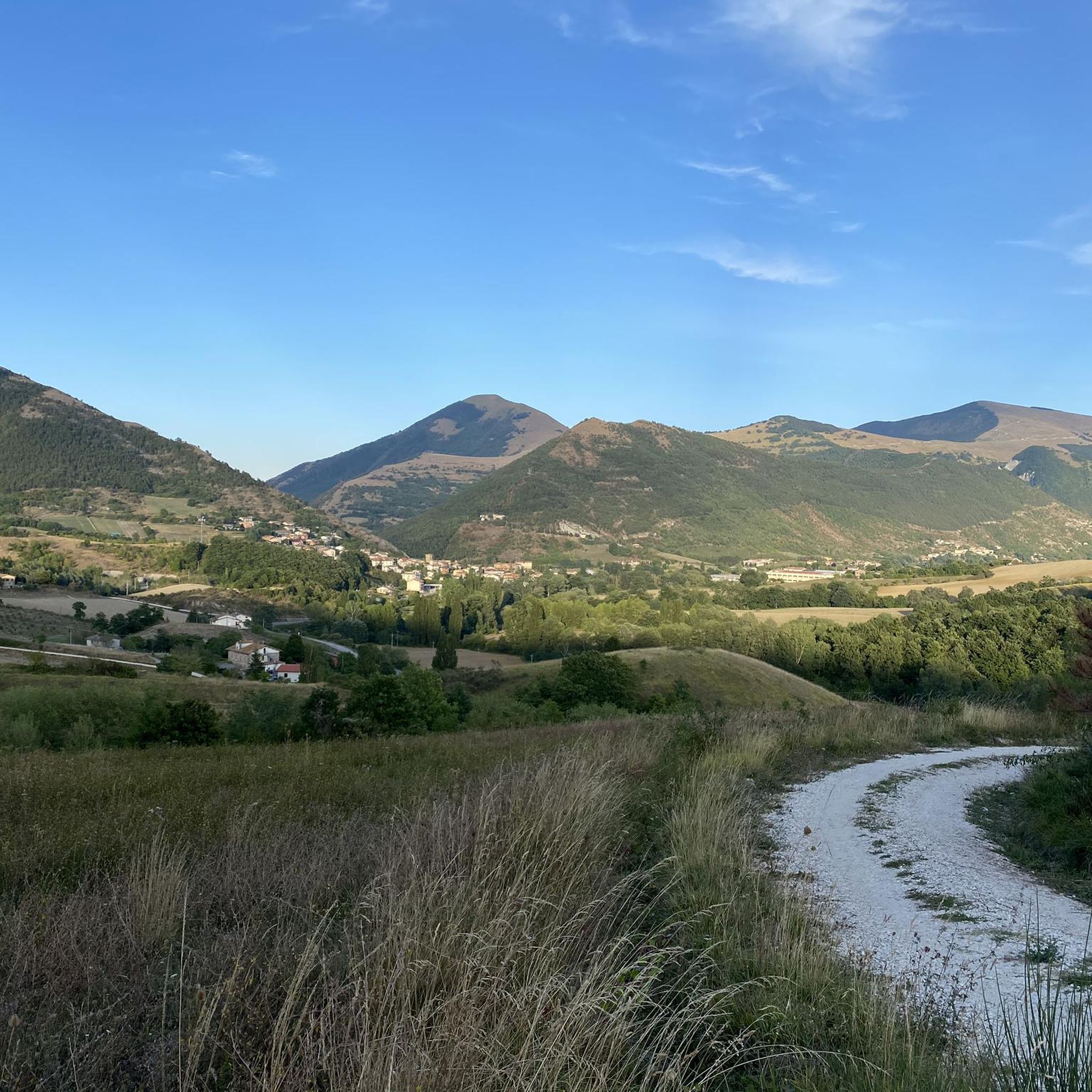
Best attractions and places to see around Scheggia E Pascelupo are found within a municipality nestled in the Umbrian Apennines. This area offers a blend of historical, cultural, and natural attractions, primarily situated within the Monte Cucco Regional Park. The region is known for its natural beauty, including caves, rounded crests, and an extensive network of paths. Its history spans from Roman origins to medieval fortified outposts, reflected in its architecture and cultural sites.
Best attractions and places to see…
Last updated: May 9, 2026
Palace of the Consuls
Highlight • Historical Site
Translated by Google •
Tip by

Monte Catria Summit
Highlight • Summit
Translated by Google •
Tip by

Sign up now to discover places like this
Get recommendations on the best single tracks, peaks, & plenty of other exciting outdoor places.
Sign up for free
Historic Center of Gubbio
Highlight • Historical Site
Translated by Google •
Tip by

Summit of Monte Cucco
Highlight • Summit
Translated by Google •
Tip by

Cathedral of Saints Mariano and James (Gubbio Cathedral)
Highlight • Religious Site
Translated by Google •
Tip by

Sign up for free to discover even more attractions around Scheggia E Pascelupo.
Sign up for free
Already have an account?
Start today with a free account
Your next adventure awaits.
Login or Signup

Tips from the Community

Heart of civic life in medieval Gubbio
0
0

In the series "Don Matteo" the proud seat of the mayor :-)
1
0

What can I say, simply fantastic.
0
0

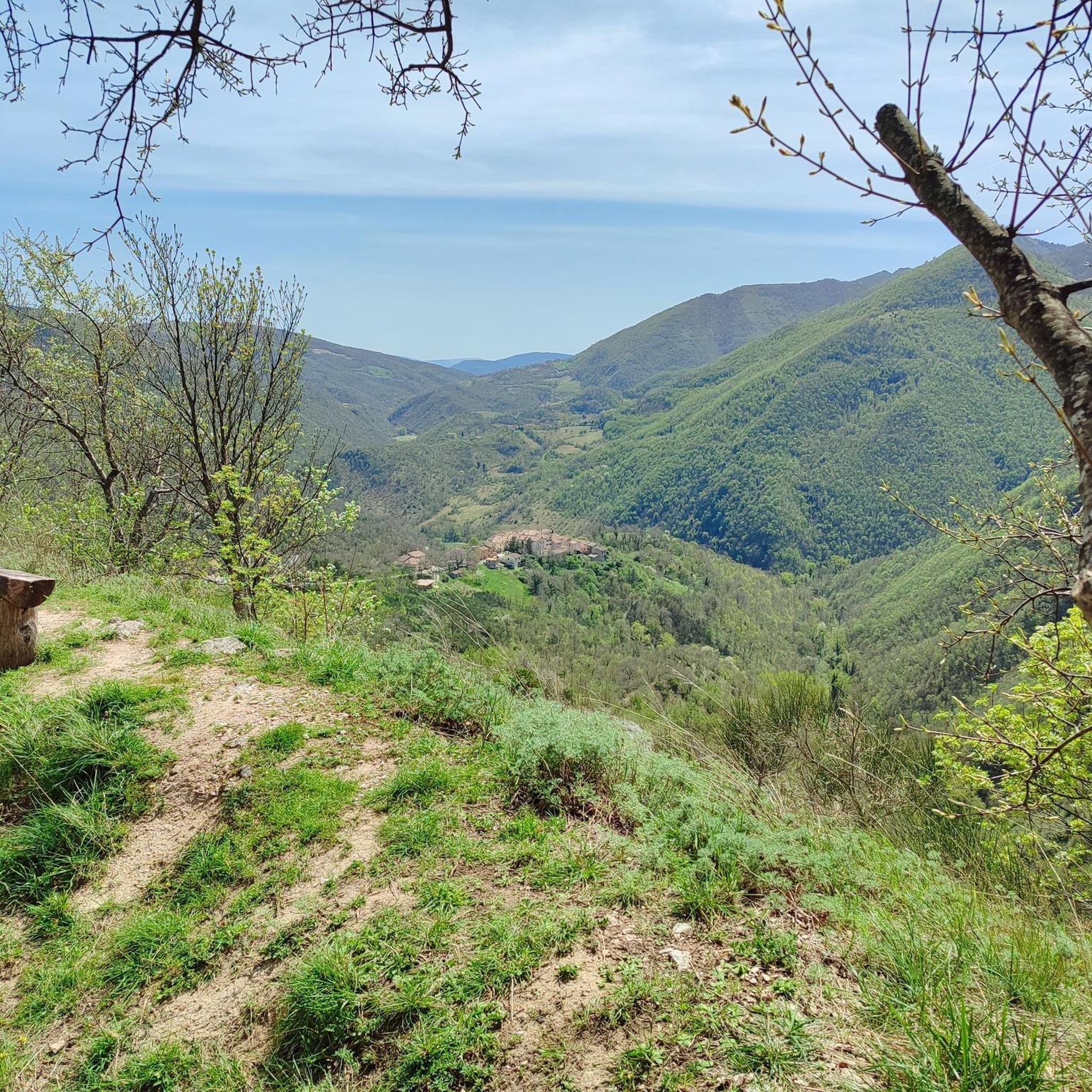
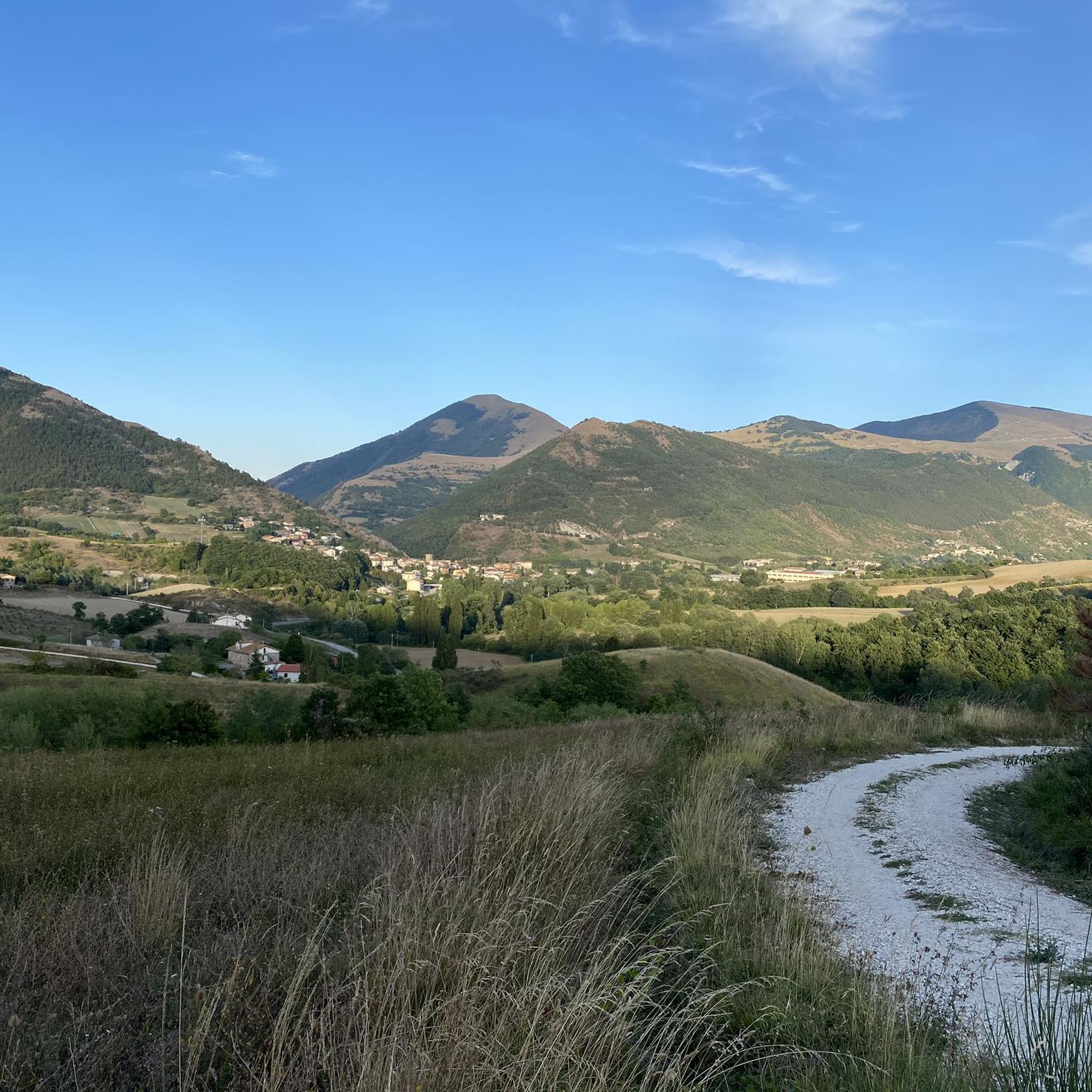
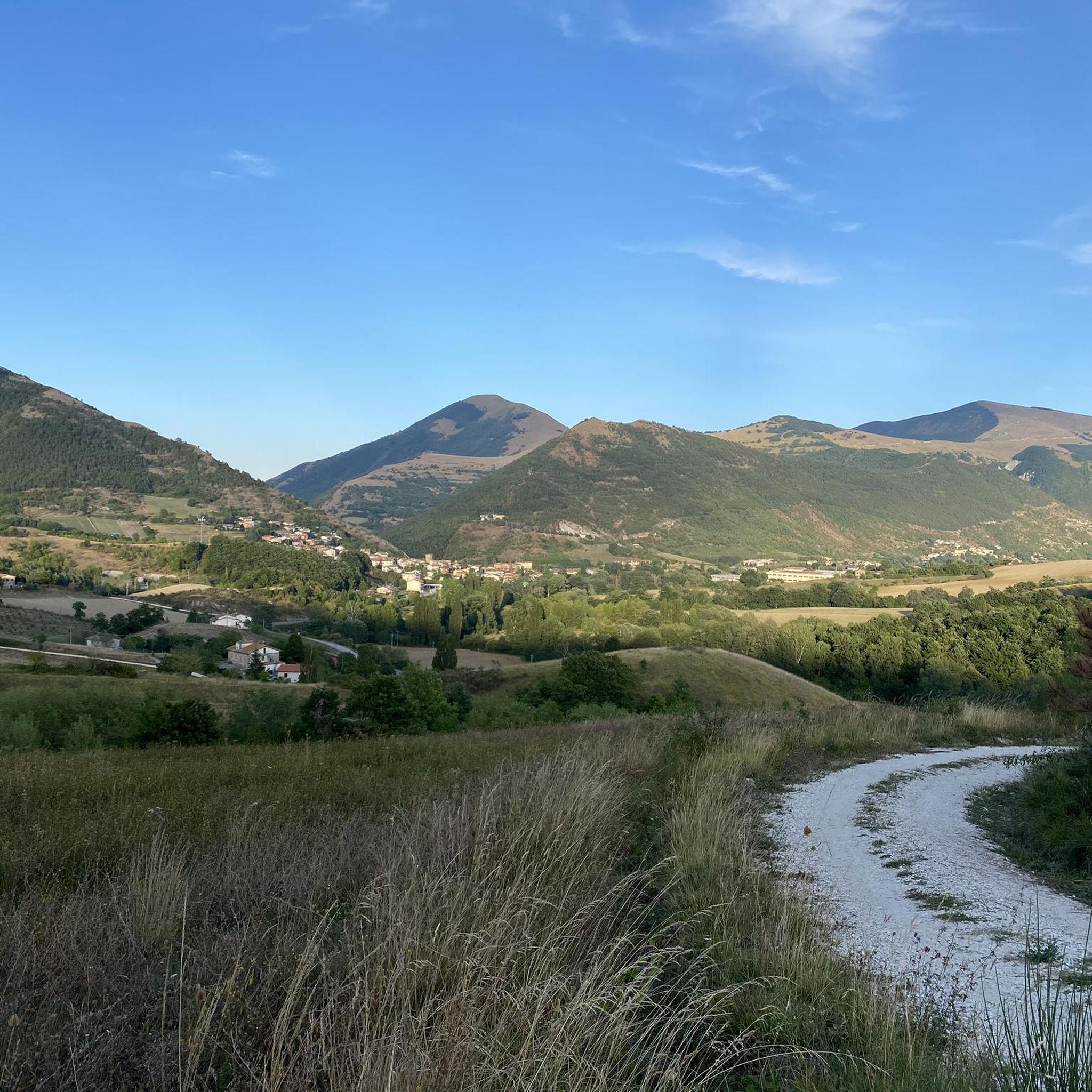
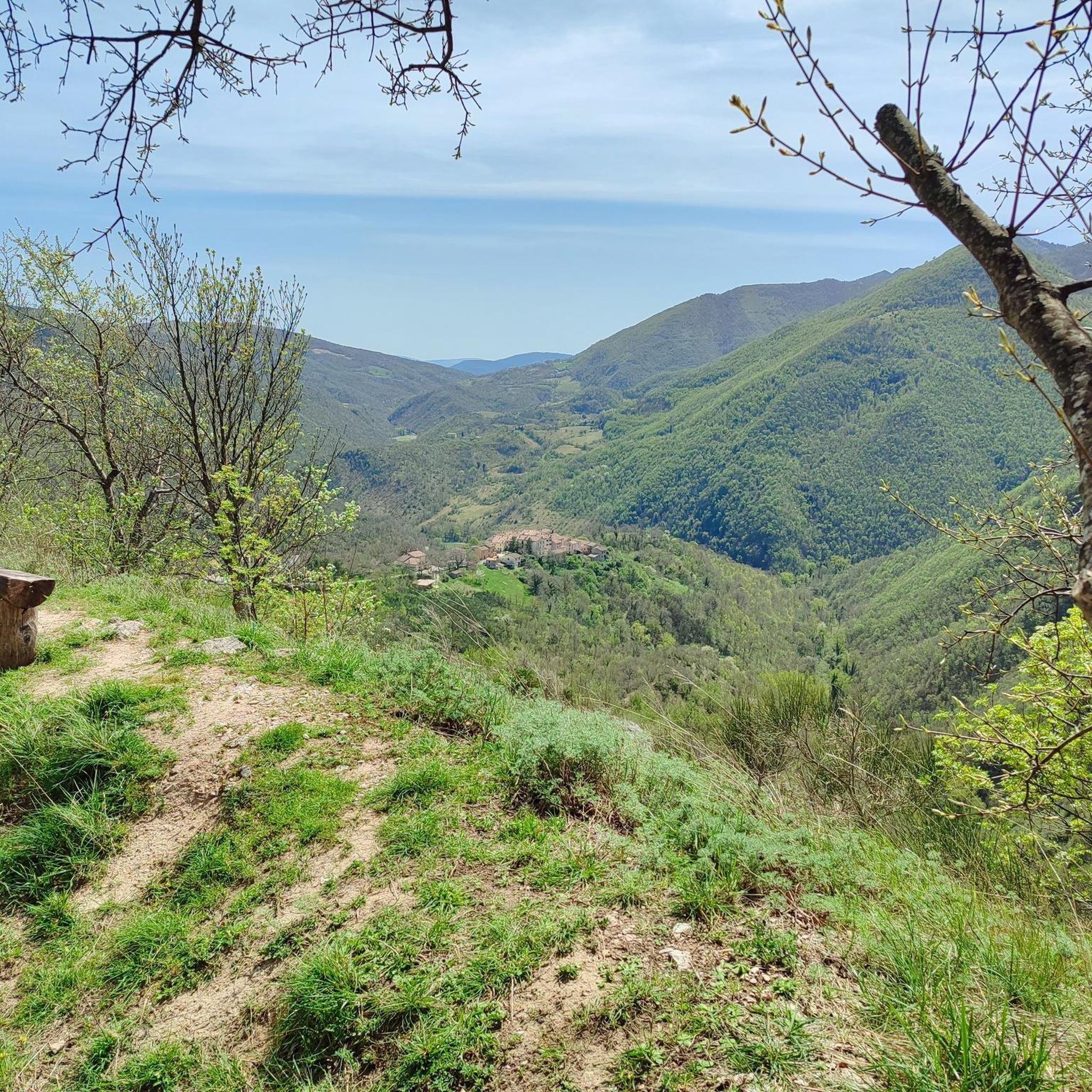
Monte Cucco is not only its peak... The natural park of Monte Cucco includes all the surrounding territory from its base, high plains and beautiful peak. This territory offers an infinite number of paths to travel on foot, by bike or even on horseback. This mountain is also very popular with those who love flying with paragliding or hang gliding. But it does not end here... Canyoning in the Rio Freddo gorge, camping, speleology etc... Also worth visiting inside its belly, the Monte Cucco cave. An oasis for fauna and flora and for people who love nature. The peak is one of the highest in the area. Have fun!
0
0

The view when you reach the summit is not surprising, because the summit cross - which seems almost gigantic and can therefore be seen from afar - crowns Monte CATRIA and is unmistakable. But despite its enormous mass, the cross erected here does not seem overwhelming at all; in fact, due to the steel framework construction (the most famous example of which is the Eiffel Tower in Paris), it appears almost delicate.
2
0

Very panoramic peak and relatively easy to reach. I recommend climbing from the south, you gradually gain altitude, increasing the view of the Umbrian landscape.
0
0
With a climb that is not excessively long and tiring you can admire a panorama that ranges from the Marche to Lazio
0
0
Frequently Asked Questions
What natural features can I explore in Scheggia e Pascelupo?
The region is primarily situated within the vast Monte Cucco Regional Park, offering diverse natural beauty. You can explore Monte Cucco itself, known for its caves and rounded crests. The area also features dramatic rocky gorges like Corno, Catria, and Valle delle Prigioni, with waterfalls and small lakes. The Rio Freddo Gorge is particularly popular for canyoning.
Are there hiking trails suitable for different skill levels around Scheggia e Pascelupo?
Yes, the region is a haven for outdoor enthusiasts with numerous trails for various skill levels. You can find routes like the Catria Group paths and sections of the Sentiero Italia. For specific hiking options, you can explore the Hiking around Scheggia E Pascelupo guide, which includes routes like the moderate Giano Loop or more difficult treks such as the Tour around Pian d'Ortica from Isola Fossara.
What historical and cultural sites can I visit in Scheggia e Pascelupo?
Scheggia e Pascelupo boasts a rich history. You can visit the 11th-century Badia di Santa Maria di Sitria with its notable crypt, or the 13th-century Abbazia dei Santi Emiliano e Bartolomeo in Congiuntoli. In Scheggia, the Torre Civica houses an Antiquarium with archaeological finds. Don't miss the medieval fortified village of Pascelupo, built in a circular plan for defensive purposes.
Can I explore caves in the Scheggia e Pascelupo region?
Yes, the region is famous for its caves, particularly the Grotta di Monte Cucco. This impressive cave offers a memorable tourist route through its galleries and labyrinths, providing a unique speleological experience.
What other outdoor activities are available besides hiking and caving?
Beyond hiking and caving, the area is excellent for cycling and mountain biking. You'll find numerous trails suitable for these activities. For detailed routes, check out the Cycling around Scheggia E Pascelupo guide and the MTB Trails around Scheggia E Pascelupo guide. The Rio Freddo Gorge is also popular for canyoning.
Are there any significant religious sites in the area?
Yes, the region has several important religious sites. These include the ancient Badia di Santa Maria di Sitria and the Abbazia dei Santi Emiliano e Bartolomeo in Congiuntoli. The 17th-century Santuario di Monte Calvario, with its distinctive cylindrical dome, overlooks Scheggia. Additionally, you can find the churches of Santi Filippo e Giacomo and Sant'Antonio da Padova in Scheggia, and the Church of San Bernardino da Siena in Pascelupo.
What is the best time to visit Scheggia e Pascelupo for outdoor activities?
The Umbrian Apennines, where Scheggia e Pascelupo is located, offer pleasant conditions for outdoor activities during spring, summer, and early autumn. These seasons provide suitable weather for hiking, cycling, and exploring the natural and historical sites within the Monte Cucco Regional Park.
Are there family-friendly attractions or activities in Scheggia e Pascelupo?
While specific 'family-friendly' highlights are not explicitly listed, the natural beauty of the Monte Cucco Regional Park offers opportunities for families to enjoy easy walks and explore nature. The historical sites, such as the fortified village of Pascelupo, can also be engaging for older children interested in history. The Cathedral of Saints Mariano and James (Gubbio Cathedral) is also noted as family-friendly.
What do visitors enjoy most about the attractions around Scheggia e Pascelupo?
Visitors particularly appreciate the stunning panoramic views from summits like Monte Cucco and Monte Catria Summit, which offer vistas ranging from Marche to Lazio. The historical depth of sites like the Palace of the Consuls in Gubbio and the well-preserved medieval character of the Historic Center of Gubbio are also highly valued. The komoot community has shared over 79 photos and given more than 130 upvotes, highlighting the area's appeal.
Can I find ancient Roman structures in Scheggia e Pascelupo?
Yes, the territory of Scheggia, anciently known as "Ad Ensem," was a Roman "mutatio" (a station for changing horses) and a strategically important military post along the Via Flaminia. While many structures were destroyed during the Gothic War, the area's Roman origins are a significant part of its historical context, influencing later developments and architecture.
Are there any 'hidden gems' or less-known spots worth visiting?
Beyond the main attractions, consider seeking out the ruins of the Ponte a Botte (also known as the "Gran Botte d'Italia"), a historically significant 1789 bridge. While largely in ruins, it offers a glimpse into the region's past. The various small churches in the hamlets, such as the Church of San Bernardino da Siena in Pascelupo, also offer quiet reflection and local charm.
Most popular routes around Scheggia E Pascelupo
Most popular attractions around Scheggia E Pascelupo

Get inspired with the komoot mobile app


Explore more
Still not found the Highlight you’re looking for? See guides of the top attractions in other regions:
