Top 13 Mountain Passes around Sarre
Best mountain passes around Sarre are located in the Aosta Valley, Italy, characterized by high-altitude routes and panoramic views. This region features numerous passes that offer access to elevated terrain. Visitors can explore a landscape dominated by mountain ranges, providing diverse opportunities for outdoor activities. The area is known for its trails that lead to significant viewpoints and summits.
Best mountain passes around Sarre
- The most popular mountain passes is Col de Champillon, a mountain_pass located at an altitude…
Last updated: June 26, 2026
Col de Champillon
Highlight • Mountain Pass
Translated by Google •
Tip by

Le Pont (1920 m) – Gran Paradiso National Park
Highlight (Segment) • Mountain Pass
Translated by Google •
Tip by

Sign up now to discover places like this
Get recommendations on the best single tracks, peaks, & plenty of other exciting outdoor places.
Sign up for free
Colle Tsa Seche
Highlight • Mountain Pass
Translated by Google •
Tip by

Col Fetita
Highlight • Mountain Pass
Translated by Google •
Tip by

Plan Fenêtre Pass
Highlight • Mountain Pass
A stopover is definitely worth it.
Translated by Google •
Tip by

Sign up for free to discover even more mountain passes around Sarre.
Sign up for free
Already have an account?
Start today with a free account
Your next adventure awaits.
Login or Signup
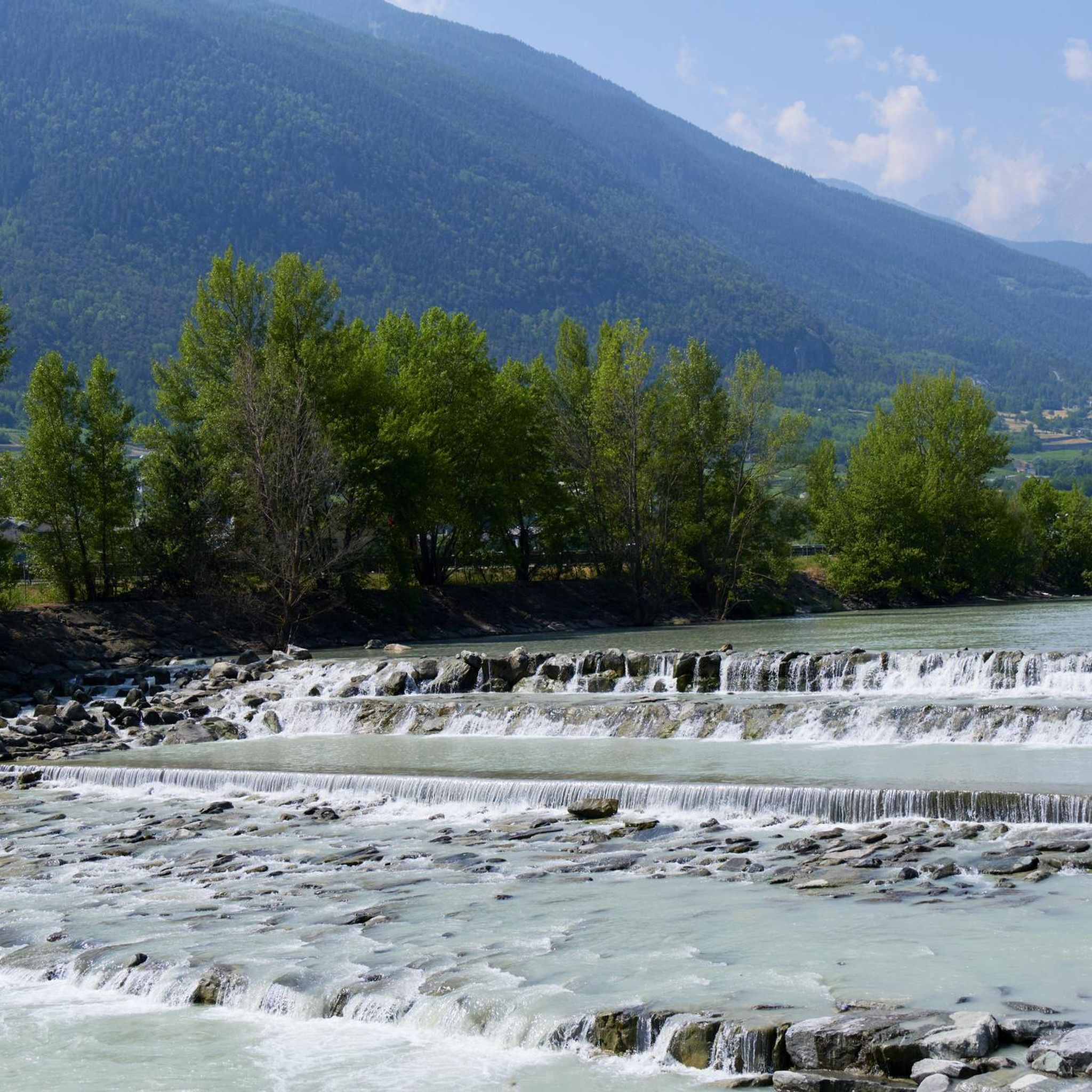
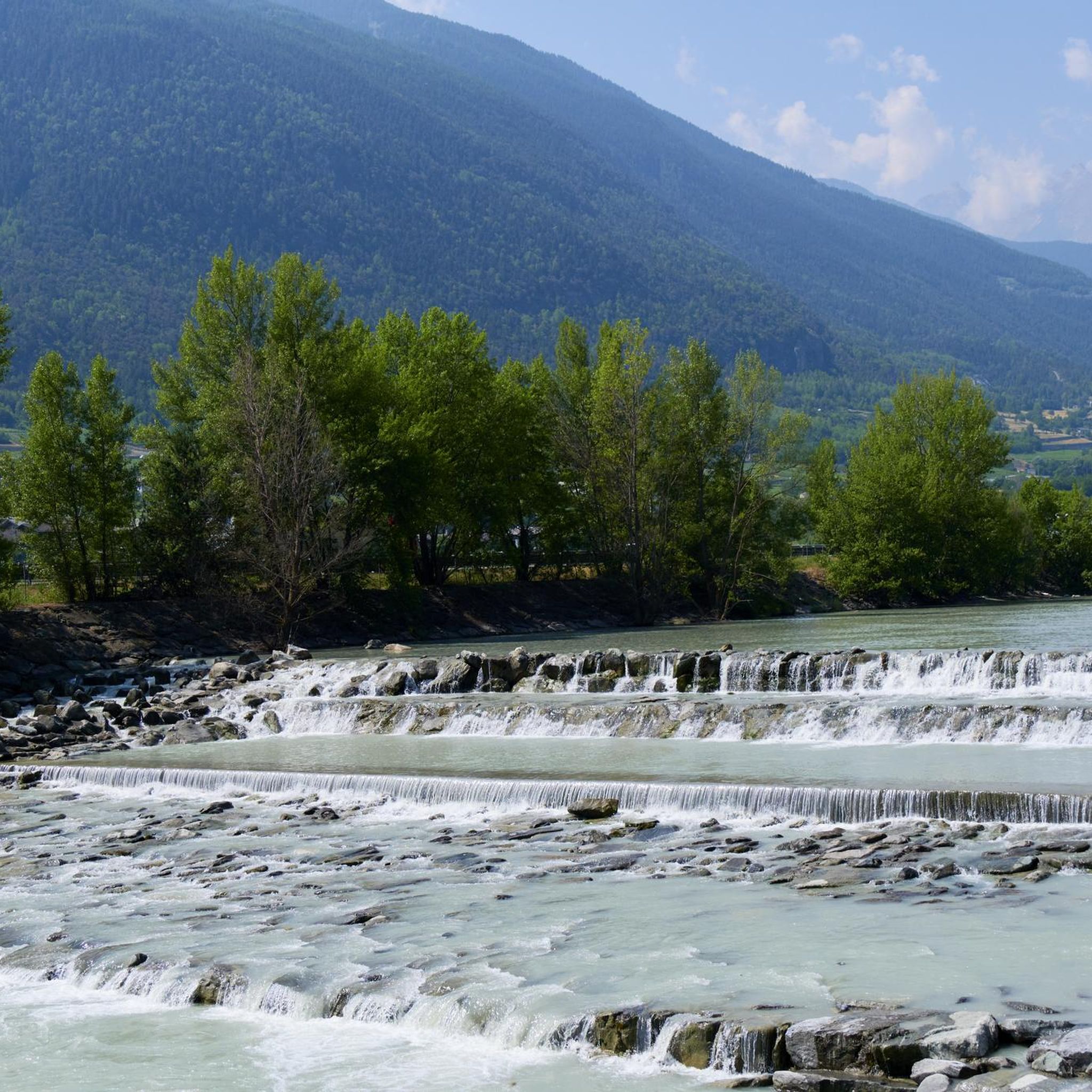
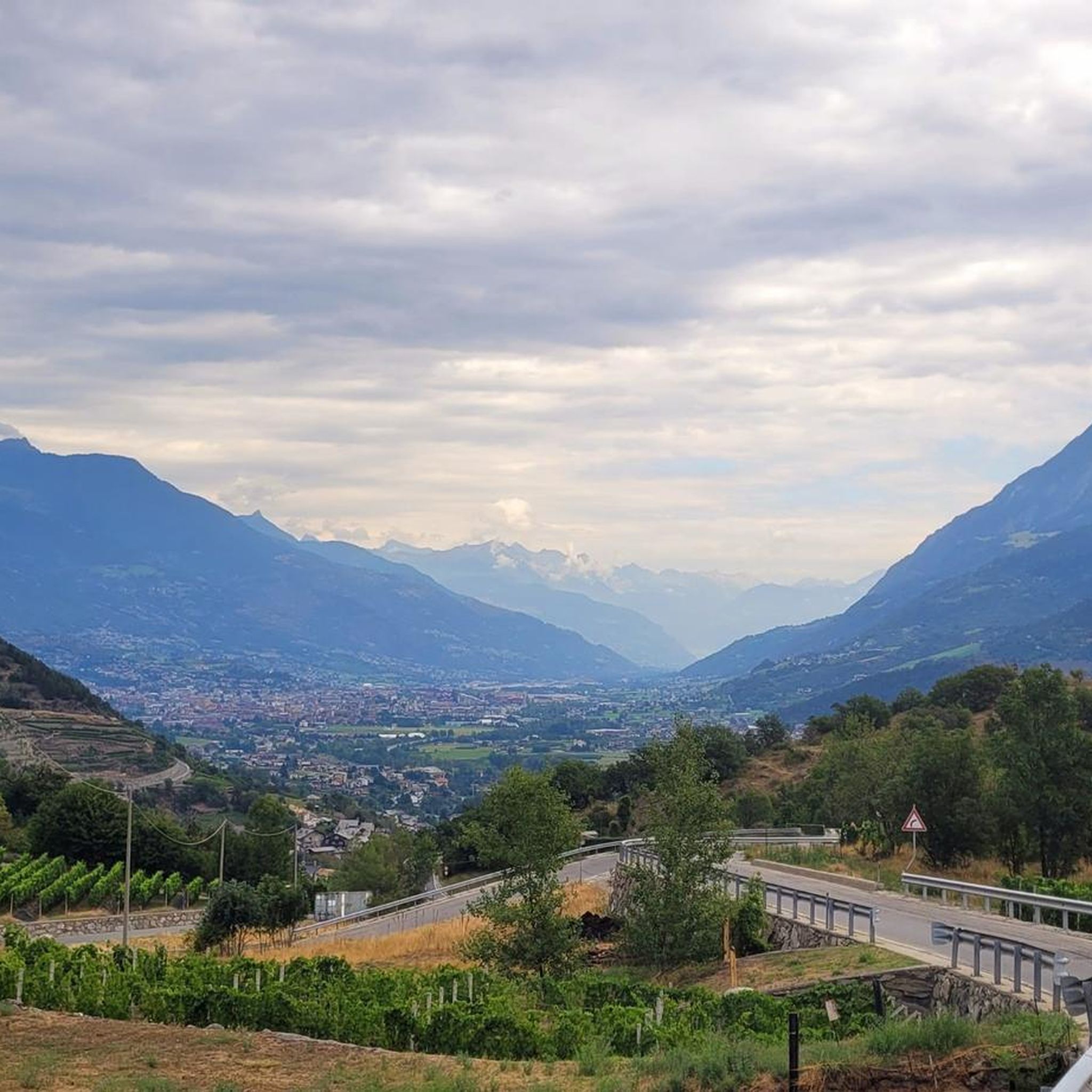
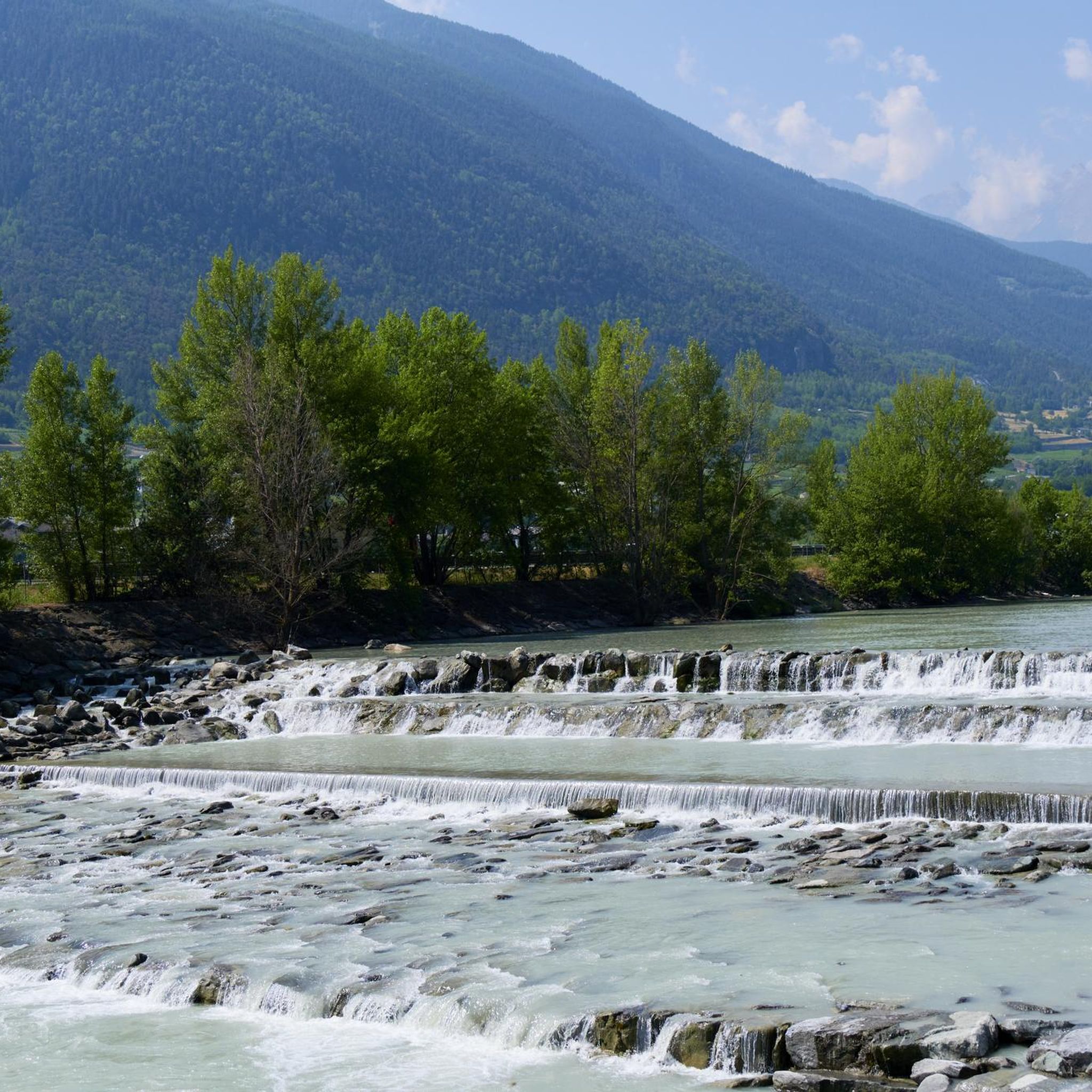

Tips from the Community

Hill overlooking the Vertosan valley and Col Citrin
0
0


The climb winds through a majestic valley (personally my favorite), never reaching excessive gradients; it's long but pedalable, allowing you to fully enjoy the natural surroundings. Apart from the peak season, there's almost no traffic, although you might encounter a few campers, which can be annoying on the way down. If you tackle the climb during periods of the year when there aren't too many tourists, you might, like me, have pleasant encounters with ibex and chamois that have come down to road level.
1
0

Very panoramic hill, reachable only with bike on your shoulder
0
0

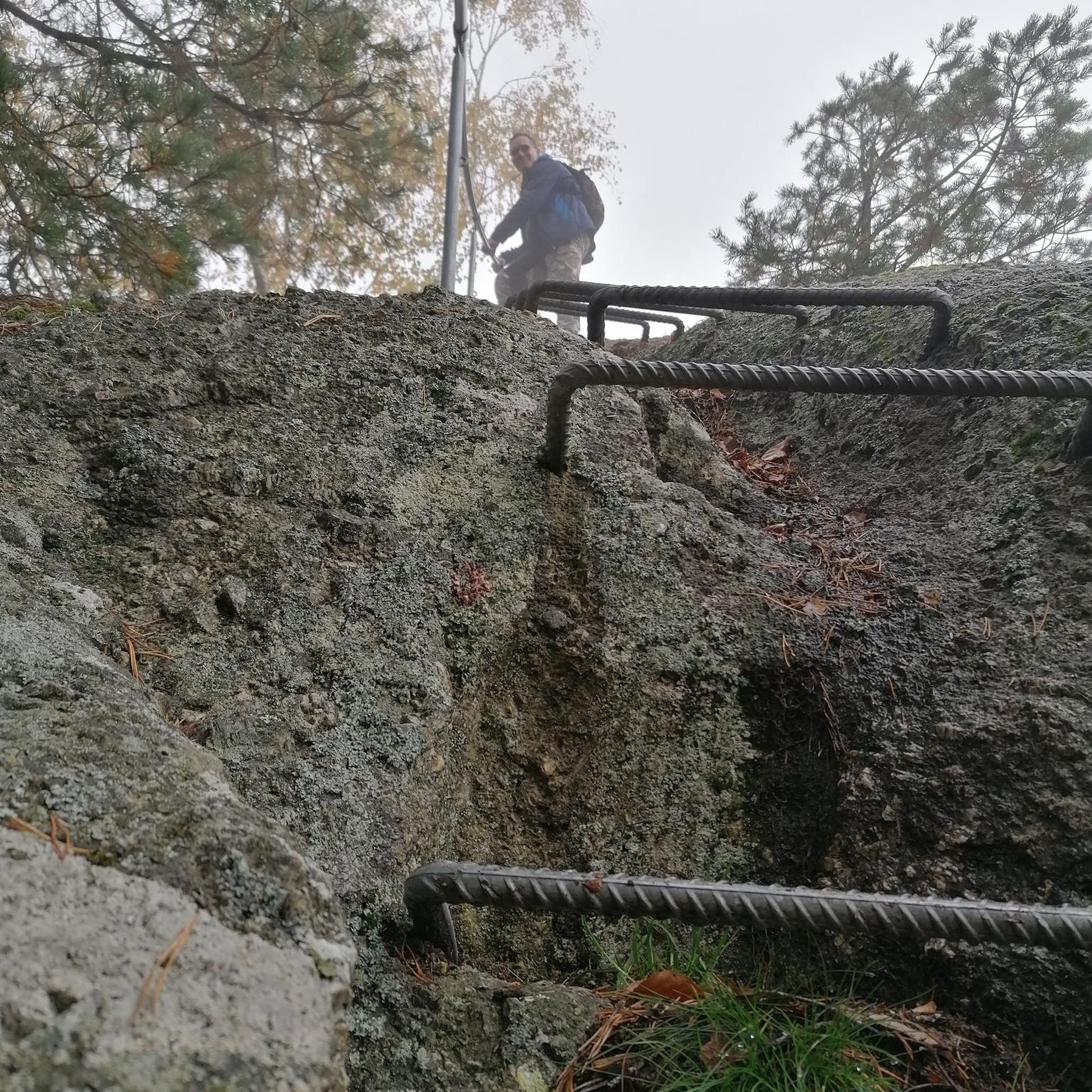
https://youtu.be/Pxndx9TNM5U?si=mH5XT38nxmCVjLSr Push, lift, and drag until you're over it, then you have a beautiful descent to Cogne.
0
0

Hi, is the technical part feasible with front?
0
0

Spectacular overview, on one side the Bianco with all its grandeur and on the other side you can glimpse the Matterhorn.
0
1

A very beautiful viewpoint, which is followed by an even more beautiful ridge hiking route. A stopover is definitely worth it.
26
0
Frequently Asked Questions
What are some of the most popular mountain passes around Sarre?
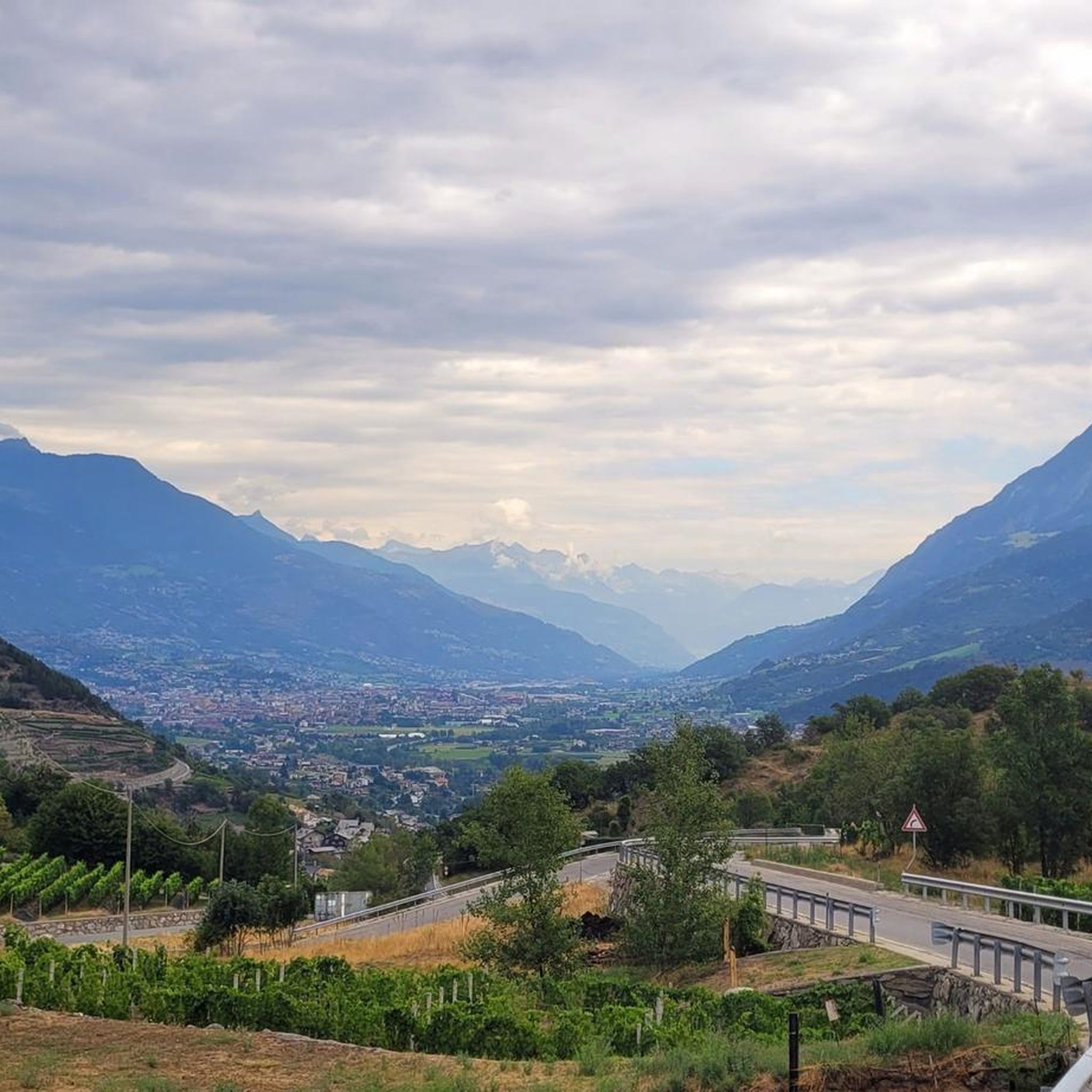
Among the most popular mountain passes in the Sarre region of the Aosta Valley is Col de Champillon, known for its breathtaking panoramic views of Mont Blanc, the Grand Combin, and the Gran Paradiso massif. Other highly regarded passes include Col Fetita, offering a wide-ranging panorama, and Colle Tsa Seche, which provides a distinctive experience with technical ridge sections.
Are there challenging mountain passes for experienced hikers or cyclists?
Yes, the Sarre region offers several challenging mountain passes. Col Fetita is noted for its challenging ascent and a descent that starts difficult before becoming epic. Colle Tsa Seche features a ridge that is quite technical in sections, requiring some bike carrying for cyclists. Even Col de Champillon has steep sections on both sides, though the trail itself is non-technical.
What kind of views can I expect from the mountain passes near Sarre?
The mountain passes around Sarre are renowned for their spectacular vistas. From Col de Champillon, you can admire iconic peaks like Mont Blanc, the Grand Combin, and the Gran Paradiso massif. Col Fetita offers a breathtaking all-round panorama, while Plan Fenêtre Pass provides a very beautiful viewpoint, often leading to an even more stunning ridge hiking route.
Are there any intermediate mountain passes suitable for a moderate outing?
Absolutely. Colle Tsa Seche is classified as an intermediate mountain pass, offering a balanced challenge. Le Pont (1920 m) – Gran Paradiso National Park is another intermediate option, featuring a long but very pedalable climb through a majestic valley, with gradients that allow you to fully enjoy the natural surroundings.
What outdoor activities can I do near these mountain passes?
The Sarre region, with its mountain passes, is a hub for various outdoor activities. You can explore extensive hiking trails, including challenging routes like the Cammino Balteo sections. For cyclists, there are numerous road cycling routes, such as the La Thuile – La Rosière loop, and diverse gravel biking paths that wind through the scenic landscape.
What is the best time to visit the mountain passes in the Aosta Valley?
The best time to visit the high-altitude mountain passes in the Aosta Valley, including those around Sarre, is typically from late spring (June) through early autumn (September). During these months, the snow has usually melted, trails are clear, and the weather is generally stable, making for ideal hiking and cycling conditions. Always check local weather forecasts before heading out.
Are there opportunities to see wildlife near the mountain passes?
Yes, especially in areas bordering national parks like Gran Paradiso. When tackling climbs like the one to Le Pont (1920 m) – Gran Paradiso National Park during less touristy periods, you might have pleasant encounters with ibex and chamois that come down to road level, offering a unique wildlife viewing experience.
What do visitors enjoy most about the mountain passes around Sarre?
Visitors frequently highlight the incredible panoramic views, the sense of natural silence, and the diverse range of trails. The opportunity to admire legendary peaks like Mont Blanc, the Grand Combin, and the Gran Paradiso massif is a major draw. Many also appreciate the varied terrain, from easy paths to technical ridges, which caters to different activity levels and offers a distinctive outdoor experience.
Can I find information on circular routes or loops around these mountain passes?
While specific circular routes directly over the passes aren't always explicitly detailed as loops, many of the nearby hiking and cycling guides offer routes that can be combined or are inherently loops. For instance, the hiking guide includes routes like the 'Lago Fallère loop from Thouraz' and 'View of the Castle of Sarre – Stone Bridge loop from Sarre', which allow for varied exploration of the surrounding areas and viewpoints.
Are there any historical or cultural points of interest near the mountain passes?
While the mountain passes themselves are primarily natural features, the broader Sarre region in the Aosta Valley is rich in history. You can find historical sites and castles in nearby towns. For example, some road cycling routes pass by landmarks like Castello Sarriod de la Tour or the Arch of Augustus in Aosta, allowing you to combine outdoor activity with cultural exploration.
What should I wear when hiking or cycling these mountain passes?
Given the high-altitude nature of these passes in the Aosta Valley, it's crucial to dress in layers. Even in summer, weather can change rapidly. Bring waterproof and windproof outer layers, warm mid-layers, and moisture-wicking base layers. Sturdy hiking boots or appropriate cycling shoes are essential. Don't forget sun protection (hat, sunglasses, sunscreen) and plenty of water.
Is public transport available to reach the mountain passes near Sarre?
Access to many high-altitude mountain passes in the Aosta Valley often requires private transport or a combination of public transport to a valley town followed by a taxi or a long hike. While local buses serve many villages, direct public transport to the highest points of the passes is limited. It's advisable to check local bus schedules for the specific starting points of your chosen routes.
Are there cafes or refreshment points near the mountain passes?
While the passes themselves are often remote, you can typically find cafes, restaurants, or mountain huts (rifugi) in the valleys leading up to the passes or in nearby villages. It's always a good idea to carry sufficient water and snacks, especially for longer routes, as facilities directly at the pass summits are rare. Some highlights, like Le Pont (1920 m), are starting points for routes where you might find amenities.
Most popular routes around Sarre
Most popular attractions around Sarre

Get inspired with the komoot mobile app


Explore more
See even more epic mountain passes by checking out these guides around Sarre:
