Top 15 Mountain Passes around Saint-Denis
Best mountain passes around Saint-Denis are characterized by diverse alpine terrain, offering varied experiences from wooded trails to high-altitude panoramas. The region features passes connecting valleys and providing access to significant viewpoints. These routes are often explored for their natural beauty and the challenges they present to hikers and cyclists.
Best mountain passes around Saint-Denis
- The most popular mountain pass is Col de Joux, a mountain pass located at 1,640 meters above sea level. It connects Saint-Vincent to Brusson…
Last updated: October 13, 2026
Col de Joux
Highlight • Mountain Pass
Showing Translation
Tip by

Col du Salvé
Highlight • Mountain Pass
Translated by Google •
Tip by

Sign up now to discover places like this
Get recommendations on the best single tracks, peaks, & plenty of other exciting outdoor places.
Fenêtre du Tsan
Highlight • Mountain Pass
Translated by Google •
Tip by

Fenêtre d'Ersaz Pass
Highlight • Mountain Pass
Translated by Google •
Tip by
Portola Pass
Highlight • Mountain Pass
Translated by Google •
Tip by

Sign up for free to discover even more mountain passes around Saint-Denis.
Already have an account?
Start today with a free account
Your next adventure awaits.
Tips from the Community

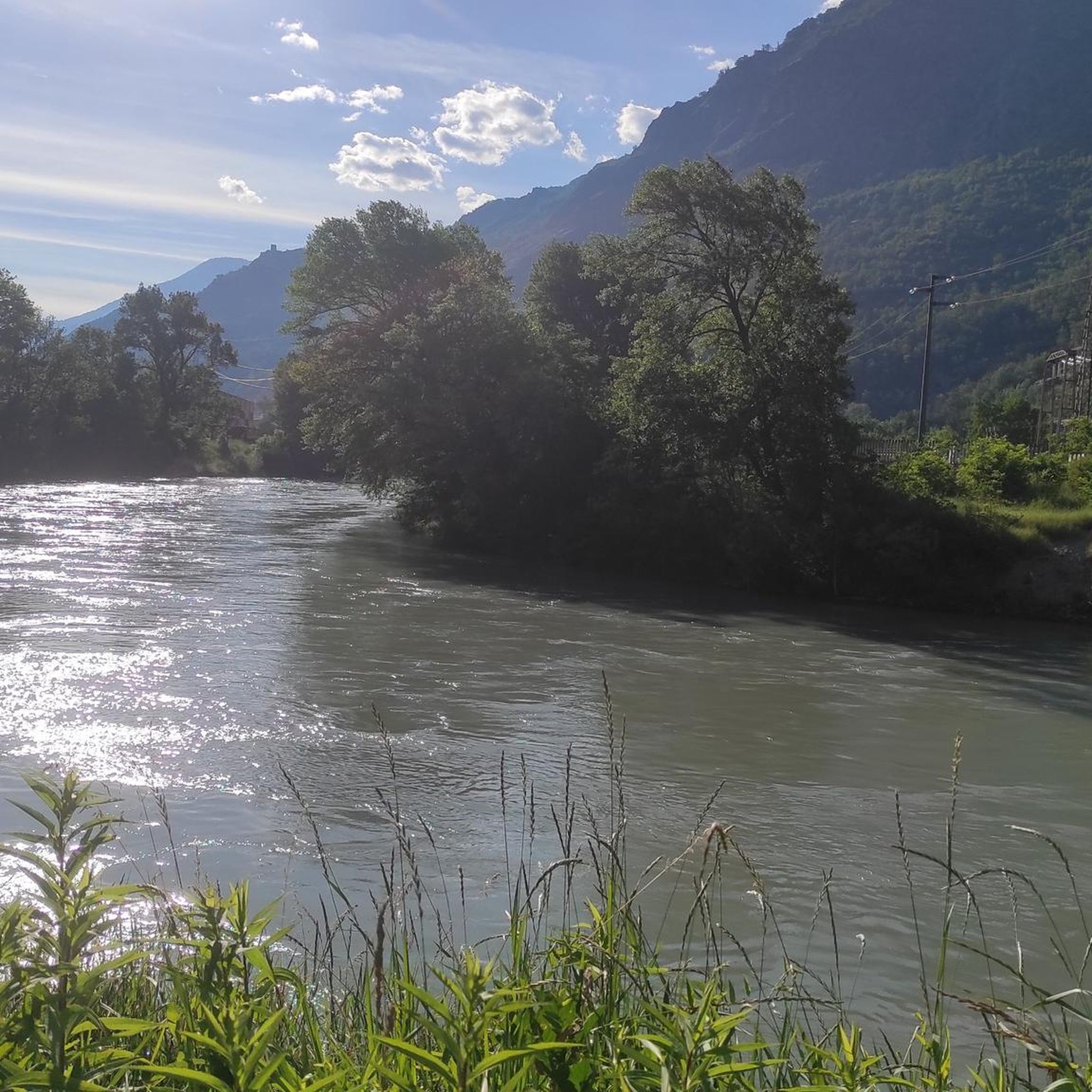
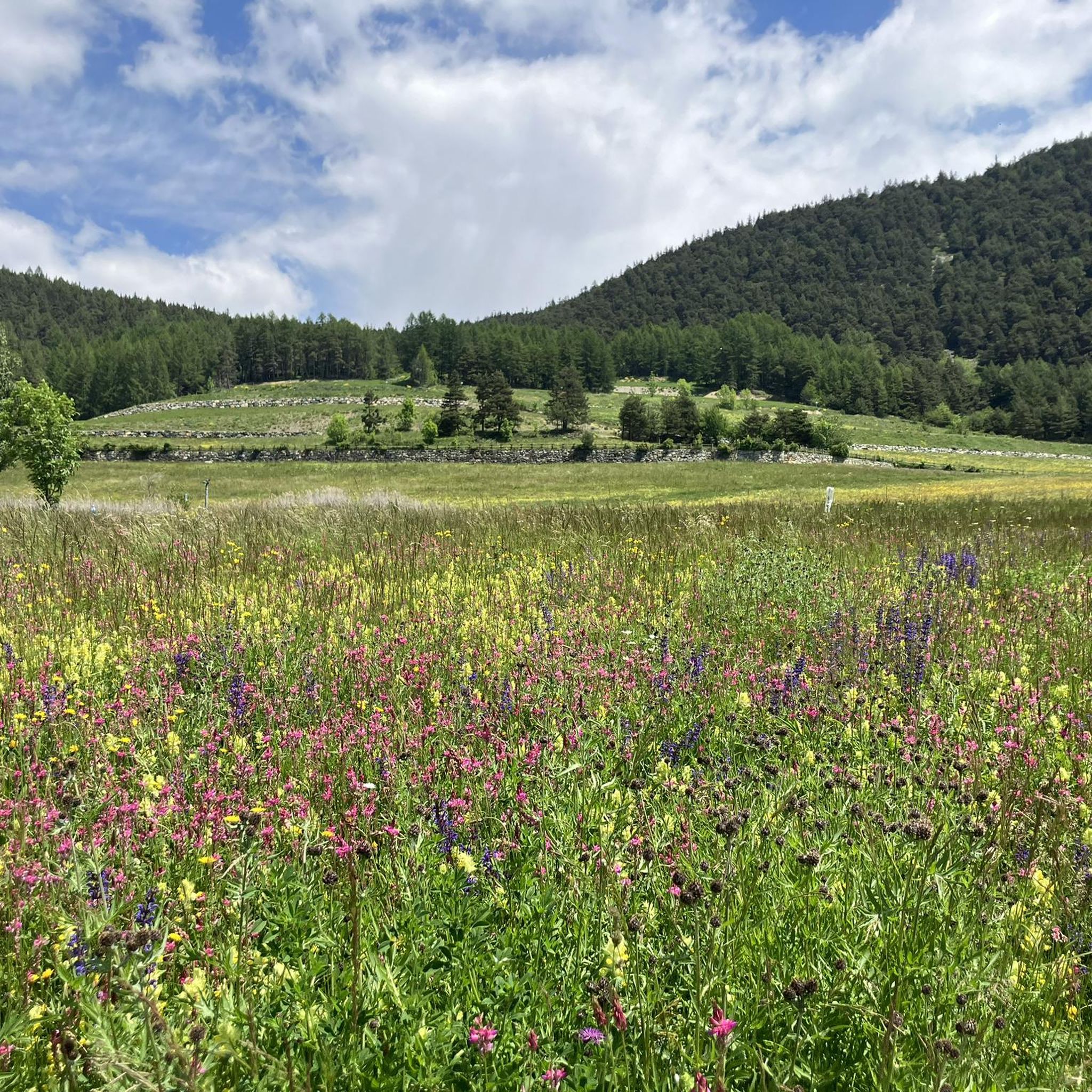
Col du Salvé, at 2,569 meters above sea level, is a pass that offers a wide and suggestive panorama among the mountains of the Saint-Barthélemy Valley. The path that leads to this point passes through woods and pastures, offering a pleasant route immersed in nature. From the hill you can admire the surrounding peaks and continue towards hidden corners such as the Rifugio Oratorio di Cuney or the Lago dell’Eremita, for those who want to prolong the experience among silence and authentic landscapes. A perfect place for those who love to walk slowly and enjoy every breath of the mountains.
2
0
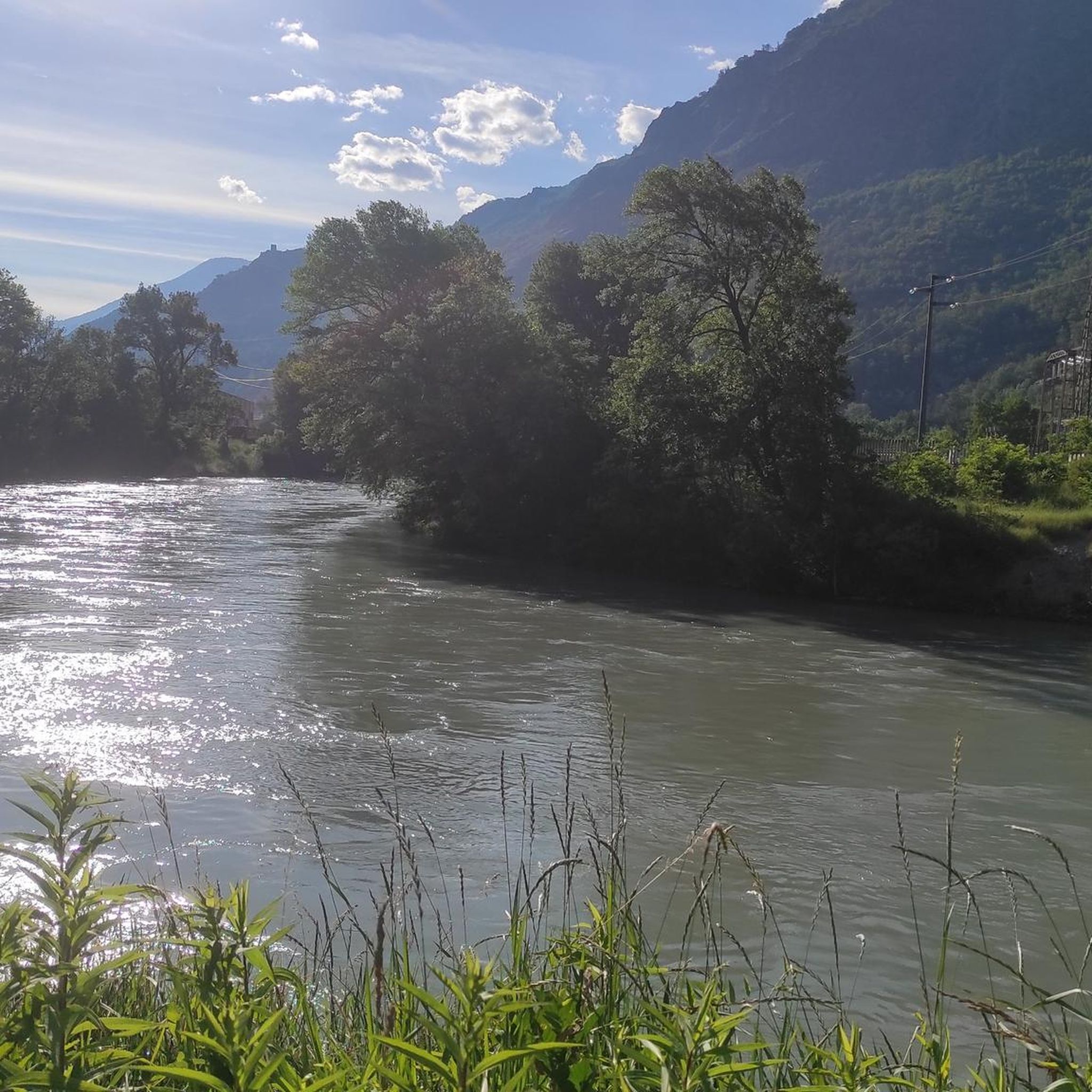
La Fenêtre du Tsan, at 2736m, is a natural balcony that opens between the crests of Valtournenche and Valpelline, offering spectacular views of the Becca di Luseney and the Crottes towers. The hike, immersed in mountain pastures, streams and larch woods, culminates in this pass where a stone cairn marks the passage to a breathtaking panorama. An intense stage, suspended between sky and rocks, capable of giving emotions even at high altitude.
1
0
La Fenêtre du Tsan, at 2736m, is a natural balcony that opens between the crests of Valtournenche and Valpelline, offering spectacular views of the Becca di Luseney and the Crottes towers. The hike, immersed in mountain pastures, streams and larch woods, culminates in this pass where a stone cairn marks the passage to a breathtaking panorama. An intense stage, suspended between sky and rocks, capable of giving emotions even at high altitude.
1
0
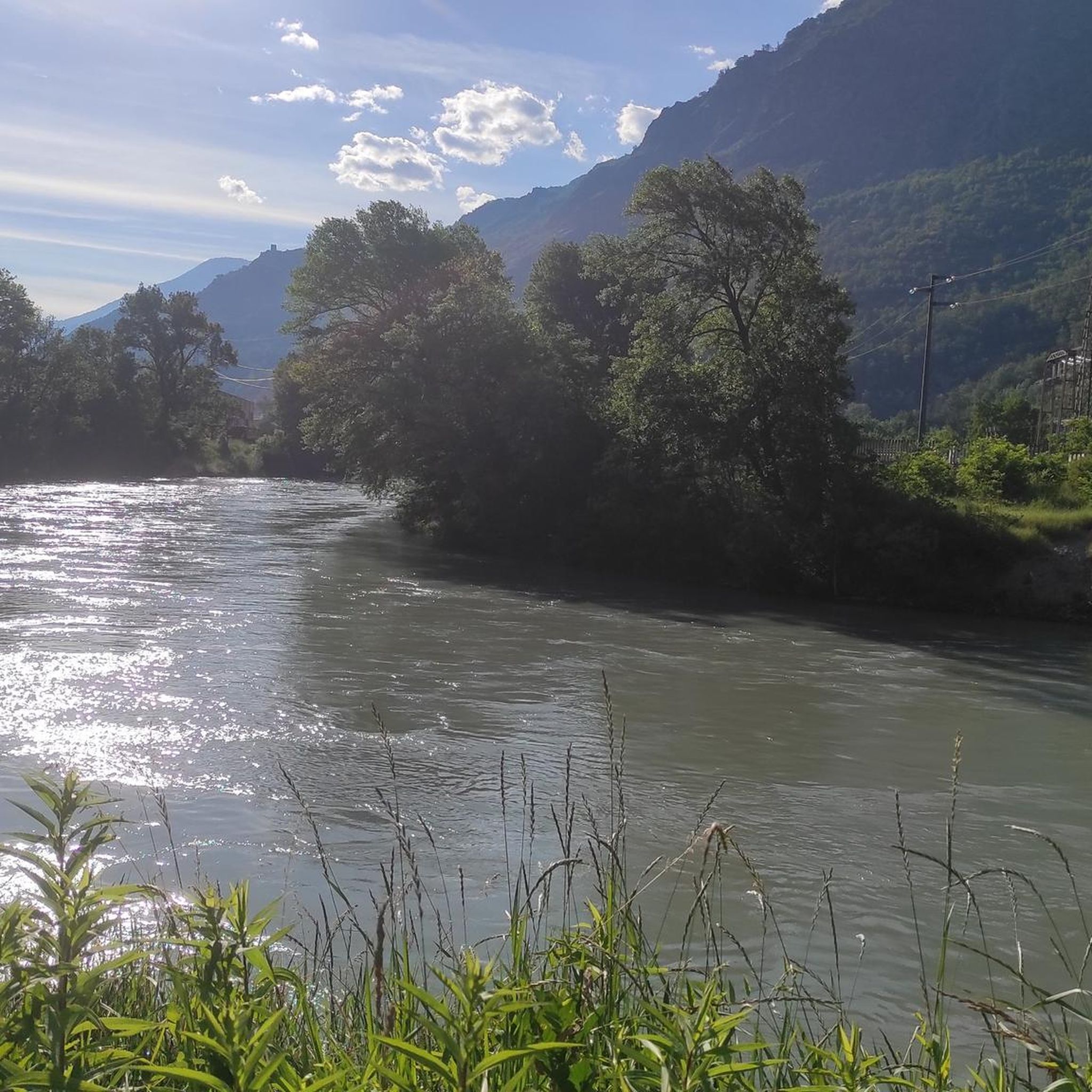
The Fenêtre d’Ersaz, at 2,290 meters, is a mountain pass that offers spectacular views of the Matterhorn and the surrounding peaks. The path that leads to this hill passes through larch forests and wide grassy slopes, offering an immersive experience in the pristine nature of the Aosta Valley. Ideal for those looking for a medium-difficulty excursion, the Fenêtre d’Ersaz conquers with its alpine charm and breathtaking views.
1
0

Alpine environment of rare beauty. I recommend mountain equipment and gear. Violent hailstorm just as we were on the pass.
0
0


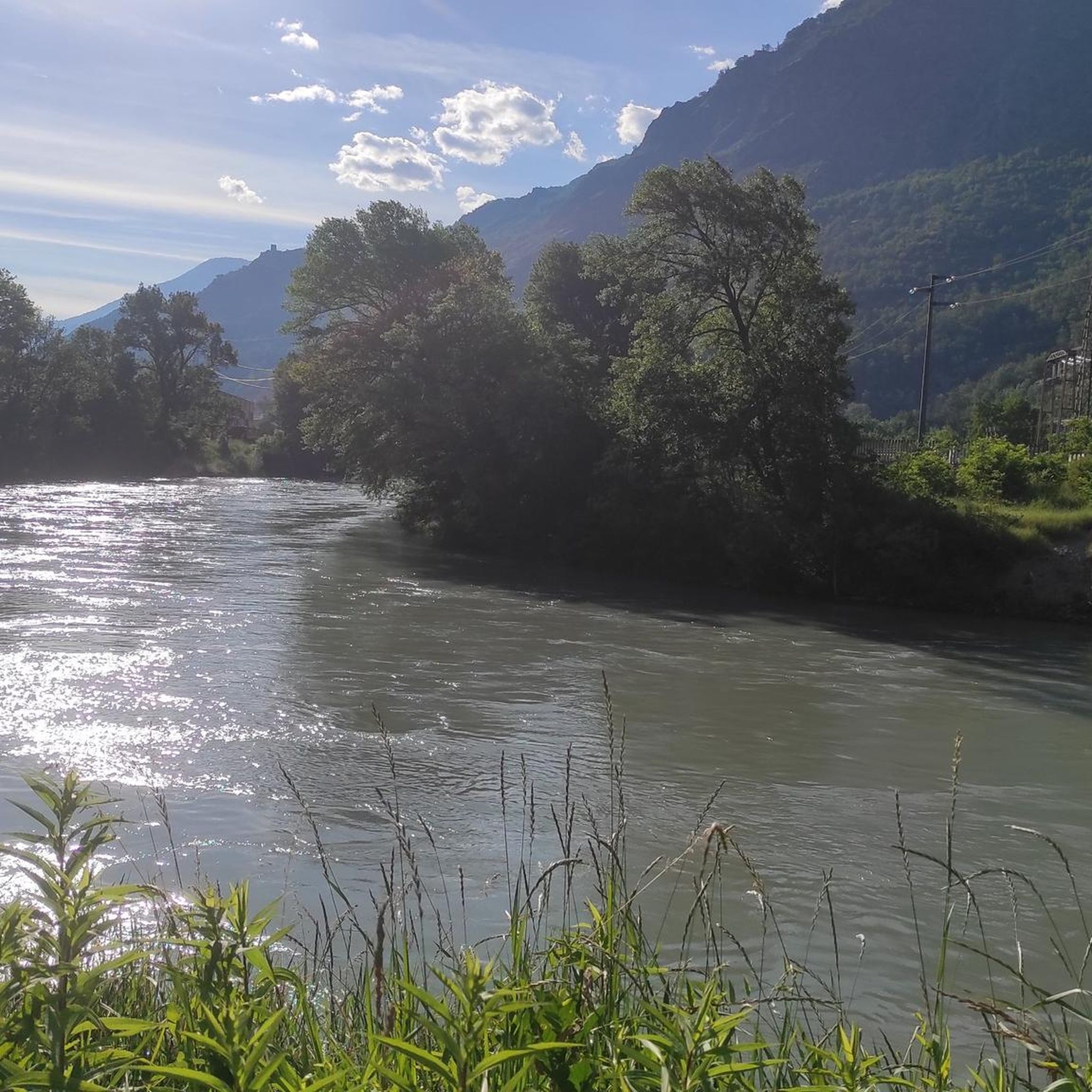
The Col de Joux is a picturesque pass connecting the Ayas Valley to the central valley. The gradients to reach it, both from Saint-Vincent and from Brusson, are always manageable, but never negligible. The word Joux likely derives from a pre-Latin term meaning wooded hill. Others, however, maintain a Latin connection to the word Jugum, meaning yoke, and hence hill.
2
0
Frequently Asked Questions
What types of mountain passes can I explore around Saint-Denis?
The Saint-Denis area offers a diverse range of mountain passes, from wooded trails to high-altitude routes with panoramic views. You'll find passes connecting valleys, providing access to significant viewpoints, and catering to various skill levels, from simple, non-technical paths to more challenging alpine routes.
Are there any family-friendly mountain passes near Saint-Denis?
Yes, for a family-friendly option, consider Col de Joux. Located at 1,640 meters, it's a wooded pass with simple, non-technical trails that are suitable for families. It offers panoramic views on one side and pleasant passages through the woods on the other.
Which mountain passes offer the best panoramic views?
For breathtaking panoramic views, Col du Salvé at 2,569 meters provides a wide vista among the mountains of the Saint-Barthélemy Valley. Another excellent choice is Fenêtre d'Ersaz Pass, where you can enjoy priceless views of the Matterhorn and the peaks of Valtournenche.
What historical mountain passes are in the broader alpine region?
While the immediate Saint-Denis area focuses on local passes, the broader alpine region includes historically significant crossings like the Great Saint Bernard Pass and the Little Saint Bernard Pass. The Great Saint Bernard Pass, at 2,469 meters, has been a crucial path for centuries and is home to a millennium-old hospice and the famous Saint Bernard rescue dogs. The Little Saint Bernard Pass, at 2,188 meters, connects Italy and France and features ancient Roman remnants and a botanical garden.
What kind of natural features can I expect to see on these passes?
You can expect to encounter diverse natural features such as dense larch forests, wide grassy slopes, mountain pastures, and streams. Many passes offer views of alpine lakes and dramatic mountain peaks like the Matterhorn, Becca di Luseney, and the Crottes towers.
Are there challenging mountain passes for experienced hikers?
Yes, for those seeking a challenge, Fenêtre du Tsan at 2,736 meters offers an intense stage with spectacular views between the crests of Valtournenche and Valpelline. The Ascent to Col Tzecore from Challand also presents a challenging climb with steep gradients, particularly after the village of Orbeillaz.
What outdoor activities can I do near the mountain passes around Saint-Denis?
Beyond exploring the passes themselves, the region around Saint-Denis offers a variety of outdoor activities. You can find numerous MTB trails, cycling routes, and gravel biking opportunities. Many routes pass through woods, pastures, and offer stunning views of the Matterhorn and other alpine landscapes.
What do visitors enjoy most about the mountain passes near Saint-Denis?
Visitors frequently praise the exceptional panoramas, the immersive experience in pristine nature, and the sense of tranquility found on these passes. Many appreciate the well-maintained paths through woods and pastures, and the opportunity to discover hidden corners like the Rifugio Oratorio di Cuney or Lago dell’Eremita.
Can I find places to eat or stay near the mountain passes?
While specific cafes or accommodations directly on every pass might be limited, some passes in the broader alpine region, like the Col de Chaude in the Vaudois Pre-Alps, have alpine chalets welcoming visitors in summer, offering local specialties and overnight stays. For the passes around Saint-Denis in Aosta Valley, you'll find refuges and villages nearby where you can find refreshments and lodging.
Are there any passes that are significant for their geographical features?
Yes, the Col de Chaude (Col de Chaudoz) in the Vaudois Pre-Alps, though not directly in the Saint-Denis guide data, is notable as a continental watershed, separating the Hongrin valley (Rhine basin) from Lake Geneva (Rhône basin). This unique feature adds to its appeal alongside its panoramic views.
What is the best time to visit the mountain passes around Saint-Denis?
The best time to visit mountain passes generally depends on the specific pass and desired activity. For most alpine passes, late spring through early autumn (June to September) offers the most favorable weather conditions for hiking and cycling, with passes typically clear of snow and alpine chalets open. Always check local conditions before planning your trip.
Are there any passes that are less crowded for a more serene experience?
Many of the passes around Saint-Denis, especially those leading to more remote areas like the Rifugio Oratorio di Cuney or Lago dell’Eremita from Col du Salvé, offer a chance to enjoy silence and authentic landscapes away from larger crowds. Exploring paths through woods and pastures often provides a more serene experience.
Most popular routes around Saint-Denis
Most popular attractions around Saint-Denis

Get inspired with the komoot mobile app


Explore more
See even more epic mountain passes by checking out these guides around Saint-Denis:
