Attractions and Places To See around Luras - Top 20
Best attractions and places to see around Luras, located in Sardinia, Italy, feature historical landmarks and natural sites. The area is characterized by ancient megalithic structures, including dolmens and nuraghi, and significant natural landscapes like Monte Limbara and Lake Liscia. Visitors can explore millennia-old trees and cultural sites that reflect local traditions. This region offers diverse points of interest for those seeking historical insights and outdoor exploration.
Best attractions and places to see around Luras
- The most popular attractions is Monte Limbara, a summit that offers panoramic views from its granite peaks. This mountain range is the highest in the region, with six trekking routes available.
- Another must-see spot is Tempio Pausania (Sardinia), a settlement known for its historical center built with granite blocks. The city is also recognized for its vineyards and thermal springs.
- Visitors also love La Prisgiona Nuraghe, a historical site featuring ancient tombs and nuraghi ruins. This archaeological area allows visitors to combine hiking with cultural exploration.
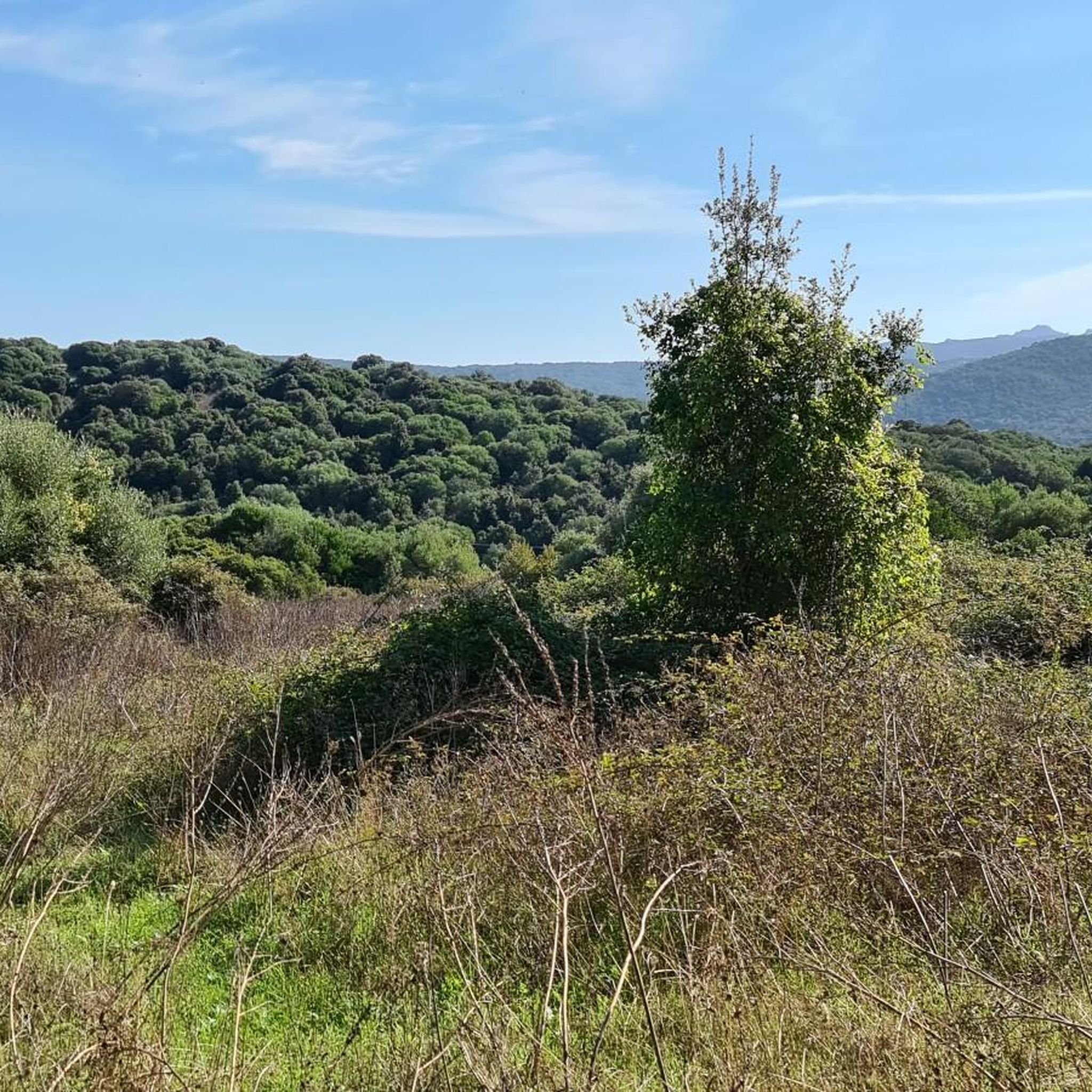
- Luras is known for its ancient megalithic structures, historic churches, and natural features like thousand-year-old wild olive trees. The area offers a variety of attractions to see and explore, from archaeological sites to mountain landscapes.
- The attractions around Luras are appreciated by the komoot community, with 101 upvotes and 31 photos.
Last updated: October 9, 2026
Monte Limbara
Highlight • Summit
The rugged peaks contrast with the densely forested slopes, which form a green band around the bare peaks with chestnuts, pedunculate oaks, pines, firs and firs. As soon as you reach the summit and look as far as Corsica and the island of Asinara under clear skies, you will understand why so many hikers rave about this place.
Your starting point could be the hiking car park below the summit, where the small Madonna della Neve chapel rises from granite rocks. From here you have six different trekking routes available. But maybe you would like to start the adventure in the town of Vallicciola and set off on a hike into the mountain range. Such a circular tour takes between two and a half and four hours, depending on the route.
You should be alert on the way, because wild boars roam this area. It is advisable to avoid the forest and take to the road, especially at dusk.
Would you like to take a break? Then find a place near the church where you can enjoy the peace and quiet and the view. And when you finally drive along the winding road that takes you into the mountains, you will find that the journey is an adventure in itself.
The best time to tour the Monte Limbara mountain range is between May and October. But even in winter, the snow-covered peak offers a charming sight. You need to be sure-footed on your hike, because nature shows its wild side here. But that is precisely what makes this region so charming. So, lace up your hiking boots and set off on a journey of discovery!
Translated by Google •
Tip by

Church of Our Lady of the Snow
Highlight • Religious Site
Translated by Google •
Tip by

Sign up now to discover places like this
Get recommendations on the best single tracks, peaks, & plenty of other exciting outdoor places.
La Prisgiona Nuraghe
Highlight • Historical Site
Translated by Google •
Tip by

Tempio Pausania (Sardinia)
Highlight • Settlement
Source: de.wikipedia.org/wiki/Tempio_Pausania
Translated by Google •
Tip by

Giant’s Tomb of Coddu Vecchiu
Highlight • Historical Site
Translated by Google •
Tip by

Sign up for free to discover even more attractions around Luras.
Already have an account?
Start today with a free account
Your next adventure awaits.
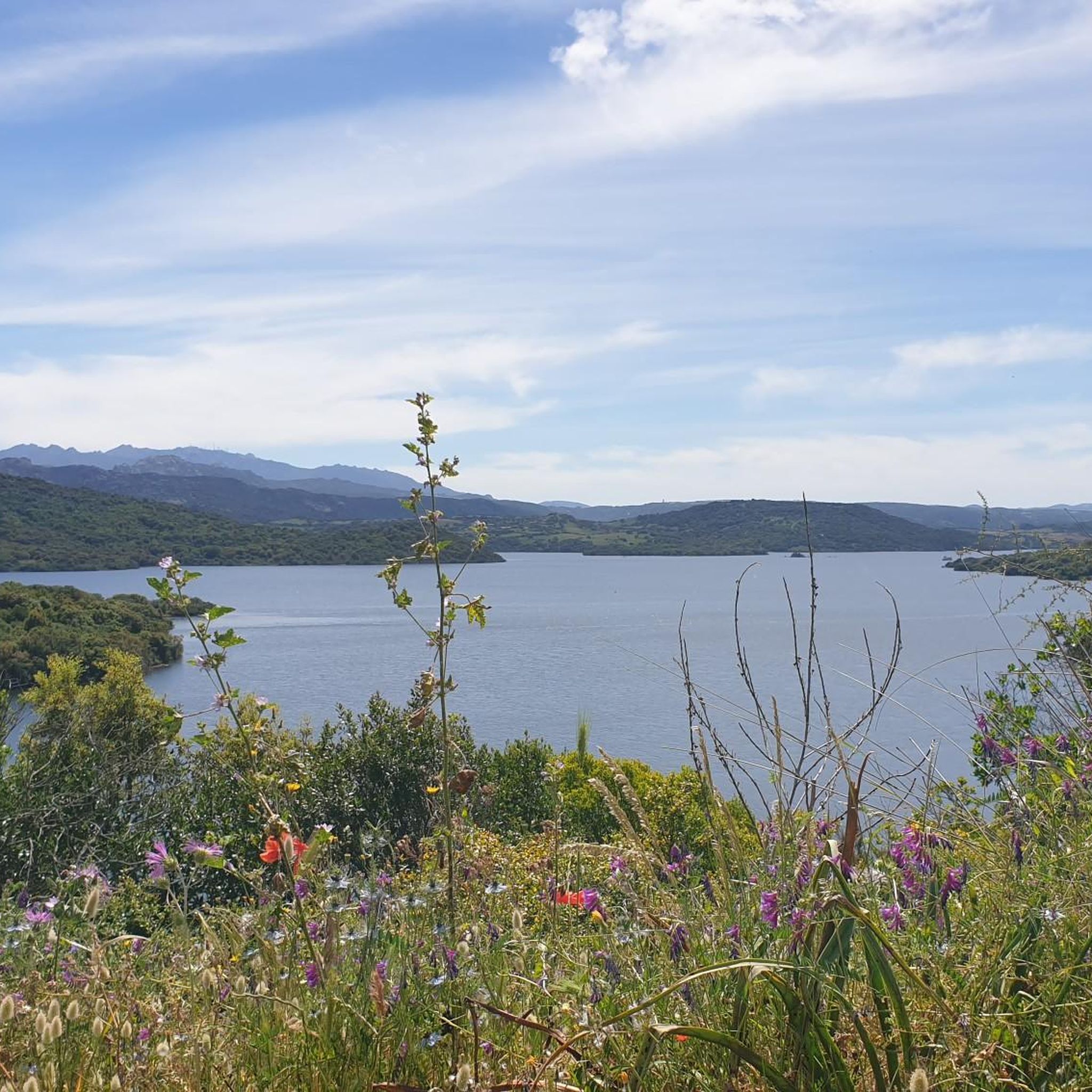
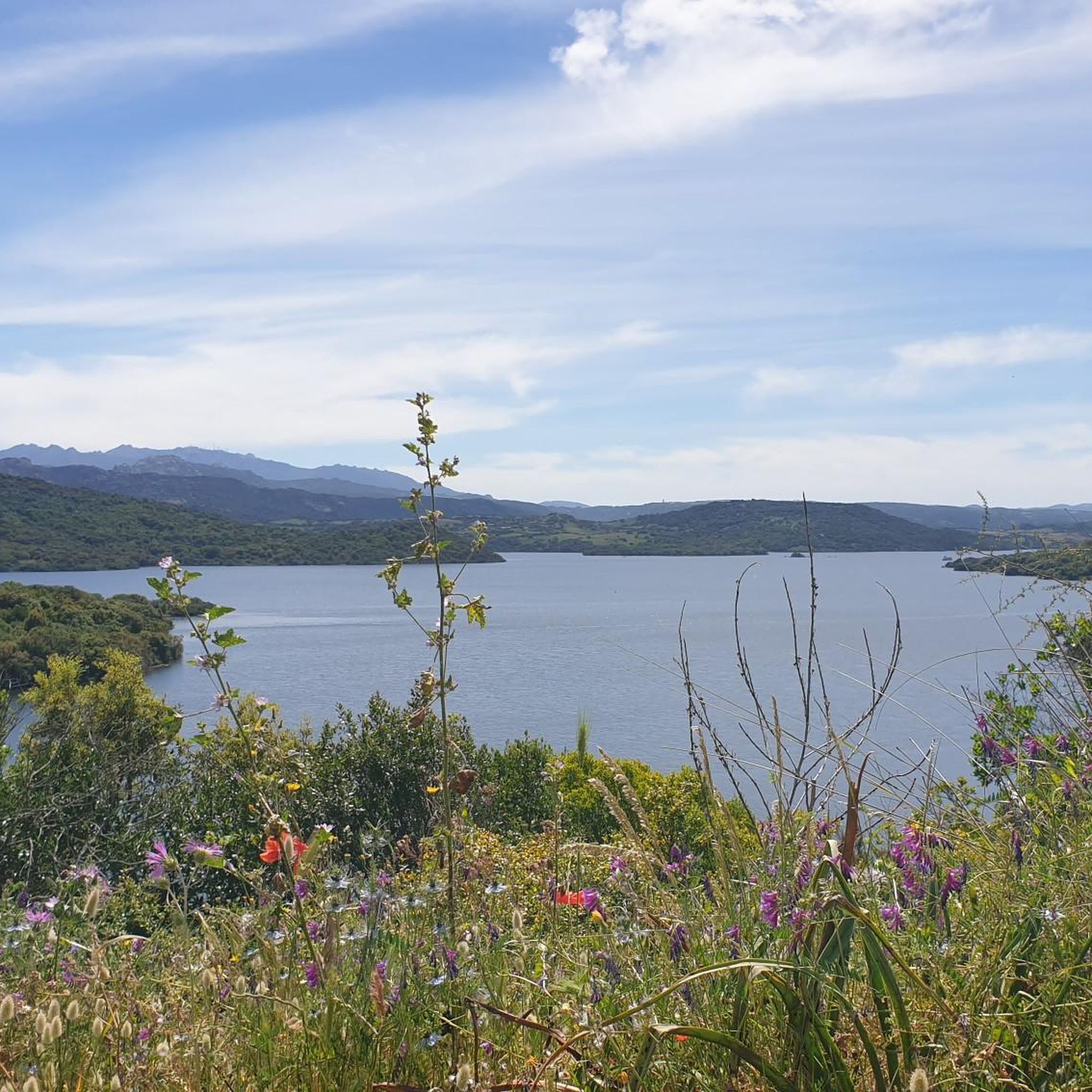
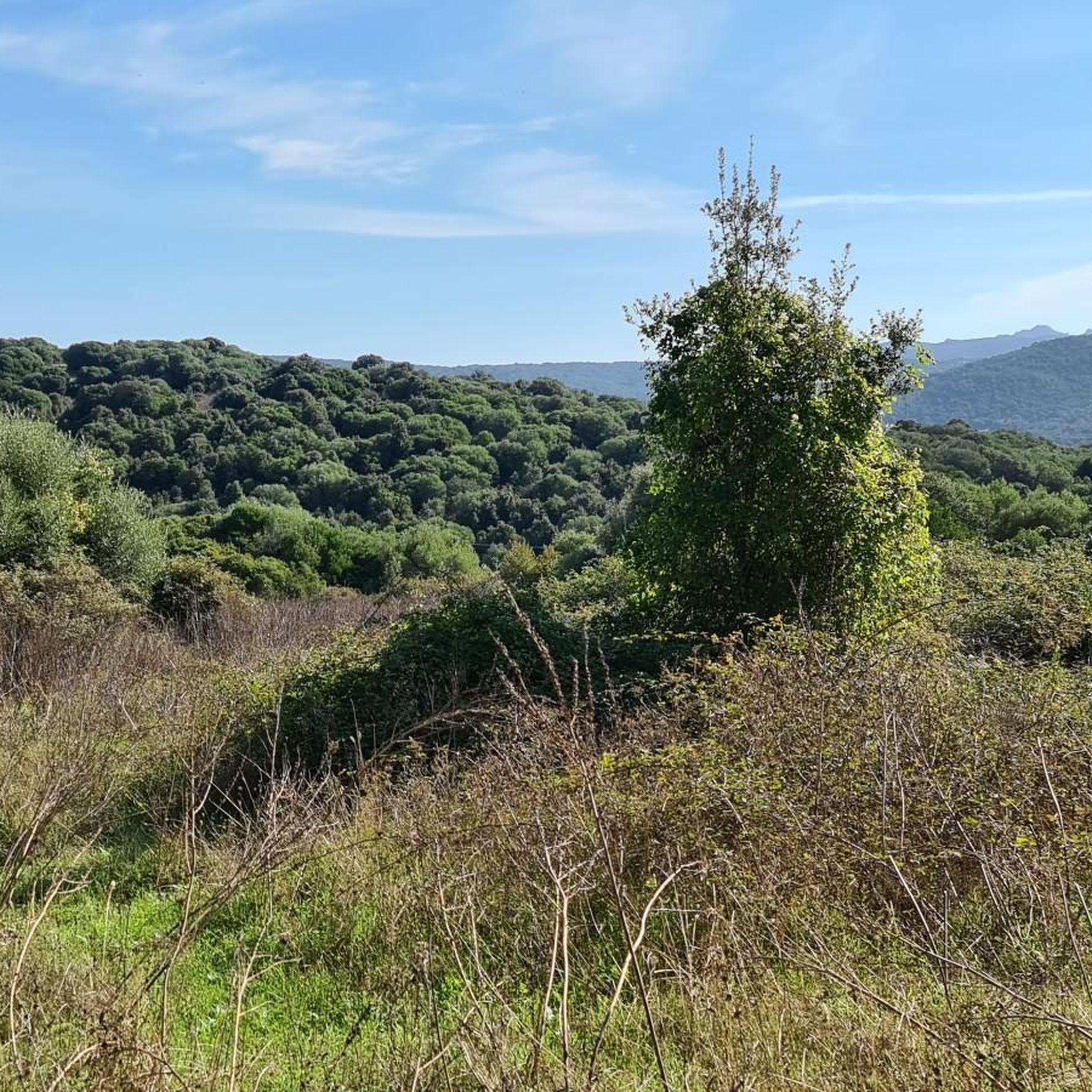
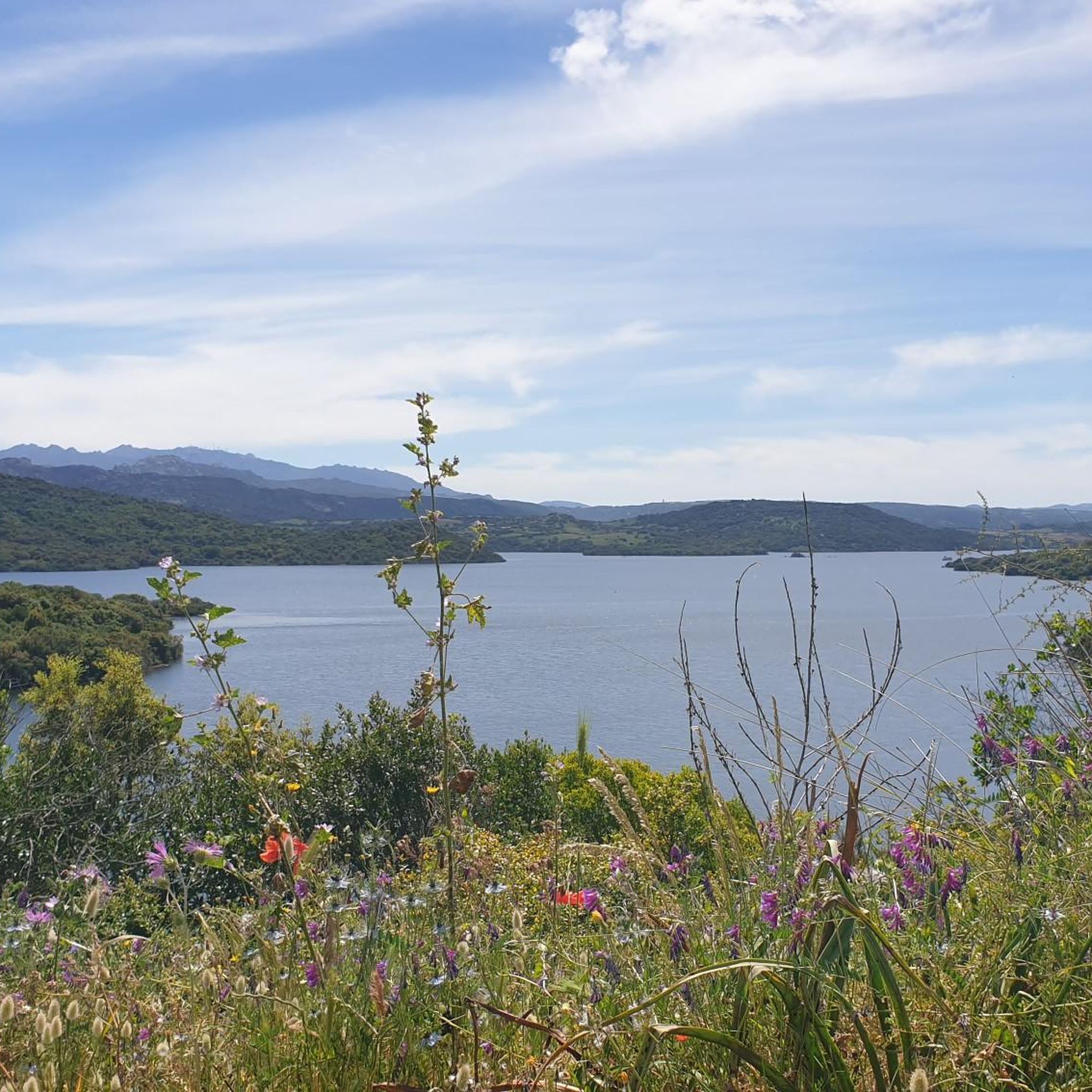

Tips from the Community


The patronage of "Our Lady of the Snows" – which, in my experience, is not all that common – indicates that this church was dedicated to the Blessed Virgin Mary, but not, as is usually the case, associated with one of her classic feast days (such as the Name of Mary, the Nativity, the Assumption, or as Queen of the Rosary). Rather, the search for the origin of "Our Lady of the Snows" leads us far back in church history to the fourth or fifth century, and geographically speaking, away from Sardinia to the Italian capital. On August 5, 363, at the site where the magnificent church of Santa Maria Maggiore stands today, the so-called "Miracle of the Snows" occurred. That is, on that day, in the middle of summer, snow lay on the ground in the morning because Our Lady wanted a church dedicated to her to be built on that spot. She communicated this wish in a nighttime vision to a wealthy couple – who financed the construction – and to the Bishop of Rome, Pope Liberius. The Roman church has the rank of a patriarchal basilica (papal basilica), and is the origin of all churches and chapels bearing this patronage. In the liturgical calendar of the Catholic Church, the date of August 5, the day of the church's consecration (in the year 432 by Pope Sixtus III), is a "non-obligatory memorial."
0
0

The Nuraghe La Prisgiona is about 1 km from the Coddu Vecchiu giants' tomb. Both can easily be combined with a short hike. A signposted path is located next to the car park at the giants' tomb.
0
0
A beautiful Nuragic giant's tomb, not far from Arzachena, nestled in a lovely landscape with orchards. It lies close to the road from Arzachena to Luogosanto.
0
0

The small church, located at 1000 meters above sea level, is surrounded by beautiful natural scenery. Rebuilt in 1994 on the remains of the 1900 building, it reflects the architecture of the ancient Gallura churches, with exposed granite. The feast of the Madonna della Neve is celebrated on August 5th.
1
0

A walk through the pretty and quiet Tempio Pausania is highly recommended.
1
0

This impressive mountain range is the highest in the region and offers an unmistakable panorama with its two striking granite peaks, Punta sa Berritta and Punta Balistreri. The rugged peaks contrast with the densely forested slopes, which form a green band around the bare peaks with chestnuts, pedunculate oaks, pines, firs and firs. As soon as you reach the summit and look as far as Corsica and the island of Asinara under clear skies, you will understand why so many hikers rave about this place. Your starting point could be the hiking car park below the summit, where the small Madonna della Neve chapel rises from granite rocks. From here you have six different trekking routes available. But maybe you would like to start the adventure in the town of Vallicciola and set off on a hike into the mountain range. Such a circular tour takes between two and a half and four hours, depending on the route. You should be alert on the way, because wild boars roam this area. It is advisable to avoid the forest and take to the road, especially at dusk. Would you like to take a break? Then find a place near the church where you can enjoy the peace and quiet and the view. And when you finally drive along the winding road that takes you into the mountains, you will find that the journey is an adventure in itself. The best time to tour the Monte Limbara mountain range is between May and October. But even in winter, the snow-covered peak offers a charming sight. You need to be sure-footed on your hike, because nature shows its wild side here. But that is precisely what makes this region so charming. So, lace up your hiking boots and set off on a journey of discovery!
2
1
The entire archaeological area of Arzachena is well worth seeing. There are 7 sites in total. There are various combination tickets available for the visit. Information about the individual sites and opening times can be found here: gesecoarzachena.it/?page_id=952#parco-archeologico Information about tickets and prices can be found here: gesecoarzachena.it/?page_id=8674
2
0
Frequently Asked Questions
What natural attractions can I explore around Luras?
Luras is rich in natural beauty. You can visit the ancient wild olive trees on the shores of Lake Liscia, including the 'Great Patriarch' which is thousands of years old. The majestic Monte Limbara mountain range offers breathtaking panoramic views and rugged granite peaks. On clear days, you might even see Corsica from its summit.
What historical sites and ancient structures can I visit in the Luras area?
The region around Luras is steeped in history. You can explore several prehistoric megalithic tombs known as dolmens, such as *allée couverte di Ladas*, *Alzoledda*, *Ciuledda*, and *Billella*. Additionally, the area features ruins of Nuraghi, unique Bronze Age stone structures. For a deeper dive into ancient culture, visit the Galluras Ethnographic Museum.
Are there any notable churches or religious sites in Luras?
Yes, Luras is home to several historic churches. These include the 18th-century Parish Church of Nostra Signora del Rosario, the 17th-century Church of San Pietro, and the Church of Santa Croce. High in the Monte Limbara range, you'll find the small Church of Our Lady of the Snow, rebuilt in 1994 with exposed granite, offering magnificent views.
What outdoor activities are available near Luras?
The Monte Limbara range offers six different trekking routes, with starting points below the summit or from Vallicciola. You can find various hiking options, including easy walks like the 'Scenic walk around Lake Liscia' or more challenging routes like the 'Monte Limbara Loop'. For more detailed routes, explore the Hiking around Luras guide.
Are there mountain biking or gravel biking trails around Luras?
Absolutely! The Luras area provides excellent opportunities for cycling. You can find various mountain biking trails, such as the 'Monte Limbara – Li Conchi del Monte Bianco loop'. For gravel biking, consider routes like the 'At the foot of Monte La Trona – Trail in Sardinian Nature loop'. More options are available in the MTB Trails around Luras and Gravel biking around Luras guides.
What is the best time of year to visit Luras for outdoor activities?
The best time to tour the Monte Limbara mountain range and enjoy other outdoor activities is generally between May and October. During these months, the weather is usually favorable for hiking and exploring. Even in winter, the snow-covered peaks offer a charming sight, though some trails might require more caution.
Are there family-friendly attractions or activities in the Luras area?
Many attractions around Luras are suitable for families. The La Prisgiona Nuraghe archaeological site combines hiking with cultural exploration and is considered family-friendly. Exploring the ancient wild olive trees or taking a ride on the Trenino Verde railway line, which passes by Lake Liscia, can also be enjoyable for all ages.
Where can I experience local culture and traditions in Luras?
To immerse yourself in local culture, visit the Galluras Ethnographic Museum, housed in a traditional granite home, which displays over 5,000 artifacts. Luras also celebrates its traditions with various festivals, such as the Domos Abbeltas Festival in June, where local homes open their doors, and summer events celebrating local gastronomy like the Seadas Festival.
What is Tempio Pausania and why is it a recommended visit near Luras?
Tempio Pausania (Sardinia) is a nearby settlement known for its historical center, built with granite blocks, earning it the name 'city of stone'. It's also recognized for its vineyards, producing fine wines like Vermentino, and its thermal springs, offering a blend of history, culture, and relaxation.
What are some unique natural features to look out for in the Luras region?
Beyond the ancient olive trees, the Luras region is characterized by its dramatic granite landscapes. The Monte Limbara range features rugged granite peaks like Punta sa Berritta and Punta Balistreri. The area's unique geology is also evident in the exposed granite architecture of local churches and the 'city of stone' aesthetic of nearby Tempio Pausania.
How can I get the best panoramic views around Luras?
For the most expansive views, head to Monte Limbara. From its summit, you can enjoy an unmistakable panorama, and on clear days, you might even see as far as Corsica and the island of Asinara. The Church of Our Lady of the Snow, located at 1000 meters above sea level, also offers magnificent views of the surrounding natural scenery.
What is the Trenino Verde and how can I experience it near Luras?
The Trenino Verde is a historic railway line that offers a scenic way to explore the hinterland of Gallura. It passes by the thousand-year-old wild olives on Lake Liscia, providing a unique perspective of the natural landscape. There is a stop in Luras, making it accessible for visitors to experience this charming journey.
Most popular attractions around Luras

Get inspired with the komoot mobile app


Explore more
Still not found the Highlight you’re looking for? See guides of the top attractions in other regions:
