Attractions and Places To See around Foligno - Top 20
Best attractions and places to see around Foligno include a diverse range of historical, cultural, and natural sites. Located in the Umbria region of central Italy, Foligno serves as a central point for exploring ancient landmarks and picturesque landscapes. The area features well-preserved medieval towns, significant religious sites, and natural parks. Visitors can explore a rich tapestry of history and natural beauty both within and surrounding the city.
Best attractions and places to see around Foligno
- The most popular attractions…
Last updated: October 9, 2026
Historic Center of Bevagna
Highlight • Historical Site
The town, surrounded by a city wall with towers and gates, has an intact medieval structure (12th-13th centuries). In the …
Translated by Google •
Tip by

Hermitage of the Carceri
Highlight • Religious Site
The Shrine of the Hermitage of the Prisons
An ancient Franciscan shrine on Monte Subasio, 4 km from Assisi and 800 meters above sea level, …
Translated by Google •
Tip by
Sign up now to discover places like this
Get recommendations on the best single tracks, peaks, & plenty of other exciting outdoor places.
Croce di Sasso Piano (Sasso Piano Cross)
Highlight • Summit
Translated by Google •
Tip by

Historic Center of Spello
Highlight • Historical Site
Translated by Google •
Tip by

Monte Subasio Summit
Highlight • Summit
Translated by Google •
Tip by
Sign up for free to discover even more attractions around Foligno.
Already have an account?


Tips from the Community

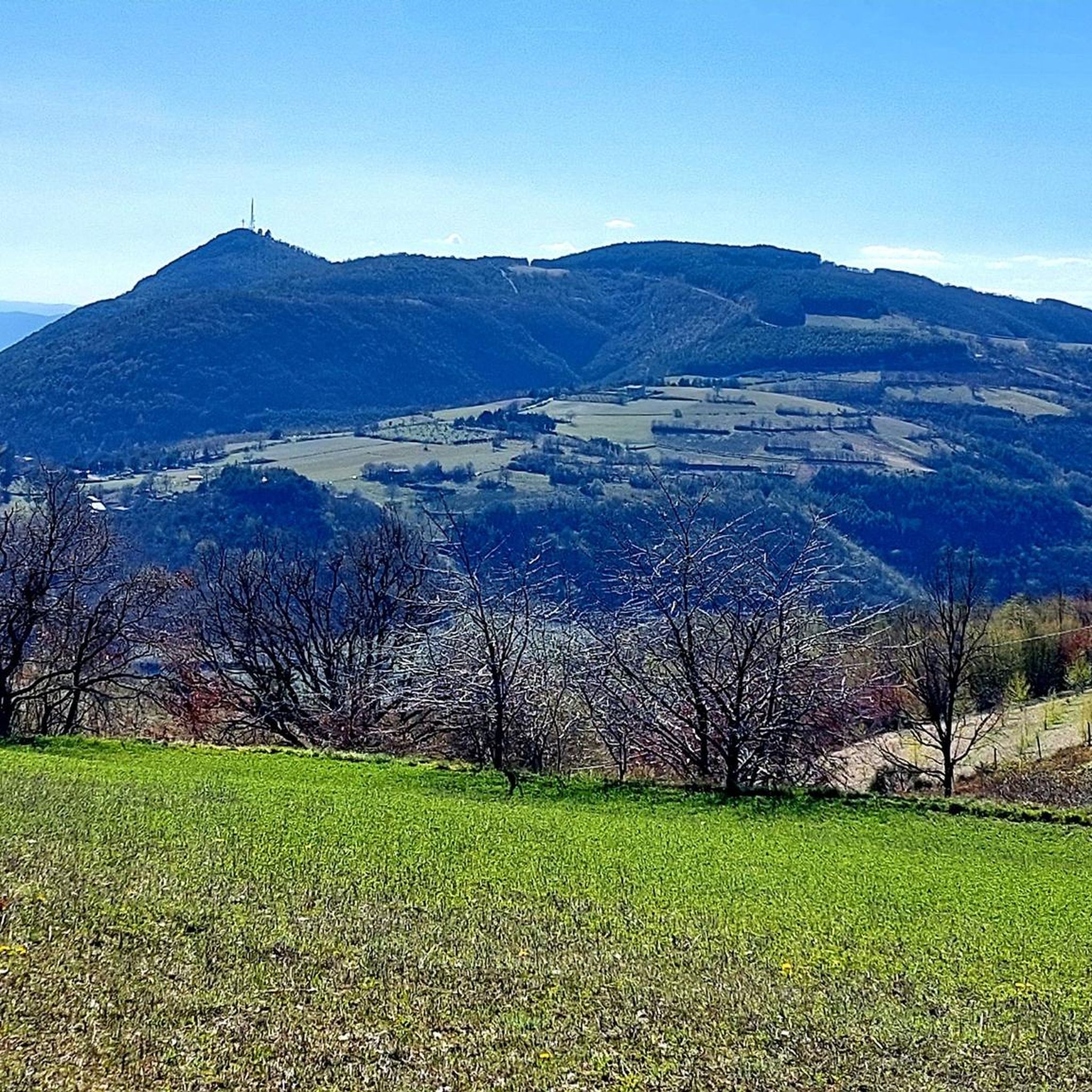
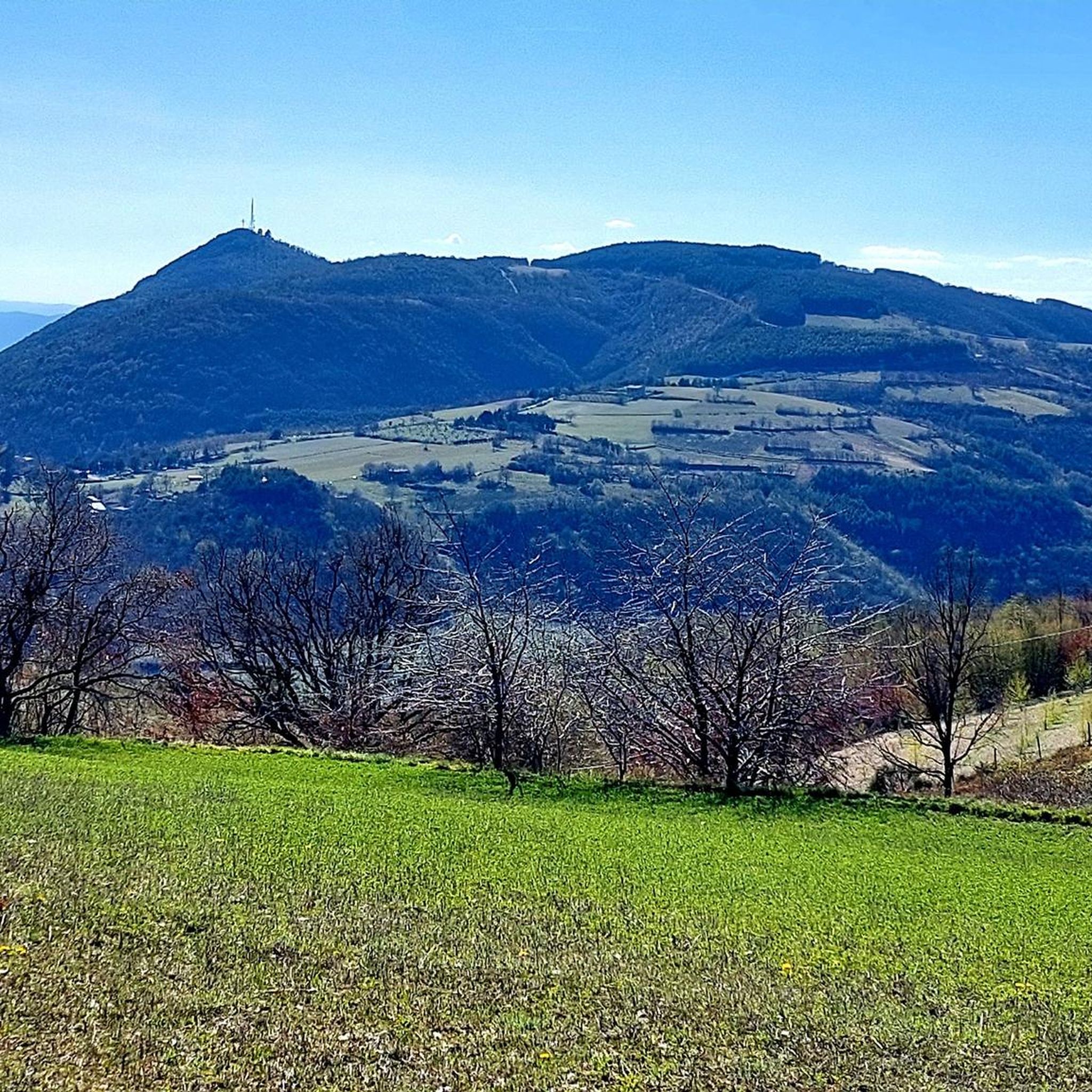
In front of this small sacred monument, known as Croce di Sasso Piano, which crowns the summit of the same name, I wish to offer those who linger here a brief reflection by Saint Francis of Assisi: + “And we give you [God-Father] thanks, ... because through his cross and his blood and his death you wanted to redeem us, who were captive.” (NbR XXIII, 3)
0
0

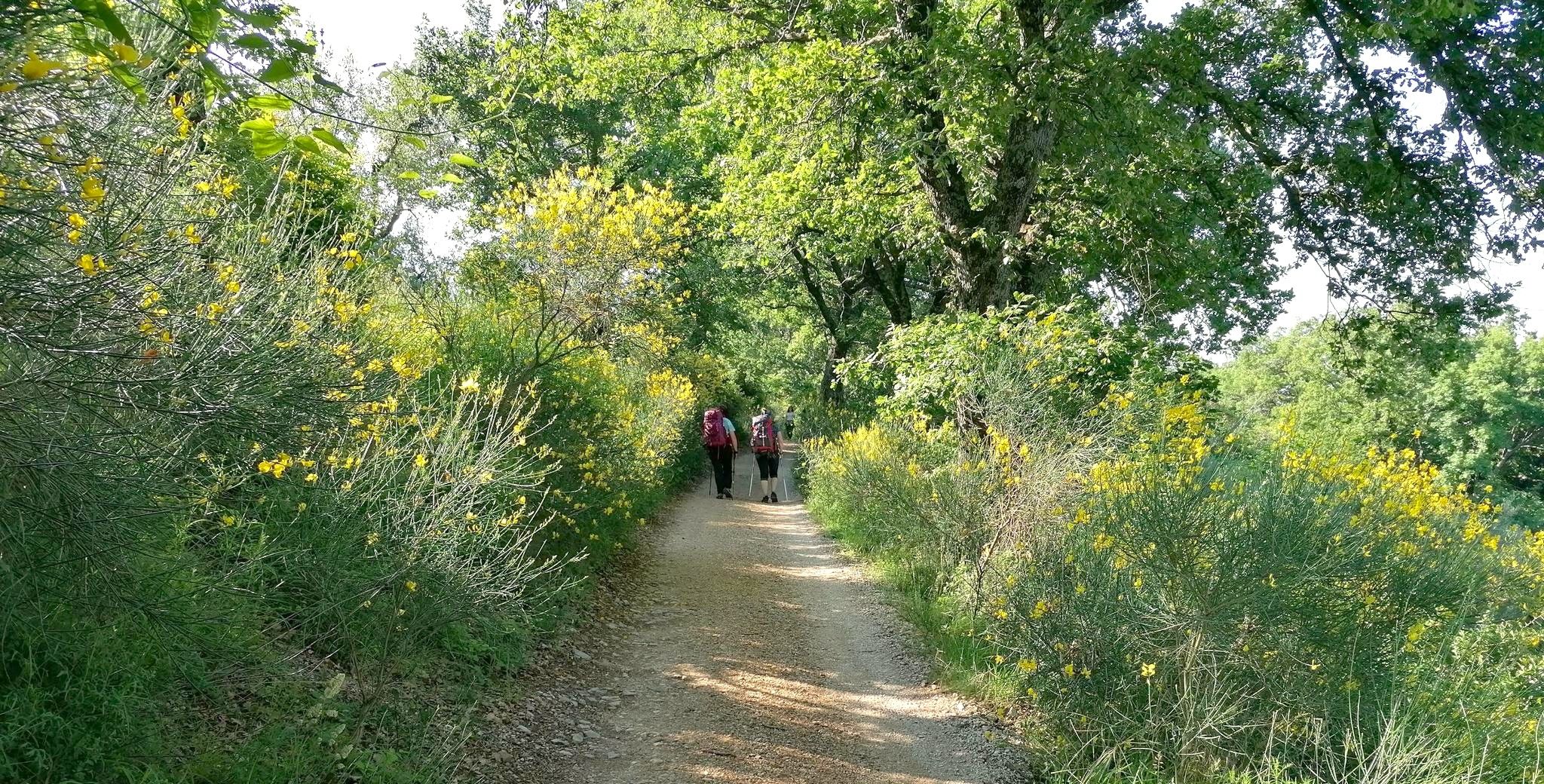
Bevagna / Region – Umbria / Province – Perugia (PG) The town, surrounded by a city wall with towers and gates, has an intact medieval structure (12th-13th centuries). In the upper part of the town, numerous Roman remains can still be seen: the ruins of a temple, the theater, and a thermal bath complex, of which a frigidarium with a magnificent black and white floor mosaic depicting marine figures from the 2nd century AD survives. The medieval town structure, with its squares and noble houses, developed over the Romanesque foundations: The magnificent Piazza Silvestri is home to the Palazzo dei Consoli (1270), which houses the Torti Theater, the Romanesque churches of San Silvestro and San Michele Arcangelo, both from the late 12th century, and the church of San Domenico e Giacomo (1291). Worth seeing is the Palazzo Comunale (late 18th century), which houses the historical archives, the library, and the art gallery. The Baroque churches of the Monastery of Santa Margherita and San Filippo are also very interesting. At the highest point in the town stands the Church of San Francesco (late 13th century). Next to the altar, one can see the stone on which St. Francis knelt when he preached to the flock of birds at Pian d'Arca. The 18th-century Palazzo Lepri houses the Museum of Bevagna, with works that tell the story of the town from pre-Roman times to the 18th century: archaeological finds from the ancient city of Mevania, medieval documents, and paintings by Dono Doni, Fantino, and Corrado Giaquinto. In the surrounding area, the Sanctuary of Madonna delle Grazie (late 16th century), the Sanctuary of Madonna della Valle, and the Monastery of Annunziata (11th century), formerly a defensive castle, rise up against the hillsides. Text / Source: Umbria Tourism.it contatti@umbriatourism.it https://www.umbriatourism.it/de/bevagna
16
1
Eremo delle Carceri, the resting place of St. Francis, Assisi The Eremo delle Carceri is a pilgrimage site located in the dense forest of Monte Subasio, about 4 km from Assisi and at an altitude of 800 m. St. Francis and his first brothers imprisoned themselves for devotion, living a simple life, and praying more devoutly. The word "carceri," which may be confusing, does not mean "prison" but comes from the Latin "carcer," meaning a solitary, isolated place. This is where the term "carcerare" comes from, referring to monks and describing their practice of retreating to pray as hermits. In 1215, Benedictine monks donated the Eremo delle Carceri to Saint Francis, which became one of the most important places in his life: Immersed in a quiet, peaceful, centuries-old holm oak forest, Saint Francis followed his calling here and learned to pray devoutly. The Grotto of Saint Francis, among stories and legends Through a narrow passage, one reaches the Grotto of Saint Francis, where, according to the history of Francis of Assisi, the saint experienced his first true meditation and became a different person. Another story is that of Saint Rufinus, a companion of Saint Francis who managed to resist the devil. It is said that the hole in the grotto floor was caused by the devil when he was defeated and sank into the abyss. Many mistakenly believe that St. Francis's famous sermon to the birds took place here, but historical sources definitively link the legend to Piandarca, a town in the municipality of Cannara. Text / Source: Umbria Tourism.it https://www.umbriatourism.it/de/-/eremo-delle-carceri-der-ruheort-des-heiligen-franziskus
14
0
Hermitage of the Prisons, Assisi The Shrine of the Hermitage of the Prisons An ancient Franciscan shrine on Monte Subasio, 4 km from Assisi and 800 meters above sea level, in the heart of a forest of centuries-old holm oaks, is one of the Franciscan shrines guarded by the Friars Minor of the Seraphic Province of Saint Francis of Assisi. The word "carcere" does not mean "prison": it comes from the Latin "carcer," meaning a remote, solitary place, therefore suitable for the life of prayer. Francis, his companions, and, after them, the friars, came here for some prayers. Hermitage of the Prisons, Via Eremo delle Carceri, 38, 06081 Assisi PG, Italy Text/Source: SERAPHIC PROVINCE OF ST. FRANCIS OF ASSISI OF THE UMBRIAN FRIES MINOR https://www.santuarioeremodellecarceri.org/
14
0

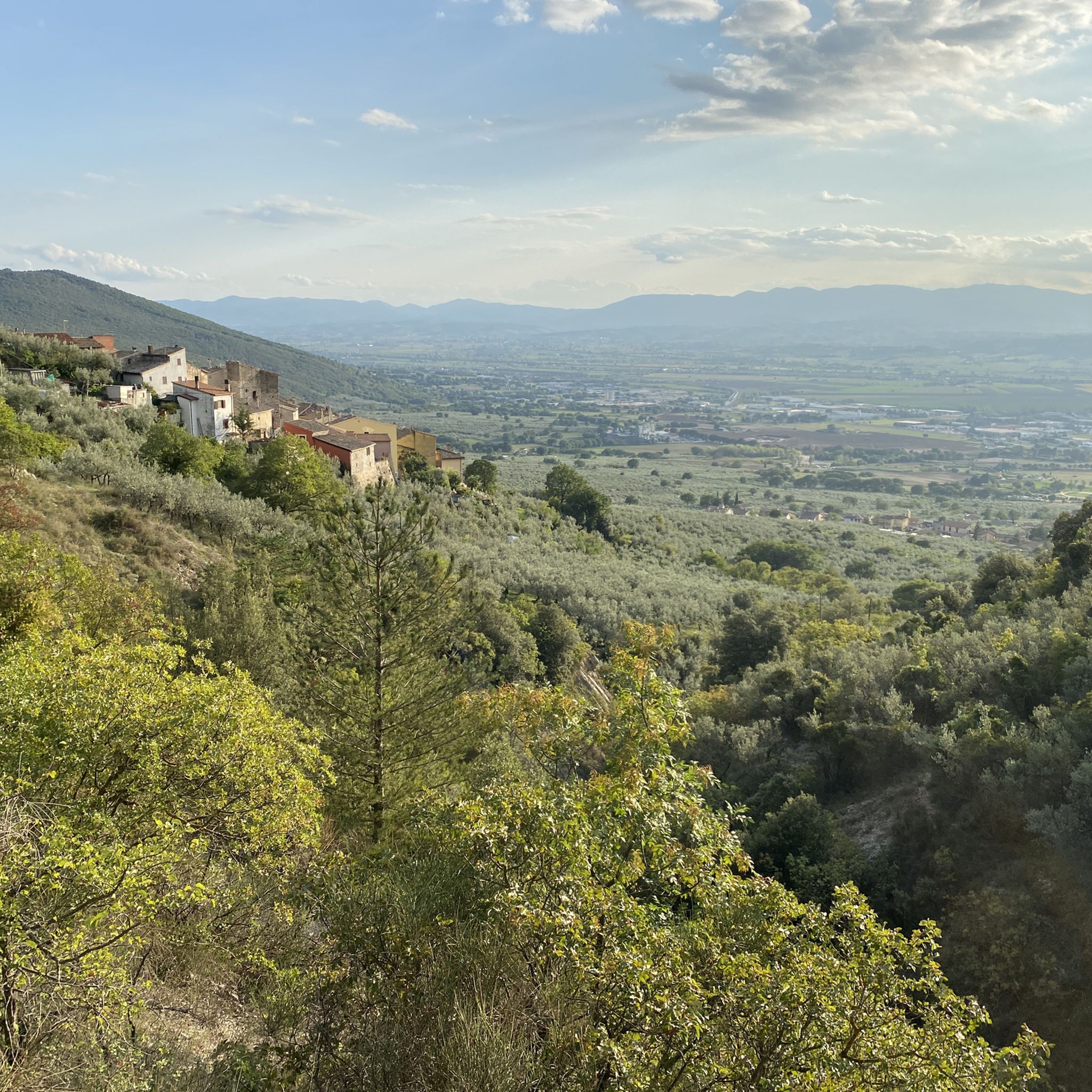
Spello is something of an insider tip for a holiday in Umbria. The nearby towns such as Perugia or Assissi are more likely to be the places to go for holidaymakers. With its walls, churches, houses and alleys, which are mostly brightly and colorfully decorated, Spello offers a wonderful stay that should not be missed. It is not for nothing that Spello is one of the most beautiful villages in Italy.
0
0

In my opinion, together with Spello, the most beautiful village in the eastern Umbrian Valley
1
1

Beautiful city with ancient origins.
0
0

summit of Mount Subasio. 360° panoramic view
1
0
Frequently Asked Questions
What historical sites can I explore in Foligno?
Foligno offers a rich history. You can visit the impressive Palazzo Trinci, which houses several museums including the Civic Art Gallery and an Archaeological Museum. The Palazzo Orfini is notable as the site where the first edition of Dante's Divine Comedy was printed, and now houses the Museum of Printing. Don't miss the Piazza della Repubblica, the heart of Foligno, surrounded by important historical buildings.
Are there any significant religious buildings to visit in Foligno and its surroundings?
Yes, Foligno has several notable religious sites. The Foligno Cathedral (Duomo di San Feliciano), built between the 12th and 13th centuries, features a Romanesque façade and a Baroque interior. Other significant churches include the 11th-century Church of Santa Maria Infraportas and the Renaissance-era Church and Oratory of Nunziatella, which houses frescoes by Perugino. Nearby, the 11th-century Sassovivo Abbey is famous for its stunning Romanesque cloister.
Where can I find natural attractions and scenic views near Foligno?
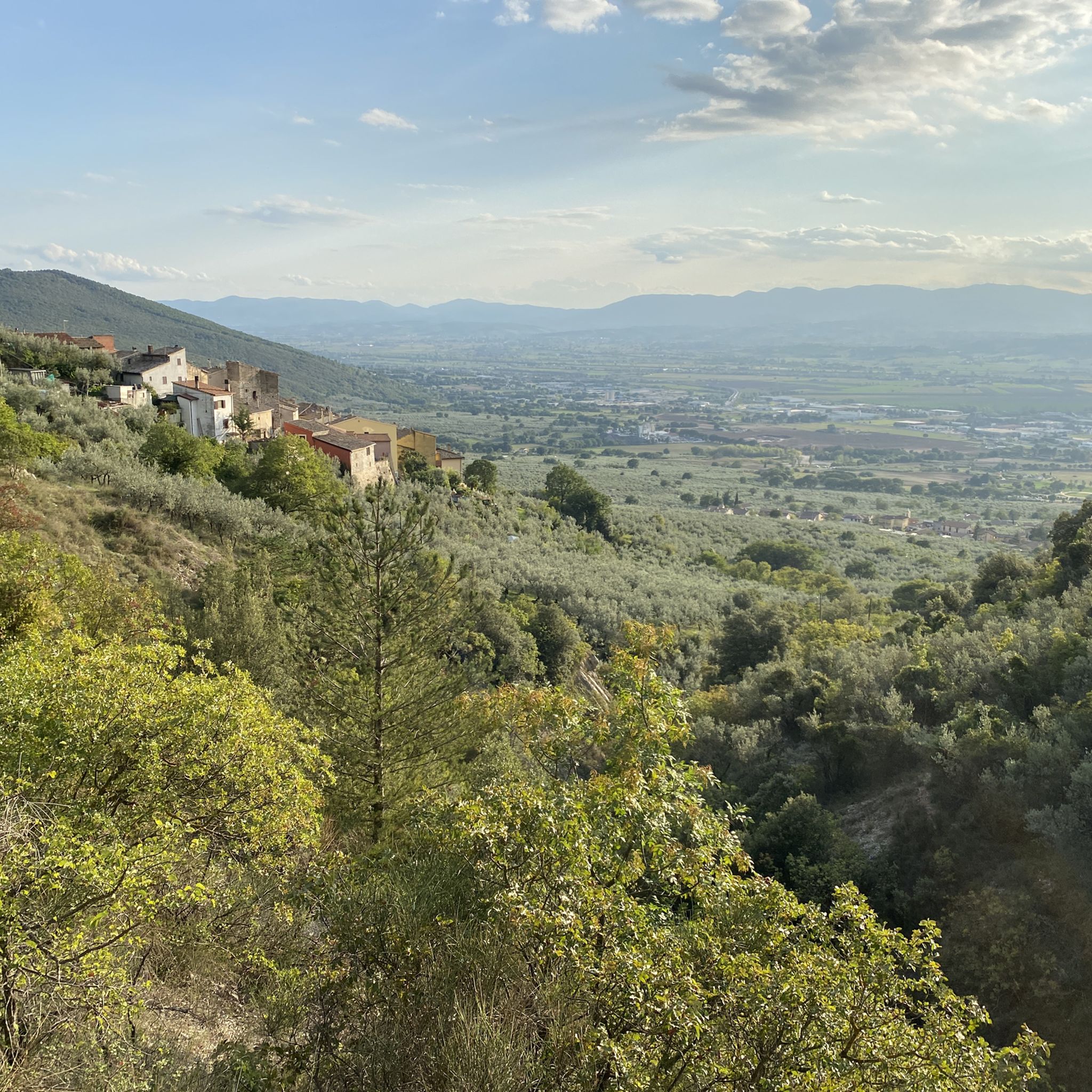
For natural beauty, head to the Menotre Waterfalls (Cascate del Menotre) in the Menotre Valley, part of a national park ideal for hiking. The Colfiorito Park is a regional park with a high-altitude marsh, important for rare plants and birds. You can also visit Rasiglia, known as the 'village of streams,' or explore the karst caves in Pale. For panoramic views, consider a visit to Croce di Sasso Piano (Sasso Piano Cross), which offers extensive vistas of the Umbrian landscape.
What museums are available in Foligno?
Foligno hosts several museums, primarily within the Palazzo Trinci, which includes the Civic Art Gallery, an Archaeological Museum, and a Multimedia Museum of Tournaments, Jousts, and Games. The Palazzo Orfini houses the Museum of Printing. Additionally, the Italian Center for Contemporary Art (CIAC) promotes exhibitions of national and international significance, and the Diocesan Museum in Palazzo delle Canoniche displays precious liturgical art.
Are there family-friendly activities or attractions in the Foligno area?
Families can enjoy exploring the historical centers of nearby towns like Historic Center of Bevagna, with its medieval structure and Roman remains, or Historic Center of Spello, known for its flower displays. The natural parks like Colfiorito Park and the Menotre Waterfalls offer opportunities for easy walks and enjoying nature. The Parco del Canapè within Foligno is also a pleasant green space for families.
What outdoor activities, like hiking or cycling, can I do near Foligno?
The Foligno area is excellent for outdoor enthusiasts. You can find various running trails, including a moderate ring tour around Cascate del fiume Menotre. For mountain biking, there are challenging routes like the Crypt of Blessed Alan – Cancelli Water Fountain loop. Road cyclists can enjoy routes such as La Valtopina and Colfiorito loop. For more details on these activities, visit the dedicated guides for Running Trails around Foligno, MTB Trails around Foligno, and Road Cycling Routes around Foligno.
What is the best time to visit Foligno for outdoor attractions?
The Umbria region, including Foligno, generally enjoys pleasant weather from spring to early autumn (April to October). Spring (April-May) offers blooming landscapes and comfortable temperatures for hiking and exploring. Autumn (September-October) provides mild weather and beautiful fall foliage. Summers can be warm, but are still suitable for outdoor activities, especially in the mornings or late afternoons.
Are there any unique cultural events or festivals in Foligno?
Foligno is famous for the Giostra della Quintana, a historical jousting festival that celebrates its medieval heritage with pageantry and costumes. This spectacular event is held twice a year and is a major cultural highlight, offering a vibrant glimpse into the town's past.
Can I visit places associated with Saint Francis of Assisi near Foligno?
Yes, the region has strong ties to Saint Francis. A significant site is the Hermitage of the Carceri, an ancient Franciscan shrine located in a forest on Monte Subasio. It's known for its solitary setting and historical significance related to Saint Francis of Assisi, where he and his companions retreated for prayer.
What are some recommended day trips from Foligno?
Foligno serves as an excellent base for exploring other charming Umbrian towns. You can easily visit Spello, known for its Roman walls and flower-adorned streets, or Bevagna, a well-preserved medieval town with Roman remains. Montefalco is another nearby town worth exploring for its wine and panoramic views.
Where can I see ancient Roman ruins in the Foligno area?
While Foligno itself has a rich Roman past, the nearby Historic Center of Bevagna is particularly notable for its well-preserved Roman remains. These include a frigidarium with a magnificent black-and-white floor mosaic depicting marine figures from the 2nd century AD, as well as remnants of a temple and theater.
Are there any places to see unique art installations in Foligno?
Yes, the Italian Center for Contemporary Art (CIAC) in Foligno is a hub for modern art. One of its venues, the former Church of the Holy Trinity in Annunziata, houses Gino De Dominicis' enigmatic work "The Cosmic Magnet" or "Great Skeleton," a monumental human skeleton over 24 meters long, offering a truly unique artistic experience.
Most popular routes around Foligno
Most popular attractions around Foligno

Get inspired with the komoot mobile app


Explore more
Still not found the Highlight you’re looking for? See guides of the top attractions in other regions:
