The best road cycling routes around Premia
4.9
(19)
585
riders
17
rides
Road cycling around Premia offers diverse terrain within the Verbano-Cusio-Ossola province of Piedmont, Italy. The region is characterized by alpine landscapes, pristine lakes, and deep valleys, providing varied elevation gains for cyclists. Routes often feature a mix of paved surfaces and some unpaved segments, traversing areas like the Parco Naturale dell'Alpe Veglia e Alpe Devero and the unique Orridi of Uriezzo gorges. This environment presents both moderate rides and challenging climbs with significant ascents.
Best road cycling routes around Premia
…Last updated: October 21, 2026
4.8
(4)
121
riders
74.6km
04:28
1,910m
1,910m
Hard road ride. Very good fitness required. Mostly well-paved surfaces and easy to ride.
4.8
(4)
90
riders
104km
05:12
1,650m
1,650m
Hard road ride. Very good fitness required. Mostly well-paved surfaces and easy to ride.

5.0
(1)
46
riders
30.5km
01:34
530m
530m
Moderate road ride. Good fitness required. Mostly well-paved surfaces and easy to ride.
5.0
(1)
36
riders
31.3km
02:00
850m
850m
Moderate road ride. Good fitness required. Some segments of this route may be unpaved and difficult to ride.
37
riders
41.6km
02:55
1,420m
1,420m
Hard road ride. Very good fitness required. Mostly well-paved surfaces and easy to ride.
Get access to more routes and recommendations from other explorers.
Already have an account?
Our route recommendations are based on thousands of hikes, rides, and runs completed by other people on komoot.
Start today with a free account
Your next adventure awaits.

Tips from the Community

As a cyclist you cannot take the tunnel and you must take this route to continue the descent into Domodossola. Komoot doesn't recognize this as a route because there's an interdiction due to rockfall danger. At the end of the descent the gate is closed with a lock but there is a small gap where you can pass with your bike.
1
0

Worth the visit, the hike, and the trip. A unique monument, definitely worth a visit with plenty of time.
0
0

From this point you can see the beautiful mountains of the Ossola Valley.
0
0

Nice path, once you get to this point after the Orridi di Uriezzo you can continue straight on along a more comfortable route towards Crego and the Rifugio Monte Zeus or turn right, go through the Orrido di Balmasurda and go up a steep path with steps.
0
0

If the weather is bad in northern Switzerland, a bike trip to Domodossola is worthwhile. It's quick and easy to reach by train from Brig. Saturdays are always busy because of the market. Sundays are more pleasant for cyclists, and you have the cafés to yourself.
1
0

Perfect asphalt, very nice climb. Let's hope they open it to bikes only and no one will ever have to go through the tunnel again...
1
0

The Saturday market in Domodossola is always worth a visit, after all it is one of the oldest in the Alps😎
1
0

Historic building of the Devero plain
1
1
Frequently Asked Questions
How many road cycling routes are available around Premia?
There are over 10 road cycling routes around Premia, offering a variety of experiences. The region provides options ranging from moderate rides to challenging climbs with significant elevation gain, catering to different skill levels.
What kind of terrain can I expect on road cycling routes in Premia?
Road cycling around Premia features diverse terrain within the Verbano-Cusio-Ossola province. You'll encounter alpine landscapes, deep valleys, and varied elevation gains. Routes often include well-paved surfaces, but some may have unpaved segments, traversing areas like the Parco Naturale dell'Alpe Veglia e Alpe Devero and the unique Orridi of Uriezzo gorges.
Are there any family-friendly road cycling options in Premia?
While many routes in Premia involve significant elevation, some sections or shorter loops within the valleys can be suitable for families. For instance, the initial parts of routes leading to natural attractions might offer gentler gradients. Always check the route's difficulty and elevation profile on komoot before heading out with family.
Can I find circular road cycling routes in the Premia area?
Yes, there are several circular road cycling routes available. A popular option is the Lake Morasco – Toce Waterfall loop from Premia, which is a challenging 35.4-mile (56.9 km) trail. Another challenging loop is the Le Casse Tunnel – Chiesa di Cravegna loop from Canza / Früttwald, covering 41.8 miles (67.2 km) with substantial elevation.
What are some scenic natural attractions to see while cycling in Premia?
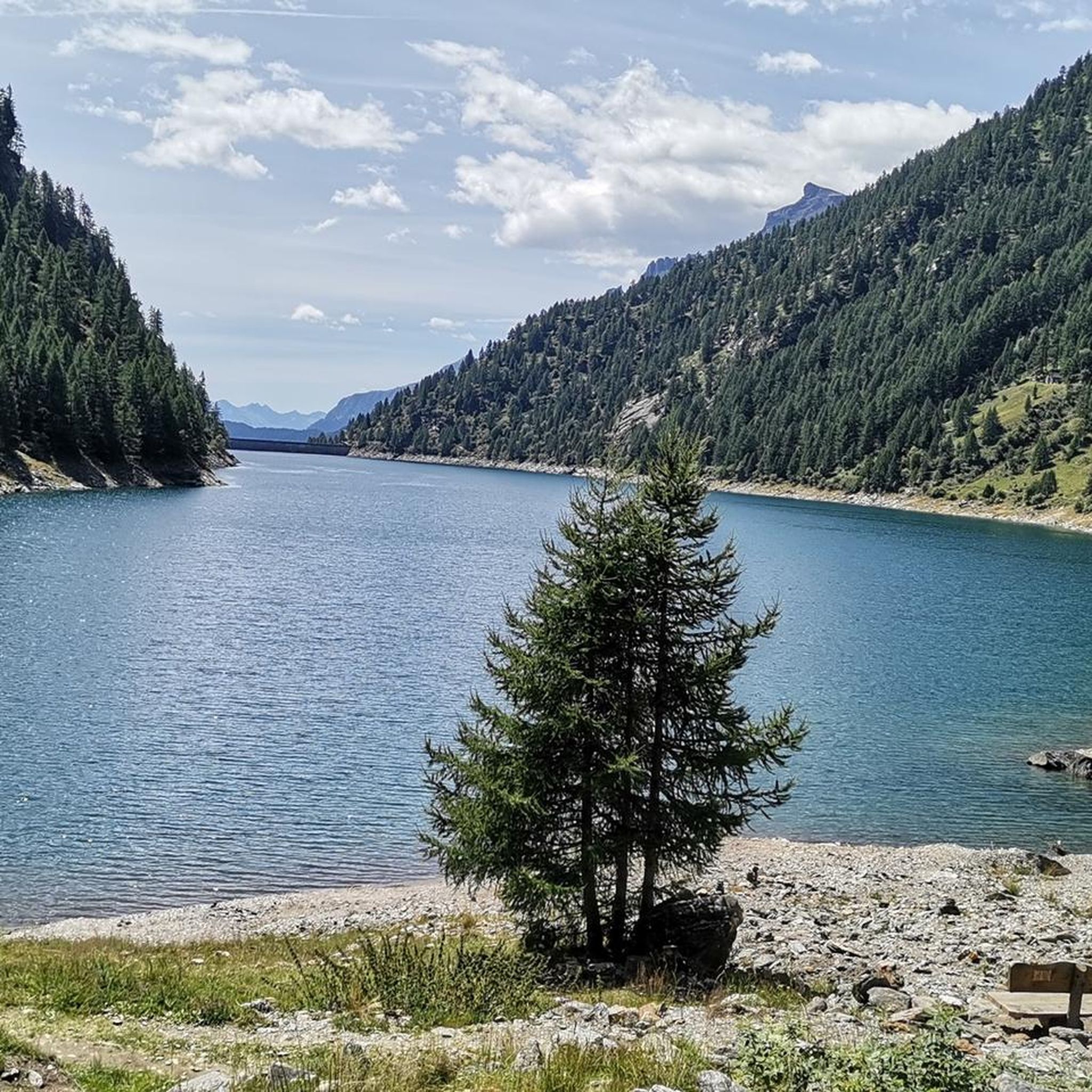
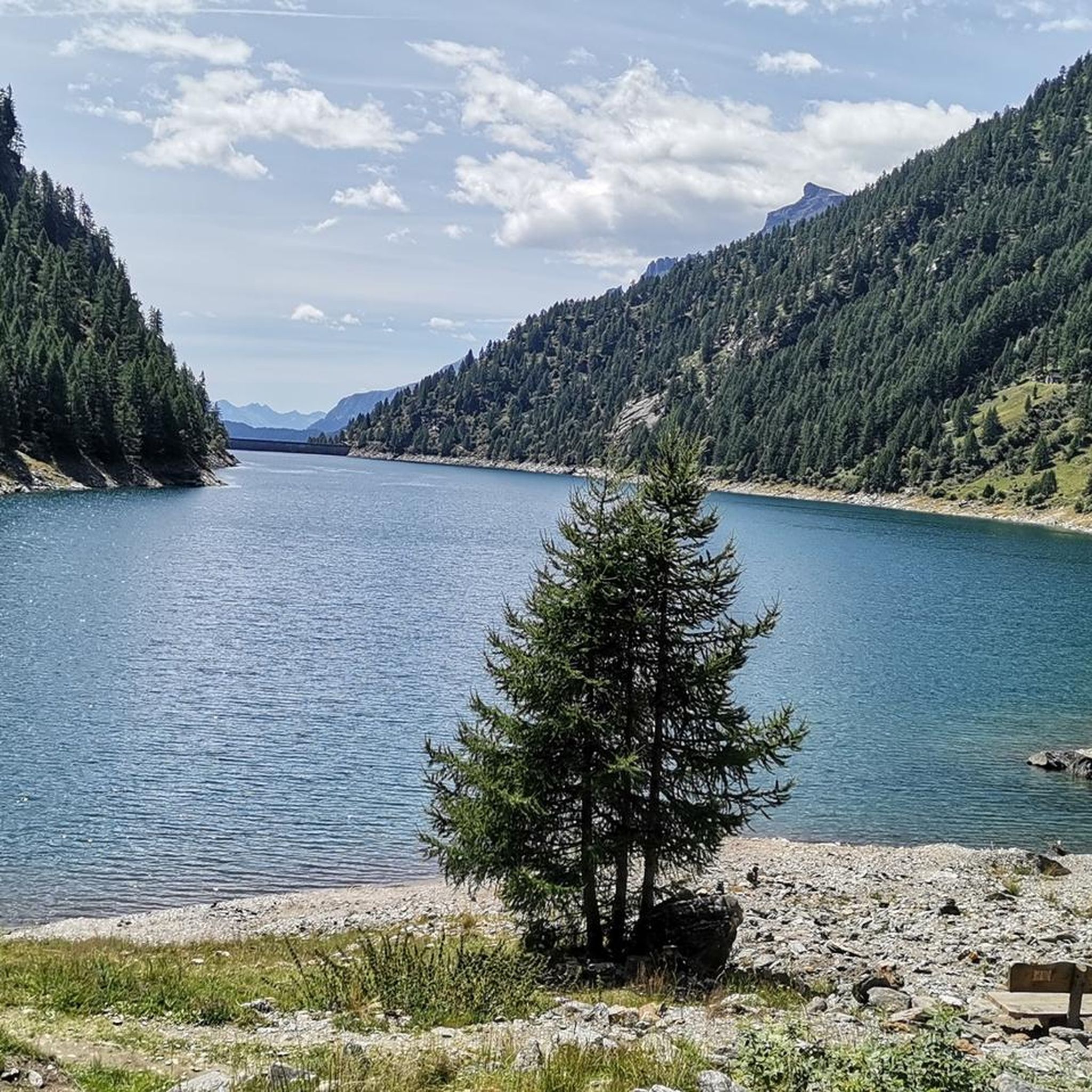
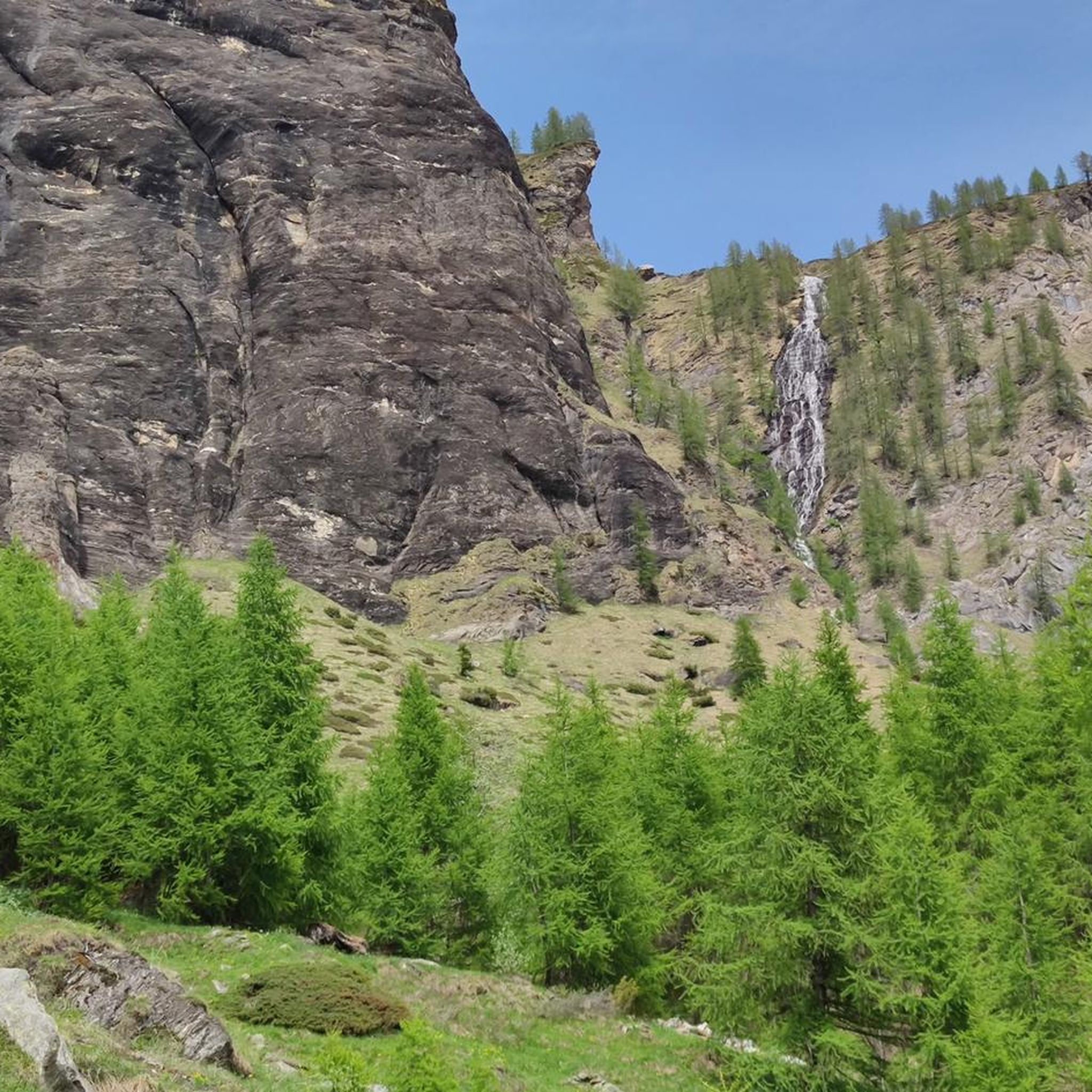
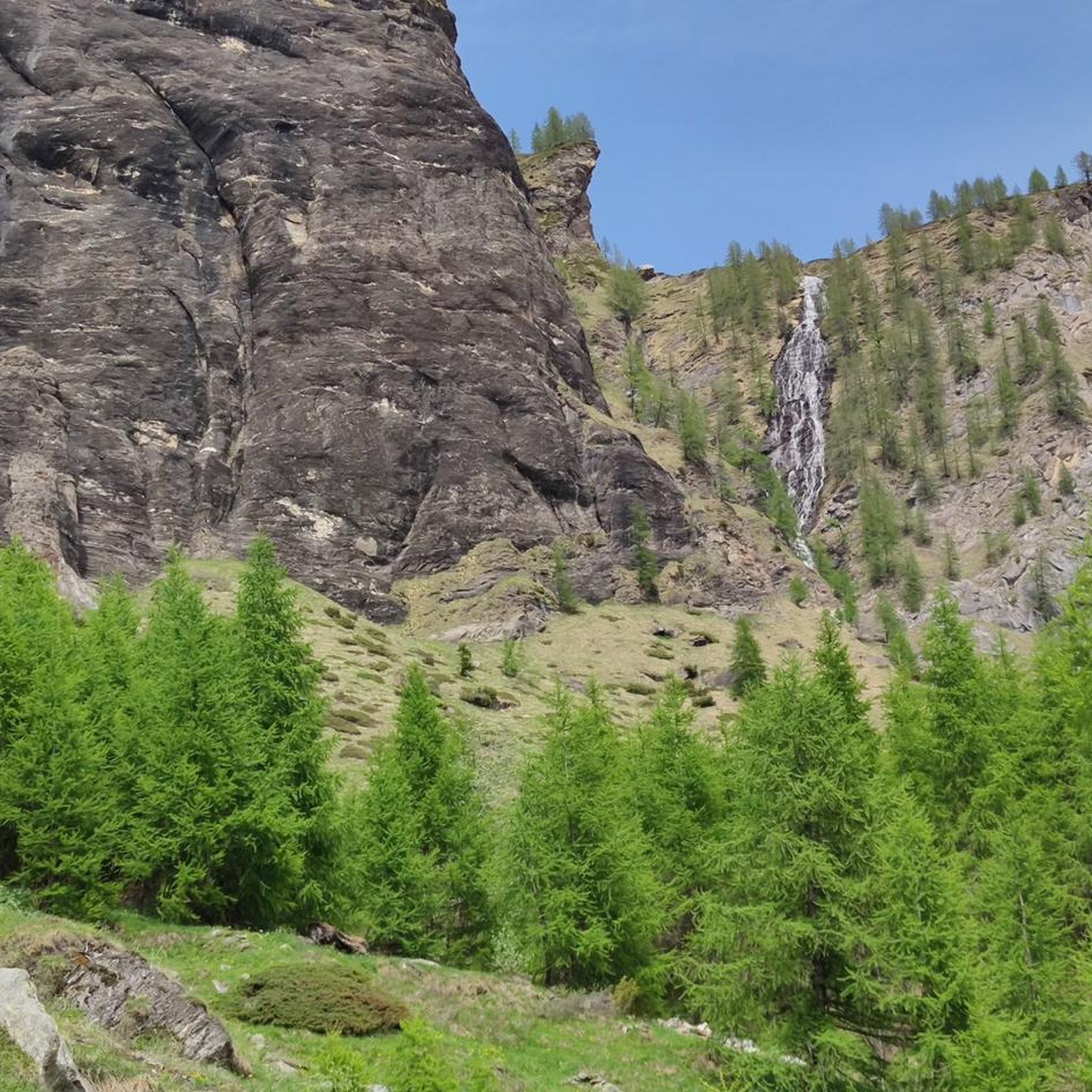
The region is rich in natural beauty. You can cycle past the impressive Giant's Kettles of the Toce and the unique Uriezzo South Gorge, part of the rare glaciological park known for its winding rock formations. The Cascata del Toce and lago di Morasco route, for example, features a notable waterfall and a scenic lake.
Are there any historical or cultural landmarks along the cycling routes?
Yes, the area around Premia is home to charming Walser villages like Salecchio, Case Francoli, Ausone, and Agaro. These ancient settlements, founded in the 13th century, showcase well-preserved Walser and alpine architecture, offering a glimpse into historical rural life. While not directly on all road cycling routes, they are often accessible via nearby paths or short detours.
When is the best time of year for road cycling in Premia?
The best season for road cycling in Premia is typically from late spring to early autumn (May to October). During these months, the weather is generally milder, and the alpine passes are clear of snow, offering optimal conditions for exploring the region's diverse terrain and scenic views.
Where can I park my car when starting a road cycling tour in Premia?
Premia and surrounding villages offer various parking facilities. You can usually find parking in the town centers or near popular trailheads. Specific parking availability can vary by route, so it's advisable to check the starting point of your chosen komoot tour for detailed information on parking options.
Is public transport available for cyclists in Premia?
Public transport options in the Antigorio Valley, including buses, can connect Premia with other towns in the Verbano-Cusio-Ossola province. While some services may accommodate bicycles, it's recommended to check with the local transport providers in advance regarding their bike carriage policies and schedules, especially for longer routes or during peak seasons.
What do other cyclists say about road cycling in Premia?
The road cycling routes around Premia are highly rated by the komoot community, with an average score of 4.7 stars from over 10 reviews. Cyclists often praise the breathtaking alpine scenery, the challenge of the climbs, and the variety of routes that lead through high-altitude lakes and deep valleys.
Are there routes that pass by the famous thermal springs of Premia Terme?
While Premia Terme is a significant attraction in the area, most dedicated road cycling routes focus on the natural and challenging mountain terrain. However, Premia Terme is located in Cadarese, close to Premia, making it easily accessible for a relaxing visit after your ride. You can plan your route to start or end near the spa for a therapeutic experience.
Most popular attractions around Premia

Get inspired with the komoot mobile app


Explore more
Browse the best Road cycling routes in other regions.
