Attractions and Places To See around Armùngia/Armungia - Top 20
Best attractions and places to see around Armùngia/Armungia are found in the Gerrei subregion of southeastern Sardinia, characterized by rocky peaks and the Flumendosa River valley. This area offers a blend of historical, cultural, and natural attractions, with a history dating back to the Bronze Age. Visitors can explore ancient nuraghi, cultural museums, and natural landscapes bordering Park Sette Fratelli. The region provides diverse outdoor activities, from exploring historical sites to enjoying scenic routes.
Best attractions and places to see…
Last updated: July 1, 2026
San Nicola Quirra Church
Highlight • Religious Site
Translated by Google •
Tip by

Scenic Secondary Road to Chiesetta di San Nicola
Highlight (Segment) • Cycleway
Translated by Google •
Tip by

Sign up now to discover places like this
Get recommendations on the best single tracks, peaks, & plenty of other exciting outdoor places.
Sign up for free
Mining Cart in Villasalto
Highlight • Monument
Translated by Google •
Tip by

Sardinia Radio Telescope
Highlight • Monument
It was officially opened in 2013.
Translated by Google •
Tip by
Ex-Military Provincial Road of the Salto di Quirra
Highlight (Segment) • Trail
Translated by Google •
Tip by

Sign up for free to discover even more attractions around Armùngia/Armungia.
Sign up for free
Already have an account?
Start today with a free account
Your next adventure awaits.
Login or Signup
Popular around Armùngia/Armungia
Tips from the Community

A very large and striking radio telescope!
1
0

The church of San Nicola Quirra is a splendid example of a rock church. Built in the 12th century using locally produced terracotta bricks. It's a good place to take a break in the shade of the trees.
1
0
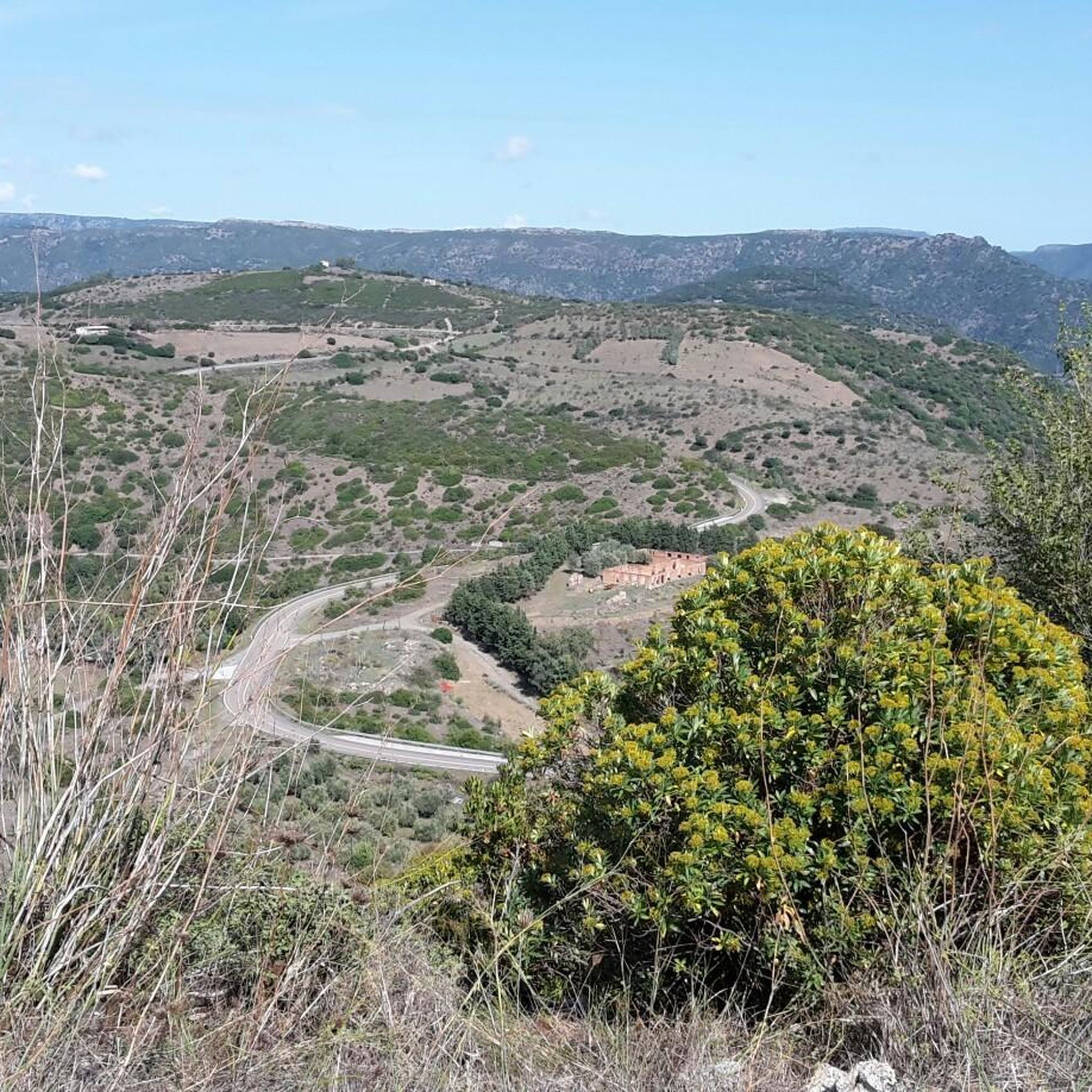
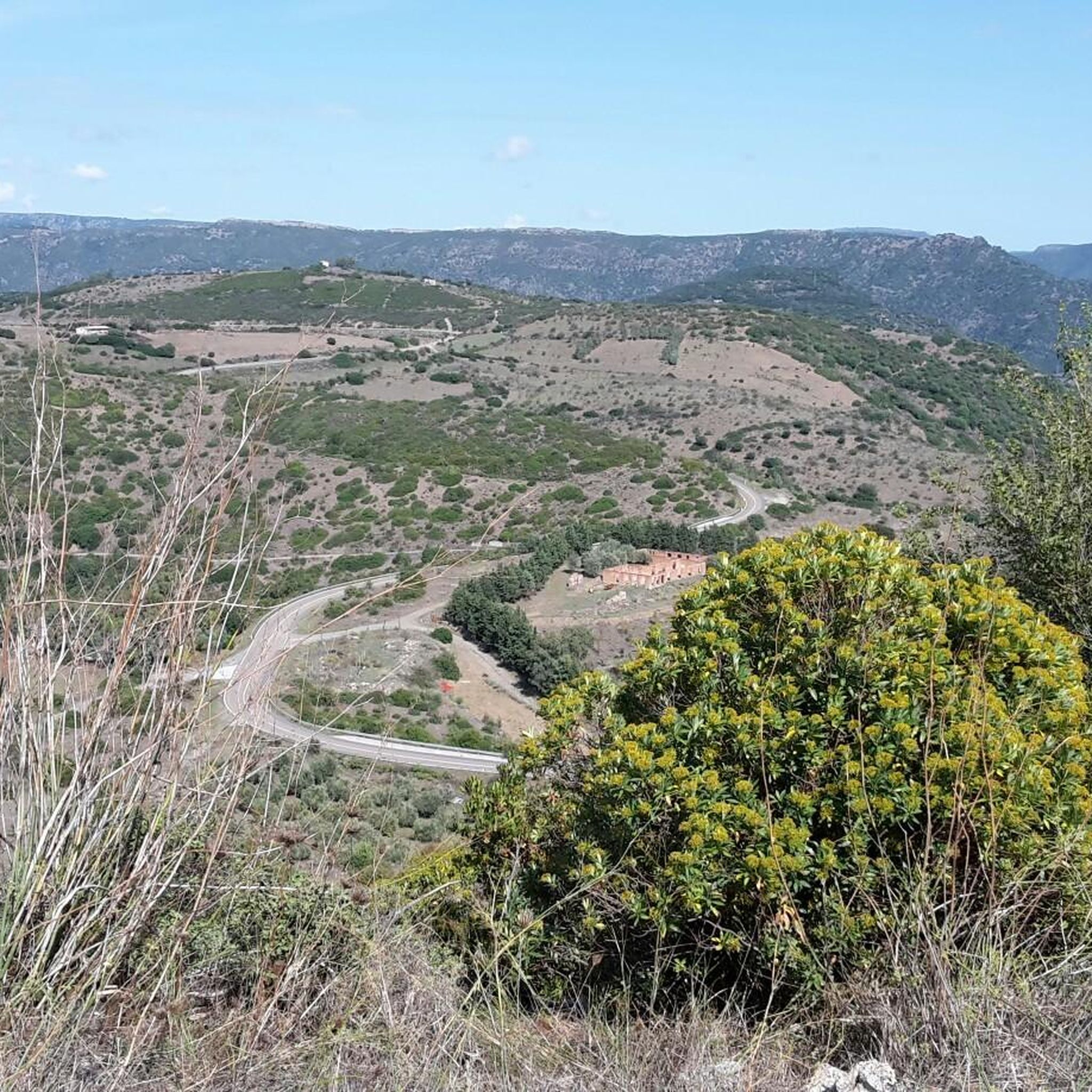
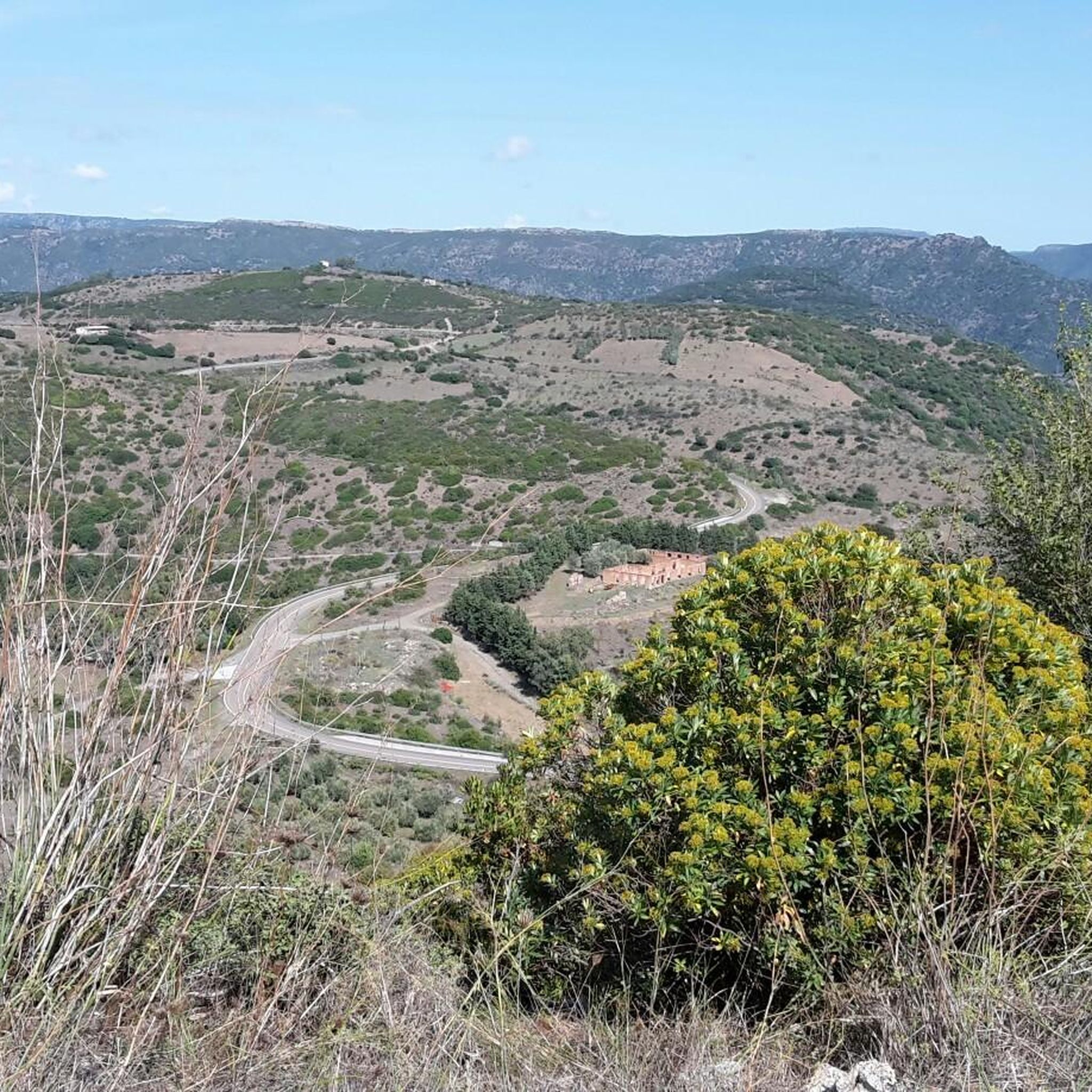
Secondary road that allows you to avoid the state road. The absence of vehicular traffic allows you to pedal with peace of mind and enjoy the surrounding landscape. If you follow it towards the south, at the end you will find the small church of San Nicola, a very suggestive place.
1
0

If done uphill it's a punch in the stomach, with gradients often close to or above double figures that last for the first 8 km of the segment. Wonderful landscapes, often against the wind. Once you reach the top, there are small climbs left which, compared to the one just completed, seem almost ridiculous. After a considerable descent, the last 4 km leading up to the military range are permeated by the smell of wild rosemary, which makes the uphill efforts more pleasant and bearable
3
0
Of the three present in Italy, the SRT is the most advanced and modern. It mainly carries out research in the scientific field, and to a lesser extent control tasks for space exploration and artificial satellite missions around the Earth.
2
0

The Church of San Nicola might seem like a simple little church, but it is one of the two Romanesque churches in Sardinia built entirely of terracotta bricks. It was built between the 12th and 13th centuries. From here you can see the Castello di Quirra, which dates back to the same period. The road that leads to the church, despite being paved, offers suggestive panoramas and is often not very busy.
2
0

Almost no cars, good asphalt and amazing views!
0
0

Country town inhabited by less than a thousand people. Not far from here is the Su Suergiu mine, since it was abandoned in the 80s the town has gradually become depopulated. There is a cart used to transport minerals still on display in the town centre.
0
0
Frequently Asked Questions
What historical sites can I explore in Armungia and its surroundings?
Armungia is rich in history, featuring the impressive Nuraghe Armungia right in the village, a rare example of a nuraghe integrated into an inhabited center. You can also visit the 16th-century Church of the Immaculate Conception and the Romanesque San Nicola Quirra Church, unique for being built entirely of terracotta bricks. Further afield, explore the ancient Necropolis of Pranu Muttedu in Goni or the significant Nuraghe Arrubiu in Orroli.
Are there any museums or cultural centers in Armungia?
Yes, Armungia offers an 'open-air' museum system. This includes the Museo Storico Emilio e Joyce Lussu, dedicated to the prominent Italian figure Emilio Lussu, and the Museo Etnografico "Sa Domu de is Ainas", which showcases local material culture. You can also visit the historic Bottega del Fabbro (Blacksmith's Workshop) and Emilio Lussu's birthplace, all part of the village's cultural itinerary.
What natural attractions can I find around Armungia?
The region is characterized by the picturesque Flumendosa River Valley, offering beautiful panoramic views from spots like Cilixiucci. The area borders Park Sette Fratelli, providing lush natural landscapes. You can also explore unique geological features like the Altopiano di S'Ilixi Durci and Sa Perda Lada, a sandstone plateau with impressive natural monuments formed by erosion.
What kind of outdoor activities can I do near Armungia?
The area around Armungia is excellent for outdoor enthusiasts. You can find numerous hiking trails, including the historic "Sentiero dei Minatori" (Miners' Path). Cycling is also popular, with routes like the Scenic Secondary Road to Chiesetta di San Nicola offering peaceful rides away from traffic. For more challenging adventures, consider the Ex-Military Provincial Road of the Salto di Quirra, known for its gradients and panoramic views. You can find various cycling routes, including touring, road cycling, and mountain biking, in the komoot guides for Cycling around Armùngia/Armungia, Road Cycling Routes around Armùngia/Armungia, and MTB Trails around Armùngia/Armungia.
Are there any family-friendly attractions in Armungia?
Families can enjoy exploring the historical sites, such as the Nuraghe Armungia, which offers a glimpse into ancient history. The San Nicola Quirra Church is also considered family-friendly. The ethnographic museum, "Sa Domu de is Ainas," provides an engaging look at local life and culture. Additionally, the village's historic quarters with their stone houses and lively squares offer a pleasant environment for a family stroll.
What is the best time to visit Armungia for outdoor activities?
The region's Mediterranean climate generally makes spring and autumn ideal for outdoor activities, with pleasant temperatures for hiking and cycling. Summers can be hot, but the natural landscapes, especially near the Flumendosa River and Park Sette Fratelli, still offer opportunities for exploration, particularly in the mornings or late afternoons.
What unique man-made structures can I see in the area?
Beyond ancient ruins, you can visit the Sardinia Radio Telescope, a highly sophisticated instrument used for scientific research and satellite observation, one of only three in Italy. Another interesting site is the Mining Cart in Villasalto, a remnant of the area's industrial past, displayed in the town center.
Can I explore abandoned mines near Armungia?
Yes, the area has several abandoned mines that offer an interesting look into industrial archaeology. The ruins of the Sa Lilla Mine, which was active in the 19th and 20th centuries for galena and blende extraction, are particularly notable and provide a unique historical perspective on the region's past industries.
What do visitors particularly enjoy about the attractions near Armungia?
Visitors appreciate the blend of historical, cultural, and natural attractions. Many enjoy the peaceful cycling experience on roads like the Scenic Secondary Road to Chiesetta di San Nicola, which offers beautiful landscapes without heavy traffic. The challenging trails with wonderful panoramic views, such as the Ex-Military Provincial Road of the Salto di Quirra, are also highly rated for their scenic beauty and rewarding effort.
Are there any ancient tombs or burial sites in the Armungia region?
Yes, the region is home to several significant ancient burial sites. You can visit the Tombe a circolo in località S'Ilixi Durci, which are circular tombs dating back to the Copper Age (3rd millennium B.C.), marked by standing stones. These represent some of the oldest archaeological evidence in the Armungia territory, offering a fascinating glimpse into prehistoric cultures.
What are the characteristics of Armungia's village architecture?
Armungia's historic quarters, known as "bixinaus," showcase traditional agro-pastoral architecture. You'll find modest houses built with schist blocks, often featuring traditional ovens and courtyards. The village also has lively squares like the Square of the Old Town Hall (Pratz'e s'Ofitziu), the Well Square (Pratz'e Funtana), and Pratz'e Cresia, which reflect its historical character.
Most popular routes around Armùngia/Armungia
Most popular attractions around Armùngia/Armungia

Get inspired with the komoot mobile app


Explore more
Still not found the Highlight you’re looking for? See guides of the top attractions in other regions:
