The best road cycling routes around Biddaramosa/Vallermosa
4.2
(9)
505
riders
30
rides
Road cycling routes around Biddaramosa/Vallermosa navigate a landscape characterized by varied terrain, including historical sites and areas with notable elevation changes. The region offers a mix of routes that traverse both open countryside and more developed areas, providing diverse cycling experiences. Road cyclists can expect to encounter a blend of rolling hills and flatter sections, suitable for different skill levels.
Best road cycling routes around Biddaramosa/Vallermosa
- The most popular road cycling route is Acquafredda Castle Loop, a 28.8 miles…
Last updated: July 8, 2026
5.0
(1)
15
riders
46.4km
01:52
240m
240m
Embark on an easy road cycling adventure with the Acquafredda Castle Loop, a route designed for a relaxed pace. You will cover 28.8 miles (46.4 km) with a gentle elevation…
22
riders
61.8km
02:40
530m
540m
Moderate road ride. Good fitness required. Mostly well-paved surfaces and easy to ride.

Sign up for free
3.0
(1)
21
riders
52.1km
02:13
350m
350m
Moderate road ride. Good fitness required. Mostly well-paved surfaces and easy to ride.
5.0
(2)
11
riders
45.1km
02:06
320m
320m
Moderate road ride. Good fitness required. Some segments of this route may be unpaved and difficult to ride.
7
riders
Easy road ride. Great for any fitness level. Mostly well-paved surfaces and easy to ride.
Get access to more routes and recommendations from other explorers.
Sign up for free
Already have an account?
Our route recommendations are based on thousands of hikes, rides, and runs completed by other people on komoot.
Start today with a free account
Your next adventure awaits.
Login or Signup
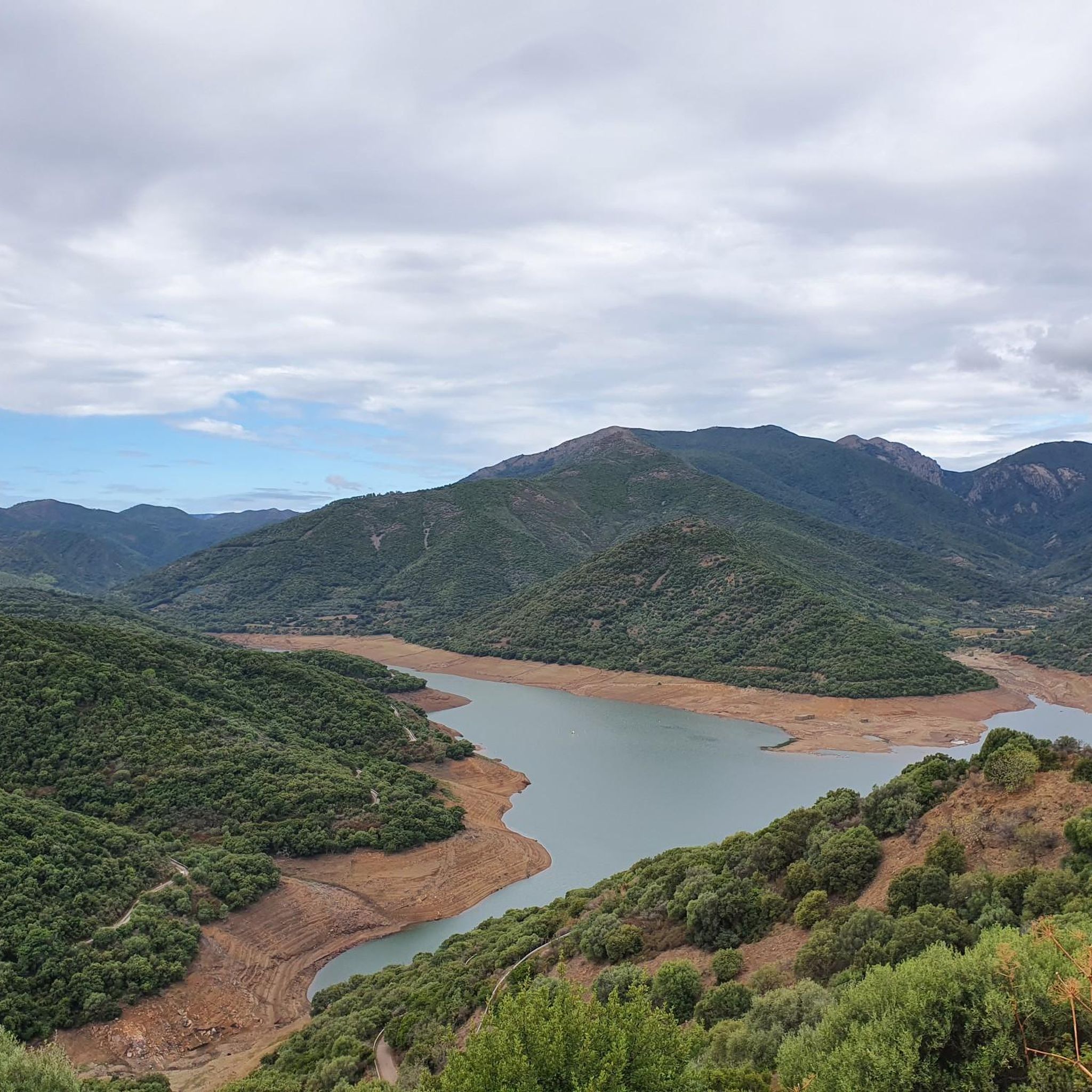
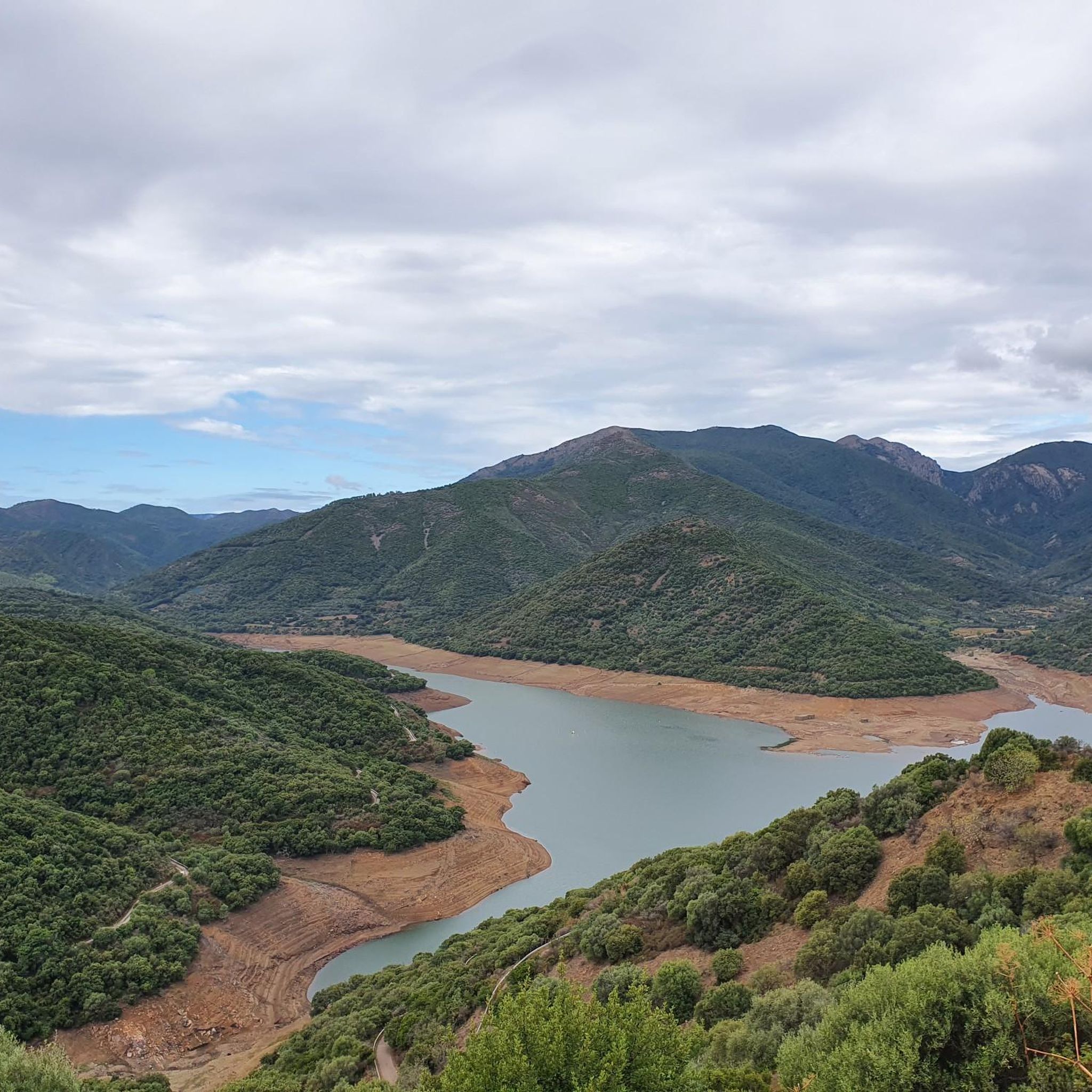
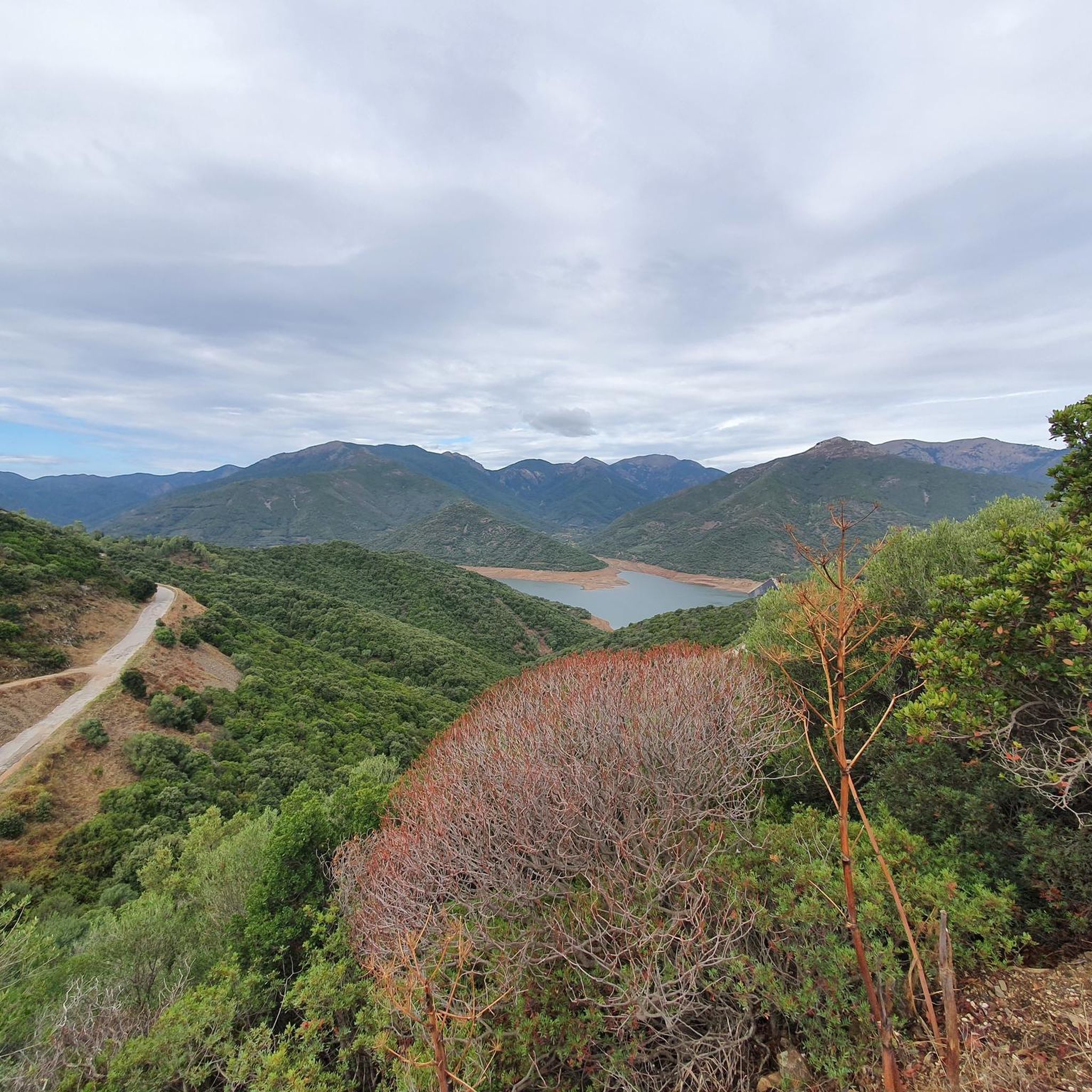
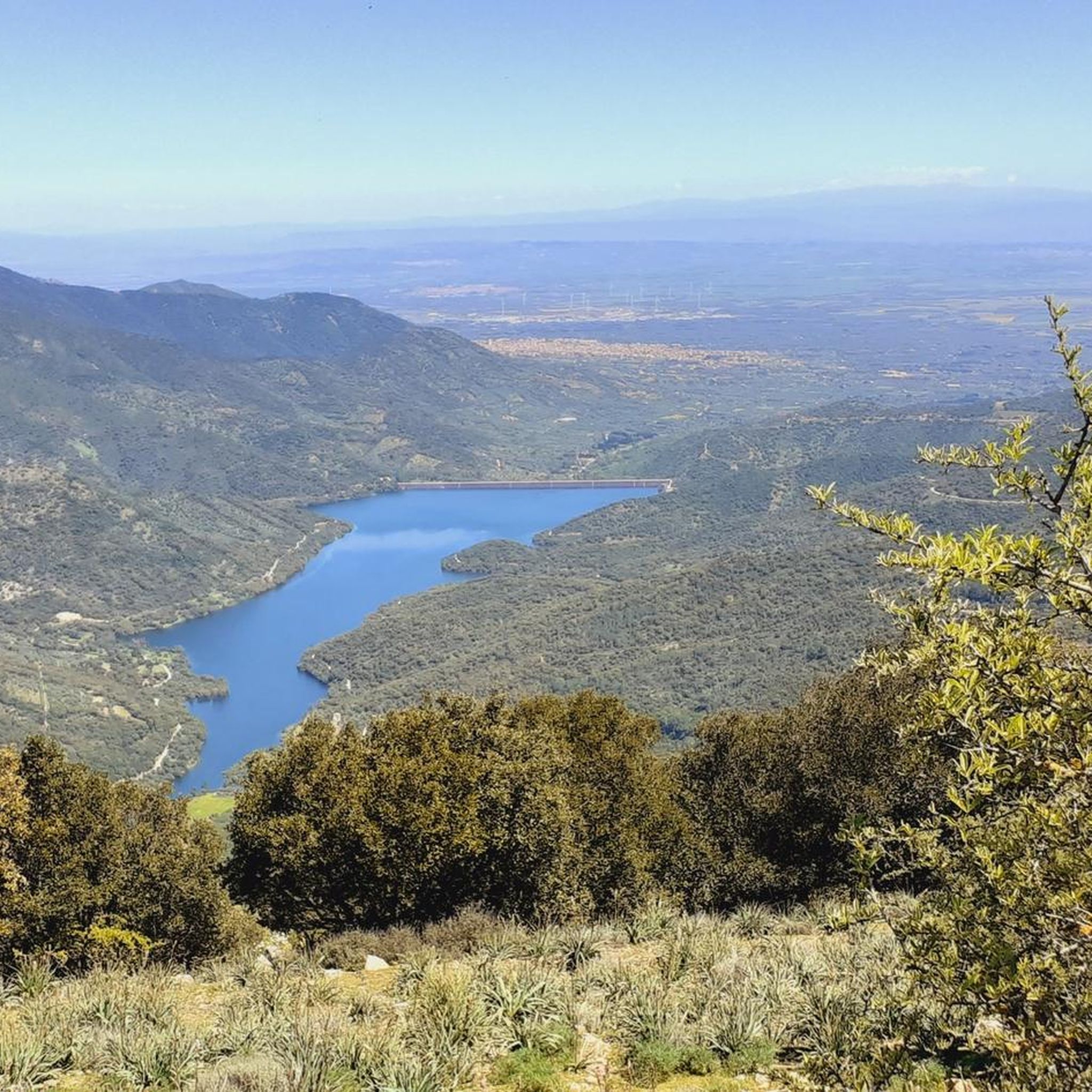

Tips from the Community


The evocative Grotta di San Giovanni is a geological and archaeological treasure, as well as the longest vehicle-accessible cave in the world. The cave is accessible from two sides, but the ticket office and information point are located at the main, southern entrance. Entrance is permitted only during cave opening hours. Ticket prices vary depending on the type of visit. You can find all the latest information on the website: https://www.grottasangiovanni.com/.
1
0

According to legend, the Acquafredda Castle was built by the Gherardesca family, Counts of Donoratico, when they acquired southeastern Sardinia. In fact, in 1257, the fortress came into the possession of Ugolino of Donoratico, lord of the Cagliarani territory, immortalized by Dante in Canto 23 of the Inferno. However, the castle is older, as it is already mentioned in a papal bull of 1215. After Ugolino's death (1288), it passed into the possession of Pisa, then to the Aragonese (1324), and subsequently to several feudal lords until it was redeemed by Victor Amadeus III (1785). From the top of a mountain, the castle dominates the territory of Siliqua, four kilometers away. Climbing its slopes, the view sweeps from the green valley of the Cixerri to Cagliari, from the Marmilla to the Iglesias area. At dawn and dusk, their shadows extend across the valley.
4
0
Iglesiente, the region at the center of the Sardinian mining epic and of which it is the capital, derives its name. It has a population of 27,000 and is the episcopal see and heir to the ancient diocese of Sulcis. Iglesias means "churches" in Spanish. It is no coincidence that in a city with a glorious past, especially under Catalan-Aragonese rule (when it was a royal city), the celebrations surrounding the Good Friday customs stand out, recalling Spanish customs in form and color. The mystery processions on Holy Tuesday and Holy Friday are particularly impressive. Among the churches, the Cathedral of Santa Chiara (dating back to the 13th century), the churches of Madonna delle Grazie, Del Collegio, a Jesuit temple, and San Francesco, one of Sardinia's best-preserved and most important buildings in the Gothic-Catalan style, which houses an altarpiece dating back to 1560, are particularly worth seeing.
0
0
With approximately 14,000 inhabitants, Villacidro is one of the main towns in the Medio Campidano region and is located at the foot of the Monte Linas massif, in a green valley surrounded by hills and streams. The town is known for its olive oil, citrus fruits, and cherries, as well as for its strong artisanal and gastronomic traditions. In the historic center, you'll find shops, bars, restaurants, and various accommodation options. Nearby, the Sa Spendula waterfall, one of the town's symbols, and the Canale Serci mine, where tin was mined as far back as the Nuragic era, are worth a visit.
1
0
At the foot of the Monte Linas massif, the town of Gonnosfanadiga lies at the transition between the Medio Campidano plain and the first hills of southwestern Sardinia. The area preserves numerous archaeological remains, including nuraghi and Giants' Tombs, such as that of San Cosimo, among the largest on the island. The town, with a population of approximately 6,000, is closely linked to agriculture and craftsmanship: local knives, honey, wine, and oil are famous. Strolling through the town center, you'll notice the centuries-old wells that once served wayfarers and still serve as meeting points for the community. The town has shops, bars, and restaurants, and throughout the year, festivals dedicated to bread, olives, and oil are held.
1
0
The Montevecchio Mine is one of the most representative sites of Sardinian industrial archaeology and is part of the UNESCO-recognized Geo-mining Historical and Environmental Park of Sardinia. Mining operations, which began in 1848 and ended in 1991, made Montevecchio one of Europe's most important mining centers for lead and zinc production. The complex preserves washeries, shafts, workshops, warehouses, miners' quarters, and the management building with the adjoining church of Santa Barbara. Today, several guided tours are available that illustrate daily life in the mines and the technological evolution of the mining industry. Tours can be booked online at http://www.minieramontevecchio.it/ or at the Geo-mining Park information points.
0
0

A great museum to learn about the mining history of Iglesias. There is a large collection of minerals as well as different tools used in mining production.
0
0
Frequently Asked Questions
How many road cycling routes are available in the Biddaramosa/Vallermosa region?
The Biddaramosa/Vallermosa region offers nearly 30 distinct road cycling routes, catering to various skill levels and preferences. These routes navigate a landscape characterized by varied terrain, including historical sites and areas with notable elevation changes.
What types of road cycling routes can I find in Biddaramosa/Vallermosa?
You'll find a diverse range of road cycling routes in Biddaramosa/Vallermosa. There are 7 easy routes, 17 moderate routes, and 5 challenging routes, ensuring options for cyclists of all abilities. The terrain includes both rolling hills and flatter sections, often passing through historical sites and former mining areas.
Are there any easy road cycling routes suitable for beginners in Biddaramosa/Vallermosa?
Yes, Biddaramosa/Vallermosa features 7 easy road cycling routes. An excellent option is the Acquafredda Castle Loop, which is 28.8 miles (46.4 km) long and offers views of historical landmarks with minimal elevation gain.
Which road cycling routes offer a more challenging experience in Biddaramosa/Vallermosa?
For experienced cyclists seeking a challenge, there are 5 difficult routes in the region. One such route is the Montevecchio – Gonnosfanadiga loop from Biddacidru/Villacidro, a 38.9 miles (62.7 km) trail with significant elevation changes, often completed in about 3 hours 5 minutes.
Are there any circular road cycling routes in Biddaramosa/Vallermosa?
Yes, many of the road cycling routes in Biddaramosa/Vallermosa are designed as loops. Examples include the popular Acquafredda Castle Loop, the Montevecchio Mines – Montevecchio Mines loop from Biddacidru/Villacidro, and the Montevecchio – Gonnosfanadiga loop from Biddacidru/Villacidro, providing convenient starting and ending points.
What historical sites or landmarks can I see along the road cycling routes?
The road cycling routes in Biddaramosa/Vallermosa often pass by significant historical sites. You can explore areas like the former Montevecchio Mines, which are featured on routes such as the Montevecchio Mines – Montevecchio Mines loop from Biddacidru/Villacidro. The Acquafredda Castle Loop also offers views of historical landmarks.
Are there any natural attractions or viewpoints along the road cycling routes?
While primarily focused on road cycling, some routes may offer glimpses of the region's natural beauty. Nearby attractions include the San Giovanni Cave and the stunning Piscina Irgas Waterfall. The region's varied terrain itself provides scenic views of the countryside.
What do other road cyclists say about the routes in Biddaramosa/Vallermosa?
The road cycling routes in Biddaramosa/Vallermosa are highly regarded by the komoot community, with an average rating of 4.0 stars from over 5 reviews. Cyclists often praise the blend of historical sites, varied elevation profiles, and the well-maintained network of routes that connect local towns and natural areas.
What is the typical duration for road cycling routes in this region?
The duration of road cycling routes in Biddaramosa/Vallermosa varies significantly based on distance and difficulty. For instance, the Acquafredda Castle Loop typically takes around 1 hour 52 minutes, while more challenging routes like the Montevecchio – Gonnosfanadiga loop from Biddacidru/Villacidro can take approximately 3 hours 5 minutes.
Are there any routes that explore the mining history of the area?
Yes, the region's rich mining history is a prominent feature of several routes. The Montevecchio Mines – Montevecchio Mines loop from Biddacidru/Villacidro is a moderate 38.4 miles (61.8 km) path specifically designed to explore the historical mining landscapes of the area.
Can I find routes that connect different towns in the Biddaramosa/Vallermosa area?
Absolutely. Many routes are designed to connect local towns, offering a great way to experience the regional culture and landscapes. An example is the Montevecchio – Gonnosfanadiga loop from Biddacidru/Villacidro, which leads through varied countryside connecting these communities.
Most popular routes around Biddaramosa/Vallermosa
Most popular attractions around Biddaramosa/Vallermosa

Get inspired with the komoot mobile app


Explore more
Browse the best Road cycling routes in other regions.
