Attractions and Places To See around Teora - Top 20
Attractions and places to see around Teora offer a blend of historical landmarks, cultural sites, and natural features in the province of Avellino, Campania. The town provides insights into local traditions and history through its notable sites. Visitors can explore religious buildings, ancient fountains, and natural elements like the Ofanto River. The area also hosts various cultural events throughout the year.
Best attractions and places to see around Teora
- The most popular attractions is Trailhead to Madonna del Fiume and…
Last updated: June 24, 2026
Monte Cervialto
Highlight • Summit
Translated by Google •
Tip by

The rock church of Madonna del Fiume
Highlight • Religious Site
Located inside a karst cave, which can be accessed …
Translated by Google •
Tip by

Sign up now to discover places like this
Get recommendations on the best single tracks, peaks, & plenty of other exciting outdoor places.
Sign up for free
Abbey of Goleto
Highlight • Religious Site
it was built at the behest of San Guglielmo da Vercelli in 1133.
Translated by Google •
Tip by

The Bard'natore Waterfall
Highlight • Waterfall
Translated by Google •
Tip by
Trailhead to Madonna del Fiume and Bard’natore Waterfalls
Highlight • Trail
Trekking clothes and sturdy shoes to reach the waterfall.
infoirpinia.it/santuario-della-madonna-del-fiume-calabritto-percorso-trekking
Translated by Google •
Tip by
Sign up for free to discover even more attractions around Teora.
Sign up for free
Already have an account?
Start today with a free account
Your next adventure awaits.
Login or Signup
Tips from the Community

Cervialto represents the highest peak of the Picentini mountains and is the fourth highest peak in Campania after La Gallinola in Matese (1923 meters), Cervati (1899 meters) and Mutria (1823 meters), as well as the largest in the province of Avellino. The mountain extends between the municipalities of Calabritto and Bagnoli Irpino. The summit is the border point between the two municipalities. The characteristic summit sinkhole between the summit and the sub-peak falls within the municipality of Bagnoli Irpino (IGM 1:25,000). Cervialto is known above all thanks to its proximity to the Laceno plateau (Laceno lake), a well-known tourist destination, from which it is 3.6 km away. Cervialto is surrounded by Mount Rajamagra (1,667 m) where there are ski lifts, by Mount Cervarolo, by Mount Piscacca or Magnone, by Montagnone di Nusco, by Cervarulo, by Calvello and, on the Salernitano side, by the Polveracchio massif. The Colle del Leone, the Ripe del Moggio, the Montagna Grande and the Colle del Sagrestano form the backdrop to the series of "high mountains". On one of the peaks, there is the radio station of the Firefighters of the Lioni section. ... https://it.wikipedia.org/wiki/Monte_Cervialto
1
0
Some useful information: infoirpinia.it/santuario-della-madonna-del-fiume-calabritto-percorso-trekking
3
0
some useful information: infoirpinia.it/santuario-della-madonna-del-fiume-calabritto-percorso-trekking
2
0
Some information: infoirpinia.it/santuario-della-madonna-del-fiume-calabritto-percorso-trekking
3
0

It can be reached either from Ofantina, from the Sant'Angelo - Industrial Area junction there is a fast-flowing road, or from the state road that connects Lioni to Sant'Angelo or Torella d.L. If you choose, coming from Lioni, the junction for Nusco-Bagnoli (turn left immediately before the petrol station) there are roads with little traffic and with the scenic complex of the Picentini mountains on the left.
0
0
A place out of time, an oasis of peace as the sign in the internal entrance says ("respect this place of peace". Entering it by bike, silent and discreet, is a gesture of respect in the wake of the pilgrims on the path of San Guglielmo, patron saint of Irpinia.
0
0

start
0
1

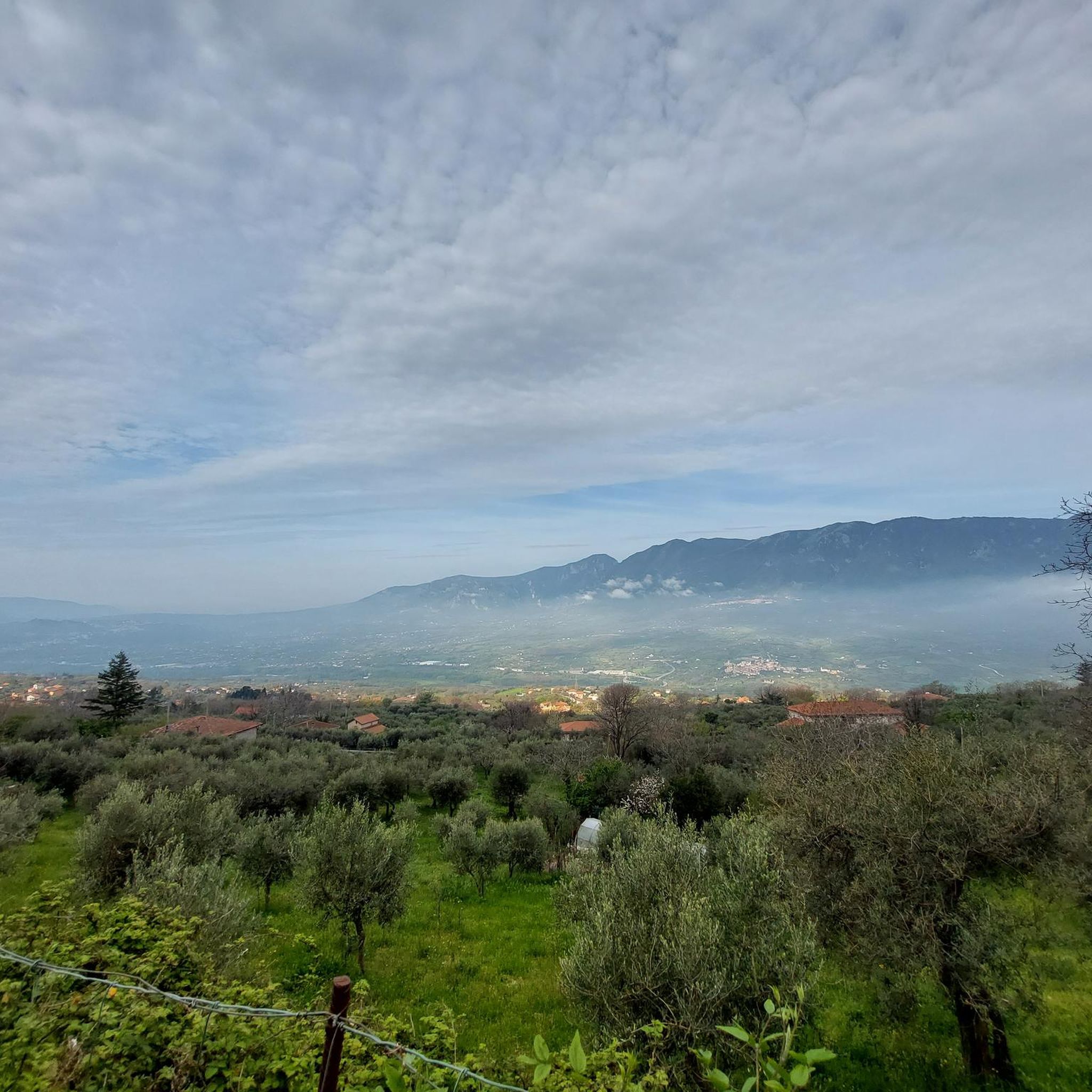
Monte Cervialto with its 1809 m above sea level is the highest peak in the Picentini area. From the summit you can enjoy a spectacular panorama from the Tyrrhenian Sea to the peaks of the Lattari Mountains, from the Amalfi Coast to the Alburni Mountains, from the top of Monte Cervati in Cilento to the other peaks of the Picentini.
5
0
Frequently Asked Questions
What natural attractions can I explore around Teora?
Teora offers several natural highlights. You can visit The Bard'natore Waterfall, a beautiful natural monument with five jumps, accessible via a nature trail. The Monte Cervialto, the highest peak in the Picentini area, offers spectacular panoramic views. The Ofanto River also crosses through the municipality of Teora, providing a natural feature to explore.
Are there any historical or cultural landmarks to visit in Teora?
Yes, Teora is rich in history. You can see the historic 12th-century Fountain of Monte, also known as the 'Fountain of the Dead Men,' and the Corona Flour Mill, an 18th-century water mill. The Stone of the Civil Weddings in Piazza Congrega is another unique historical site. The Abbey of Goleto, a monastic citadel built in 1133, is a significant historical and religious site nearby.
What kind of hiking trails are available near Teora?
The area around Teora offers various hiking opportunities. You can start at the Trailhead to Madonna del Fiume and Bard’natore Waterfalls, which leads to the rock church and waterfall. For more options, explore the Hiking around Teora guide, which includes trails like the Madonna del Fiume Trail and the Tuorno Waterfall Trail.
Are there any family-friendly activities or attractions in the area?
While specific family-friendly activities are not detailed for Teora itself, the Abbey of Goleto is noted as a family-friendly historical site. Gentle walks along the Ofanto River or exploring the town's historic fountains can also be suitable for families.
What cultural events or traditions are unique to Teora?
Teora is known for its vibrant traditions. The 'Squaqqualacchiun'' masque is associated with Saint Anthony's Day in January, marking the start of carnival. Other events include the Tomacelle Festival, the Feast of the Pesatura linked to the wheat harvest in July, and the Serenade Festival in August, celebrating the custom of serenading loved ones. The Vitiello family also maintains a tradition of elaborate nativity scenes.
Where can I find impressive viewpoints around Teora?
For breathtaking views, head to Monte Cervialto. From its summit, you can enjoy a spectacular panorama stretching from the Tyrrhenian Sea to the Lattari Mountains, the Amalfi Coast, and other peaks of the Picentini.
Are there any religious sites of interest near Teora?
Yes, Teora and its surroundings host several religious sites. The Church of Saint Nicholas, rebuilt after the 1980 earthquake, and the Church of San Vito, which withstood the same event, are within the town. A significant site is The rock church of Madonna del Fiume, a 17th-century church located inside a karst cave, which is a popular pilgrimage destination. The Abbey of Goleto is also a notable monastic complex.
What are some challenging outdoor activities near Teora?
For those seeking a challenge, the path to The rock church of Madonna del Fiume and The Bard'natore Waterfall is considered challenging, requiring trekking clothes and sturdy shoes. Hiking to the summit of Monte Cervialto is another intermediate to difficult activity. You can find more difficult hiking routes in the Hiking around Teora guide, such as the Monte Altillo trail.
Can I find routes for mountain biking or road cycling near Teora?
Absolutely. The region offers various cycling routes. For mountain biking, check the MTB Trails around Teora guide, which includes challenging loops like the Mefite of Valle d'Ansanto – Lake Conza. Road cyclists can explore the Road Cycling Routes around Teora guide, featuring routes like the Abbey of Goleto – Laceno Lake loop.
What do visitors enjoy the most about the attractions around Teora?
Visitors appreciate the blend of history, culture, and nature. The Abbey of Goleto is often described as an 'oasis of peace' and an 'incredibly suggestive place.' The natural trails leading to sites like The rock church of Madonna del Fiume are valued for offering moments of profound reflection and contemplation amidst nature.
What is the best time to visit Teora for outdoor activities?
While specific seasonal recommendations are not provided, many of Teora's cultural events, such as the Feast of the Pesatura and the Serenade Festival, take place in the summer months (July-August). Spring and early autumn would likely offer pleasant weather for hiking and exploring natural sites like the Bard'natore Waterfall and Monte Cervialto.
Are there any unique local traditions related to food or festivals?
Yes, Teora celebrates its culinary heritage. The Tomacelle Festival, typically held in January, is a food and wine event. In November, the Saint Martin's Pizza festival combines food, wine, and religious observance, featuring the traditional potato gâteau.
Most popular attractions around Teora

Get inspired with the komoot mobile app


Explore more
Still not found the Highlight you’re looking for? See guides of the top attractions in other regions:
