Attractions and Places To See around Capaccio Paestum - Top 20
Best attractions and places to see around Capaccio Paestum include ancient historical sites and natural landscapes. Located in the province of Salerno, Italy, the area is known for the ancient Greek city of Paestum, a UNESCO World Heritage Site. The region features extensive sandy beaches, pine forests, and serves as a northern entryway to the Cilento National Park. Visitors can explore historical landmarks and enjoy panoramic viewpoints.
Best attractions and places to see around Capaccio Paestum
- The most popular attractions…
Last updated: October 11, 2026
Temple of Hera, Paestum
Highlight • Historical Site
Translated by Google •
Tip by

Paestum: walk along Via Magna Grecia
Highlight (Segment) • Historical Site
Translated by Google •
Tip by

Sign up now to discover places like this
Get recommendations on the best single tracks, peaks, & plenty of other exciting outdoor places.
Section of Trail 700 with scenic viewpoints
Highlight (Segment) • Viewpoint
Translated by Google •
Tip by
Old village to discover
Highlight • Historical Site
fondoambiente.it/luoghi/villaggio-abbandonato-di-tresino?ldc
Translated by Google •
Tip by
The Terrace of Cilento
Highlight • Viewpoint
Translated by Google •
Tip by
Sign up for free to discover even more attractions around Capaccio Paestum.
Already have an account?
Start today with a free account
Your next adventure awaits.
Tips from the Community


It's worth a stop (especially in summer to break the heat) if you happen to be cycling through the area. Keep in mind that admission is free on the first Sunday of every month!
1
0

This terrace is unique in its kind, in reality it is a real panoramic route that starts from the flight of the Angel and ends in the lovers' belvedere. It is worth going all the way and choosing the most suitable bench to enjoy the landscape.
3
0

This application was made by @Reborn
4
1
Remains of an ancient village abandoned during the 18th century due to the greater development of nearby towns such as Castellabate and Agropoli. The church, the school, and various buildings used as homes, barns or stables can be recognized.
3
0
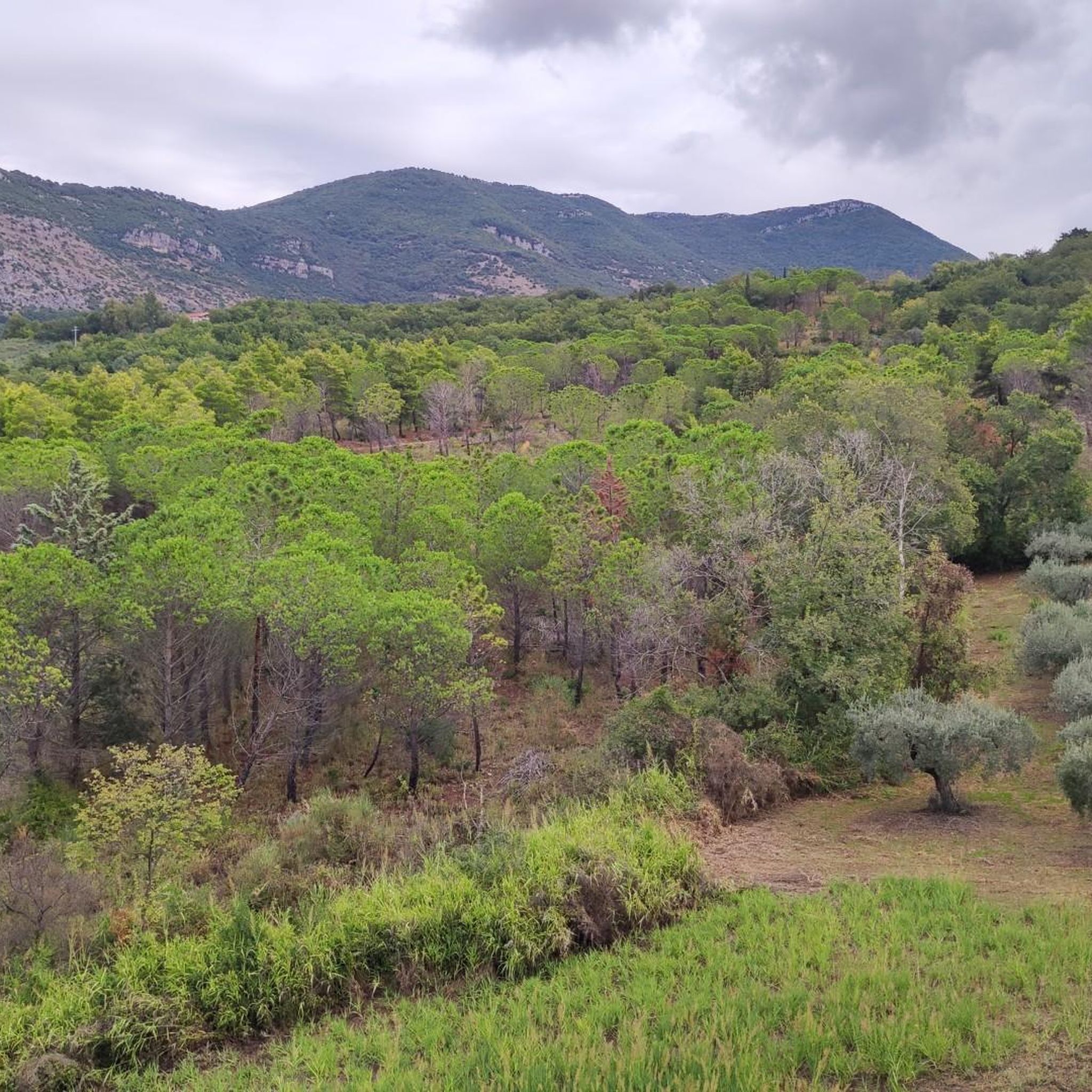
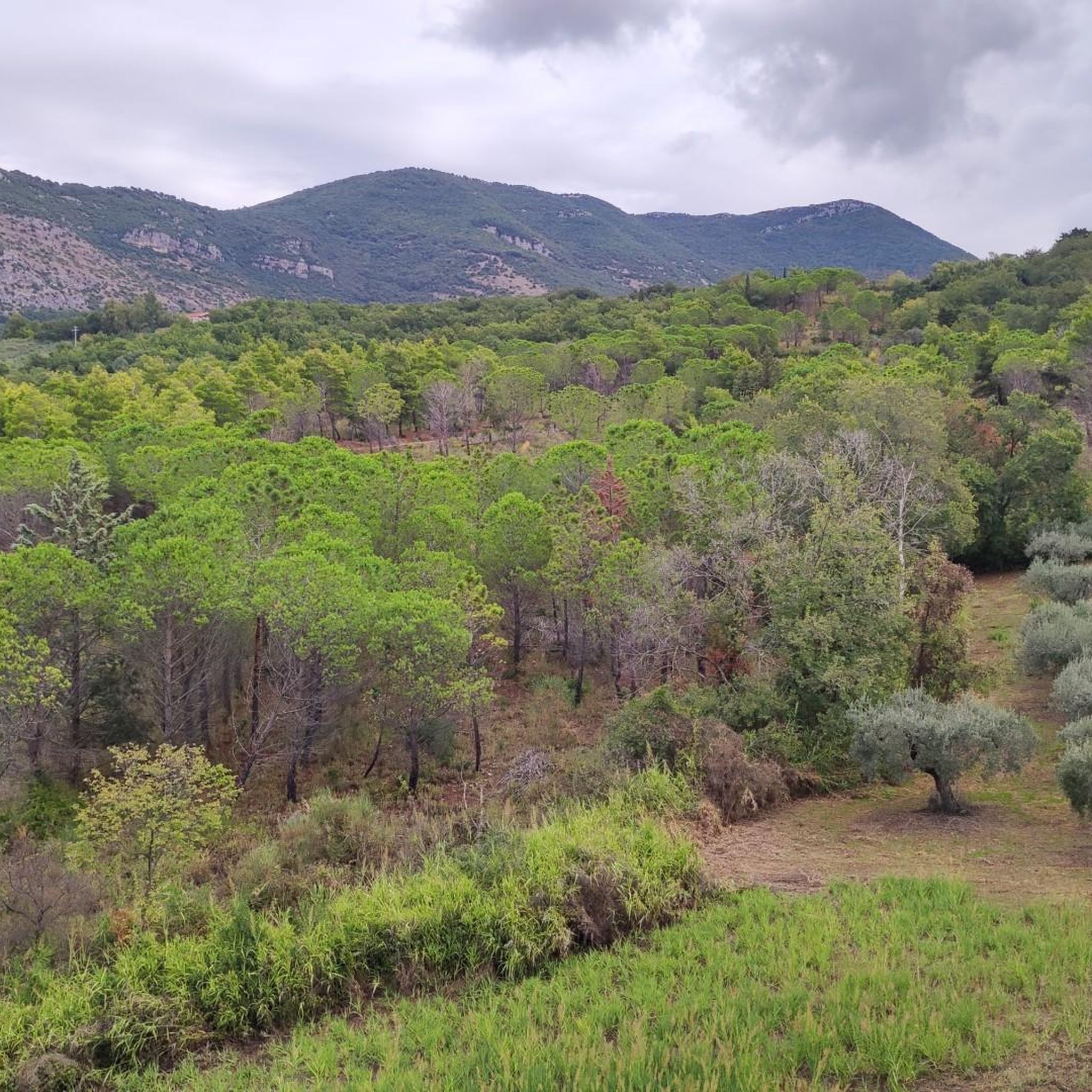
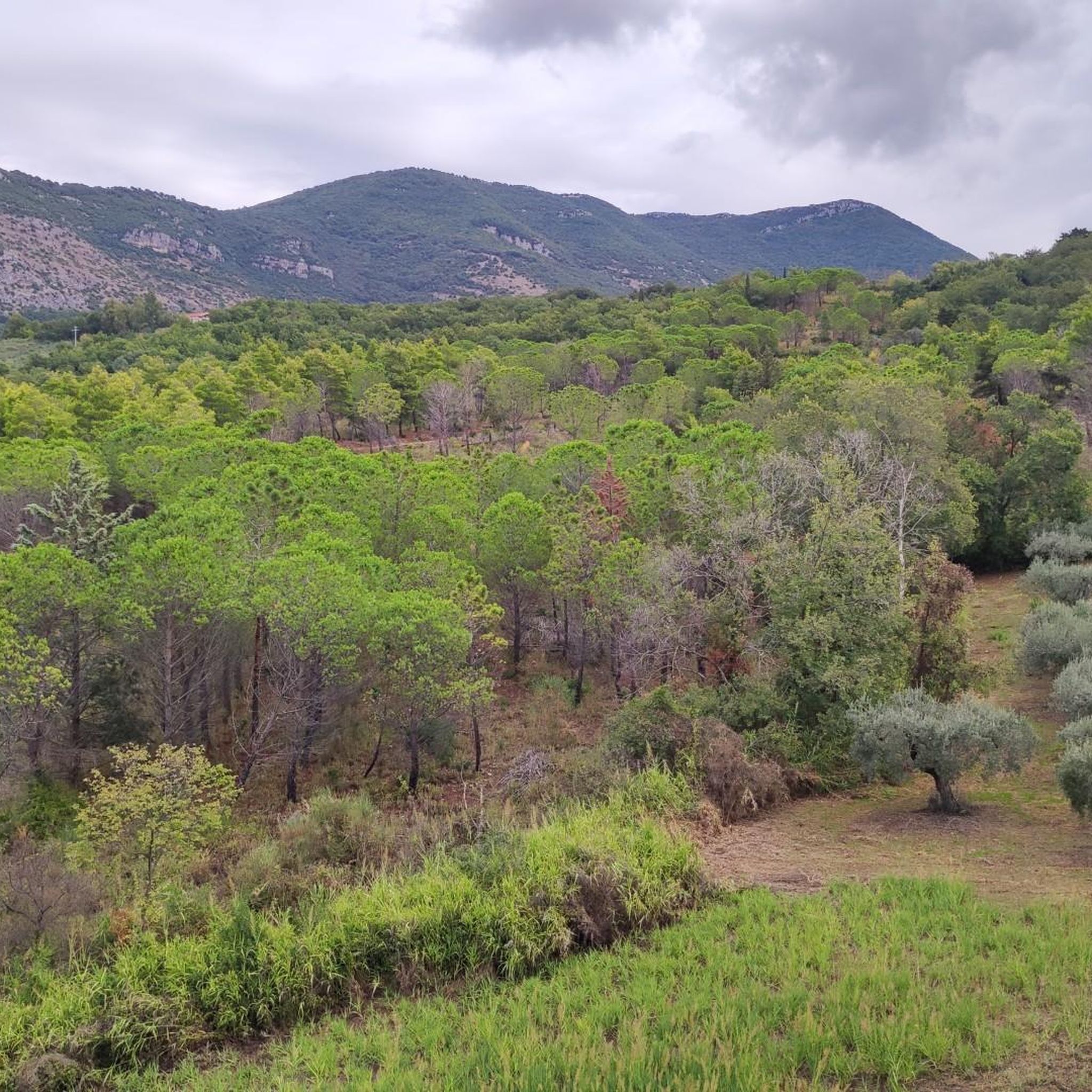
Path 700 starts from Trentova Bay, a pebble and sandy beach, and follows the ridge of Monte Tresino, a relief that offers breathtaking views of the Tyrrhenian Sea and the Cilento coast. From this stretch you can admire Punta Tresino.
2
0
In the archaeological park of Paestum it is possible to admire the remains of the ancient city of Magna Graecia called Poseidonia in honor of the God of the sea. The name Paestum was then given by the Romans in the III century. B.C. Today the archaeological site is distinguished by the perfect state of conservation of temples and monuments.
3
0
In a ring tour in the Trentova-Tresino area I wanted to include a path with a very captivating name: "La Panoramica". Along the downhill path from Mount Tresino to Punta Tresino, the views are actually beautiful, but the path in the final part, i.e. the last 200 meters, is almost overhanging, and is decidedly "dangerous" because it is very exposed, absolutely uncared for, with vegetation obstructing the step and unstable ground. It went well but objectively it wasn't for everyone. Trekking clothing is absolutely necessary, with sturdy shoes, gloves and sufficient mountaineering experience.
5
0
Frequently Asked Questions
What historical sites can I explore in Capaccio Paestum?
The most prominent historical site is the Archaeological Park of Paestum, a UNESCO World Heritage site. Here you can see remarkably well-preserved ancient Greek temples dedicated to Hera, Athena, and Poseidon. You can also explore the remains of the ancient city, including the amphitheater, agora, and forum. Don't miss the Temple of Hera, Paestum, the oldest surviving monument. Within the park, the National Archaeological Museum of Paestum houses significant finds, including the famous "Tomb of the Diver." Additionally, the Basilica Paleocristiana dell'Annunziata offers insight into the area's Christian history, and Old village to discover provides a glimpse into a past rural reality.
Where can I find natural beauty and beaches in the Capaccio Paestum area?
The Capaccio Paestum coastline boasts extensive lengths of fine sandy beaches, often separated from the road by thick pine forests, providing natural shade. The shallow, clear waters have frequently earned "Blue Flag" status. The region also serves as the northern entryway to the Cilento National Park, offering rich natural beauty and unspoiled seaside landscapes.
Are there good viewpoints to enjoy panoramic scenery in Capaccio Paestum?
Yes, for breathtaking views, visit The Terrace of Cilento. This panoramic route offers expansive views of the Piana del Sele, the archaeological excavations of Paestum, the Gulf of Salerno, the Amalfi Coast, and even the island of Capri on clear days. Capaccio Vecchia, located on a hill, also provides panoramic views over the plain of Paestum and the Gulf of Salerno.
What activities are suitable for families with children in Capaccio Paestum?
Families can enjoy exploring the Archaeological Park of Paestum, which offers an engaging historical experience. The extensive sandy beaches are perfect for relaxation and play. Visiting a local mozzarella di bufala factory can also be a fun and educational experience, with some offering tours and tastings.
Are there opportunities for hiking or walking near the attractions?
Yes, the area offers various walking and running routes. You can find several options, including loops around the Archaeological Park of Paestum and along the seafront. For more detailed routes and information, explore the Running Trails around Capaccio Paestum guide.
Can I go cycling in Capaccio Paestum?
Absolutely. Capaccio Paestum and its surroundings are well-suited for cycling. You can find both road cycling and mountain biking routes that take you through scenic landscapes, past historical sites, and along the coast. Check out the Road Cycling Routes around Capaccio Paestum guide and the MTB Trails around Capaccio Paestum guide for detailed tours.
What local food experiences should I try in Capaccio Paestum?
The region is famous for its high-quality buffalo mozzarella. You can visit numerous dairies ("caseifici") to buy fresh mozzarella and even observe its production, with some establishments offering guided tours and tastings. The area also produces good wines under the Paestum IGT designation, and some wineries offer tours and tastings.
When is the best time to visit Capaccio Paestum?
The best time to visit depends on your interests. For exploring the archaeological sites and enjoying outdoor activities like hiking and cycling, spring (April-May) and autumn (September-October) offer pleasant temperatures. If you plan to enjoy the beaches, the summer months (June-August) are ideal, though they can be busier.
What is Capaccio Vecchia and what does it offer?
Capaccio Vecchia is the administrative town of Capaccio, perched on a hill. It offers stunning panoramic views over the plain of Paestum and the Gulf of Salerno, extending to Capri on clear days. Visitors can enjoy a relaxing walk through its streets, discovering historical buildings such as the Church of St. Peter the Apostle and the Convento dei Frati Minori.
What is the significance of the National Archaeological Museum of Paestum?
Located within the Archaeological Park, the National Archaeological Museum of Paestum is crucial for understanding the ancient city's history. It houses significant finds from the excavations, including the archaic metopes of the Heraion del Sele, the unique Greek frescoes of the "Tomb of the Diver," and a collection of red-figured Paestan pottery. The museum's exhibits trace the history of the Greek, Lucanian, and Roman city.
Are there any less crowded natural spots or 'hidden gems' near Capaccio Paestum?
While the main attractions are popular, the extensive lengths of fine sandy beaches along the coastline, separated by thick pine forests, offer many spots for a more tranquil experience away from the busiest areas. Exploring the northern entry points to the Cilento National Park can also lead to less crowded natural beauty.
What kind of terrain can I expect for hiking in Capaccio Paestum and the surrounding area?
The terrain varies from flat paths within the Archaeological Park of Paestum to more challenging routes in the surrounding hills and the Cilento National Park. Some trails, like sections of Trail 700, can be quite rugged and exposed, requiring appropriate trekking gear and experience. Coastal walks offer a mix of sandy and rocky paths.
Most popular routes around Capaccio Paestum
Most popular attractions around Capaccio Paestum

Get inspired with the komoot mobile app


Explore more
Still not found the Highlight you’re looking for? See guides of the top attractions in other regions:
