The best mountain hikes around Pedemonte
4.7
(24)
166
hikers
14
hikes
Mountaineering routes Pedemonte are situated in the larger Piedmont region of Italy, characterized by its position "at the foot of the mountain" with the Alps and Apennines embracing the area. The terrain features significant elevation changes, encompassing deep valleys like the Susa Valley, extensive forests, and high alpine pastures leading to prominent peaks. This geographical setting provides a diverse environment for various mountaineering challenges.
Best mountaineering routes around Pedemonte
- The most popular mountaineering route is Valimpach Via Ferrata – Cliffside…
Last updated: October 8, 2026
4.3
(6)
30
hikers
6.70km
02:34
440m
440m
Moderate mountaineering route. Good fitness required. Easily-accessible paths. Suitable for all skill levels.
5.0
(3)
15
hikers
11.3km
05:58
910m
910m
Hard mountaineering route. Very good fitness required. Sure-footedness, sturdy shoes and alpine experience required.

5.0
(1)
12
hikers
Moderate mountaineering route. Good fitness required. Mostly accessible paths. Sure-footedness required.
5.0
(3)
16
hikers
11.4km
05:58
900m
900m
Hard mountaineering route. Very good fitness required. Sure-footedness, sturdy shoes and alpine experience required.
5.0
(4)
11
hikers
2.91km
01:40
280m
280m
Hard mountaineering route. Great for any fitness level. Sure-footedness, sturdy shoes and alpine experience required.
Get access to more routes and recommendations from other explorers.
Already have an account?
Our route recommendations are based on thousands of hikes, rides, and runs completed by other people on komoot.
Start today with a free account
Your next adventure awaits.
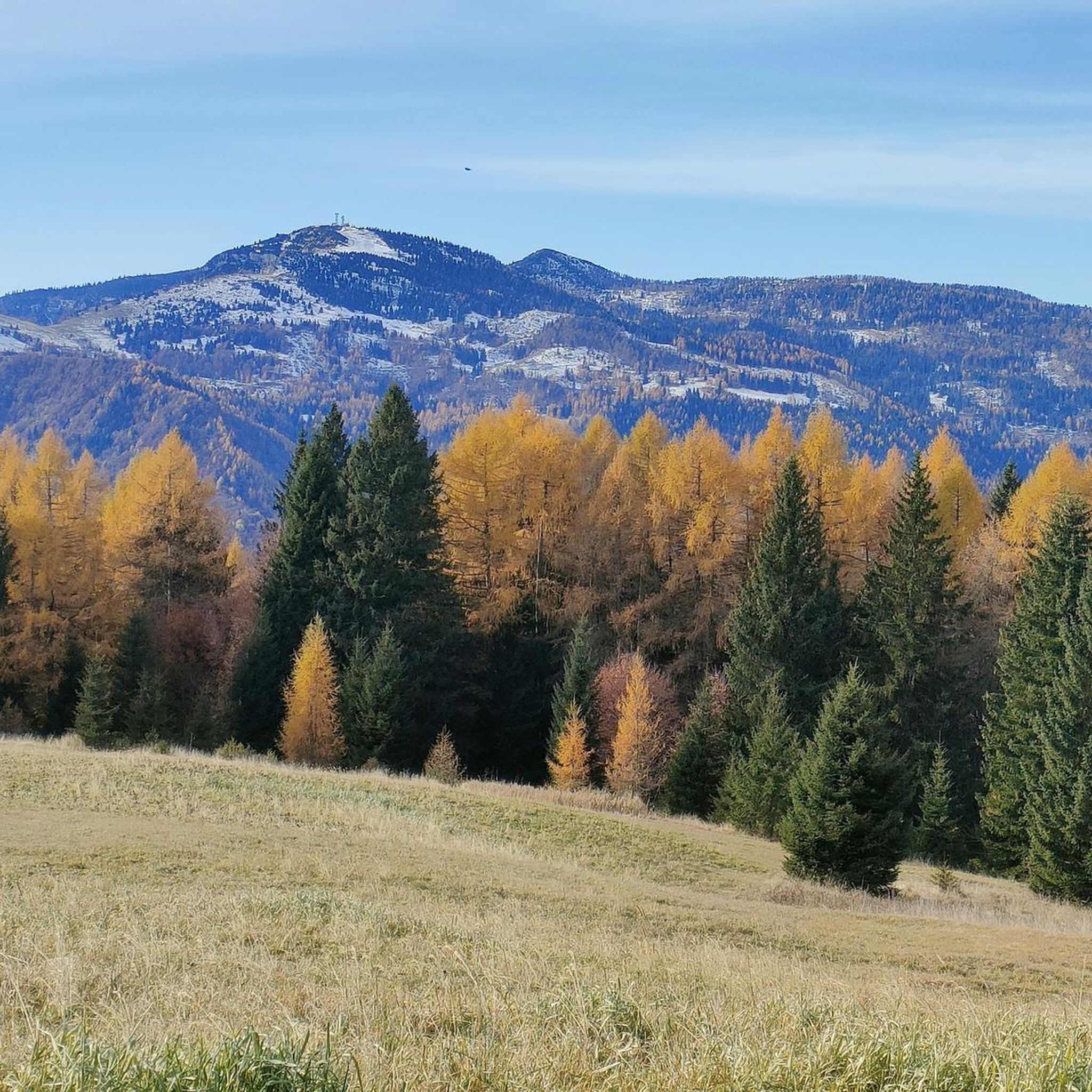
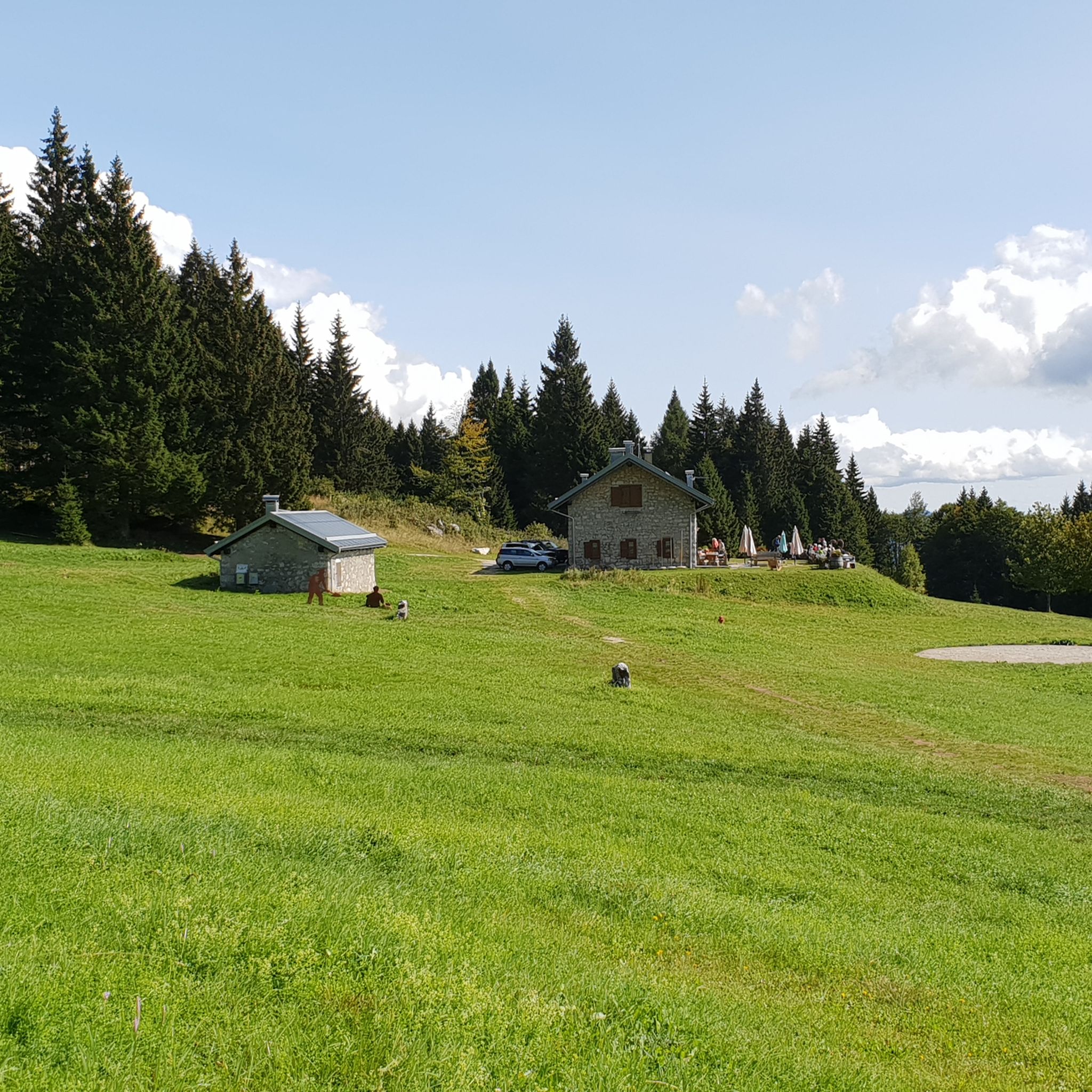
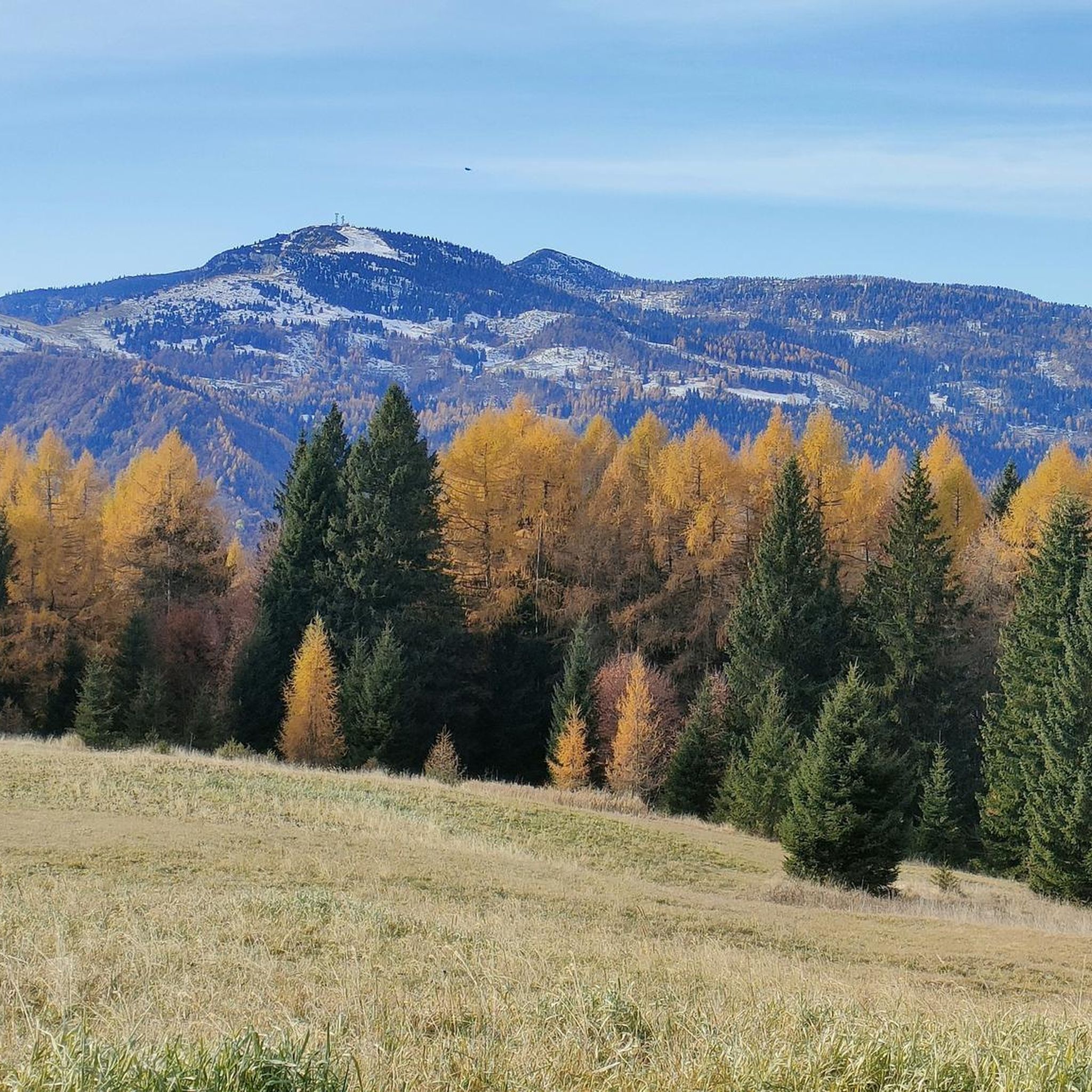
Tips from the Community

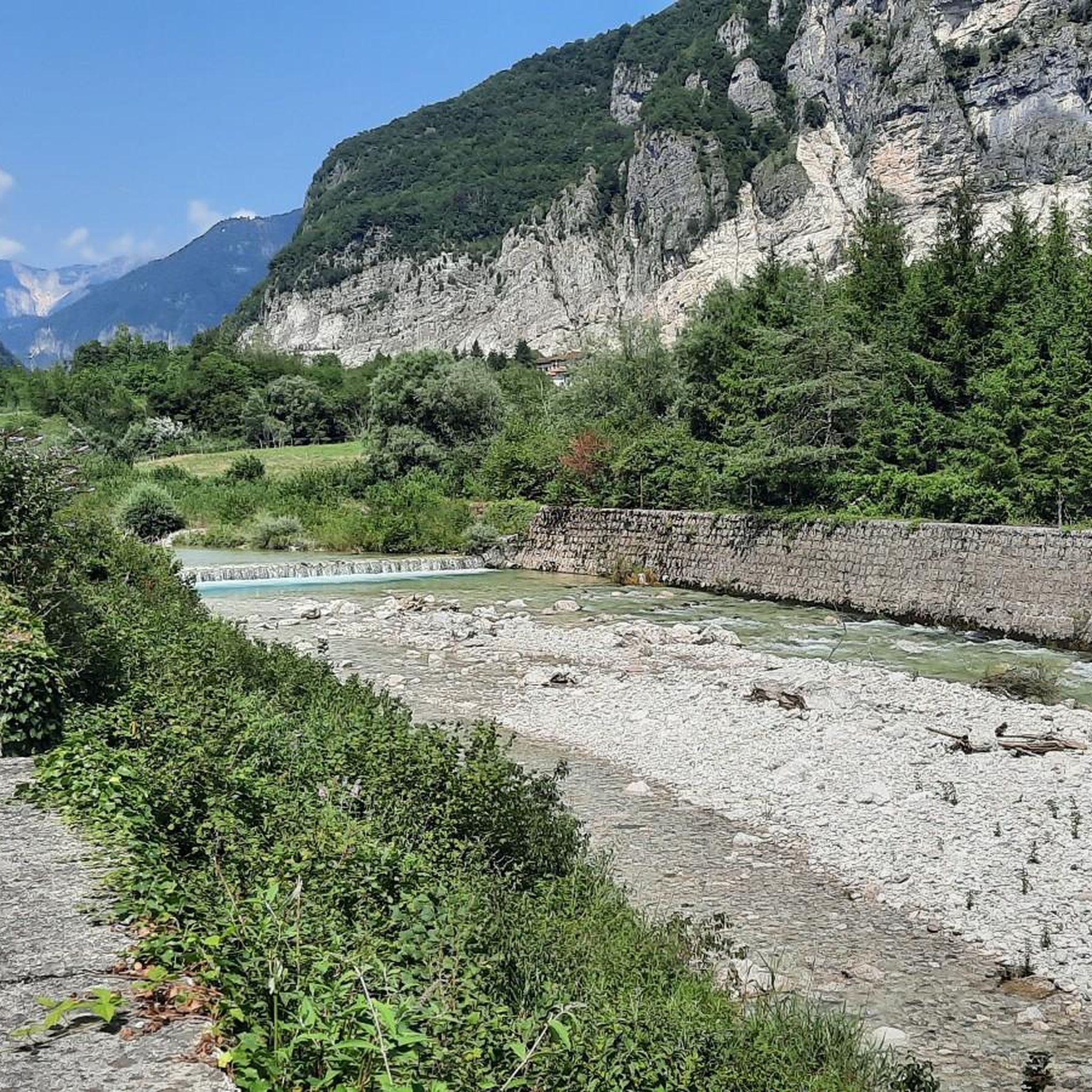
Today started from P3, cooling under the bushes and trees along the stream, little water at 1/8 but still small waterfalls to cool off under. The end offers beautiful rock formations and strangely several nudists!?
0
0

rideable up to halfway but then the lower part is completely unrideable. also pushing is rather dangerous. Should really only be ridden by full pros.
0
0

spectacular view, very loose path to reach the viewpoint.
0
0

The suggestive and old connecting road to the village of Valle. Recommended for descent
0
0
The little church of Vezzena pass
0
0
The satisfying plateau where you forget the effort of the Kaiserjegerstrasse climb
0
0

From the Virti command post to the 1000-meter altitude line, nicely rideable from here into the gorge, Vall Centa and to the mill at least S5, continuously unrideable. Difficult to walk even without a bike!
1
0

Frequently Asked Questions
How many mountaineering routes are available in Pedemonte?
There are over 15 mountaineering routes in Pedemonte, offering a range of challenges from moderate to difficult. The komoot community has explored these routes more than 150 times.
What kind of terrain can I expect on mountaineering routes in Pedemonte?
Mountaineering routes in Pedemonte feature significant elevation changes, encompassing deep valleys, extensive forests, and high alpine pastures. You'll encounter varied mountain terrain, including sections with via ferratas and paths leading to high mountain passes.
Are there any challenging mountaineering routes for experienced climbers?
Yes, Pedemonte offers several challenging routes. For instance, the Mountaineering loop from Sentiero della Pace is a difficult 7.4-mile (12.0 km) path with substantial elevation gain. Another demanding option is the Cima Portule – Cornetti di Bocchetta Portule loop from Rifugio Larici, which covers 8.9 miles (14.3 km) through alpine pastures and towards high mountain passes.
Can I find routes with via ferrata sections in Pedemonte?
Yes, the Valimpach Via Ferrata – Cliffside View loop from Centa San Nicolò is a popular moderate route that includes a via ferrata experience and offers cliffside views.
What natural features or historical sites can I see along the routes?
Many routes in Pedemonte pass by significant natural and historical points of interest. You can explore old forts like Forte Belvedere and Fort Busa Verle, or natural attractions such as the foaming Gorgo Santo waterfall. Some trails also lead through terraced landscapes and past ancient gardens.
Are there any circular mountaineering routes in Pedemonte?
Yes, several routes are circular. Examples include the Valimpach Via Ferrata – Cliffside View loop from Centa San Nicolò, the Mountaineering loop from Sentiero della Pace, and the Cima Portule – Cornetti di Bocchetta Portule loop from Rifugio Larici.
What is the best time of year for mountaineering in Pedemonte?
The best time for mountaineering in Pedemonte generally aligns with late spring, summer, and early autumn when trails are clear of snow and weather conditions are more stable. However, challenging hikes can extend over five hours and involve significant elevation gain, so sturdy mountain footwear and alpine knowledge are crucial regardless of the season.
Is Pedemonte suitable for high-altitude mountaineering?
While Pedemonte itself offers challenging hikes in a historical, lower-alpine setting, the broader Piedmont region is a world-class destination for high-altitude mountaineering. It features peaks exceeding 4,000 meters (13,123 feet), including Monte Rosa and Monviso, with opportunities for guided ascents and multi-day journeys to places like the Margherita Hut, Europe's highest mountain hut. For more information on the wider region's offerings, you can visit visitpiemonte.com.
Are there opportunities for ice climbing or ski mountaineering in the broader region?
Yes, the broader Piedmont region is excellent for both. The Monte Rosa Massif and Prali area offer superb conditions for ski mountaineering, with routes like descents of Pyramid Vincent. For ice climbing, Valle Argentera and Val Varaita provide numerous spots with frozen waterfalls suitable for various skill levels.
What do other mountaineers say about the routes in Pedemonte?
The mountaineering routes in Pedemonte are highly rated by the komoot community, with an average score of 4.7 stars from more than 20 reviews. Users often praise the varied terrain, the challenging nature of the trails, and the scenic views encountered along the way.
Are there any routes that pass by waterfalls?
Yes, some routes in the Pedemonte area feature waterfalls. The Valimpach Waterfalls are a notable highlight, and the Gorgo Santo waterfall is particularly impressive after rain or snowmelt.
Are there any routes that lead to historical forts or viewpoints?
Absolutely. The Fort Cima Vezzena loop from Passo Vezzena is a moderate route that takes you to a historical fort. Many trails also offer sweeping views of the mountainous landscape, often passing by historical sites with significant wartime importance.
Most popular routes around Pedemonte
Most popular attractions around Pedemonte

Get inspired with the komoot mobile app


Explore more
Browse the best Mountain Hikes & Routes in other regions.
