The best walks and hikes around Pedemonte
4.5
(8799)
41,462
hikers
17
hikes
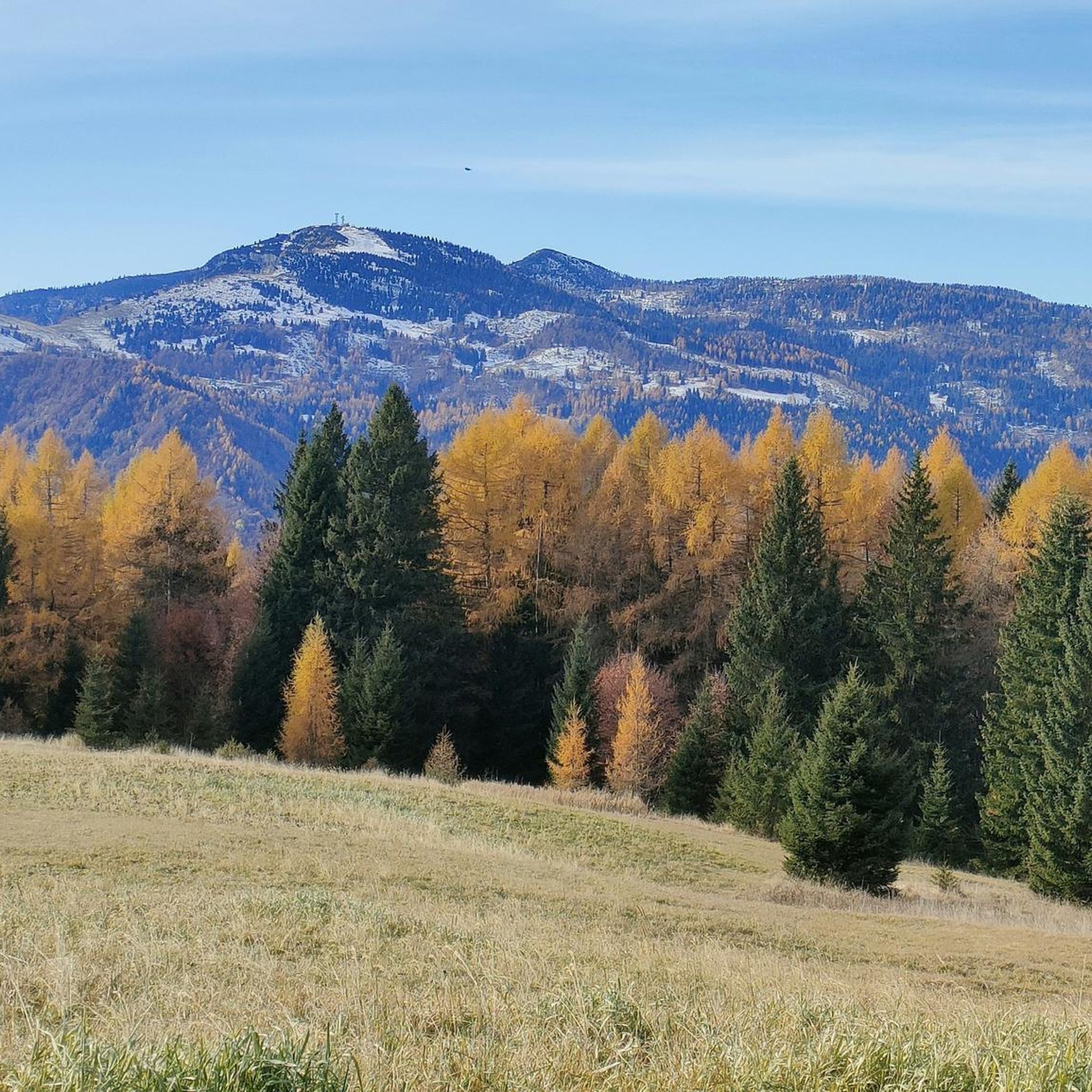
Hiking around Pedemonte offers diverse landscapes characterized by mountainous terrain and significant elevation changes. The region, whose name means "at the foot of the mountain," features dense forests, river valleys, and historical fortifications. Hikers can explore a variety of paths, from challenging alpine routes to more accessible trails.
Best hiking trails around Pedemonte
- The most popular hiking route is Scalzeri di Pedemonte - Luserna Trail, a 5.0 miles (8.0 km) trail that takes 4 hours 38 minutes to complete.…
Last updated: October 10, 2026
5.0
(2)
14
hikers
8.03km
04:38
870m
870m
Hike the moderate Scalzeri di Pedemonte - Luserna Trail, covering 5.0 miles with 2854 feet of elevation gain, passing waterfalls and histori
16.7km
06:35
1,250m
1,250m
Alpine pass hike through Veneto mountains following historic CAI trails to Forcella Molon's sweeping views.

16.0km
06:23
1,240m
1,240m
Hike the challenging 9.9-mile Sentiero 569 from Val Rasa to Forcella Molon, gaining 4053 feet through forests and mountain pastures.
4.8
(11)
33
hikers
13.5km
06:22
990m
990m
Hard hike. Very good fitness required. Mostly accessible paths. Sure-footedness required.
4.8
(11)
27
hikers
13.3km
06:10
980m
980m
Hard hike. Very good fitness required. Mostly accessible paths. Sure-footedness required.
Get access to more routes and recommendations from other explorers.
Already have an account?
Our route recommendations are based on thousands of hikes, rides, and runs completed by other people on komoot.
Start today with a free account
Your next adventure awaits.

Tips from the Community

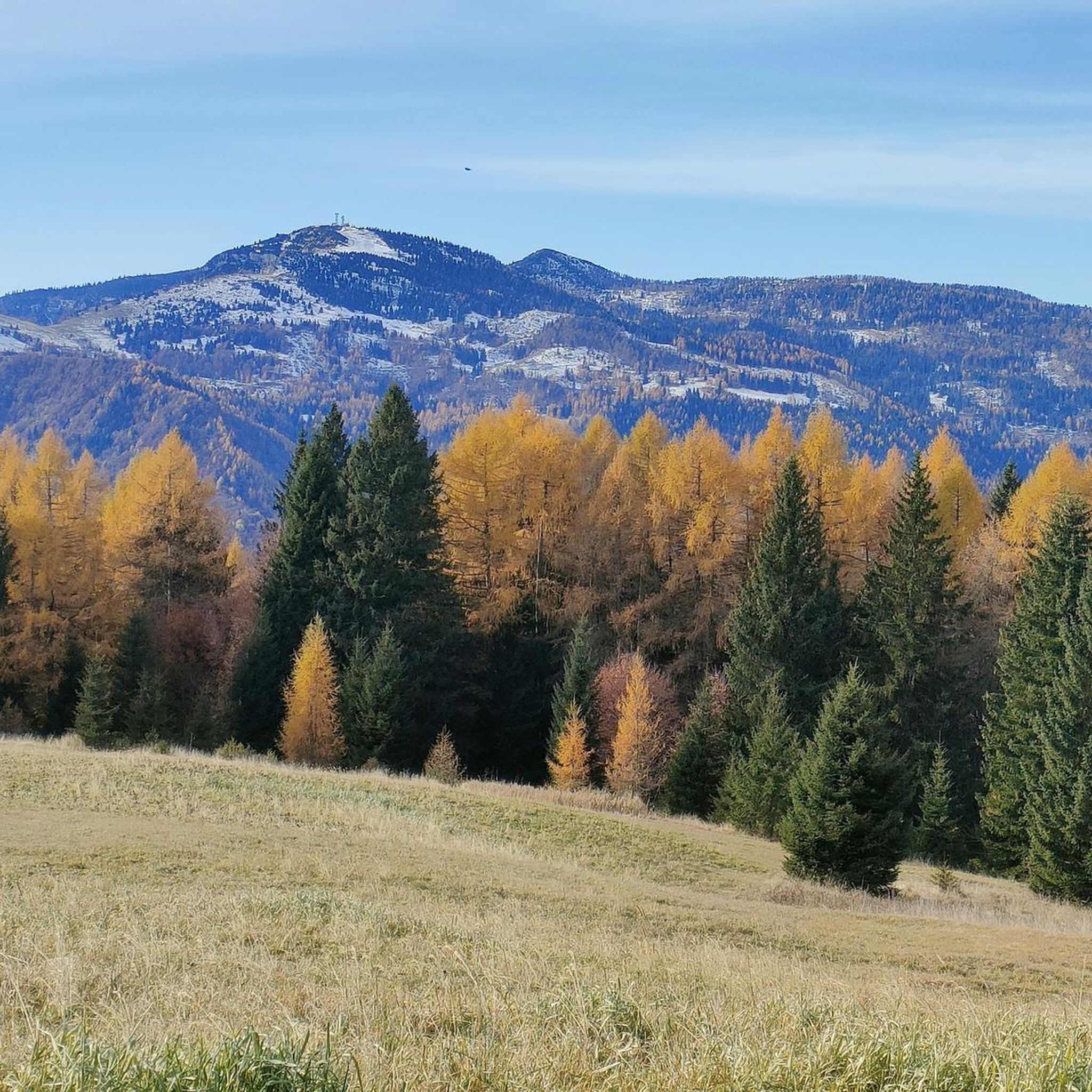
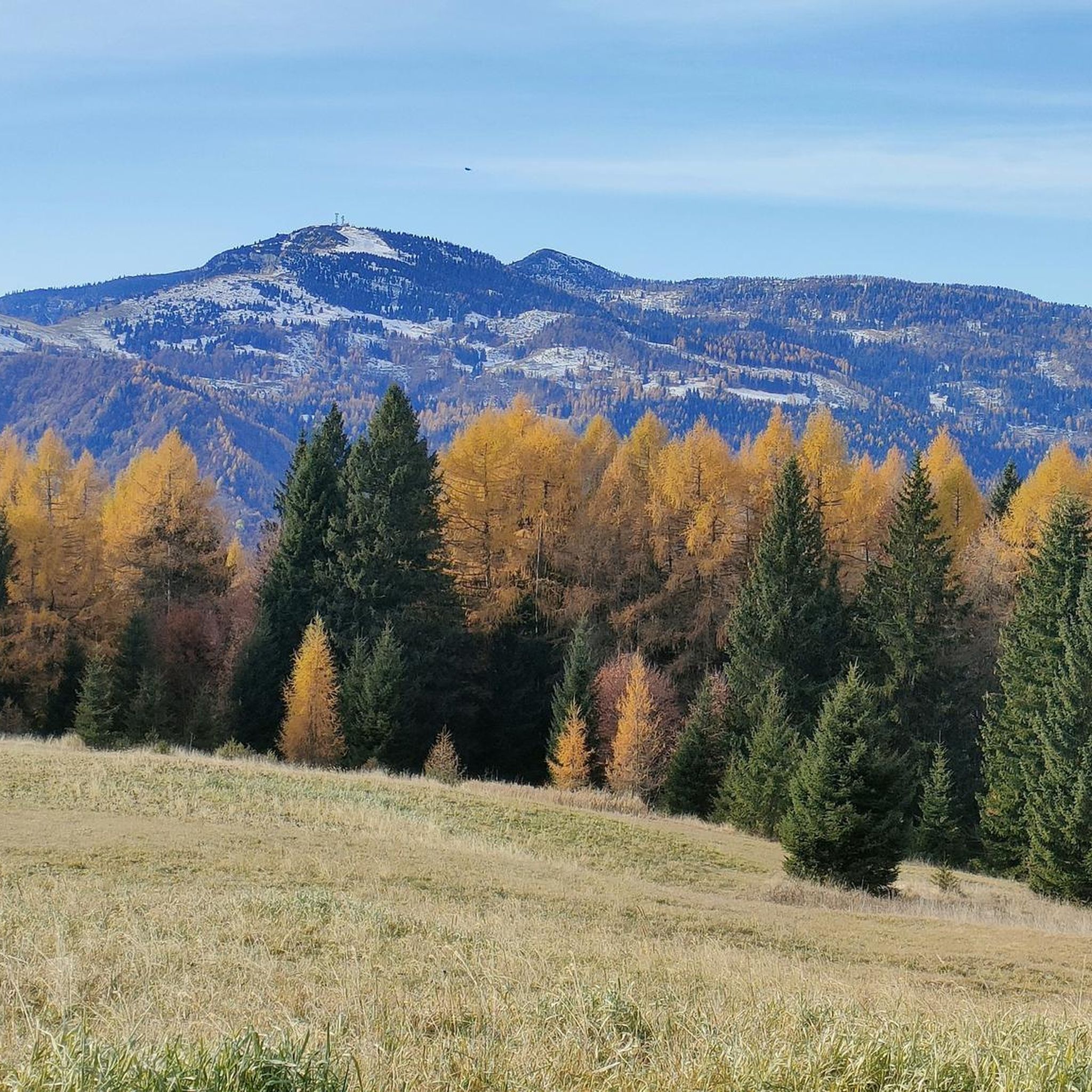
Small municipality in Trentino where Cimbrian, a language derived from Old German, is spoken
0
0
Small municipality in Trentino where a language derived from ancient German is still spoken: Cimbrian
0
0

It climbs the Astico stream up to Lastebasse
2
0

The sun copied the fence on the frosted road
0
0


A foaming and thunderous waterfall cascades from the spring known as 'Gorgo Santo' (which can be visited a little further along, climbing the trail —> see related highlight). The small bridge actually spans two waterfalls, one upstream and one downstream. I recommend descending to the paved road below, on the border between the hamlets of Scalzeri and Longhi, for a spectacular view of the stream cascading through a series of rapid drops before flowing into the Astico River. I also recommend visiting this site after days of rain or when the snow has melted in the mountains, to see the water swollen and rushing!
0
0

the Scalzeri di Pedemonte area is located at the foot of the Luserna plateau and borders the Astico, the Gorgosanto and the Grossa valley. The mountain behind it is deeply engraved by the Riosolo, Val Longa, Pissavacca and Val Grossa streams. There are numerous paths traced by the centuries-old presence of man
0
0
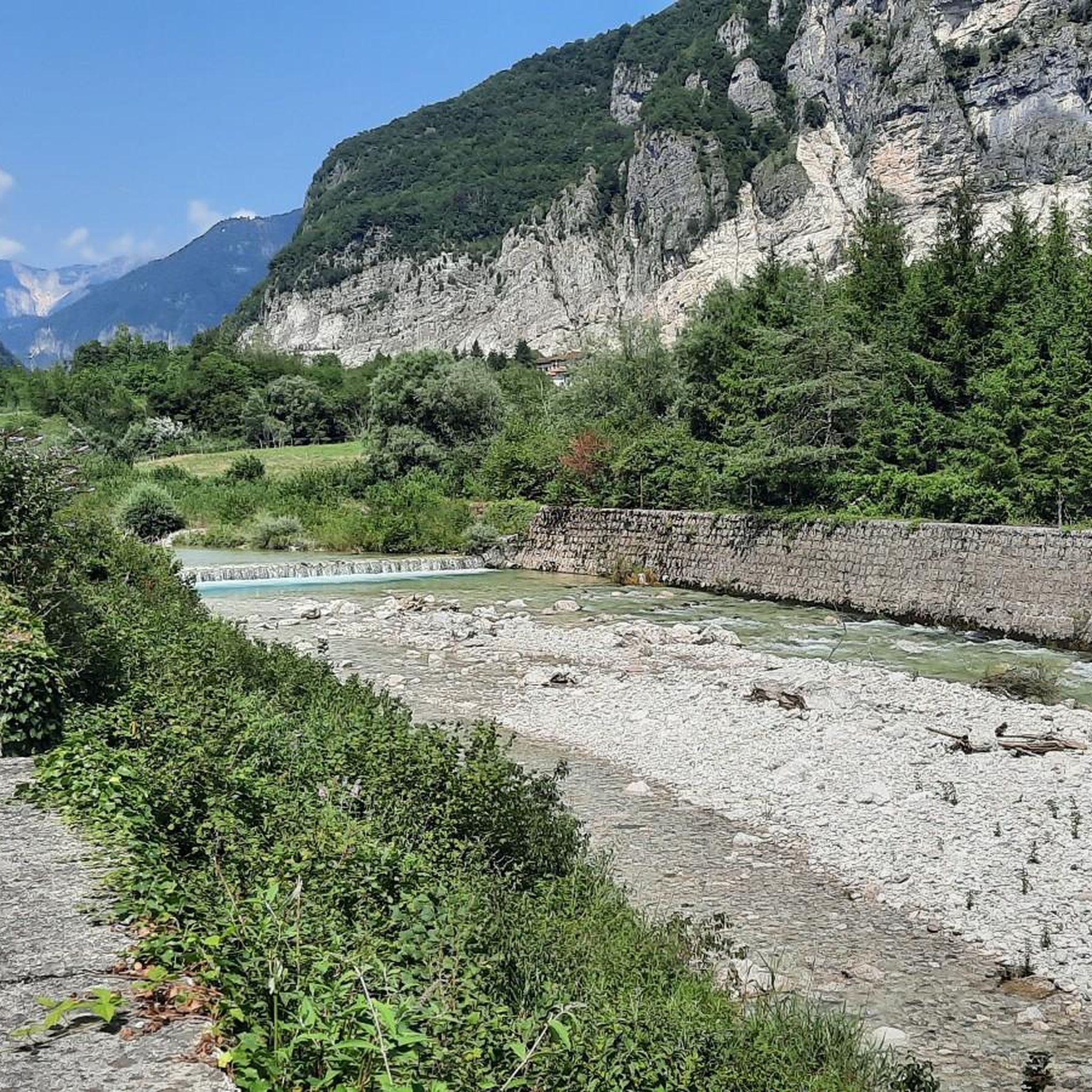
Crystalline water features, waterfalls and whirlpools generated by the stream that descends between the rocks of a wild forest. The orographic left of the Val d'Astico is dotted with more or less large valleys, dug by streams that descend from the Luserna karst plateau and streak its steep southern slope, generating spectacular rapids, gorges and whirlpools. The presence or absence of water depends on rainfall or snowfall: to find a good water flow, you need to visit the place in post-rain days.
0
0
Frequently Asked Questions
What kind of terrain can I expect when hiking in Pedemonte?
Pedemonte, meaning "at the foot of the mountain," offers a diverse landscape characterized by significant elevation changes. You'll find mountainous terrain with alpine passes, dense forests, and scenic river valleys. Trails range from easily accessible paths to more challenging routes with breathtaking panoramas.
How many hiking trails are available in Pedemonte?
There are over 15 hiking trails around Pedemonte. The network includes a variety of options, with 1 easy route, 5 moderate routes, and 10 difficult routes, ensuring there's something for every skill level.
Are there any trails with waterfalls in Pedemonte?
Yes, Pedemonte features natural wonders like waterfalls. The Scalzeri di Pedemonte - Luserna Trail is known for its natural features, including waterfalls. You can also explore specific highlights like the Pach waterfall or the Valimpach Waterfalls.
What historical landmarks can I discover along the hiking trails?
The region is rich in history, particularly with World War I fortifications. You can integrate historical forts like Forte Belvedere (Gschwendt) and Forte Busa Verle into your hiking itineraries. These offer a glimpse into the past and often provide splendid views.
Are there any challenging alpine hikes in Pedemonte?
Absolutely. For experienced hikers, the Alpine pass hike to Forcella Molon (via Routes 569 and 571) is a difficult 10.4-mile path involving substantial ascents and descents through alpine passes, offering dramatic steepness and wide panoramas.
What do other hikers enjoy most about hiking in Pedemonte?
The komoot community highly rates hiking in Pedemonte, with an average score of 4.5 stars from over 7,000 reviews. Hikers often praise the varied terrain, from challenging mountain treks to serene walks, and the integration of historical sites and natural beauty.
Are there any circular routes available for hiking in Pedemonte?
Yes, there are several circular routes. For example, the Luserna Village – Luserna (Lusérn) loop from Valdastico offers a challenging 13.5 km experience, while the Gorgo Santo – Millegrobbe Loop loop from Pedemonte is another difficult option covering about 13.3 km.
Can I find trails that pass through forests and mountain pastures?
Yes, many trails in Pedemonte traverse diverse landscapes. The Sentiero 569 to Monte Campomolon is a prime example, leading you through dense forests and open mountain pastures, providing continuous visual interest.
Are there any unique art installations to see while hiking?
Near Pedemonte, you can find the spectacular and imposing wooden sculpture known as the "Drago Vaia Regeneration." This art installation symbolizes rebirth and resilience and can be an interesting point of interest to include in your hike.
What are some notable natural features besides waterfalls?
Beyond waterfalls, Pedemonte is known for its mountainous terrain, alpine passes, and river valleys like Rio Torto. The broader region also features picturesque lakes, often described as "watercolours of God," offering tranquil settings for walks.
Are there any easy or moderate routes suitable for a less strenuous hike?
Yes, while many routes are challenging, there are easier options. The Scalzeri di Pedemonte - Luserna Trail is a moderate 8 km route that takes about 4 hours 38 minutes, offering a less strenuous yet rewarding experience with natural wonders.
Most popular routes around Pedemonte
Most popular attractions around Pedemonte

Get inspired with the komoot mobile app


Explore more
Browse the best Hikes in other regions.
