The best walks and hikes around Camporgiano
4.5
(2468)
10,673
hikers
14
hikes
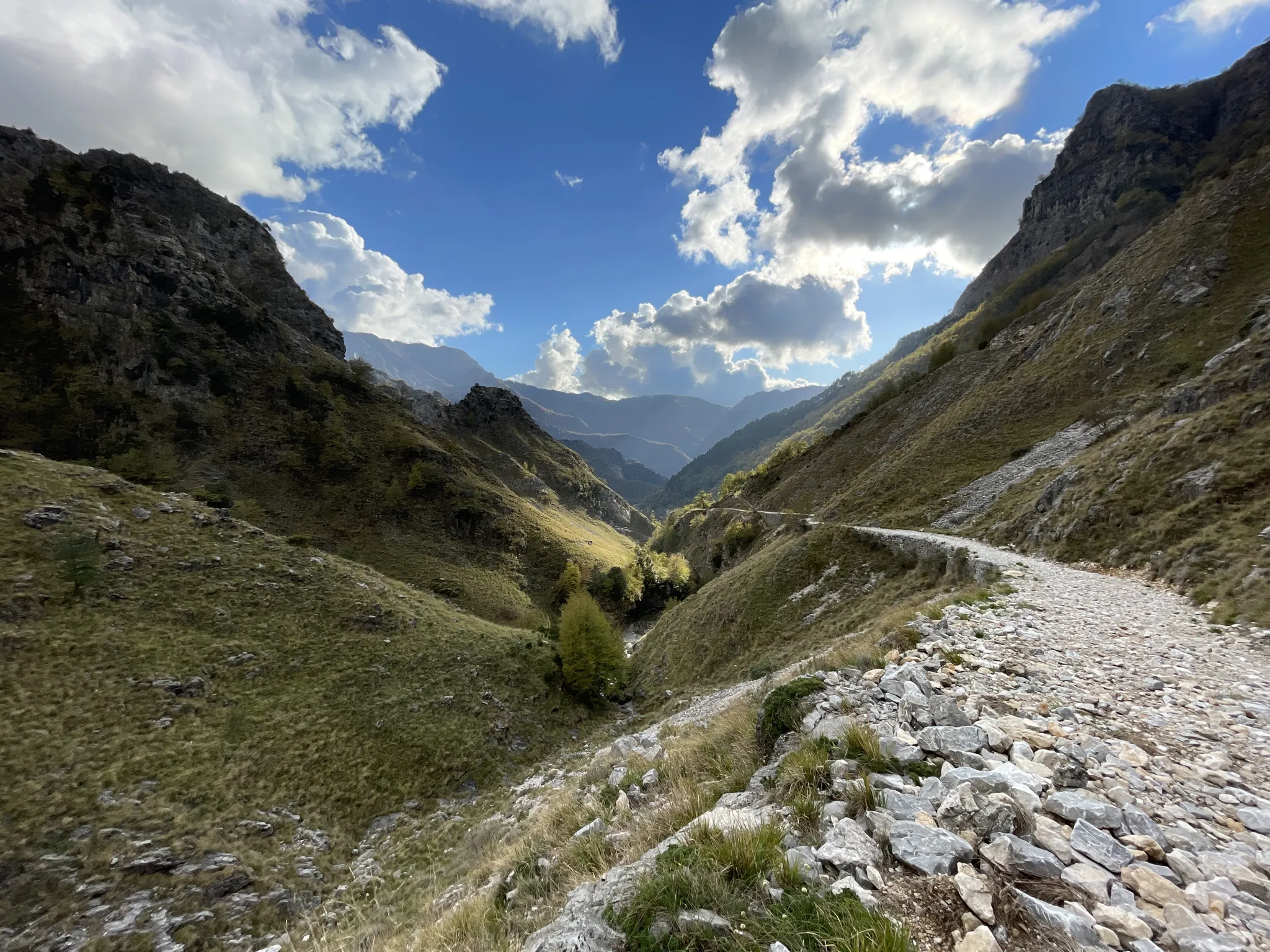
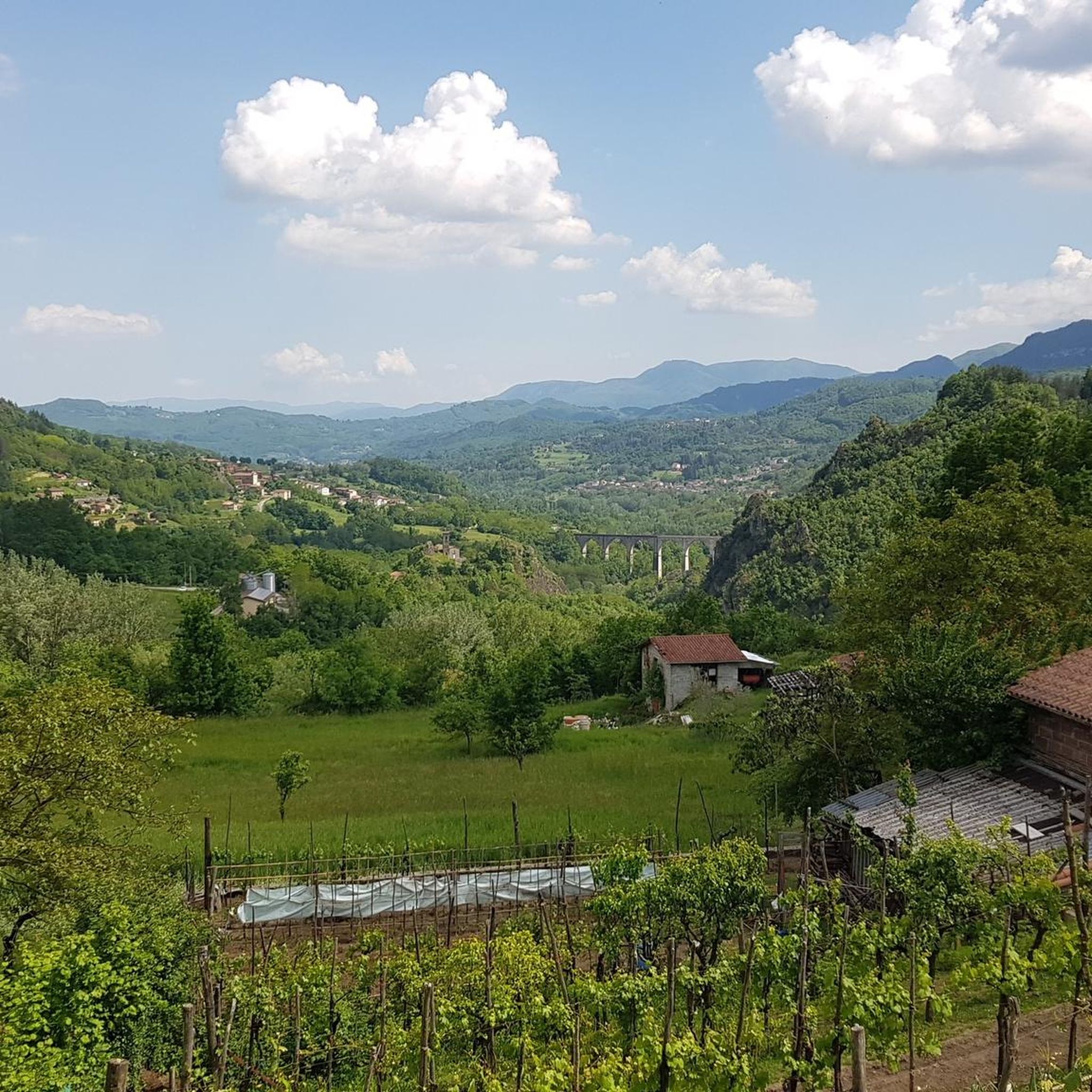
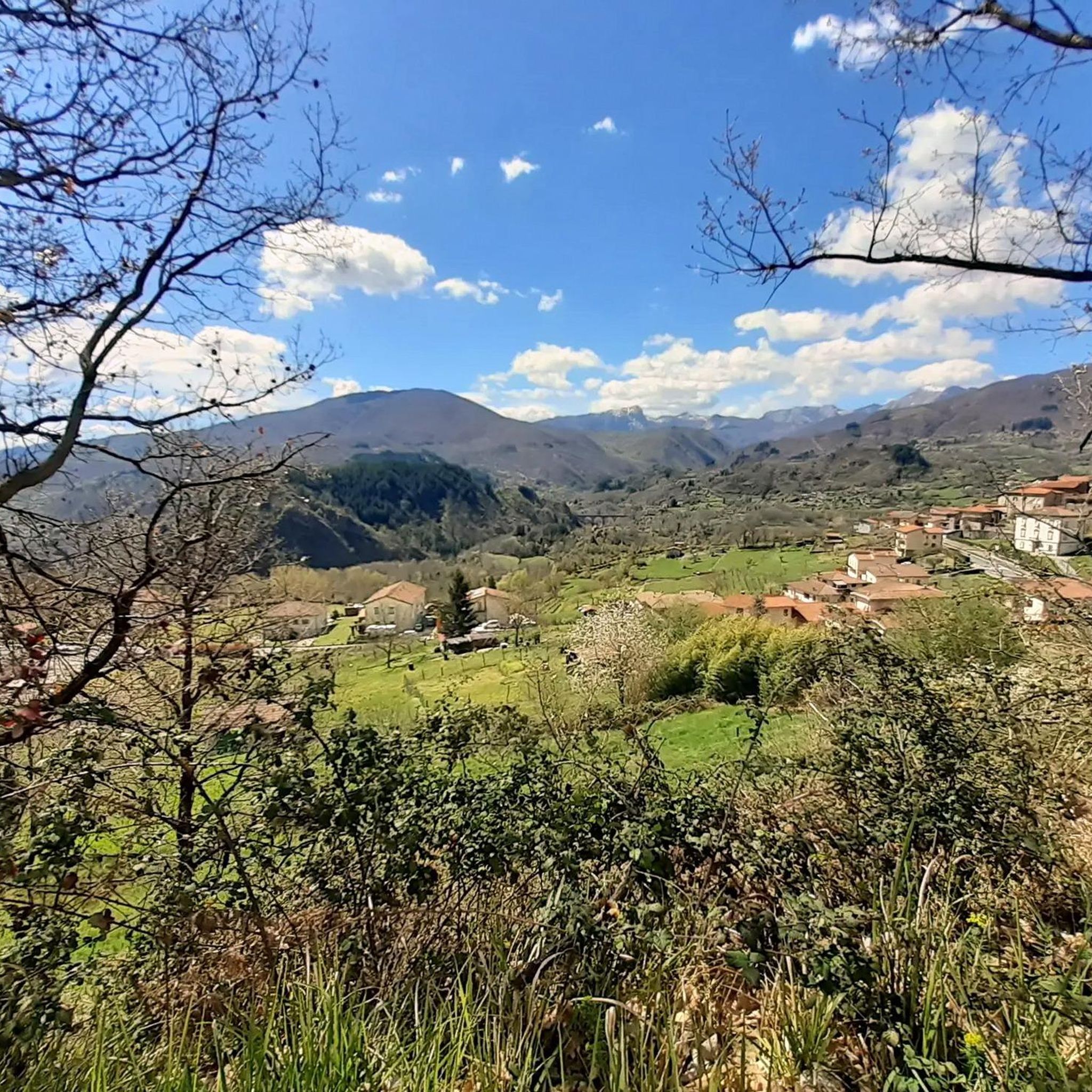
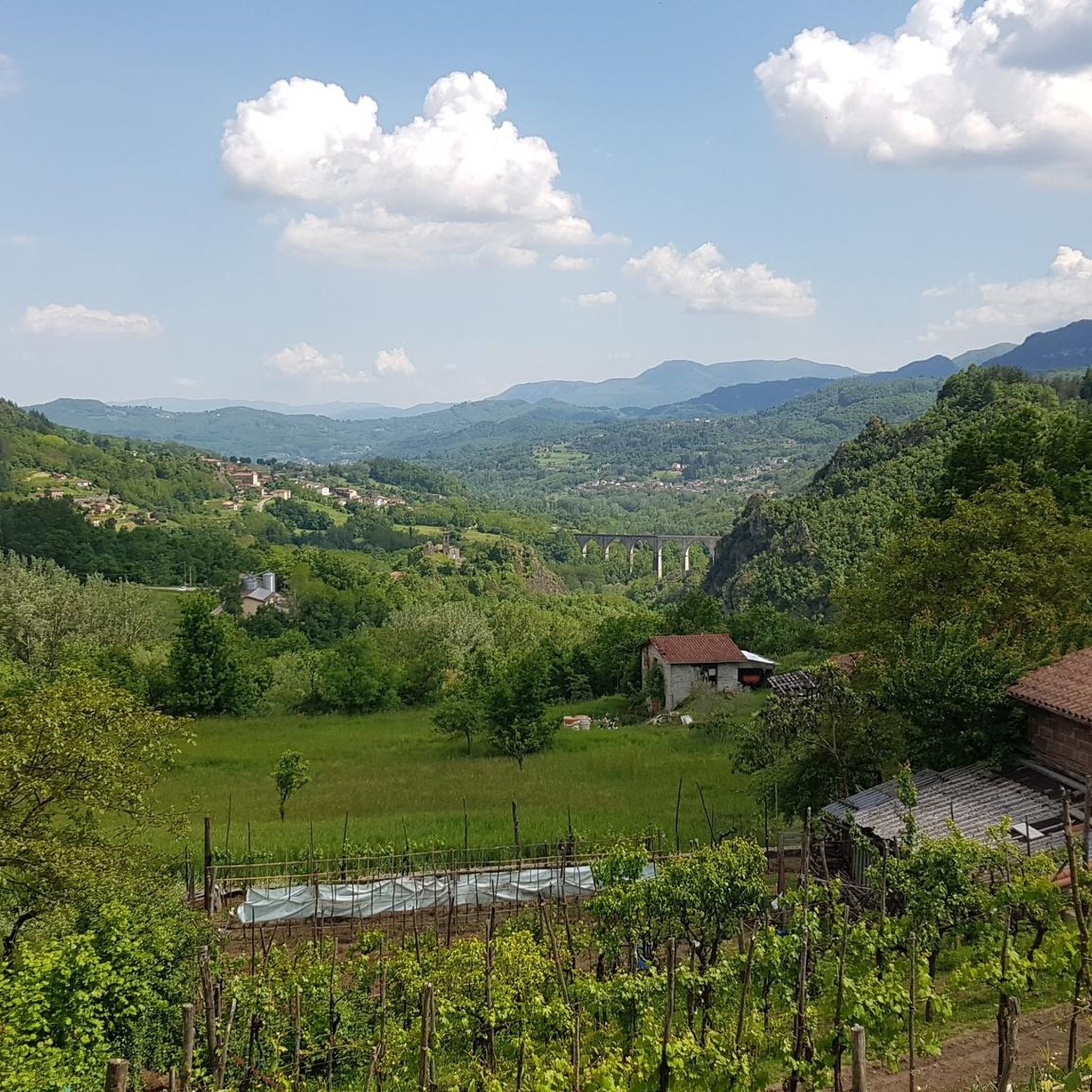
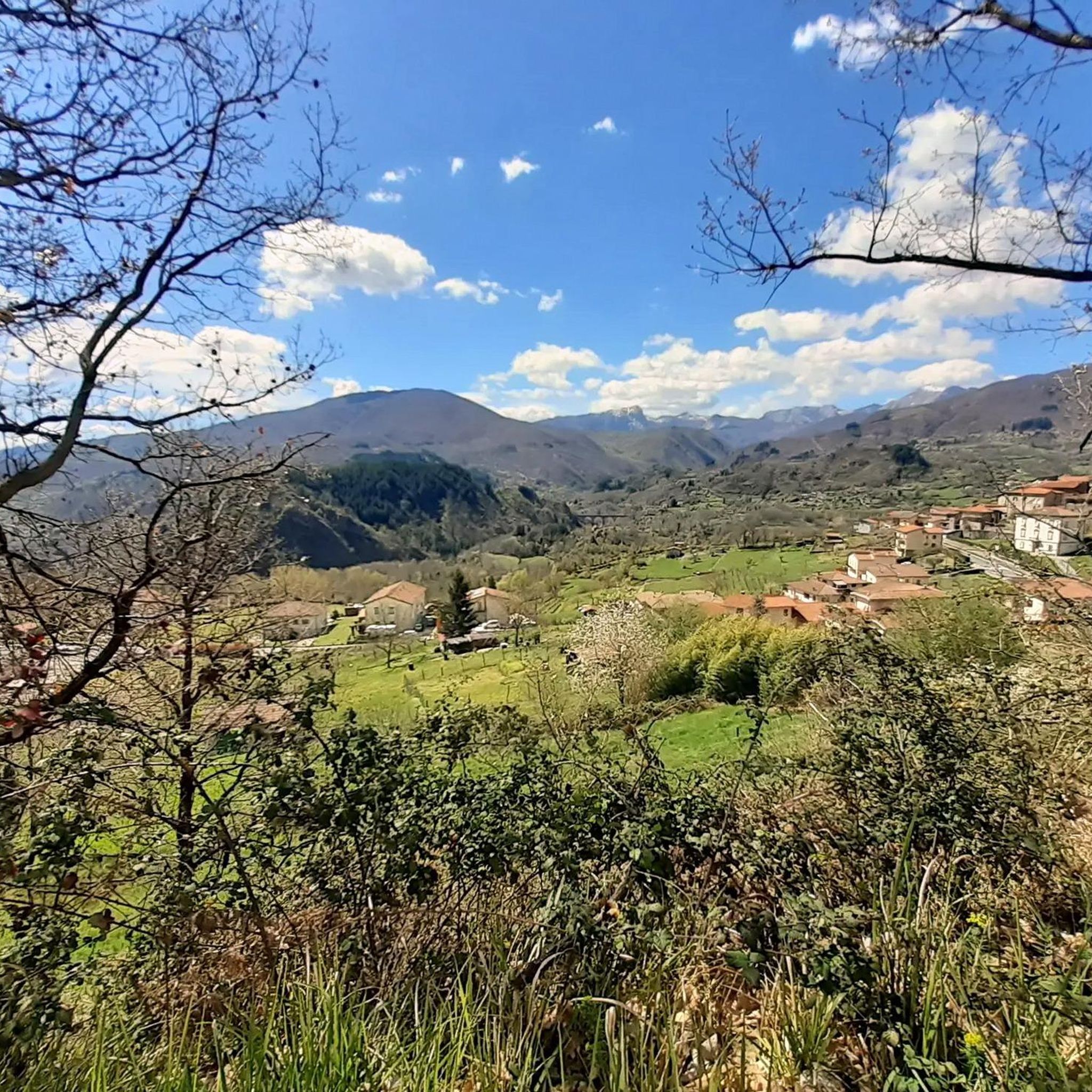
Hiking around Camporgiano offers diverse terrain in the Garfagnana region of Tuscany, Italy. Situated between the Apuan Alps and the Apennines, the area features mountain ranges, the Serchio River valley, and extensive beech woods. This geographical position provides a variety of hiking experiences, from riverside paths to more challenging mountain trails. The landscape includes notable natural features such as the Orecchiella Nature Reserve.
Best hiking trails around Camporgiano
- The most popular hiking route is Serchio River loop from Camporgiano,…
Last updated: August 18, 2026
4.5
(13)
37
hikers
12.7km
03:56
480m
480m
Moderate hike. Good fitness required. Easily-accessible paths. Suitable for all skill levels.
4.4
(10)
45
hikers
6.88km
02:14
320m
320m
Moderate hike. Good fitness required. Easily-accessible paths. Suitable for all skill levels.

Sign up for free
4.5
(4)
15
hikers
9.39km
02:55
360m
360m
Moderate hike. Good fitness required. Easily-accessible paths. Suitable for all skill levels.
4.5
(2)
7
hikers
6.32km
01:56
220m
220m
Easy hike. Great for any fitness level. Easily-accessible paths. Suitable for all skill levels.
9
hikers
3.13km
00:55
90m
90m
Easy hike. Great for any fitness level. Easily-accessible paths. Suitable for all skill levels.
Get access to more routes and recommendations from other explorers.
Sign up for free
Already have an account?
Our route recommendations are based on thousands of hikes, rides, and runs completed by other people on komoot.
Start today with a free account
Your next adventure awaits.
Login or Signup


Other adventures around Camporgiano

Tips from the Community

Camporgiano is located on the right bank of the Serchio River, in a verdant valley that divides the mountain ranges of the Apuan Alps and the Apennines. Of Roman origin, the town was contested by numerous families and lordships since the Middle Ages; in 1446 it became part of the dominions of the Este family, until the Unification of Italy. The undisputed “star” of Camporgiano is the Rocca Estense, built on a rocky spur, and whose bulk dominates the main square of the town. At the top of the Rocca there is a sort of hanging garden in which some conifers stand out, giving the fortress an unmistakable character, dialoguing from afar with the fir trees that cover the heights of the surrounding reliefs. The fortress was built for defensive purposes in the 15th century and is an emblematic example of Este military architecture of the 15th century, with its trapezoidal wall and truncated conical corner towers protruding from the plan profile. Once the medieval center of the city, today the fortress does not retain much of its original structure due to the earthquake that struck the entire area in 1920. At the foot of the fortress you can also admire a stone fountain traditionally called the pilon. The main tower of the fortress houses the Civic Collection of Renaissance Ceramics, which brings together ceramics from a period ranging from the early fifteenth century to the second half of the seventeenth century, mostly found in the wells of the fortification during restoration work.
0
0

Fortezza delle Verrucole: Very imposing medieval fortress. From its walls you have a really fantastic view of the surrounding area. Mondays are days off here, otherwise the opening times depend on the season. The opening times and admission prices can be found here: https://www.fortezzaverrucolearcheopark.it/it/informazioni.html However, I cannot really recommend the museum of the castle.
0
0

The Verrucole Fortress in San Romano in Garfagnana, founded by the Gherardinghi family over a previous human settlement, dates back to a period between the 10th and 13th centuries. In 1986 the municipality of San Romano in Garfagnana bought the Fortress, starting the conservative and reconstructive restoration, completed in 2012. Since 2013, the Fortress can be visited regularly thanks to the Fortezza Verrucole Archeopark project.
2
0
Frequently Asked Questions
What types of hiking trails can I find around Camporgiano?
Camporgiano, nestled between the Apuan Alps and the Apennines, offers a diverse range of hiking experiences. You'll find everything from gentle riverside paths along the Serchio River to more challenging mountain treks in the surrounding ranges. The area features extensive beech woods and varied landscapes suitable for different abilities.
Are there easy hiking options suitable for beginners or casual walkers?
Yes, Camporgiano has several easy trails. For instance, the Poggio Rancone loop from Camporgiano is an easy 6.1 km trail that takes about 2 hours to complete, leading through varied local landscapes. There are 4 easy routes in total, perfect for a relaxed stroll.
Can I find circular hiking routes in Camporgiano?
Absolutely. Many of the trails around Camporgiano are circular, allowing you to start and end in the same location. Popular options include the Serchio River loop from Camporgiano, a moderate 14.4 km route, and the Verrucole Fortress – Fortezza delle Verrucole loop from Camporgiano, a moderate 7.4 km path.
What natural attractions can I explore while hiking in the area?
The region boasts significant natural features. You can explore the dramatic Apuan Alps and the rolling Apennines. The Grotta del Vento, an impressive cave system, offers an intriguing underground experience. The Orecchiella Nature Reserve, with its extensive beech woods and diverse wildlife, is also a notable highlight for nature lovers.
Are there any historical landmarks or cultural sites accessible via hiking trails?
Yes, Camporgiano is rich in history. The Verrucole Fortress is a prominent historical site, accessible via trails like the Verrucole Fortress – Fortezza delle Verrucole loop. The historic Rocca Estense (Este Fortress) also dominates the town and serves as a starting point for exploring trails. Additionally, ancient routes like the Via Vandelli and a branch of the Via del Volto Santo pass through the area, offering a glimpse into the region's past.
What is the best time of year to go hiking in Camporgiano?
The best time for hiking in Camporgiano is generally from spring through autumn (April to October). During these months, the weather is pleasant, and the landscapes are vibrant. Summer offers warmer temperatures, ideal for riverside walks, while spring and autumn provide cooler conditions and beautiful foliage, especially in the beech woods of the Orecchiella Nature Reserve.
Are the hiking trails around Camporgiano suitable for families with children?
Yes, many trails are suitable for families. The region offers a variety of easy and moderate paths that can be enjoyed by different age groups. The Poggio Rancone loop is an easy option, and riverside walks along the Serchio River are generally flat and accessible, making them ideal for family outings.
Can I bring my dog on the hiking trails in Camporgiano?
Many trails in the Camporgiano area are dog-friendly, allowing you to enjoy the natural beauty with your canine companion. It's always advisable to keep your dog on a leash, especially in nature reserves like Orecchiella, to protect wildlife and ensure a pleasant experience for all hikers. Please check specific trail regulations if available.
What do other hikers say about the trails in Camporgiano?
The hiking routes in Camporgiano are highly rated by the komoot community, with an average score of 4.5 stars from over 2,100 reviews. Hikers often praise the diverse terrain, from the serene riverside paths to the scenic mountain views, and the blend of natural beauty with historical landmarks like the Verrucole Fortress.
Are there options for public transport to reach trailheads in Camporgiano?
Camporgiano is accessible by public transport, primarily by train. The town has a train station on the Lucca-Aulla line, which can connect you to the region. From the town center, many trailheads are within walking distance, or you may find local bus services to reach more distant starting points. For detailed schedules, it's best to consult local transport providers.
Where can I find parking when hiking in Camporgiano?
Parking is generally available in and around Camporgiano, especially near the town center and at popular starting points for trails. Many of the local loops, such as those along the Serchio River or to the Verrucole Fortress, often have designated parking areas nearby. Look for signs indicating public parking or consult local maps for specific parking locations.
Are there any lakes or rivers suitable for activities near the hiking routes?
Yes, the Serchio River flows through the valley, offering opportunities for pleasant riverside walks directly from Camporgiano. Further afield, Lago di Vagli, a hydroelectric basin, is a popular attraction that complements hiking with activities like fishing, bathing, cycling paths, and boat trips, providing a refreshing break after a hike.
Most popular routes around Camporgiano
Most popular attractions around Camporgiano

Get inspired with the komoot mobile app


Explore more
Browse the best Hikes in other regions.
