The best road cycling routes around Canonica D'Adda
4.3
(770)
12,380
riders
278
rides
Road cycling around Canonica D'Adda is characterized by its flat to gently undulating terrain, making it suitable for various fitness levels. The region is situated in Lombardy, bordered by the Adda River, which provides numerous scenic pathways. Cyclists can explore routes along historic waterways like the Naviglio Martesana, known for its well-developed, mostly paved surfaces. The landscape features lush riverbanks and natural reserves, offering a blend of natural and cultural points of interest.
Best road cycling routes around Canonica D'Adda
…Last updated: October 12, 2026
3.0
(1)
35
riders
35.4km
01:34
270m
270m
Moderate road ride. Great for any fitness level. Some segments of this route may be unpaved and difficult to ride.
3.2
(5)
90
riders
Easy road ride. Great for any fitness level. Mostly well-paved surfaces and easy to ride.

85
riders
Moderate road ride. Good fitness required. Mostly well-paved surfaces and easy to ride.
38
riders
39.6km
01:36
180m
180m
Easy road ride. Great for any fitness level. Mostly well-paved surfaces and easy to ride.
30
riders
13.5km
00:31
30m
30m
Easy road ride. Great for any fitness level. Mostly well-paved surfaces and easy to ride.
Get access to more routes and recommendations from other explorers.
Already have an account?
Our route recommendations are based on thousands of hikes, rides, and runs completed by other people on komoot.
Start today with a free account
Your next adventure awaits.
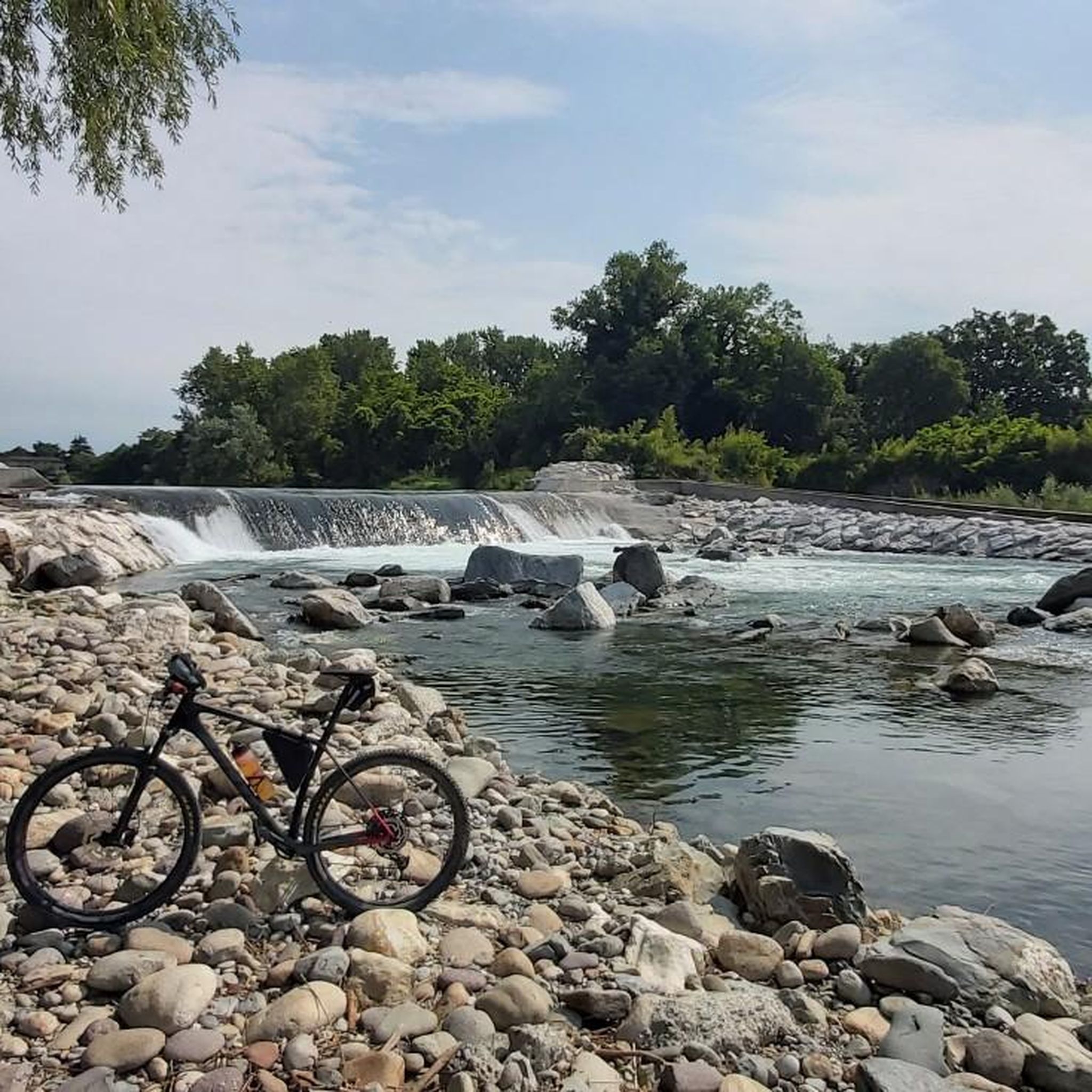
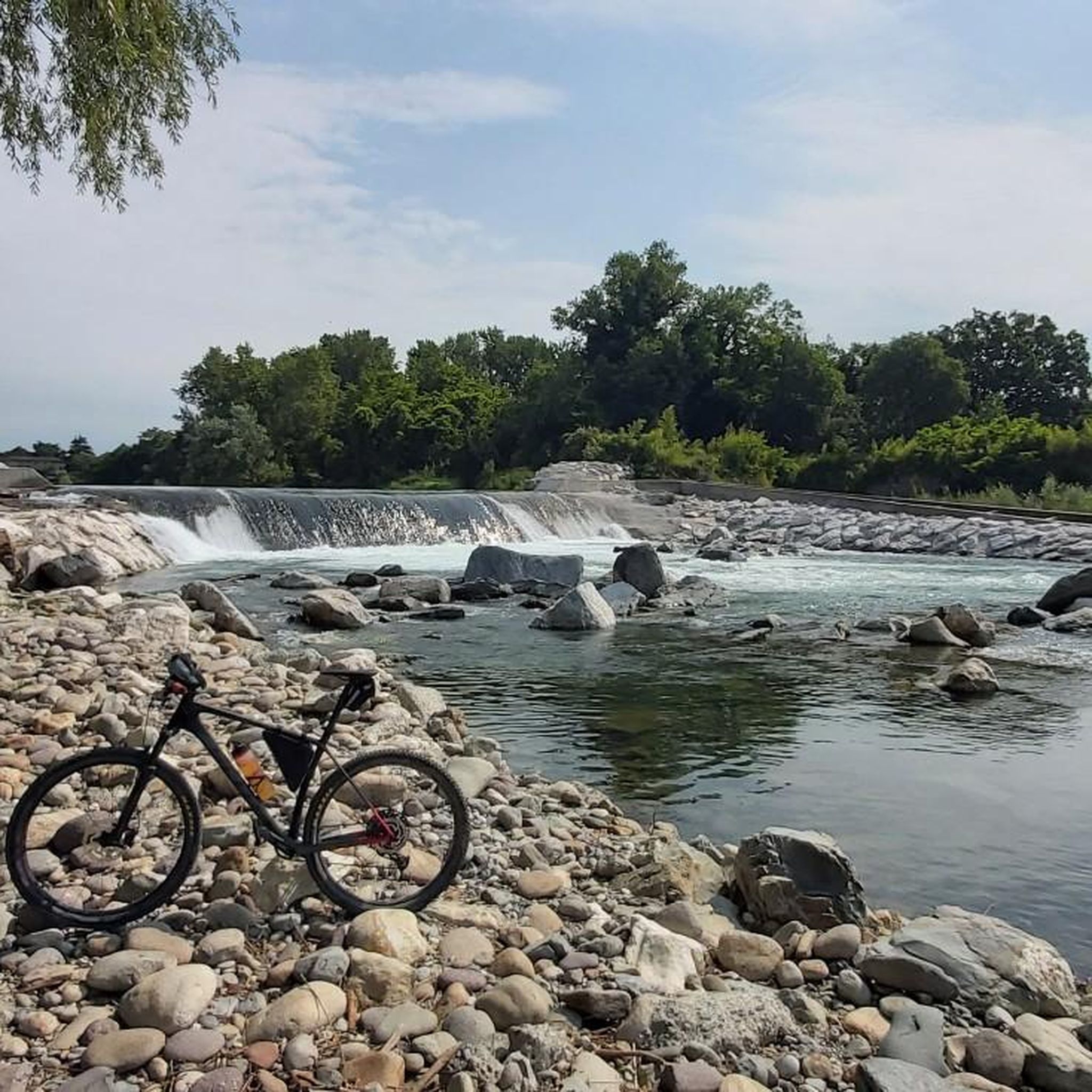
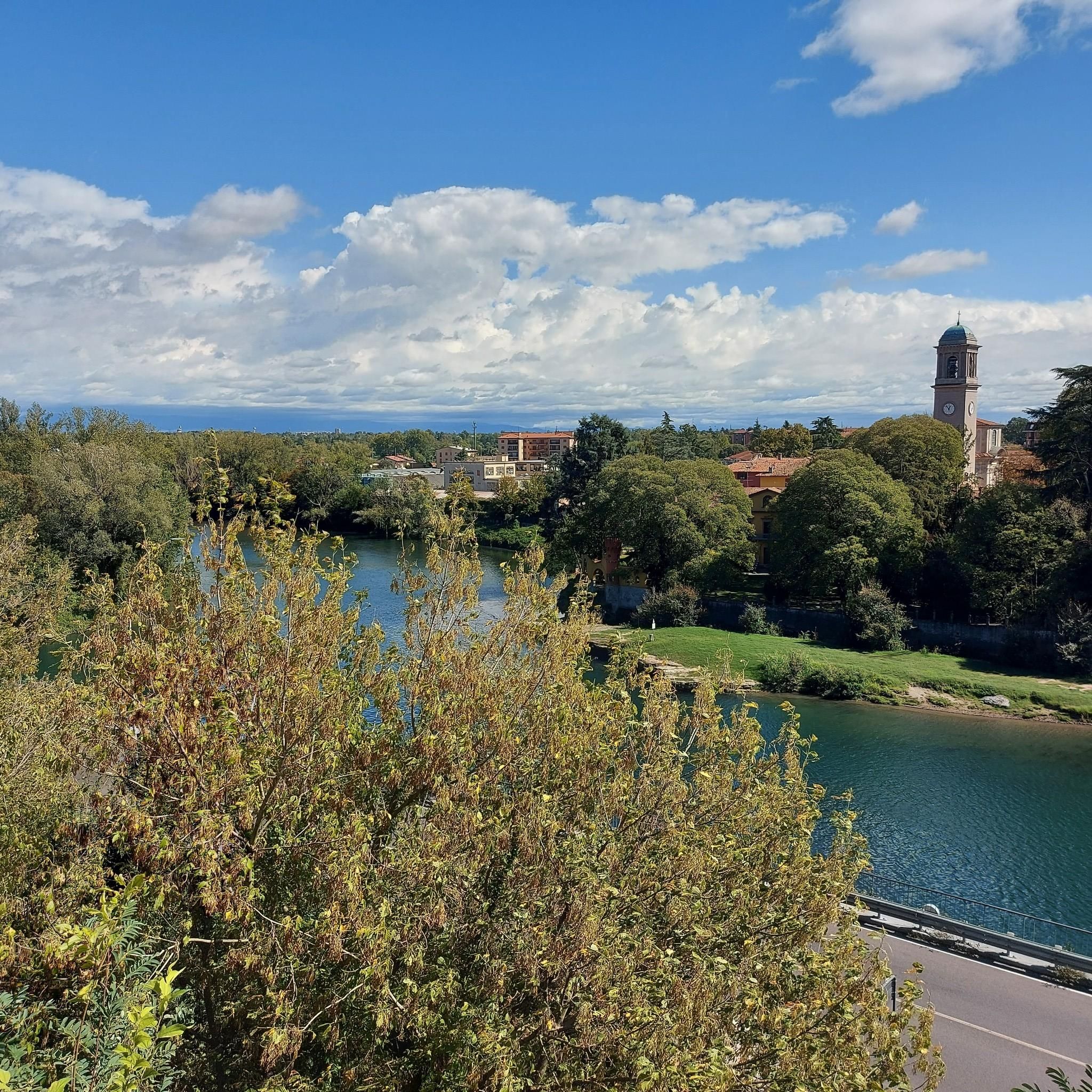
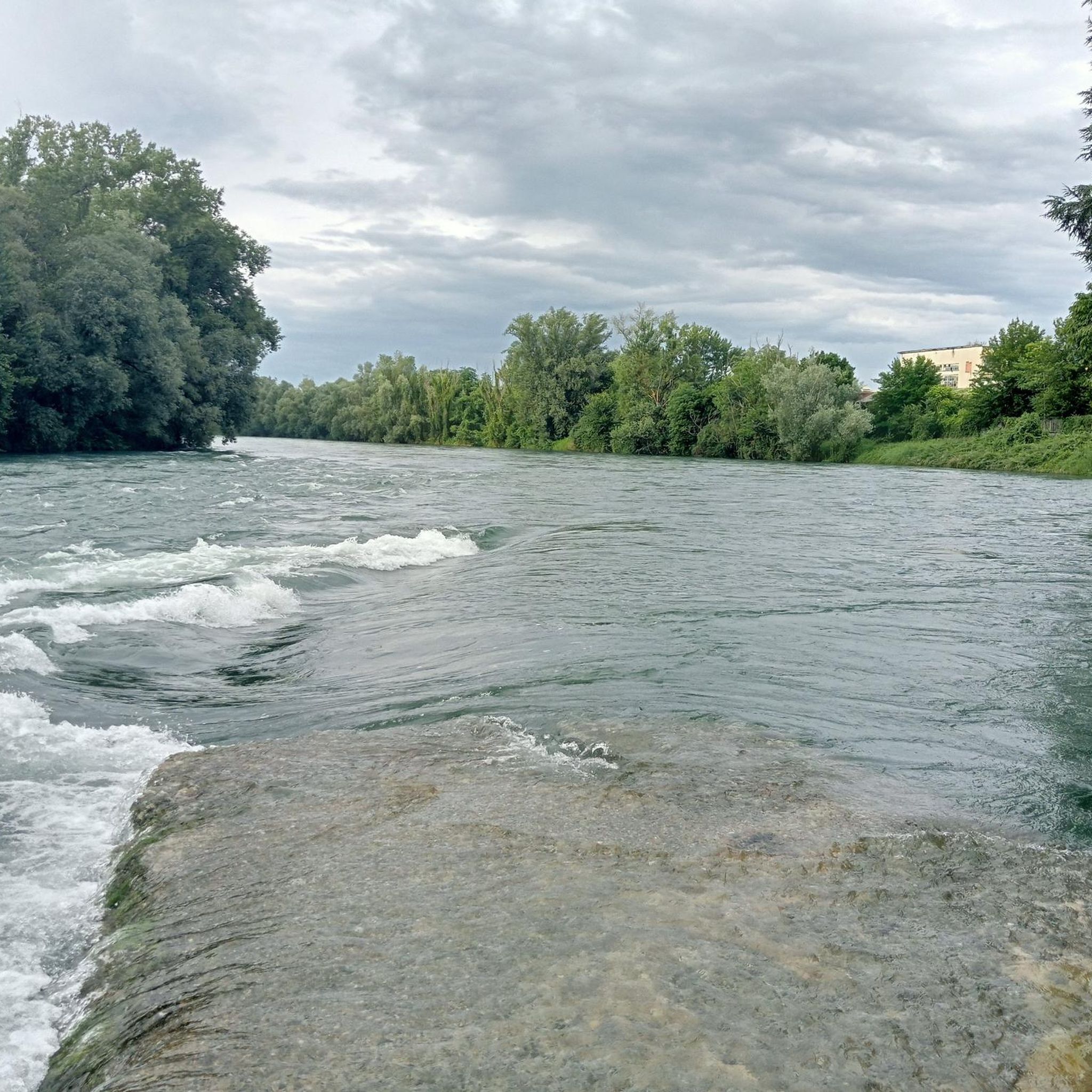

Tips from the Community

La Cappella dei Morti della Peste, commonly known locally as Il Tombone, is a small 17th-century religious building located in Imbersago (in the province of Lecco), along via Lamperti. It is a place steeped in history and memory linked to the devastating Manzonian plague epidemic of 1630.
0
0

Beautiful villa with a splendid park
0
0

The Angelo Bertini Hydroelectric Power Plant is a gem of industrial archaeology located in Porto d'Adda (a hamlet of Cornate d'Adda, Monza and Brianza). Inaugurated on September 28, 1898, by the Edison group, it holds an extraordinary historical record: at the time of its construction, it was the most powerful hydroelectric power plant in Europe and the second in the world, surpassed only by that of Niagara Falls. Its original purpose was fundamental for the modernization of Milan, as it had to supply the energy necessary for the electrification of Milan's tram network, allowing for the definitive replacement of horse-drawn trams.
0
0

In the beautiful building of Villa Tasca is the library of Brembate. Access is free.
0
0

A valuable 17th-century monument of Lombard Baroque, but also a bulwark that rises in a panoramic position overlooking the Adda Valley in Imbersago, in the province of Lecco. A perfect blend of religious devotion, commemoration of a mystical past, and immersion in lush nature, a symbol of vitality and timeless beauty. The history of the Sanctuary of Imbersago is rooted in a past of apparitions and miraculous events. It all began on May 9, 1617, when three shepherds who were grazing their flock in the woods saw a celestial figure among dazzling lights and harmonious melodies on the three large chestnut trees that stood around the Sorgente del Lupo (so named for the animals that roamed there). At that point, Pietro, one of the children, with great wonder, spotted and picked up a ripe hedgehog, an unlikely event in the middle of spring. And for all the people, this represented the prodigious sign that the Blessed Virgin wished to be honored in that very place. From here, from this miraculous vision, began the devotion to the Madonna del Bosco, also known as Madonna del Riccio, referring precisely to the miracle just narrated, or Madonna dei Miracoli di Imbersago.
1
0

The church's current structure is largely the result of 20th-century reconstructions and expansions, although its origins date back to older religious buildings. It is the hub of the town's religious and community life. The building stands out for its modern architectural lines, typical of the reworking of traditional 20th-century styles, and for its imposing bell tower that marks its presence in the urban landscape.
0
0

Great ride
0
0

The Esterle hydroelectric power plant, located on the right bank of the Adda River, began operating in 1914. It is dedicated to the memory of Carlo Esterle, Edison's managing director until 1918. The building, particularly known for its beauty, is constructed in a style derived from the eclectic Lombard tradition. The meticulous ornaments, the geometric and floral motifs, the columns and capitals at the entrance, the wrought iron street lamps and the imposing Gothic-style windows make it appear more like a villa than a real industrial building.
6
0
Frequently Asked Questions
How many road cycling routes are available around Canonica D'Adda?
There are over 280 road cycling routes around Canonica D'Adda, catering to various skill levels. You'll find a wide selection, from easy rides along the riverbanks to more challenging excursions through the region's diverse landscapes.
What kind of terrain can I expect for road cycling in Canonica D'Adda?
The terrain around Canonica D'Adda is generally flat to gently undulating, making it suitable for a wide range of cyclists. Many routes follow the Adda River and the historic Naviglio Martesana, offering mostly paved surfaces and scenic, smooth rides.
Are there easy road cycling routes suitable for beginners or families?
Yes, Canonica D'Adda offers many easy road cycling routes perfect for beginners or families. The region has 89 easy routes, often following the flat riverbanks of the Adda River and the Naviglio Martesana. These paths provide a relaxed way to enjoy the scenery without significant climbs.
Can I find challenging road cycling routes in the area?
While much of the terrain is gentle, there are 26 difficult road cycling routes for those seeking a greater challenge. These routes may include longer distances or more varied elevation changes, providing a more strenuous workout while still enjoying the region's beauty.
What are some popular circular road cycling routes around Canonica D'Adda?
Many routes in the area are designed as loops, allowing you to start and finish in the same location. A popular option is the Adda River at Trezzo sull'Adda – Brembate Sotto Parish loop from Canonica d'Adda, an easy 25.6-mile path offering beautiful river views. Another is the Vaprio d'Adda Bridge – Adda River at Trezzo sull'Adda loop from Canonica d'Adda, a moderate 33.4-mile trail through riverine landscapes.
What attractions can I see along the road cycling routes?
The routes often pass by significant historical and natural attractions. You can cycle past the impressive Taccani Hydroelectric Power Plant and Trezzo Castle Tower, or the Visconti Castle of Cassano d'Adda. The UNESCO-listed industrial village of Crespi d'Adda is also a captivating sight. Many routes also feature serene natural spots like the Salto del Gatto Pond with Swans or the Aqua Lunga Wetland Viewpoint.
What is the best season for road biking in Canonica D'Adda?
The region's pleasant climate makes road cycling enjoyable for much of the year. Spring and autumn offer mild temperatures and beautiful scenery, ideal for longer rides. Summer can be warm, but routes along the river provide refreshing breezes. Even winter can be suitable for cycling, especially on clear days, though some paths might be less maintained.
Are there any specific natural features or parks to explore by road bike?
Absolutely. The **Adda River** itself is a central feature, with numerous scenic paths along its banks. The **Naviglio Martesana Cycle Path** is renowned as one of Italy's most beautiful cycling routes, offering a journey through historic waterways. You can also explore routes within the **Adda Nord Natural Park**, a crucial green lung safeguarding riverine flora and fauna.
What do other road cyclists say about the routes in Canonica D'Adda?
The road cycling routes in Canonica D'Adda are highly rated by the komoot community, with an average score of 4.3 stars from over 600 reviews. Cyclists often praise the well-maintained paths, the picturesque river views, and the blend of natural beauty with historical landmarks along the way.
Are there any routes that highlight Leonardo da Vinci's historical connections to the area?
Yes, the region has strong ties to Leonardo da Vinci. The Naviglio Martesana, a historic canal, features hydraulic systems and locks that were studied by him. The 'Leonardo Greenway' is a recommended multi-day cycling tour that follows the Adda River, utilizing dedicated bike paths and connecting to sites within the expansive Leonardo Adda Ecomuseum, which showcases the area's rich heritage.
What is the typical length and duration of road cycling routes here?
Route lengths vary significantly. For example, the Adda and Paderno Canal Trail is about 22 miles (35.4 km) and takes around 1 hour 34 minutes. Other routes, like the Old Cotton Mill Water Canal – Road to Brembate Sotto loop from Canonica d'Adda, are around 25.5 miles (41 km) and can be completed in about 1 hour 40 minutes, offering a good range for different preferences.
Most popular routes around Canonica D'Adda
Most popular attractions around Canonica D'Adda

Get inspired with the komoot mobile app


Explore more
Browse the best Road cycling routes in other regions.
