Attractions and Places To See around Ottobiano - Top 20
Attractions and places to see around Ottobiano, a comune in Italy's Lombardy region, offer a mix of historical religious sites and natural features within the Lomellina area. The region is characterized by its flat countryside, interspersed with small sandy hills known as "bumps" and ancient waterways. Visitors can explore centuries-old churches and significant natural monuments that reflect the area's history and geology.
Best attractions and places to see around Ottobiano
- The most popular attractions is Sanctuary of Madonna della Bozzola…
Last updated: August 31, 2026
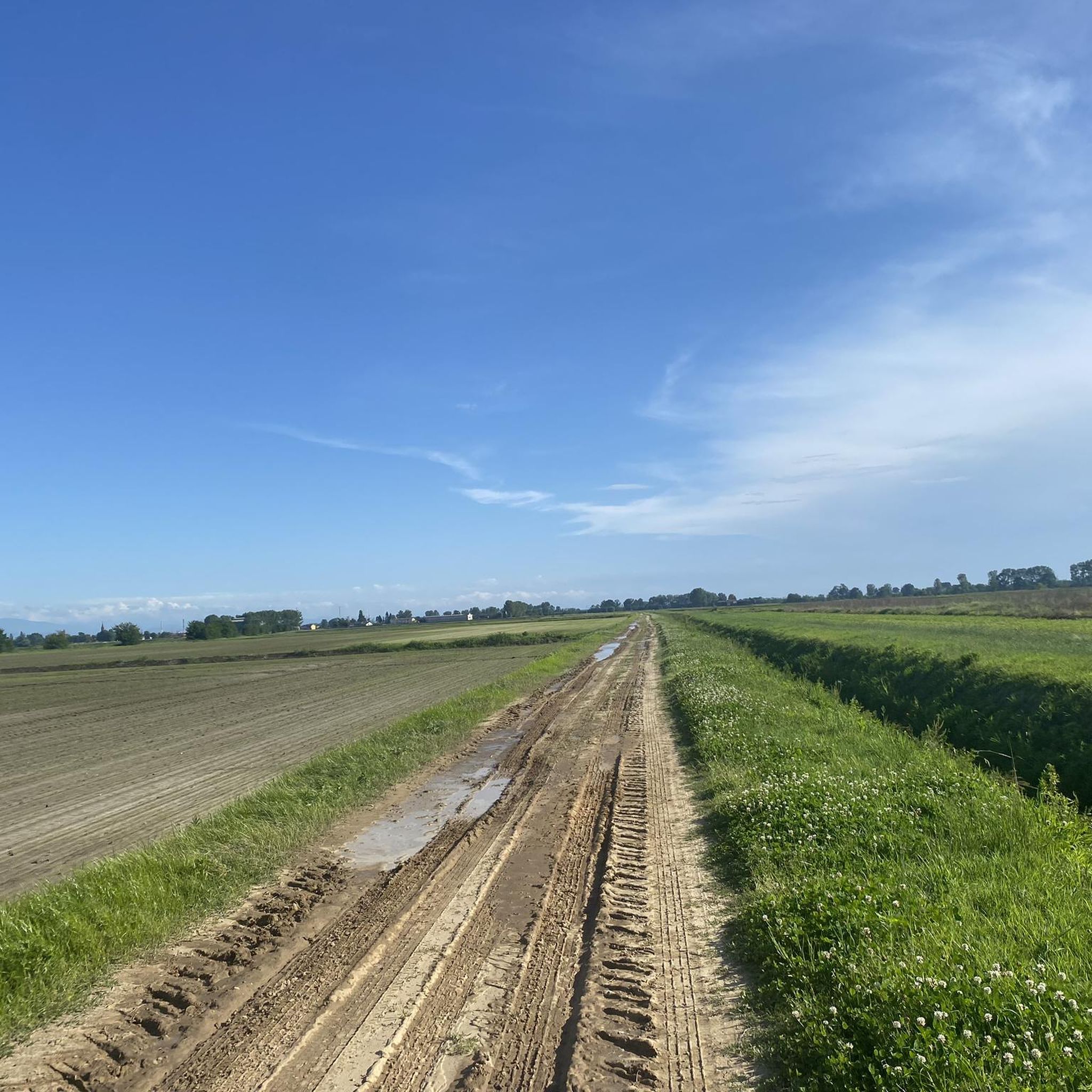
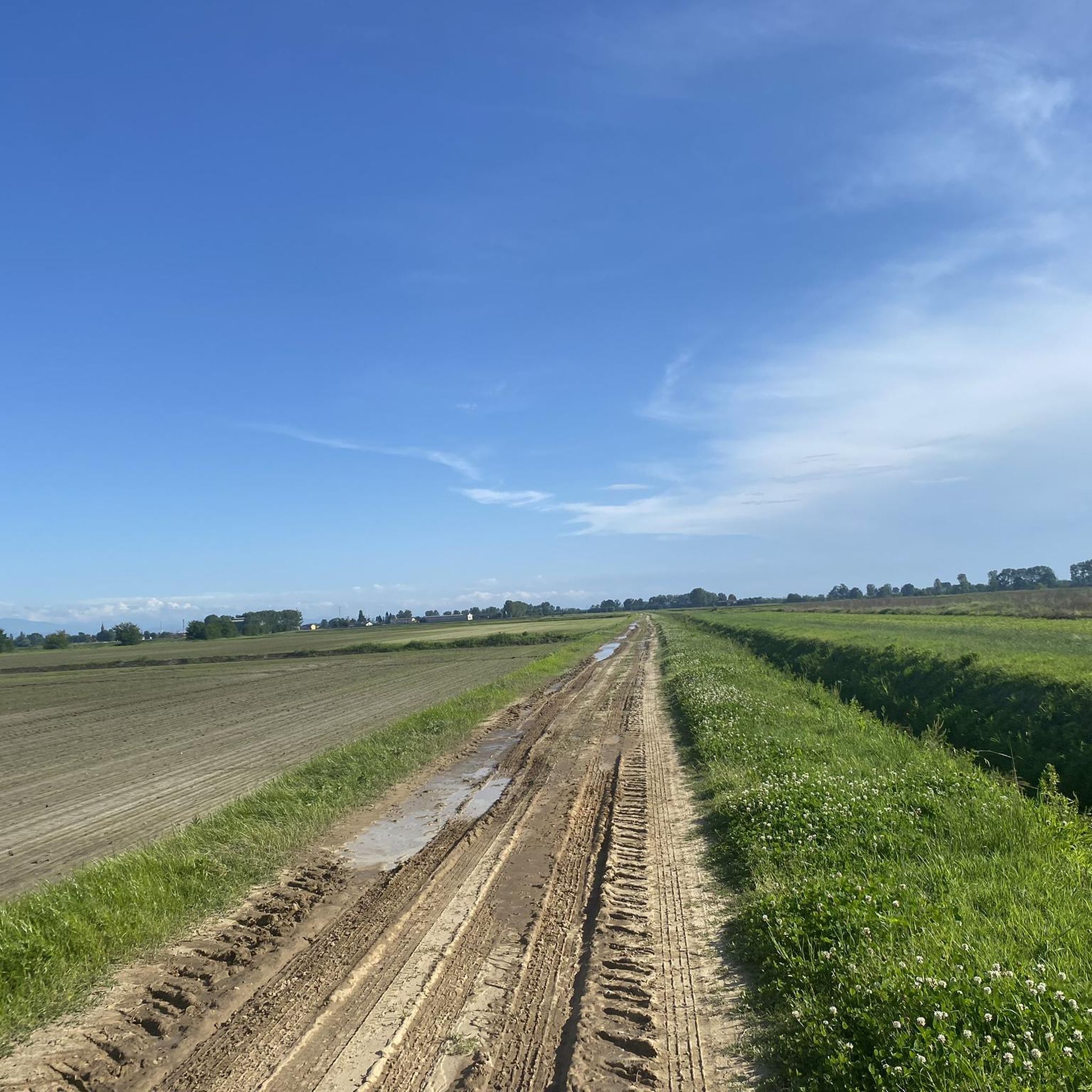
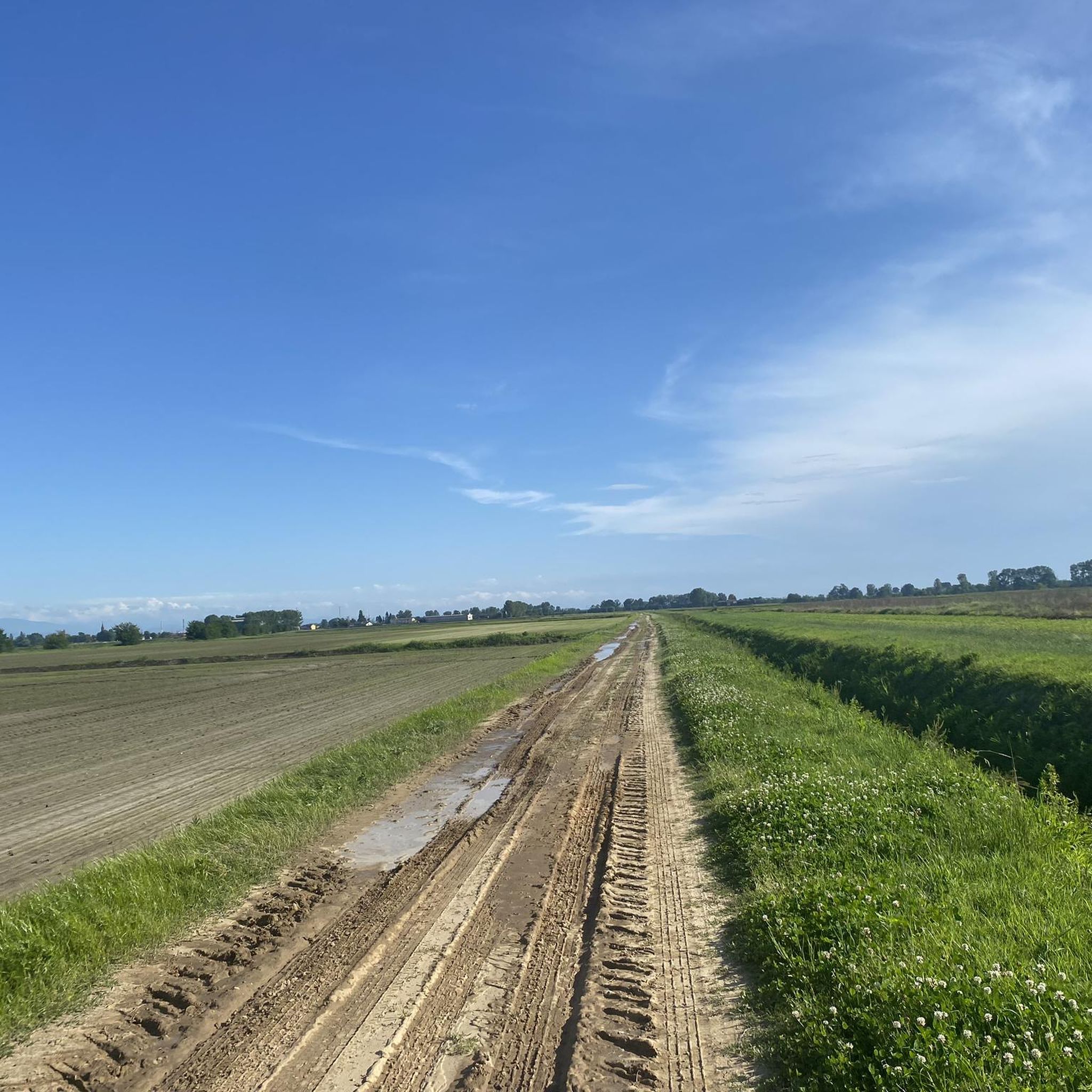
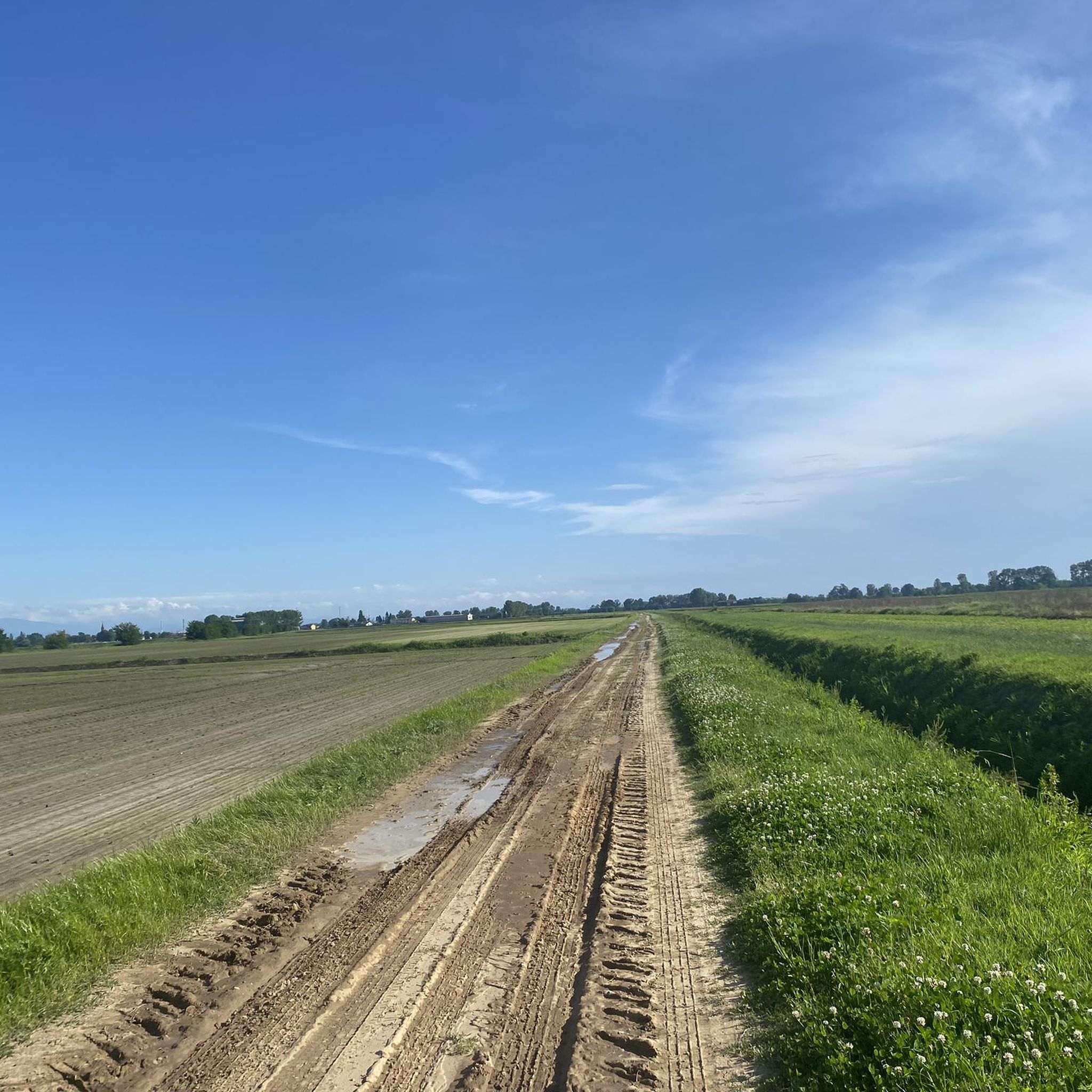
Scenic Road Along the Canal in Parco Lombardo della Valle del Ticino
Highlight (Segment) • Cycleway
Translated by Google •
Tip by

Church of San Siro, Borgo San Siro
Highlight • Religious Site
The parish church of Borgo San Siro is dedicated to SAN SIRO.
Translated by Google •
Tip by
Sign up now to discover places like this
Get recommendations on the best single tracks, peaks, & plenty of other exciting outdoor places.
Sign up for free
Sanctuary of Madonna della Bozzola
Highlight • Religious Site
Translated by Google •
Tip by

Dosso of Lomellina
Highlight • Natural Monument
Translated by Google •
Tip by
Basilica of San Lorenzo, Mortara
Highlight • Religious Site
Translated by Google •
Tip by
Sign up for free to discover even more attractions around Ottobiano.
Sign up for free
Already have an account?
Start today with a free account
Your next adventure awaits.
Login or Signup

Tips from the Community

The Church of San Siro is the main place of worship in the municipality of the same name in the province of Pavia, belonging to the Diocese of Vigevano. Built between 1729 and 1732 on the remains of a 13th-century chapel, it features an elegant Greek cross plan in the late Baroque style, enriched by 18th-century canvases by the painter Carlo Antonio Bianchi from Pavia.
0
0
The Parco Lombardo della Valle del Ticino is crossed not by a single canal, but by a complex and historic hydraulic network. The main ones are the Canale Villoresi and the Panperduto (Somma Lombardo).
0
0
The Lombardo Park of the Ticino Valley is the oldest regional park in Italy, established in 1974, and represents the first river park in Europe. With an area of approximately 91,800 hectares, it develops entirely in Lombardy, running along the Ticino River from Lake Maggiore (Sesto Calende) to its confluence with the Po River (Pavia), crossing as many as 47 municipalities in the provinces of Milan, Pavia, and Varese. Together with its twin, the Piedmontese Natural Park of the Ticino Valley, it forms the largest protected river area on the continent, also recognized as a MAB UNESCO Biosphere Reserve.
0
0

Madonna della Bozzola, sanctuary on the Via Francigena
1
0

The Santuario Madonna della Bozzola is a diocesan reference point for pastoral care, located in Tromello, province of Pavia, region of Lombardy. This sanctuary, dedicated to Our Lady of the Bozzola, is a place of encounter, reflection and spiritual growth. The shrine has its origins in a miraculous apparition of Maria Benedetta in 1465. Maria invited the faithful to build a chapel and later a church in her honor on this site. The church, founded at the beginning of the 16th century, has a cotto facade with frescoes in the lunettes of the portals. Inside is a painting of Our Lady of the Bozzola. The shrine was restored in 1983.
6
0
The Basilica di San Lorenzo is Mortara's most prominent historical monument, a Gothic building from the 14th century. Located in the city center, near the Palazzo del Comune, it attracts attention with its terracotta facade. Architecture: Built in Gothic Lombard style between 1375 and 1380 by Bernardino da Novara. Martino Bassi made some structural changes in 1573. Exterior: The cotto facade has frescoes in the lunettes of the portals, made by Nando Bialetti. The tondi on the facade are by Boniforte da Mortara. The colorful stained glass windows are the work of Francesco Mossmeyer. Interior: Rich in works of art, including paintings by Paolo da Brescia and a remarkable wooden nativity scene by Lorenzo da Mortara. In the 20th century the interior was renovated by Giuseppe Piatti.
6
0

Small church dedicated to the patron saint of Pavia (San Siro). Passing along roads with little traffic, it is worth a visit.
1
0

The collegiate basilica of San Lorenzo is dedicated to Lawrence of Rome and has the title of a minor basilica. The Gothic church dates from the 14th century and is the seat of the canon chapter. The church was designed between 1375 and 1380 by Bartolino da Novara in the Lombard Gothic style and was built of brick. A renovation was carried out in 1573 by Martino Bassi, restorations took place in 1840 and again in 1916. In this case, Giuseppe Piatti made the church simpler by removing chapels and replacing the altar. Pope Pius XII raised the church to the rank of a minor basilica in 1939. Source: Wikipedia
2
0
Frequently Asked Questions
What historical religious sites can I visit in and around Ottobiano?
Ottobiano and its surroundings are rich in historical religious sites. You can explore the Chiesa di San Michele Arcangelo in Ottobiano, a Baroque-style parish church with origins before the year 1000, featuring a 55-meter bell tower and valuable artworks. Also within Ottobiano is the Chiesa di San Rocco, which showcases architectural elements from the 15th and 18th centuries and significant paintings. Nearby, visit the Sanctuary of Madonna della Bozzola in Tromello, a diocesan reference point originating from a miraculous apparition in 1465. Another prominent site is the Basilica of San Lorenzo, Mortara, a 14th-century Gothic building known for its terracotta facade and rich interior artworks.
Are there any natural attractions or unique landscapes to see near Ottobiano?
Yes, the region offers unique natural features. The Dosso of Lomellina is a natural monument characterized by tiny sandy hills, which are remnants of ancient river path changes and erosion, offering a distinct landscape in the otherwise flat countryside. You can also explore the area around the Naviglio Langosco, a canal fed by the Ticino River, which provides beautiful scenery and is suitable for walking or cycling.
What kind of activities are available at Ottobiano Motorsport?
Ottobiano Motorsport is one of Europe's largest and most versatile motorsport complexes. It features various tracks for karting, supermoto, and motocross. You can find an asphalt track for karts and motorcycles, a safe driving center for cars, and five motocross tracks. The venue hosts international competitions and offers amenities like a shop, bar, restaurant, and pizzeria. Kart rental services are available for different experience levels, from beginner to more powerful options. For more details, you can visit visitpavia.com.
Are there family-friendly attractions around Ottobiano?
Several attractions around Ottobiano are suitable for families. The Sanctuary of Madonna della Bozzola and the Basilica of San Lorenzo, Mortara are historical sites that can be visited by families. The Dosso of Lomellina, with its unique sandy hills, offers an interesting natural spot for exploration. Additionally, Ottobiano Motorsport provides kart rental services that cater to different experience levels, making it a fun option for families interested in motorsports.
Can I find ancient Roman historical remnants in Ottobiano?
Yes, for those interested in ancient history, the remnants of a Roman bridge can be observed on the Erbognone torrent in Ottobiano. These remains are particularly visible during periods of low water levels, offering a glimpse into the region's ancient past.
What cycling opportunities are available near Ottobiano?
The area around Ottobiano offers various cycling opportunities. You can cycle along the Naviglio Langosco, a scenic canal route. The Via Francigena Path Near Pavia also offers sections suitable for cycling. For more structured routes, explore the Cycling around Ottobiano guide, which includes routes like the 'Old Mill – Sanctuary of the Madonna d'al Soc loop from Ottobiano' (easy, 25.8 km) and the 'Scaldasole Castle – Castello di Valeggio loop from Ottobiano' (easy, 25.5 km). Road cyclists can find options in the Road Cycling Routes around Ottobiano guide, such as the 'Rice fields – Lomellina countryside loop from Ottobiano' (easy, 43.7 km).
Are there any hiking or running trails near Ottobiano?
Yes, there are several options for hiking and running. The Via Francigena Path Near Pavia is a legendary pilgrim route with sections suitable for walking. For dedicated running, consult the Running Trails around Ottobiano guide. This includes routes like the 'Running loop from Casoni di Sant'Albino' (easy, 4 km) and the 'Castello di Alagna loop from Tromello' (moderate, 12.4 km).
What do visitors particularly enjoy about the attractions near Ottobiano?
Visitors appreciate the blend of historical and natural beauty. The Sanctuary of Madonna della Bozzola is valued as a place of spiritual growth and reflection. The Dosso of Lomellina surprises visitors with its unique sandy hills amidst the flat countryside. The Basilica of San Lorenzo, Mortara is admired for its prominent Gothic architecture and rich interior artworks. The scenic beauty of the Naviglio Langosco and the historical significance of the Via Francigena Path Near Pavia are also highly regarded.
What is the best time of year to visit Ottobiano for outdoor activities?
While specific data isn't provided, the Lombardy region generally offers pleasant weather for outdoor activities during spring (April-June) and autumn (September-October). These seasons typically provide milder temperatures, which are ideal for cycling, running, and exploring historical sites without the intense heat of summer or the chill of winter.
Are there any viewpoints or scenic spots in the Ottobiano area?
Yes, the Dosso of Lomellina offers unique viewpoints over the surrounding countryside, characterized by its small sandy hills. Additionally, sections of the Via Francigena Path Near Pavia provide scenic views, especially where it bypasses the Ticino River, offering evocative spectacles combined with varied fauna.
What is the significance of the Naviglio Langosco?
The Naviglio Langosco is a historical canal, built in the 17th century, that draws its waters from the Ticino River. Its primary purpose was to irrigate fields in the Novarese and Lomellina regions. Today, it's recognized for the beautiful area surrounding its path, which is accessible for dirt bikes and walking, with the Via Francigena also passing through it.
What is the history behind the Chiesa di San Michele Arcangelo in Ottobiano?
The Chiesa di San Michele Arcangelo in Ottobiano has a rich history, with its origins dating back to before the year 1000. The current structure, rebuilt in the 18th century, is in a Baroque style. It features a single nave, four side altars, a central altar, and a beautifully frescoed dome. Its impressive bell tower, erected in 1743, stands at 55 meters, making it one of the tallest in the Lomellina area. The church also houses valuable artworks, including a 16th-century painting of the Virgin of the Rosary and notable wooden statues of the Madonna.
Most popular routes around Ottobiano
Most popular attractions around Ottobiano

Get inspired with the komoot mobile app


Explore more
Still not found the Highlight you’re looking for? See guides of the top attractions in other regions:
