Attractions and Places To See around Bobbio - Top 20
Best attractions and places to see around Bobbio include a rich array of historical, cultural, and natural sites. This medieval town is situated in the Trebbia Valley, known for its river and surrounding Apennine mountains. The area offers a blend of ancient landmarks and scenic natural features. Visitors can explore historical architecture and diverse landscapes.
Best attractions and places to see around Bobbio
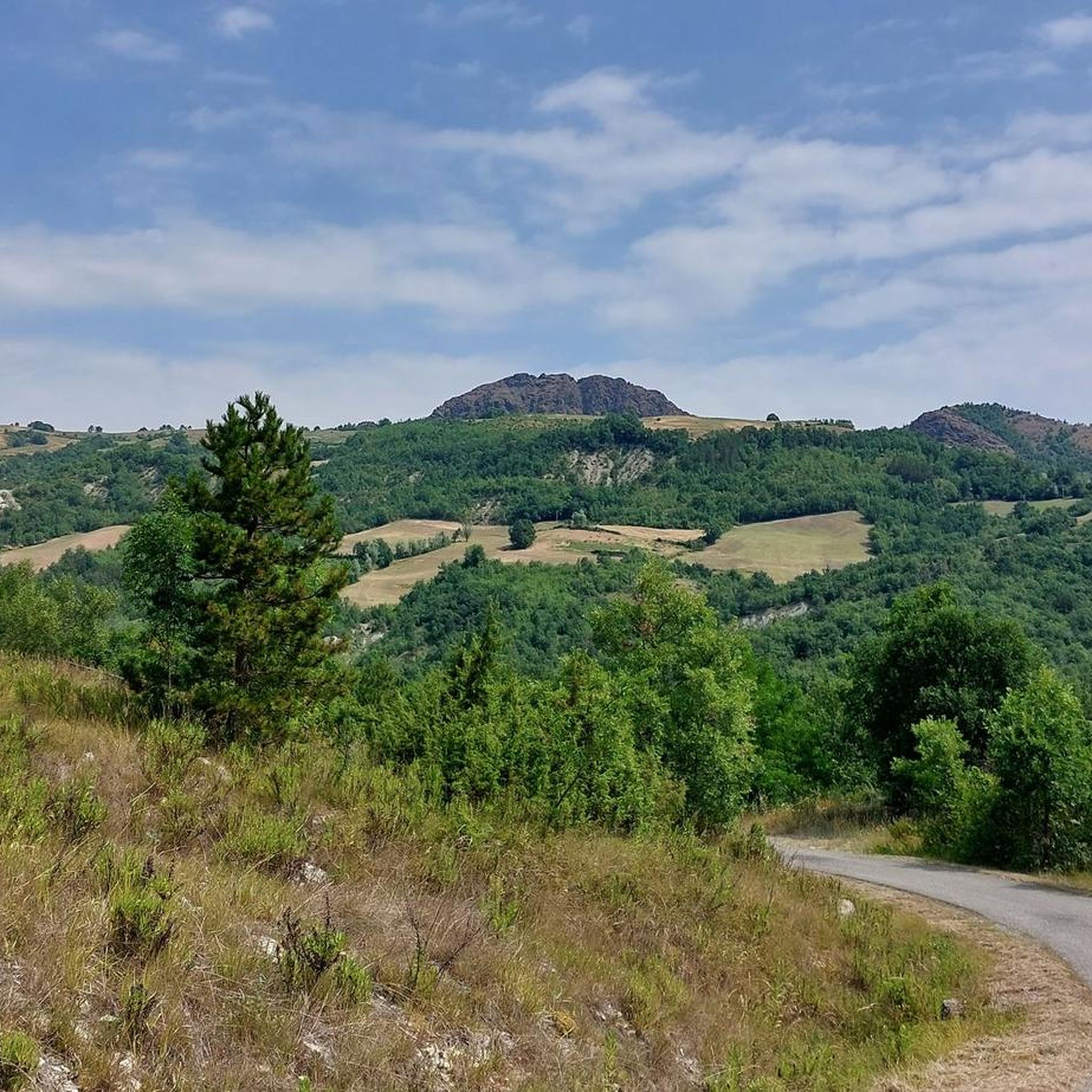
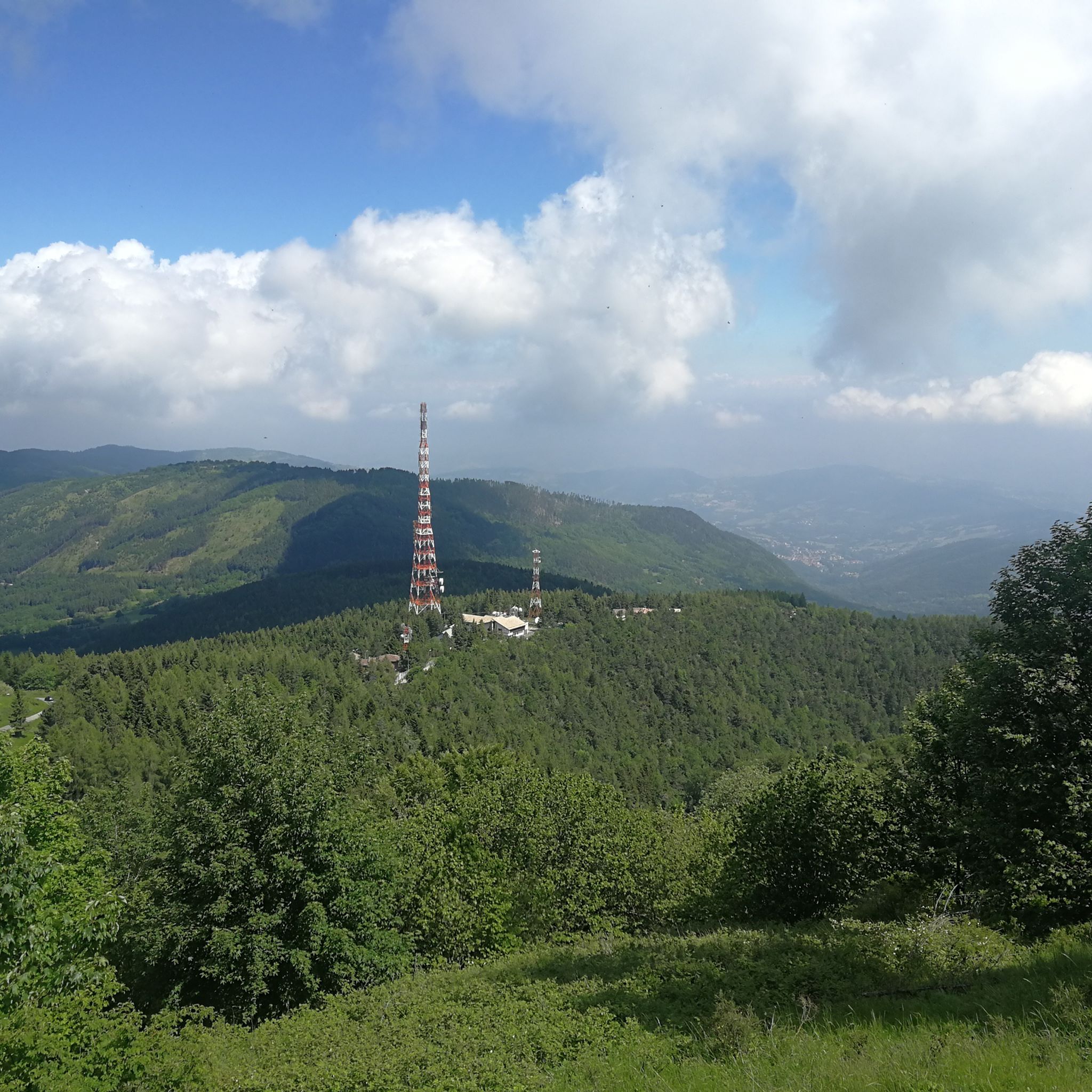
- The most popular attractions is Monte Lesima and the ENAV radar, a summit that offers a magnificent landscape view between the Oltrepò Pavese and Liguria. At its top stands a large metal lattice cross and a geoid-shaped radar used for air traffic control.
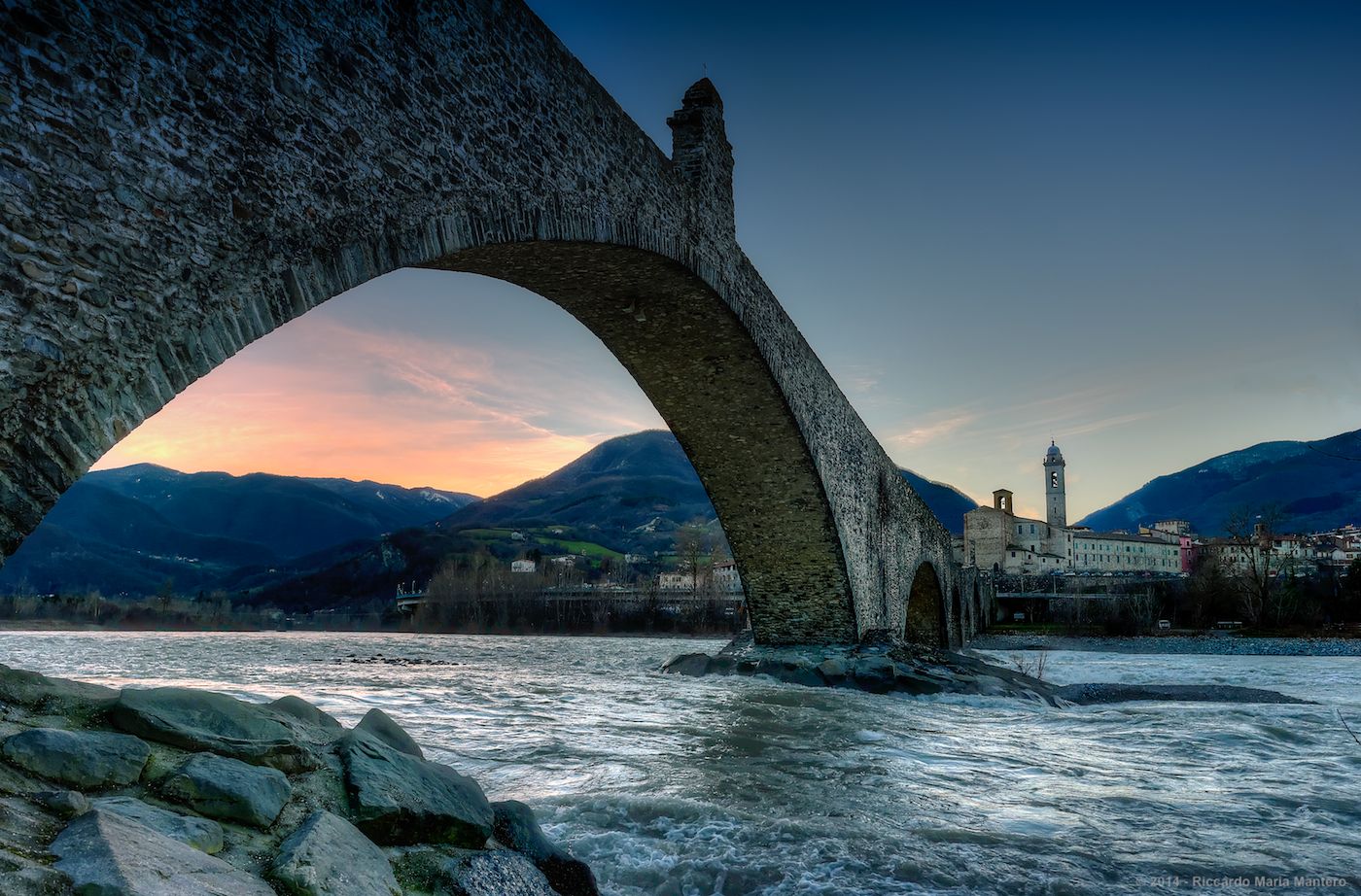
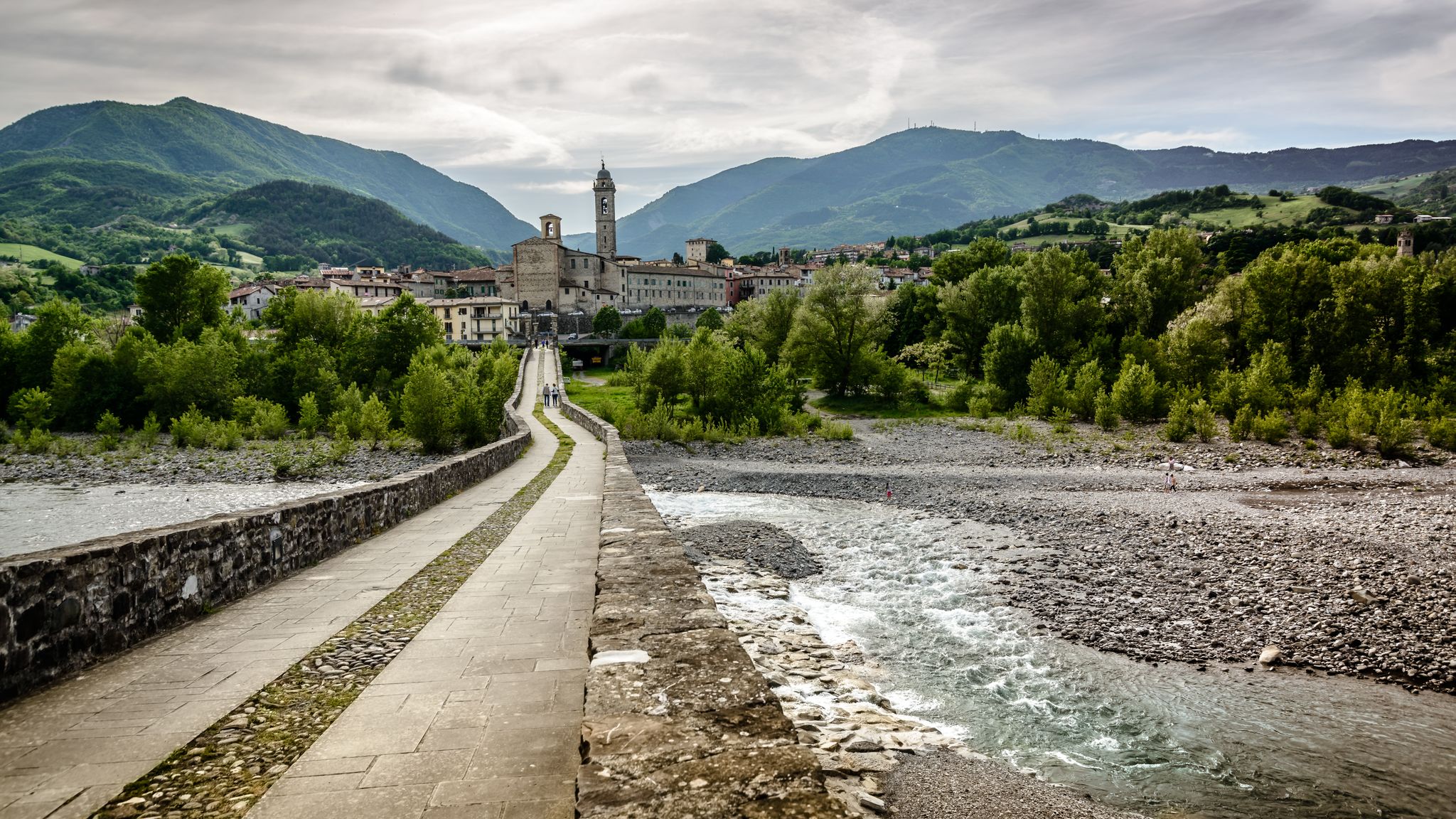
- Another must-see spot is Ponte Gobbo (Bobbio), a bridge also known as the Devil's Bridge. This Roman structure, characterized by its undulating shape and 11 irregular arches, connects the two banks of the Trebbia River.
- Visitors also love Monte Denavolo Summit Cross, a summit located on the watershed between Val Nure and Val Trebbia. Its almost flat summit is crowned by a pine forest and offers a 360° view of the surrounding landscape.
- Bobbio is known for its historical sites, natural features, and castles. The region offers a variety of attractions to see and explore, from ancient bridges to mountain viewpoints.
- The attractions around Bobbio are appreciated by the komoot community, with more than 50 upvotes and 20 photos shared by visitors.
Last updated: October 10, 2026
Monte Lesima and the ENAV radar
Highlight • Summit
Translated by Google •
Tip by

Pietra Perduca and the Oratory of St. Anne
Highlight • Religious Site
Translated by Google •
Tip by

Sign up now to discover places like this
Get recommendations on the best single tracks, peaks, & plenty of other exciting outdoor places.
Ponte Gobbo (Devil's Bridge) of Bobbio
Highlight • Bridge
An ancient legend is linked to the construction of the bridge: it is said that the devil contacted San Colombano, offering to build the bridge in a single night, in exchange for the first mortal soul to cross it. The saint accepted the offer. During the night, the devil called some little devils who helped him build the bridge, supporting the vaults with their own strength. These demons varied in height, which led to the creation of differently sized arches in the bridge. At dawn, the devil showed up at the end of the bridge to collect his "reward". Saint Columbanus sent a little dog to the devil as payment. Deceived, the devil returned to hell, but not before kicking his creation, causing the tilt that gives the bridge its characteristic "hunchback" appearance.
Translated by Google •
Tip by

Rezzanello Castle and Church of San Michele Arcangelo
Highlight • Castle
Translated by Google •
Tip by

Monticello Castle and Partisan Memorial
Highlight • Castle
Showing Translation
Tip by
Sign up for free to discover even more attractions around Bobbio.
Already have an account?
Start today with a free account
Your next adventure awaits.



Tips from the Community

Il Castello di Monticello (Gazzola, PC) is a 14th-century medieval fortification strategically located between Val Trebbia and Val Luretta. Mentioned since 1372, it is known for its war events, including a battle in 1945. It was a fief of the Arcelli family and, despite war damage, retains its quadrangular structure.
15
0

Monticello Castle, of strategic importance due to its location on the ridge of the Trebbia and Luretta valleys and its role in the entrenched camp, was first mentioned in 1372 when it was occupied by papal troops.
2
0

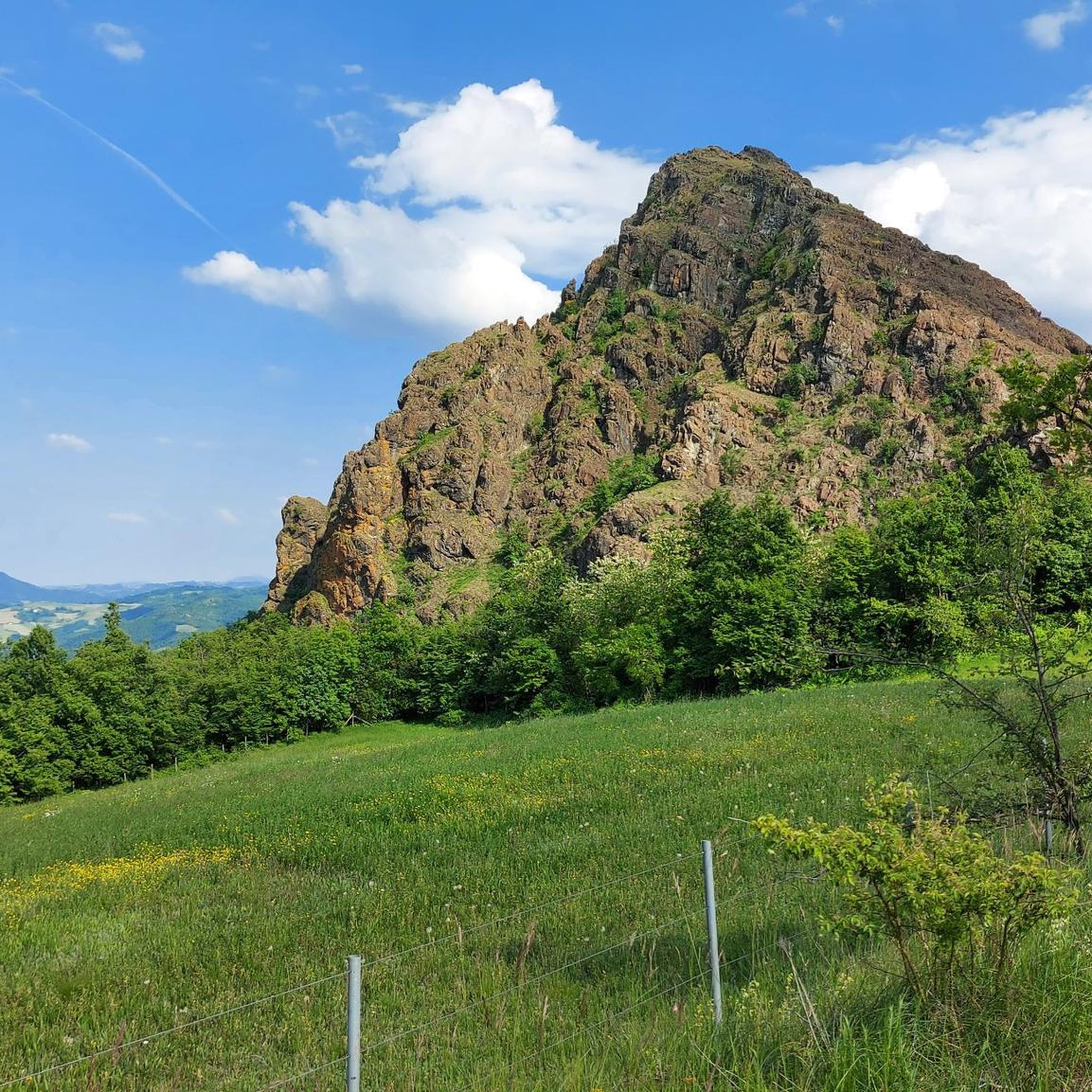
enchanting place on a splendid panorama, there are on the crest of the rock some tanks with newts, unique animals
2
0

The Castle was first mentioned in a document from 1001. On this occasion, Bishop Sigifredo granted the Benedictine monks of San Savino (Piacenza) some land, including the area of the Castle. The building has a trapezoidal plan and has four circular towers. The first of the four towers dates back to around the year 1000, which only later became four. The Castle was often the scene of clashes and battles. In 1212, the Guelphs of Piacenza took refuge there, threatened by the Ghibellines of Visconti, but they were worsted because they were defeated later in two battles. In the fourteenth century, the Castle was inhabited by Gabriello Boccapiccina, then it passed to the Chiapponi family. When the Chiapponi family died out, in the eighteenth century they were replaced by the Scotti di San Giorgio, who profoundly adapted the building, transforming it into a stately home. At the beginning of the twentieth century, the Castle belonged for a short period to the Lombardi of Genoa; it was then sold to Eng. Giuseppe Manfredi, who had it restored by Prof. Camillo Guidotti. From 1930 to 1987, the building was owned by the Ursuline Mothers of Piacenza. Today, the Castle is used by the current owner as a venue for private events.
0
0

An important battle of the Liberation struggle took place here at the castle of Monticello, between 15 and 16 April 1945, in which a handful of partisans barricaded in the castle resisted and repelled a large Nazi-fascist troop of 450 men. Here is an exciting documentation: https://www.rivalta-trebbia.it/battaglia-di-monticello/
2
0

I arrive in Bobbio from a less busy road and with a beautiful view of Ponte
1
0

The oratory is beautiful
1
0
Frequently Asked Questions
What historical landmarks can I explore in Bobbio?
Bobbio is rich in history. You can visit the iconic Ponte Gobbo (Bobbio), also known as the Devil's Bridge, a Roman structure with a distinctive undulating shape. The town is also home to the significant Abbey of San Colombano, a pivotal center of medieval learning, and the Bobbio Cathedral (Duomo di Santa Maria Assunta), built in Romanesque style in 1075. Additionally, the Malaspina-Dal Verme Castle offers a glimpse into Ghibelline history and panoramic views.
Are there any castles to visit near Bobbio?
Yes, the area features several historic castles. You can see Rezzanello Castle and Church of San Michele Arcangelo, a well-preserved castle first mentioned in 1001, though it is private property. Another notable site is Monticello Castle and Partisan Memorial, a 14th-century medieval fortification with a touching memorial to local Partisan heroes.
What natural features and viewpoints are there around Bobbio?
The region boasts stunning natural beauty, particularly within the Trebbia Valley. You can experience magnificent landscape views from Monte Lesima and the ENAV radar, one of the highest peaks in the Ligurian Apennines. Another excellent viewpoint is Monte Denavolo Summit Cross, offering a splendid 360° panorama. The Trebbia River itself is a major natural feature, known for its clean waters and scenic meanders like those at San Salvatore, which offer natural beaches.
What outdoor activities can I do near Bobbio's attractions?
The area around Bobbio is perfect for outdoor enthusiasts. You can enjoy hiking, cycling, and road cycling. For hiking, consider routes like the 'Loop tour towards the peak of Monte Penice' or the 'Brugnello Loop Trail'. Cyclists can explore routes such as 'Val Trebbia from Bobbio - ring tour' or 'Ponte Gobbo (Bobbio) – Ponte Gobbo loop from Bobbio'. You can find more details on these activities in the dedicated guides for Hiking around Bobbio, Road Cycling Routes around Bobbio, and Cycling around Bobbio.
Are there any cultural sites or museums in Bobbio?
Beyond its historical landmarks, Bobbio offers several cultural sites. Within the Abbey of San Colombano, you'll find the Abbey Museum and the City Museum, which delve into the town's rich history and the life of Saint Columbanus. The Diocesan Museum is located within the Cathedral complex, and for contemporary art lovers, the Mazzolini Collection displays works by artists like De Chirico and Fontana.
What is the best time to visit Bobbio for outdoor activities?
The Trebbia Valley, where Bobbio is located, offers diverse seasonal activities. Spring and autumn are ideal for hiking and cycling, with pleasant temperatures and vibrant landscapes. Summer is perfect for enjoying the Trebbia River, with opportunities for swimming, sunbathing, canoeing, and canyoning in spots like the Meanders of San Salvatore. In winter, Monte Penice offers ski resorts and cross-country skiing facilities.
Can I find thermal springs or wellness spots in Bobbio?
Yes, Bobbio has a history of thermal water springs. You can find notable thermal establishments such as Terme di Sant'Ambrogio in Piancasale and the Thermal baths of San Martino. There are also freely accessible thermal baths at Rio Foino, offering a chance to relax and enjoy the natural waters.
What is special about the Trebbia River in Bobbio?
The Trebbia River is central to Bobbio's identity and is renowned for its exceptional beauty. Ernest Hemingway once described its valley as 'the most beautiful in the world'. Its clean, fresh waters flow through a landscape of stones, rocks, and waterfalls, creating numerous scenic spots and natural beaches. It's a popular destination for swimming, sunbathing, canoeing, and fishing, especially at the picturesque Meanders of San Salvatore.
What do visitors enjoy most about the attractions around Bobbio?
Visitors particularly appreciate the blend of historical significance and natural beauty. The Ponte Gobbo (Bobbio) is often highlighted for its unique architecture and intriguing legends. The panoramic views from summits like Monte Lesima and the ENAV radar are also highly praised, offering stunning vistas of the surrounding landscape between Oltrepò Pavese and Liguria.
Are there any family-friendly activities or trails in the Bobbio area?
While specific family-friendly trails are not detailed, the natural beaches along the Trebbia River, particularly at the Meanders of San Salvatore, offer excellent opportunities for families to swim and relax. Exploring the historic center of Bobbio with its medieval charm can also be an engaging activity for all ages. The legends surrounding the Ponte Gobbo (Bobbio) can also captivate younger visitors.
What is the significance of Monte Penice near Bobbio?
Monte Penice, standing at 1,460 meters, is a dominant natural landmark near Bobbio. It is home to the Shrine of Our Lady of Penice, a significant religious site. Beyond its spiritual importance, Monte Penice offers recreational opportunities, including ski resorts and cross-country skiing facilities in winter, and hiking trails with panoramic views during warmer months.
Most popular attractions around Bobbio

Get inspired with the komoot mobile app


Explore more
Still not found the Highlight you’re looking for? See guides of the top attractions in other regions:
