The best road cycling routes around Fossacesia
4.3
(175)
3,985
riders
24
rides
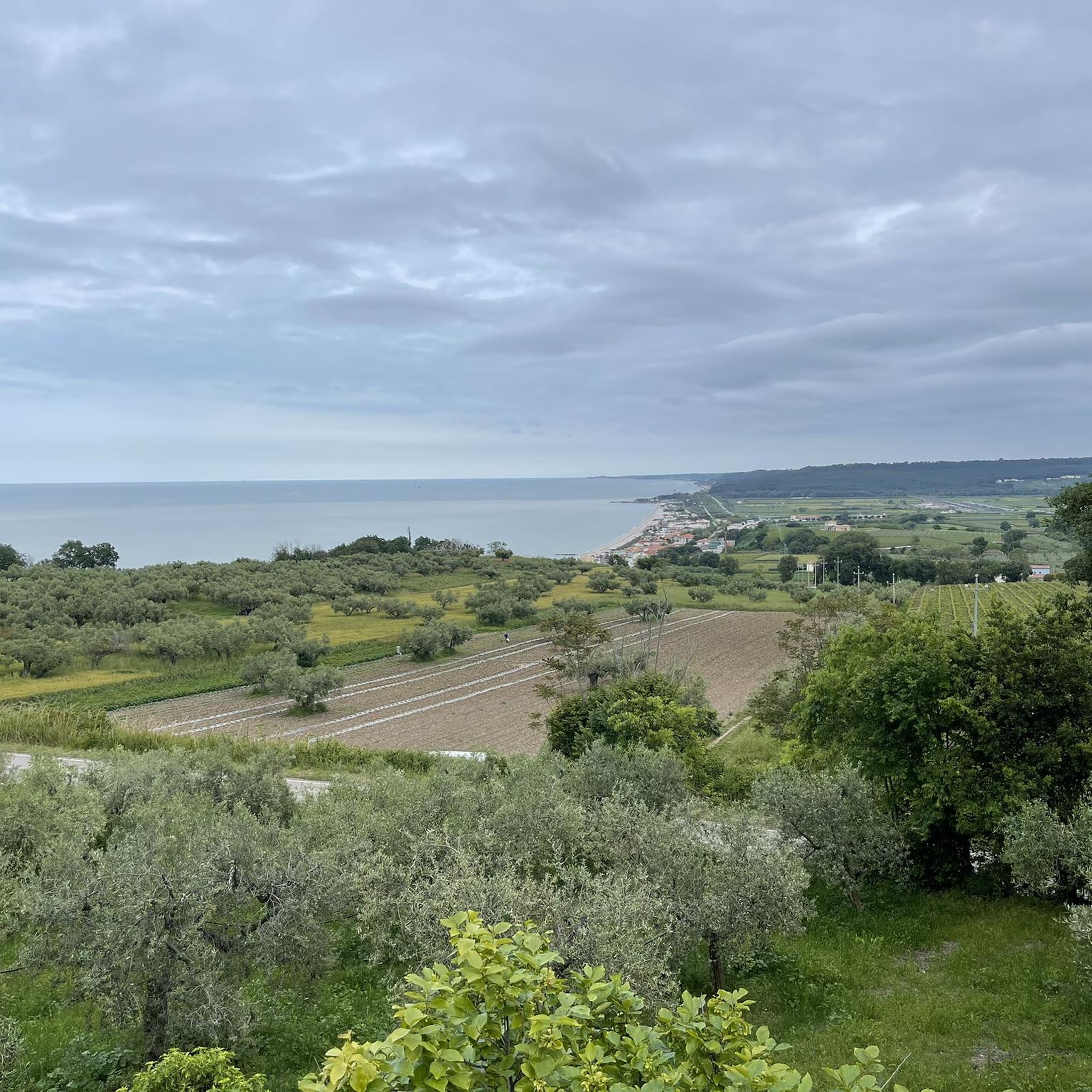
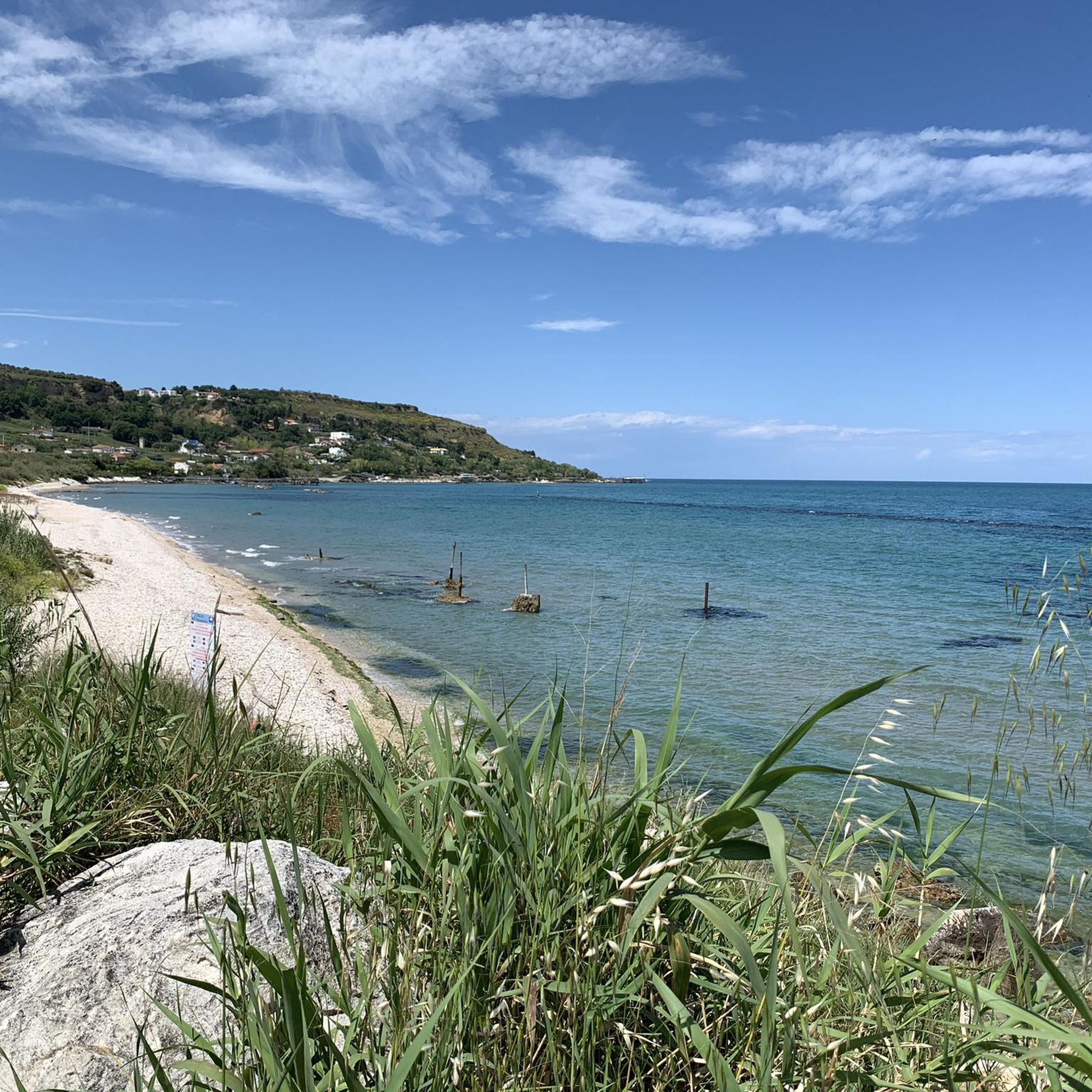
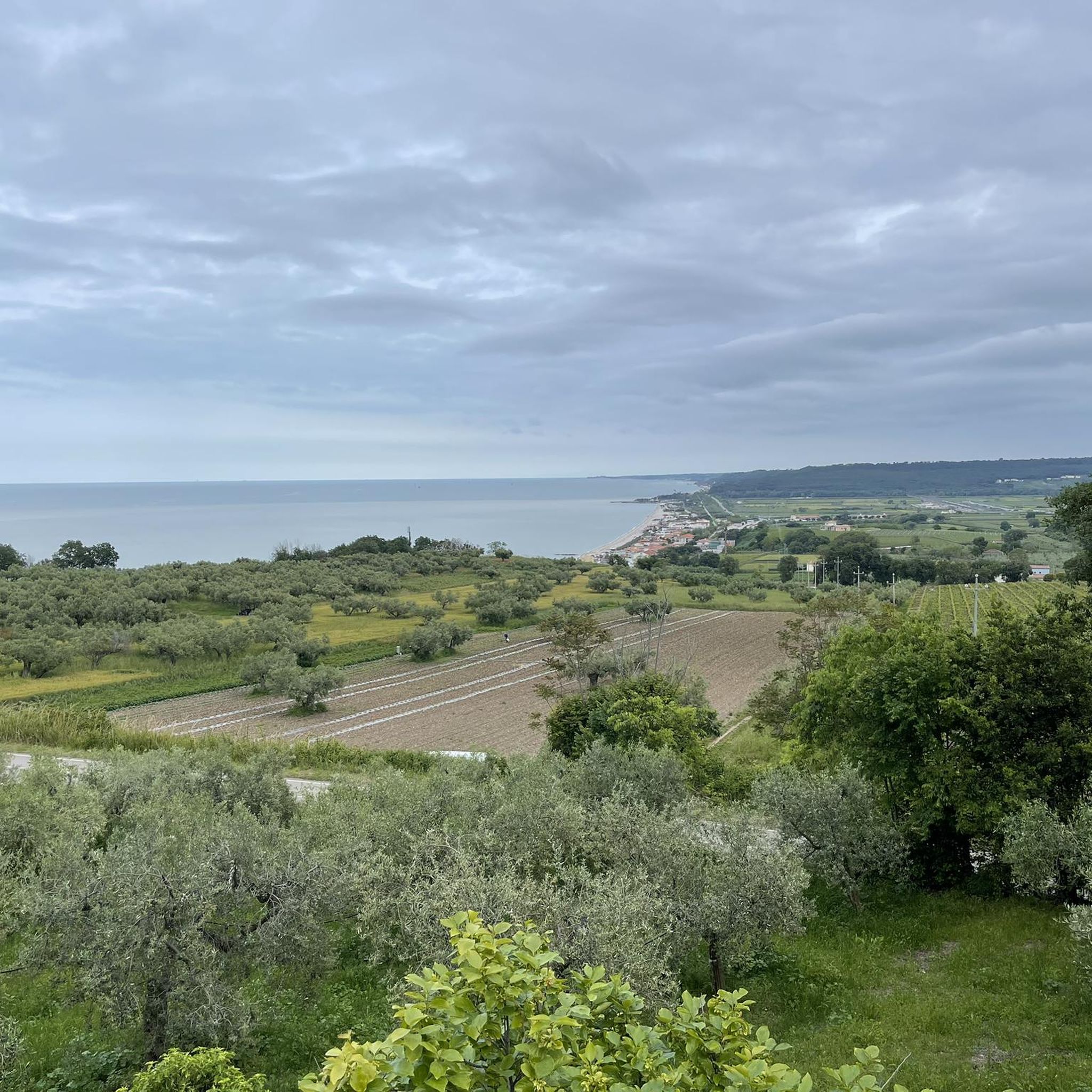
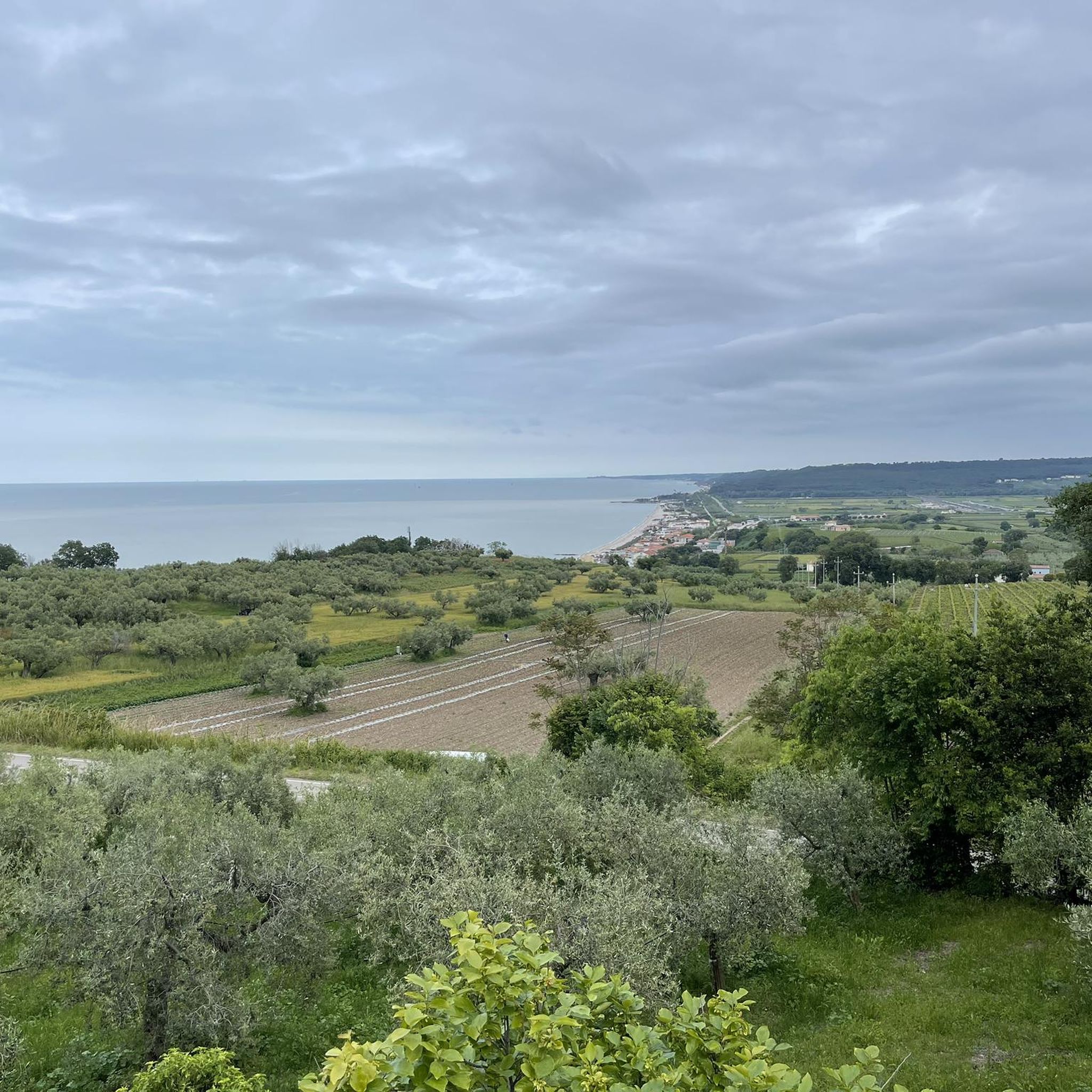
Road cycling around Fossacesia is characterized by its diverse coastal and inland terrain. The region features the flat, traffic-free Via Verde della Costa dei Trabocchi, a dedicated cycle path built on a former railway line offering continuous sea views. Beyond the immediate coastline, the landscape transitions to rolling hills, vineyards, and olive groves, providing varied terrain with elevation changes. The Sangro river valley also offers panoramic vistas towards the Majella mountains.
Best road cycling routes around Fossacesia
- The most popular…
Last updated: August 29, 2026
34
riders
68.3km
03:25
1,030m
1,030m
Hard road ride. Very good fitness required. Some segments of this route may be unpaved and difficult to ride.
49
riders
Hard road ride. Very good fitness required. Mostly well-paved surfaces and easy to ride.

Sign up for free
15
riders
Moderate road ride. Good fitness required. Some segments of this route may be unpaved and difficult to ride.
10
riders
Hard road ride. Very good fitness required. Mostly well-paved surfaces and easy to ride.
7
riders
Moderate road ride. Good fitness required. Some segments of this route may be unpaved and difficult to ride.
Get access to more routes and recommendations from other explorers.
Sign up for free
Already have an account?
Our route recommendations are based on thousands of hikes, rides, and runs completed by other people on komoot.
Start today with a free account
Your next adventure awaits.
Login or Signup

Tips from the Community

Suitable for Gravel or MTB, less so for road bikes on the dirt sections
0
0

Historic Franciscan monastery in an oasis of peace. The Convento di San Pasquale (officially the monastery of Santa Maria degli Angeli) is hidden in the greenery on the hill of Vallaspra, just outside the medieval town of Atessa. This impressive complex was founded as early as 1408 by the blessed Tommaso da Firenze. It is built entirely of natural stone and exudes a serene, historic atmosphere. Although the interior and the beautiful monastery garden with the central well (from 1709) are unfortunately often closed to the public due to varying opening hours, the complex is an absolute sight to behold from the outside. Under the large portico at the front, you can still admire a centuries-old fresco of the Pietà. Moreover, the quiet, shady surroundings are perfect for a well-deserved break during your sporting tour. Fun fact: the monastery used to lend its name to the well-known local herbal liqueur "Amaro San Pasquale", which was originally prepared by the monks with herbs from this valley.
2
0
Ex-Fossacesia Station – The historic railway heart by the sea. The old Fossacesia Marina train station is a fascinating cultural-historical stop right along the route. Today, this nostalgic building marks the spot where the historic Adriatic Railway (Ferrovia Adriatica) thundered along since 1862, until the railway was moved inland in 2005 to make way for the current Via Verde. Although the characteristic building was a symbol of bygone glory for many years, the place breathes pure railway history. It is also the place where the 19th-century industrial revolution and the ancient fishing tradition literally shook hands. The historical significance behind this stop: the backbone of the trabocchi: When workers laid the tracks for this station in the 19th century, they left heavy materials lying around. Resourceful fishermen used the abandoned, heavy railway sleepers, iron bolts, and telegraph cables to anchor nearby trabocchi (like Punta Rocciosa) indestructibly into the seabed. The train thus gave the fishing spiders their iron backbone! Climb to the Goddess of Love: this station was historically the gateway for travelers making pilgrimages to the higher-lying 12th-century San Giovanni in Venere Abbey. Future Tourist Hub! There's a breath of fresh air blowing through the heritage! In May 2026, the final expropriation process will be completed. The province of Chieti is currently transforming this old station into a modern tourist hub and co-working space. Komoot tip: use the ample parking around the old station as the ideal starting point for your bike tour, or pause here to capture the contrasts between the old architecture and the modern cycling infrastructure.
5
0
Abbey of San Giovanni in Venere – The divine balcony of Abruzzo. Resolutely hit the brakes and swap the coastline for a short, sporty climb up the hill for a moment. Atop the Promontorio di Venere awaits one of Italy's most magical and spiritual places. The Abbey of San Giovanni in Venere. This impressive 12th-century abbey was built on the foundations of an ancient Roman temple dedicated to the goddess of love, Venus. Surrounded by ancient olive groves, this place exudes a serene tranquility that contrasts beautifully with the lively beaches below. Why is this an absolute top highlight? The ultimate Belvedere! Next to the abbey is a beautiful viewing platform. From this 'balcony', you look down in bird's-eye view on the perfect crescent bay of the Golfo di Venere and see the trabocchi like small wooden spiders lying in the turquoise sea. The hidden monastery garden: step inside for free and wander through the idyllic cloister (chiostro). The inner courtyard full of flowers and the graceful arched windows offer welcome coolness on a warm summer day. The mysterious crypt: descend the stairs under the altar. In the crypt, you can admire beautiful, well-preserved 13th-century frescoes. Komoot tip: the climb from the Via Verde in Fossacesia Marina to the abbey is short but steep. With an e-bike, you'll be there in no time, but even under your own power, this panorama is truly worth every drop of sweat. An unforgettable cultural and photo stop!
3
0
Trabocco Punta Rocciosa – Built with railway secrets. Located on the vibrant coastline of Fossacesia Marina, you'll find Trabocco Punta Rocciosa. This is not only an incredibly popular seafood restaurant where you dine above the crashing waves, but also a place with a fascinating historical secret directly connected to the cycle path you are currently riding! The railway secret of the 'fishing spiders' Did you know that this trabocco owes its rock-solid strength to the old railway line? Before 1862, the fishing platforms were built purely from fragile local wood and rope, causing them to sink into the sea at the slightest storm. When workers laid the railway line right along the coast, they left materials lying around everywhere. Resourceful fishermen saw their chance: they collected the heavy old railway sleepers, iron bolts, and telegraph cables. With these railway remnants, they anchored the trabocchi deep into the rocks. The Via Verde, which you are now cycling on, literally gave this construction its indestructible backbone in the 19th century! Why stop here? 📸 Postcard-perfect composition: the trabocco sits on a rugged, rocky headland (hence the name Rocciosa) with a beautiful little pebble beach right in front. 🍽️ Culinary hotspot: beloved for its authentic fish soups (il brodetto) and the unique experience of seeing the clear sea flowing through the gaps in the wooden floor. 🛠️ Living history: take a close look at the construction; the mix of gnarled tree trunks and industrial railway materials is nowhere as beautifully visible.
4
0
Costa dei Trabocchi – Cycling between ‘giant wooden spiders’. The Via Verde dei Trabocchi is without a doubt one of the most spectacular cycle paths in Europe! This smoothly asphalted and largely flat path is over 50 kilometers long and reuses an old, abandoned railway line. You literally cycle a stone's throw from the Adriatic Sea, right through cooling historic railway tunnels, past hidden pebble coves (calette) and idyllic little harbors. The absolute stars of this route are the trabocchi. These unique, monumental wooden fishing huts on stilts rise above the turquoise water like gigantic spiders. In the past, they were used by resourceful farming families to fish safely from dry land, and today they house the most exclusive fish restaurants in the Abruzzo region. Why you must cycle this route: 🌊 Continuous sea view: No cars, no stress, just the sound of the surf and the smell of the sea. 🐟 Culinary stops: From a quick espresso in an authentic little harbor to a lavish lunch on a wooden platform floating above the waves. 🛠️ Unique heritage: The route breathes history and brings you face to face with centuries-old fishing traditions. 💡 Komoot tip! Rent an e-bike, bring your swimwear for a refreshing dip in one of the hidden bays, and don't forget to book your fish lunch on a trabocco weeks in advance!
5
0
Castello Aragonese – Historic viewpoint above the Adriatic Sea The Castello Aragonese is the impressive northern starting point of the Costa dei Trabocchi. This 15th-century fortress stands high on a steep cliff and offers you a magnificent view over the Adriatic Sea, the port of Ortona, and the coastline of the Via Verde dei Trabocchi. The massive round towers and thick fortress walls are reminiscent of a turbulent past. The castle withstood heavy fighting during World War II, after which part of the complex was lost. As if that were not enough, in 1946, a landslide caused almost half of the fortress to disappear into the sea. Today, it is one of the most beautiful viewpoints in Ortona and an ideal stop during your cycling or hiking tour. The castle ruins and inner courtyard are freely accessible. A short, steep climb awaits from the port, but it is amply rewarded with beautiful panoramas. Around the castle, you will also find cozy terraces and shady benches to catch your breath.
1
0
The Trabucchi cycle path (officially known as the Via Verde dei Trabocchi) is a beautiful, largely flat cycle path over 50 kilometers long that runs along the Adriatic coast of the Italian region of Abruzzo on a former railway line. The path owes its name to the trabocchi (singular: trabocco): unique, monumental wooden fishing platforms on stilts that tower over the water like giant spiders.
5
0
Frequently Asked Questions
What kind of terrain can I expect on road cycling routes around Fossacesia?
Road cycling around Fossacesia offers a mix of coastal and inland terrain. You'll find the flat, traffic-free Via Verde della Costa dei Trabocchi with continuous sea views, ideal for relaxed rides. Beyond the coast, the landscape transitions to rolling hills, vineyards, and olive groves, providing varied terrain with elevation changes for more challenging routes. The Sangro river valley also offers panoramic vistas towards the Majella mountains.
Are there road cycling routes suitable for beginners in Fossacesia?
Yes, Fossacesia offers routes suitable for various skill levels. The Via Verde della Costa dei Trabocchi is particularly well-suited for beginners due to its flat, traffic-free nature. Overall, there are approximately 8 easy road cycling routes in the area, providing gentle options to explore the coastline.
What are some notable landmarks or attractions I can see along the road cycling routes?
Many routes offer scenic views and pass by significant landmarks. You can cycle along the unique Costa dei Trabocchi, featuring ancient fishing machines perched over the sea. The historic Abbey of St John in Venere, perched on a promontory, offers breathtaking panoramic views and is an accessible detour. Routes like the Ortona's Aragonese Castle – Francavilla al Mare Seafront loop also pass historical sites like Ortona's Aragonese Castle.
Are there any circular road cycling routes in the Fossacesia area?
Yes, several routes are designed as loops, allowing you to start and end in the same location. For example, the From Torino di Sangro to Tornareccio via Atessa - Ring tour is a challenging loop through inland hills. Another option is the Mouth of the Sangro River – Via Verde dei Trabocchi loop from Fossacesia, which combines coastal and river views.
What is the best time of year for road cycling in Fossacesia?
The region generally offers pleasant cycling conditions for much of the year. Spring and autumn are often ideal, with milder temperatures and less crowded paths. The dedicated Via Verde dei Trabocchi is enjoyable in most seasons, though summer can be hot, making early morning or late afternoon rides preferable.
How long do road cycling routes around Fossacesia typically take to complete?
Route durations vary significantly based on distance and elevation. Shorter, moderate routes like the Mouth of the Sangro River – Via Verde dei Trabocchi loop from Fossacesia can be completed in under 2 hours. Longer, more challenging routes, such as the From Torino di Sangro to Tornareccio via Atessa - Ring tour, can take over 3 hours due to their distance and significant elevation gain.
Are there family-friendly road cycling options in Fossacesia?
Absolutely. The Via Verde della Costa dei Trabocchi is an excellent choice for families. Its flat, traffic-free nature and continuous sea views make it safe and enjoyable for cyclists of all ages and abilities. You can easily find amenities and access points along this path.
Where can I find parking for road cycling trails in Fossacesia?
Fossacesia Marina is a popular starting point for many routes, especially for accessing the Via Verde dei Trabocchi. You'll find various amenities and parking options available at key access points along the coast, making it convenient to begin your ride.
What do other road cyclists enjoy most about cycling in Fossacesia?
The area is highly rated by the komoot community, with an average score of 4.4 stars from over 70 reviews. Cyclists often praise the unique coastal scenery, especially the Costa dei Trabocchi and the dedicated Via Verde, as well as the diverse terrain that offers both flat coastal rides and challenging inland climbs.
Can I access road cycling routes in Fossacesia using public transport?
While the region is well-suited for cycling, specific public transport connections directly to trailheads can vary. Fossacesia Marina is a central hub, and local bus services might connect to nearby towns. For detailed public transport information, it's advisable to check local schedules for connections to coastal towns along the Via Verde dei Trabocchi.
Are there cafes or places to stop for refreshments along the road cycling routes?
Yes, especially along the popular Via Verde dei Trabocchi. You'll find various amenities, including beach clubs, bars, and restaurants, at key access points and in the coastal towns it connects. Many of the historic trabocchi have also been converted into picturesque seafood restaurants, offering unique dining experiences.
How many road cycling routes are available around Fossacesia?
There are approximately 28 road cycling routes available around Fossacesia. These routes offer a range of difficulties, including 8 easy, 11 moderate, and 9 difficult options, ensuring there's something for every cyclist.
Most popular routes around Fossacesia
Most popular attractions around Fossacesia

Get inspired with the komoot mobile app


Explore more
Browse the best Road cycling routes in other regions.
