The best cycling routes around Röderland
4.5
(118)
437
riders
65
rides
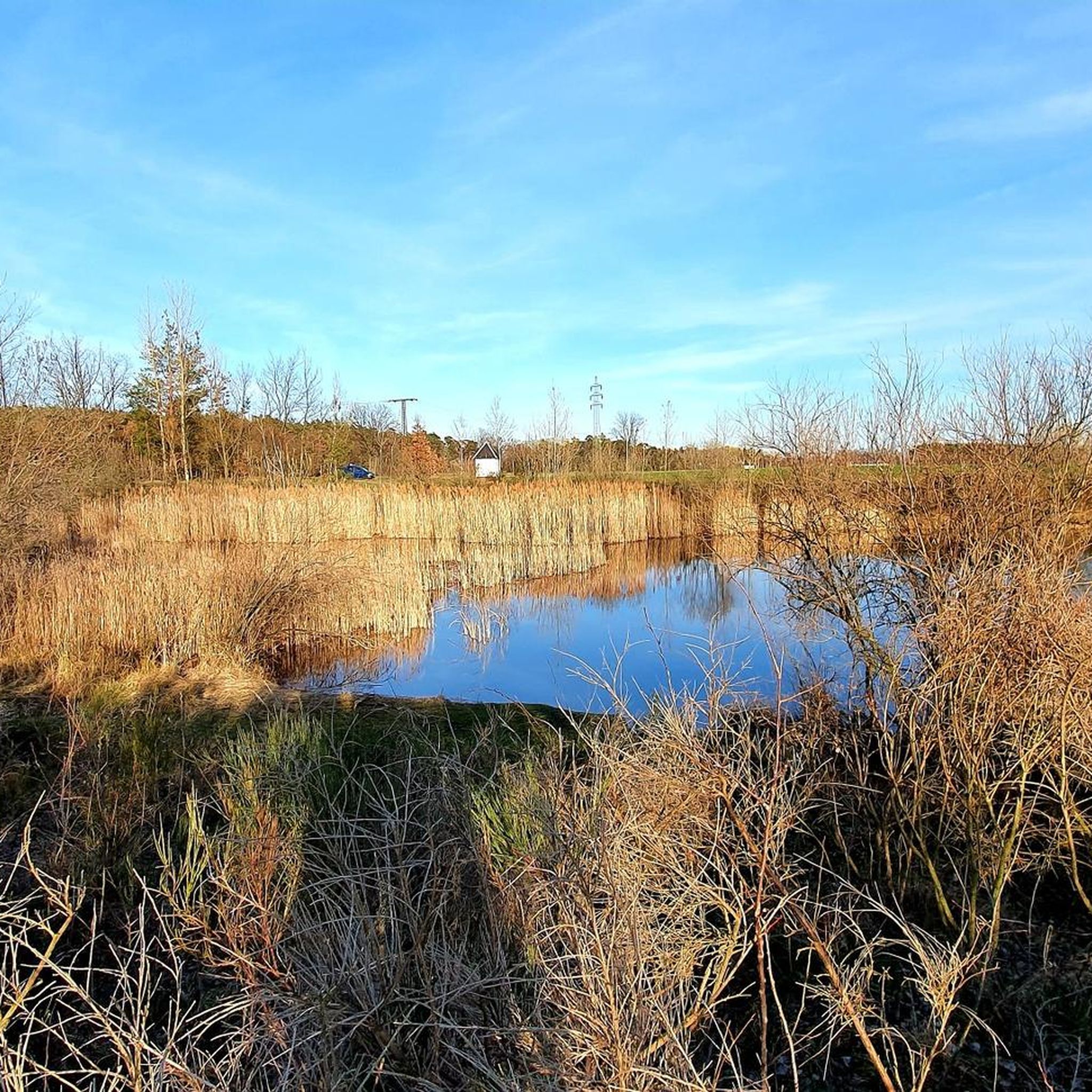
Touring cycling around Röderland offers diverse landscapes within the Elbe-Elster region. The area is characterized by extensive forests, floodplains, and a distinct lowland topography, shaped by the Elbe-Elster river system. Well-developed cycling routes traverse these varied environments, providing insights into the region's natural features and wildlife. The terrain generally features minimal elevation changes, making it suitable for a range of cycling preferences.
Best touring cycling routes around Röderland
- The most popular touring cycling route is Floßkanal Path – Bridge Over…
Last updated: April 28, 2026
4.7
(16)
36
riders
27.9km
01:59
50m
50m
Easy bike ride. Great for any fitness level. Mostly paved surfaces. Suitable for all skill levels.
4.9
(16)
60
riders
43.2km
02:48
70m
70m
Moderate bike ride. Good fitness required. Mostly paved surfaces. Suitable for all skill levels.

Sign up for free
4.3
(3)
16
riders
21.7km
01:14
20m
20m
Easy bike ride. Great for any fitness level. Mostly paved surfaces. Suitable for all skill levels.
4.7
(6)
29
riders
18.9km
01:10
20m
20m
Easy bike ride. Great for any fitness level. Mostly paved surfaces. Suitable for all skill levels.
5.0
(2)
11
riders
23.8km
01:32
30m
30m
Easy bike ride. Great for any fitness level. Mostly paved surfaces. Suitable for all skill levels.
Get access to more routes and recommendations from other explorers.
Sign up for free
Already have an account?
Our route recommendations are based on thousands of hikes, rides, and runs completed by other people on komoot.
Start today with a free account
Your next adventure awaits.
Login or Signup
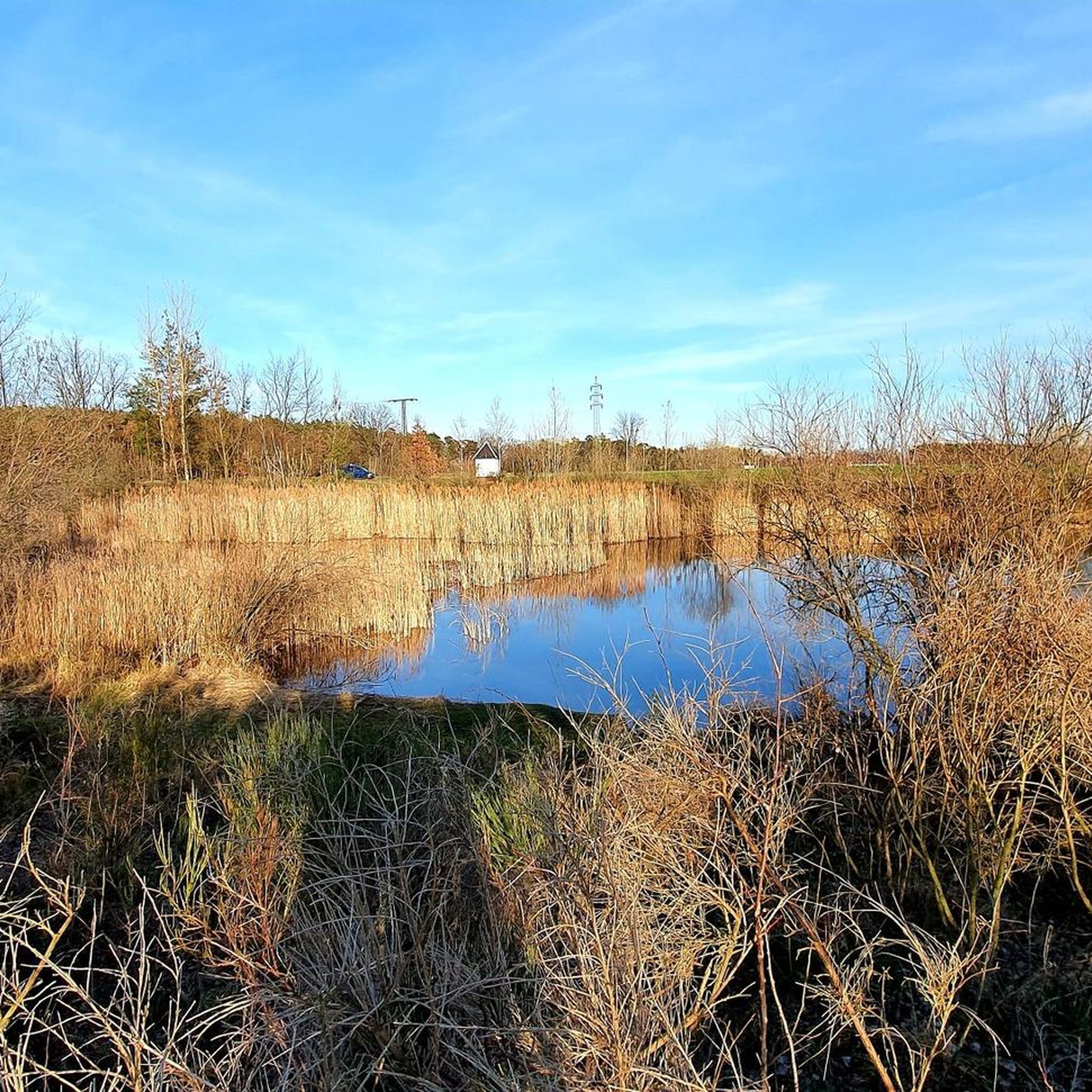
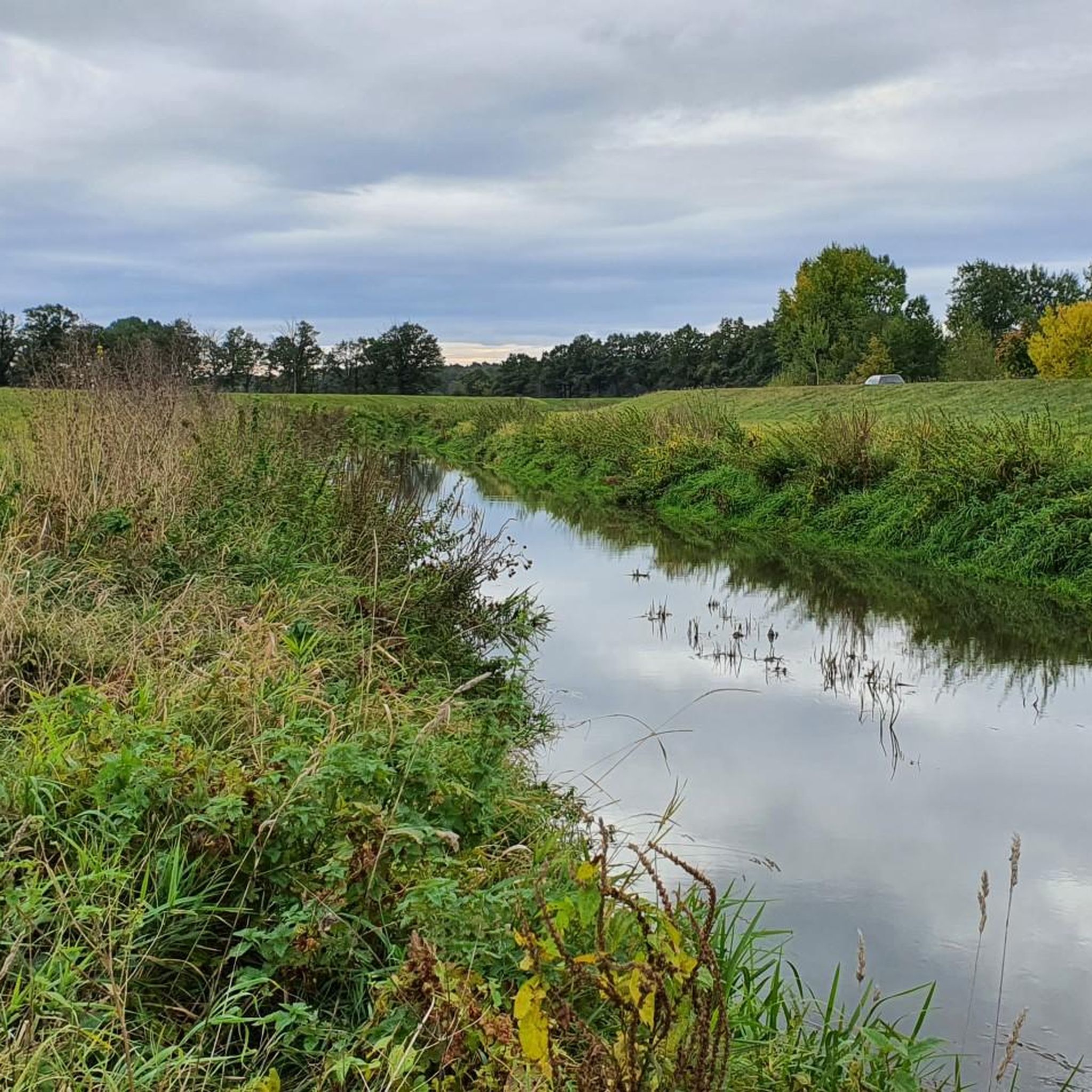
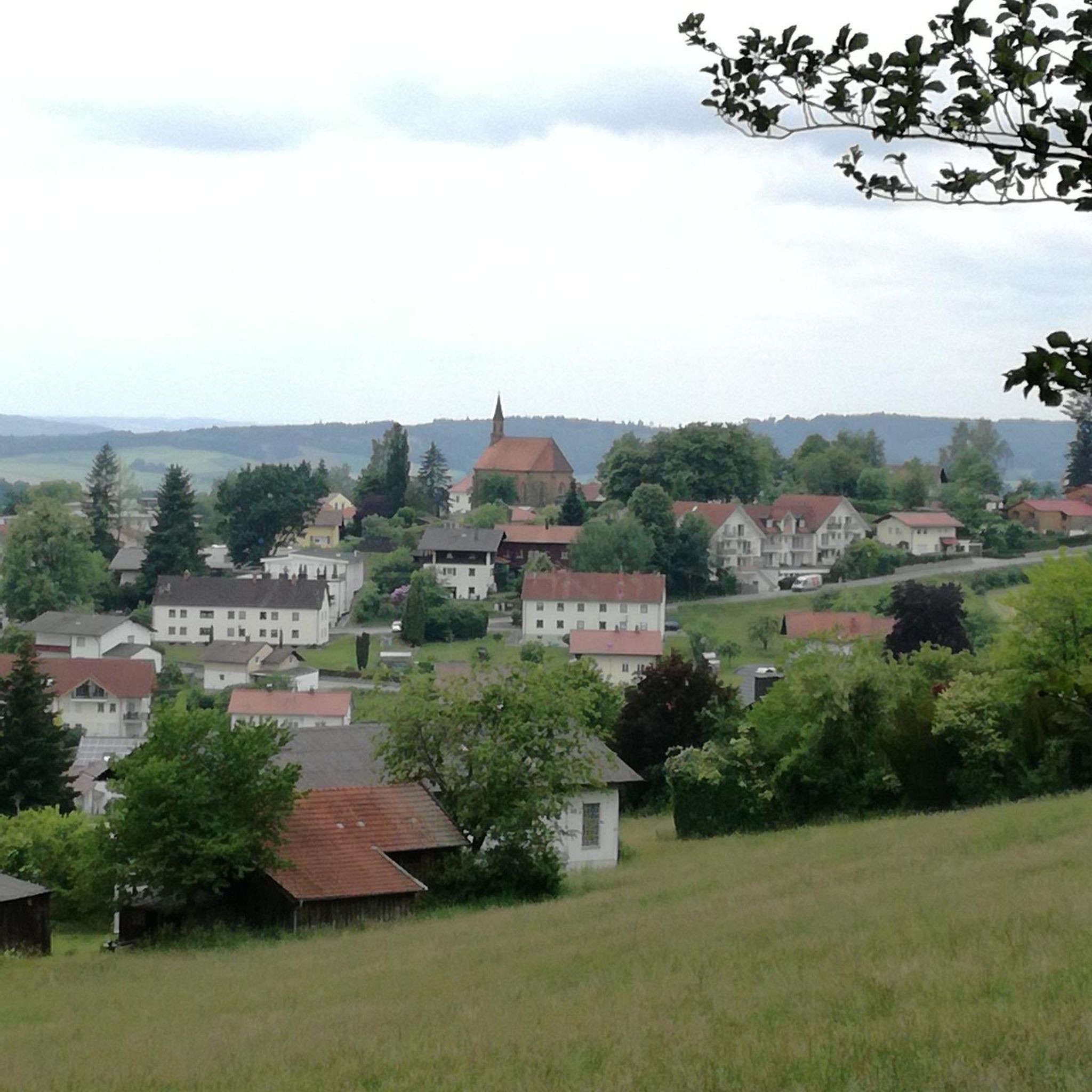
Tips from the Community

The Zeithainer Lustlager was a magnificent troop display by Augustus the Strong in 1730 and took place on the fields between Glaubitz and Zeithain. The obelisk was erected shortly after the festival in remembrance. The so-called Lustlager founded the Zeithain military site.
0
0

The Black Elster Cycle Path is a 190-kilometer-long long-distance cycle route in southern Brandenburg and northern Saxony, with short sections also extending into eastern Saxony-Anhalt. The cycle path runs from the source of the Black Elster River at 317 meters above sea level to its confluence with the Elbe River at 69 meters above sea level, through the foothills of the Lusatian Mountains near Kamenz and later largely directly along the Black Elster's dike. It is marked with a magpie symbol.
0
0

To mark its 20th anniversary in 2013, the Elsterschloss-Gymnasium Support Association commissioned the creation and installation of an art installation on the grounds of the present-day Elsterschloss-Gymnasium. As part of the "Art at the Castle" project, a bronze casting model of Elsterschloss Elsterwerda was created. This model provides information about the former and current uses of the building complex, as well as its historical context throughout its existence, thus further enriching the castle's presence. https://www.elsterschloss.de/kunstobjekt.html
0
0
The Prösen lock house is located directly on the Elsterwerda-Grödel log flume, which opened in 1748. An old thatched-roof house once stood here, where the lock keeper lived. His job was to operate the lock, a process that took twelve minutes. To further develop the area for leisure and tourism, a replica of the lock keeper's cottage was built right next to the Elbe-Elster Canal cycle path. An exhibition about the "log flume" technical monument can be seen there. https://de.wikipedia.org/wiki/Schleusenhaus_Pr%C3%B6sen
0
0
To provide a historical insight into the canal's past, reconstruction work was carried out at the Prösen lock in 1993, and the wooden lock gates were rebuilt. As with all the other locks, they had been missing for a long time. The lock system is approximately 45 meters long, with a usable length of 36 meters from the narrowed entrances. The gate entrances are 5.60 meters wide, and the chamber width is approximately 11.50 meters. https://de.wikipedia.org/wiki/Elsterwerda-Gr%C3%B6del-Flo%C3%9Fkanal
0
0


The lovingly maintained grounds of the Saathainer Rose Garden make the tour a special experience.
0
0
The obelisk of the pleasure camp in Zeithain is the last (of three) surviving witness to a military camp that was extremely unusual for the time. Excerpt from Wikipedia: The "Zeithain Pleasure Camp" was an organizational and logistical masterpiece that caused a sensation throughout Europe. It was not only the largest military parade in Europe, but above all it was considered the most gigantic Baroque festival of its time, the "spectacle of the century," which, due to its splendor and opulence, remains the epitome of Baroque lifestyle to this day. Ottoman state tents were also used, two of which can be viewed today in the Turkish Chamber of the Dresden Royal Palace. Baroque sandstone obelisks also marked the camp from afar, of which four obelisks (three between Glaubitz, Streumen and Marksiedlitz and one obelisk in the Zeithain district, about 2 km north of the old town center) are still preserved and have since been renovated.
0
0
Frequently Asked Questions
How many touring cycling routes are available in Röderland?
There are over 60 touring cycling routes in Röderland, offering a wide range of options for exploring the region's diverse landscapes. These routes cater to various skill levels, with 50 easy, 15 moderate, and 1 difficult route.
What kind of terrain can I expect on touring cycling routes in Röderland?
Röderland's touring cycling routes are characterized by varied landscapes, including extensive forests, floodplains, and a distinct lowland topography shaped by the Elbe-Elster river system. The terrain generally features minimal elevation changes, making it suitable for relaxed cycling. You'll find paths traversing areas like the Schraden, known for its unique natural environment.
Are there easy routes suitable for beginners or casual cyclists?
Yes, Röderland is very well-suited for beginners and casual cyclists, with 50 out of 66 routes classified as easy. An excellent option is the Ponds and Kleine Röder – Tiefenauer Ponds loop from Prösen Ost, an easy 17.3-mile (27.9 km) path that explores the lowland area, passing by ponds and the Kleine Röder river.
What natural attractions can I explore while cycling in Röderland?
While cycling in Röderland, you can discover a variety of natural attractions. The region is rich in forests and floodplains, offering insights into local wildlife. You might encounter highlights such as Krüger's Clay Pit or the Bog platform at the Water Lily Ponds in Loben. The 'Schraden' lowland area also offers a unique natural environment to explore.
Are there any historical or cultural landmarks along the touring cycling routes?
Yes, Röderland offers several historical and cultural landmarks. You can cycle past the impressive Zabeltitz Baroque Garden, modeled after the Park of Versailles, or visit the Burgwall Kosilenzien. The Saathain Half-Timbered Church – Elsterwerda loop from Wainsdorf is a great route that leads past cultural landmarks.
What do other touring cyclists enjoy the most about the routes in Röderland?
The touring cycling routes in Röderland are highly rated by the komoot community, with an average score of 4.5 stars from over 100 reviews. Cyclists often praise the varied landscapes, the well-developed cycling paths, and the opportunity to explore the region's natural features and wildlife. Many appreciate the minimal elevation changes, making for enjoyable rides.
Are there family-friendly touring cycling routes in Röderland?
Given the prevalence of easy routes and minimal elevation changes, many touring cycling paths in Röderland are suitable for families. The Elsterwerda Castle – Elsterwerda loop from Prösen, an easy 11.7-mile (18.9 km) route, is a good option for a family outing, combining gentle cycling with a point of interest.
Are dogs allowed on the touring cycling routes in Röderland?
Generally, dogs are welcome on leashes on most public cycling paths in Röderland, especially those through natural areas like forests and floodplains. However, it's always best to check local regulations for specific nature reserves or protected areas you might pass through.
What is the best time of year for touring cycling in Röderland?
The spring and autumn months are ideal for touring cycling in Röderland. During these seasons, the weather is typically mild, and the natural landscapes, such as the forests and floodplains, are particularly beautiful. The 'Apple Route' is especially pleasant in autumn, showcasing the region's fruit-growing culture.
Is there parking available near the touring cycling routes?
Yes, parking is generally available in the towns and villages that serve as starting points for many routes, such as Prösen, Wainsdorf, or Bad Liebenwerda. Look for designated parking areas near trailheads or town centers.
How can I access the touring cycling routes using public transport?
Röderland is part of the Elbe-Elster region, which has public transport connections. Regional trains and buses often serve the larger towns like Bad Liebenwerda or Elsterwerda, which can be starting points for cycling tours. It's advisable to check local public transport schedules and bike carriage policies in advance.
Are there places to eat or drink along the touring cycling routes?
While specific cafes and pubs directly on every route are not guaranteed, the towns and villages throughout Röderland, such as Gröditz, Bad Liebenwerda, or Elsterwerda, offer various dining options. Many routes pass through or near these settlements, providing opportunities for refreshments.
Are there any circular touring cycling routes in Röderland?
Yes, many of the touring cycling routes in Röderland are designed as circular loops, allowing you to start and end in the same location. For example, the popular Floßkanal Path – Bridge Over the Futgraben loop from Prösen West is a moderate 26.8-mile (43.2 km) circular route that follows the historic Floßkanal Path.
Most popular routes around Röderland
Most popular attractions around Röderland

Get inspired with the komoot mobile app


Explore more
Browse the best Cycling routes in other regions.
