The best walks and hikes around Röderland
4.6
(1476)
4,782
hikers
22
hikes
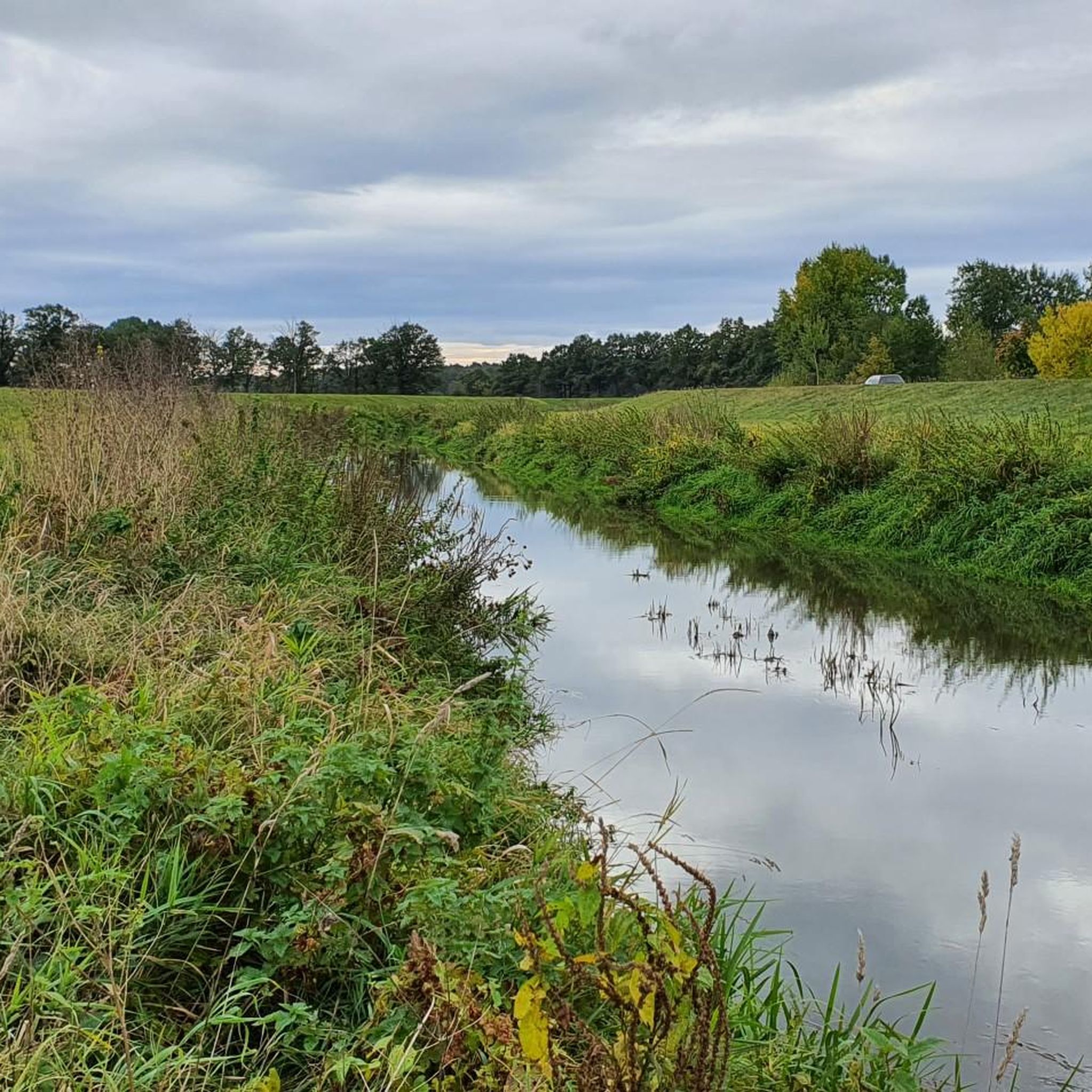
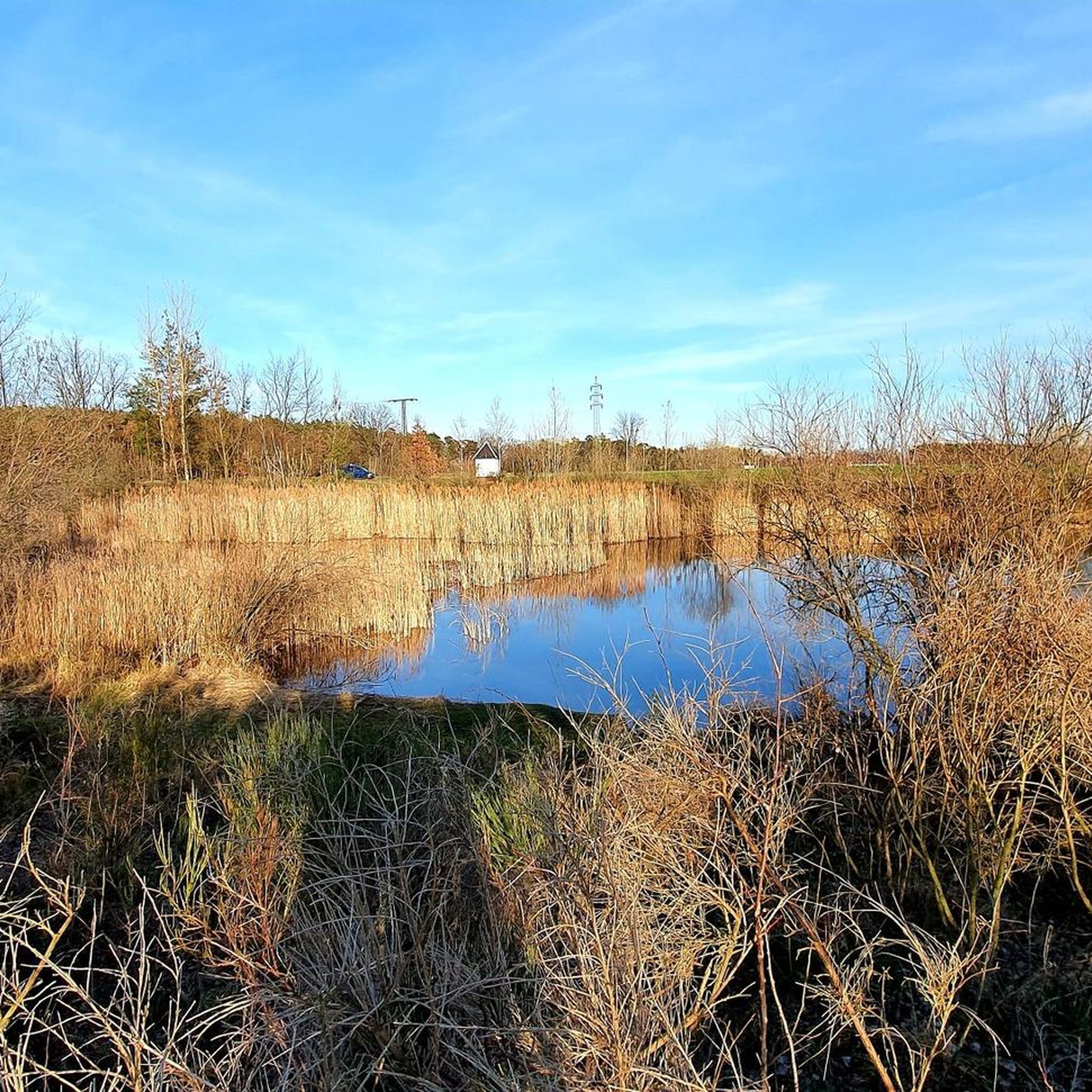
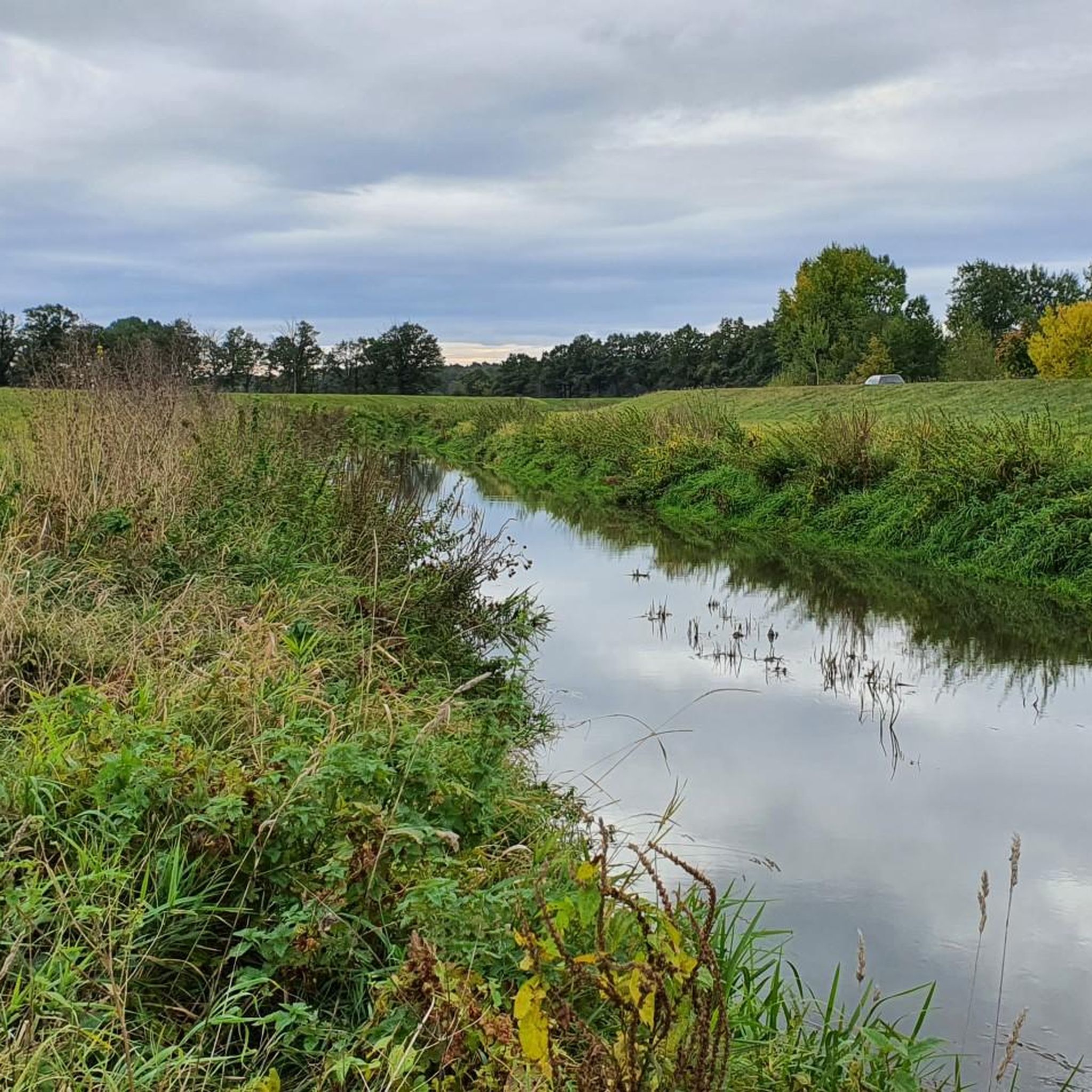
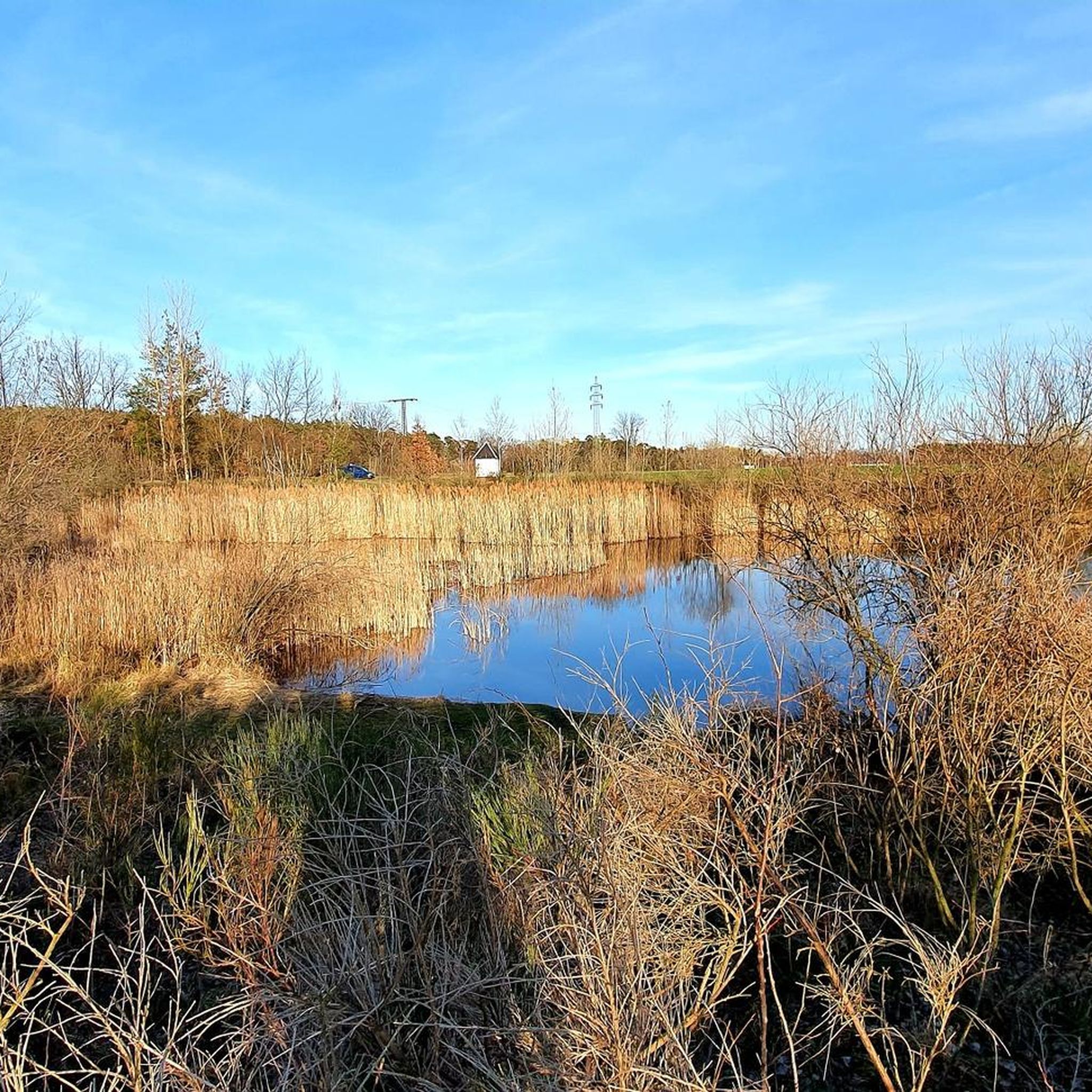
Hiking around Röderland offers diverse natural landscapes within the Elbe-Elster district. The region is characterized by tranquil waterways like the Black Elster River, extensive forests, and floodplains. Trails traverse the unique Schraden Lowland and provide access to the Niederlausitzer Heidelandschaft Nature Park, offering varied terrain for outdoor exploration.
Best hiking trails around Röderland
- The most popular hiking route is Beistrom and Reppis – Heudammweg Gröditz–Stolzenhain loop from Röderland, a 3.6 miles (5.8 km) trail that takes 1 hour 27…
Last updated: October 9, 2026
4.5
(2)
3
hikers
Moderate hike. Good fitness required. Easily-accessible paths. Suitable for all skill levels.
5.0
(5)
13
hikers
Easy hike. Great for any fitness level. Easily-accessible paths. Suitable for all skill levels.

5.0
(4)
7
hikers
5.69km
01:26
10m
10m
Easy hike. Great for any fitness level. Easily-accessible paths. Suitable for all skill levels.
5.0
(1)
5
hikers
Easy hike. Great for any fitness level. Easily-accessible paths. Suitable for all skill levels.
5.0
(3)
3
hikers
Easy hike. Great for any fitness level. Easily-accessible paths. Suitable for all skill levels.
Get access to more routes and recommendations from other explorers.
Already have an account?
Our route recommendations are based on thousands of hikes, rides, and runs completed by other people on komoot.
Start today with a free account
Your next adventure awaits.
Tips from the Community

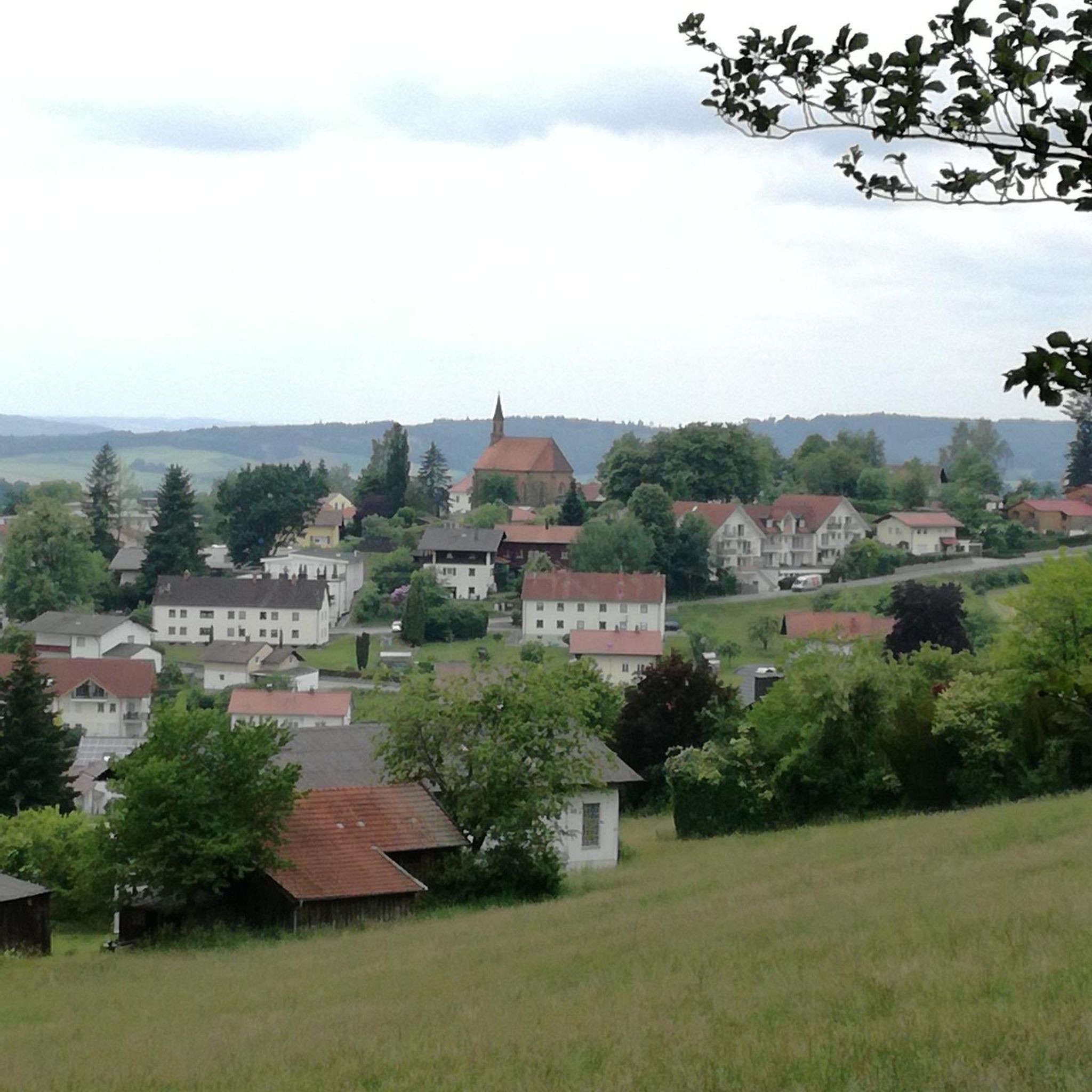
Very pretty little town on the Schwarze Elster with a very dedicated cultural association. A dive into the history of the castle is also worthwhile.
0
0
You rarely cycle more beautifully.
0
0

The Black Elster Cycle Path is a 190-kilometer-long long-distance cycle route in southern Brandenburg and northern Saxony, with short sections also extending into eastern Saxony-Anhalt. The cycle path runs from the source of the Black Elster River at 317 meters above sea level to its confluence with the Elbe River at 69 meters above sea level, through the foothills of the Lusatian Mountains near Kamenz and later largely directly along the Black Elster's dike. It is marked with a magpie symbol.
0
0

Saxon-Prussian boundary stone No. 180 Of significance in surveying and regional history as a historical document of the border demarcation between Saxony and Prussia after the Congress of Vienna in 1815.
0
0
Of historical significance in terms of surveying and regional history as a historical document of the border demarcation between Saxony and Prussia after the Congress of Vienna in 1815.
0
0
The Prösen lock house is located directly on the Elsterwerda-Grödel log flume, which opened in 1748. An old thatched-roof house once stood here, where the lock keeper lived. His job was to operate the lock, a process that took twelve minutes. To further develop the area for leisure and tourism, a replica of the lock keeper's cottage was built right next to the Elbe-Elster Canal cycle path. An exhibition about the "log flume" technical monument can be seen there. https://de.wikipedia.org/wiki/Schleusenhaus_Pr%C3%B6sen
0
0
To provide a historical insight into the canal's past, reconstruction work was carried out at the Prösen lock in 1993, and the wooden lock gates were rebuilt. As with all the other locks, they had been missing for a long time. The lock system is approximately 45 meters long, with a usable length of 36 meters from the narrowed entrances. The gate entrances are 5.60 meters wide, and the chamber width is approximately 11.50 meters. https://de.wikipedia.org/wiki/Elsterwerda-Gr%C3%B6del-Flo%C3%9Fkanal
0
0
The Pulsnitz is a tributary of the Black Elster River. It rises near Ohorn, not far from the small town of Pulsnitz in Saxony, and flows through the towns of Pulsnitz, Königsbrück, and Ortrand. The Pulsnitz flows through the Königsbrück and Krakau Heath, where the Königsbrück military training area was located between 1906 and 1992, and where the market town of Krakau existed until 1938. After approximately 60 kilometers, it now flows into the Black Elster near Elsterwerda. However, its original mouth, and thus the border between Saxony and Brandenburg, was located after the village of Tettau. This formed the historical tripoint of the Margraviate of Meissen with Upper and Lower Lusatia. https://www.pulsnitztal.de/pulsnitztal.html
0
1
Frequently Asked Questions
How many hiking trails are available in Röderland?
Röderland offers a diverse network of nearly 30 hiking trails. These routes cater to various preferences, with 19 easy, 5 moderate, and 2 more challenging options, ensuring there's a suitable path for every hiker.
What kind of landscapes can I expect to see while hiking in Röderland?
Hiking in Röderland provides a rich variety of landscapes. You'll encounter tranquil paths along the Black Elster River, extensive forests, and open floodplains. The region also features the unique Schraden Lowland and offers access to parts of the Niederlausitzer Heidelandschaft Nature Park, providing diverse natural scenery.
Are there any easy, family-friendly hikes in Röderland?
Yes, Röderland has many easy trails perfect for families. An excellent option is the Beistrom and Reppis – Heudammweg Gröditz–Stolzenhain loop from Röderland, which is 5.8 km long and takes about 1 hour 27 minutes. Another gentle route is the Lock Keeper’s House Prösen – Flosskanal Milestone 180 loop from Prösen, also around 5.7 km.
What are some notable historical or cultural sights along the trails?
Röderland's trails often pass by interesting historical and cultural points. For example, the Saathain Manor Church – Saathain Half-Timbered Church loop from Röderland explores the area around historic Saathain, including the charming half-timbered church. You can also find highlights like the Elsterwerda Castle or the Old Zabeltitz Palace nearby.
Are there any circular hiking routes in Röderland?
Yes, many of the trails in Röderland are circular, offering convenient starting and ending points. A popular choice is the Schwarze Elster River loop from Würdenhain, which is 5.7 km long and takes about 1 hour 26 minutes, leading through riparian landscapes.
What do other hikers say about the trails in Röderland?
The hiking trails in Röderland are highly regarded by the komoot community, boasting an average rating of 4.5 stars from over 1,100 reviews. Hikers frequently praise the region's diverse terrain, well-maintained paths, and the peaceful atmosphere along the riverine routes and through the forests.
Are there any viewpoints or towers offering panoramic views?
Yes, for panoramic views, the Heideberg Tower on Heidehöhe near Gröden is a significant attraction. It offers an elevated vantage point to enjoy extensive views of the surrounding landscape, including parts of the Niederlausitzer Heidelandschaft Nature Park.
Can I find trails that follow the Black Elster River?
Absolutely. The Black Elster River is a prominent natural feature, and several routes in Röderland follow its course. The Schwarze Elster River loop from Würdenhain is a prime example, offering pleasant hiking through riparian landscapes along the riverbanks.
What is the best time of year to go hiking in Röderland?
Röderland offers enjoyable hiking experiences throughout much of the year. Spring and autumn are particularly pleasant, with mild temperatures and beautiful natural colors. The diverse landscapes, including forests and river paths, provide varied scenery that changes with the seasons.
Are there any longer or more challenging routes for experienced hikers?
While Röderland is known for its accessible trails, there are a couple of more challenging routes for those seeking a longer or more strenuous hike. These routes often explore more extensive sections of the forests or the unique Schraden Lowland, providing a good workout amidst nature.
Are there any attractions or points of interest near the hiking areas?
Beyond the trails, Röderland and its surroundings offer several attractions. You can explore the Zabeltitz Palace and Baroque Garden, visit the Elster Mill in Plessa, or discover the Electoral Saxon Post Milestone Elsterwerda, adding cultural depth to your outdoor adventure.
Are there any trails that pass through the Schraden Lowland?
Yes, the unique Schraden Lowland is a key feature of the region, and several hiking routes traverse this area. These trails are known for their well-maintained paths and offer a distinct natural character, showcasing the lowland's specific flora and fauna.
Most popular routes around Röderland
Most popular attractions around Röderland

Get inspired with the komoot mobile app


Explore more
Browse the best Hikes in other regions.
