Attractions and Places To See around Dronero - Top 20
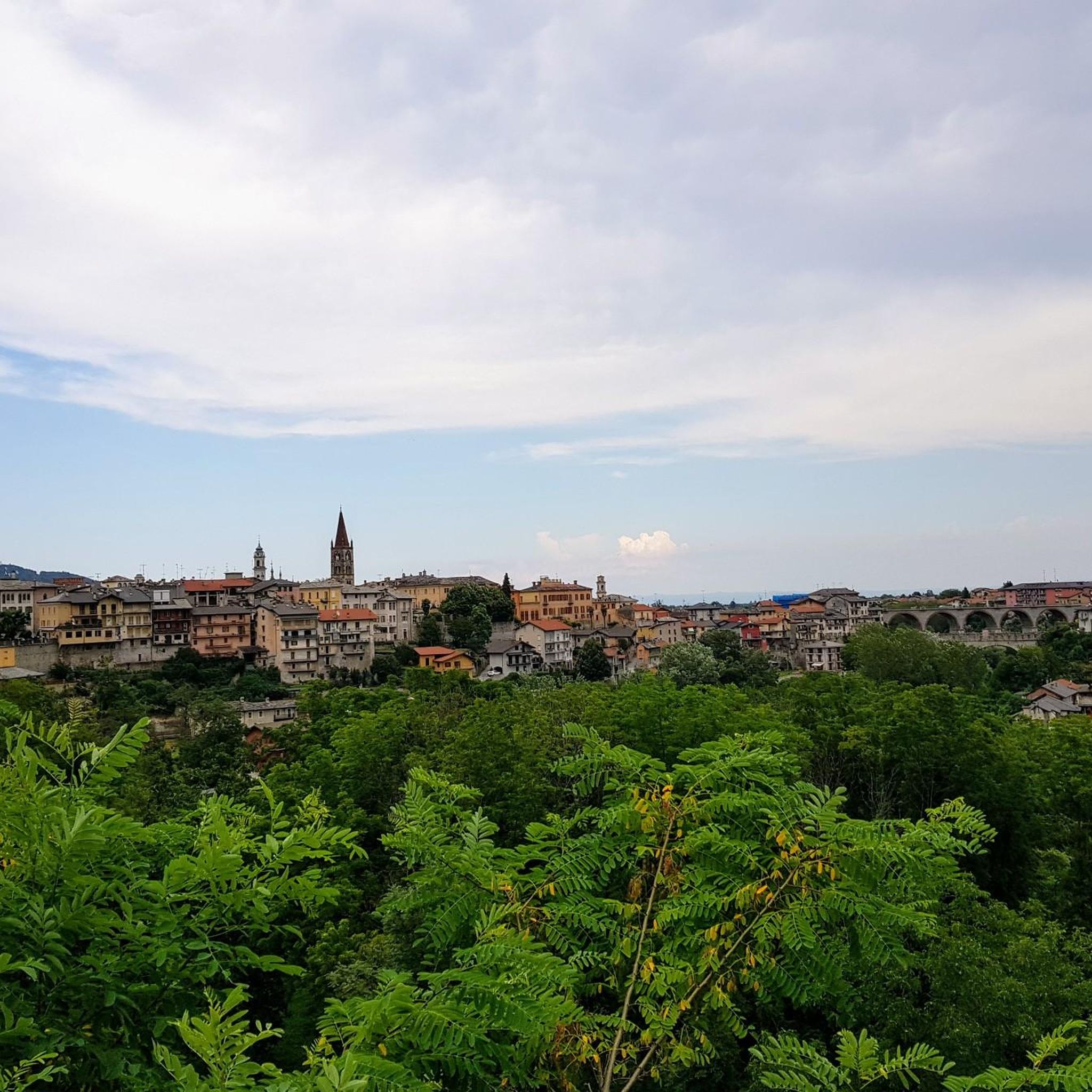
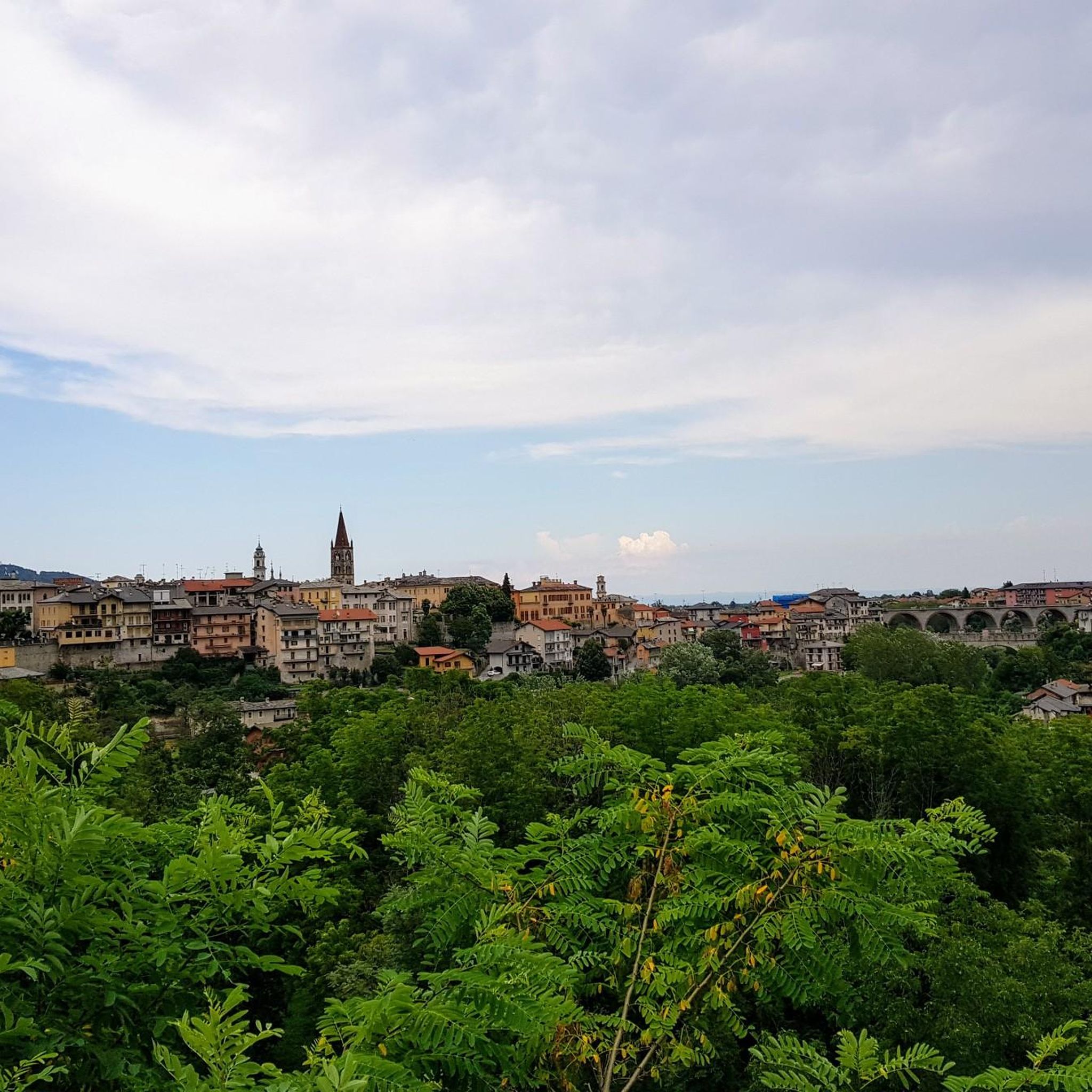
Best attractions and places to see around Dronero include a rich blend of historical landmarks, cultural institutions, and access to natural landscapes. Nestled at the entrance to the Maira Valley in Italy's Piedmont region, Dronero was founded in 1240 and boasts an architectural heritage with monuments, churches, and noble houses. The town is strategically located on a rocky spur where the Maira torrent and Roccabruna stream converge, offering views of surrounding mountains like Monte San Bernardo and Pelvo d'Elva. Visitors can explore its elegant old town center and use it as a gateway to the Maira Valley's trekking and cycling routes.
Best attractions and places to see around Dronero
- The most popular attractions is Devil's Bridge of Dronero, a bridge that is a remarkable example of medieval civil engineering. Built in 1428 over the Maira torrent, this bridge features three unequal arches and offers panoramic views of the town.
- Another must-see spot is Paraloup Hamlet, a historical site. This old village is a significant location from the Resistance period, offering panoramic views and services.
- Visitors also love Chiot Rosa Equipped Area, an equipped area with a panoramic point. It serves as a meeting point for various paths and provides facilities such as a fountain, tables, and barbecue places.
- Dronero is known for its historical landmarks, cultural sites, and natural features. The area offers a variety of attractions, from ancient bridges and historical hamlets to museums and access to mountain valleys.
- The attractions around Dronero are appreciated by the komoot community, with 127 upvotes and 119 photos shared by visitors.
Last updated: August 17, 2026
Chiot Rosa Equipped Area
Highlight • Rest Area
Translated by Google •
Tip by

Birrone Pass
Highlight • Mountain Pass
Tip by

Sign up now to discover places like this
Get recommendations on the best single tracks, peaks, & plenty of other exciting outdoor places.
Sign up for free
Devil's Bridge of Dronero
Highlight • Bridge
Translated by Google •
Tip by

Paraloup Hamlet
Highlight • Historical Site
Translated by Google •
Tip by
Monument to Marco Pantani on the Colletta di Rossana
Highlight • Monument
Translated by Google •
Tip by

Sign up for free to discover even more attractions around Dronero.
Sign up for free
Already have an account?
Start today with a free account
Your next adventure awaits.
Login or Signup
Tips from the Community

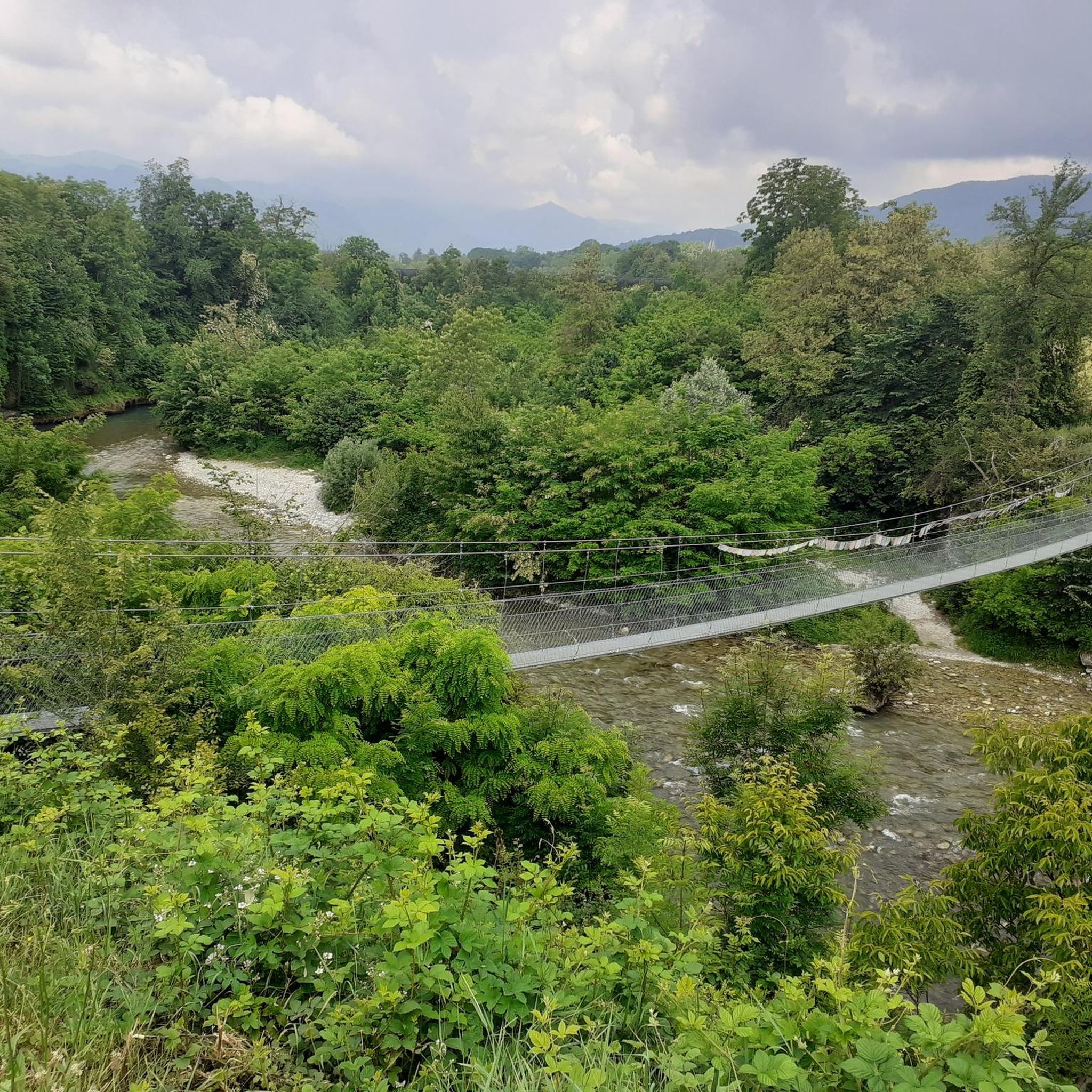
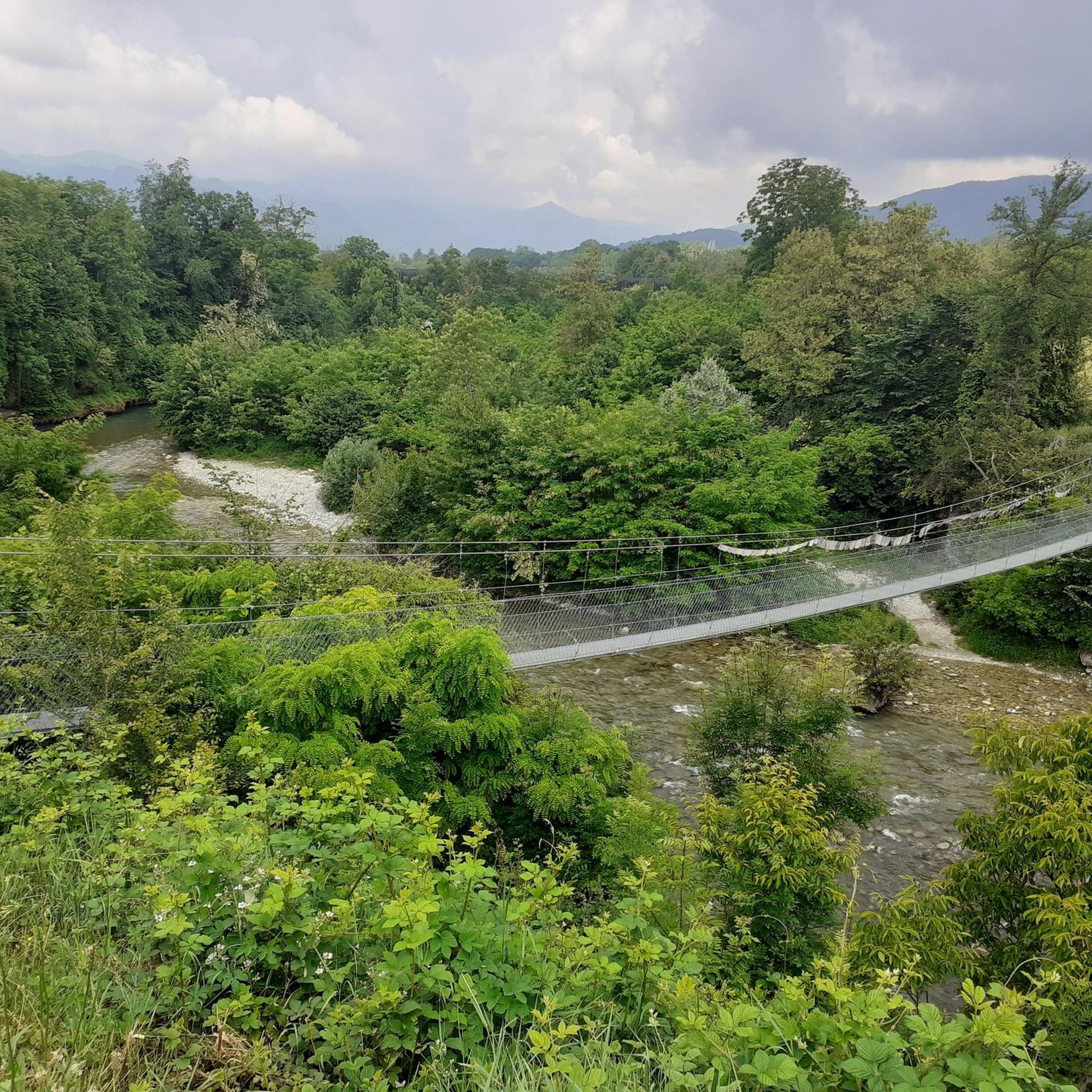
The Devil's Bridge in Dronero, built in 1428 over the Maira torrent, is a remarkable example of medieval civil engineering. This bridge has three arches of different sizes and is slightly curved, with lateral parapets surmounted by swallow-tailed Ghibelline battlements. Originally, on the pillar of the smaller arch towards the centre of Dronero, there was a drawbridge, whose iron hinge was found under the road surface; this was removed in 1810 when the entrance passage was widened and the Ghibelline battlements were restored. The name "Devil's Bridge" comes from a local legend: it is said that, to overcome the difficulties in building the bridge, the inhabitants made a pact with the devil, promising him the soul of the first person to cross it. However, the inhabitants tricked the devil by having a stray dog cross first, infuriating the devil who abandoned the bridge. Today, the bridge is a symbol of Dronero and offers a panoramic view of the town, representing an unmissable stop for those visiting the Maira Valley.
4
0

Characteristic Bridge located in the municipality of Dronero. proceed slowly as it is a pedestrian area.
3
0

Beautiful place in all seasons
3
0

Wonderful panoramic point on Mount Birrone
2
0

Beautiful panoramic hill on the Via dei Cannoni.
1
0

The route passes through the lower part of the town, descends and partly runs along the river under the two bridges
2
0

Monument to the legendary Marco Pantani.
19
0

Alpine village of Rittana rich in history, protagonist of liberation and resistance, with restaurant with terrace, an open-air theater and a multimedia museum. To reach it, park the car in Chiot Rosa and walk for half an hour on the road
3
0
Frequently Asked Questions
What historical landmarks can I explore in Dronero?
Dronero is rich in history. A must-see is the iconic Devil's Bridge of Dronero, a medieval marvel built in 1428. You can also visit the powerful cylindrical watchtower, Torrazza, and the Foro Frumentario, which offers a glimpse into 15th-century covered markets. The Parish Church SS. Andrea e Ponzio with its Romanesque-Gothic facade and the octagonal Loggia del Grano are also notable historical sites.
Are there any family-friendly attractions or activities in Dronero?
Yes, Dronero offers several family-friendly options. The Devil's Bridge of Dronero is a fascinating historical site for all ages, with its intriguing legend. The Chiot Rosa Equipped Area is perfect for families, offering a panoramic point, fountain, tables, and barbecue facilities. Additionally, the Paraloup Hamlet provides a historical experience with services and a children's play area.
What cultural sites are there to visit in Dronero?
Dronero is a hub for culture, especially Occitan heritage. You can explore the Museo Civico Luigi Mallé, which houses Flemish paintings and 18th-century pastels. The Espaci Occitan and Museo Sòn de Lenga offer a multimedia journey into Occitan linguistic and artistic traditions. Don't miss the Exhibition of Sacred Art in the Brotherhood and the G. Goletti Musical Instrument Collection, featuring instruments like the hurdy-gurdy. The Mulino della Riviera, an ancient restored mill, also provides insight into traditional craftsmanship.
What natural features or viewpoints can I find around Dronero?
Dronero is known as the gateway to the Maira Valley, offering breathtaking panoramic views of surrounding mountains like Monte San Bernardo, Roccerè, and Pelvo d'Elva. The town itself is perched at the confluence of the Maira torrent and Roccabruna stream. For specific viewpoints, the Devil's Bridge of Dronero provides excellent views of the town and valley, while the Chiot Rosa Equipped Area and Paraloup Hamlet also offer scenic vistas.
Are there hiking opportunities near Dronero?
Absolutely! Dronero is an excellent starting point for hiking. You can explore routes like the 'Pedancola Suspension Bridge and Medieval Towers Trail' or sections of the 'Occitan Routes Trail'. The 'Valle Maira hillside trail' and 'Maira Trail - Left Bank' also offer scenic walks. For more options, check out the Hiking around Dronero guide.
What cycling routes are available around Dronero?
The area around Dronero is popular for cycling. Road cyclists can tackle challenging routes such as 'From Dronero to Colle Sampeyre' or the 'In the Lands of Monviso: Maira & Grana Valleys' ring tour. For mountain biking, consider the 'Birrone Pass – Strada dei Cannoni loop' or the 'Church of San Costanzo al Monte – Devil's Bridge loop'. Discover more routes in the Road Cycling Routes around Dronero and MTB Trails around Dronero guides.
What is the best way to experience the local history and architecture of Dronero?
The best way to immerse yourself in Dronero's history and architecture is by strolling through its elegant old town center. You'll discover arcaded streets, medieval traces, Gothic capitals, battlements, and beautiful buildings. Key sites like the Devil's Bridge of Dronero, Torrazza, and the Loggia del Grano are all part of this rich historical tapestry.
Are there any unique local events or traditions in Dronero?
Yes, Dronero hosts the unique Fiera degli Acciugai (Anchovy Sellers' Fair) every June. This fair commemorates the historical tradition of Val Maira inhabitants traveling to the plains to sell preserved anchovies, offering a fascinating insight into the region's cultural and economic history.
What local delicacies should I try in Dronero?
When visiting Dronero, be sure to savor local delicacies such as the medieval Torta dei Tetti. Also, don't miss the renowned 'Droneresi al Rum,' which are exquisite chocolate pralines filled with cream and rum liqueur.
What is the significance of the Paraloup Hamlet?
The Paraloup Hamlet is a historically significant site, particularly known for its role during the Resistance period. It was a crucial location where figures like Nuto Revelli and Galimberti passed through. Today, it offers panoramic views, services, and a glimpse into this important chapter of Italian history.
Where can I find a monument dedicated to Marco Pantani near Dronero?
You can find a monument dedicated to the legendary cyclist Marco Pantani on the Colletta di Rossana. The Monument to Marco Pantani on the Colletta di Rossana was placed in 2016 to commemorate his legacy and the passage of the Giro d'Italia.
What is the best time to visit Dronero for outdoor activities?
The Maira Valley, where Dronero is located, is generally best for outdoor activities from spring through autumn. During these seasons, the weather is typically mild and pleasant for hiking, cycling, and exploring the natural landscapes. Summer offers warmer temperatures, while spring and autumn provide beautiful scenery with fewer crowds.
Most popular routes around Dronero
Most popular attractions around Dronero

Get inspired with the komoot mobile app


Explore more
Still not found the Highlight you’re looking for? See guides of the top attractions in other regions:
