The 19 Most Amazing Peaks around Filattiera
Best mountain peaks around Filattiera are found within the Lunigiana region of Tuscany, offering access to both the Apuan Alps and the Tuscan-Emilian Apennines. These mountain ranges feature diverse landscapes, from rugged alpine terrain to verdant forests and high-altitude lakes. The area provides a variety of trails for those seeking to explore the natural environment. Filattiera serves as a base for discovering these distinct mountain environments.
Best mountain peaks around Filattiera
- The most popular mountain peaks is Summit of Monte…
Last updated: August 16, 2026
Mount Sillara
Highlight • Summit
Translated by Google •
Tip by

Statue of the Madonna on Monte Orsaro
Highlight • Monument
Translated by Google •
Tip by
Sign up now to discover places like this
Get recommendations on the best single tracks, peaks, & plenty of other exciting outdoor places.
Sign up for free
Monte Navert
Highlight • Summit
Translated by Google •
Tip by

Summit of Monte Bosta
Highlight • Summit
Translated by Google •
Tip by

Monte Marmagna Summit Cross
Highlight • Summit
Translated by Google •
Tip by

Sign up for free to discover even more peaks around Filattiera.
Sign up for free
Already have an account?
Start today with a free account
Your next adventure awaits.
Login or Signup


Tips from the Community

Always pleasant in all seasons to reach the cross.
0
0

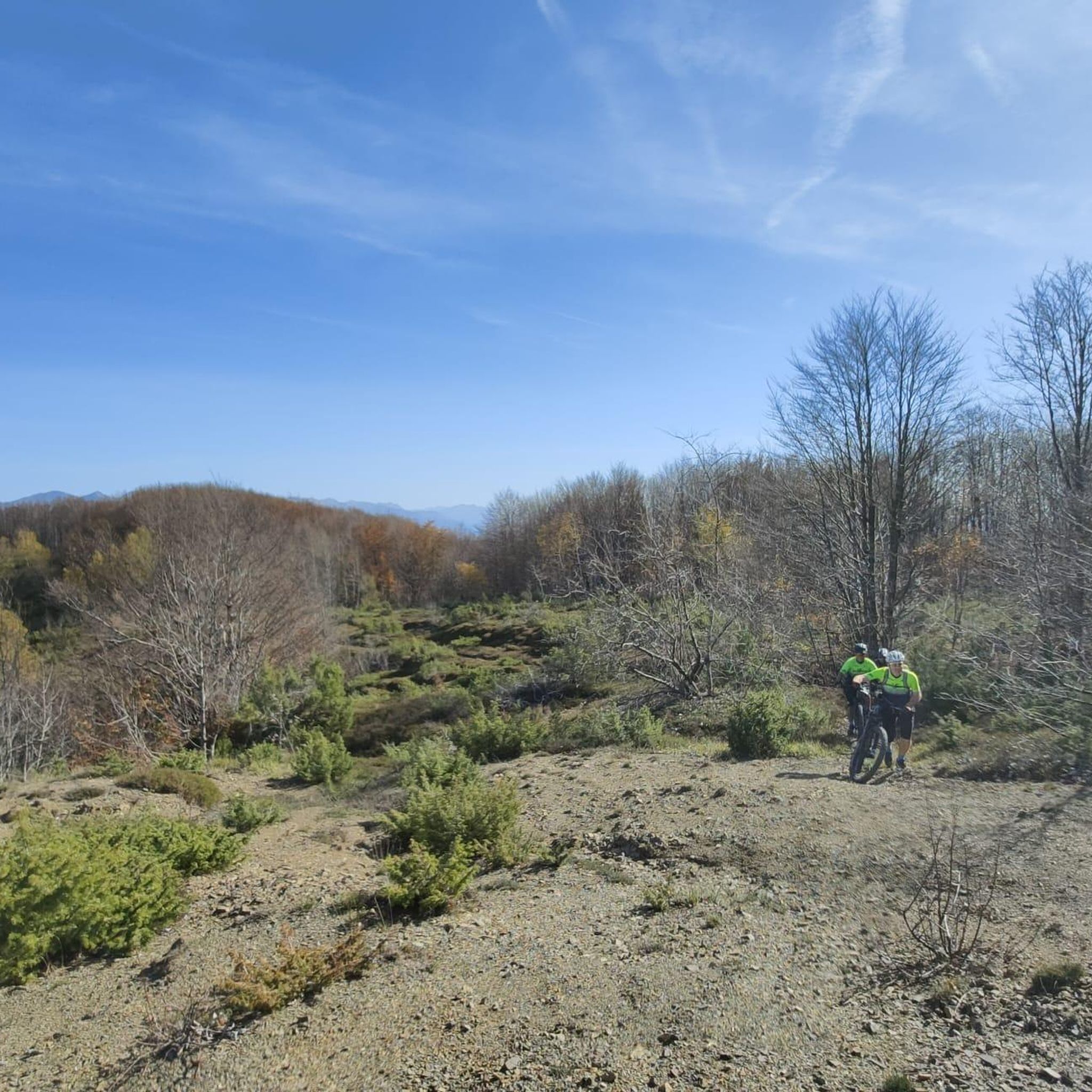
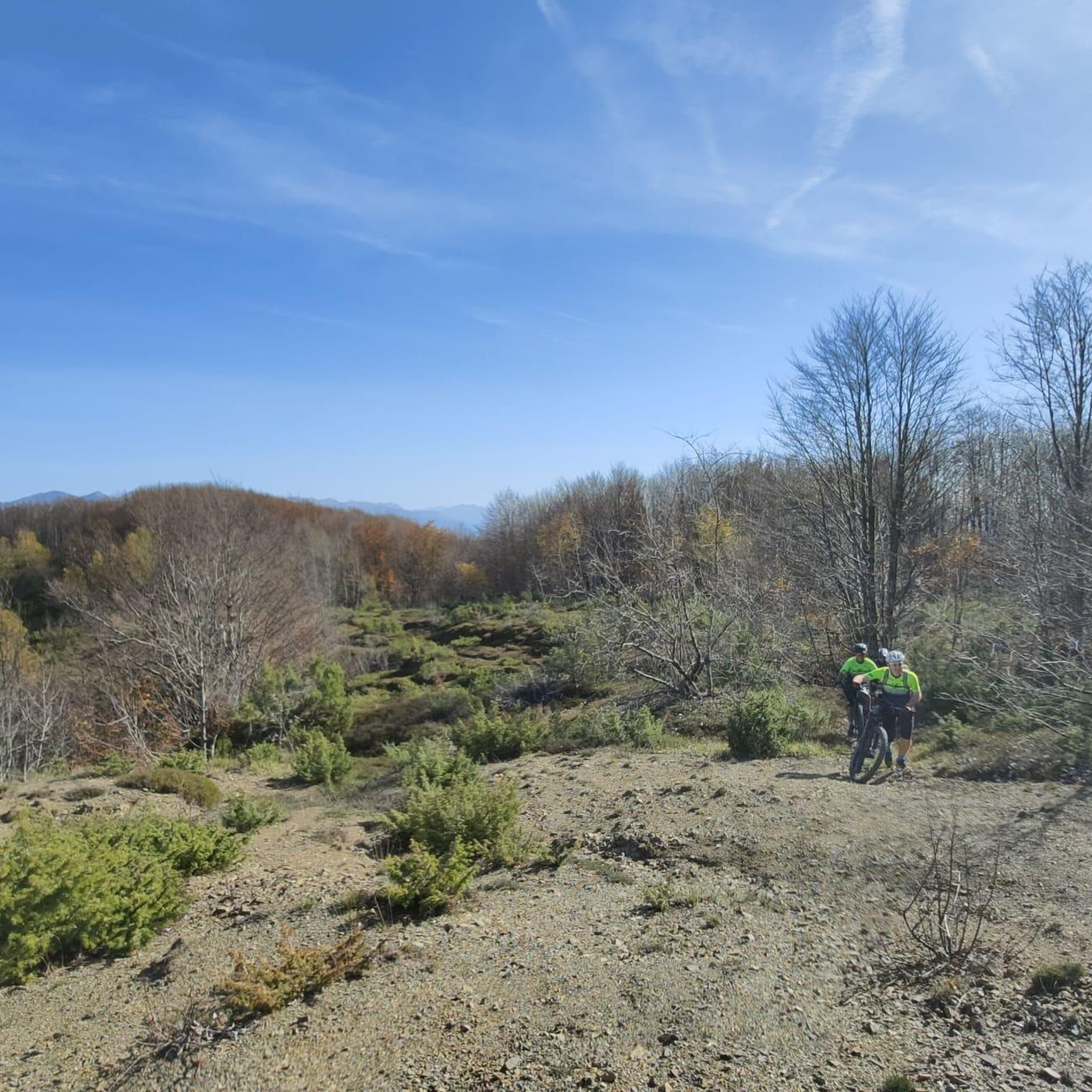
A beautiful and panoramic peak. It can be reached on foot or by mountain bike.
0
0

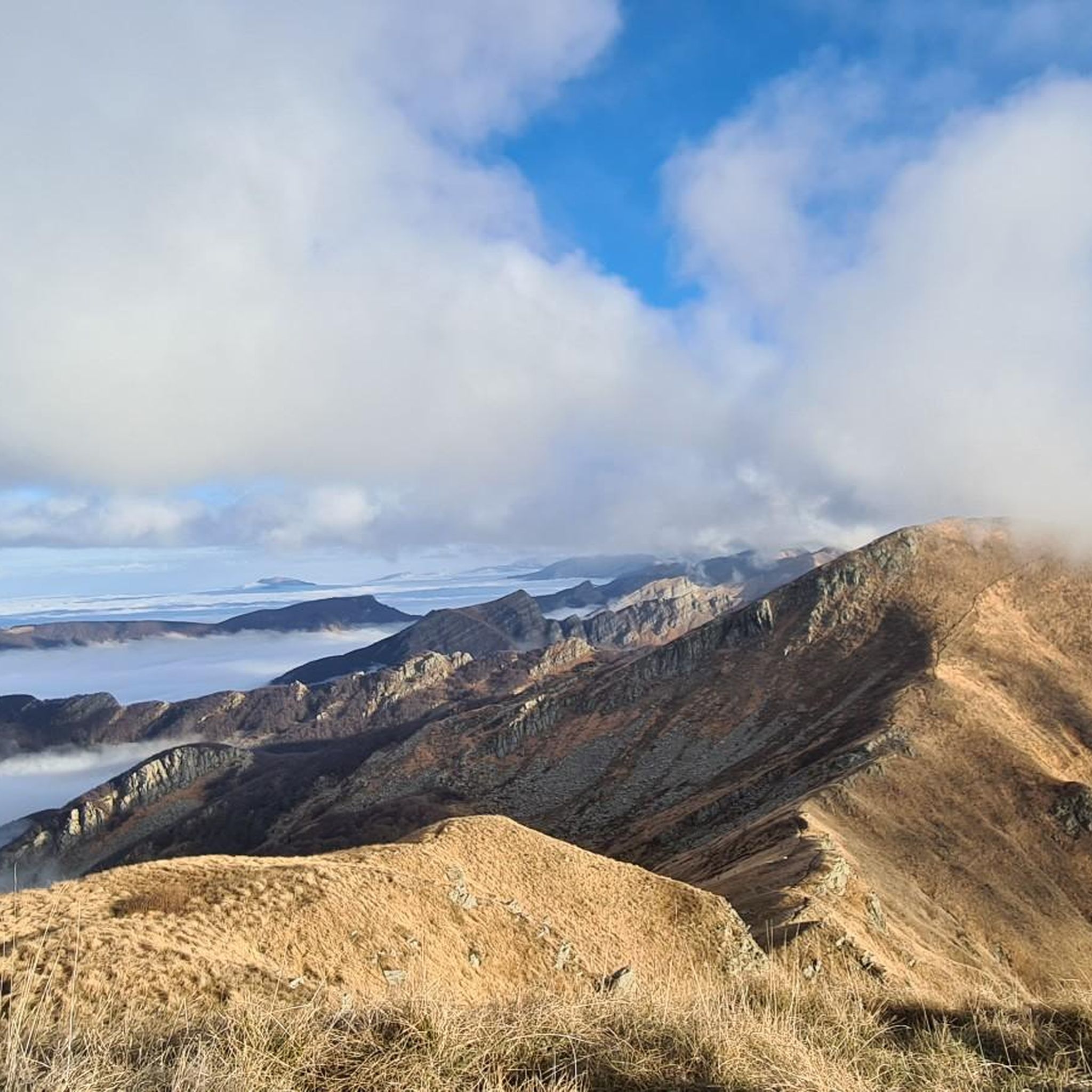
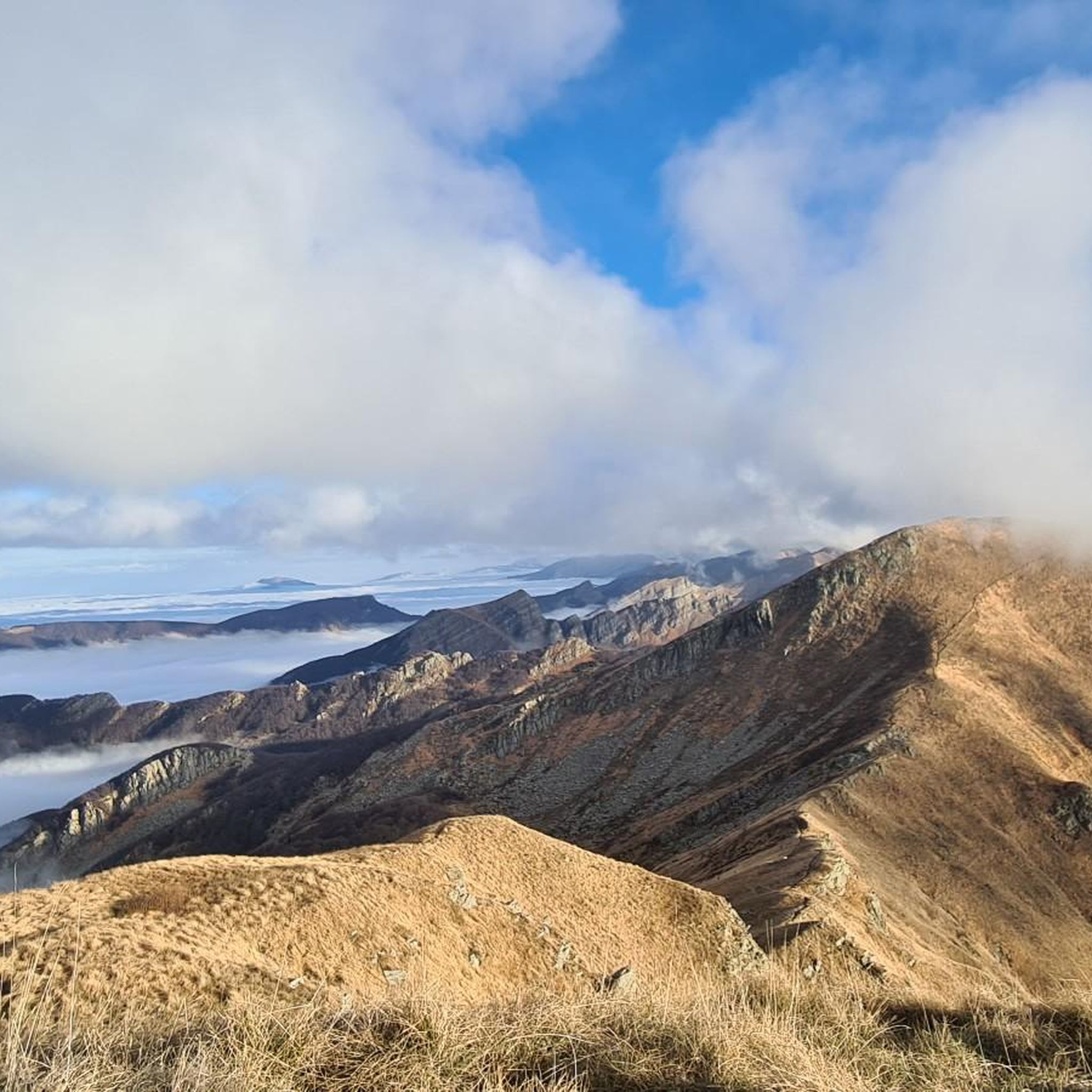
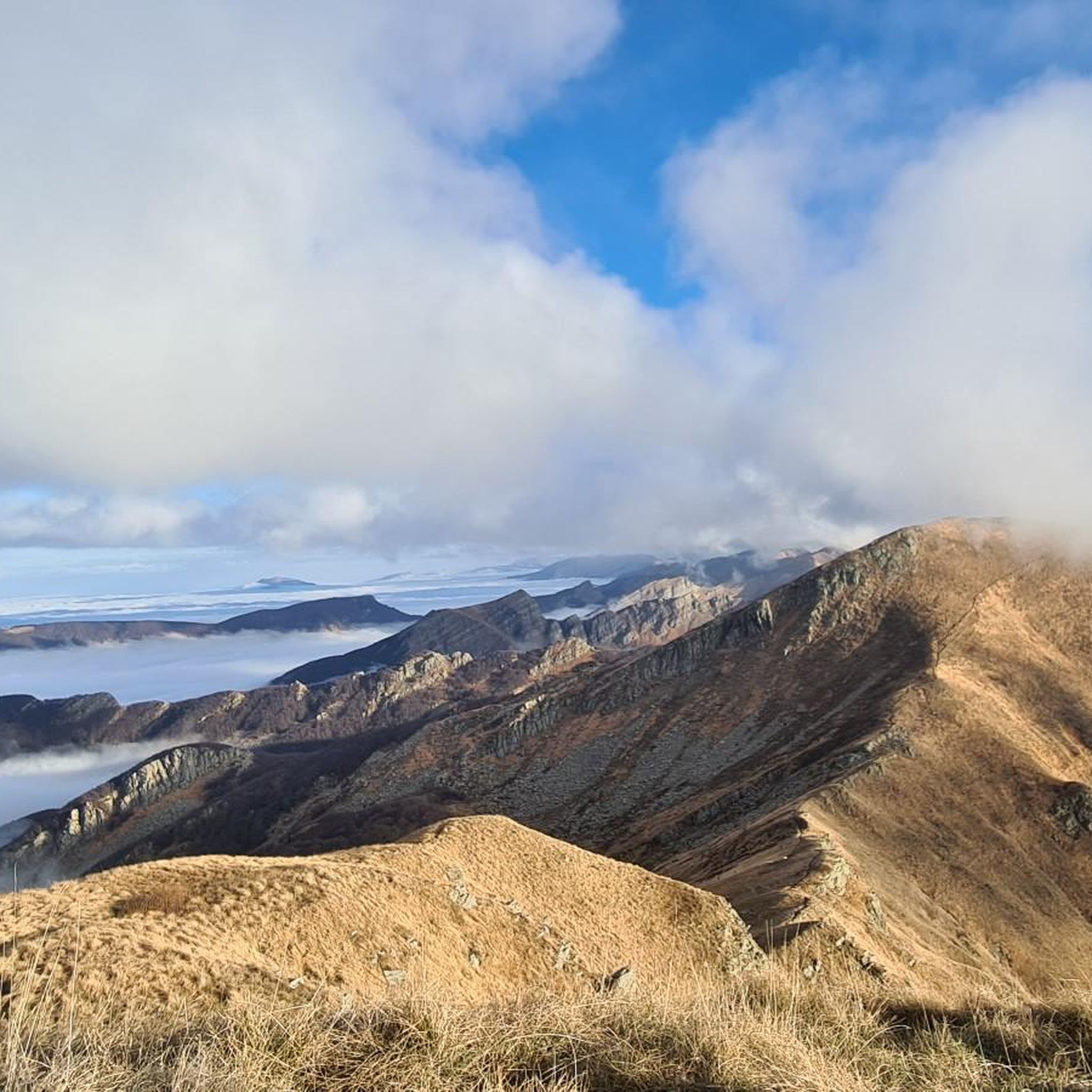
A stunning mountain from which you can enjoy a view of the entire Parma Apennines and, on a clear day, you can also see the Gulf of La Spezia.
0
0
Navert is fantastic! It can be reached in various ways both on foot and by MTB. The panorama is 360 degrees.
1
0
One of the most suggestive and panoramic peaks of the 00 ridge in the province of PR
3
0

Mount Navért is a mountain in the Parma Apennines on the border between the municipalities of Corniglio and Monchio delle Corti, with an altitude of 1,654 metres above sea level.
0
0
Definitely worth a visit, both by mountain bike and on an excursion, we recommend going in summer.
1
0
Frequently Asked Questions
Which are some of the most popular mountain peaks to explore near Filattiera?
The area around Filattiera offers access to both the rugged Apuan Alps and the sprawling Tuscan-Emilian Apennines. Highly regarded peaks include Monte Pisanino, the highest peak entirely within Tuscany, and Monte Tambura, known for its distinctive karst features. In the Tuscan-Emilian Apennines, Monte Marmagna and Monte Orsaro are popular for their panoramic views and natural beauty. For a local favorite, the Summit of Monte Bosta is appreciated by the komoot community for its wide views over the Magra valley.
What kind of views can I expect from the mountain peaks around Filattiera?
The mountain peaks near Filattiera offer breathtaking panoramic views. From peaks like Monte Pisanino and Pania della Croce, you can often see the entire Apuan chain, the distant Apennines, and the shimmering Mediterranean Sea, with views extending to the island of Corsica on clear days. Peaks in the Tuscan-Emilian Apennines, such as Monte Marmagna, provide vistas across the Apuan Alps, the Val di Magra, and the Ligurian coast, including the Gulf of La Spezia.
Are there any particularly challenging mountain peaks for experienced hikers?
Yes, several peaks offer significant challenges. Monte Pisanino, the highest peak in the Apuan Alps, involves a mix of marked trails and scrambling sections with exposed passages. Monte Tambura also presents a challenging ascent, including a difficult section near the end that may involve descending a cliff using secured wires. These ascents require alpine experience and concentration.
What unique natural features can I discover on these mountain peaks?
The region is rich in unique natural features. The Apuan Alps are renowned for their dramatic karst topography, with peaks like Monte Tambura showcasing distinctive karst features and the Vetricia karst plateau near Pania della Croce where surface water disappears into underground cavities. In the Tuscan-Emilian Apennines, you'll find high-altitude glacial lakes, such as the two lakes just below the summit of Mount Sillara and Lago Santo Parmense near Monte Marmagna.
What is the best time of year to hike the mountain peaks near Filattiera?
While specific recommendations vary by peak and difficulty, generally, the warmer months are ideal for hiking the mountain peaks. For peaks like Monte Navert, it is recommended to visit in summer for spectacular views. Clear days are crucial for enjoying the extensive panoramas from many summits. Always check local weather forecasts before embarking on a hike, especially for higher, more exposed routes.
Are there any cultural or historical landmarks on the mountain peaks?
Yes, some peaks feature notable landmarks. Monte Pisanino has a Madonna statue at its summit. On Monte Marmagna, a prominent 10-meter high iron cross stands, erected in 1901. Additionally, the Statue of the Madonna on Monte Orsaro, sculpted by Luciano Preti, is a significant man-made monument on that peak. The routes to some Apuan Alps peaks, like Monte Tambura, also pass by historic marble quarries, offering a glimpse into the region's industrial heritage.
What other outdoor activities can I do near the mountain peaks around Filattiera?
Beyond hiking, the area around Filattiera is excellent for various outdoor activities. You can find numerous routes for gravel biking, mountain biking, and general cycling. For example, there are challenging gravel biking loops like the 'Passo Alpicella (710 m) – Alta Via dei Monti Liguri loop from Villafranca-Bagnone' and mountain biking trails such as 'Salita al Monte Bosta — Giro ad anello'. You can explore more options on the Gravel biking around Filattiera, MTB Trails around Filattiera, and Cycling around Filattiera guide pages.
Are there any easy or beginner-friendly mountain walks near Filattiera?
While many of the prominent peaks offer intermediate to challenging routes, there are options for less strenuous walks. The region provides a variety of trails, and some peaks might have alternative, less technical ascents. For instance, Monte Pisanino has a blue-marked route that avoids difficult scrambling sections. It's always advisable to check the specific trail descriptions and difficulty ratings before setting out.
What makes Pania della Croce a notable peak in the Apuan Alps?
Pania della Croce, often called the 'Queen of the Apuan Alps,' is highly regarded for its prominent stature and exceptional panoramas. From its summit, you can enjoy views across the southern Apuan Alps, Monte Sumbra, Mount Corchia, the Tyrrhenian Sea, and the Tuscan-Emilian Apennines. The mountain is also famous for the 'Omo Morto' (Dead Man), a silhouette visible from the Garfagnana Valley, and its ascent often includes a beautiful beech forest and interesting geological formations.
What is special about Monte Marmagna in the Tuscan-Emilian Apennines?
Monte Marmagna is a popular destination within the Tuscan-Emilian Apennine National Park. Its summit, marked by a 10-meter high iron cross, offers splendid panoramic views stretching across the Apuan Alps, the Val di Magra, and the Ligurian coast. The hike to Monte Marmagna often includes passing the glacial Lago Santo Parmense, the largest glacial lake in the Northern Apennines, providing a varied and scenic experience through forests, past lakes, and along ridges.
Can I find information about specific hiking routes or trails for these peaks?
Yes, detailed information about specific hiking routes and trails can be found within the komoot guides. For example, the MTB Trails around Filattiera guide lists routes like 'Salita al Monte Bosta — Giro ad anello'. For general hiking, you can explore various trails that lead to these peaks, often starting from picturesque villages or refuges. Always consult detailed route descriptions for elevation, distance, and difficulty.
Are there any peaks known for their unique geological formations?
Yes, the Apuan Alps are particularly known for their geology. Monte Tambura is famous for its distinctive karst features, and the area around Pania della Croce includes the Vetricia karst plateau, where surface water disappears into deep underground cavities like the Revel Abyss. These formations offer a fascinating insight into the geological processes of the region.
Most popular routes around Filattiera
Most popular attractions around Filattiera

Get inspired with the komoot mobile app


Explore more
See even more amazing summits around Filattiera with these guides:
