Attractions and Places To See around Filattiera - Top 20
Best attractions and places to see around Filattiera are found within the charming Lunigiana region of Tuscany, Italy. This area features a countryside landscape of ancient river terraces, cultivated fields, vineyards, and olive groves. The region is overseen by the mountains of the Tuscan-Emilian Apennines, offering a blend of historical sites and natural beauty. Filattiera also lies along the historic Via Francigena, adding to its cultural significance.
Best attractions and places to see around Filattiera
- The most popular attractions is…
Last updated: October 9, 2026
Passo della Cisa
Highlight • Mountain Pass
Translated by Google •
Tip by

Lake Santo Parmense
Highlight • Lake
Translated by Google •
Tip by

Sign up now to discover places like this
Get recommendations on the best single tracks, peaks, & plenty of other exciting outdoor places.
Lagdei Hut
Highlight • Mountain Hut
Translated by Google •
Tip by

Giovanni Mariotti Mountain Hut at Lago Santo
Highlight • Mountain Hut
Translated by Google •
Tip by
Pontremoli Cathedral (Co-Cathedral of Saint Mary of the People)
Highlight • Religious Site
Translated by Google •
Tip by

Sign up for free to discover even more attractions around Filattiera.
Already have an account?
Start today with a free account
Your next adventure awaits.


Tips from the Community

The Concattedrale di Santa Maria Assunta impresses inside with a huge dome and opulent Baroque architecture
1
0

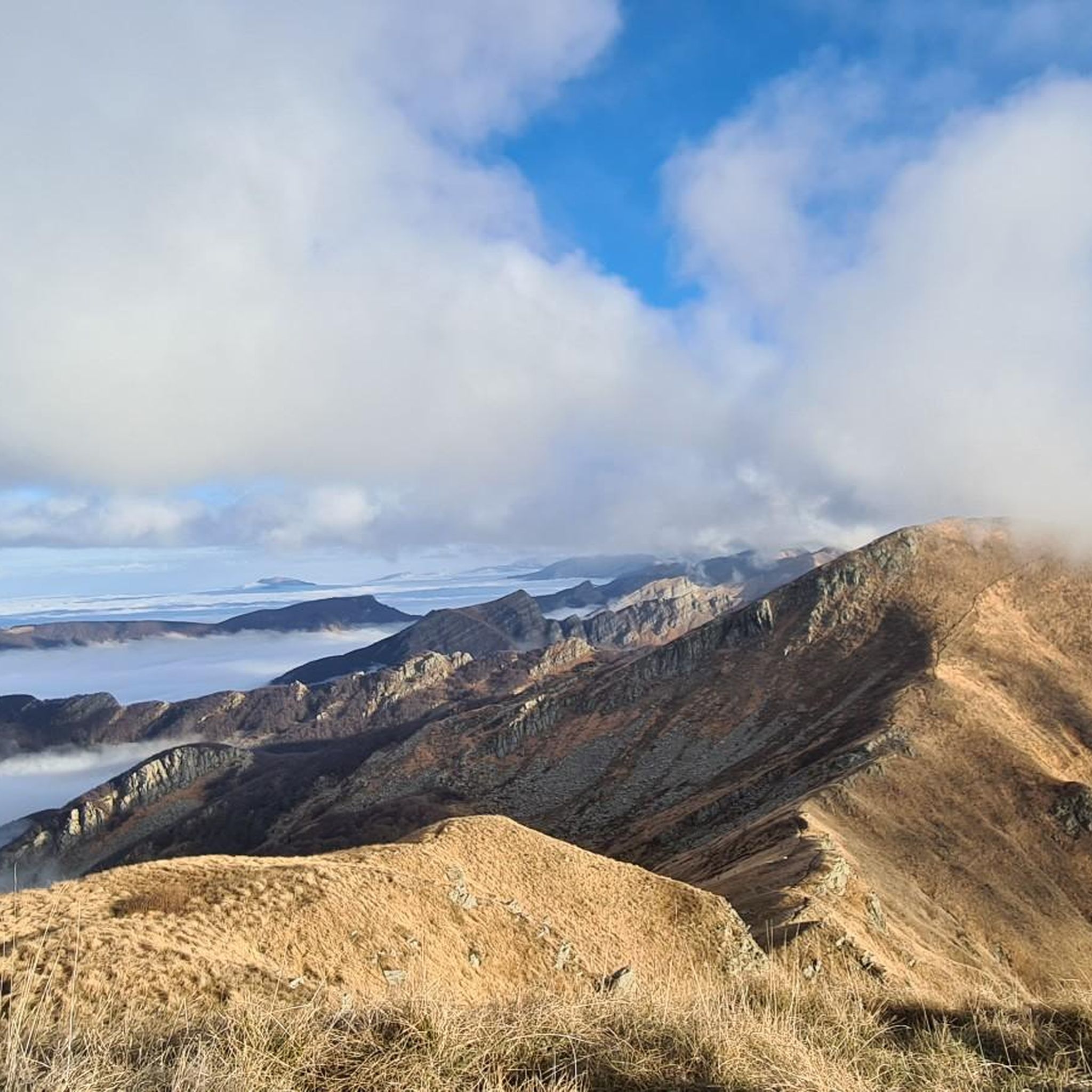
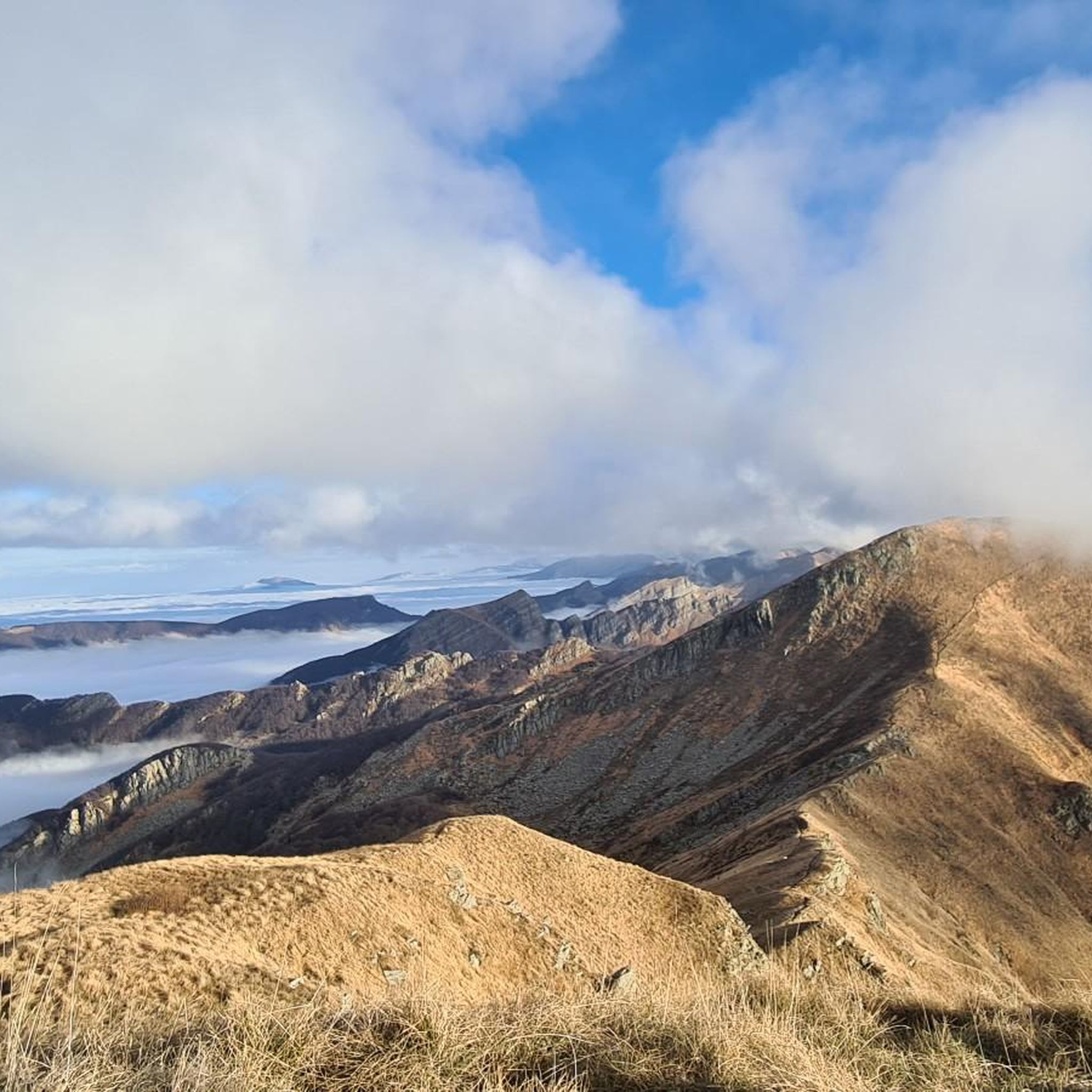
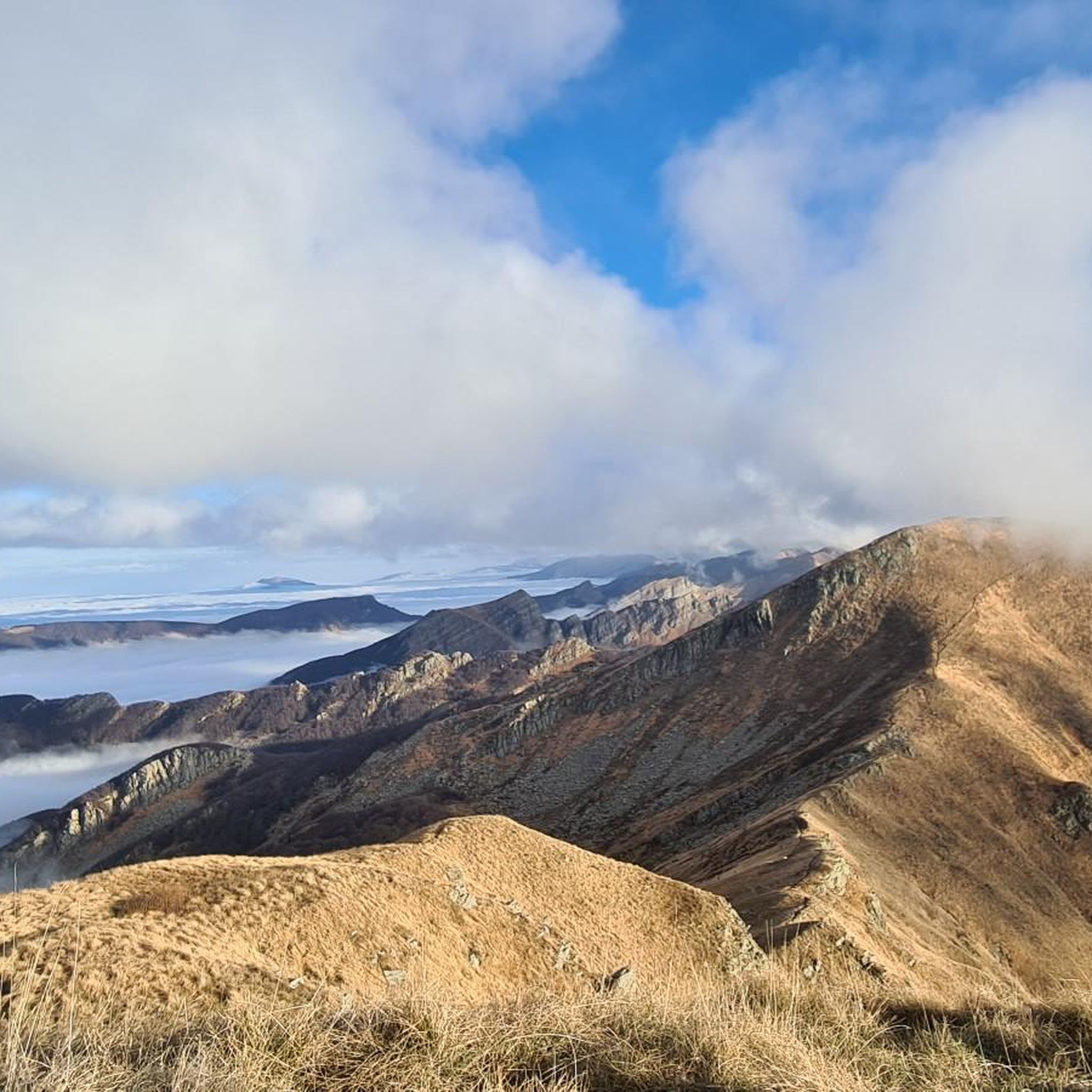
Lago Santo Parmense is the largest glacial lake in Emilia-Romagna and the largest natural body of water in the entire northern Apennines. Located at an altitude of 1,507 meters in the municipality of Corniglio, it covers an area of over 81,000 square meters and reaches a maximum depth of 22.5 meters. It is located within the Tuscan-Emilian Apennine National Park (also known as Parco dei Cento Laghi) and is dominated by the walls of Monte Marmagna.
1
0

A refuge on Lago Santo Parmense. Located in a magnificent setting, it's a delightful place to stop. It's managed; all the information is on the website. It can be reached on foot or by chairlift from Lagdei.
2
0
There's not much to say here. Lago Santo is on the list of top places in our Apennines. A quick web search and a few photos are all it takes to understand what it's all about.
3
0

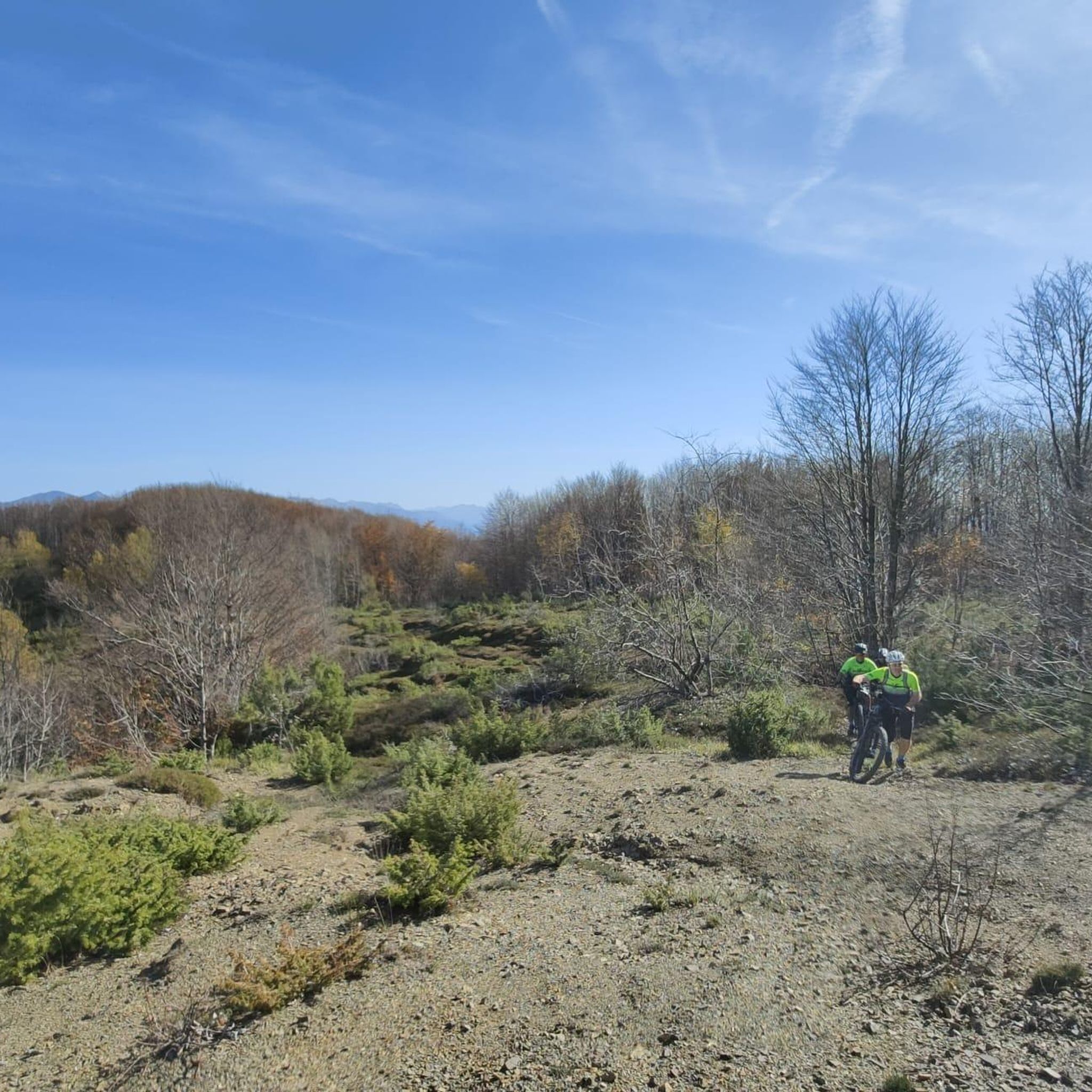
small village but very suggestive and picturesque to pass by bicycle
1
0

Strategic location Good for refreshment The right place to go after a trek in the mountains Not to be missed.....
2
0

Magical environment in every season
3
0

On its banks is the "Giovanni Mariotti" refuge. Built by the local CAI section with the aim of providing shelter and accommodation for hikers, it was inaugurated on 12 September 1882. On 11 August 1935 it was dedicated to Giovanni Mariotti, mayor of the city of Parma, senator of the Kingdom and president of the CAI section of Parma from 1893 to 1935. The refuge has a kitchen service and 42 beds.
2
0
Frequently Asked Questions
What historical sites can I explore in Filattiera?
Filattiera is rich in history. You can visit the 13th-century Malaspina Filattiera Castle, the ancient Church of San Giorgio with its rare 8th-century Lombard tombstone, and the Medieval Pieve of St. Stephen at Sorano, which stands on a site of prehistoric settlement. Don't miss the Archaeological Area of Sorano, where Stele Statues and Iron Age artifacts have been found, or the Ancient Hospital of San Jacopo di Altopascio, which served pilgrims on the historic Via Francigena.
Are there any natural attractions or viewpoints near Filattiera?
Yes, Filattiera is surrounded by natural beauty. You can enjoy the classic countryside scenery along the Protected Natural Area of the Magra River. The area is also overlooked by the mountains of the Tuscan-Emilian Apennines National Park, offering dramatic landscapes. Other natural points of interest include the Monia Waterfall and the Pozze della Rocca Sigillina. For panoramic views, consider exploring trails around Mount Bosta or the Passo della Cisa, a popular mountain pass.
What outdoor activities, such as hiking or cycling, are available around Filattiera?
The region around Filattiera offers numerous opportunities for outdoor activities. You can find various hiking trails, including challenging routes like the Cresta delle Alpi Apuane. For cyclists, there are cycling routes such as the 'Filattiera Route – Ciclovia dei Castelli' and the 'Cycle path to Aulla'. Mountain biking enthusiasts can explore MTB trails, including routes to Monte Bosta.
What is the best time of year to visit Filattiera for outdoor activities?
The best time to visit Filattiera for outdoor activities is generally during the spring (April to June) and autumn (September to October) when the weather is mild and pleasant for hiking, cycling, and exploring historical sites. Summers can be warm, but the higher elevations in the Tuscan-Emilian Apennines offer cooler temperatures. Winters are colder, with potential for snow in the mountains, which might limit some outdoor activities but can offer a different kind of scenic beauty.
Are there any family-friendly attractions or activities in Filattiera?
While specific children's attractions aren't highlighted, families can enjoy exploring the medieval villages like Ponticello and Filattiera itself, which offer a glimpse into history. Gentle walks along the Magra River or easy sections of the Via Francigena can also be suitable. The Pontremoli Cathedral and Ponte della Cresa in nearby Pontremoli are also considered family-friendly historical sites.
What cultural experiences can I find in Filattiera?
Filattiera's cultural heritage is deeply tied to the Via Francigena, the ancient pilgrimage route that crosses the municipality. You can walk sections of this historic path, experiencing the same journey pilgrims took centuries ago. The area also boasts well-preserved medieval villages like Ponticello, characterized by stone buildings, narrow alleys, and tower-houses, offering a rich cultural immersion.
Where can I find accommodation or places to eat near Filattiera's attractions?
While specific cafes or restaurants in Filattiera are not detailed, the region offers various options. For example, the Giovanni Mariotti Mountain Hut at Lago Santo provides kitchen service and accommodation with 42 beds, making it a great stop for those exploring the Apennines. The nearby town of Pontremoli also offers a selection of eateries and places to stay.
What is the significance of the Via Francigena in Filattiera?
The Via Francigena is a historic pilgrimage route that played a crucial role in Filattiera's development. It crosses Filattiera and several of its hamlets, connecting the region to a broader European historical and cultural network. Many of the area's ancient churches and hospitals, such as the Ancient Hospital of San Jacopo di Altopascio and the Medieval Pieve of St. Stephen, were established to serve pilgrims traveling this route.
Are there any hidden gems or less-known spots worth visiting in Filattiera?
Beyond the main attractions, Filattiera offers charming medieval hamlets and natural spots. The Medieval Village of Ponticello is described as one of the best-preserved in the area, offering a truly authentic experience. For nature lovers, the Monia Waterfall and the Pozze della Rocca Sigillina are less-frequented natural points of interest that provide serene beauty.
What do visitors enjoy most about the attractions around Filattiera?
Visitors particularly appreciate the blend of historical significance and natural beauty. The Passo della Cisa is loved by cyclists for its gentle slopes and scenic views. The Giovanni Mariotti Mountain Hut at Lago Santo is praised for its food and accommodation in a beautiful setting. Trails like the Old Henry Trail are enjoyed for being fun, challenging, and well-maintained. The overall charm of the medieval villages and the rich history also receive high acclaim.
Can I find any ancient mills or unique historical structures in the area?
Yes, the area around Filattiera features unique historical structures. You can visit The Ancient Mill of Rocca Sigillina, which stands as a testament to the region's past industries. Additionally, the Ponte della Cresa in nearby Pontremoli is a 14th-century stone bridge that has retained its original structure despite centuries of floods, making it a true symbol of the city.
Most popular routes around Filattiera
Most popular attractions around Filattiera

Get inspired with the komoot mobile app


Explore more
Still not found the Highlight you’re looking for? See guides of the top attractions in other regions:
