Top 20 Lakes around Fivizzano
Best lakes around Fivizzano are found in the picturesque Lunigiana region of Tuscany, offering access to several beautiful lakes. The area is part of both the Apennino Tosco-Emiliano National Park and the Apuan Alps Park, providing diverse natural landscapes. Many lakes are artificial, created for electricity generation, yet they offer significant recreational opportunities. This region is an ideal destination for nature enthusiasts seeking outdoor activities.
Best lakes around Fivizzano
- The most popular lakes is Lagastrello Dam, a man_made_monument that…
Last updated: July 1, 2026
Lake Vagli
Highlight • Lake
Translated by Google •
Tip by

Lagastrello Dam
Highlight • Monument
Translated by Google •
Tip by

Sign up now to discover places like this
Get recommendations on the best single tracks, peaks, & plenty of other exciting outdoor places.
Sign up for free
Lake Calamone
Highlight • Lake
Translated by Google •
Tip by

Lake Gramolazzo
Highlight • Lake
Translated by Google •
Tip by
Lake Vagli and Morandi Bridge
Highlight • Lake
Last day of vacation in Green Tuscany. Temperatures rise above 40°C.
In search of cooling, …
Translated by Google •
Tip by

Sign up for free to discover even more lakes around Fivizzano.
Sign up for free
Already have an account?
Start today with a free account
Your next adventure awaits.
Login or Signup
Popular around Fivizzano
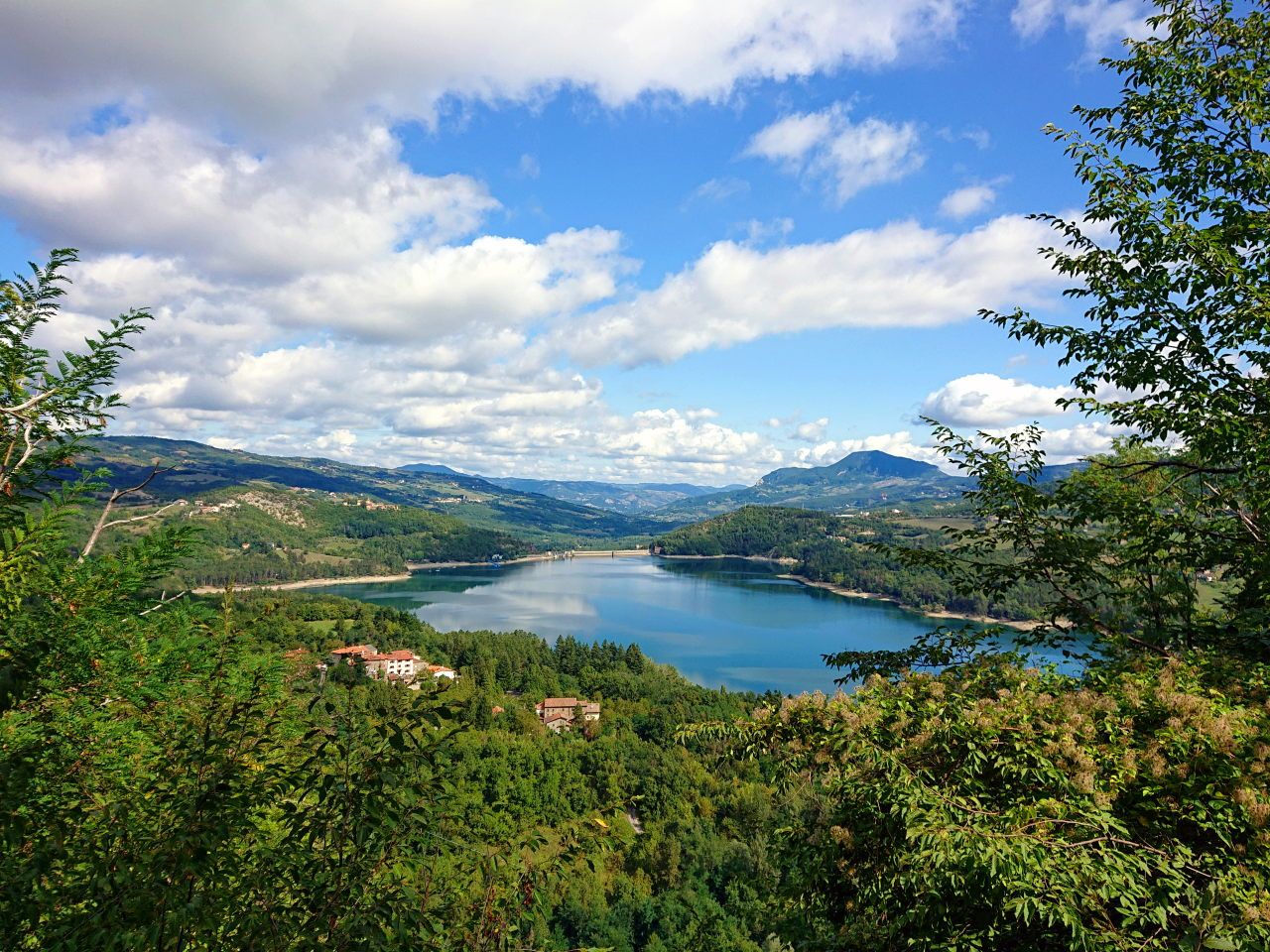
Interiora - A Journey into the Remote Areas of Italy
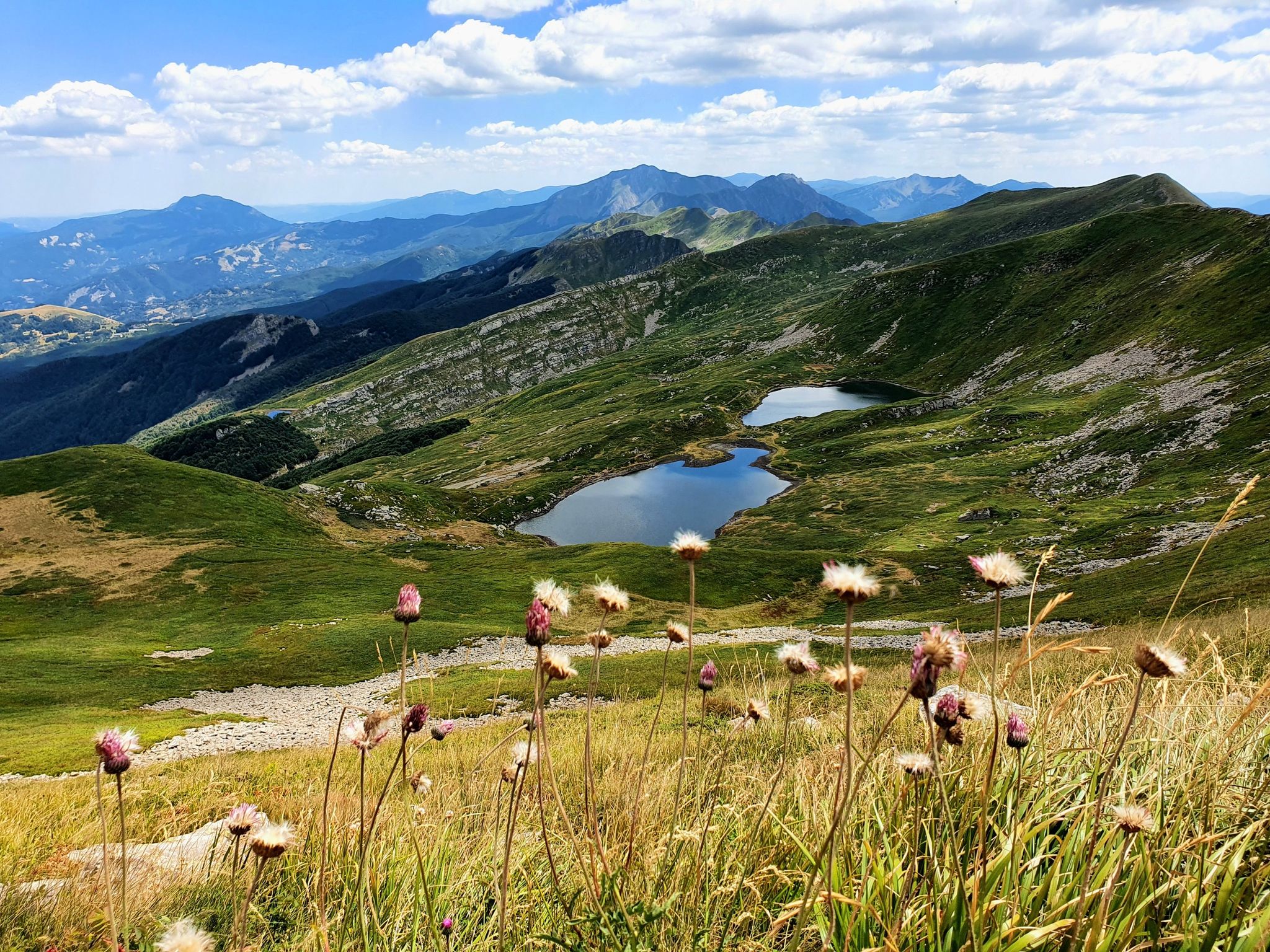
Berceto to Abetone – Alta Via dei Parchi (part 1)
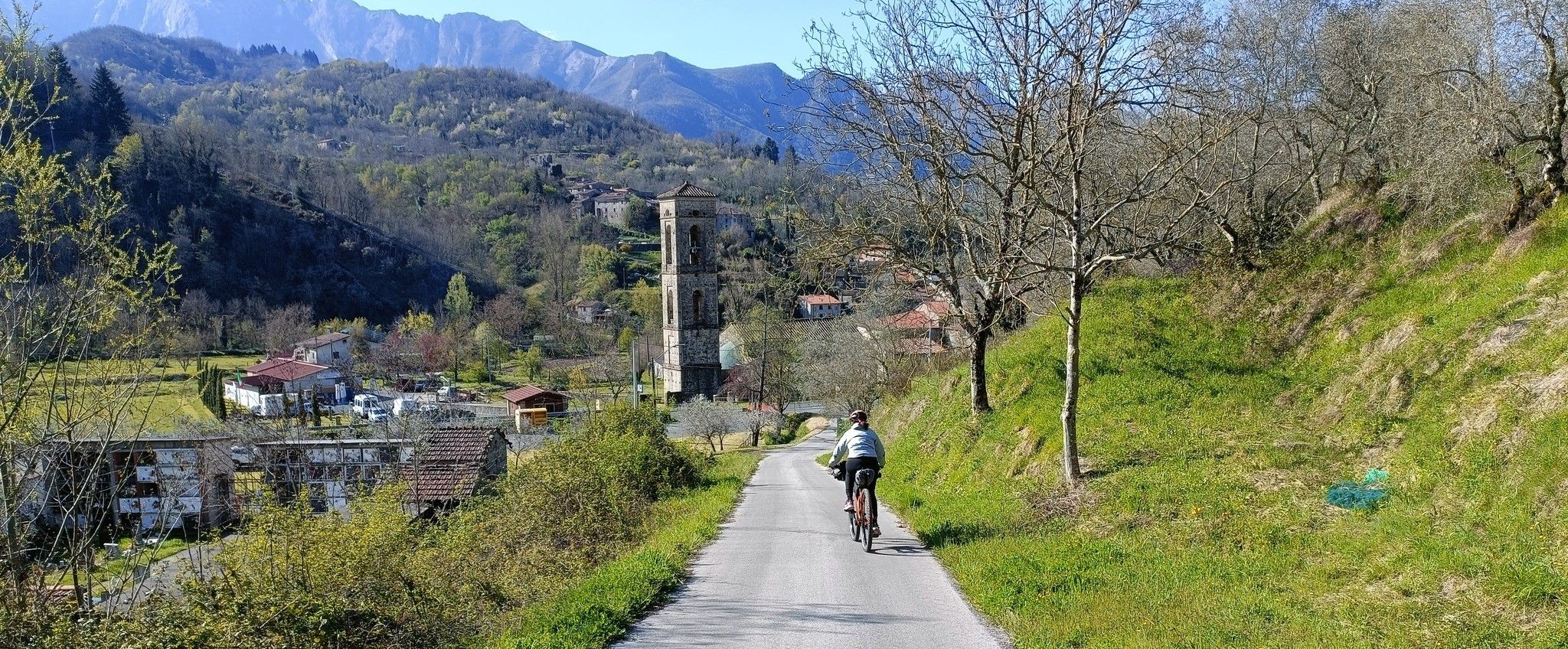
Mediaeval villages and sublime nature – Lunigiana Gravel
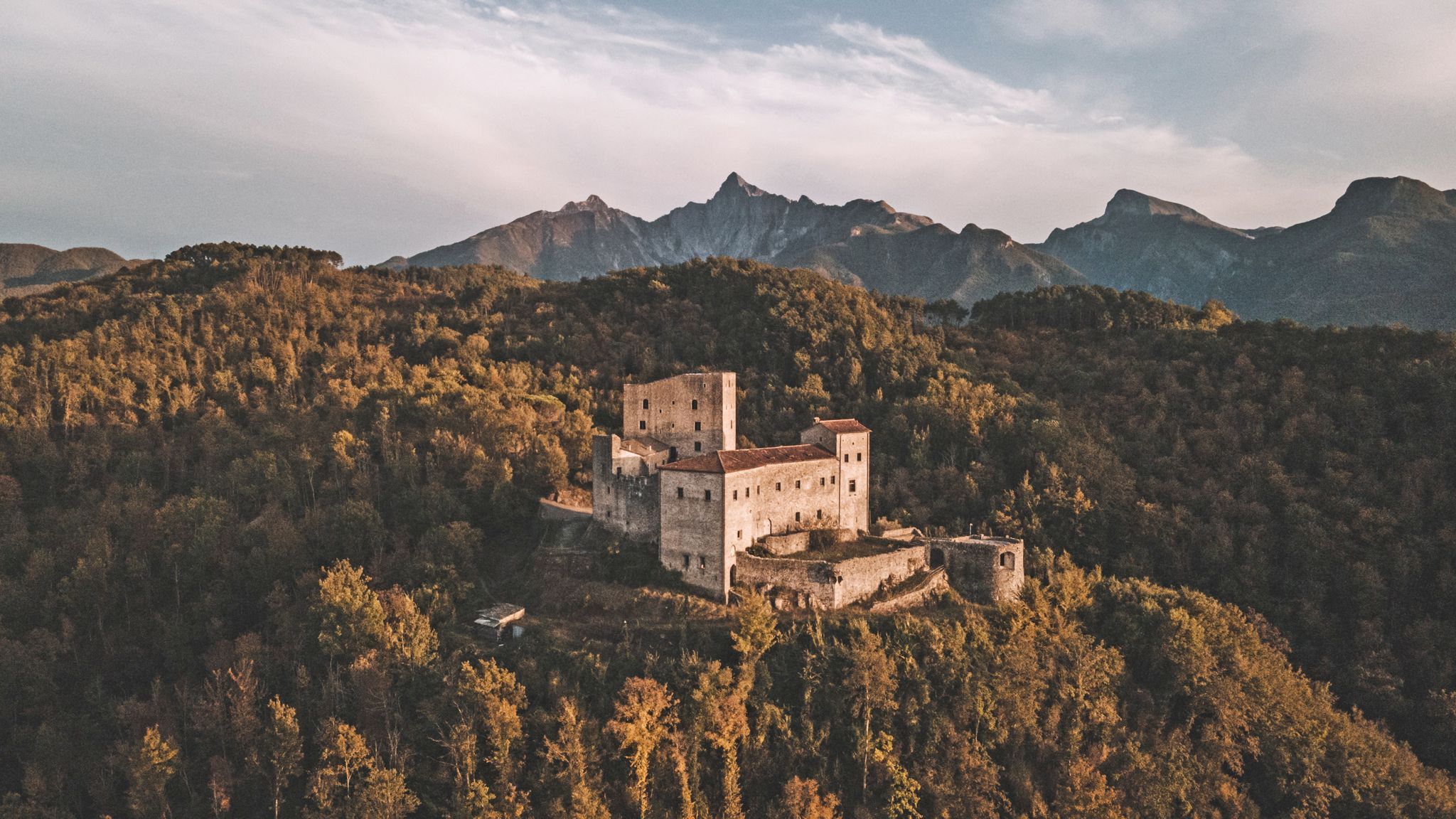
Through history between Lunigiana and Garfagnana – Via del Volto Santo by MTB

The land of 100 castles – Lunigiana Trail MTB
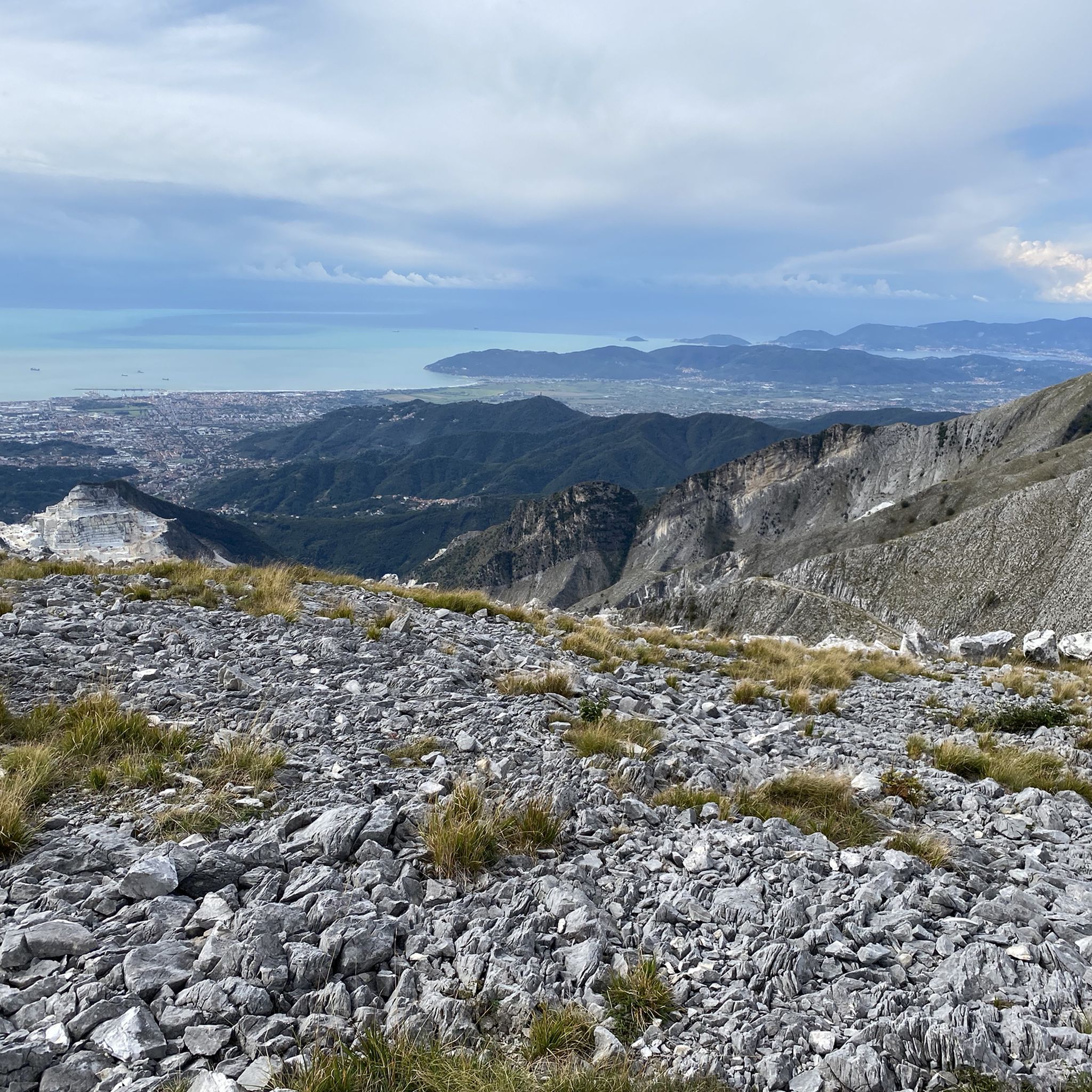
Hiking around Fivizzano
Road Cycling Routes around Fivizzano
MTB Trails around Fivizzano
Cycling around Fivizzano
Running Trails around Fivizzano
Other adventures around Fivizzano


Tips from the Community

The Diga del Lagastrello (officially called Diga di Lago Paduli) is an artificial dam located in the Tuscan-Emilian Apennines, at an altitude of about 1,157 meters in the municipality of Comano (Massa-Carrara), very close to the Passo del Lagastrello which separates Tuscany from Emilia-Romagna. Built between 1906 and 1910 for hydroelectric purposes by damming the Enza stream, it creates the Lago Paduli, an artificial basin that collects over 3 million cubic meters of water. From an engineering point of view, it is a notable example of an earth-fill dam with a central impermeable clay core. In December 1909, during the final stages of its construction, it suffered a partial and disastrous collapse that devastated the underlying Val Cedra, fortunately without causing any casualties.
0
0

The lake of Gramolazzo is a lake in the Apuan Alps located near the homonymous village in the municipality of Minucciano. Of artificial origin, it was created in the second half of the 1900s, together with the lake of Vagli by SELT Valdarno for the hydroelectric use of the Serchio river and its tributaries. The lake, which has a surface area of one square kilometer and a volume of 3.8 million cubic meters, has both the Serchio di Gramolazzo as its inflow and outflow, one of the two branches that, joining near Piazza al Serchio, form the Tuscan river. Another important stream that flows into the lake is the Acqua Bianca stream, which coming from Mount Pisanino crosses the village of Gorfigliano. A large part of the water, however, is fed through a channel on the left bank, near the dam, which with a maximum flow rate of 20 cubic meters per second discharges the waters captured from the Serchio into the Sillano valley. The waters of the lake of Gramolazzo feed the Fabbriche power plant which in turn discharges them into the lake of Vagli.
0
0
The construction of the hydroelectric dam, designed by Count Eng. Ignazio Prinetti Castelletti, began in 1941, slowed down during wartime, and was completed in 1947 under the supervision of SELT Valdarno (now Enel). In the period 1951-53, the dam was raised by about 30 m, bringing the overall height to about 88-92 m. The ordinary arch and gravity dam, built in concrete, has a crest 150 m long and 5 m wide, while the width at foundation level is about 70 m. The crest is accessible to the public all year round. The lake, artificially formed in 1947 by damming the Edron stream, constitutes the dam's reservoir. Upon filling, the rising lake waters submerged some villages, the main one being Fabbriche di Careggine, a small village of blacksmiths from Brescia, founded in the 13th century, which re-emerges with every emptying of the basin. Since the Vajont disaster, the basin has not been filled beyond 80% of its maximum capacity. The basin holds about 35 million cubic meters of water and is exceptionally emptied in case maintenance intervention is necessary. This has happened four times: in 1958, 1974, 1983, and 1994. In the latter year, almost 1 million tourists from all over the world arrived in Vagli.
0
0

Beautiful route, with a stunning summit panorama
1
0

A charming lake located in a basin just above the small town of Ventasso Laghi, easily accessible from here via a forest road. It is of glacial origin and can be explored along a beautiful trail. From here, several trails lead to Mount Ventasso.
0
0

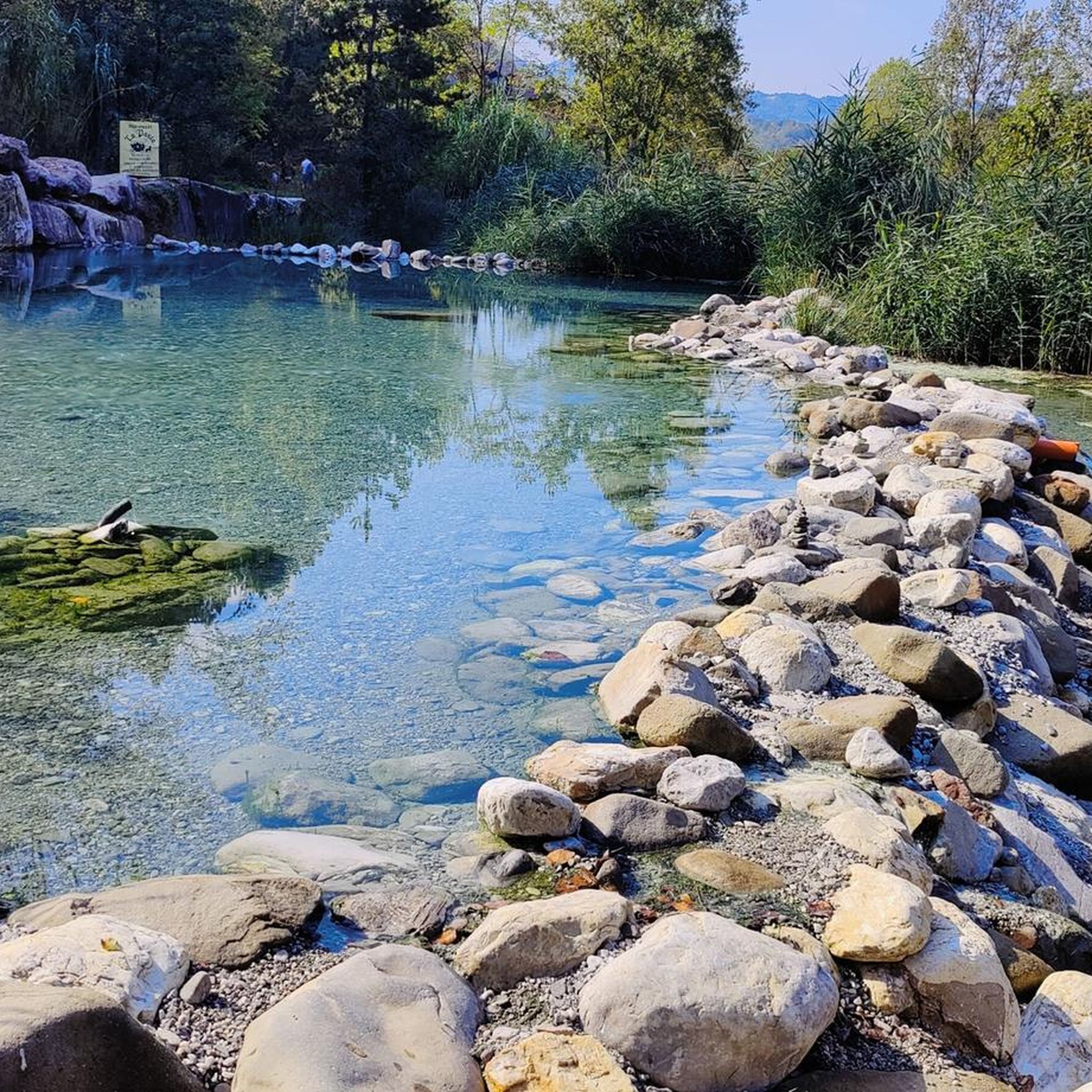
The place is cool and quiet during the week. Canoe rentals are available for lake excursions.
0
0

Lago di Vagli (Vagli Sotto) - That's all it needs to be / Day 13 Last day of vacation in Green Tuscany. Temperatures rise above 40°C. In search of cooling, which we find on the banks of the Lago di Vagli reservoir. We are triggered by the sunken village, Fabbriche di Careggine, which was evacuated in 1947 to create a reservoir for the public interest. This village had a beautiful Romanesque church from the 13th century, a few houses and a cemetery. Every now and then the church tower of the village appears above the water. In a haze of mystery and the mirage above the water surface, we hope to catch a glimpse of the spire. The ghost village only reveals its hidden secrets every 25 years. The last time the reservoir was drained for maintenance work was in 1996 and was allowed to receive millions of visitors. Due to corona, the draining has been postponed. Now we are looking forward to a new period when the lake will be drained once again. Ruins will then reveal their secrets again... will the church tower of San Teodoro still be intact? It is also said that the spirits of the deceased residents then return and haunt the village, a real ghost town... 'More' is all we need for that... Ponte Morandi and Ponte dei Fanti di Marina let us enjoy beautiful views over the idyllic lake, the picturesque village of Vagli Sotto with the beautiful green mountain landscape in the background. We walk past the statues of Parco dell'Onore e del Disonore in an exemplary manner. Here 'Honour and Dishonour' stare out over the surface of the water. The statues of Trump and Putin are only worth a two-second glance. We complete our discovery adventurously along the shady banks of Vagli Sotto. With a delicious lunch behind us, we finally leave... The heat is getting too much for us, returning to our B&B seems like a good idea... Read more experiences? Click through to https://www.komoot.com/nl-nl/collection/2195535/-visit-italy-2023-regio-massa-carrara-lucca
2
1

The body of water is located in the municipality of Vagli Sotto in the province of Lucca and was formed artificially with the damming of the Edron stream in 1947 by SELT Valdarno (now Enel s.p.a.) and the construction of a hydroelectric dam designed by Count Eng. Ignazio Prinetti Castelletti as recalled by an inscription fixed to the wall between the steps on the western bank. In 1948 the works on the dam were completed with the subsequent raising to 92 meters. The rising waters of the lake submerged some villages among which the main one was Fabbriche di Careggine, a small village of blacksmiths from Brescia, founded in the 13th century, which re-emerges every time the lake is emptied. The lake contains approximately 35 million cubic meters of water and is emptied exceptionally if maintenance is necessary. It has happened four times: in 1958, 1974, 1983 and 1994. The new emptying was expected for 2024, but due to the water needs caused by recent droughts, it was decided to postpone the emptying to 2026 (unless it becomes necessary to postpone it again). The wait for the new emptying is linked to the tourist attraction offered by the re-emergence of the village of Fabbriche di Careggine, whose structure (including the beautiful church of San Teodoro) is still substantially intact under the waters of the lake.
1
0
Frequently Asked Questions
What unique historical features can I explore around Fivizzano's lakes?
The most notable historical feature is the submerged village of Fabbriche di Careggine in Lake Vagli. This village, including a 13th-century Romanesque church, was evacuated in 1947 to create the reservoir and only reappears when the lake is emptied, an event that last occurred in 1994. The 92-meter-high dam itself is also accessible to the public.
Are there family-friendly lakes around Fivizzano?
Yes, Lake Gramolazzo is particularly family-friendly. Its banks are equipped with playgrounds for children, and it has large beach sections suitable for swimming. Lake Calamone also offers easy excursions suitable for all ages, with a refuge providing catering.
What kind of hiking trails can I find near the lakes?
The region offers diverse hiking opportunities. Around Lagastrello Dam and Lake Paduli, you'll find numerous paths leading towards the Apennine ridges. For more options, explore the 'Hiking around Fivizzano' guide, which includes routes like the 'Celestial Trail' and 'Cerreto Lakes Loop'. You can find more details on these trails at komoot.com/guide/537798/hiking-around-fivizzano.
Can I go swimming in any of the lakes?
Yes, both Lake Gramolazzo and Lake Vagli are considered good spots for swimming. Lake Gramolazzo, in particular, has large beach sections that invite visitors to take a dip.
What other outdoor activities are available near Fivizzano's lakes?
Beyond hiking, the area is excellent for cycling and mountain biking. You can find various routes, such as the 'Lake Gramolazzo – Lake Gramolazzo loop' for cycling or the 'Lake Pranda – Scalucchia Pass loop' for mountain biking. Detailed guides are available for 'Cycling around Fivizzano' at komoot.com/guide/537801/cycling-around-fivizzano and 'MTB Trails around Fivizzano' at komoot.com/guide/537799/mtb-trails-around-fivizzano.
What is the best time to visit the lakes around Fivizzano?
The lakes are beautiful year-round, but for outdoor activities like hiking and swimming, the warmer months from late spring to early autumn are ideal. This allows for comfortable exploration of trails and enjoyment of the water. The region's natural beauty is enhanced during these seasons.
Are there any less crowded lakes for a more tranquil experience?
Lake Calamone, located at the foot of Mount Ventasso, offers a more serene experience. It's reachable on foot in about 20 minutes from the parking area, providing a peaceful natural setting away from larger crowds.
Where can I find amenities like cafes or accommodation near the lakes?
Near Lake Calamone, there is a refuge that offers catering. Around Lake Gramolazzo, the small place Rimessa di Agliano has a few bars and even an ice cream parlor. For broader options, the town of Fivizzano itself and surrounding villages offer various services.
Are the lakes around Fivizzano dog-friendly?
Yes, Lake Gramolazzo is noted as dog-friendly, making it a great option for visitors with pets. Many hiking trails in the region are also suitable for dogs, but always ensure they are on a leash and follow local regulations.
What natural parks are the lakes situated within?
The lakes around Fivizzano are nestled within significant natural areas. The region is part of both the Apennino Tosco-Emiliano National Park and the Apuan Alps Park, offering stunning natural landscapes and diverse ecosystems for visitors to explore.
Can I find good picnic spots near the lakes?
Absolutely. Lake Calamone is specifically mentioned as a good starting point for an excursion to the top of Ventasso and a place to stop for a picnic. The scenic banks of Lake Gramolazzo also provide pleasant areas for outdoor dining.
What is the significance of Lagastrello Dam?
Lagastrello Dam, created in 1911, is significant for forming Lake Paduli for electricity production. It's also a notable geographical point, bordering the provinces of Parma, Reggio Emilia, and Massa-Carrara, offering observation points of the lake and the dam, along with access to Apennine trails.
Most popular routes around Fivizzano
Most popular attractions around Fivizzano

Get inspired with the komoot mobile app


Explore more
Still not found your perfect lake around Fivizzano? Check out the guides of these regions to see even more beautiful places.
