Attractions and Places To See around Calice Al Cornoviglio - Top 20
Attractions and places to see around Calice al Cornoviglio are situated in the historic Lunigiana region, offering a blend of historical landmarks, cultural sites, and natural beauty. The area features lush forests, mountains, and the Magra River, providing a diverse landscape for exploration. This region is known for its medieval fortifications, ancient churches, and picturesque villages.
Best attractions and places to see around Calice Al Cornoviglio
- The most popular attractions is Pieve di Santo Stefano di Sorano, a religious…
Last updated: August 31, 2026
Pieve di Santo Stefano di Sorano
Highlight • Religious Site
Translated by Google •
Tip by

Malaspina Castle Tower, Villafranca in Lunigiana
Highlight • Castle
Translated by Google •
Tip by

Sign up now to discover places like this
Get recommendations on the best single tracks, peaks, & plenty of other exciting outdoor places.
Sign up for free
Lusuolo Castle and Medieval Village
Highlight • Castle
Translated by Google •
Tip by

Historic Archway Entrance to Filetto
Highlight • Historical Site
Tip by

Brunella Fortress
Highlight • Castle
Translated by Google •
Tip by

Sign up for free to discover even more attractions around Calice Al Cornoviglio.
Sign up for free
Already have an account?
Start today with a free account
Your next adventure awaits.
Login or Signup
Tips from the Community

The Torre del Castello Malaspina in the municipality of Villafranca in Lunigiana mainly refers to the imposing and famous cylindrical structure of the Castello Malaspina di Malgrate, although in the municipal capital there are also the ruins of the Castello di Malnido, the historic Dantesque residence of the Malaspina marquises, which was also originally equipped with a control tower. The best-preserved and famous fortification with its slender tower is located precisely in the hamlet of Malgrate. The cylindrical keep towers over the valley and is an unmistakable symbol of the Lunigiana landscape.
0
0
The famous South Gate of the fortified village of Filetto (located in Villafranca in Lunigiana, Massa-Carrara), an imposing monumental stone arch that welcomes visitors to the medieval village. In the second case, in construction, it refers to the creation of a structural or decorative arch using bricks arranged "a filetto" (on edge or end), a laying technique widely used to give a rustic and elegant feel to entrances, corridors, or kitchens.
0
0

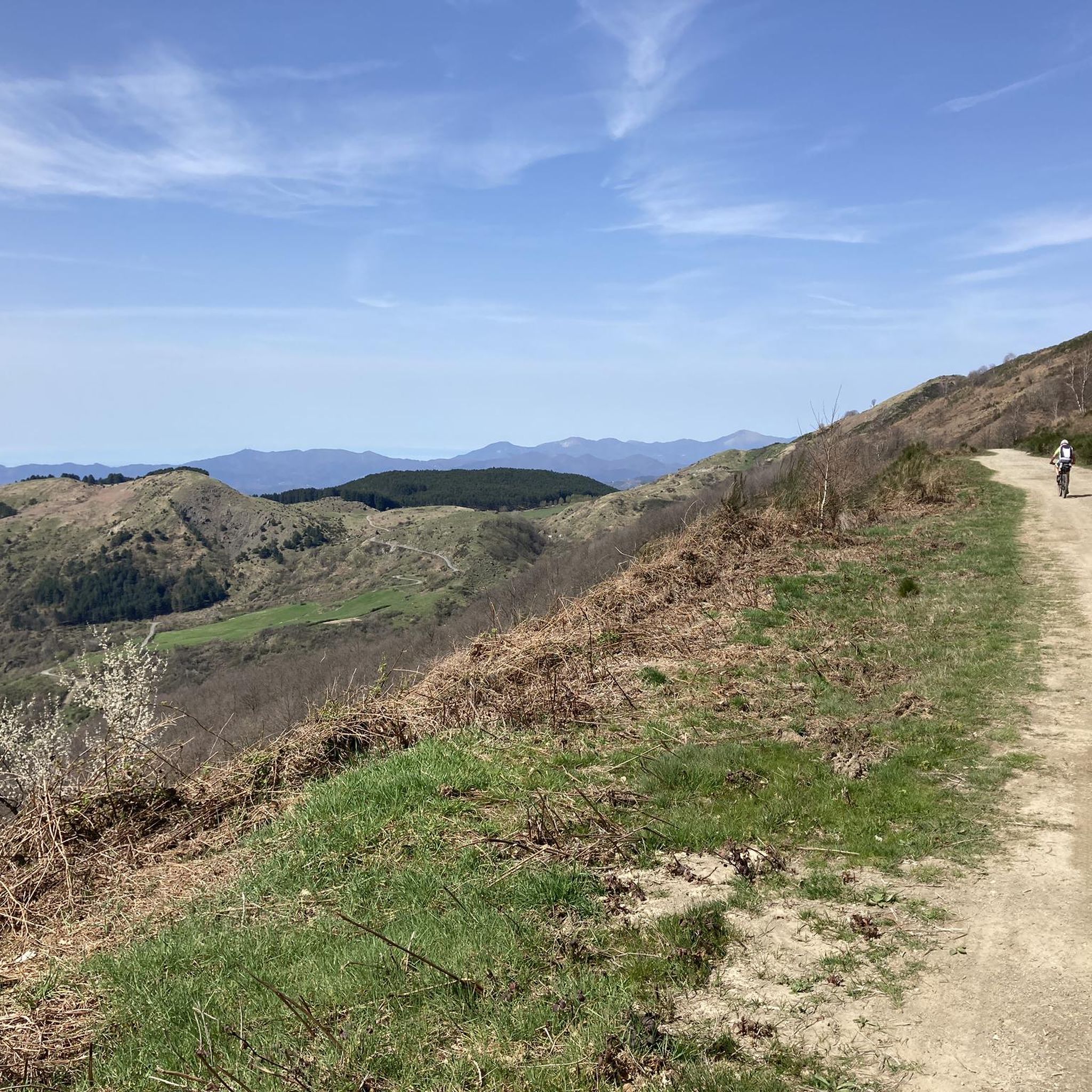
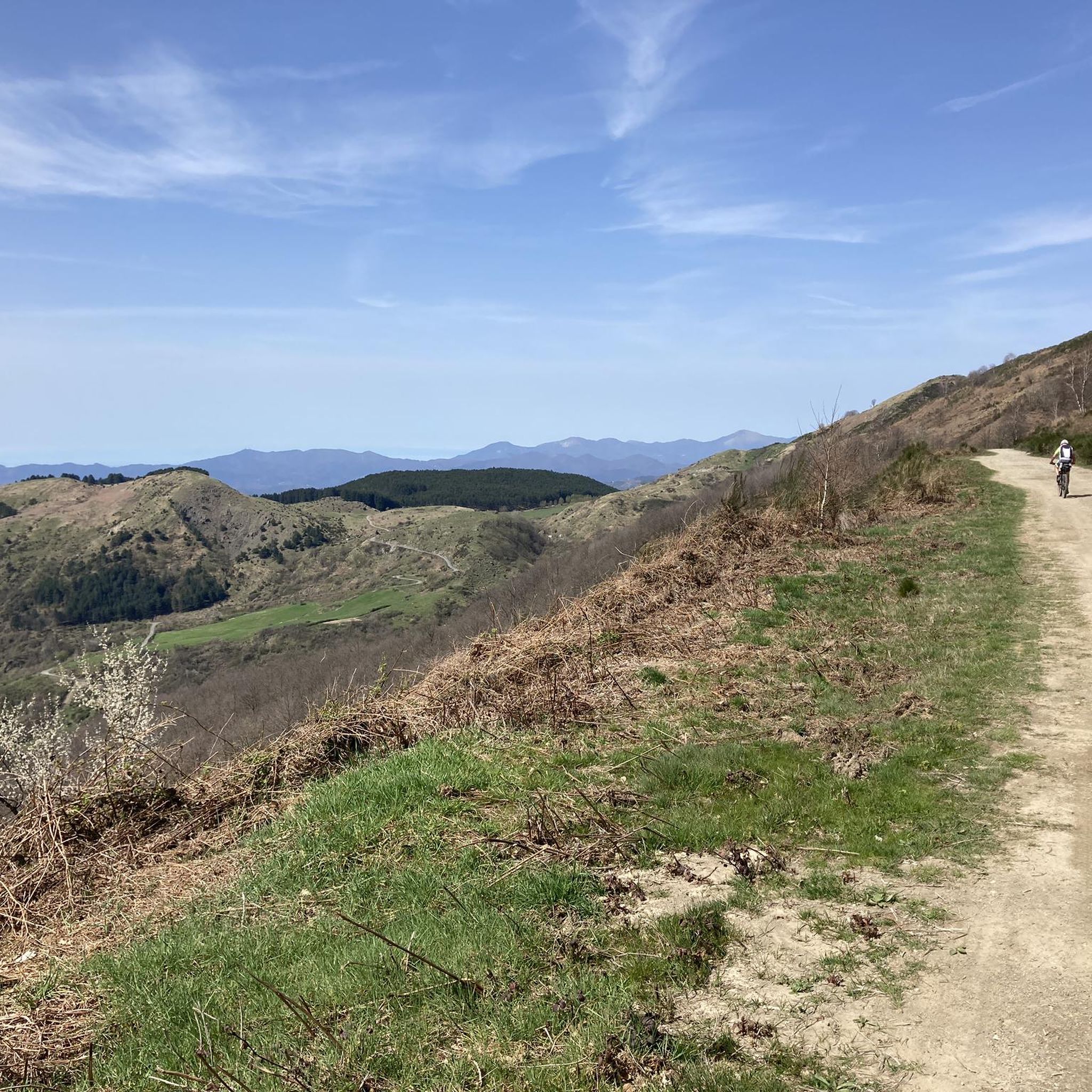
We parked there for a mountain bike ride. It's very picturesque, and there are even some picnic tables.
0
0

Aula is a fundamental hub of the Via Francigena, it was tormented by the bombings of the Second World War, causing the almost total destruction of its historic center, of which very few vestiges remain. It is located a few kilometers from the border with Liguria, on a narrow strip of land at the confluence of the Magra river and the Aulella stream, a decisive place for the civil and religious life of the entire area before the year 1000. Aulla in that period was already a small village and its importance was linked precisely to its central position along the Via Francigena, both as a pilgrimage road and as a commercial artery. The center of the town had an important role in defending the roads that led from the Lucca area and Liguria towards the Cisa Pass.
0
0
The Brunella Fortress owes its name to the hill on which it was built in the mid-16th century. The fort is a typical example of Renaissance military architecture, designed to defend against firearm attacks. It is an almost square construction with large polygonal struts. What is certain is that the complex represents the most powerful military work in Lunigiana and its strategic position allowed it, in the past, to control all the main routes in the area and the arrivals from the Apennine passes.
0
0
probably the best known of the many well-preserved medieval villages that you come across along the route, which reveals its Byzantine origins both in its name and in its shapes: the term “Filetto”, in fact, derives from the Greek Fulacterion, which means “fortified village”. The town still retains the quadrangular shape typical of the villages of foundation and late ancient camps, with perpendicular streets and central squares. To the oldest part, characterized by narrow alleys such as the Jewish village and a large market square, is added a late Renaissance “addition”, the fascinating Borgo degli Ariberti. The Ariberti family enlarged the village by building a wide central street, a square and a stately building adjacent to the church of Saints Jacopo and Antonio and the Fatebenefratelli Convent. The addition is linked to the village in an elegant way, with suspension bridges and arches that overlook the entrance gates to the town and that connect the main buildings.
1
0
Ruins of the Malnido Castle, with the square dedicated to Dante Alighieri, ancient guest of the Malaspina, and the remains of the church of San Nicolò, the medieval road leads to the parish church of San Giovanni
0
0

Frequently Asked Questions
What historical sites can I explore in Calice Al Cornoviglio?
Calice Al Cornoviglio is rich in history. You can visit the impressive Doria-Malaspina Castle, which houses several museums. Don't miss the medieval village and Lusuolo Castle, an excellent example of civil and military architecture. The Historic Archway Entrance to Filetto also offers a glimpse into the region's past.
Are there any significant religious buildings in the area?
Yes, the region features several historic churches. The Pieve di Santo Stefano di Sorano is a notable example of Romanesque architecture from the 11th-12th centuries. Other churches include the Church of Santa Maria Assunta and the Parish Church of Santa Maria Lauretana, both featuring local art and historical significance.
What natural attractions are there around Calice Al Cornoviglio?
The area is surrounded by natural beauty. You can explore the lush forests and mountains of the Lunigiana region, particularly the scenic Usurana valley. The Magra River flows through the region, offering tranquil landscapes and opportunities to enjoy nature away from traffic.
What kind of outdoor activities can I do near these attractions?
The region is excellent for outdoor enthusiasts. You can find numerous trails for hiking and cycling. For specific routes, check out the hiking guide or the cycling guide for Calice Al Cornoviglio, which include options like the 'Medieval castle trail from Madrignano to Malaspina' or the 'Lunense Canal Cycle Path'.
Are there any family-friendly attractions in Calice Al Cornoviglio?
Many historical sites, such as the Doria-Malaspina Castle and the medieval villages, are suitable for families to explore. The natural surroundings also offer gentle walks and opportunities for children to enjoy the outdoors. The Pieve di Santo Stefano di Sorano and the Historic Archway Entrance to Filetto are also considered family-friendly.
What museums are available in Calice Al Cornoviglio?
Within the Doria-Malaspina Castle, you'll find several museums, including the Museum of Apiculture, the David Beghè Art Gallery, and the Pietro Rosa Museum. The Lusuolo Castle also houses the Museum of the Emigration of the People of Tuscany. Additionally, the Museum of the Statue Stele, displaying an ancient fragment, is located in Calice Castle.
What is the Brunella Fortress and why is it significant?
The Brunella Fortress is a mid-16th-century castle, strategically positioned to control routes in the Lunigiana area. It's a prime example of Renaissance military architecture, designed to withstand firearm attacks. It offers great views and has even seen some cross-country cycling rings created around it.
What unique local products or traditions can I discover?
Calice Al Cornoviglio is known as a 'Città del Miele' (City of Honey) due to its pristine environment, producing excellent quality honey, especially Erica Arborea honey. The municipality organizes events dedicated to this product, reflecting a cherished local tradition.
Are there any hidden gems or less-known places to visit?
Beyond the main attractions, the municipality encompasses numerous smaller medieval villages and hamlets, each with historical and architectural interest. Exploring areas like Ferdana, Filettino, and Usurana can reveal tranquil spots and hidden corners of the Ligurian countryside.
What do visitors enjoy most about the attractions in Calice Al Cornoviglio?
Visitors frequently appreciate the well-preserved medieval architecture and the rich historical tapestry of the region. The evocative atmosphere of places like Lusuolo Castle and Medieval Village, and the impressive Romanesque design of the Pieve di Santo Stefano di Sorano, are often highlighted. The panoramic views from castles and the peaceful natural landscapes are also highly valued.
Can I find archaeological sites in the vicinity?
Yes, near Genicciola, between Calice and Podenzana, an important Ligurian necropolis has been discovered. This site revealed approximately eighty box tombs from the late 4th to 2nd centuries BCE, with artifacts now preserved in archaeological museums in Reggio Emilia and La Spezia.
Most popular routes around Calice Al Cornoviglio
Most popular attractions around Calice Al Cornoviglio

Get inspired with the komoot mobile app


Explore more
Still not found the Highlight you’re looking for? See guides of the top attractions in other regions:
