The best cycling routes around Luni
4.2
(665)
9,830
riders
20
rides
Touring cycling routes around Luni, Italy, traverse a diverse landscape within the Val di Magra, extending from the Ligurian coast to the foothills of the Apuan Alps. This region features a mix of coastal areas, river valleys, and varied mountainous terrain, offering a range of elevations and scenic backdrops. The proximity to the Montemarcello Magra Park and historical sites provides a rich environment for exploration. Cyclists can expect routes that combine natural beauty with archaeological interest.
Best touring cycling routes…
Last updated: May 2, 2026
4.8
(4)
104
riders
31.0km
02:00
330m
330m
Moderate bike ride. Good fitness required. Mostly paved surfaces. Suitable for all skill levels.
3.6
(8)
70
riders
36.9km
02:38
660m
660m
Hard bike ride. Very good fitness required. Mostly paved surfaces. Suitable for all skill levels.

Sign up for free
3.4
(10)
191
riders
49.9km
03:07
390m
390m
Moderate bike ride. Good fitness required. Mostly paved surfaces. Suitable for all skill levels.
5.0
(4)
76
riders
42.5km
03:01
780m
780m
Hard bike ride. Very good fitness required. Mostly paved surfaces. Suitable for all skill levels.
5.0
(1)
29
riders
27.7km
02:07
680m
680m
Hard bike ride. Very good fitness required. Mostly paved surfaces. Suitable for all skill levels.
Get access to more routes and recommendations from other explorers.
Sign up for free
Already have an account?
Our route recommendations are based on thousands of hikes, rides, and runs completed by other people on komoot.
Start today with a free account
Your next adventure awaits.
Login or Signup
Tips from the Community

The Vermentino Multimedia Museum, located in Castelnuovo Magra, offers a unique opportunity to delve deeper into this grape variety, a symbol of the region's winemaking. The museum offers an advanced interactive and multimedia experience that transcends regional boundaries to explore the four areas of excellence for Vermentino: Liguria, Sardinia, Tuscany, and Corsica. Through state-of-the-art digital installations, visitors can access detailed information about the DOCs, production methods, and individual wineries. The visit culminates in the area dedicated to the Liguria Regional Wine Shop, where visitors can taste and purchase a selection of labels, transforming the visit into a moment of cultural enrichment and appreciation for local food and wine.
0
0

The Citadel, also known as the Sarzana Fortress or Firmafede Fortress, was the first fortification in Sarzana, built in the 13th century. It was owned by the lord Castruccio Castracani, who made numerous significant modifications to its defenses. After its destruction by Florence in 1487, it was rebuilt on the orders of Lorenzo de' Medici. In 1494, the Republic of Genoa, having regained possession of Sarzana, completed work on the Citadel. The fortress is used as a venue for cultural events and exhibitions and also houses the Fortress Museum, an interactive exhibit that traces the history of Sarzana and the Lunigiana region.
0
0
Of the five gates that once provided access to the town, Porta Romana and Porta Parma remain on the opposite side. We are on the ancient Via Romea, and today's Via Mazzini is a vestige of it. Its current appearance, clad in white Carrara marble, dates back to 1783; on the exterior is the coat of arms of Genoa and, higher up, a statue of Mary.
0
0
It was built on the area where the parish church of San Basilio once stood, starting in 1204. Construction work ended in 1474 with the completion of the upper part of the façade by Leonardo Riccomanni. Following the completion of the work, in 1735 the statues of Saint Eutychiano in the centre, of Sergius IV on the left and of Nicholas V on the right were placed on the façade. The building, which represents the sum of all the historical-artistic production of Sarzana and the Magra Valley, has been elevated to a minor basilica. It preserves, among other works, the crucifix by Mastro Gugliermo (1138), the first dated example of a painted cross in the history of art.
0
0

The building of the Cathedral of St. Mary of the Assumption, erected on the area occupied by the previous parish church of San Basilio, is consequent to the transfer of the bishop's seat from Luni to Sarzana in 1204. È assai probabile che i lavori siano effettivamente iniziati solo alla fine del secolo XIII. In 1355, the lower part of the façade was completed (as recalled by the inscription engraved on the marble architrave of the portal), while in 1474 Lorenzo Riccomanni da Pietrasanta created the rose window that adorns the upper part. The construction of the bell tower also dates back to the 15th century, while between the end of the 17th century and the beginning of the 18th century, the two side bodies flanking the marble façade were built to open the six internal chapels. Also dating back to the 18th century are the statues placed at the crowning of the building depicting three important exponents of the Lunigiana church: Pope Sergius IV, St. Eutichiano and Nicholas V. The interior with three wide naves divided by octagonal pillars and covered by a valuable wooden coffered ceiling, created in 1670 by Pietro Giambelli from Pisa, preserves important testimonies of art and faith: among them, the Reliquary of the Precious Blood of Christ and the painted Cross by Mastro Guglielmo, a cornerstone of Italian Romanesque painting, signed and dated 1138. (c) https://visitsarzana.it/cathedral-santa-maria-assunta/
0
0
Porta Romana is one of the historic entrances to the center of Sarzana, dating back to the 15th century, once an entry point along the Via Francigena. It preserves the city's identity and is a symbol of continuity between past and present.
1
0

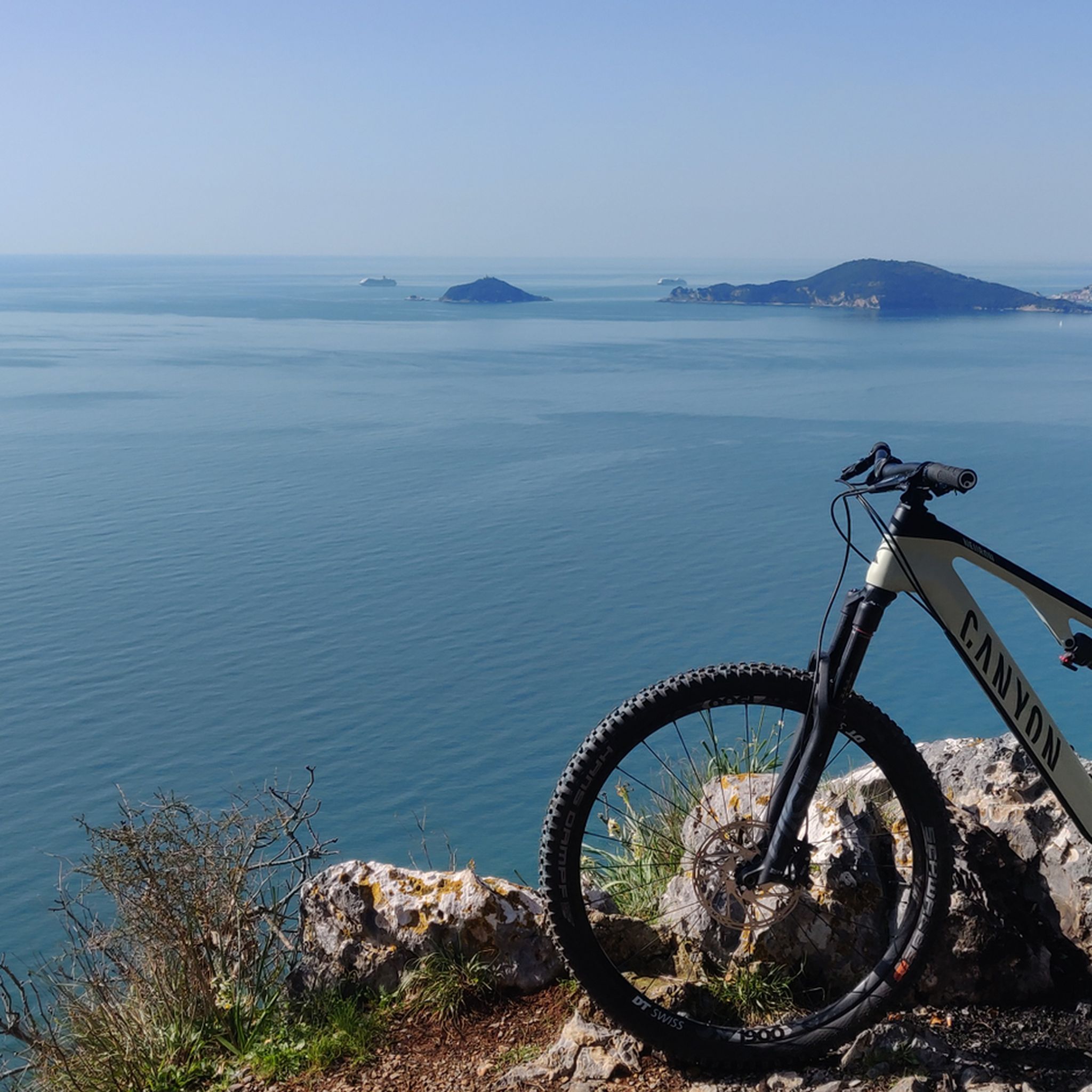
A very easy and pleasant ride. Much of the route follows secondary roads with very little traffic. Splendid views of Fosdinovo Castle, the mouth of the Magra River, and the Bay of La Spezia.
1
0

Frequently Asked Questions
How many touring cycling routes are available around Luni?
There are nearly 20 touring cycling routes around Luni, offering a variety of experiences for different skill levels. These routes are highly rated by the komoot community, with an average score of 4.0 stars.
What are the difficulty levels of touring cycling routes in Luni?
The routes around Luni cater to various abilities. You'll find 4 easy routes, 5 moderate routes, and 10 difficult routes, ensuring options for beginners and experienced cyclists alike. For an easy coastal ride, consider the Marina di Carrara Beach – Tyrrhenian Sea Beach loop from Luni.
What historical sites or landmarks can I explore while cycling around Luni?
Luni is rich in history. You can cycle past ancient Roman ruins, including the remains of a temple and an amphitheater. The wider Lunigiana region, often called 'The Land of a Hundred Castles,' offers numerous historical fortresses. Notable highlights include the Firmafede Fortress and Sarzanello Fortress. The Firmafede Fortress – Fosdinovo Castle loop from Luni is a great option for combining cycling with historical exploration.
Are there scenic viewpoints along the touring cycling routes in Luni?
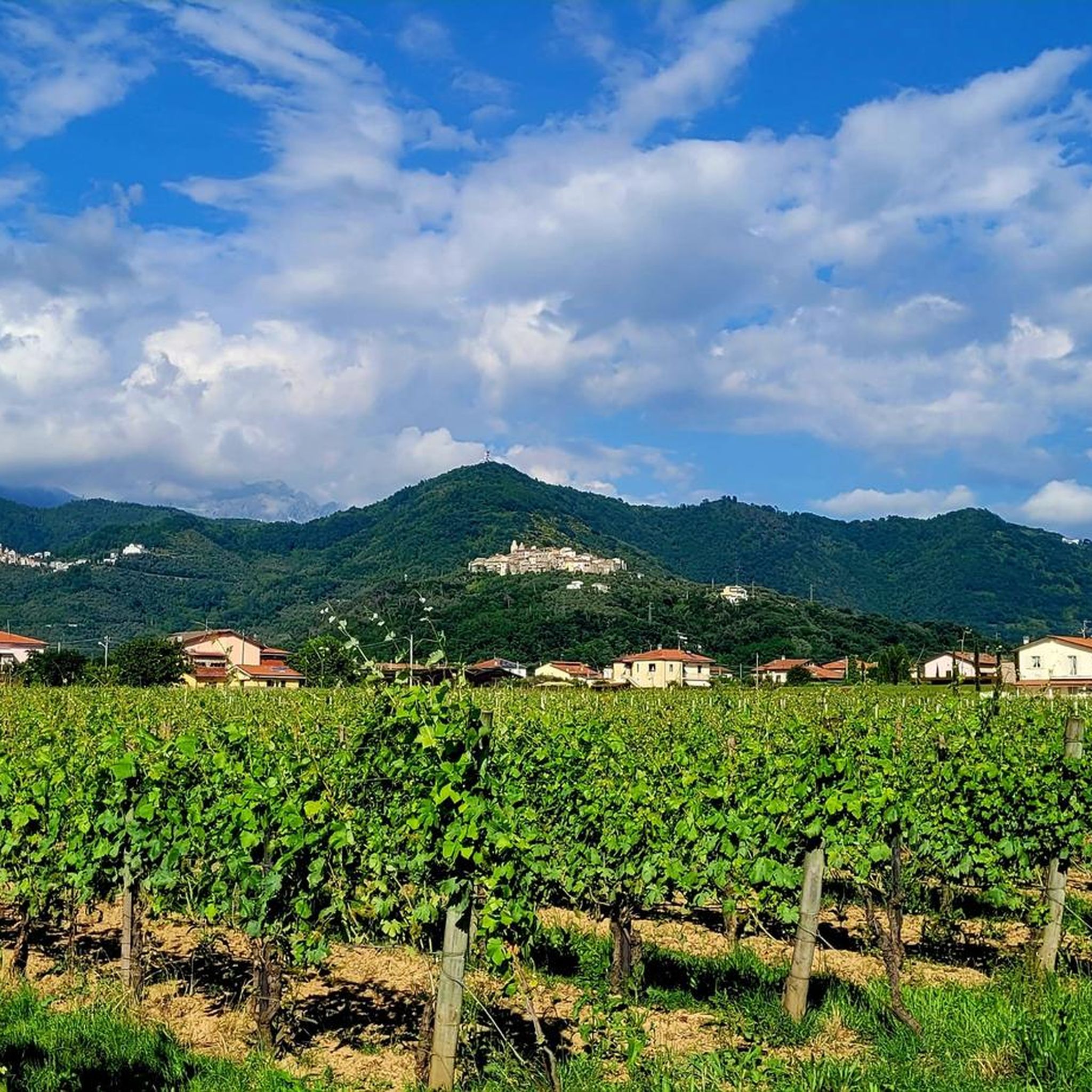
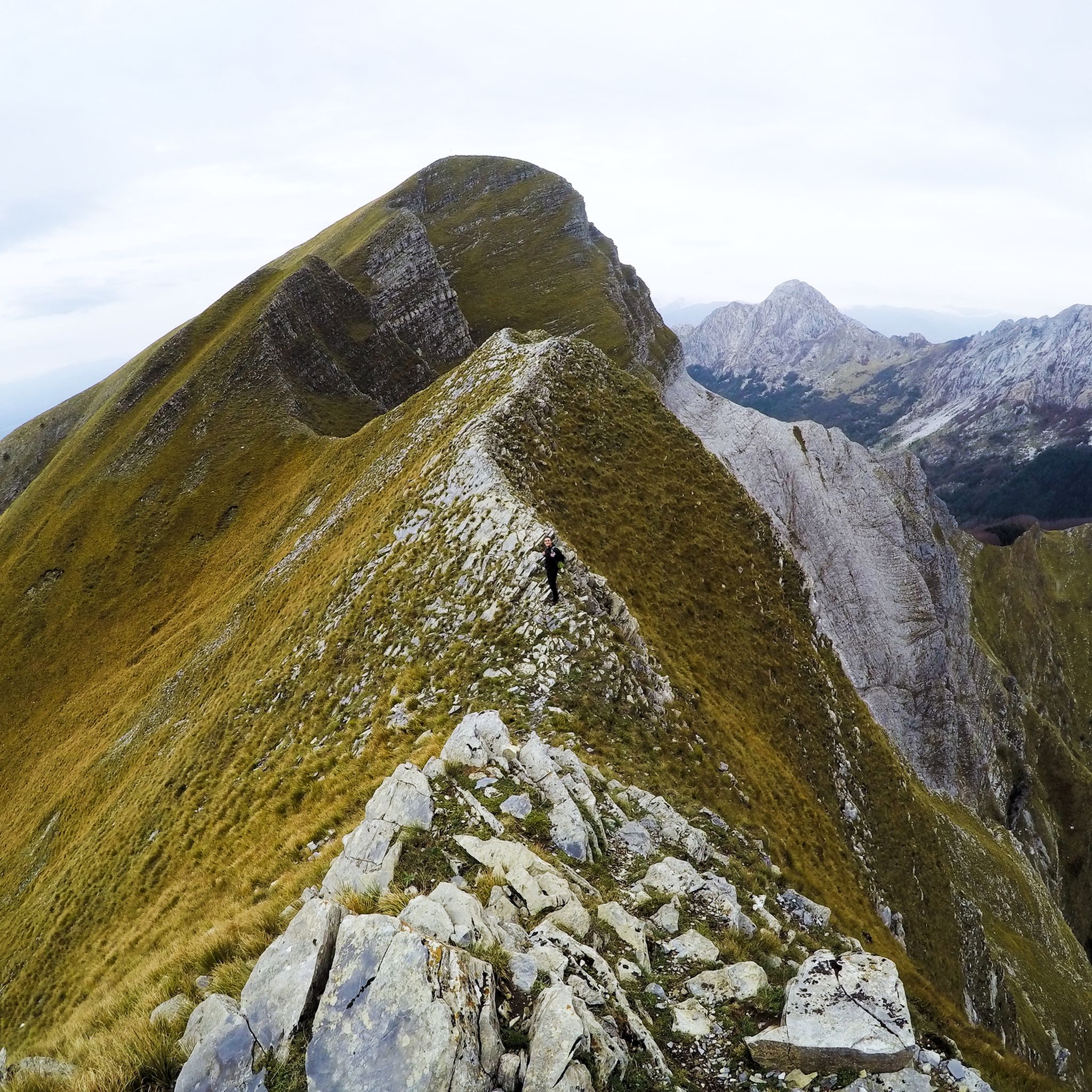
Yes, many routes offer stunning vistas. The region's diverse topography, from coastal areas to the foothills of the Apuan Alps, provides ample opportunities for scenic views. You can find viewpoints like View of Altagnana and the coast from Pian delle Fioba and View of Lunigiana, especially on routes that venture towards the mountainous terrain.
What do other touring cyclists enjoy most about cycling in Luni?
The area is highly rated by the komoot community, with an average score of 4.0 stars from over 50 reviews. Over 900 touring cyclists have explored Luni's varied terrain. Cyclists often praise the diverse landscapes, which combine coastal paths, river valleys, and the challenging foothills of the Apuan Alps, as well as the blend of natural beauty with archaeological interest.
Is it possible to find family-friendly touring cycling routes in Luni?
Yes, Luni offers 4 easy touring cycling routes that are generally suitable for families or those seeking a more relaxed ride. These routes often stick to flatter coastal paths or river valleys, providing a pleasant experience without significant elevation changes.
Are there any circular touring cycling routes in Luni?
Many of the touring cycling routes around Luni are designed as loops, allowing you to start and end at the same point. Examples include the popular San Terenzo Bay – Pitèi loop from Luni and the Village Street, Bocca di Magra – Marina di Carrara Beach loop from Luni.
What is the best time of year for touring cycling in Luni?
The best time for touring cycling in Luni, Italy, is typically during the spring (April-May) and autumn (September-October). During these seasons, the weather is mild and pleasant, making for comfortable riding conditions. Summers can be hot, especially in July and August, while winters are cooler but generally suitable for cycling, though some higher elevation routes might be less accessible.
Where can I find parking for touring cycling routes in the Luni area?
Parking is generally available in the towns and villages near the starting points of many routes. Look for designated parking areas in Luni itself, or in nearby coastal towns like Bocca di Magra or Marina di Carrara. It's advisable to check local signage for any restrictions or fees.
How can I reach the touring cycling routes around Luni using public transport?
Luni is accessible by public transport, primarily by train to the nearby Luni station or Avenza-Carrara station, which are on the Pisa-Genoa line. From these stations, you can often connect to local bus services that serve the smaller towns and villages, bringing you closer to various route starting points. Check regional transport schedules for the most up-to-date information.
Are there places to eat or stay near the touring cycling routes in Luni?
Yes, the Luni area and the wider Lunigiana region offer a good selection of cafes, restaurants, and accommodation options. You'll find eateries in Luni itself, as well as in the charming coastal towns and inland villages. From traditional trattorias to hotels and agriturismos, there are choices to suit various preferences and budgets, perfect for refueling or resting after a day of cycling.
Can I find routes that explore the Apuan Alps or marble quarries?
While Luni itself is closer to the coast and river valleys, its proximity to the Apuan Alps means that some routes will offer views of these mountains, renowned for their white Carrara marble quarries. More challenging routes, such as Pitèi – San Terenzo loop from Luni, may take you into the foothills, providing glimpses of this unique landscape and its historical significance. For more in-depth exploration of the marble region, consider visiting the Carrara marble quarries.
Most popular attractions around Luni

Get inspired with the komoot mobile app


Explore more
Browse the best Cycling routes in other regions.
