The best walks and hikes around Castellaro
4.5
(1902)
7,197
hikers
12
hikes
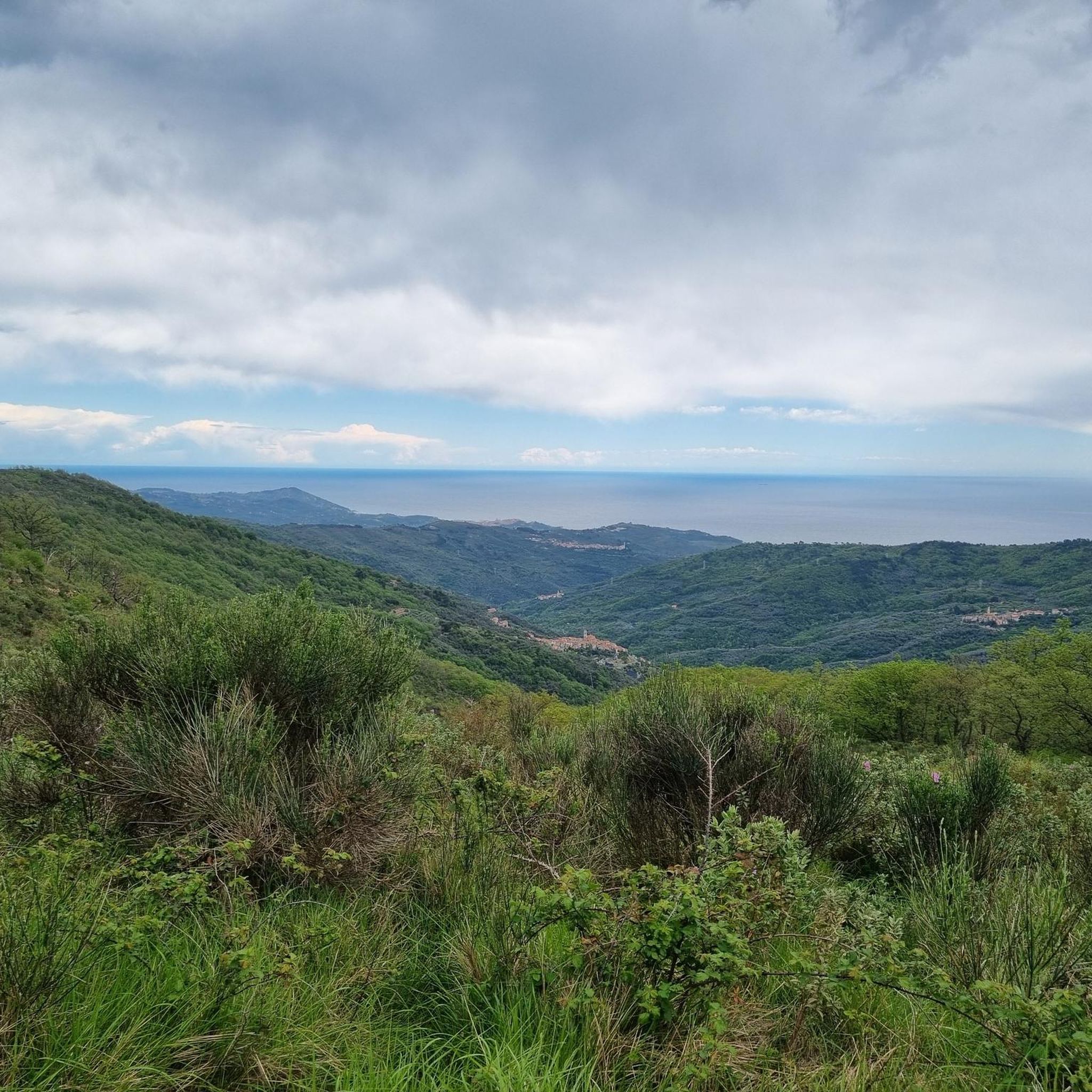
Hiking around Castellaro, a village in Liguria, offers diverse landscapes for outdoor activities. The region is characterized by picturesque ancient olive groves and varied terrain, providing panoramic views of the Ligurian countryside and the Maritime Alps. Trails range from accessible paths to more challenging routes with significant elevation gains, some exceeding 3,000 feet.
Best hiking trails around Castellaro
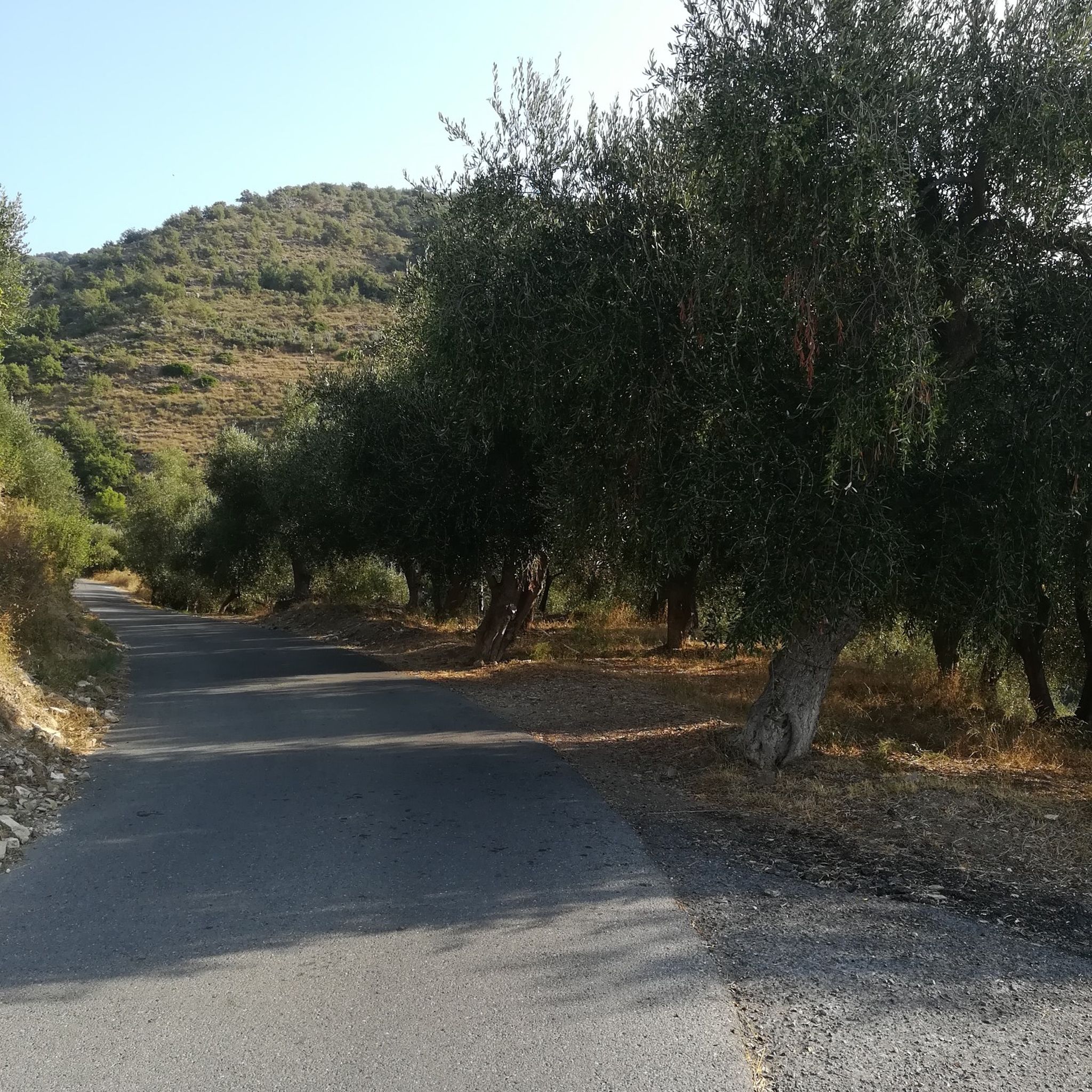
- The most popular hiking route is Monte Sette Fontane Loop from Castellaro, a 3.3 miles (5.3 km) trail that takes 2 hours 20 minutes to complete. This moderate route navigates varied terrain with notable elevation changes.
- Another top favourite among local hikers is Monte Follia Summit Trail from Pietrabruna, a difficult 12.2 miles (19.7 km) path. This route features substantial elevation gain, leading to summit views.
- Local hikers also love the Ubago di Castellaro Loop, a 7.8 miles (12.6 km) trail leading through olive groves and offering views of the Maritime Alps, often completed in about 4 hours 10 minutes.
- Hiking around Castellaro is defined by ancient olive groves, the Ligurian countryside, and views of the Maritime Alps. The network offers options for different ability levels, from easy walks to difficult ascents.
- The routes in Castellaro are highly rated by the komoot community with an average score of 4.5 stars from over 1700 reviews. More than 7000 hikers have used komoot to explore Castellaro's varied terrain.
Last updated: October 10, 2026
5.32km
02:21
500m
510m
Moderate hike. Good fitness required. Easily-accessible paths. Suitable for all skill levels.
4.0
(1)
1
hikers
19.7km
07:14
1,170m
1,160m
Hard hike. Very good fitness required. Sure-footedness, sturdy shoes and alpine experience required.

12.6km
04:10
570m
570m
Hard hike. Good fitness required. Sure-footedness, sturdy shoes and alpine experience required.
4.3
(4)
21
hikers
19.0km
06:35
950m
950m
Hard hike. Very good fitness required. Mostly accessible paths. Sure-footedness required.
4.0
(3)
12
hikers
12.9km
04:15
600m
600m
Moderate hike. Good fitness required. Mostly accessible paths. Sure-footedness required.
Get access to more routes and recommendations from other explorers.
Already have an account?
Our route recommendations are based on thousands of hikes, rides, and runs completed by other people on komoot.
Start today with a free account
Your next adventure awaits.

Tips from the Community

ancient extinct volcano, site of an infamous nazi-fascist massacre, seat of an ancient fortified village. so much history in a few steps.
0
0

Pietrabruna owes its name to the color of the stone used to build its first buildings at the end of the 11th century
1
0
Beautiful scenic trail on which you can occasionally encounter cows or horses
1
0
There's something mystical about Mount Faudo: a trail of ancient stories, far back in time. Today, it's best known for the marathon trail that climbs from Imperia to its summit and for the antennas dotting it; yet for centuries, it was a contested land between the church, neighboring states, and the villages on its slopes. Since the ancient Ligurians, well before the Romans. It shares this burden with Mount Follia and Mount Sette Fontane. The oldest evidence of human settlement in the Dolcedo area is near Mount Follia, a conical peak on the southern slope of Mount Faudo. Traces of metalworking have emerged there, with furnaces and residential structures, dating back to the Iron Age castellari, fortifications placed high up for observation and defense, in visual contact with other castellari in the area. Today, the site is abandoned: one can still walk and imagine the defensive landscape of the ancient Ligurians.
0
0
There's something mystical about Mount Faudo: a trail of ancient stories, far back in time. Today, it's best known for the marathon trail that climbs from Imperia to its summit and for the antennas dotting it; yet for centuries, it was a contested land between the church, neighboring states, and the villages on its slopes. Since the ancient Ligurians, well before the Romans. It shares this burden with Mount Follia and Mount Sette Fontane. The oldest evidence of human settlement in the Dolcedo area is near Mount Follia, a conical peak on the southern slope of Mount Faudo. Traces of metalworking have emerged there, with furnaces and residential structures, dating back to the Iron Age castellari, fortifications placed high up for observation and defense, in visual contact with other castellari in the area. Today, the site is abandoned: one can still walk and imagine the defensive landscape of the ancient Ligurians.
1
0

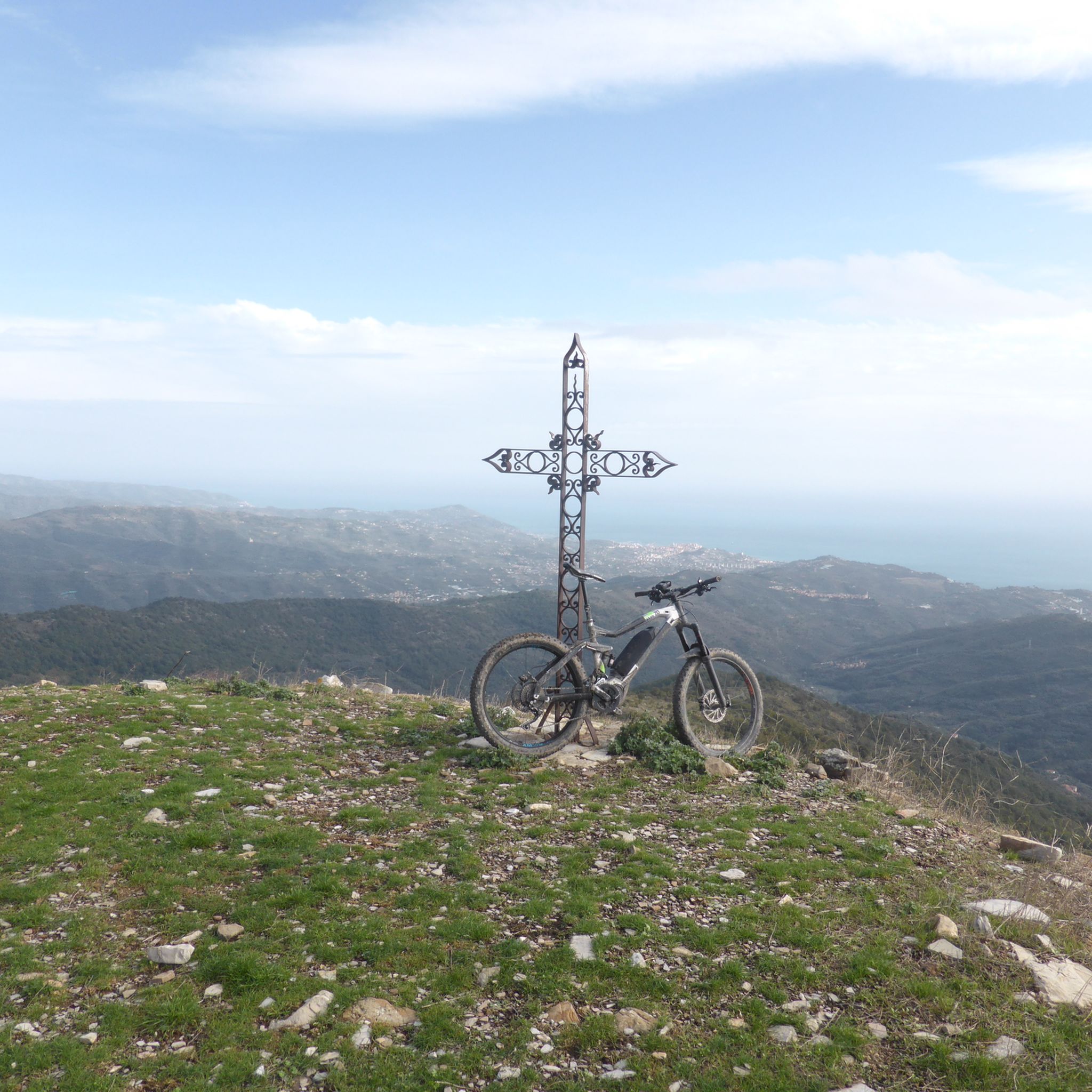
The summit cross that crowns Monte FAUDO loses its effect as the crowning glory of the mountain due to its immediate surroundings: This mountain peak is obviously also a radio station, because antenna masts in the immediate vicinity tower significantly above the summit cross and unfortunately deprive this small sacred monument of its visual impact.
1
0
Monte Faudo, a word that seems to derive from the Arabic word "faud" or lighthouse, which the Saracens would have installed on the top of the mountain considering that, from that height, the view embraces a vast extension of the territory. The massif of Mount Faudo has always represented in ancient times a center around which relationships took place between the Ligurians of the Taggia valley (of Taggia) with those of the Imperia valleys; it is easily accessible from Taggia, from Badalucco, from Montalto, from Boscomare, from Pietrabruna, from Tavole, from Valloria.
1
0
a small and very ancient frescoed chapel, located at the crossroads of the roads to Pietrabruna, the Sanctuary of Lampedusa, Boscomare and the top of Faudo. Inside there are some rather ruined frescoes dating back to 1481. The church is a rare example of architectural separation that was once common, intended to separate the men's area from the women's area.
0
0
Frequently Asked Questions
How many hiking trails are available around Castellaro?
Castellaro offers a diverse network of over 10 hiking trails, catering to various skill levels. You'll find everything from easy strolls through olive groves to challenging ascents with significant elevation gains, some exceeding 3,000 feet.
What kind of landscapes can I expect to see while hiking in Castellaro?
Hikers in Castellaro are treated to picturesque ancient olive groves, lush Ligurian countryside, and breathtaking panoramic views of the Maritime Alps. The varied terrain ensures a rich and engaging experience, blending natural beauty with historical elements.
Are there any easy or beginner-friendly hiking routes in Castellaro?
Yes, Castellaro has options suitable for beginners and those looking for a gentler experience. While many routes involve elevation, there are paths that allow you to immerse yourself in the local charm, such as the Castellaro Village – Castellaro Historic Center loop, which is rated moderate but offers a more accessible way to explore the area.
Are there any circular walks available in Castellaro?
Absolutely. Many of the trails around Castellaro are designed as loops, allowing you to start and end in the same location. A notable example is the Ubago di Castellaro Loop, which guides you through olive groves and offers stunning views of the Maritime Alps.
What historical sites or landmarks can I explore on a hike in Castellaro?
Castellaro's trails often combine natural beauty with historical intrigue. You can explore the Medieval Old Town with its cobbled streets, or visit historical sites like the Church of San Pietro, known for its frescoes, and the Sanctuary of Nostra Signora di Lampedusa, a pilgrimage site with stunning views. Some trails also lead to prehistoric ruins, such as those on Monte Follia.
Are there any waterfalls or lakes accessible via hiking trails?
Yes, the region around Castellaro features beautiful water attractions. You can discover the Rocchetta Nervina Waterfall and Pond, or visit serene spots like the Lecchiore Ponds and the Prino Pond and Romanesque Bridge, which are perfect for a refreshing stop.
What do other hikers enjoy most about hiking in Castellaro?
The komoot community highly rates hiking in Castellaro, with an average score of 4.5 stars from over 1700 reviews. Hikers frequently praise the diverse landscapes, the stunning panoramic views of the Ligurian countryside and Maritime Alps, and the well-maintained trails that cater to various fitness levels.
Is Castellaro a good destination for family-friendly hikes?
Castellaro offers several options for families, particularly on the easier paths that wind through the ancient olive groves and charming villages. These routes provide a chance to enjoy nature without overly strenuous climbs, and the historical elements can add an educational aspect for children.
Can I bring my dog on the hiking trails in Castellaro?
Many trails in the Castellaro region are suitable for dogs, especially those that traverse open olive groves and countryside paths. It's always recommended to keep your dog on a leash, particularly near livestock or in more populated areas, and to carry water for both yourself and your pet.
Are there good viewpoints along the hiking routes in Castellaro?
Absolutely. Many trails in Castellaro offer spectacular viewpoints. You'll find breathtaking panoramic views of the Ligurian countryside and impressive vistas of the Maritime Alps. The Monte Follia Summit Trail from Pietrabruna, for instance, is known for its summit views after a challenging ascent.
What is the best time of year to go hiking in Castellaro?
The Liguria region, including Castellaro, generally enjoys a mild climate, making hiking pleasant for much of the year. Spring and autumn offer ideal conditions with comfortable temperatures and vibrant scenery. Summer can be warm, so early morning or late afternoon hikes are recommended, while winter provides a quieter experience, though some higher routes might be cooler.
Most popular attractions around Castellaro

Get inspired with the komoot mobile app


Explore more
Browse the best Hikes in other regions.
