Attractions and Places To See around Gualdo Cattaneo - Top 20
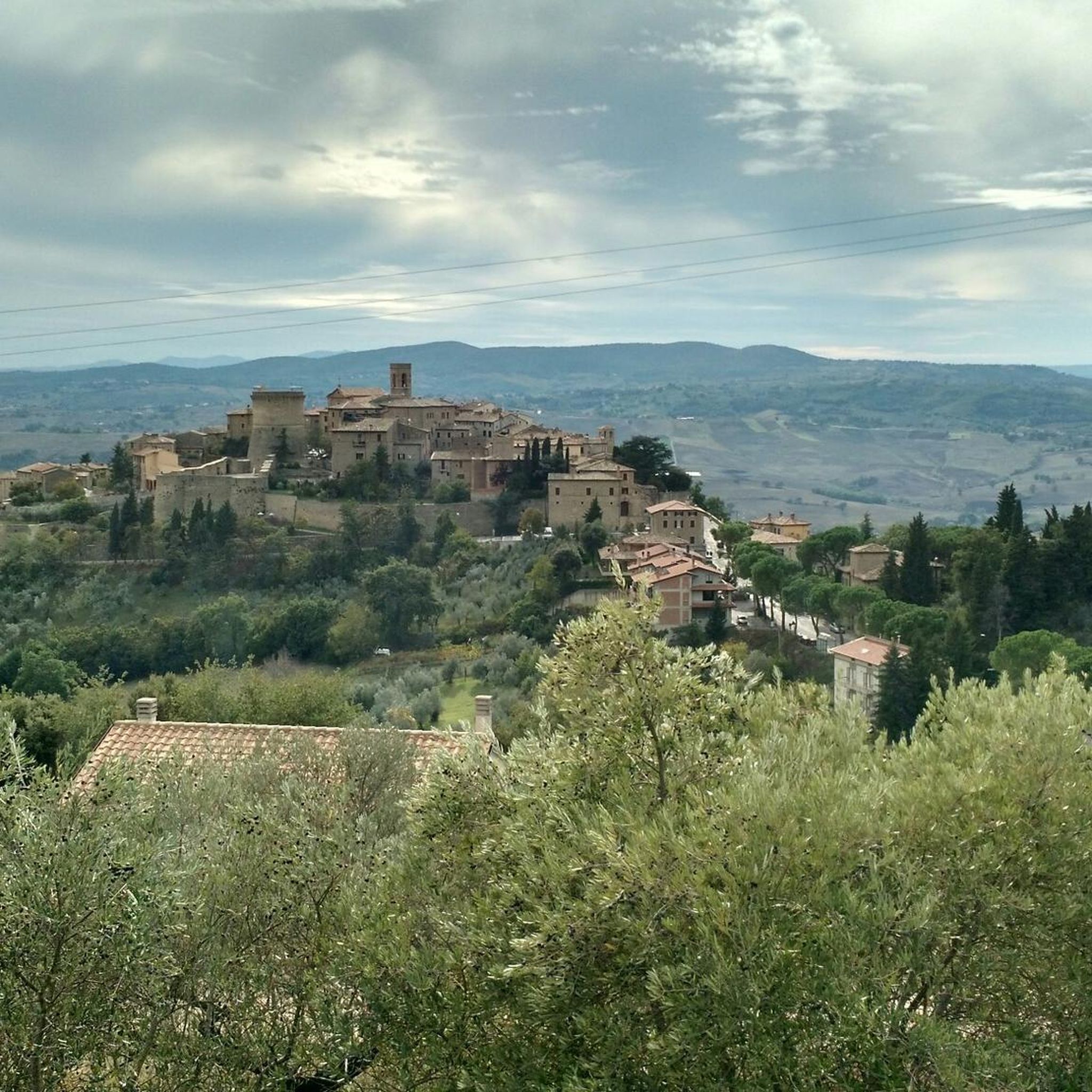
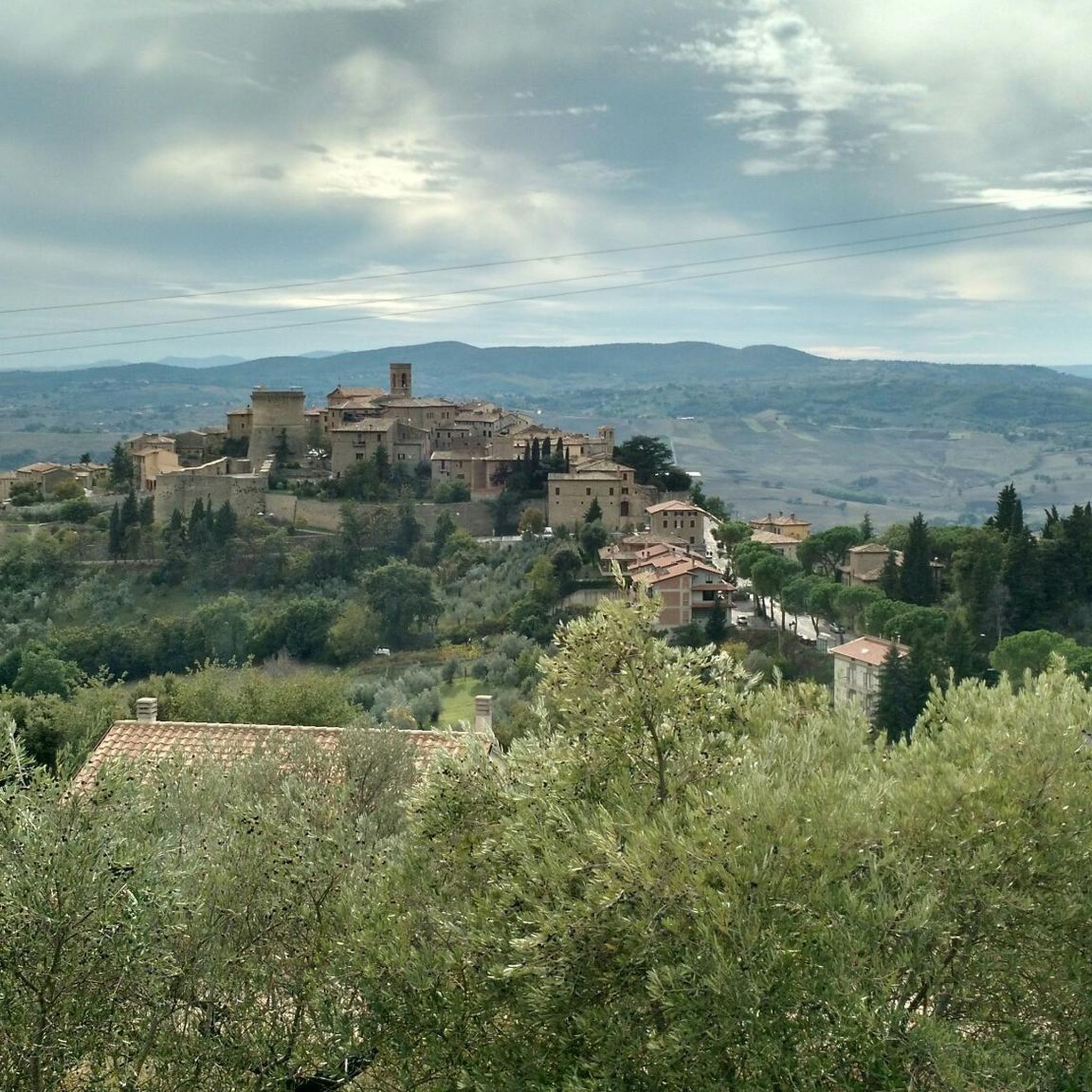
Best attractions and places to see around Gualdo Cattaneo include a medieval village nestled in the Martani Mountains of Umbria, Italy. This region is known for its rich history, characterized by a system of medieval castles and historic churches. The landscape features green forests, olive groves, vineyards, and rolling hills, offering a blend of natural beauty and cultural heritage. Gualdo Cattaneo is also part of the "Strada del Sagrantino," highlighting its wine and olive oil production.
Best attractions and places…
Last updated: October 9, 2026
Historic Center of Bevagna
Highlight • Historical Site
The town, surrounded by a city wall with towers and gates, has an intact medieval structure (12th-13th centuries). In the …
Translated by Google •
Tip by

Assisi–Spoleto–Norcia Cycle Route: Between Torre di Montefalco and Ponte dell'Occhio
Highlight (Segment) • Cycleway
Translated by Google •
Tip by

Sign up now to discover places like this
Get recommendations on the best single tracks, peaks, & plenty of other exciting outdoor places.
Church of San Michele Arcangelo (Bevagna)
Highlight • Religious Site
Translated by Google •
Tip by

Cannara village center
Highlight • Settlement
Translated by Google •
Tip by

Montefalco
Highlight • Settlement
Translated by Google •
Tip by

Sign up for free to discover even more attractions around Gualdo Cattaneo.
Already have an account?
Start today with a free account
Your next adventure awaits.
Other adventures around Gualdo Cattaneo

Tips from the Community

Bevagna / Region – Umbria / Province – Perugia (PG) The town, surrounded by a city wall with towers and gates, has an intact medieval structure (12th-13th centuries). In the upper part of the town, numerous Roman remains can still be seen: the ruins of a temple, the theater, and a thermal bath complex, of which a frigidarium with a magnificent black and white floor mosaic depicting marine figures from the 2nd century AD survives. The medieval town structure, with its squares and noble houses, developed over the Romanesque foundations: The magnificent Piazza Silvestri is home to the Palazzo dei Consoli (1270), which houses the Torti Theater, the Romanesque churches of San Silvestro and San Michele Arcangelo, both from the late 12th century, and the church of San Domenico e Giacomo (1291). Worth seeing is the Palazzo Comunale (late 18th century), which houses the historical archives, the library, and the art gallery. The Baroque churches of the Monastery of Santa Margherita and San Filippo are also very interesting. At the highest point in the town stands the Church of San Francesco (late 13th century). Next to the altar, one can see the stone on which St. Francis knelt when he preached to the flock of birds at Pian d'Arca. The 18th-century Palazzo Lepri houses the Museum of Bevagna, with works that tell the story of the town from pre-Roman times to the 18th century: archaeological finds from the ancient city of Mevania, medieval documents, and paintings by Dono Doni, Fantino, and Corrado Giaquinto. In the surrounding area, the Sanctuary of Madonna delle Grazie (late 16th century), the Sanctuary of Madonna della Valle, and the Monastery of Annunziata (11th century), formerly a defensive castle, rise up against the hillsides. Text / Source: Umbria Tourism.it contatti@umbriatourism.it https://www.umbriatourism.it/de/bevagna
16
1

This church in Bevegna has a patronal name that is truly on everyone's lips, but only a few will know the person behind it: San SILVESTRO's feast day is December 31st. He lived at the end of the third and beginning of the fourth century and was Bishop of Rome when Emperor Constantine recognized Christianity as a religion with the Edict of Milan - known as the "Edict of Toleration" - and thus ended (at least temporarily) the period of bloody persecution of Christians.
1
0

Great place for lunch. Some of the best wines in umbria
0
0

This church was featured on one of the old lira banknotes and was visited by Prince Charles after the 1997 earthquake. It is beautiful in its simplicity with its tower on the front and side. The interior with the crypt is very interesting. The best photos of the church are from the steps of the theater opposite.
1
0

It is the land of the famous Sagrantino wine but not only... The following varieties of wine are produced in Montefalco: Montefalco Bianco, Montefalco Rosso, Montefalco Sagrantino and Montefalco Sagrantino Passito. History tells that in Montefalco the ancient monks vinified the grapes of their own harvest to create a sweet version of the consecration wine and in the 1960s some producers managed to recover this tradition. Then, in 1979 this product obtained the controlled designation of origin and in 1992 the superior label of controlled and guaranteed designation of origin.
0
0
Unfortunately, poor maintenance is making it difficult to travel in some sections, especially due to the increasingly invasive vegetation. Update: today, May 31, 2024 I traveled along it and with amazement (not much) I was able to see that all the brush along the route had been mowed, the upcoming elections have worked a miracle!!!!🤮
1
1
In my opinion, together with Spello, the most beautiful village in the eastern Umbrian Valley
1
1

Beautiful city with ancient origins.
0
0
Frequently Asked Questions
What historical sites can I explore in Gualdo Cattaneo?
Gualdo Cattaneo is rich in history, featuring the imposing Rocca (Fortress), a triangular fortress built in 1494. The area is also known as the "Village of Castles," with numerous medieval castles like those in Pozzo, Cisterna Alta, Marcellano, and Barattano, each offering a glimpse into the past. Additionally, you can visit historic churches such as the Church of St. Agostino (1136) and the Church of Saints Antonio and Antonino (1262).
What natural landscapes can I expect to see around Gualdo Cattaneo?
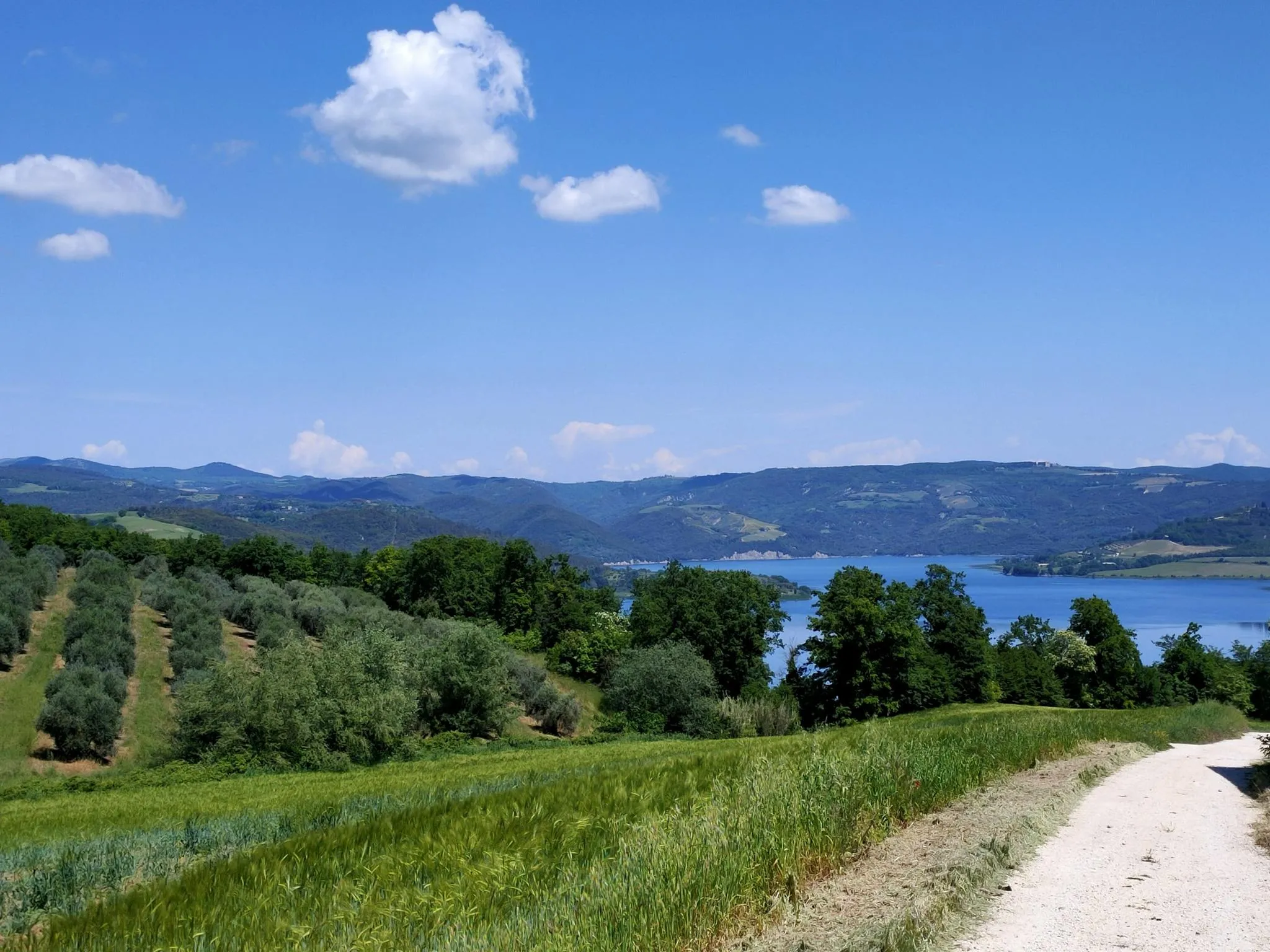
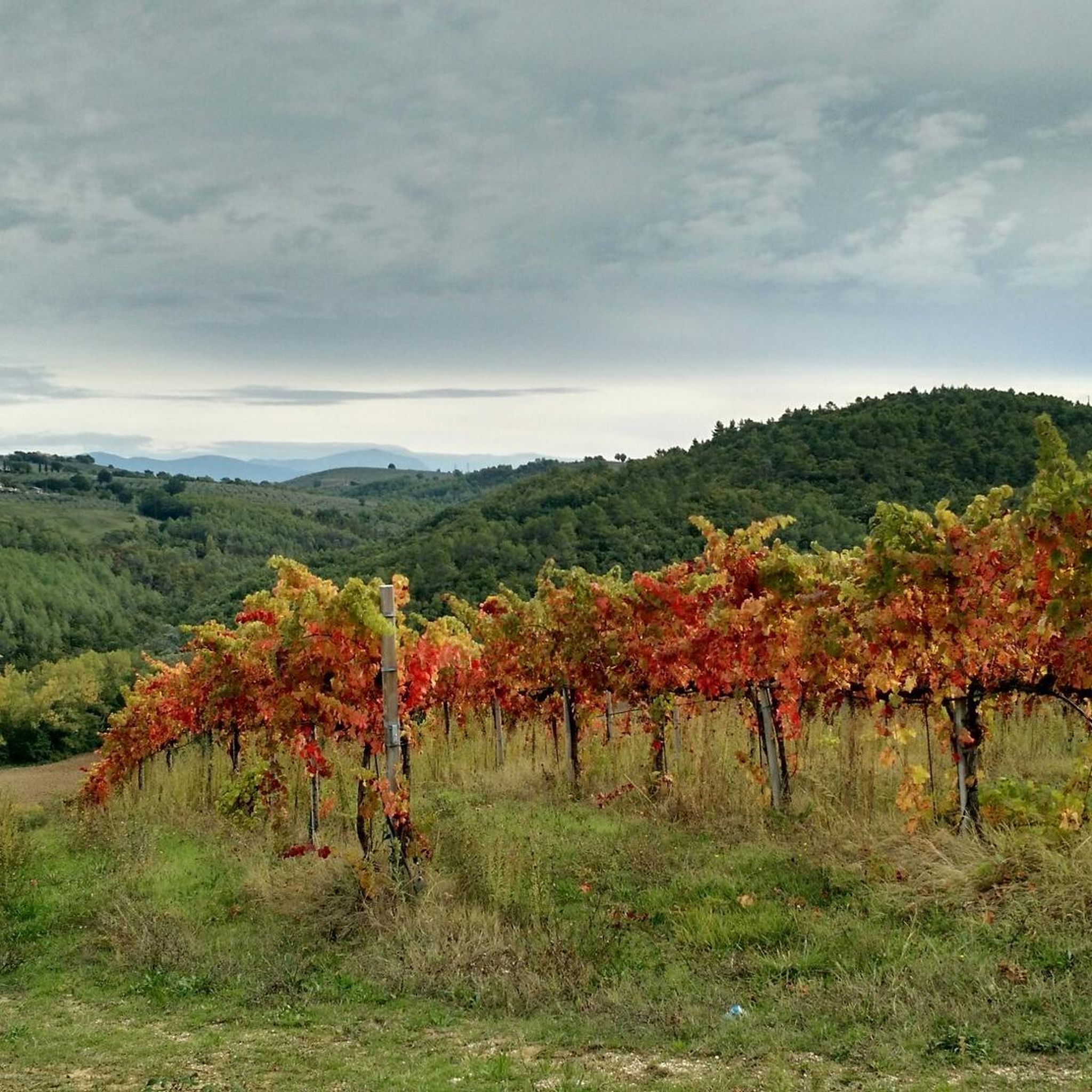
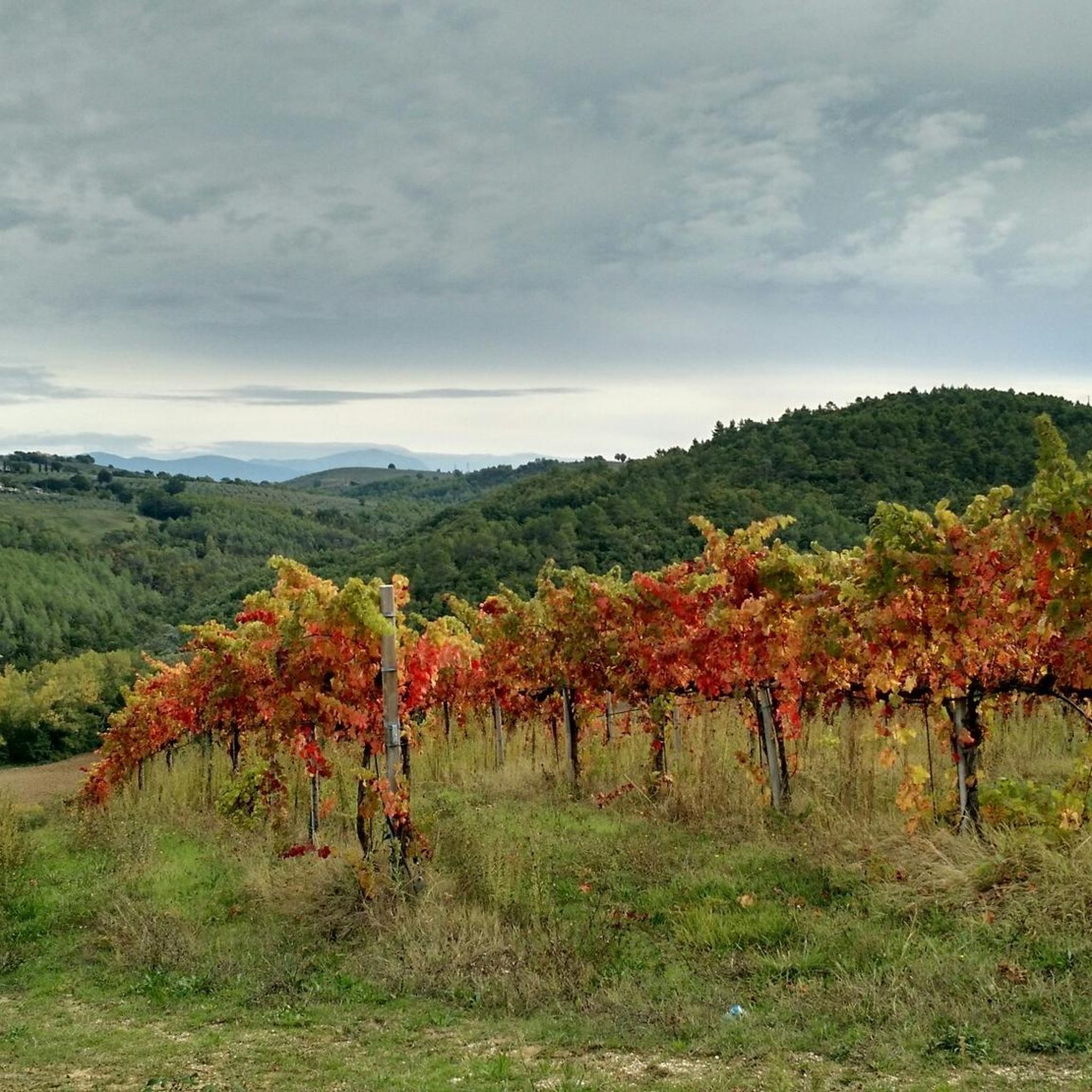
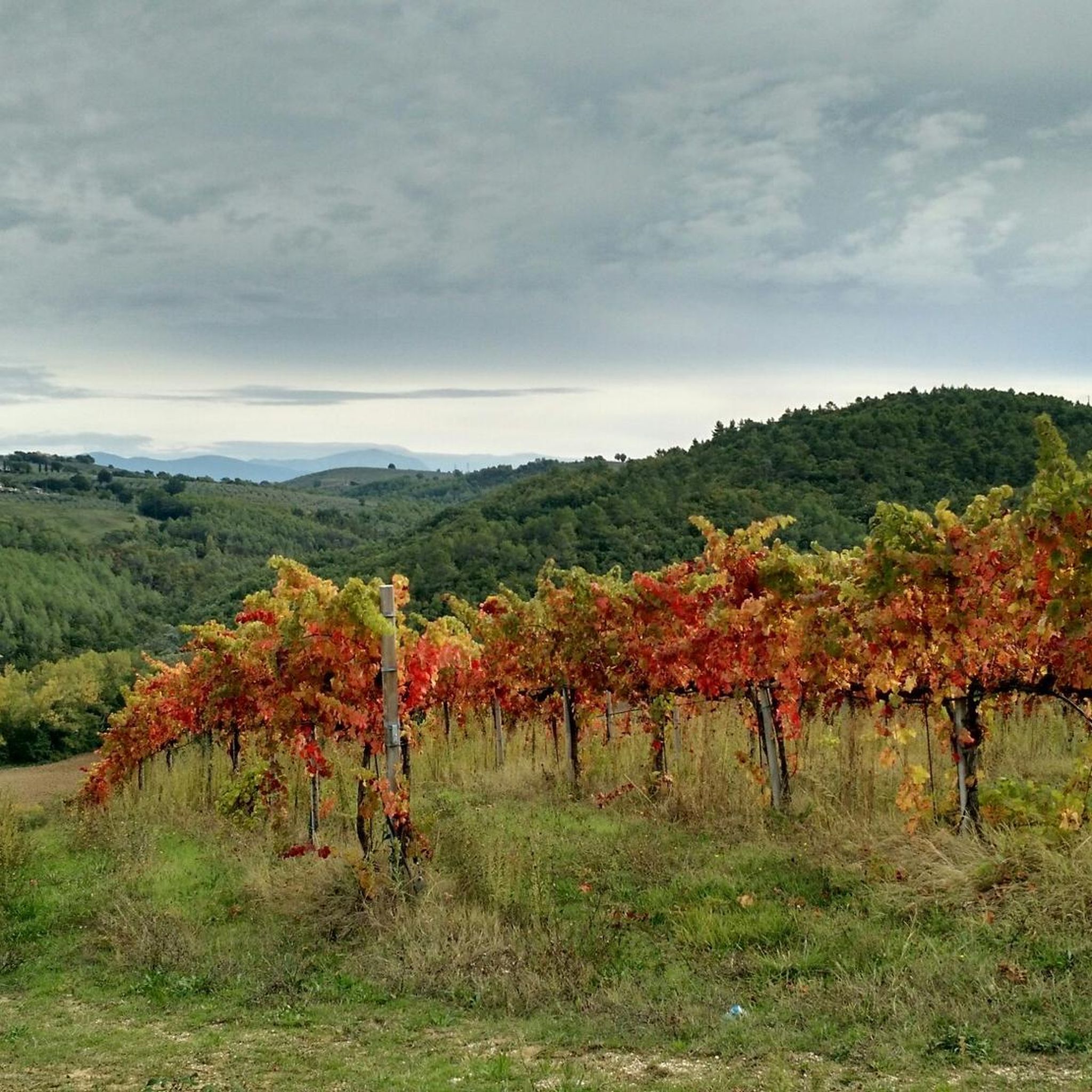
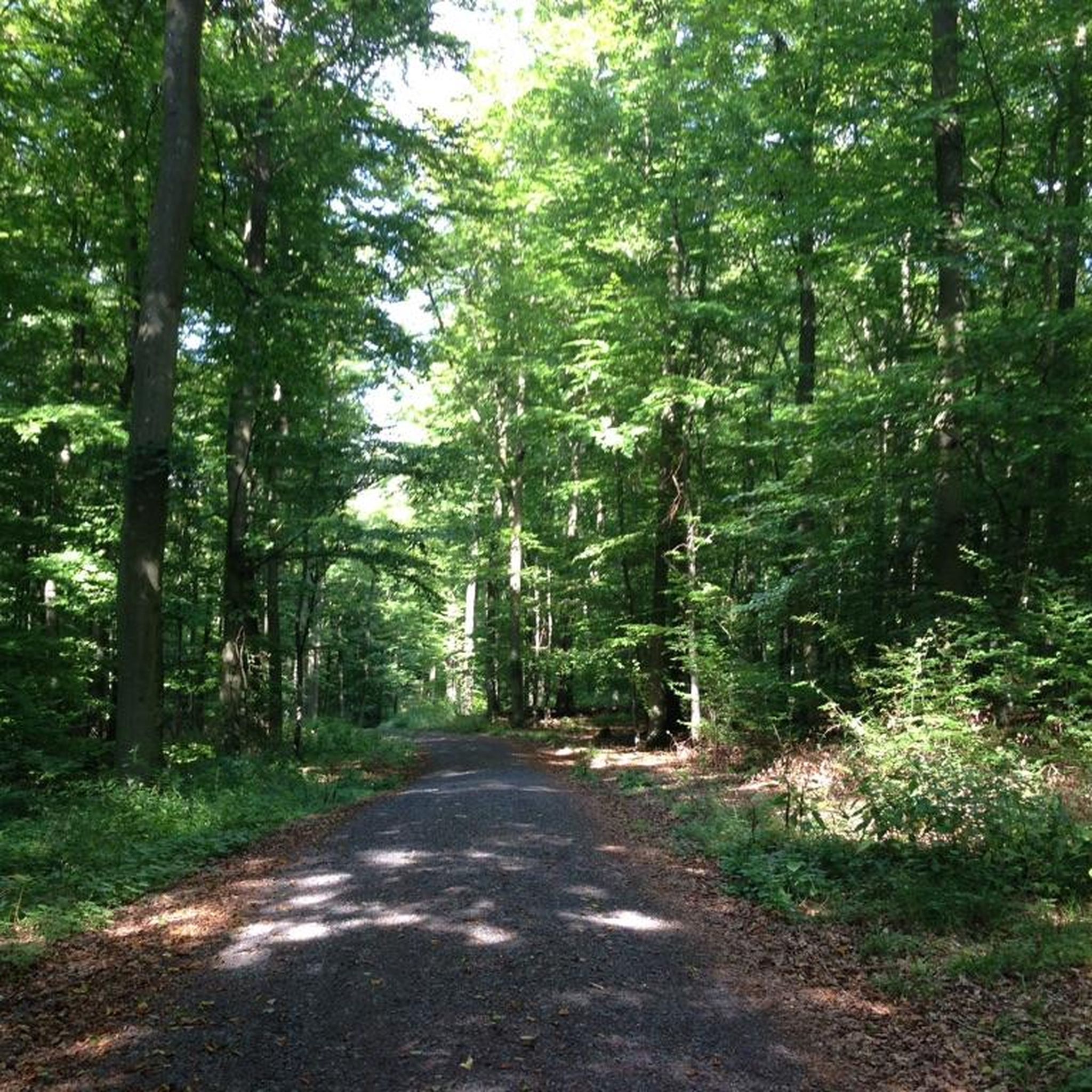
Gualdo Cattaneo is nestled in the picturesque Martani Mountains, offering a landscape characterized by green forests, olive groves, vineyards, rolling hills, and valleys. The name "Gualdo" itself means "wood" or "forest," reflecting the lush natural environment. You'll find breathtaking views and vibrant colors, especially during sunset.
Are there family-friendly attractions around Gualdo Cattaneo?
Yes, several attractions are suitable for families. The Historic Center of Bevagna offers a journey back in time with its medieval structure and the Mercato delle Gaite festival. The village of Montefalco, known for its panoramic views and inclusion in "The Most Beautiful Villages of Italy," is also a great family destination. For outdoor activities, the Assisi–Spoleto–Norcia Cycle Route provides a safe and scenic path through fields.
What outdoor activities can I do near Gualdo Cattaneo?
The region around Gualdo Cattaneo offers various outdoor activities. For hiking, you can explore trails like the Castel Rinaldi Waterfall Trail or the Collemancio Village loop. Cyclists can enjoy the gravel biking routes, such as the challenging Todi loop, or opt for road cycling routes like the one from Pozzo to Montepennino. For more hiking options, check out the hiking guide for Gualdo Cattaneo.
What cultural experiences are available in Gualdo Cattaneo?
Gualdo Cattaneo offers a rich cultural experience, particularly through its medieval atmosphere and the "Strada del Sagrantino" (Sagrantino Wine Route). You can explore the ancient castles and churches, walk through cobblestone streets, and immerse yourself in the region's history. The area is also famous for its wine and olive oil production, with opportunities for guided tours and tastings at local cellars. During Christmas, the Castle of Marcellano hosts a renowned living nativity scene.
What is the best time to visit Gualdo Cattaneo?
The region is beautiful year-round, but the summer months are particularly vibrant. The annual International Balloon Grand Prix (Sagrantino Cup) takes place in the summer, filling the Umbrian skies with colorful balloons. Spring and autumn offer pleasant weather for exploring the natural landscapes and vineyards, with fewer crowds.
Are there any notable villages or towns nearby worth visiting?
Absolutely. The nearby Historic Center of Bevagna is a must-see, known for its well-preserved medieval structure and the Mercato delle Gaite festival. Montefalco, often called "The Balcony-rail of Umbria," offers stunning panoramic views and is famous for its Sagrantino wine. Another charming village is Cannara, known for its ancient origins and the PGI red onion festival.
What local products and cuisine can I enjoy in Gualdo Cattaneo?
Gualdo Cattaneo is part of the Sagrantino Wine Route, making it an excellent place to sample high-quality local wines, particularly Sagrantino. The region is also renowned for its olive oil. You can find typical food and wine products in the central square's restaurants and bars, as well as at local olive mills and wine cellars.
What is the "Village of Castles" in Gualdo Cattaneo?
Gualdo Cattaneo is known as the "Village of Castles" due to its unique system of medieval castles that form an open-air museum. These include the main Castle of Gualdo Cattaneo, the Castle of Pozzo immersed in olive groves, the 13th-century Castle of Cisterna Alta, the Castle of Marcellano famous for its living nativity scene, the ancient Castle of Saragano, the distinctive Castle of Ceralto, and the well-preserved Castle of Barattano with its town walls and the Church of St. Bartolomeo.
Where can I find scenic cycling routes near Gualdo Cattaneo?
For scenic cycling, the Assisi–Spoleto–Norcia Cycle Route offers a beautiful section between Torre di Montefalco and Ponte dell'Occhio, providing natural views through fields away from busy roads. There are also numerous road cycling routes and gravel biking routes that traverse the rolling hills and vineyards of the Umbrian landscape.
Are there any specific churches of historical importance in the area?
Yes, Gualdo Cattaneo is home to several historically significant churches. The Church of St. Agostino, built in 1136, is the oldest in the village and features a Gothic main entrance and 14th-15th century paintings. The Church of Saints Antonio and Antonino, dating back to 1262, boasts a beautiful 13th-century Romanesque crypt. Additionally, the Church of St. Andrew retains Romanesque elements in its crypt and facade sculptures.
What do visitors enjoy most about Gualdo Cattaneo and its surroundings?
Visitors particularly enjoy the captivating medieval atmosphere found in Gualdo Cattaneo and its surrounding castles. The well-preserved historic centers, like that of Bevagna, offer a unique journey back in time. The panoramic views from hilltop towns such as Montefalco, the delicious local wine and olive oil, and the peaceful natural landscapes of the Martani Mountains are also highly appreciated.
Most popular routes around Gualdo Cattaneo
Most popular attractions around Gualdo Cattaneo

Get inspired with the komoot mobile app


Explore more
Still not found the Highlight you’re looking for? See guides of the top attractions in other regions:
