Attractions and Places To See around Trevi - Top 20
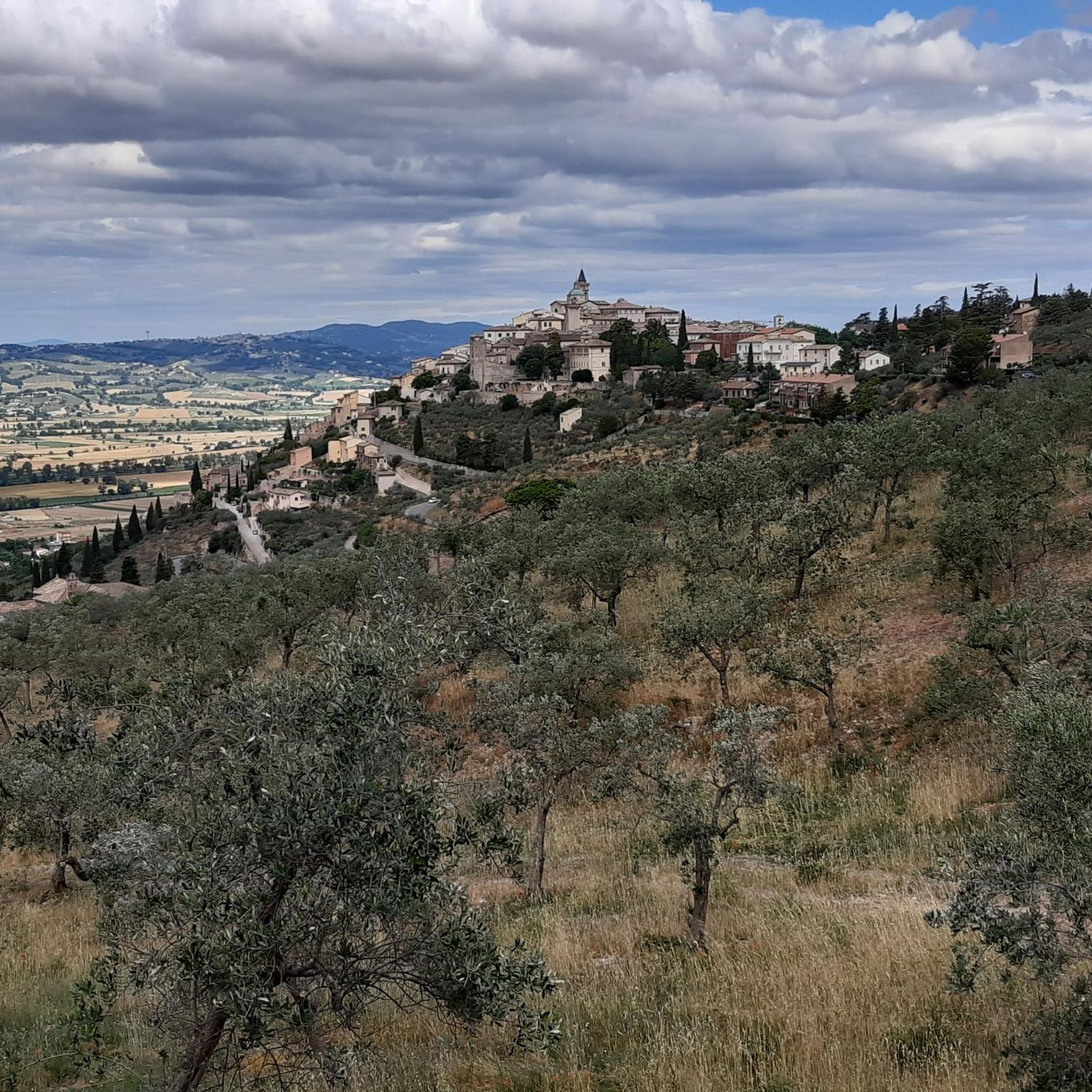
Best attractions and places to see around Trevi, a historic town in Umbria, are characterized by their elevated positions offering panoramic views of the surrounding valleys. This region is known for its well-preserved medieval centers and ancient Roman influences. The landscape features olive groves and vineyards, typical of central Italy. Visitors can explore a variety of historical sites and natural routes, making Trevi Umbria a notable destination.
Best attractions and places to see around Trevi
- The most popular attractions is Historic Center of Bevagna, a historical site that features well-preserved medieval architecture. Its fortified center showcases Romanesque, Gothic, and Baroque styles, with Roman remains also visible.
- Another must-see spot is Montefalco, a settlement situated on a hill overlooking the Topino and Clitunno rivers. This location offers extensive views and is known for its vineyards and olive groves.
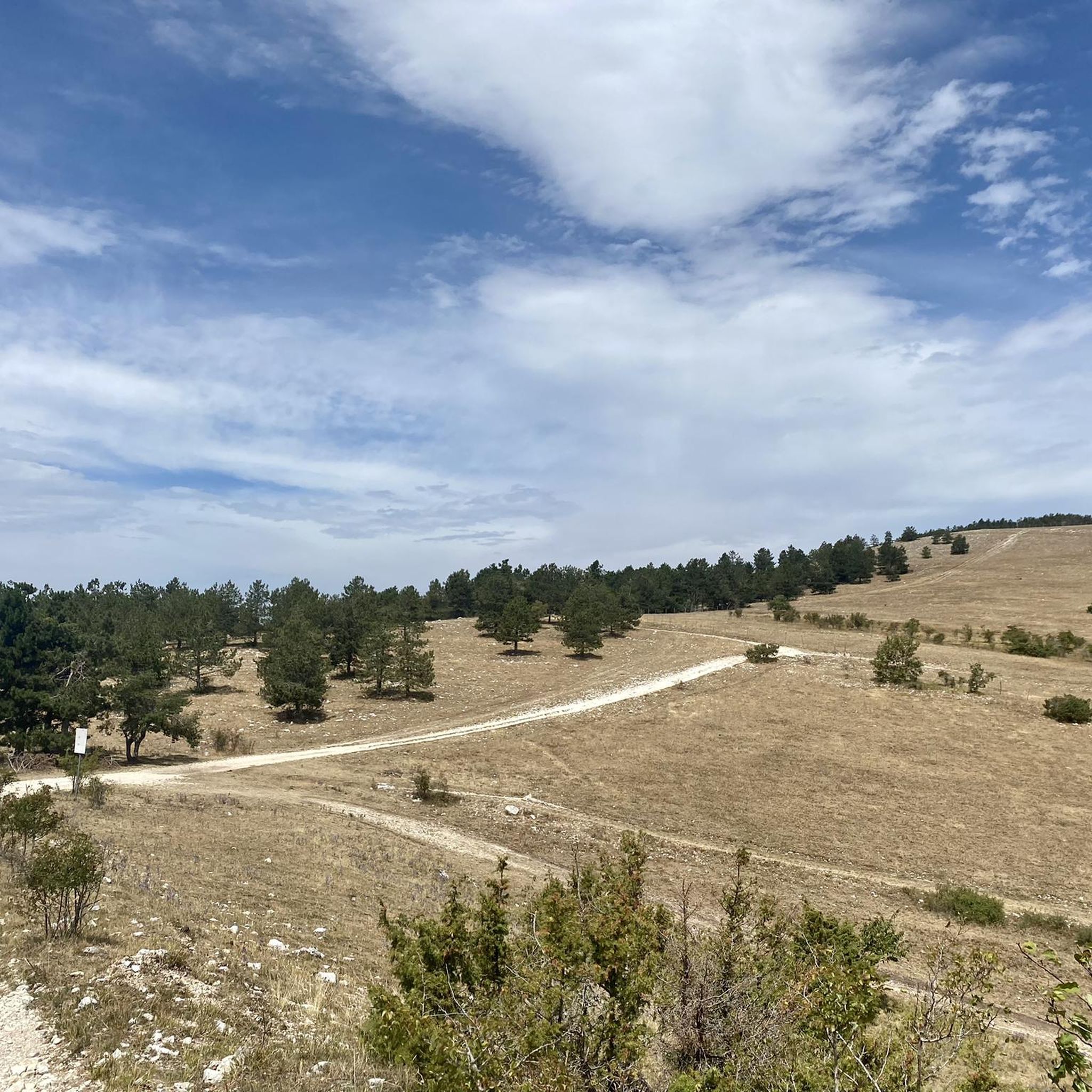
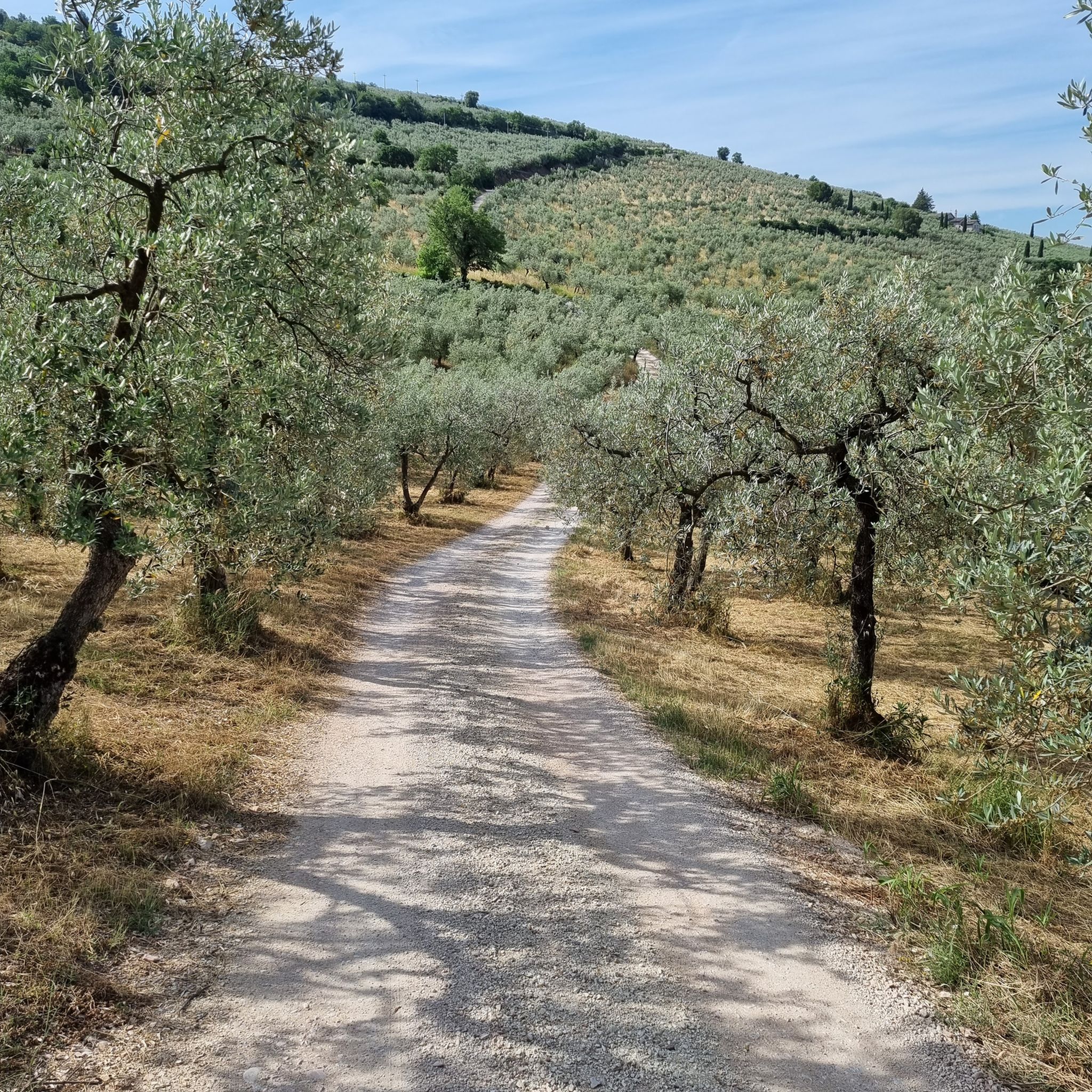
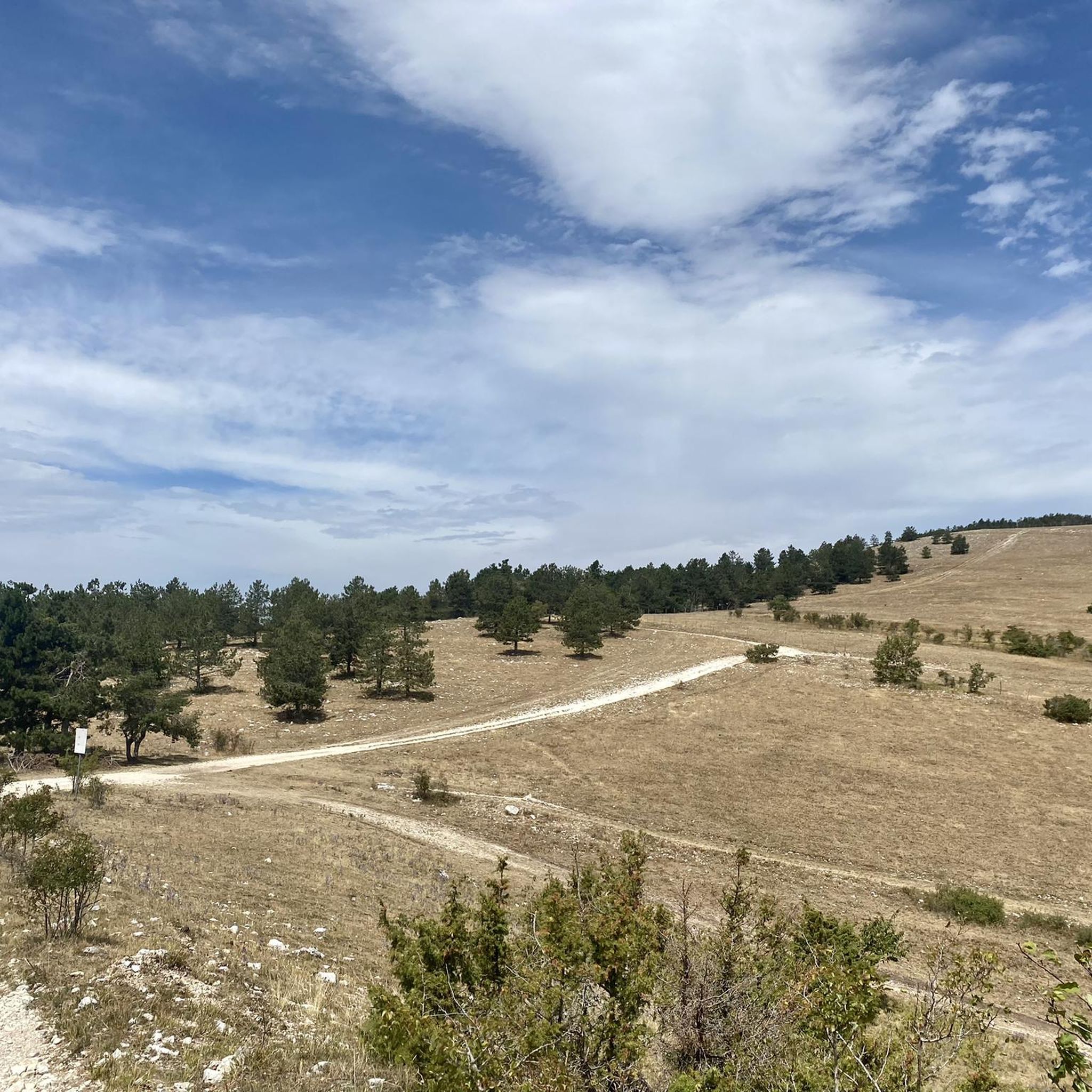
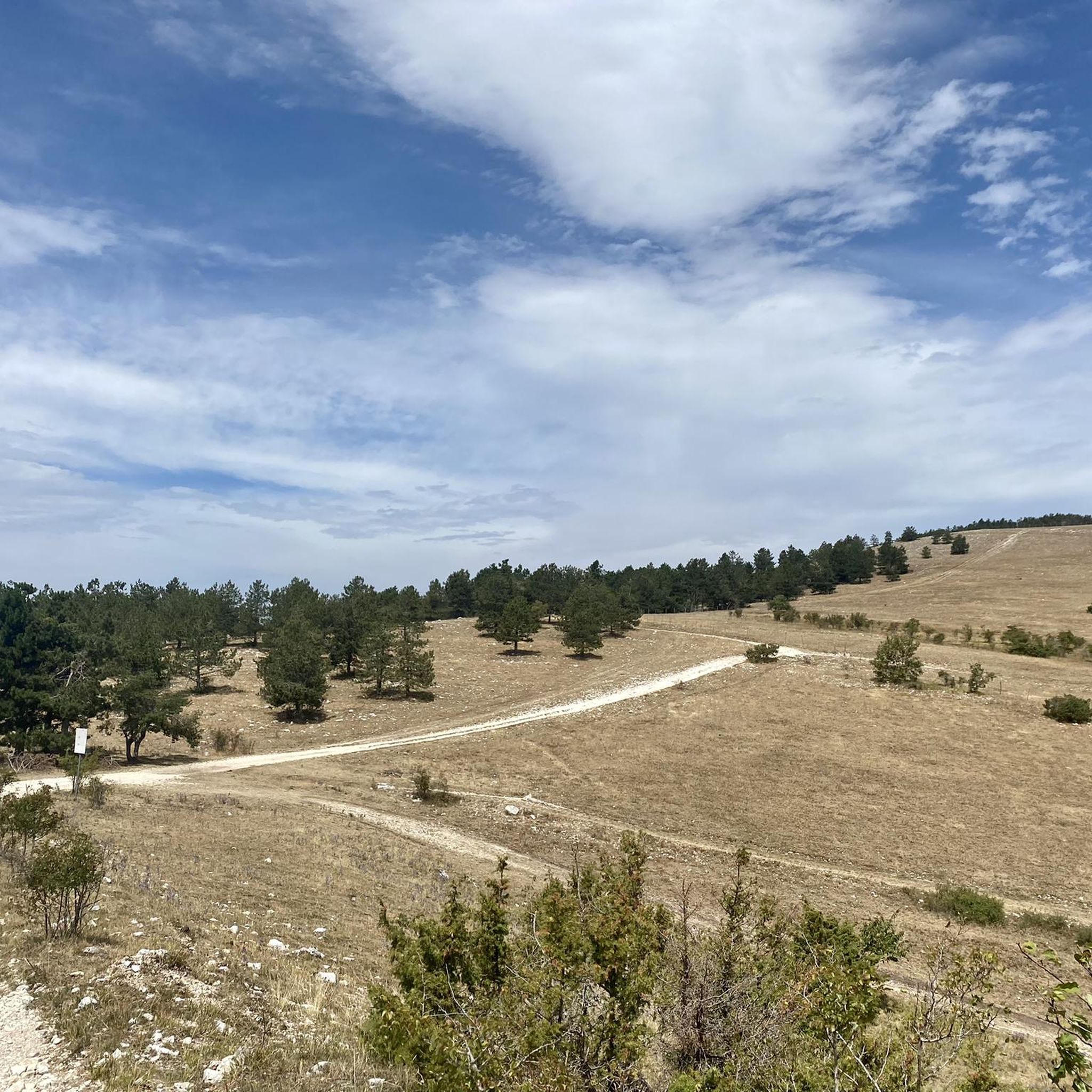
- Visitors also love Assisi–Spoleto–Norcia Cycle Route: Between Torre di Montefalco and Ponte dell'Occhio, a cycle way that provides a route through fields away from busy roads. This section offers natural views for cyclists.
- Trevi is known for its historical sites, religious buildings, and scenic cycle routes. The area offers a variety of attractions to see and explore, from ancient settlements to modern trails.
- The attractions around Trevi are appreciated by the komoot community, with over 270 upvotes and 89 photos shared by visitors.
Last updated: October 10, 2026
Historic Center of Bevagna
Highlight • Historical Site
The town, surrounded by a city wall with towers and gates, has an intact medieval structure (12th-13th centuries). In the upper part of the town, numerous Roman remains can still be seen: the ruins of a temple, the theater, and a thermal bath complex, of which a frigidarium with a magnificent black and white floor mosaic depicting marine figures from the 2nd century AD survives. The medieval town structure, with its squares and noble houses, developed over the Romanesque foundations: The magnificent Piazza Silvestri is home to the Palazzo dei Consoli (1270), which houses the Torti Theater, the Romanesque churches of San Silvestro and San Michele Arcangelo, both from the late 12th century, and the church of San Domenico e Giacomo (1291). Worth seeing is the Palazzo Comunale (late 18th century), which houses the historical archives, the library, and the art gallery. The Baroque churches of the Monastery of Santa Margherita and San Filippo are also very interesting. At the highest point in the town stands the Church of San Francesco (late 13th century). Next to the altar, one can see the stone on which St. Francis knelt when he preached to the flock of birds at Pian d'Arca. The 18th-century Palazzo Lepri houses the Museum of Bevagna, with works that tell the story of the town from pre-Roman times to the 18th century: archaeological finds from the ancient city of Mevania, medieval documents, and paintings by Dono Doni, Fantino, and Corrado Giaquinto. In the surrounding area, the Sanctuary of Madonna delle Grazie (late 16th century), the Sanctuary of Madonna della Valle, and the Monastery of Annunziata (11th century), formerly a defensive castle, rise up against the hillsides.
Text / Source: Umbria Tourism.it contatti@umbriatourism.it
umbriatourism.it/de/bevagna
Translated by Google •
Tip by

Assisi–Spoleto–Norcia Cycle Route: Between Torre di Montefalco and Ponte dell'Occhio
Highlight (Segment) • Cycleway
Translated by Google •
Tip by

Sign up now to discover places like this
Get recommendations on the best single tracks, peaks, & plenty of other exciting outdoor places.
Historic Center of Trevi
Highlight • Historical Site
Translated by Google •
Tip by

Church of San Michele Arcangelo (Bevagna)
Highlight • Religious Site
Translated by Google •
Tip by

Consular Gate
Highlight • Historical Site
Translated by Google •
Tip by

Sign up for free to discover even more attractions around Trevi.
Already have an account?
Start today with a free account
Your next adventure awaits.

Tips from the Community

Trevi's historic center retains the charm of its medieval alleys, narrow and winding, weaving between stone houses and ancient buildings. These streets were designed not only to connect squares and gates, but also to defend the city, creating sheltered and safe routes. The houses feature small doorways and windows, while stairways and arches connect different levels, following the hilly terrain. Walking through the alleys, you'll experience a secluded atmosphere, filled with unexpected glimpses and silhouettes of rooftops and bell towers. Every corner tells stories of daily life, shops, markets, and medieval traditions, making the village a true journey into the past.
0
0

One of the historic entrance gates to the city of Spello
0
0

Bevagna / Region – Umbria / Province – Perugia (PG) The town, surrounded by a city wall with towers and gates, has an intact medieval structure (12th-13th centuries). In the upper part of the town, numerous Roman remains can still be seen: the ruins of a temple, the theater, and a thermal bath complex, of which a frigidarium with a magnificent black and white floor mosaic depicting marine figures from the 2nd century AD survives. The medieval town structure, with its squares and noble houses, developed over the Romanesque foundations: The magnificent Piazza Silvestri is home to the Palazzo dei Consoli (1270), which houses the Torti Theater, the Romanesque churches of San Silvestro and San Michele Arcangelo, both from the late 12th century, and the church of San Domenico e Giacomo (1291). Worth seeing is the Palazzo Comunale (late 18th century), which houses the historical archives, the library, and the art gallery. The Baroque churches of the Monastery of Santa Margherita and San Filippo are also very interesting. At the highest point in the town stands the Church of San Francesco (late 13th century). Next to the altar, one can see the stone on which St. Francis knelt when he preached to the flock of birds at Pian d'Arca. The 18th-century Palazzo Lepri houses the Museum of Bevagna, with works that tell the story of the town from pre-Roman times to the 18th century: archaeological finds from the ancient city of Mevania, medieval documents, and paintings by Dono Doni, Fantino, and Corrado Giaquinto. In the surrounding area, the Sanctuary of Madonna delle Grazie (late 16th century), the Sanctuary of Madonna della Valle, and the Monastery of Annunziata (11th century), formerly a defensive castle, rise up against the hillsides. Text / Source: Umbria Tourism.it contatti@umbriatourism.it https://www.umbriatourism.it/de/bevagna
16
1

This church in Bevegna has a patronal name that is truly on everyone's lips, but only a few will know the person behind it: San SILVESTRO's feast day is December 31st. He lived at the end of the third and beginning of the fourth century and was Bishop of Rome when Emperor Constantine recognized Christianity as a religion with the Edict of Milan - known as the "Edict of Toleration" - and thus ended (at least temporarily) the period of bloody persecution of Christians.
1
0

The Porta Consolare is the main Roman entrance to Spello. It was built with large blocks of stone and is perfectly preserved. Above the gate you can admire three Roman statues. Other very interesting surprises can be found when you go through the door. Among them is a Roman road whose paving is perfectly preserved. A well-preserved structure, rich in history and a must-see, as well as a wonderful start to a visit to Spello.
0
0
This church was featured on one of the old lira banknotes and was visited by Prince Charles after the 1997 earthquake. It is beautiful in its simplicity with its tower on the front and side. The interior with the crypt is very interesting. The best photos of the church are from the steps of the theater opposite.
1
0

Unfortunately, poor maintenance is making it difficult to travel in some sections, especially due to the increasingly invasive vegetation. Update: today, May 31, 2024 I traveled along it and with amazement (not much) I was able to see that all the brush along the route had been mowed, the upcoming elections have worked a miracle!!!!🤮
1
1
In my opinion, together with Spello, the most beautiful village in the eastern Umbrian Valley
1
1
Frequently Asked Questions
What historical sites can I visit around Trevi?
The region around Trevi is rich in history. You can explore the Historic Center of Bevagna, known for its well-preserved medieval architecture and Roman remains, including a frigidarium with a magnificent mosaic. Another significant site is the Historic Center of Trevi itself, perched on Monte Serano, offering traces of Roman settlements and medieval structures.
Are there other charming towns to explore near Trevi?
Yes, besides Trevi, you can visit Montefalco, a settlement situated on a hill overlooking the Topino and Clitunno rivers, famous for its vineyards and olive groves. Its position offers extensive views and it's recognized as one of The Most Beautiful Villages of Italy. The Historic Center of Bevagna is also a must-see, with its intact medieval structure and Romanesque, Gothic, and Baroque styles.
What religious buildings are notable in the Trevi area?
In Bevagna, you can find the Church of San Michele Arcangelo, dating back to the 12th century, and the churches of San Silvestro and San Domenico e Giacomo. In Trevi's historic center, notable religious sites include the church of San Francesco and the Cathedral of Sant'Emiliano, which replaced an ancient pagan temple.
Where can I find the best panoramic views around Trevi?
For stunning panoramic views, head to Montefalco. Its elevated position on a hill provides extensive vistas ranging from Perugia to Spoleto, earning it the nickname 'The Balcony-rail of Umbria'. The Historic Center of Trevi also offers commanding views of the Clitunno river system plain from its perch on Monte Serano.
What natural landscapes characterize the Trevi area?
The landscape around Trevi is typical of central Italy, featuring extensive olive groves and vineyards. The region is nestled in the valley of the Clitunno, Topino, and Tiber rivers, providing a lush, green backdrop to the historic towns. The Assisi–Spoleto–Norcia Cycle Route, for example, offers wonderful natural views through fields.
What outdoor activities are available near Trevi?
The area around Trevi is excellent for outdoor activities, especially cycling and hiking. You can find numerous routes for touring bicycles and gravel biking, as well as hiking trails. For more details on cycling, explore the Cycling around Trevi guide, and for gravel biking, check the Gravel biking around Trevi guide.
Are there family-friendly attractions around Trevi?
Many attractions in the Trevi area are suitable for families. The Historic Center of Bevagna and the Historic Center of Trevi offer engaging historical exploration. Additionally, the Assisi–Spoleto–Norcia Cycle Route provides a safe and scenic path through fields, away from busy roads, which is great for family bike rides.
What hiking trails are available around Trevi?
There are several hiking opportunities near Trevi. You can embark on the 'Way of St. Francis to Trevi' or enjoy loops like 'Civic Tower of Trevi – View of Trevi' and 'Monti Serano - Brunette Summit'. These trails vary in difficulty from easy to moderate. For a comprehensive list of routes, refer to the Hiking around Trevi guide.
Are there cycling routes near Trevi's attractions?
Absolutely. The region is well-suited for cycling. A notable route is the Assisi–Spoleto–Norcia Cycle Route: Between Torre di Montefalco and Ponte dell'Occhio, which offers a path through natural landscapes away from traffic. Other routes include loops around Castel Ritaldi Castle and the Sanctuary of Madonna della Stella. More cycling options can be found in the Cycling around Trevi guide.
What is the best time of year to visit Trevi for outdoor activities?
The best time to visit Trevi for outdoor activities is generally during the spring (April to June) and autumn (September to October). During these months, the weather is pleasant, with mild temperatures ideal for hiking, cycling, and exploring the historic towns and natural landscapes without the intense heat of summer or the chill of winter.
Are there less crowded spots or hidden gems to discover near Trevi?
While the main historic centers are popular, exploring the smaller hamlets and the countryside can reveal quieter spots. The tips for Bevagna mention that wandering its narrow streets feels like traveling back in time, and outside of festival times, it can offer a more tranquil experience. The numerous cycle paths and hiking trails also lead through serene natural areas, away from the main tourist hubs.
What should I bring for a day trip exploring Trevi and its surroundings?
For a day trip exploring Trevi and its surroundings, it's advisable to bring comfortable walking shoes, especially if you plan to explore the hilly historic centers or embark on trails. Depending on the season, layers of clothing are recommended. Don't forget water, sun protection (hat, sunscreen), and a camera to capture the beautiful views and historic architecture. If cycling, appropriate gear is essential.
Most popular attractions around Trevi

Get inspired with the komoot mobile app


Explore more
Still not found the Highlight you’re looking for? See guides of the top attractions in other regions:
