The best road cycling routes around Trevi
4.6
(193)
7,194
riders
17
rides
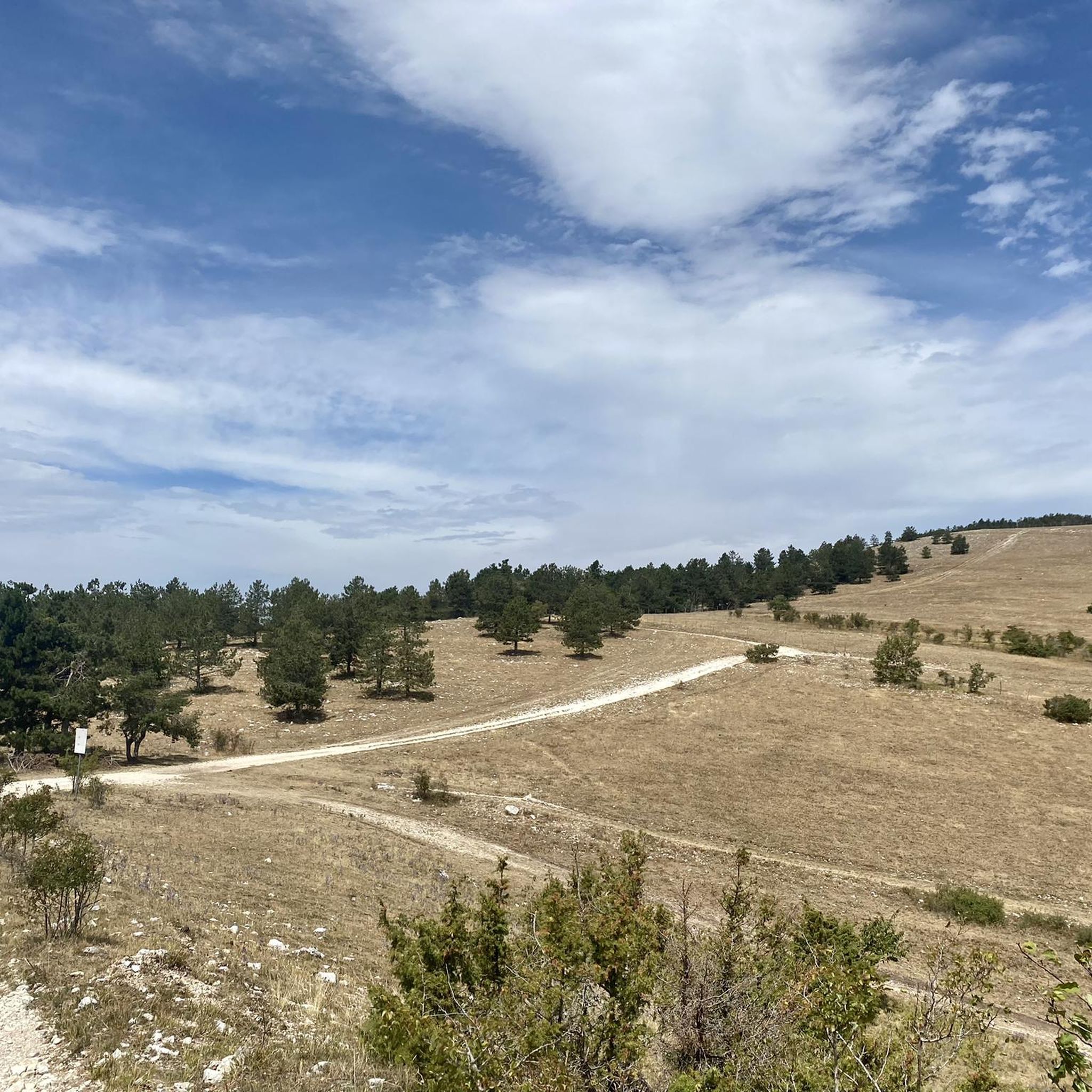
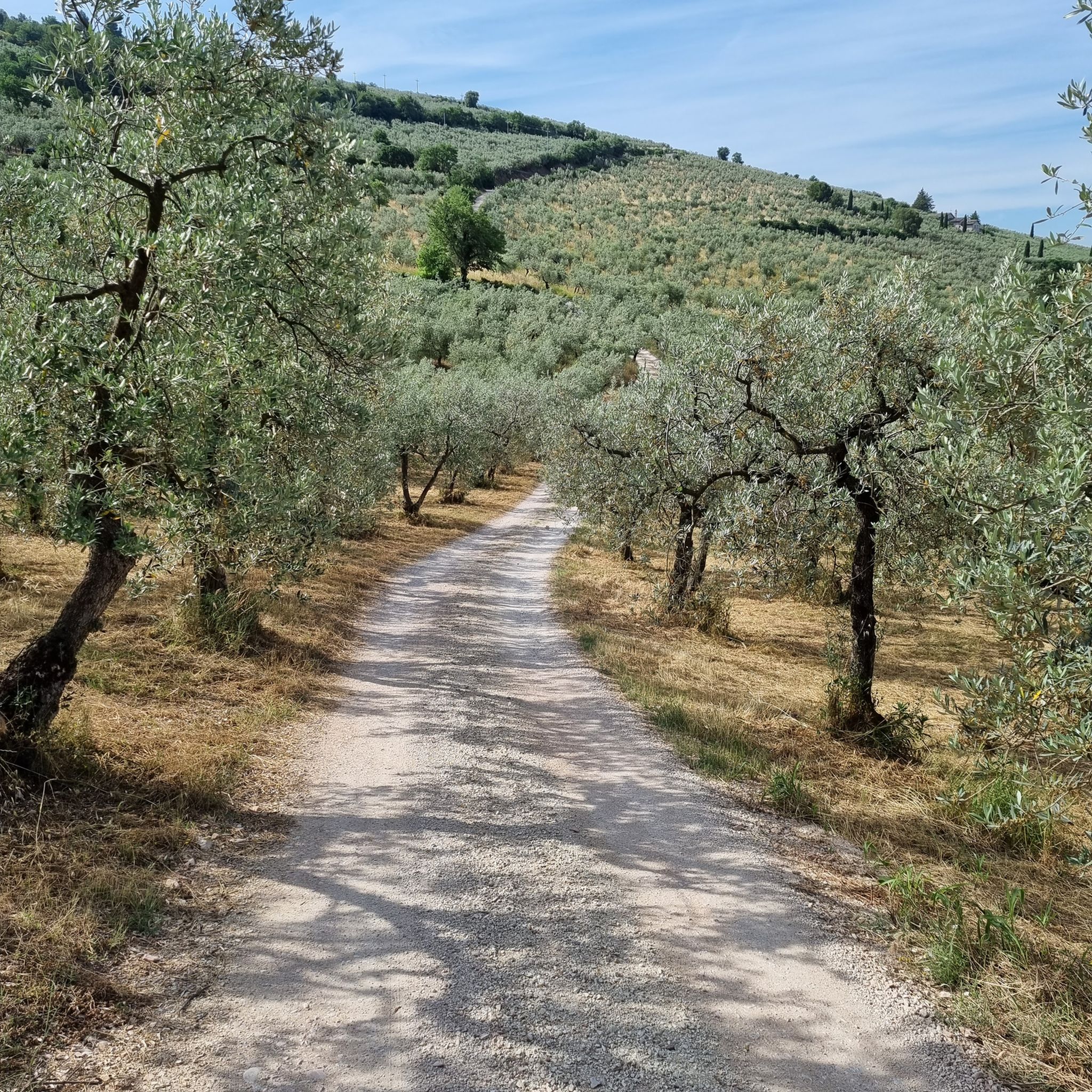
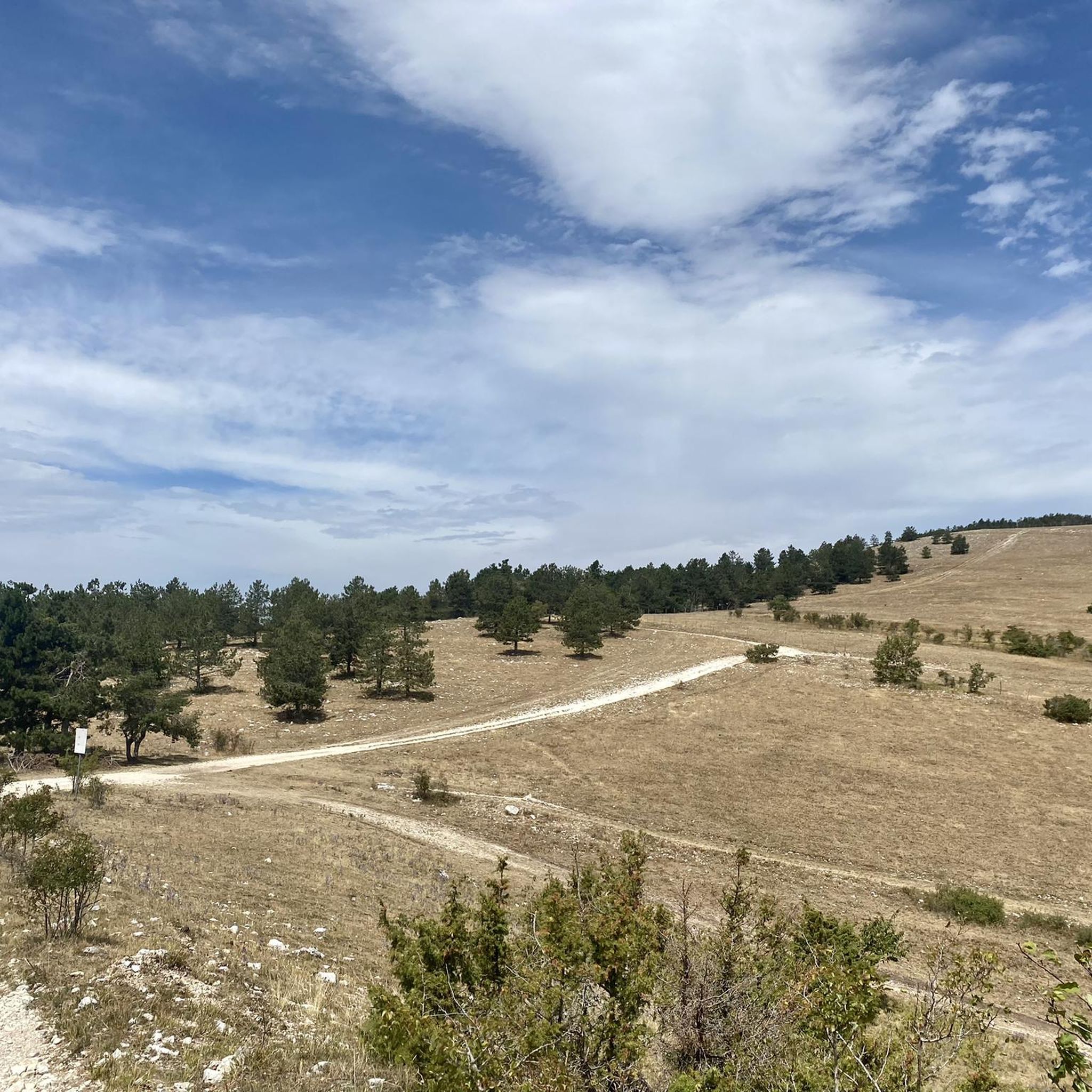
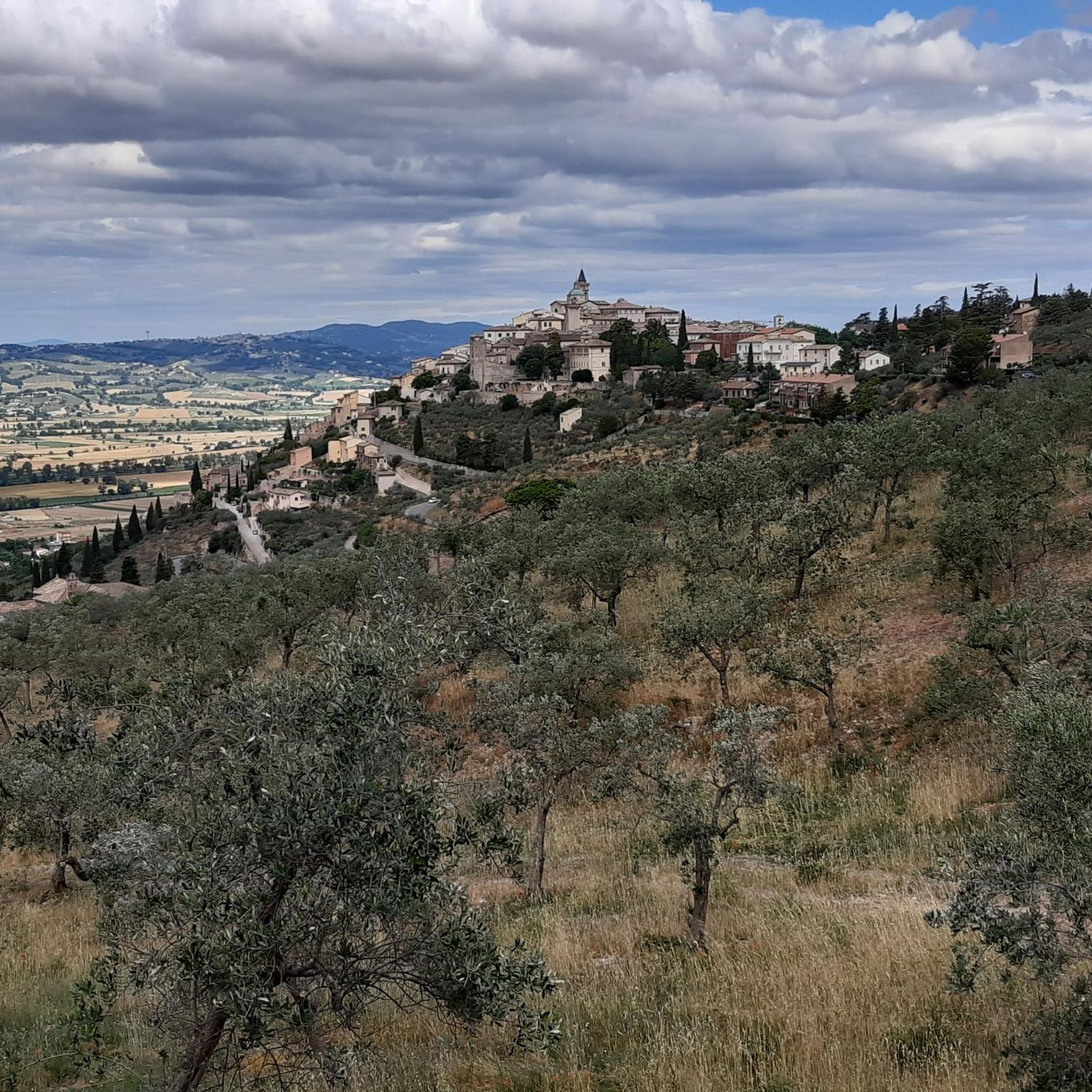
Road cycling routes around Trevi, Italy, are set in the heart of Umbria, a region characterized by rolling hills, dense olive groves, and fertile plains. Situated at 400 meters above sea level, Trevi overlooks the expansive Umbrian Valley, offering varied terrain from flat valley paths to climbs towards Mount Serano. The landscape features the Clitunno River system and the Menotre River, providing diverse natural backdrops for cycling. This area offers a network of well-paved routes suitable for different fitness levels.
…Last updated: October 11, 2026
31
riders
75.7km
03:52
1,140m
1,140m
Hard road ride. Very good fitness required. Mostly well-paved surfaces and easy to ride.
21
riders
42.9km
01:55
300m
300m
Easy road ride. Great for any fitness level. Mostly well-paved surfaces and easy to ride.

23
riders
79.1km
03:45
920m
920m
Hard road ride. Very good fitness required. Mostly well-paved surfaces and easy to ride.
9
riders
39.9km
02:11
430m
430m
Moderate road ride. Good fitness required. Some segments of this route may be unpaved and difficult to ride.
7
riders
54.3km
02:14
190m
190m
Moderate road ride. Good fitness required. Mostly well-paved surfaces and easy to ride.
Get access to more routes and recommendations from other explorers.
Already have an account?
Our route recommendations are based on thousands of hikes, rides, and runs completed by other people on komoot.
Start today with a free account
Your next adventure awaits.

Tips from the Community

If you pass by, stop, it's a beautiful place. The entrance to the park is paid but it's a magical place. In summer, however, there are a lot of people
0
0
lots of people in the summer season
0
0
Beautiful place to stop and walk in the park (even if it has a fee).
0
0


The historic center of Bevagna is unmissable for the historic buildings it contains. But what makes the difference is the medieval atmosphere that you can breathe.
0
0


Trevi's historic center retains the charm of its medieval alleys, narrow and winding, weaving between stone houses and ancient buildings. These streets were designed not only to connect squares and gates, but also to defend the city, creating sheltered and safe routes. The houses feature small doorways and windows, while stairways and arches connect different levels, following the hilly terrain. Walking through the alleys, you'll experience a secluded atmosphere, filled with unexpected glimpses and silhouettes of rooftops and bell towers. Every corner tells stories of daily life, shops, markets, and medieval traditions, making the village a true journey into the past.
0
0
The Roman Theater of Spoleto is one of the most important Roman monuments in the city and represents a significant testimony to the cultural life of ancient Spoletium. It was built in the 1st century BC, in an area near the forum, according to the architectural models of classical Roman theater. The cavea, built against the natural slope of Sant'Elia Hill, was divided into sectors and could accommodate several thousand spectators. Opposite were the orchestra and the monumental stage, originally decorated with columns, niches, and statues, which served as a backdrop for theatrical and musical performances. The building was constructed of masonry and clad in local stone, with technical solutions that ensured good acoustics. After the end of the Roman era, the theater was gradually abandoned and was partially incorporated into medieval buildings. The area was restored in the 20th century, restoring the structure's visibility and highlighting its archaeological importance. Today, the Roman Theatre is part of the National Archaeological Museum of Spoleto and continues to serve a cultural purpose, hosting events and performances that renew the city's connection to its thousand-year-old theatrical tradition.
0
0
Frequently Asked Questions
How many road cycling routes are available around Trevi?
There are over 20 road cycling routes around Trevi, catering to various skill levels. You'll find a good mix of easy, moderate, and difficult rides to explore the Umbrian landscape.
What kind of terrain can I expect on road cycling routes in Trevi?
Road cycling in Trevi offers diverse terrain, from largely flat valley paths, such as sections of the Umbrian Valley Cycle Path, to challenging climbs towards Mount Serano and Forca di Cerro. You'll encounter rolling hills, dense olive groves, and panoramic views across the Umbrian Valley.
Are there any family-friendly road cycling routes near Trevi?
Yes, for families or less experienced cyclists, sections of the Umbrian Valley Cycle Path, particularly between Trevi and Spoleto, offer a largely flat and traffic-free experience. This path follows the Maroggia river and provides beautiful views of Trevi and its olive groves. An easy route like the View of Trevi – Historic Center of Trevi loop from Trevi is also a good option.
What are some scenic highlights or landmarks I can see along the road cycling routes?
Many routes offer panoramic views of the Umbrian Valley. You can also cycle through historic towns like Spello and Bevagna, or visit the Historic Center of Trevi itself. Natural attractions include the Fonti del Clitunno (Clitunno Springs) and the Menotre Waterfalls in Pale, which you can experience on routes like the Menotre River in Rasiglia – Menotre Waterfalls in Pale loop from Trevi.
Are there any circular road cycling routes available from Trevi?
Yes, many routes around Trevi are designed as loops, allowing you to start and finish in the same location. Examples include the View of Trevi – Historic Center of Trevi loop from Trevi and the View of Trevi – Forca di Cerro loop from Trevi, which offer varied distances and elevation profiles.
What do other road cyclists enjoy most about cycling in Trevi?
The road cycling routes in Trevi are highly rated by the komoot community, with an average score of 4.9 stars. Cyclists often praise the varied terrain, from challenging climbs to scenic valley rides, and the opportunity to explore charming medieval towns and natural beauty like the olive groves and river systems.
Can I find routes that connect Trevi to other historic towns?
Absolutely. Trevi's location makes it ideal for routes connecting to other medieval villages. For instance, you can take a route like the Historic Center of Spello – Piazza Silvestri, Bevagna loop from Trevi to explore the rich history and architecture of nearby Spello and Bevagna.
Are there any routes that feature waterfalls or river systems?
Yes, the region offers routes that incorporate beautiful natural water features. The Menotre River in Rasiglia – Menotre Waterfalls in Pale loop from Trevi is a prime example, taking you through varied scenery including the Menotre River and its waterfalls.
What is the best time of year for road cycling in Trevi?
The spring and autumn months generally offer the most pleasant weather for road cycling in Trevi, with comfortable temperatures and beautiful landscapes. Summers can be warm, especially in the valleys, while winters are milder but may have cooler, wetter conditions.
Are there any challenging road cycling routes for experienced riders?
Yes, Trevi offers several difficult routes with significant elevation gains for experienced cyclists. Routes like the Menotre River in Rasiglia – Menotre Waterfalls in Pale loop from Trevi and the View of Trevi – Forca di Cerro loop from Trevi provide substantial climbs and rewarding descents.
Where can I find information about public transport options to reach Trevi for cycling?
For detailed information on public transport to Trevi, including train and bus schedules, it's best to consult local Umbrian transport authorities or the official Umbria Tourism website. You can find general information about the region at Umbria Tourism.
Most popular attractions around Trevi

Get inspired with the komoot mobile app


Explore more
Browse the best Road cycling routes in other regions.
