The best cycling routes around Castel Ritaldi
4.3
(315)
3,800
riders
140
rides
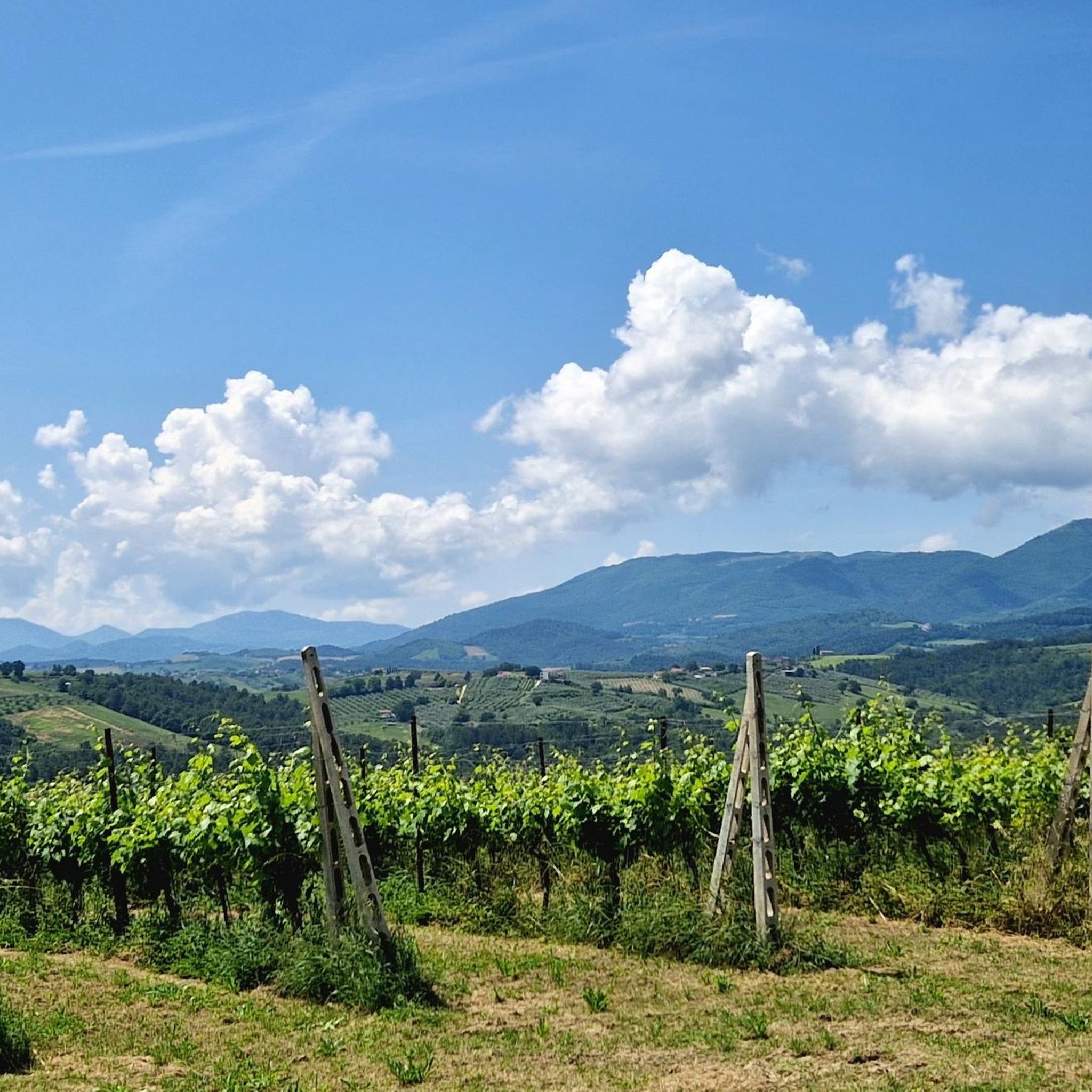
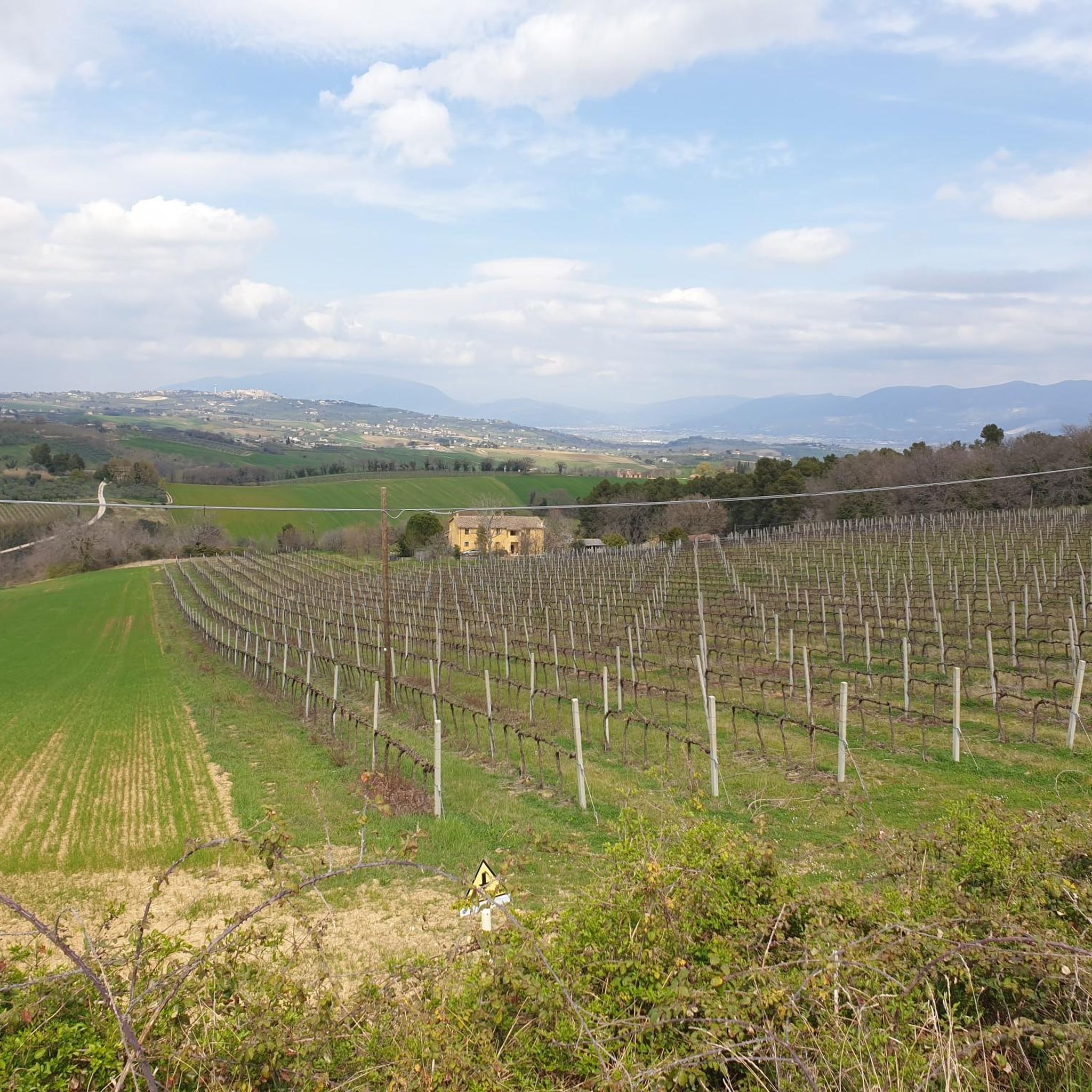
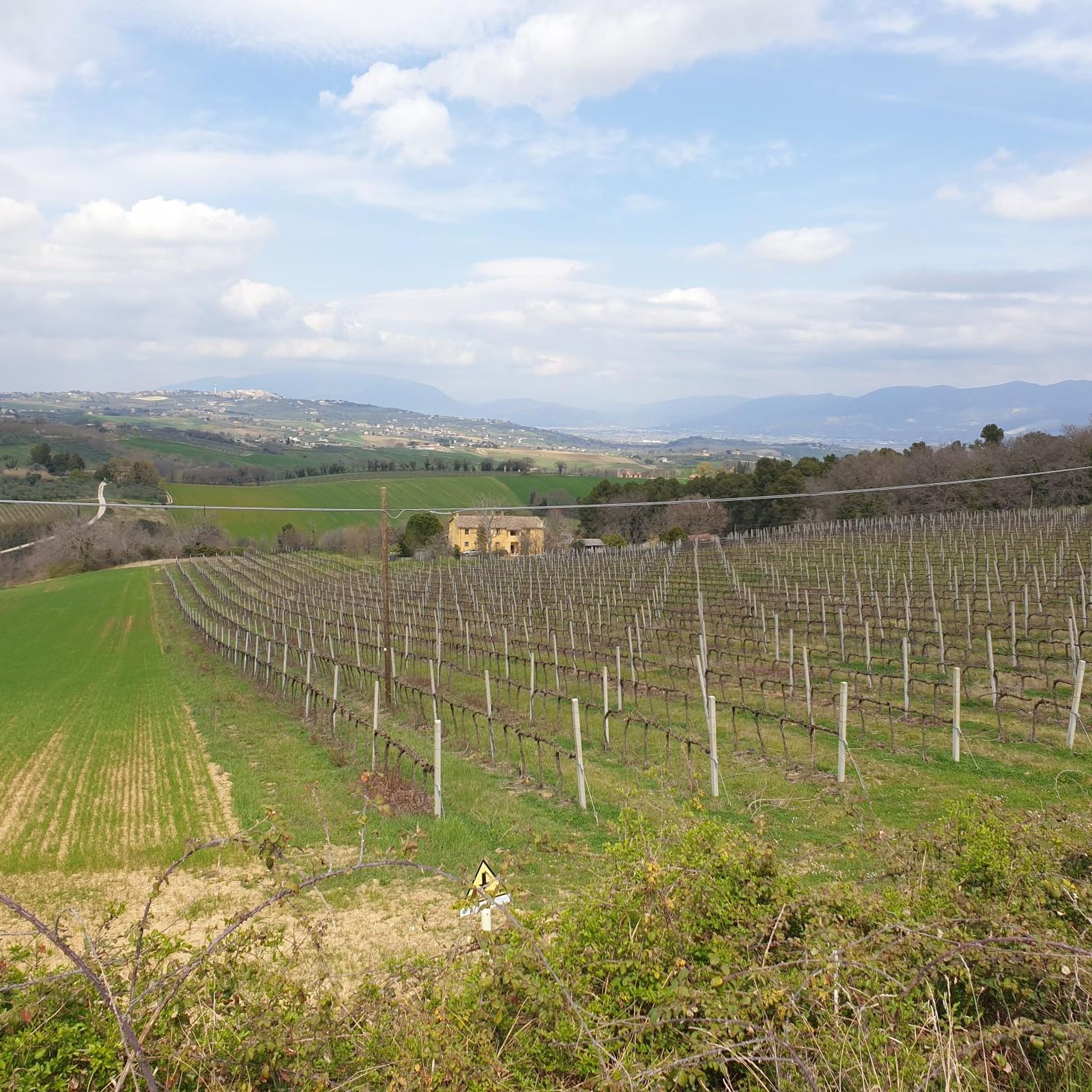
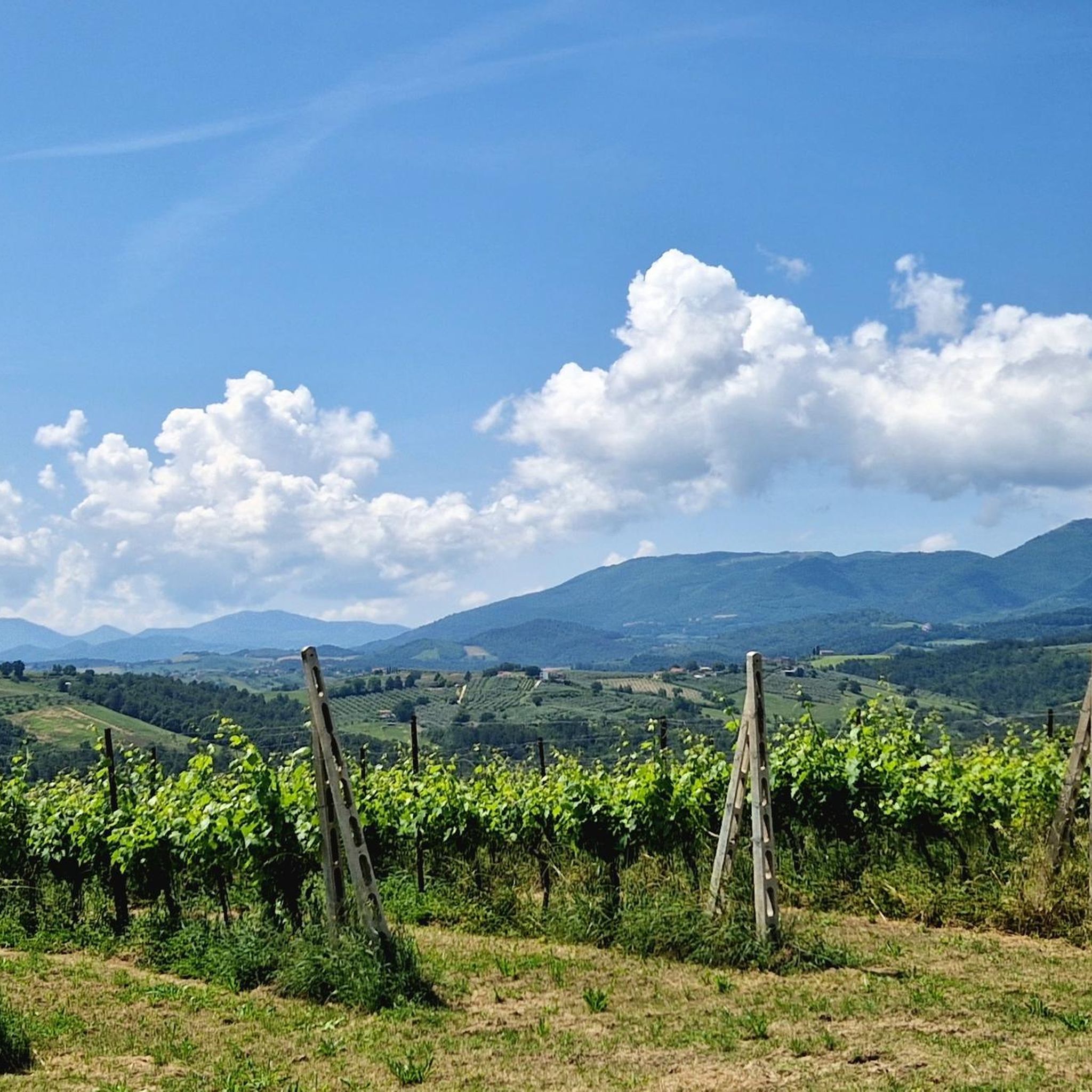
Touring cycling routes around Castel Ritaldi traverse a landscape characterized by gentle hills, agricultural fields, and extensive olive groves. The region, situated in Umbria, features a mix of woods, vineyards, and grain fields, providing varied scenery for cyclists. Routes often connect historical towns and villages, offering views of medieval castles and ancient churches. The terrain includes both paved and unpaved secondary roads, with some routes presenting significant elevation changes.
Best touring cycling routes around Castel Ritaldi
- The most popular touring…
Last updated: October 11, 2026
4.5
(77)
464
riders
Moderate bike ride. Good fitness required. Mostly paved surfaces. Suitable for all skill levels.
4.6
(5)
61
riders
Moderate bike ride. Good fitness required. Mostly paved surfaces. Suitable for all skill levels.

4.6
(5)
50
riders
Hard bike ride. Very good fitness required. Mostly paved surfaces. Suitable for all skill levels.
4.5
(4)
16
riders
Moderate bike ride. Good fitness required. Mostly paved surfaces. Suitable for all skill levels.
4.0
(1)
22
riders
82.3km
06:08
1,730m
1,730m
Hard bike ride. Very good fitness required. Mostly paved surfaces. Suitable for all skill levels.
Get access to more routes and recommendations from other explorers.
Already have an account?
Our route recommendations are based on thousands of hikes, rides, and runs completed by other people on komoot.
Start today with a free account
Your next adventure awaits.
Tips from the Community

The bike path is poor. The asphalt is torn up and bushes are growing in it.
0
0

A WONDERFUL SMALL VILLAGE THAT WILL LEAVE YOU OPEN-MOUTHED
0
0

Even under a grey sky, the outing filled my eyes with its beautiful varied landscapes (hilltop towns, fortified castles, abbeys, towers, vineyards, sunflower fields, yew trees, etc.) And above all, a cycle path away from vehicles!
1
0

The Tower of Matigge is located on the Flaminia state road, a few kilometers north of Trevi and on the border with the municipality of Foligno. The Tower was begun in 1395 and from the beginning it was equipped with a custodian and a bell tower, to be used in case of assault. One of the mysteries of this tower is that apparently there is no entrance door in the base:
1
0

Bevagna / Region – Umbria / Province – Perugia (PG) The town, surrounded by a city wall with towers and gates, has an intact medieval structure (12th-13th centuries). In the upper part of the town, numerous Roman remains can still be seen: the ruins of a temple, the theater, and a thermal bath complex, of which a frigidarium with a magnificent black and white floor mosaic depicting marine figures from the 2nd century AD survives. The medieval town structure, with its squares and noble houses, developed over the Romanesque foundations: The magnificent Piazza Silvestri is home to the Palazzo dei Consoli (1270), which houses the Torti Theater, the Romanesque churches of San Silvestro and San Michele Arcangelo, both from the late 12th century, and the church of San Domenico e Giacomo (1291). Worth seeing is the Palazzo Comunale (late 18th century), which houses the historical archives, the library, and the art gallery. The Baroque churches of the Monastery of Santa Margherita and San Filippo are also very interesting. At the highest point in the town stands the Church of San Francesco (late 13th century). Next to the altar, one can see the stone on which St. Francis knelt when he preached to the flock of birds at Pian d'Arca. The 18th-century Palazzo Lepri houses the Museum of Bevagna, with works that tell the story of the town from pre-Roman times to the 18th century: archaeological finds from the ancient city of Mevania, medieval documents, and paintings by Dono Doni, Fantino, and Corrado Giaquinto. In the surrounding area, the Sanctuary of Madonna delle Grazie (late 16th century), the Sanctuary of Madonna della Valle, and the Monastery of Annunziata (11th century), formerly a defensive castle, rise up against the hillsides. Text / Source: Umbria Tourism.it contatti@umbriatourism.it https://www.umbriatourism.it/de/bevagna
16
1

Ancient wash house of the village on the Clitunno river
0
0

This church in Bevegna has a patronal name that is truly on everyone's lips, but only a few will know the person behind it: San SILVESTRO's feast day is December 31st. He lived at the end of the third and beginning of the fourth century and was Bishop of Rome when Emperor Constantine recognized Christianity as a religion with the Edict of Milan - known as the "Edict of Toleration" - and thus ended (at least temporarily) the period of bloody persecution of Christians.
1
0

Street corner with view on Trevi and Montefalco
0
0
Frequently Asked Questions
How many touring cycling routes are available around Castel Ritaldi?
There are over 150 touring cycling routes around Castel Ritaldi, offering a wide range of options for exploring the Umbrian countryside. These routes are categorized by difficulty, with 10 easy, 62 moderate, and 79 difficult trails to choose from.
What kind of terrain can I expect on touring cycling routes in Castel Ritaldi?
The terrain around Castel Ritaldi is characterized by rolling hills, extensive olive groves, vineyards, and grain fields. Routes often combine paved and unpaved secondary roads. While some paths offer gentle slopes, many routes feature significant elevation changes, requiring good fitness.
Are there any family-friendly touring cycling routes in Castel Ritaldi?
Yes, Castel Ritaldi offers 10 easy touring cycling routes that are generally suitable for families. These routes typically feature less challenging terrain and elevation, allowing for a more relaxed experience. Look for routes that explore the flatter agricultural fields or follow designated paths like sections of the 'Literary Path' for a pleasant family outing.
What are some scenic viewpoints or natural features to look out for on a touring cycling trip?
The region is rich in natural beauty. You'll cycle through picturesque olive groves, vineyards, and fields of sunflowers. Notable natural highlights include the serene Clitunno Springs, and the panoramic views from summits like Monte Serano or Colle Martorello. Don't miss the ancient Saint Emiliano’s Olive Tree, a true natural monument.
What historical sites or landmarks can I visit while cycling around Castel Ritaldi?
Castel Ritaldi and its surroundings are dotted with historical treasures. You can visit the well-preserved Castel Ritaldi Castle, the impressive Castello di Pissignano, or the medieval Rocca di Gualdo Cattaneo. The Historic Center of Spoleto – Caprareccia Railway Bridge loop from Campello sul Clitunno is a challenging route that passes by significant historical landmarks, including the historic center of Spoleto.
Are there any circular touring cycling routes in the area?
Yes, many touring cycling routes around Castel Ritaldi are designed as loops, allowing you to start and end in the same location. Examples include the moderate Montefalco Tower – Historic Center of Bevagna loop from Campello sul Clitunno and the Historic Center of Bevagna – Bevagna City Walls loop from Campello sul Clitunno. These circular routes are convenient for day trips.
What is the best season for touring cycling in Castel Ritaldi?
The best seasons for touring cycling in Castel Ritaldi are typically spring (April-May) and autumn (September-October). During these months, the weather is generally mild and pleasant, and the landscapes are particularly beautiful with blooming flowers or vibrant autumn colors. October is also significant for olive gathering, offering a unique cultural experience.
What do other touring cyclists say about the routes in Castel Ritaldi?
The touring cycling routes in Castel Ritaldi are highly regarded by the komoot community, with an average rating of 4.3 stars from over 245 reviews. Cyclists often praise the diverse scenery, which includes charming villages, historical sites, and the tranquil beauty of the Umbrian countryside with its olive groves and vineyards.
Can I combine cycling with wine tasting in Castel Ritaldi?
Absolutely! Castel Ritaldi is located on the Sagrantino Road, which is renowned for its lush Sagrantino wine. Many routes pass through vineyards, offering excellent opportunities to stop at local wineries for tastings. The region's focus on high-quality olive oil also means you can find olive mills to visit.
Are there any long-distance touring cycling options from Castel Ritaldi?
For those seeking longer rides, Castel Ritaldi serves as an excellent base. Routes like the difficult Montefalco – Piazza del Popolo, Todi loop from Giano dell'Umbria cover significant distances (over 80 km) and connect multiple towns, providing a challenging and rewarding long-distance experience through varied landscapes.
Where can I find information about local attractions and events in Castel Ritaldi?
For more detailed information on local attractions, events, and cultural insights in Castel Ritaldi, you can visit the official tourism websites. The Terre dell'Olio e del Sagrantino website and Umbria Tourism provide comprehensive guides to the area.
Are there specific routes that highlight the historical castles in the region?
Yes, several routes offer glimpses of the region's rich history through its castles. For instance, the difficult View of Trevi from Borgo Trevi – Castello di Pissignano loop from Il Baio includes the impressive Castello di Pissignano. Exploring the area between Spoleto and Montefalco will also lead you past numerous medieval fortifications.
Most popular routes around Castel Ritaldi
Most popular attractions around Castel Ritaldi

Get inspired with the komoot mobile app


Explore more
Browse the best Cycling routes in other regions.
