The best traffic-free bike rides around Castel Ritaldi
4.3
(316)
3,801
riders
65
rides
No traffic touring cycling routes around Castel Ritaldi traverse a landscape characterized by rolling hills, extensive vineyards, and ancient olive groves in the heart of Umbria. The region features a patchwork of agricultural fields, lush woods, and streams, providing varied terrain for cyclists. Castel Ritaldi itself is situated on a low hill, offering views of the surrounding countryside and historical villages. This area provides a serene cycling experience, often steering clear of heavy traffic.
Best no traffic touring cycling routes…
Last updated: October 16, 2026
4.5
(77)
464
riders
Moderate bike ride. Good fitness required. Mostly paved surfaces. Suitable for all skill levels.
4.0
(1)
22
riders
82.3km
06:08
1,730m
1,730m
Hard bike ride. Very good fitness required. Mostly paved surfaces. Suitable for all skill levels.

4.4
(5)
8
riders
37.4km
02:15
70m
70m
Moderate bike ride. Good fitness required. Mostly paved surfaces. Suitable for all skill levels.
5.0
(1)
9
riders
60.1km
04:19
810m
820m
Hard bike ride. Very good fitness required. Mostly paved surfaces. Suitable for all skill levels.
6
riders
28.2km
01:55
440m
440m
Moderate bike ride. Good fitness required. Mostly paved surfaces. Suitable for all skill levels.
Get access to more routes and recommendations from other explorers.
Already have an account?
Our route recommendations are based on thousands of hikes, rides, and runs completed by other people on komoot.
Start today with a free account
Your next adventure awaits.
Popular around Castel Ritaldi

Tips from the Community

It has just been restored, I remember it since I was a child but I couldn't say when it dates back to, it should be at least over a hundred years old. It is interesting because at the bottom it shows indications about the measurement. For the record, when I photographed it, it was 4:20 PM, is it a coincidence or is it substantially well made?
0
0

If you pass by, stop, it's a beautiful place. The entrance to the park is paid but it's a magical place. In summer, however, there are a lot of people
0
0
lots of people in the summer season
0
0
Beautiful place to stop and walk in the park (even if it has a fee).
0
0

Even under a grey sky, the outing filled my eyes with its beautiful varied landscapes (hilltop towns, fortified castles, abbeys, towers, vineyards, sunflower fields, yew trees, etc.) And above all, a cycle path away from vehicles!
1
0

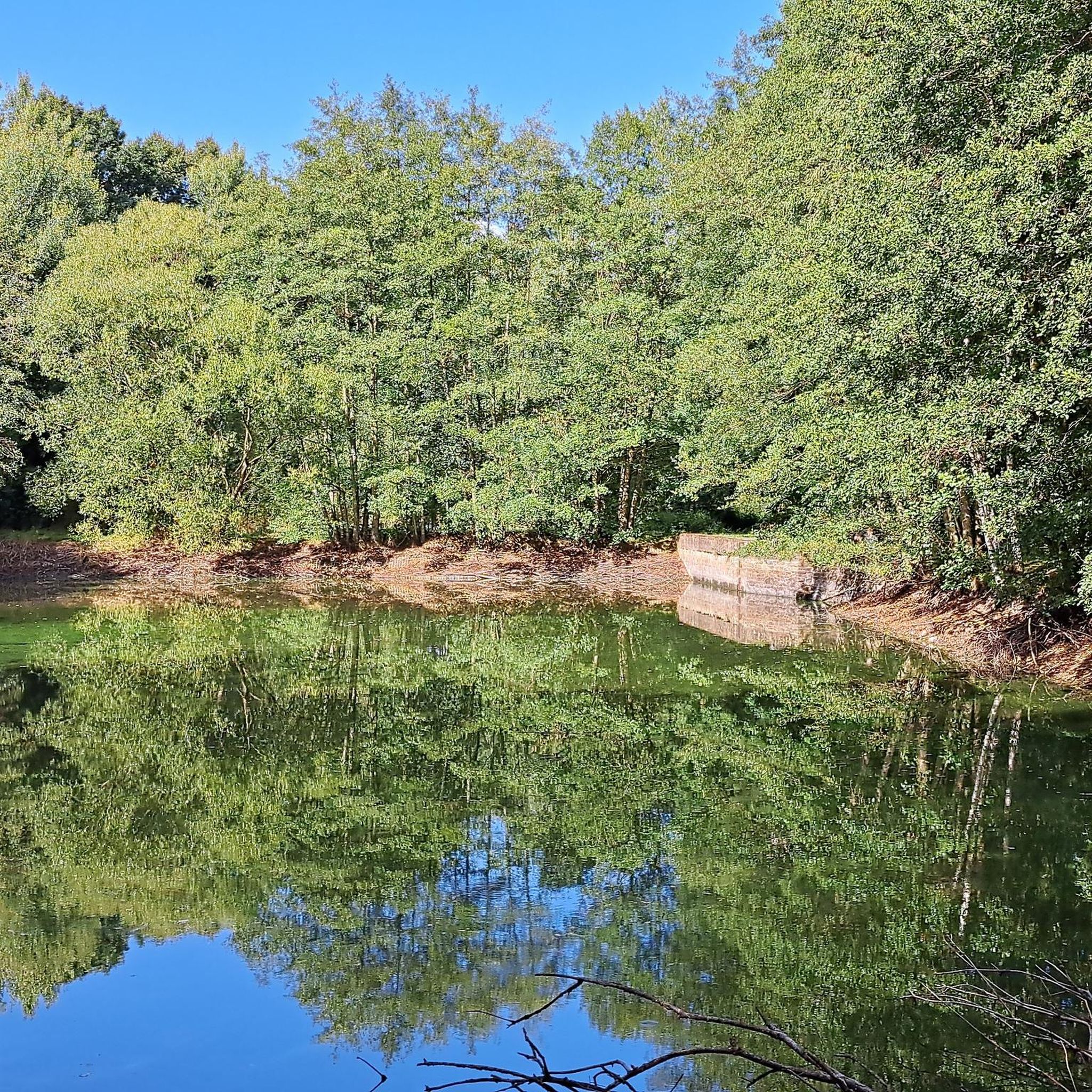
The Park - Fonti del Clitunno, Ristorante Pizzeria, Campello Sul Clitunno A body of water with a circumference of just over 400 meters and an area of almost 10,000 square meters, this small lake is home to numerous plant species that contribute to the fame of the Fonti del Clitunno. Moss, seagrass, water horsetail, sedge, curled brosca, giant shrimp, marsh forget-me-not, and water nasturtium, also known as watercress, are just some of the plants found in the pond. Around the banks are the trees that characterize the surroundings, most notably the cypress poplar, covered in dense foliage in summer. Then there's the weeping willow, whose spread dates back to the fashion that spread this plant in Paris in the 1840s, which is said to have shaded Napoleon's tomb on Saint Helena. Text / Source: Fonti del Clitunno - Ristorante Pizzeria, Campello Sul Clitunno https://www.fontidelclitunno.it/
15
0
Fonti del Clitunno - Ristorante Pizzeria, Campello Sul Clitunno Dream apartments, treat yourself to the relaxation you deserve. A gastronomic experience in the Parco della Poesia and a garden with tables for pampering yourself. From here, O Clitumnus, the white herds and the bull, the greatest holocaust, have repeatedly dipped into your sacred waters, bringing Roman triumphs to the temples of the gods. History Have you ever seen the Fonti del Clitunno? If not, and I don't think so, otherwise you would have told me about it, go and see. "I saw it recently and regret having done it too late." Thus wrote Pliny the Younger to a friend, and his advice still holds true today. The Fonti del Clitunno as we see them today are different from those of the first century, during Pliny's time. A violent earthquake in 444 AD changed the face of the area and was likely the cause of the narrowing of the Clitunno River, which had previously been navigable. The layout of the Clitunno springs as we see them today is thanks to the patient work of Paolo Campello della Spina, who, between 1860 and 1865, removed the earth to make room for the pond and encouraged the growth of vegetation that still characterizes the Clitunno springs today. A few years later, Giosue Carducci wrote the barbaric ode "Alle Fonti del Clitunno." Text/Source: Fonti del Clitunno - Ristorante Pizzeria, Campello Sul Clitunno https://www.fontidelclitunno.it/
15
0
Bevagna / Region – Umbria / Province – Perugia (PG) The town, surrounded by a city wall with towers and gates, has an intact medieval structure (12th-13th centuries). In the upper part of the town, numerous Roman remains can still be seen: the ruins of a temple, the theater, and a thermal bath complex, of which a frigidarium with a magnificent black and white floor mosaic depicting marine figures from the 2nd century AD survives. The medieval town structure, with its squares and noble houses, developed over the Romanesque foundations: The magnificent Piazza Silvestri is home to the Palazzo dei Consoli (1270), which houses the Torti Theater, the Romanesque churches of San Silvestro and San Michele Arcangelo, both from the late 12th century, and the church of San Domenico e Giacomo (1291). Worth seeing is the Palazzo Comunale (late 18th century), which houses the historical archives, the library, and the art gallery. The Baroque churches of the Monastery of Santa Margherita and San Filippo are also very interesting. At the highest point in the town stands the Church of San Francesco (late 13th century). Next to the altar, one can see the stone on which St. Francis knelt when he preached to the flock of birds at Pian d'Arca. The 18th-century Palazzo Lepri houses the Museum of Bevagna, with works that tell the story of the town from pre-Roman times to the 18th century: archaeological finds from the ancient city of Mevania, medieval documents, and paintings by Dono Doni, Fantino, and Corrado Giaquinto. In the surrounding area, the Sanctuary of Madonna delle Grazie (late 16th century), the Sanctuary of Madonna della Valle, and the Monastery of Annunziata (11th century), formerly a defensive castle, rise up against the hillsides. Text / Source: Umbria Tourism.it contatti@umbriatourism.it https://www.umbriatourism.it/de/bevagna
16
1
Frequently Asked Questions
How many no-traffic touring cycling routes can I find around Castel Ritaldi?
You'll find over 70 touring cycling routes around Castel Ritaldi designed to keep you away from heavy traffic. These routes offer a variety of distances and difficulties, allowing you to explore the picturesque Umbrian countryside at your own pace.
Are there easy no-traffic routes suitable for beginners in Castel Ritaldi?
Yes, there are several easy routes perfect for beginners. While many routes offer moderate to difficult challenges, you can find at least 5 routes specifically rated as easy. These typically traverse the gentler agricultural landscapes of Umbria, offering a relaxed experience through vineyards and olive groves.
What kind of scenery can I expect on these no-traffic cycling routes?
The routes around Castel Ritaldi wind through the 'green heart' of Umbria, offering a rich tapestry of natural beauty. You'll cycle through lush woods, vibrant fields of grains and sunflowers, and extensive vineyards and olive groves. Many routes offer commanding views of hill slopes and charming medieval villages.
What do other touring cyclists enjoy most about cycling in Castel Ritaldi?
The area is highly rated by the komoot community, with an average score of 4.2 stars from over 240 ratings. Reviewers often praise the serene cycling experience away from heavy traffic, the beautiful Umbrian landscapes, and the opportunities to discover historical sites and local culinary traditions along the way.
Are there any circular no-traffic cycling routes available?
Yes, many of the no-traffic touring cycling routes around Castel Ritaldi are designed as loops, allowing you to start and end your journey in the same location. An example is the Castel Ritaldi Castle loop from Picciche, which offers a moderate ride through the local landscape.
What historical sites or attractions can I visit along the routes?
Castel Ritaldi and its surroundings are rich in history. You can encounter sites like the Castel Ritaldi Castle, the Pieve di San Gregorio, and the Renaissance church of the Madonna della Bruna. The Historic Center of Spoleto – Clitunno Springs loop from Castel Ritaldi route, for instance, takes you near the historic city of Spoleto and the beautiful Clitunno Springs. Other highlights include the Historic Center of Trevi and the charming town of Montefalco.
Can I find routes that pass through vineyards or olive groves?
Absolutely. Castel Ritaldi is situated on the 'Sagrantino Road' and is part of the 'Terre dell'olio e del sagrantino' (Lands of oil and Sagrantino wine). Many routes, such as the Montefalco – Piazza del Popolo, Todi loop from Giano dell'Umbria, will take you directly through these iconic Umbrian landscapes, offering opportunities to experience local culinary traditions.
Is there a well-known cycle path nearby that avoids traffic?
Yes, Castel Ritaldi is notably close to sections of the well-regarded Assisi-Spoleto-Norcia Cycle Route. This dedicated path offers excellent opportunities to cycle away from busy roads and immerse yourself in the natural surroundings. You can find sections of it, like the Assisi–Spoleto–Norcia Cycle Route: Between Torre di Montefalco and Ponte dell'Occhio, integrated into local touring routes.
What is the best time of year to cycle in Castel Ritaldi?
Spring (April-May) and Autumn (September-October) are generally considered the best times for cycling in Umbria. The weather is mild, the landscapes are vibrant with spring blooms or autumn colors, and it's usually less crowded than the peak summer months. This allows for a more comfortable and enjoyable no-traffic touring experience.
Are there any routes that feature water attractions like springs or rivers?
Yes, the region has natural water features. The Tatarena stream flows near Castel Ritaldi, and routes like the Historic Center of Spoleto – Clitunno Springs loop from Castel Ritaldi will lead you to the beautiful Clitunno Springs, a significant natural and historical site.
Where can I find parking for these no-traffic cycling routes?
Many of the routes start from or pass through towns and villages like Castel Ritaldi, Campello sul Clitunno, or San Lorenzo, where public parking is typically available. It's advisable to check specific starting points for designated parking areas, especially in smaller villages.
Most popular routes around Castel Ritaldi
Most popular attractions around Castel Ritaldi

Get inspired with the komoot mobile app


Explore more
Browse the best Cycling routes in other regions.
