Attractions and Places To See around Santo Stefano Di Sessanio - Top 20
Best attractions and places to see around Santo Stefano Di Sessanio include a blend of historical landmarks and natural features. This medieval village is situated high on a hill within Italy's Gran Sasso e Monti della Laga National Park, offering sweeping mountain views. The area is characterized by its well-preserved architecture, cobbled streets, and proximity to significant peaks and plateaus. It provides access to both cultural insights and opportunities for exploring the Apennine mountains.
Best attractions and places to see around Santo Stefano Di Sessanio
- The most popular attractions is Rocca Calascio Castle, a castle that is one of the highest in Italy, located at 1,460 meters above sea level. It offers panoramic views of the Apennines and is a significant historical site within the Gran Sasso and Monti della Laga National Park.
- Another must-see spot is Duca degli Abruzzi Hut, a hut located at 2,388 meters on the crest of Monte Portella. It provides refreshment and accommodation for hikers, with views of the surrounding valleys.
- Visitors also love Monte Aquila Summit, a summit at 2,494 meters. It offers panoramic views of the Gran Sasso area and is characterized by a metallic red cross.
- Santo Stefano Di Sessanio is known for its historical sites, mountain peaks, and natural viewpoints. The region offers a variety of attractions, from medieval architecture to high-altitude landscapes.
- The attractions around Santo Stefano Di Sessanio are appreciated by the komoot community, with more than 260 upvotes and over 230 photos shared.
Last updated: July 7, 2026
Corno Grande Western Summit
Highlight • Summit
You can hike it as a loop, following the 'direttissima' sign going up, and the main trail coming down. Also helps to avoid the weekend crowds in the morning ;-) Campo Imperatore is the starting point komoot.de/tour/3906922
Tip by

Campo Imperatore
Highlight • Natural Monument
Showing Translation
Tip by

Sign up now to discover places like this
Get recommendations on the best single tracks, peaks, & plenty of other exciting outdoor places.
Sign up for free
Duca degli Abruzzi Hut
Highlight • Mountain Hut
Translated by Google •
Tip by

Abruzzo Astronomical Observatory
Highlight • Monument
Historical tidbit: one of the observatory's most important telescopes has a remarkable history. The AZT-24 infrared telescope was originally intended as a gift from Adolf Hitler to Benito Mussolini during World War II and was known as the "Mussolini telescope." However, due to the fall of the fascist regime, the telescope was never delivered. After the war, the instrument was taken by the Soviet Union to the Pulkovo Observatory. It wasn't until after the end of the Cold War that the telescope returned to Italy, where it finally found a permanent home on Campo Imperatore in 1997.
The observatory also played an important role in modern astronomy. Between 2001 and 2004, during the CINEOS project, scientists discovered more than 1,500 new asteroids, including several so-called Near-Earth Objects that approach Earth's orbit. Thus, Campo Imperatore is not only one of the most beautiful places to stargaze but also a location that makes a significant contribution to the research of our solar system and the monitoring of potential space risks.
Showing Translation
Tip by
Our Lady of Pity
Highlight • Religious Site
Translated by Google •
Tip by

Sign up for free to discover even more attractions around Santo Stefano Di Sessanio.
Sign up for free
Already have an account?
Start today with a free account
Your next adventure awaits.
Login or Signup
Popular around Santo Stefano Di Sessanio
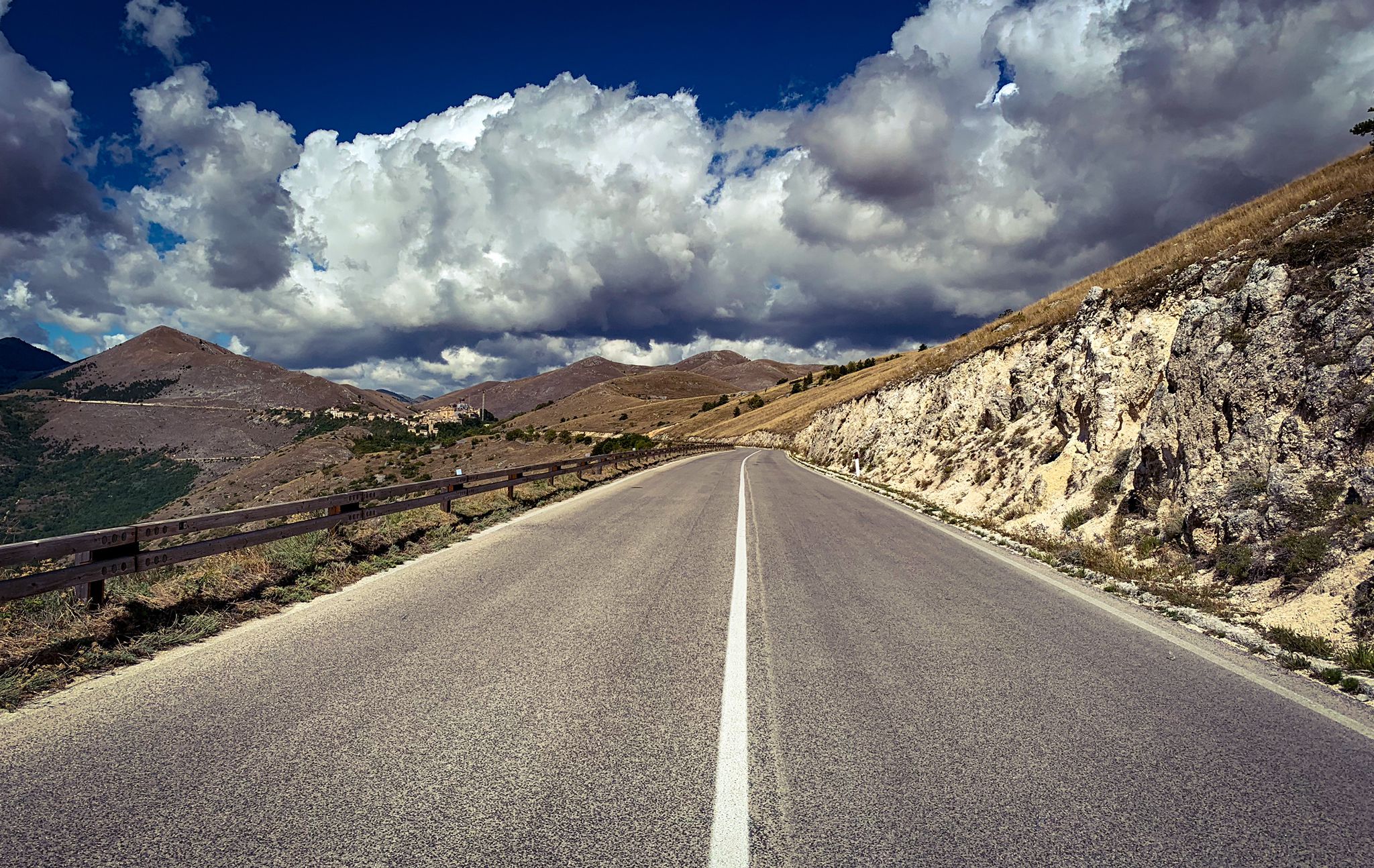
The Apennines to the Adriatic – cycling to discover Abruzzo
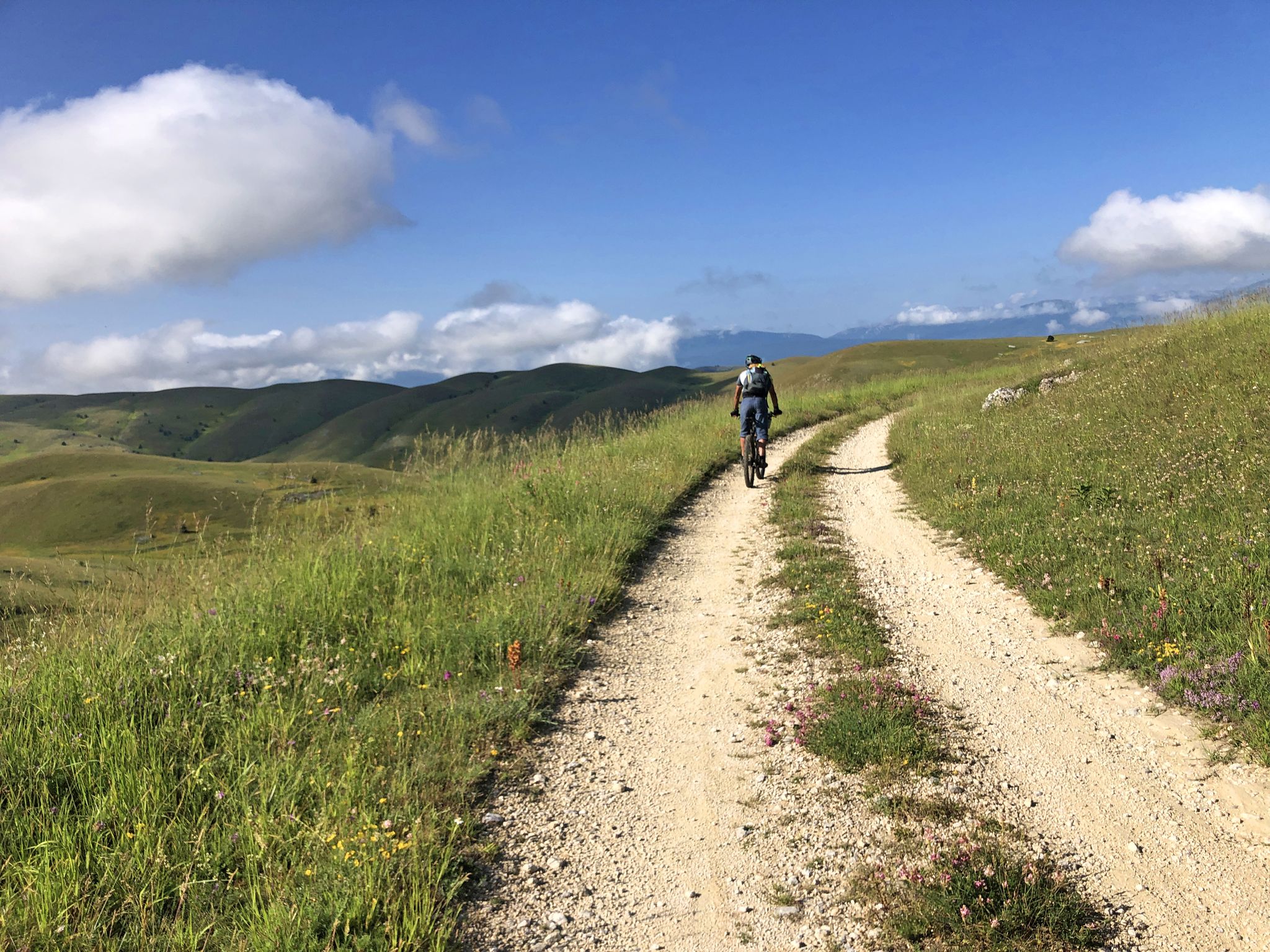
The Adriatic Sea to Gran Sasso – MAGS Abruzzo Trail 2023
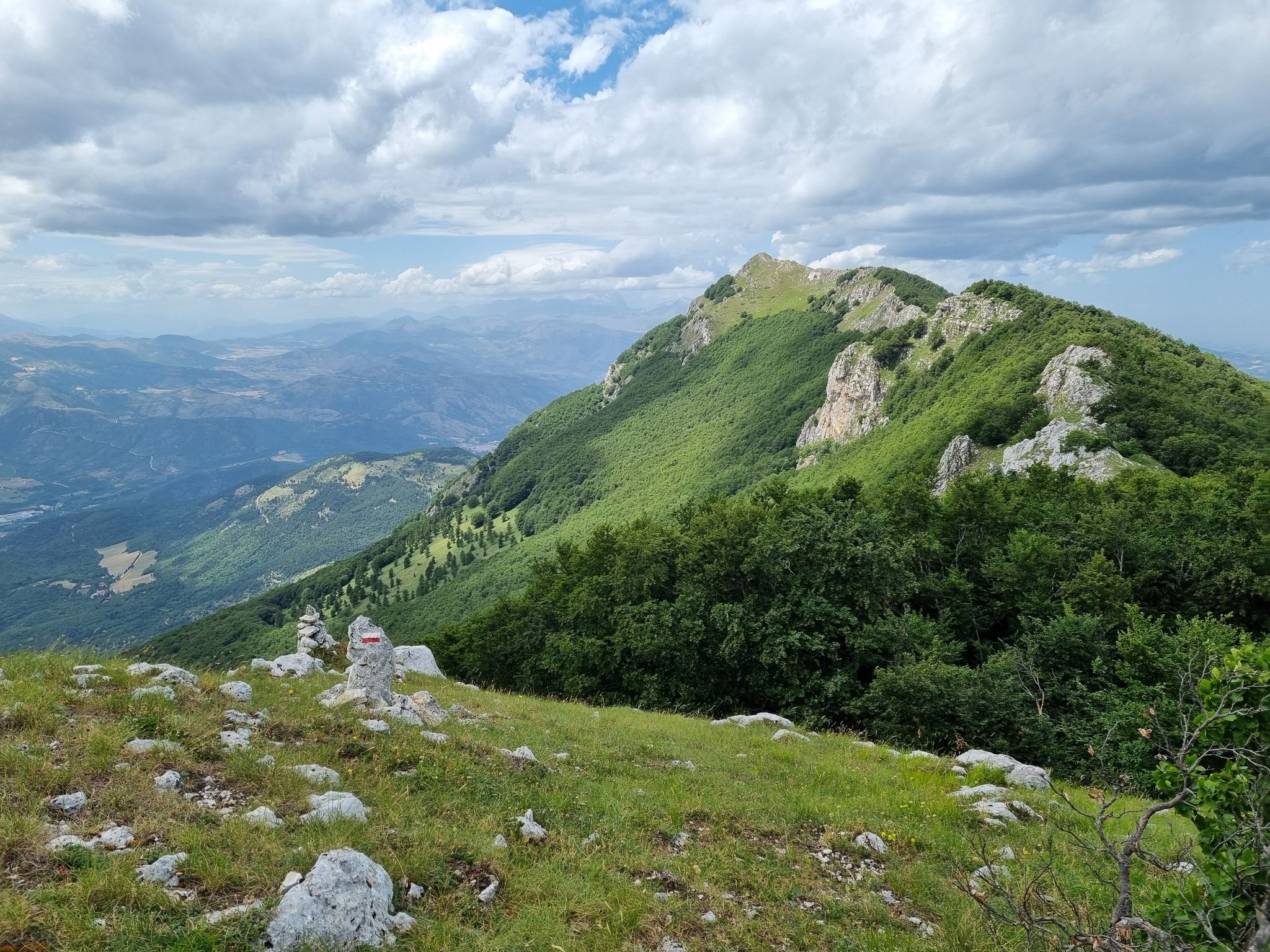
Through the green lungs of Abruzzo – Sentiero Italia
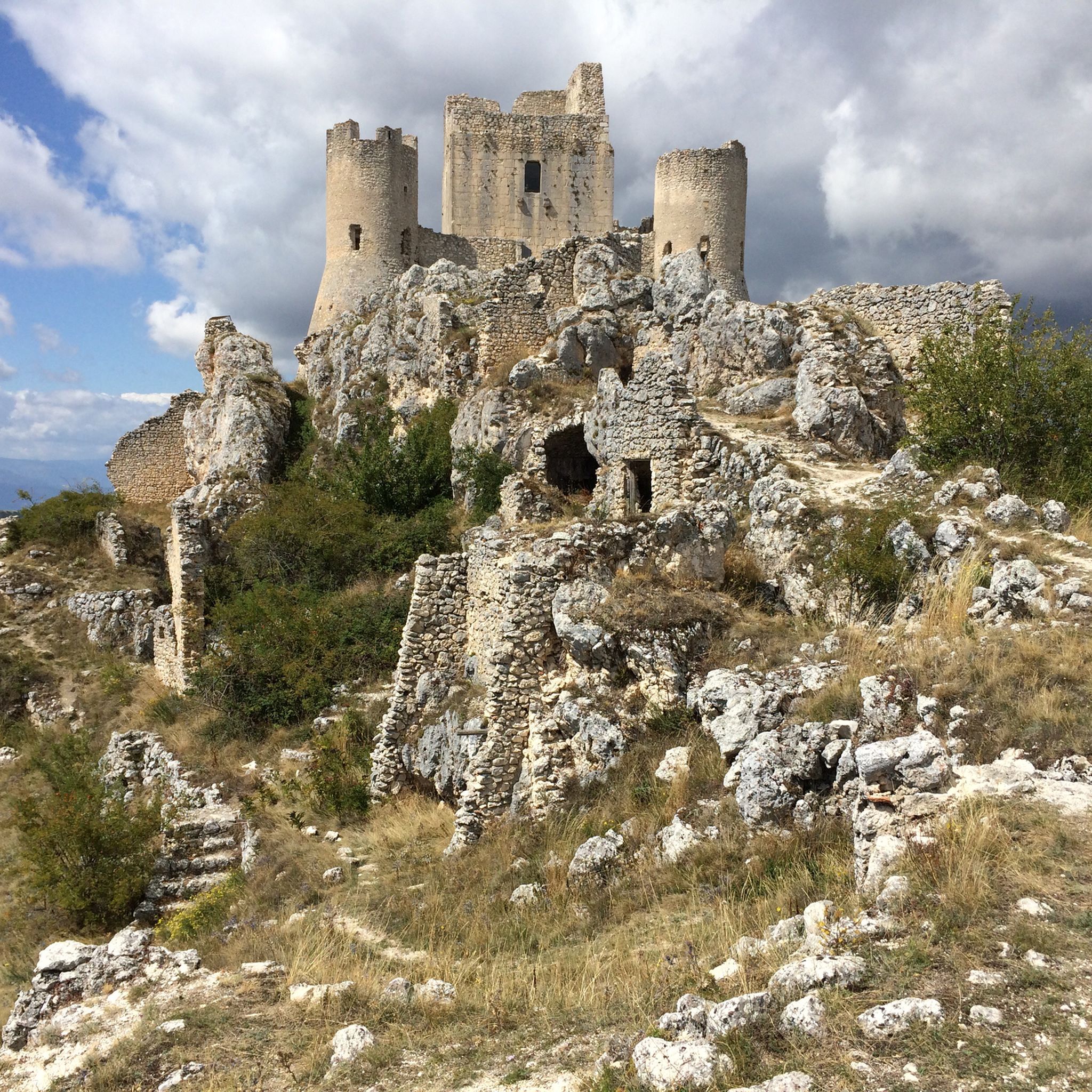
Hiking around Santo Stefano Di Sessanio
MTB Trails around Santo Stefano Di Sessanio
Running Trails around Santo Stefano Di Sessanio
Cycling around Santo Stefano Di Sessanio
Road Cycling Routes around Santo Stefano Di Sessanio
Mountain Hikes around Santo Stefano Di Sessanio

Gravel biking around Santo Stefano Di Sessanio
Other adventures around Santo Stefano Di Sessanio


Tips from the Community

The Funivia del Gran Sasso d'Italia (the cable car to Campo Imperatore) was originally opened in 1934 and was recently reopened on June 15, 2026, after a period of significant maintenance. The cable car connects the valley station in Fonte Cerreto (Assergi, at 1,117 meters) with the Campo Imperatore plateau (at 2,130 meters). The cable car to Campo Imperatore has a rich history. The first installation was built in 1934 during the reign of Benito Mussolini and was considered a technical masterpiece and one of the longest cable cars in the world at the time. It also played a role in the spectacular liberation of Mussolini during World War II. The original cabins remained in use until 1985. After a complete modernization, the current cable car was put into operation in 1988. With two cabins for 100 passengers each, it covers a distance of over 3 kilometers and an altitude difference of 1,013 meters in just seven minutes. Following extensive safety works, including the replacement of the support cables, the cable car has been fully operational again since June 2026. Opening hours: During the summer season (until the end of August 2026), the cable car to Campo Imperatore is open daily from 07:30 to 19:30. The cabins depart every 30 minutes. Please note that in case of strong winds or other extreme weather conditions, the cable car may be temporarily taken out of service to ensure the safety of travelers.
4
0
Campo Imperatore is one of Italy's most impressive natural areas. This vast, treeless high plain at an altitude of approximately 2,000 meters is not called 'Little Tibet' for nothing. Surrounded by the rugged peaks of the Gran Sasso massif, it offers a spectacular setting for hikers of all levels. From relaxed walks across the rolling plateau between grazing sheep and horses to challenging climbs of Monte Aquila, the Rifugio Duca degli Abruzzi, or even Corno Grande (2,912 m), the highest peak in the Apennines. Thanks to accessibility by car or cable car, you can start your hike right in the middle of the high mountains, with breathtaking panoramas along the way and a landscape that has served as a backdrop for countless films.
5
0
The Abruzzo Astronomical Observatory on Campo Imperatore, officially the Stazione Osservativa di Campo Imperatore, is one of Italy's most special observatories, located at an altitude of 2,150 meters. Since its opening in 1965, astronomers here have benefited from exceptionally clear nights. Thanks to a natural phenomenon, thermal inversion, clouds and artificial light often remain trapped in the valleys, making the night sky above the plateau remarkably dark and clear. Historical tidbit: one of the observatory's most important telescopes has a remarkable history. The AZT-24 infrared telescope was originally intended as a gift from Adolf Hitler to Benito Mussolini during World War II and was known as the "Mussolini telescope." However, due to the fall of the fascist regime, the telescope was never delivered. After the war, the instrument was taken by the Soviet Union to the Pulkovo Observatory. It wasn't until after the end of the Cold War that the telescope returned to Italy, where it finally found a permanent home on Campo Imperatore in 1997. The observatory also played an important role in modern astronomy. Between 2001 and 2004, during the CINEOS project, scientists discovered more than 1,500 new asteroids, including several so-called Near-Earth Objects that approach Earth's orbit. Thus, Campo Imperatore is not only one of the most beautiful places to stargaze but also a location that makes a significant contribution to the research of our solar system and the monitoring of potential space risks.
4
0
OPENING HOURS, always useful to know before you go up! Rifugio Duca degli Abruzzi is open daily for the summer season. The opening hours and seasons are arranged as follows: summer season (continuously open) Period: From June 15 to the end of September, the mountain hut is open non-stop every day. Daytime (kitchen/bar): You can usually go there from approx. 08:30 to 17:00 for drinks, snacks, and lunch. Overnight stay: If you have booked an overnight stay in advance, you can join for dinner in the evening. Autumn, Winter & Spring (limited opening) Period: from October to May. Days: The hut is then in principle only open on weekends (Friday evening to Sunday afternoon), provided the weather and snow conditions allow it safely. Closure: the hut often closes completely in the month of November due to the start of the heavy winter snowfall. Important to know: because the mountain hut is located at an altitude of almost 2400 meters, the opening hours are always dependent on the weather. In case of heavy storms, dense fog, or sudden snowfall, the hut may remain unexpectedly closed. Do you want to be sure whether the manager is present or do you want to book a place to sleep? Check the current status via the official CAI Booking Platform or contact the managers directly via +39 388 186 7703.
4
0
Rifugio Duca degli Abruzzi is located at an altitude of 2,388 meters on Monte Portella and is one of the most beautiful viewpoints in the Gran Sasso massif. The mountain hut, built in 1908 by the Italian Alpine Club (CAI), is named after the famous explorer and mountaineer Luigi Amedeo of Savoy. From the terrace, you can enjoy a spectacular 360° panorama over the Campo Imperatore plateau, the imposing Corno Grande – the highest peak in the Apennines at 2,912 meters – and the rugged Val Maone. The relatively short hike to the hut immediately offers a real high-mountain feeling and is an ideal stopover for lunch or an espresso, but also serves as a starting point for more challenging climbs. Historical fact: just below the mountain hut lies the Hotel Campo Imperatore, where Benito Mussolini was held captive in 1943. From this area, he looked out over the endless peaks of the Apennines until he was freed by a glider during the spectacular German rescue operation, Operation Oak. This combination of impressive nature, mountaineering history, and a remarkable chapter from World War II makes a visit to Rifugio Duca degli Abruzzi extra memorable.
4
0

small church in Abruzzo at 1400m
0
0

The Normal Route is a fairly simple route, except for the last 400 meters, the gully and the ridge, which, being EEA grade (expert equipped hikers), require considerable physical strength and technique. Mountaineering boots are also required, and a helmet is recommended. Since the ridge is also quite technical, it is absolutely not suitable for those with a fear of heights, the elderly, children, or anyone without mountaineering experience.
3
0

When walking around the Rocca Calascio you pass this little church, which is uniquely situated in the barren landscape of Abruzzo.
0
0
Frequently Asked Questions
What historical landmarks can I explore in Santo Stefano di Sessanio?
The village itself is a beautifully preserved medieval masterpiece. You can explore the historic center with its narrow, cobbled streets and arched passageways. Key landmarks include the partially restored Medici Tower, the 15th-century Casa del Capitano, and the Church of Santo Stefano Protomartire. Fortified gateways, such as the Porta Medicea, also mark the entrances to the historic core.
Are there any museums or cultural insights available in the village?
Yes, the Ethnographic Civic Museum (Museo Civico - Etnografico) is distributed across various exhibition venues throughout the historic center. It showcases ancient traditions of the region, including 'The oven of the dance,' 'The Ancient House,' 'The Work of the Fields,' 'The Art of Wool,' and 'Shepherding.' You can also find artisan shops demonstrating traditional crafts.
What natural attractions are there around Santo Stefano di Sessanio?
Santo Stefano di Sessanio is nestled within the stunning Gran Sasso e Monti della Laga National Park. The elevated position offers wide views across the surrounding peaks and valleys. A prominent natural feature is Campo Imperatore, a high mountain plateau often called the 'Little Tibet' of Italy, which is easily accessible and offers incredible landscapes and stargazing opportunities.
What kind of outdoor activities can I do near Santo Stefano di Sessanio?
The surrounding Gran Sasso e Monti della Laga National Park offers excellent opportunities for hiking and cycling. You can find various routes for touring bicycles, road cycling, and gravel biking. For example, there are routes like the 'Campo Imperatore Plateau – Campo Imperatore Plateau loop' or the 'Gran Sasso Plateau – Castel del Monte (Abruzzo) loop'. You can explore more options on the dedicated cycling guides: Cycling around Santo Stefano Di Sessanio, Road Cycling Routes around Santo Stefano Di Sessanio, and Gravel biking around Santo Stefano Di Sessanio.
Where can I find panoramic views of the Gran Sasso mountains?
The village's elevated position provides excellent panoramic views. For even more spectacular vistas, consider visiting the Rocca Calascio Castle, which offers sweeping views of the Apennines. The Monte Aquila Summit at 2,494 meters also provides breathtaking panoramic views of the Gran Sasso area.
Are there any challenging hikes for experienced trekkers?
Yes, for experienced trekkers, the area offers challenging routes. The Corno Grande Western Summit, the highest peak in the Apennines at 2,912 meters, is a challenging climb. The Duca degli Abruzzi Hut, located at 2,388 meters, can be reached via a challenging 4-hour crossing from Prati di Tivo, or an easier 40-minute walk from Campo Imperatore.
Are there family-friendly activities or attractions in the area?
While many hikes can be challenging, there are options for families. Exploring the historic center of Santo Stefano di Sessanio with its narrow streets and ancient buildings is a pleasant activity. The Our Lady of Pity church near Rocca Calascio is also considered family-friendly and offers a beautiful setting. The Ethnographic Civic Museum provides an engaging way for families to learn about local culture.
What local products or cuisine is Santo Stefano di Sessanio known for?
The village is famous for its lentils ('lenticchie di Santo Stefano di Sessanio'), a protected product grown in the surrounding highlands. You can also enjoy local specialties like sagnette with lamb sauce, chickpea and chestnut soup, and gnocchetti. Artisan shops offer local crafts, traditional textiles, truffles, saffron, honey, jams, salamis, and pecorino cheeses.
Can I visit other historic villages or sites nearby?
Absolutely. Just a short drive from Santo Stefano di Sessanio is Rocca Calascio Castle, a stunning medieval fortress offering panoramic views. Another significant site is Castel del Monte, a medieval and Renaissance village also within the Gran Sasso and Monti della Laga National Park, forming part of a historically rich mountain route.
What is the best time of year to visit Santo Stefano di Sessanio?
The village offers different experiences throughout the year. Summer is ideal for hiking and exploring the national park, including Campo Imperatore. The shoulder seasons (spring and autumn) provide pleasant weather for walking and fewer crowds. Winter offers a serene, snow-covered landscape, with nearby ski resorts attracting visitors, though some higher trails may be inaccessible.
How can I reach Santo Stefano di Sessanio?
Santo Stefano di Sessanio is located in the Gran Sasso e Monti della Laga National Park. The capital of Abruzzo, L'Aquila, is about 30 minutes away by car. While public transport options might be limited, driving is generally the most convenient way to access the village and explore the surrounding attractions.
Most popular routes around Santo Stefano Di Sessanio
Most popular attractions around Santo Stefano Di Sessanio

Get inspired with the komoot mobile app


Explore more
Still not found the Highlight you’re looking for? See guides of the top attractions in other regions:
