The best mountain hikes around Santo Stefano Di Sessanio
4.9
(75)
515
hikers
10
hikes
Mountaineering routes around Santo Stefano Di Sessanio are situated within a rugged, high-altitude environment, characterized by prominent peaks and expansive alpine landscapes. The region features challenging ascents and rocky terrain, typical of the Gran Sasso d'Italia massif. These routes often traverse open plateaus and lead to significant summits, providing a demanding experience for mountaineers.
Best mountaineering routes around Santo Stefano Di Sessanio
- The most popular mountaineering route is Campo Imperatore – Corno Grande loop from Campo Imperatore, a 6.7…
Last updated: October 8, 2026
4.9
(37)
260
hikers
10.7km
05:22
770m
770m
Hard mountaineering route. Very good fitness required. Sure-footedness, sturdy shoes and alpine experience required.
5.0
(1)
12
hikers
Moderate mountaineering route. Great for any fitness level. Mostly accessible paths. Sure-footedness required.

5.0
(1)
17
hikers
8.52km
03:36
410m
410m
Hard mountaineering route. Good fitness required. Sure-footedness, sturdy shoes and alpine experience required.
8
hikers
9.94km
04:04
530m
530m
Hard mountaineering route. Good fitness required. Sure-footedness, sturdy shoes and alpine experience required.
5.0
(1)
12
hikers
11.4km
05:51
550m
550m
Hard mountaineering route. Very good fitness required. Sure-footedness, sturdy shoes and alpine experience required.
Get access to more routes and recommendations from other explorers.
Already have an account?
Our route recommendations are based on thousands of hikes, rides, and runs completed by other people on komoot.
Start today with a free account
Your next adventure awaits.
Popular around Santo Stefano Di Sessanio
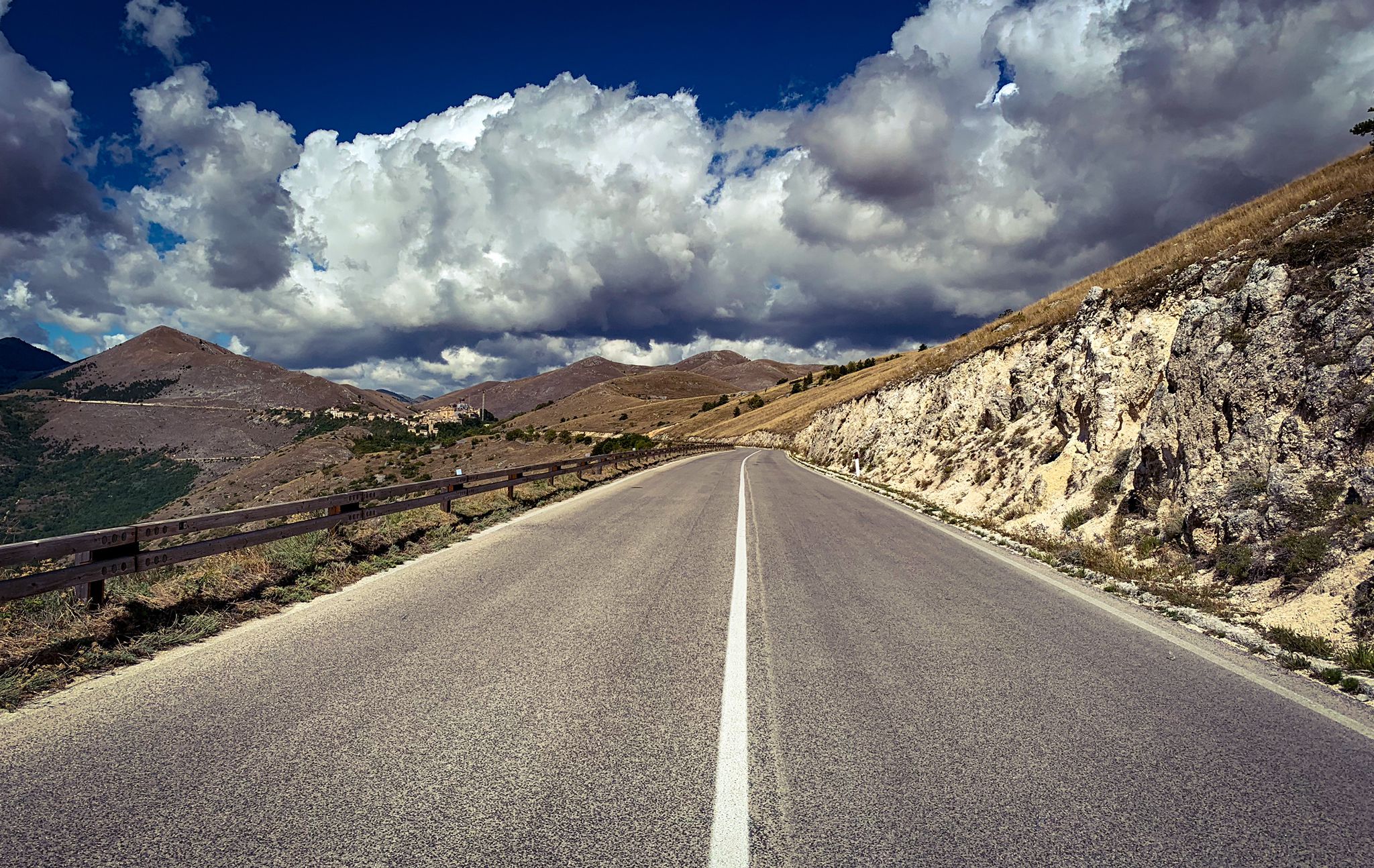
The Apennines to the Adriatic – cycling to discover Abruzzo
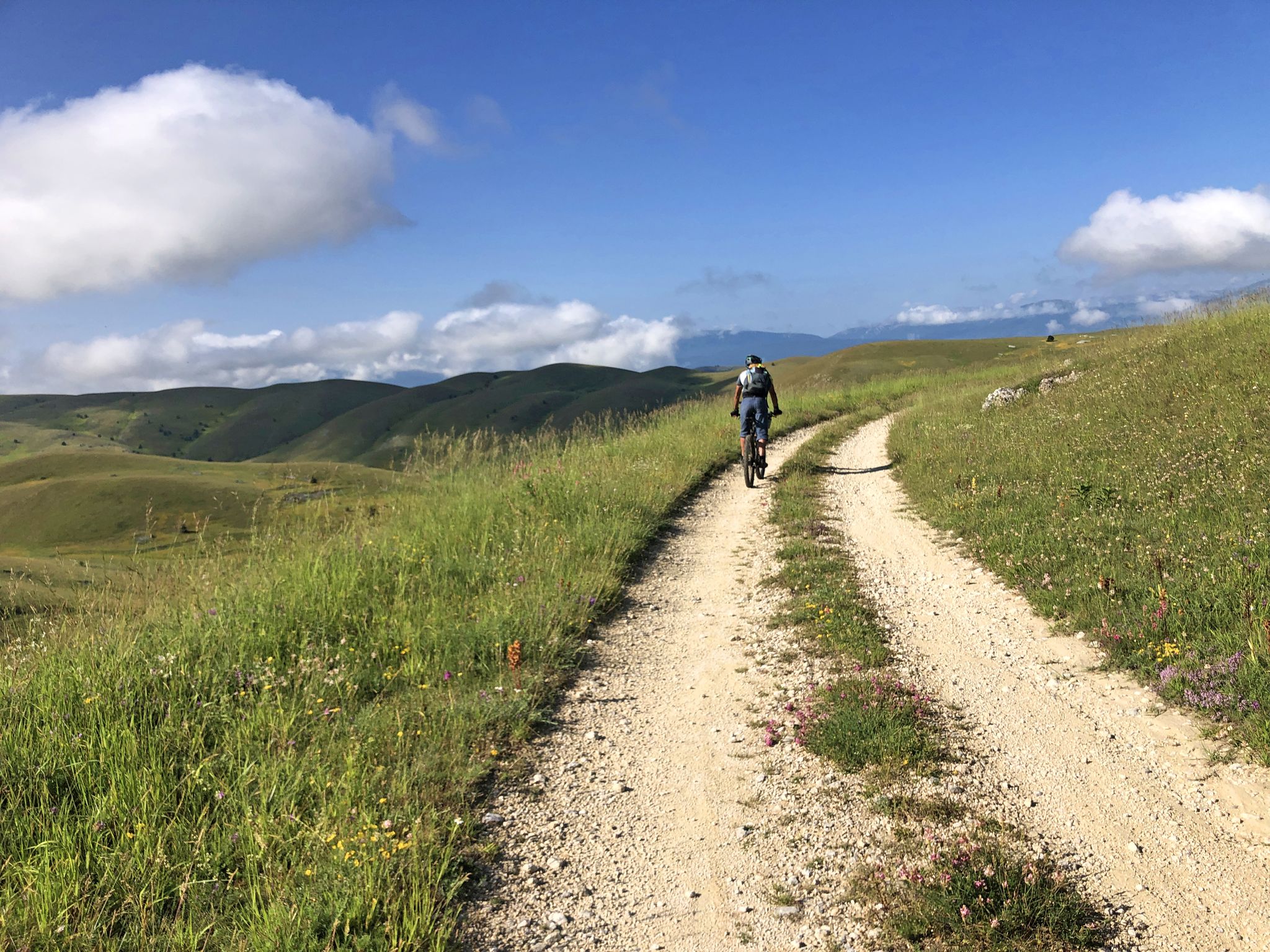
The Adriatic Sea to Gran Sasso – MAGS Abruzzo Trail 2023
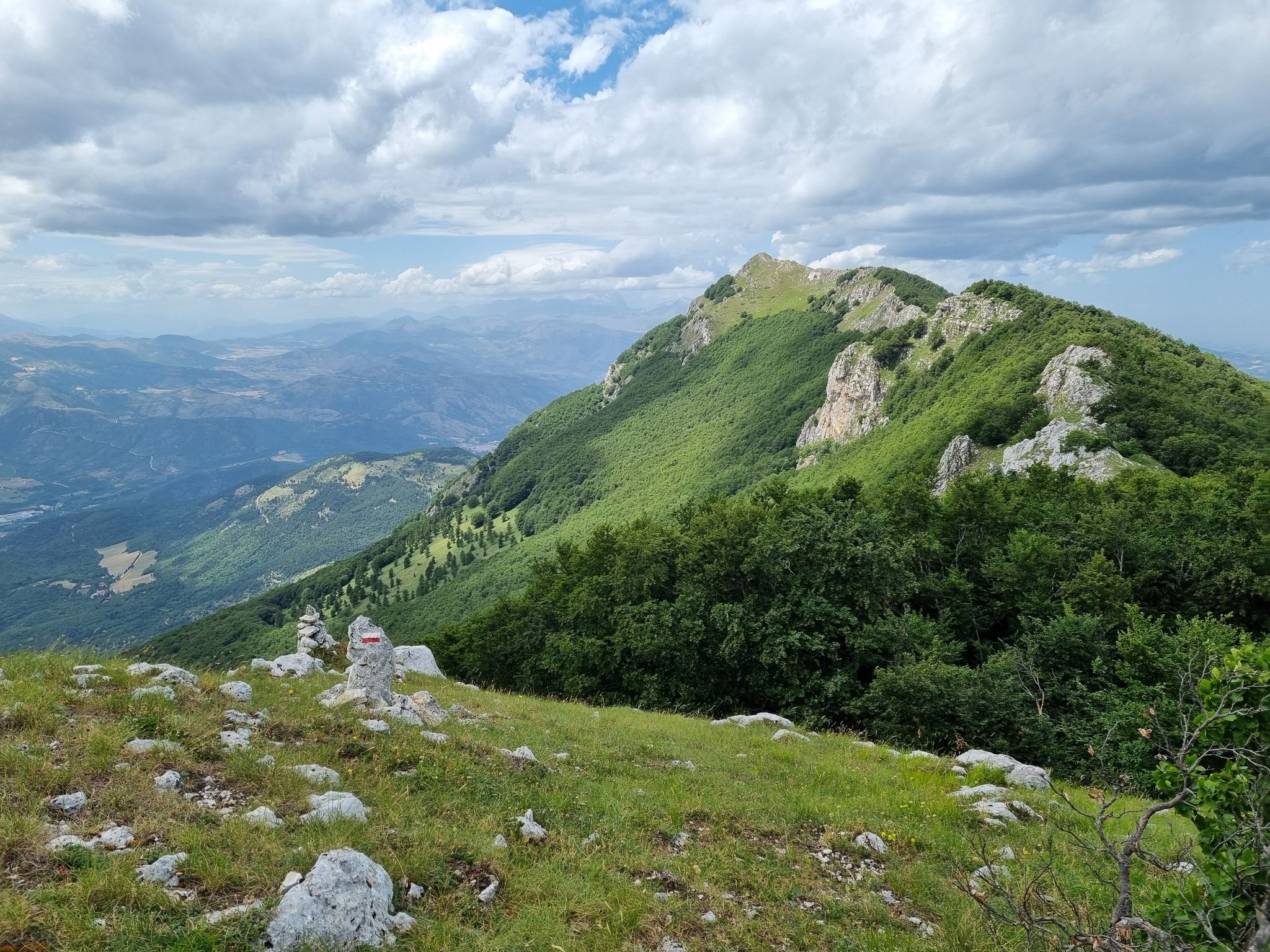
Through the green lungs of Abruzzo – Sentiero Italia
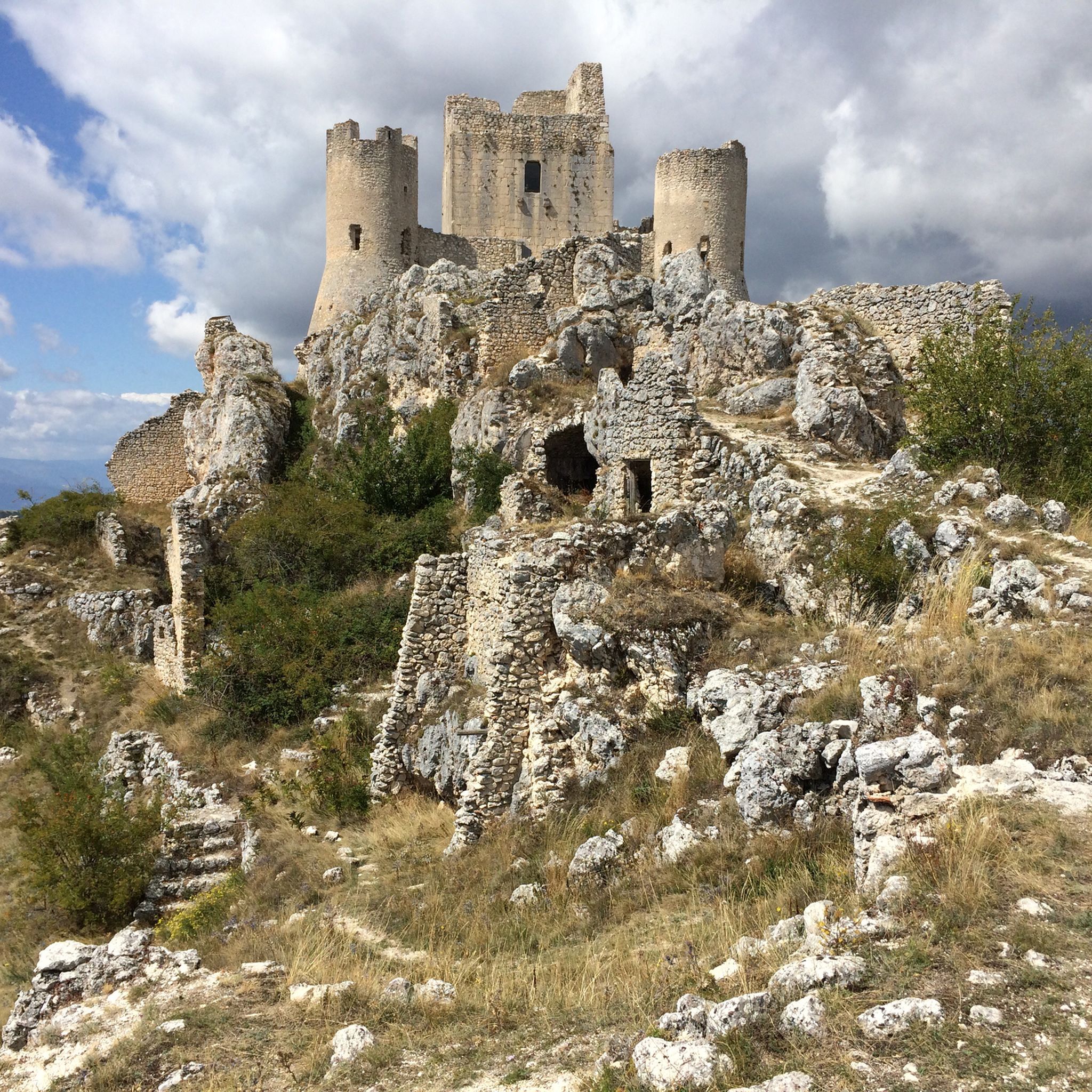
Hiking around Santo Stefano Di Sessanio
MTB Trails around Santo Stefano Di Sessanio
Running Trails around Santo Stefano Di Sessanio
Road Cycling Routes around Santo Stefano Di Sessanio
Cycling around Santo Stefano Di Sessanio

Gravel biking around Santo Stefano Di Sessanio
Other adventures around Santo Stefano Di Sessanio


Tips from the Community

A beautiful way to see the Aquilano and Teramano sides of Gran Sasso without too much effort
0
0
The summit is easily reachable from the hotel in Campo Imperatore or from Vado di Corno. Suitable for those approaching the world of high-altitude hiking.
0
0

The panoramas once you climb from Campo Imperatore are all majestic
0
0
Built there because the night sky from up there touches the heart and relaxes the spirit. In any case, a welcome sight when you descend :)
0
0

Campo Imperatore is an absolute must-see due to its otherworldly, vast mountain landscape, also known as 'Little Tibet' (Piccolo Tibet). It is one of the largest and highest plateaus in Europe (located at approx. 1,800 to 2,100 meters).
4
0
The endpoint by car is the large mountain square Piazzale di Campo Imperatore (2,130 meters). The breathtaking mountain road SS17bis leads you from the valley right up to the doors of the Hotel Campo Imperatore and the Astronomical Observatory. Why shouldn't you miss Campo Imperatore? Because here you are right in the middle of the high mountains without a strenuous climb. At an altitude of 2,130 meters, you are surrounded by impressive mountain peaks and begin one of the most beautiful hiking areas in the Apennines. The car journey there is an experience in itself: a winding road through the spectacular landscape of 'Little Tibet', where you often encounter horses, cows, and large flocks of sheep along the way. At the top, you will also find a unique mix of nature, history, and culture, with the historic hotel where Mussolini was imprisoned, the highest church in Italy, the astronomical observatory, and cozy food trucks where you can enjoy local specialties such as fresh pecorino and generously filled sandwiches.
5
0
The Funivia del Gran Sasso d'Italia (the cable car to Campo Imperatore) was originally opened in 1934 and was recently reopened on June 15, 2026, after a period of significant maintenance. The cable car connects the valley station in Fonte Cerreto (Assergi, at 1,117 meters) with the Campo Imperatore plateau (at 2,130 meters). The cable car to Campo Imperatore has a rich history. The first installation was built in 1934 during the reign of Benito Mussolini and was considered a technical masterpiece and one of the longest cable cars in the world at the time. It also played a role in the spectacular liberation of Mussolini during World War II. The original cabins remained in use until 1985. After a complete modernization, the current cable car was put into operation in 1988. With two cabins for 100 passengers each, it covers a distance of over 3 kilometers and an altitude difference of 1,013 meters in just seven minutes. Following extensive safety works, including the replacement of the support cables, the cable car has been fully operational again since June 2026. Opening hours: During the summer season (until the end of August 2026), the cable car to Campo Imperatore is open daily from 07:30 to 19:30. The cabins depart every 30 minutes. Please note that in case of strong winds or other extreme weather conditions, the cable car may be temporarily taken out of service to ensure the safety of travelers.
6
1
Campo Imperatore is one of Italy's most impressive natural areas. This vast, treeless high plain at an altitude of approximately 2,000 meters is not called 'Little Tibet' for nothing. Surrounded by the rugged peaks of the Gran Sasso massif, it offers a spectacular setting for hikers of all levels. From relaxed walks across the rolling plateau between grazing sheep and horses to challenging climbs of Monte Aquila, the Rifugio Duca degli Abruzzi, or even Corno Grande (2,912 m), the highest peak in the Apennines. Thanks to accessibility by car or cable car, you can start your hike right in the middle of the high mountains, with breathtaking panoramas along the way and a landscape that has served as a backdrop for countless films.
8
1
Frequently Asked Questions
What is the general difficulty level of mountaineering routes around Santo Stefano Di Sessanio?
The mountaineering routes in this region are generally challenging. All 12 routes listed are classified as difficult, featuring rugged, high-altitude terrain typical of the Gran Sasso d'Italia massif. They often involve significant ascents and rocky landscapes.
Are there any easy or beginner-friendly mountaineering routes in Santo Stefano Di Sessanio?
The mountaineering routes around Santo Stefano Di Sessanio are primarily designed for experienced mountaineers. All routes in this guide are rated as difficult, characterized by challenging ascents and rocky terrain. There are no easy or moderate mountaineering options listed in this specific guide.
How long do mountaineering trails around Santo Stefano Di Sessanio typically take to complete?
The duration of mountaineering trails varies depending on the specific route and your pace. For example, the Campo Imperatore – Corno Grande loop from Campo Imperatore is a 6.7-mile (10.7 km) trail that typically takes around 5 hours 21 minutes. A shorter option, the Campo Imperatore – Rifugio Duca degli Abruzzi loop from Campo Imperatore, is 2.7 miles (4.4 km) and can be completed in about 1 hour 48 minutes.
Are there circular mountaineering routes available in the Santo Stefano Di Sessanio area?
Yes, many of the mountaineering routes around Santo Stefano Di Sessanio are circular, allowing you to return to your starting point without retracing your steps. Examples include the Campo Imperatore – Corno Grande loop from Campo Imperatore and the Campo Imperatore – Pizzo Cefalone loop from Campo Imperatore.
What is the best time of year for mountaineering in Santo Stefano Di Sessanio?
The best time for mountaineering in the Gran Sasso d'Italia massif, where Santo Stefano Di Sessanio is located, is typically during the late spring, summer, and early autumn months (June to September). During these periods, snow has usually melted from higher elevations, and weather conditions are generally more stable, though alpine weather can change rapidly.
What are the considerations for winter mountaineering in Santo Stefano Di Sessanio?
Winter mountaineering in Santo Stefano Di Sessanio is possible but requires significant experience, specialized equipment (such as crampons, ice axes, and avalanche safety gear), and a thorough understanding of avalanche risk. The region experiences heavy snowfall and harsh conditions, making routes considerably more challenging and dangerous. It is advisable to consult local guides and current weather/snowpack reports before attempting winter ascents.
Is parking available for mountaineering routes near Santo Stefano Di Sessanio?
Parking is generally available at common starting points for mountaineering routes, such as Campo Imperatore. Specific parking details can often be found on individual route pages or by checking local information for the Gran Sasso e Monti della Laga National Park.
Are permits required for mountaineering in Santo Stefano Di Sessanio?
Generally, permits are not required for day mountaineering trips within the Gran Sasso e Monti della Laga National Park. However, it's always recommended to check the latest regulations from the park authority, especially if planning multi-day expeditions or specific activities that might have different rules.
What do other mountaineers enjoy most about the routes in Santo Stefano Di Sessanio?
The mountaineering routes in Santo Stefano Di Sessanio are highly regarded by the komoot community, boasting an average rating of 4.9 stars from over 50 reviews. Mountaineers frequently praise the challenging ascents, the rugged beauty of the Gran Sasso d'Italia massif, and the expansive panoramic views from the high-altitude plateaus and summits.
Are there any cafes or refreshment spots near the mountaineering trails?
Yes, areas like Campo Imperatore, a common starting point for many routes, often have facilities such as mountain huts (rifugi) or small cafes, especially during the peak season. For example, the Campo Imperatore – Rifugio Duca degli Abruzzi loop from Campo Imperatore leads directly to a mountain hut where refreshments may be available.
Can I bring my dog on the mountaineering trails around Santo Stefano Di Sessanio?
While dogs are generally allowed on trails within the Gran Sasso e Monti della Laga National Park, it is crucial to keep them on a leash to protect wildlife and ensure their safety on challenging terrain. Always check specific park regulations and be mindful of other hikers and livestock. The rugged and rocky nature of these mountaineering routes may also be demanding for some dogs.
Are there any hidden gem mountaineering routes in the area that are less frequented?
While many routes in the Gran Sasso are popular, you can find less frequented paths by exploring options beyond the most well-known summits. For example, the Corno Pass – Mount Brancastello loop from Monte Aquila offers a challenging experience through alpine landscapes that might be less crowded than the Corno Grande itself, providing a sense of discovery.
Most popular routes around Santo Stefano Di Sessanio
Most popular attractions around Santo Stefano Di Sessanio

Get inspired with the komoot mobile app


Explore more
Browse the best Mountain Hikes & Routes in other regions.
