Attractions and Places To See around Castropignano - Top 20
Attractions and places to see around Castropignano offer a blend of historical landmarks, cultural sites, and natural surroundings in the Molise region of Italy. The village is known for its elevated position, providing panoramic views of the Biferno River Valley. Its historic center features narrow streets and houses built into a rockface, reflecting its authentic character. Traces of ancient Samnite walls and Roman villa ruins also contribute to the area's historical depth.
Best attractions and places to see around Castropignano
…Last updated: August 25, 2026
Campobasso Historic Center
Highlight • Historical Site
Translated by Google •
Tip by

Bagnoli del Trigno
Highlight • Settlement
Translated by Google •
Tip by
Sign up now to discover places like this
Get recommendations on the best single tracks, peaks, & plenty of other exciting outdoor places.
Sign up for free
Frosolone – The Village of Knives
Highlight • Settlement
Translated by Google •
Tip by

Church of San Giorgio of Campobasso
Highlight • Religious Site
Translated by Google •
Tip by

Monforte Castle
Highlight • Castle
Translated by Google •
Tip by
Sign up for free to discover even more attractions around Castropignano.
Sign up for free
Already have an account?
Start today with a free account
Your next adventure awaits.
Login or Signup
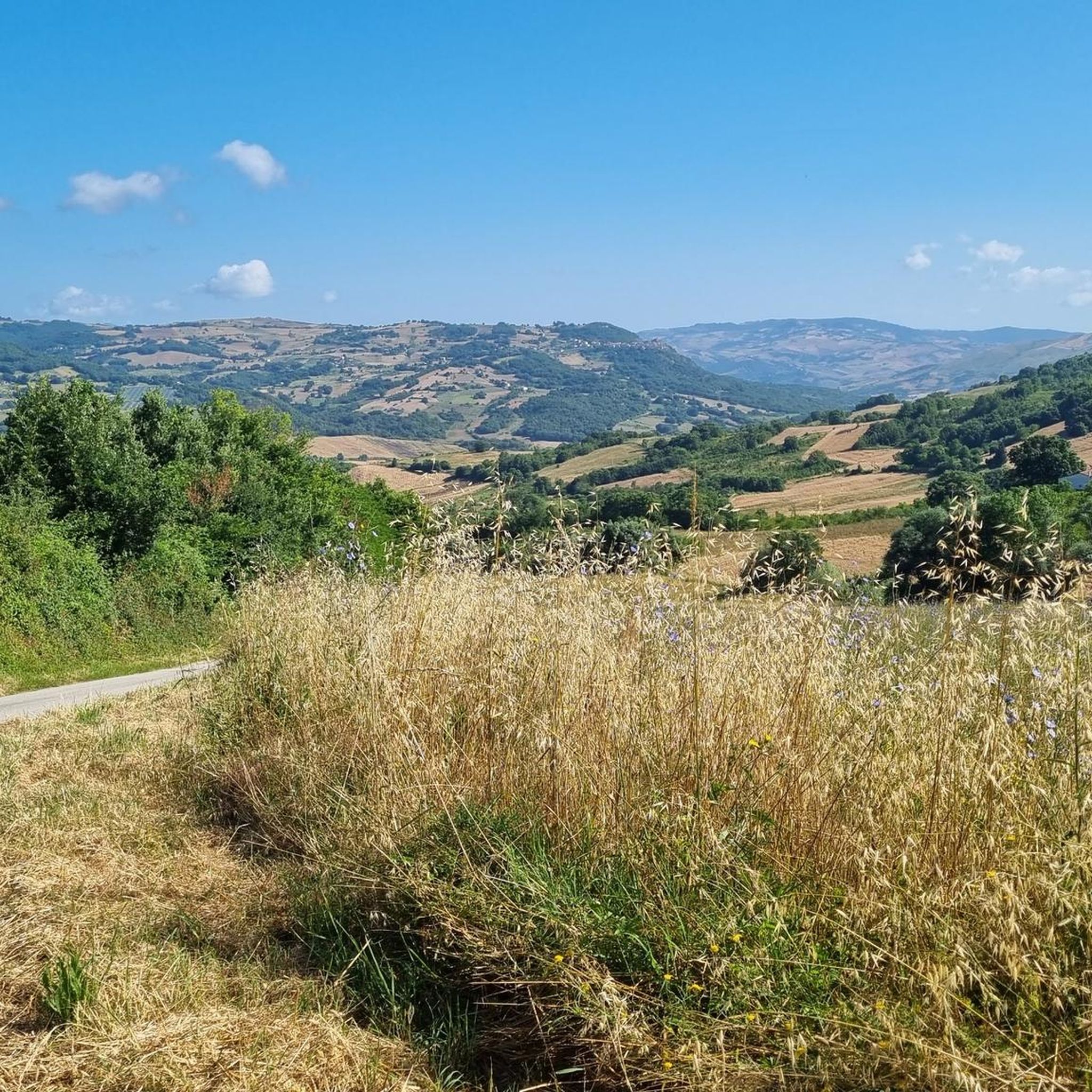
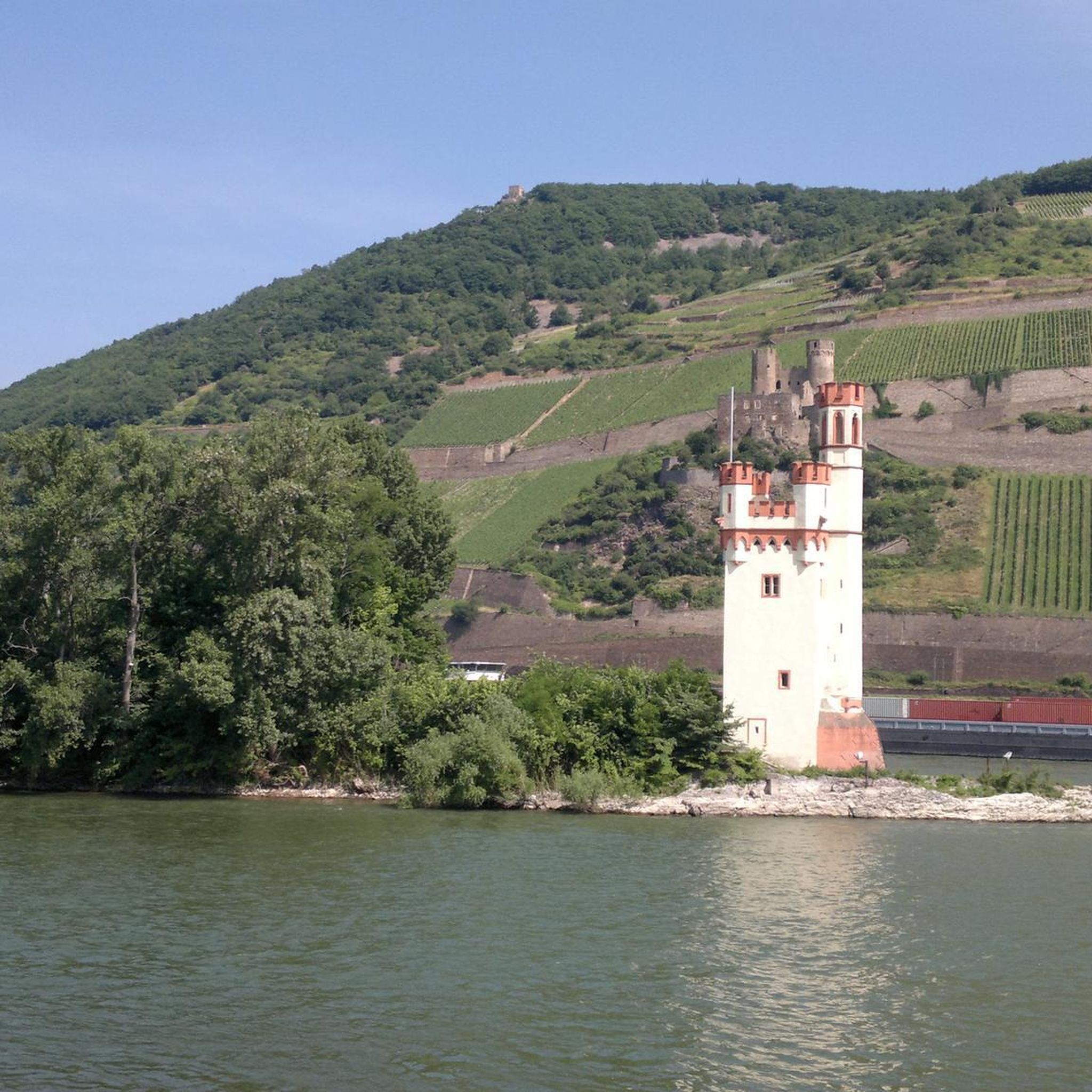
Other adventures around Castropignano

Tips from the Community

The historic center is beautiful and rises up to the Monforte castle.
0
0

Almost nothing is reliably known about the life of Saint George, to whom the church of Campobasso was dedicated, but the veneration of his person goes back to early Christianity. A martyr identified with George is said to have lived in the third century. However, the legend of St. George as a dragon slayer is well known and widespread; he is usually depicted - in paintings or as a statue - as the conqueror of the monster, often as a knight on horseback. The memorial day of the very popular George - he is, among other things, patron of the English kingdom - in the calendar of saints is April 23rd.
0
0

Campobasso is the capital of the Molise Region, an Apennine town full of greenery where there is no shortage of places to visit. The historic center contains the main tourist attractions, a visit by bike is not very feasible due to the stairways typical of the ancient villages of central Italy, but the distances are very short so it is possible to move around easily on foot. Despite this, among the various places the Monforte Castle stands out, reachable by bike from a completely asphalted climb. Worthy of note are the Sannitico Provincial Museum and the Museum of the Mysteries, the latter preserves throughout the year the "Mysteries" or processional machines, allegorical-religious scenic structures that allow figures to parade and be carried on their shoulders through the streets of city on Corpus Domini Sunday. The city offers fine public fountains where you can stop for a break and then leave again. Leaving the city it is easy to reach other small villages within a few kilometers while enjoying the hilly panorama that connects the various centres.
0
0

Frosolone (Frescëlonë in Molise, Frusëlónë in Frosolonese dialect) is an Italian municipality of 2,797 inhabitants in the province of Isernia in Molise. The hypotheses which derive the name Frosolone from the Frosone, which some identify as the bird present in the municipal banner, must be considered Paretymologies, as well as that which associates it with an unidentified Samnite settlement cited by Livy, Fresilia and that according to which Frosolone it would have been founded by Benedictine monks coming from Frosinone, who would therefore have called the new settlement with the name of their place of origin. Before the Roman age the area was inhabited by Samnite populations, as evidenced by the presence of polygonal megalithic wall enclosures, visible on the mountain above the town, in the Civitelle area. These remains belong to what is defined as a high-altitude settlement: a fortified settlement of not very large dimensions, probably intended to be inhabited only in certain periods of the year, with generically defensive functions. As with many other centers in Molise, the medieval phase of the town ended drastically with the earthquake of 1456: according to what Antonino Pierozzi reports in his Chronicon, Frosolone was totally razed to the ground and there were 317 victims[16]; this information was then taken up by various authors, including Giovanni Antonio Summonte, who recalls how the town "largely fell, with the death of 318 people". There are regular testimonies of Frosolone starting from the Spanish period; in this era it went through an intense phase of development: together with Agnone and Trivento it hosted one of the three bishop's residences of the diocese. There is also a war fortification, which concerns very few centers in Molise, with the construction of an armed ravel in the area where today stands the so-called loggia dei pezzenti, the space known as Largo XX Settembre. In the early years of the 19th century, Frosolone was one of the most populous inhabited centers in the Molise countryside: in the same period in which it was close to 4,000 inhabitants, Agnone had around 7,500, Boiano around 3,500, Campobasso around 5,500, Isernia around 6,900. The 1805 earthquake imposed a major setback in the country's development; this second catastrophe seems to have had an equally disastrous outcome as that of 1456: sources of the time define it as "almost entirely adequate for the ground", and report a figure (how reliable it is not known) of a thousand deaths and 46 injuries out of a population of 4,000 souls. Source: Wikipedia
0
0

Campobasso, a city rich in history and culture.
11
0

The church of San Giorgio is the oldest church in Campobasso and according to some the oldest in the entire province, and is also the church dedicated to the city's patron saint.
13
0

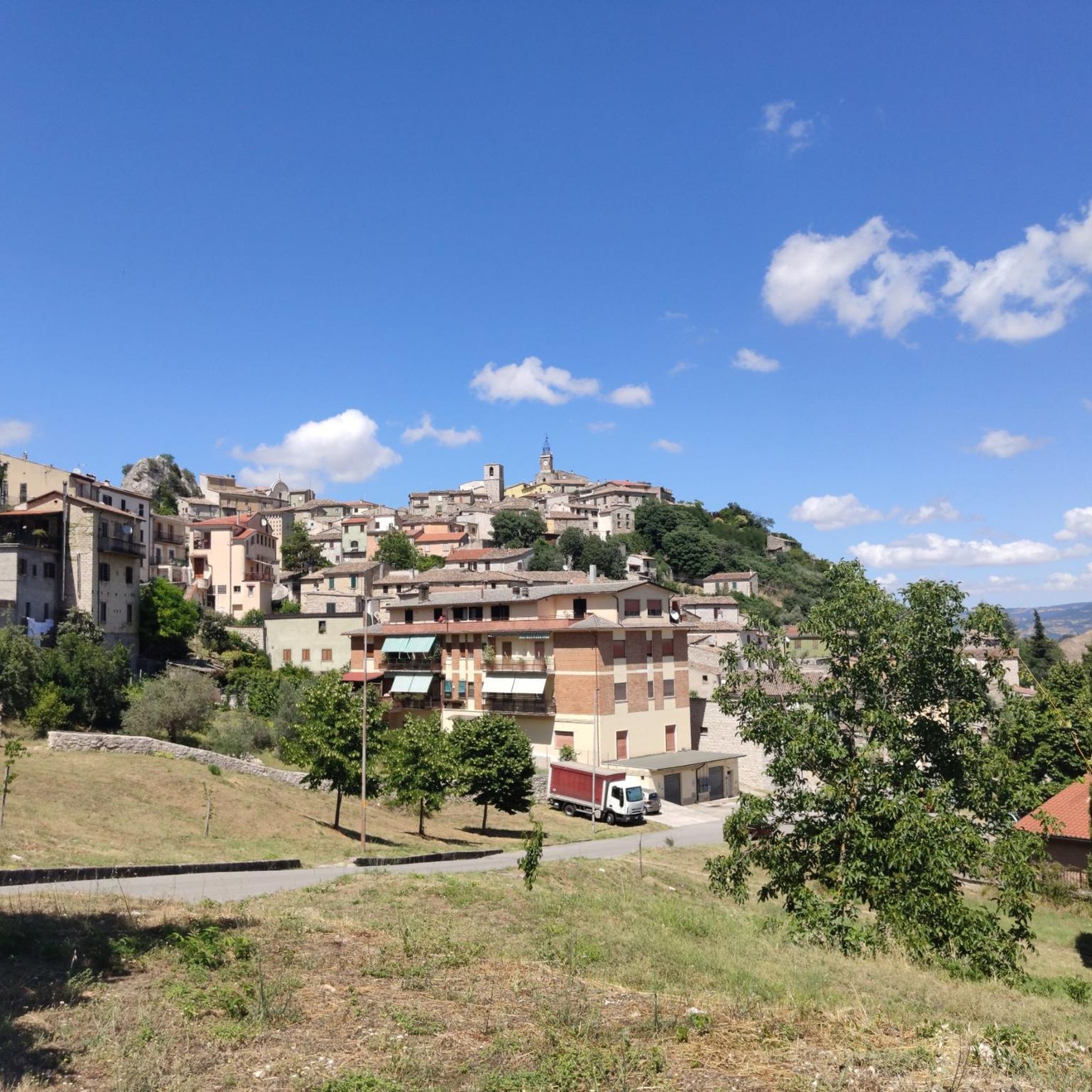
Country located on a hill and built on different heights. The city is in fact divided into an "Above" and a "Below".
1
0
Capital and most important and populous city of Molise. Its symbol, which stands out over the city, is the Monforte Castle.
1
0
Frequently Asked Questions
What historical sites can I explore in and around Castropignano?
Castropignano is rich in history. You can visit the recently restored Evoli Castle, dating back to the mid-14th century, which offers a glimpse into the town's past. The Historic Center itself is a labyrinth of narrow streets and stone stairways, with houses built into the sheer rockface. Traces of ancient Samnite walls from the 4th century BC can be found on the mountain above the town in the Civitelle area, and ruins of Roman villas are also in the vicinity. Further afield, explore the Campobasso Historic Center, home to the Monforte Castle and the Church of San Giorgio of Campobasso.
Are there any notable religious buildings to visit in the area?
Yes, Castropignano features several historically significant churches. The Church of San Salvatore boasts a beautiful 14th-century Romanesque portal and a rare Gothic portal. You can also admire the Renaissance portal and gilded bas-reliefs at the Church of Our Lady of Grace. Additionally, the Church of San Nicola contributes to the town's architectural heritage. In Campobasso, the Church of San Giorgio is the oldest church in the city and is dedicated to its patron saint.
What kind of views can I expect around Castropignano?
Castropignano is known as the 'Balcony Over The Biferno River Valley' due to its elevated position. This offers breathtaking panoramic views of the surrounding towns and hillsides. The Monforte Castle in Campobasso, perched on the city's highest point, also provides a suggestive panorama. The village of Bagnoli del Trigno, built on a hilly relief, offers unique architectural views.
What outdoor activities can I do near Castropignano?
The region around Castropignano is ideal for outdoor enthusiasts. You can find various cycling and hiking opportunities. For cycling, explore routes like the 'Monument to Gabriele Pepe – Campobasso Historic Center loop from Busso' or the 'Biferno River – Castropignano loop from Fossalto'. Hikers can enjoy trails such as 'At Castello Monforte di Campobasso – loop from the train station' or 'Bosco Faiete in the Snow loop'. For more detailed routes and options, check out the guides for Cycling around Castropignano, Road Cycling Routes around Castropignano, and Hiking around Castropignano.
Are there any unique villages or settlements to visit nearby?
Absolutely. Beyond Castropignano's own charming historic center, you can visit Bagnoli del Trigno, a village built on a hilly relief and divided into 'Above' and 'Below' sections, offering a unique architectural experience. Another interesting settlement is Frosolone – The Village of Knives, known for its historical significance and traditional craftsmanship.
What is the best way to experience the authentic character of Castropignano?
To truly experience Castropignano's authentic character, spend time exploring its Historic Center. Wander through the narrow streets and stone stairways, where houses are built directly into the rockface. This area provides a genuine glimpse into the town's past and its unique architectural heritage.
What is the significance of the Evoli Castle?
The Evoli Castle is Castropignano's most prominent landmark, dating back to the mid-14th century. It was owned by the Evoli family for centuries and is now a recently restored ruin open to visitors. The castle, once a residential palace, features the Evoli family's coat of arms and is surrounded by local legends, including the tale of Fata, a beautiful shepherdess.
Are there any ancient Roman ruins in the Castropignano area?
Yes, the influence of the Roman era is present with the ruins of two Roman villas discovered in the vicinity of Castropignano. Additionally, you can find the remains of the 'Fonte della Canala,' a Roman-era fountain, indicating the historical depth of the area.
What is Roccaspromonte and what does it offer?
Roccaspromonte is a small fraction of Castropignano located nearby. It offers its own charm with narrow streets and panoramic views. Visitors can also explore ancient churches and sanctuaries within Roccaspromonte, such as the Church of Santa Maria della Pietà and the Sanctuary of Madonna del Peschio.
What is the historical context of the Biferno Valley?
Castropignano is strategically located overlooking the Biferno Valley. This area was historically significant as part of a sheep track used for transhumance, the seasonal movement of livestock. The valley's natural beauty and historical use make it an integral part of the region's heritage.
What are some of the unique features of the churches in Castropignano?
The churches in Castropignano boast unique historical and architectural features. The Church of San Salvatore is notable for its beautiful 14th-century Romanesque portal, a holy water stoup from the same era, and a rare Gothic portal. The Church of Our Lady of Grace features a Renaissance portal and gilded bas-reliefs on its counter-façade, along with Neo-Renaissance elements and gilded frescoes.
Most popular attractions around Castropignano

Get inspired with the komoot mobile app


Explore more
Still not found the Highlight you’re looking for? See guides of the top attractions in other regions:
