Attractions and Places To See around Caianello - Top 20
Best attractions and places to see around Caianello include a variety of historical sites, natural monuments, and cultural settlements. Located near the Roccamonfina-Foce Garigliano Regional Park, the area offers diverse landscapes shaped by the extinct Roccamonfina volcano. Visitors can explore ancient Roman roads, charming town centers, and natural features like waterfalls. The region provides opportunities to discover both man-made structures and natural beauty.
Best attractions and places to see around Caianello
- The most popular attractions is Sundial and Wooden Sculptures…
Last updated: July 1, 2026
Sundial and Wooden Sculptures in Piazza Nicola Amore, Roccamonfina
Highlight • Monument
Translated by Google •
Tip by

Orto della Regina Megalithic Walls
Highlight • Historical Site
Translated by Google •
Tip by

Sign up now to discover places like this
Get recommendations on the best single tracks, peaks, & plenty of other exciting outdoor places.
Sign up for free
Sanctuary of Most Holy Mary of the Lattani
Highlight • Religious Site
Translated by Google •
Tip by
Conca della Campania Waterfall
Highlight • Waterfall
Translated by Google •
Tip by

Bocchetta di Croce
Highlight • Settlement
Translated by Google •
Tip by
Sign up for free to discover even more attractions around Caianello.
Sign up for free
Already have an account?
Start today with a free account
Your next adventure awaits.
Login or Signup

Tips from the Community

Walls of the Queen's Garden
0
0

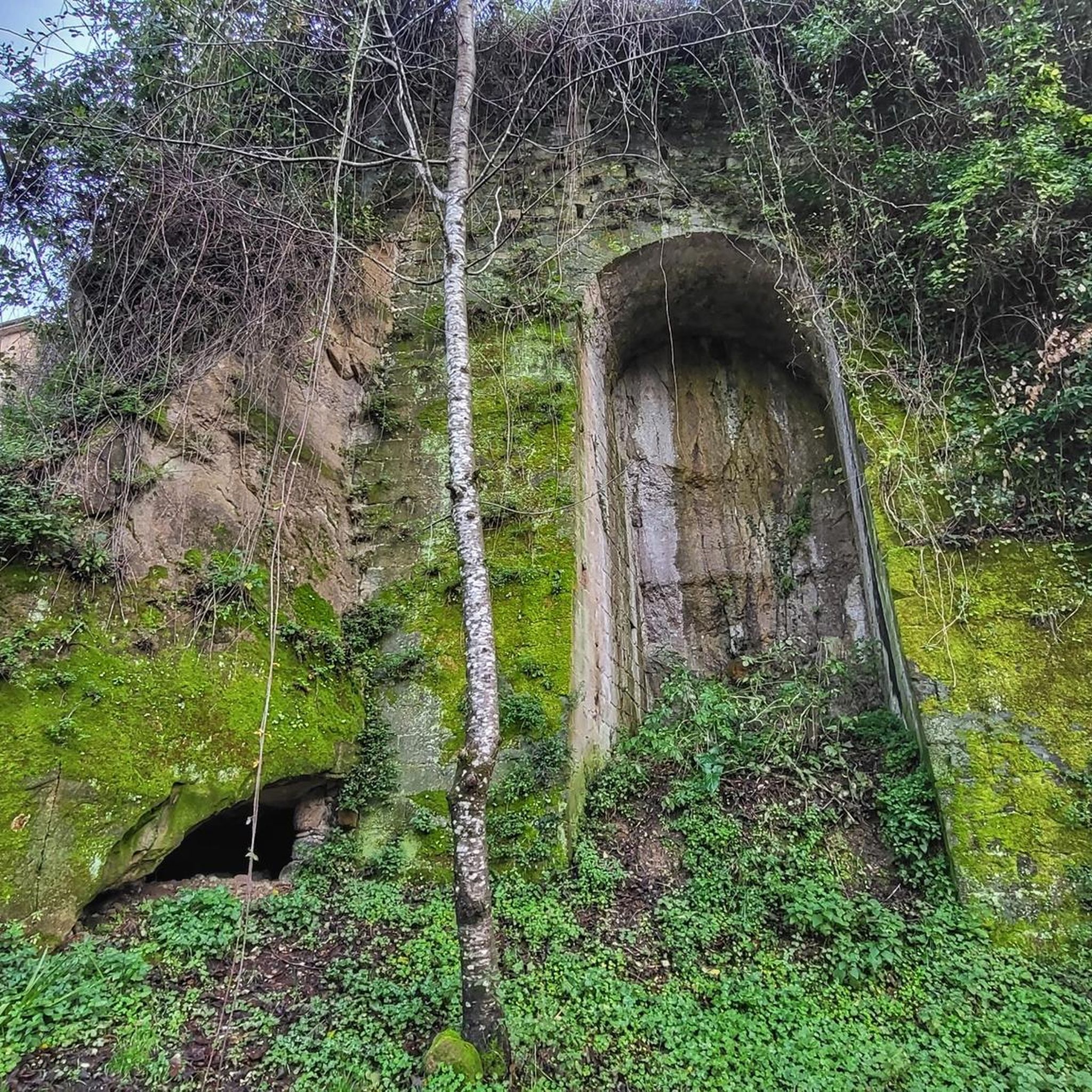
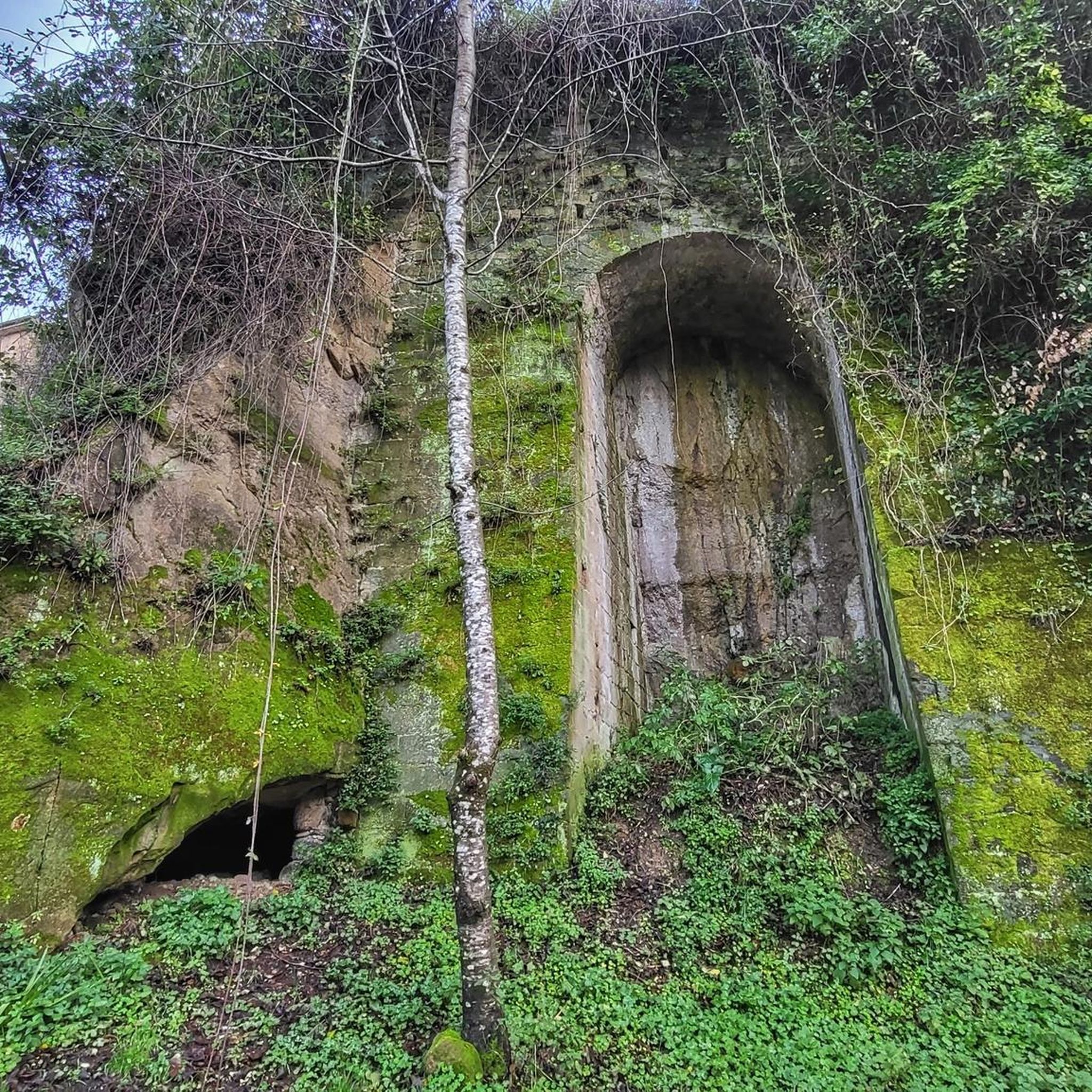
The Garden of the Queen is a short path, easily accessible with children and offers the thrill of discovering a place shrouded in mystery. The path starts immediately uphill but is very short (about 800 meters to the destination), for where the difficulty level is really low. You know you're on the right path because there are fences that accompany you and the climb is made easier by steps made from tree trunks. A few meters later, there it was, in the middle of the forest surrounded by trees and covered in green moss. A large wall, made of enormous trachyte boulders, which extends for a perimeter of approximately 250 metres. How many millennia have passed since man laid the first stone here? It is not known, it is thought that the walls were built around the 5th century BC, evidence of the presence of man in very ancient times in this area. It is not even clear what the function was: some speak of a temple dedicated to a divinity from the pre-Roman epic, while others assume it was a military post which had the function of controlling the border areas. Even the name "garden" suggests one of these two hypotheses: "hortus" means enclosure (used in a military sense), or it can also be understood as a sacred place.
1
0
The sanctuary was founded in 1430[1] by Saint Bernardino of Siena and Saint Giacomo della Marca, who had arrived there following the news of the discovery of a statue of the Virgin in the same or previous year[2]. A first rural chapel was built, then a first church, shortly afterwards enlarged in its current form between 1448 and 1507 This event has taken on a legendary character in popular tradition. In fact it is said that, towards the end of 1300, a shepherd boy who took his goats to graze along that mountain noticed a curious fact: every day, one of the goats moved away from its companions and in the evening it was the one that gave the most milk. Intrigued, one day he decided to follow her. He was thus led in front of a cave where the goat stopped to graze on lush grass. The shepherd decided to enter it and found a trunk. He immediately thought he had found a treasure, but had to retreat when he realized that the chest was guarded by a snake with two keys in its mouth. Frightened, he went to town to call for reinforcements. Relatives and friends rushed to the cave, and when the reptile gave them the keys, the trunk was opened revealing its treasure: the icon of the Blessed Virgin in lava stone. The Grotto can still be visited next to the church Inside there is a magnificent rectangular cloister with pointed arches supported by small columns
0
0

beautiful in this season for the flowering gorse
0
0

Stone structure with a dominant view over the entire territory.
0
0

Rocchetta e Croce is a small town in the province of Caserta, its name derives from the medieval castle built on a natural rock, and from the church of the Holy Cross, built in the fifteenth century. Thanks to its position you can enjoy the panorama towards the Aurunci Mountains and the surrounding hills.
1
0
Roccamonfina is a municipality about 40 kilometers from Caserta, the gateway to the Roccamonfina-Foce Garigliano Regional Park. In addition to the park's attractions, the collegiate church of Santa Maria Maggiore of medieval origin is worth a visit in the village.
2
0

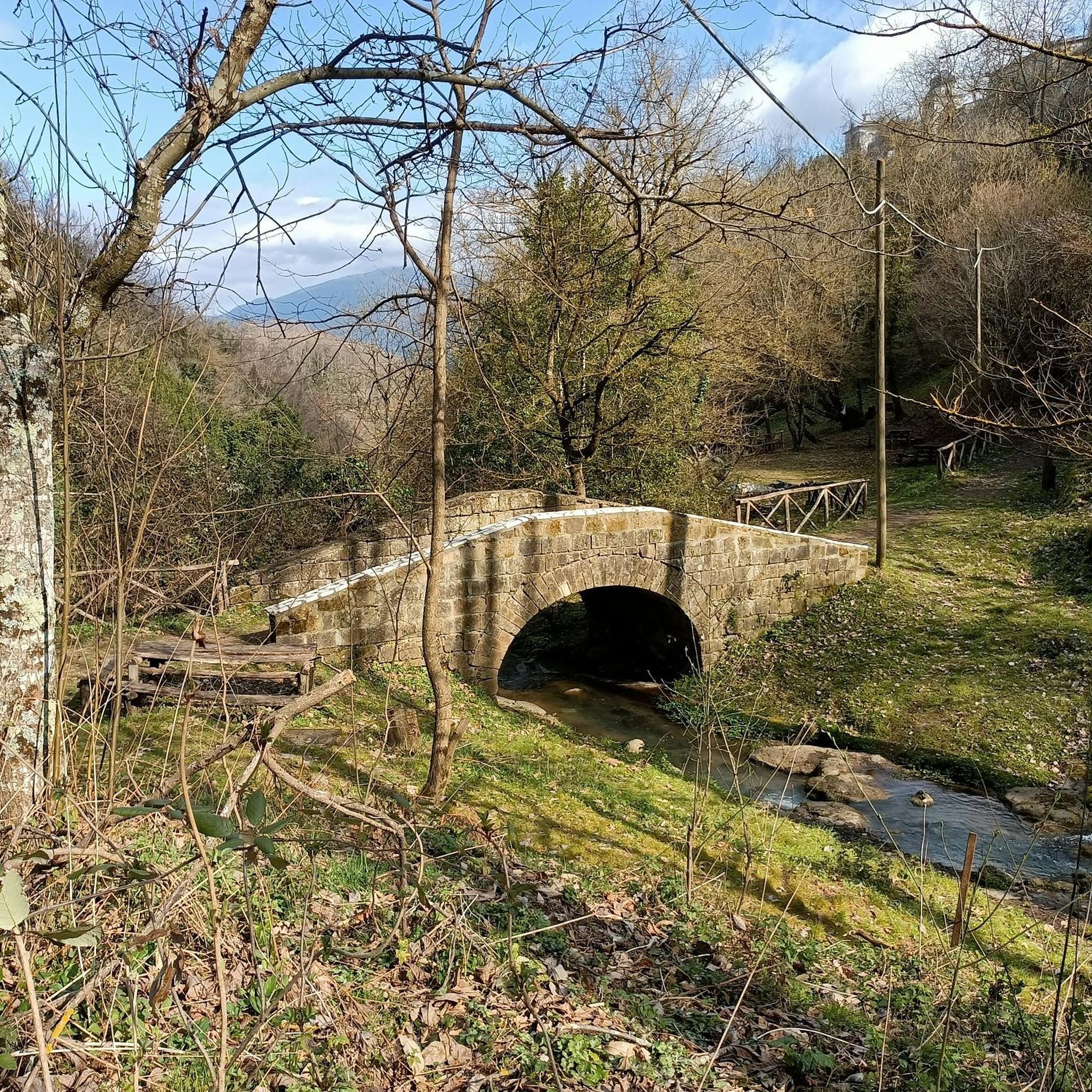
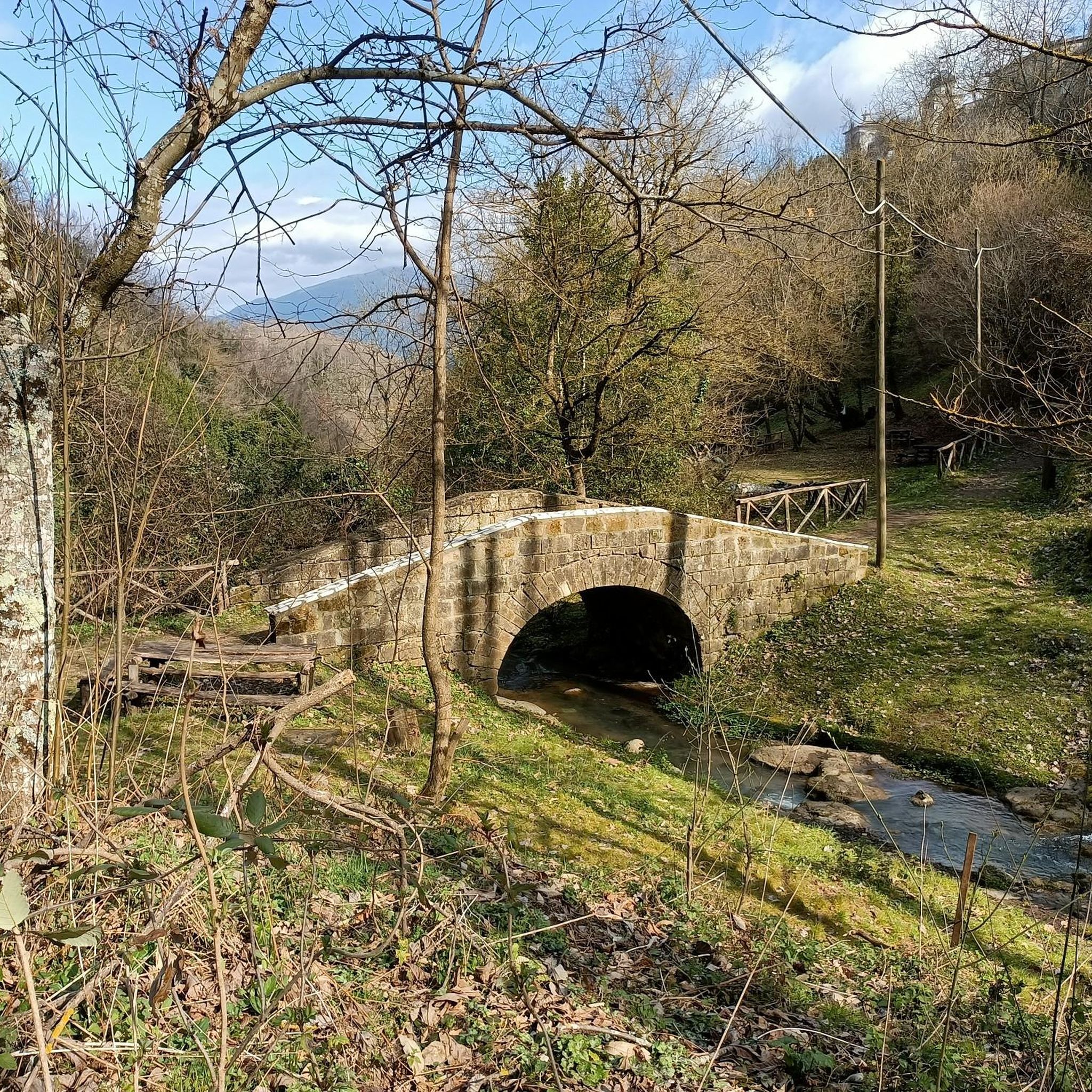
The Conca della Campania waterfall comes from the Rivo di Conca stream. During the seasons with more rain the stream and therefore the waterfall carry more water. However, the environment is always very interesting and particular, given that everything comes from the (extinct) volcano of Roccamonfina.
1
0
Frequently Asked Questions
What kind of natural attractions can I explore around Caianello?
The region around Caianello, shaped by the extinct Roccamonfina volcano, offers several natural highlights. You can visit the Conca della Campania Waterfall, fed by the Rivo di Conca stream, which is particularly impressive after rainfall. The entire area is part of the Roccamonfina-Foce Garigliano Regional Park, providing diverse volcanic landscapes.
Are there historical sites to visit near Caianello?
Yes, the area is rich in history. You can explore the well-preserved Strada Adrianea (Ancient Roman Road), a section of Hadrian's Road dating back to 120 AD. Another historical settlement is Bocchetta di Croce, known for its medieval castle and the 15th-century Church of the Holy Cross, offering panoramic views.
What are some family-friendly activities around Caianello?
For families, the Sundial and Wooden Sculptures in Piazza Nicola Amore, Roccamonfina offer an interesting and accessible spot. The Roccamonfina Town Center, located within the volcano's crater, is also considered family-friendly and provides a unique setting to explore.
What outdoor activities can I do near these attractions?
The region around Caianello is excellent for various outdoor activities. You can find numerous routes for hiking, mountain biking, and running. For hiking, explore trails like the 'From Roccamonfina to the Conca della Campania Waterfall – ring tour' or the 'Roccamonfina Loop Trail'. For more options, check out the hiking guide for Caianello.
Are there any good viewpoints in the Caianello area?
Yes, Bocchetta di Croce is a settlement that doubles as a viewpoint. Thanks to its elevated position, you can enjoy extensive panoramas towards the Aurunci Mountains and the surrounding hills.
What is the best time to visit Caianello's outdoor attractions?
Spring and autumn are generally the best times to visit Caianello's outdoor attractions. During these seasons, the weather is typically mild and pleasant for hiking and exploring. In spring, you might also see the flowering gorse, as noted by visitors to Roccamonfina.
Are there any trails suitable for beginner hikers near Caianello?
While some trails are rated intermediate or difficult, you can find moderate options. For example, the 'Conca Waterfall loop from Roccamonfina' is a moderate hike. It's always recommended to check the specific route details and difficulty before heading out. More hiking options are available in the hiking guide.
Can I find circular walks around Caianello?
Yes, there are circular routes available. For instance, the 'From Roccamonfina to the Conca della Campania Waterfall – ring tour' is a popular circular hike. You can find more details and other loop trails in the hiking guide for Caianello.
What should I bring for outdoor activities in the Caianello region?
When engaging in outdoor activities around Caianello, especially on trails like the Strada Adrianea which can have cobbled sections or become wet after rain, it's advisable to wear appropriate footwear. Always carry water, sun protection, and check weather forecasts before you go. For longer hikes, consider bringing snacks and navigation tools.
What do visitors enjoy most about the attractions around Caianello?
Visitors appreciate the blend of historical and natural beauty. The unique volcanic landscapes, ancient Roman roads, and charming town centers like Roccamonfina Town Center are frequently highlighted. The opportunity to explore well-preserved historical sites and natural monuments like the Conca della Campania Waterfall is also a major draw.
Are there mountain biking trails in the Caianello area?
Absolutely. The region offers challenging mountain biking trails, some of which are quite long and difficult. Examples include the 'Volturno River Bend – View of Pietravairano loop' and the 'Teano Historic Center – Big Bench of Teano loop'. For a comprehensive list of routes, refer to the MTB Trails around Caianello guide.
Where can I go running near Caianello's attractions?
There are several running loops available in the vicinity. You can find moderate running trails starting from towns like Roccamonfina, Vairano Patenora, or Vairano-Caianello. These routes offer a great way to experience the local landscape. Explore more options in the Running Trails around Caianello guide.

Get inspired with the komoot mobile app


Explore more
Still not found the Highlight you’re looking for? See guides of the top attractions in other regions:
