Attractions and Places To See around Irsina - Top 20
Best attractions and places to see around Irsina include a rich tapestry of landmarks, cultural sites, and natural beauty. This historic hill town in Basilicata, Italy, is known for its well-preserved medieval charm and offers panoramic views of the surrounding valleys and agricultural landscapes. Perched at 550 meters above sea level, Irsina provides a glimpse into a rich historical and artistic heritage, making it a compelling destination for those interested in culture and history. The area features rolling hills, olive…
Last updated: October 11, 2026
Historic Center of Grottole
Highlight • Historical Site
Translated by Google •
Tip by

Aqueduct Bridge of Gravina in Puglia
Highlight • Bridge
Translated by Google •
Tip by

Sign up now to discover places like this
Get recommendations on the best single tracks, peaks, & plenty of other exciting outdoor places.
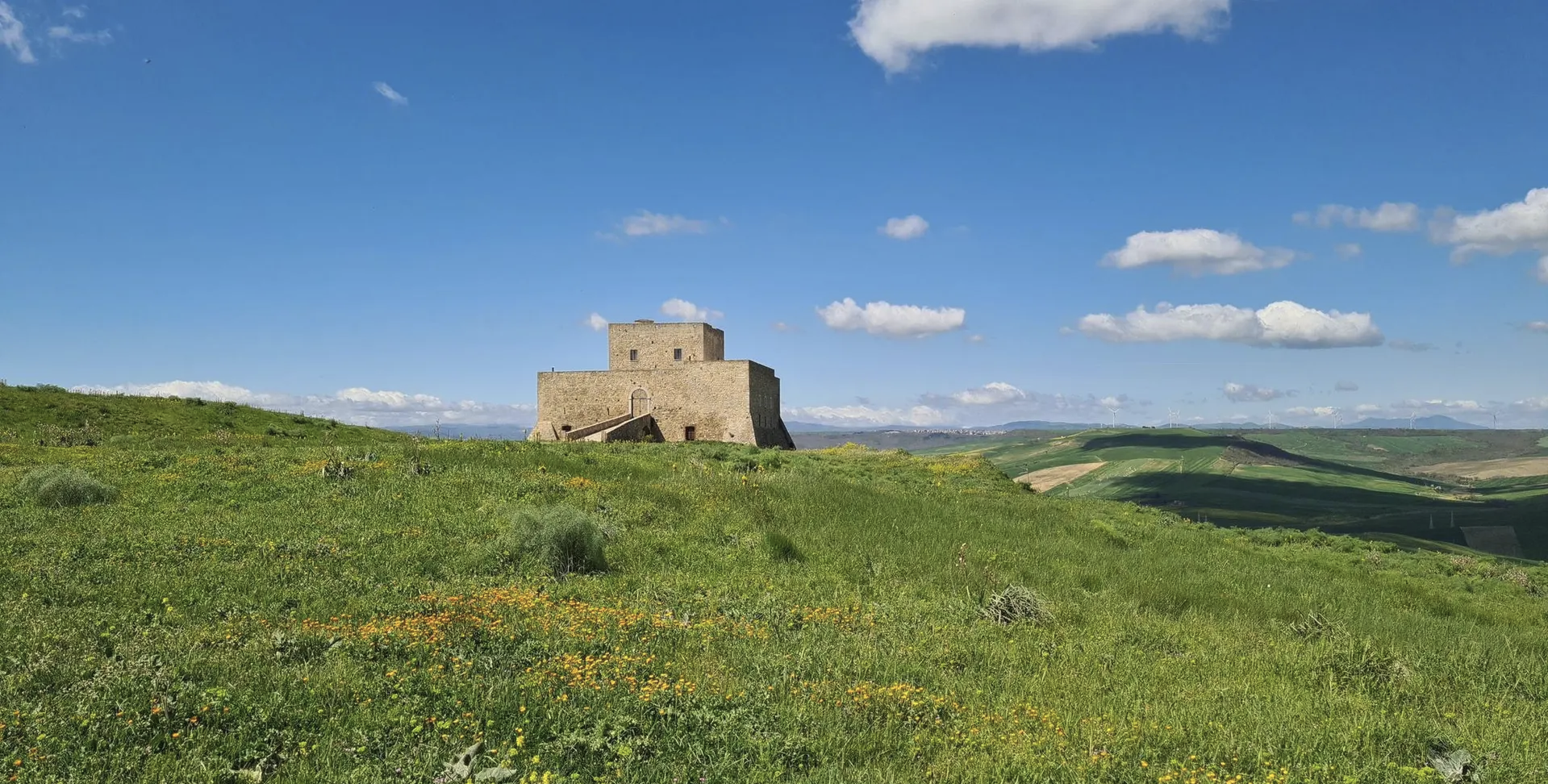
Monteserico Castle
Highlight • Castle
Translated by Google •
Tip by

Church of Purgatory (Santa Maria del Suffragio), Gravina in Puglia
Highlight • Religious Site
Translated by Google •
Tip by

Gravina in Puglia Historic Center and Roman Aqueduct
Highlight • Historical Site
The town and the surrounding area are characterized by the famous ravines: deep canyons dug into …
Translated by Google •
Tip by

Sign up for free to discover even more attractions around Irsina.
Already have an account?
Start today with a free account
Your next adventure awaits.

Other adventures around Irsina

Tips from the Community

The Ducal Church of Santa Maria del Suffragio, known as the Church of Purgatory , was a place of worship dating back to the mid- 17th century located in the city of Gravina in Puglia at the entrance to the Cathedral Square for those arriving from Porta San Michele. The Church is called ducal because its construction, begun in 1649, took place thanks to the generosity and religiosity of the Dukes of Gravina, Ferdinando III Orsini and his wife Giovanna Francipane della Tolfa, parents of Pope Benedict XIII. It was dedicated to Santa Maria del Suffragio for the celebration of masses in suffrage for the souls in Purgatory . The Church of Purgatory is a pearl of religious architecture, it belongs to a specific category of Catholic places of worship, that of the Monti del Suffragio, which can be found in many other cities in Puglia . These are Churches dedicated to the cult of the dead: prayers and Holy Masses are aimed at the salvation of the souls of the deceased, assigning to the Monte del Suffragio a mediating function between the devotion of the living faithful and the conquest of the Celestial Kingdom by those who have passed on to a better life. On the facade of the Church you can read two inscriptions that clearly refer to the memento mori : “Quod tu es ego fui” I was what you are, “Tu eris quod ego sum” You will be what I am.
0
0

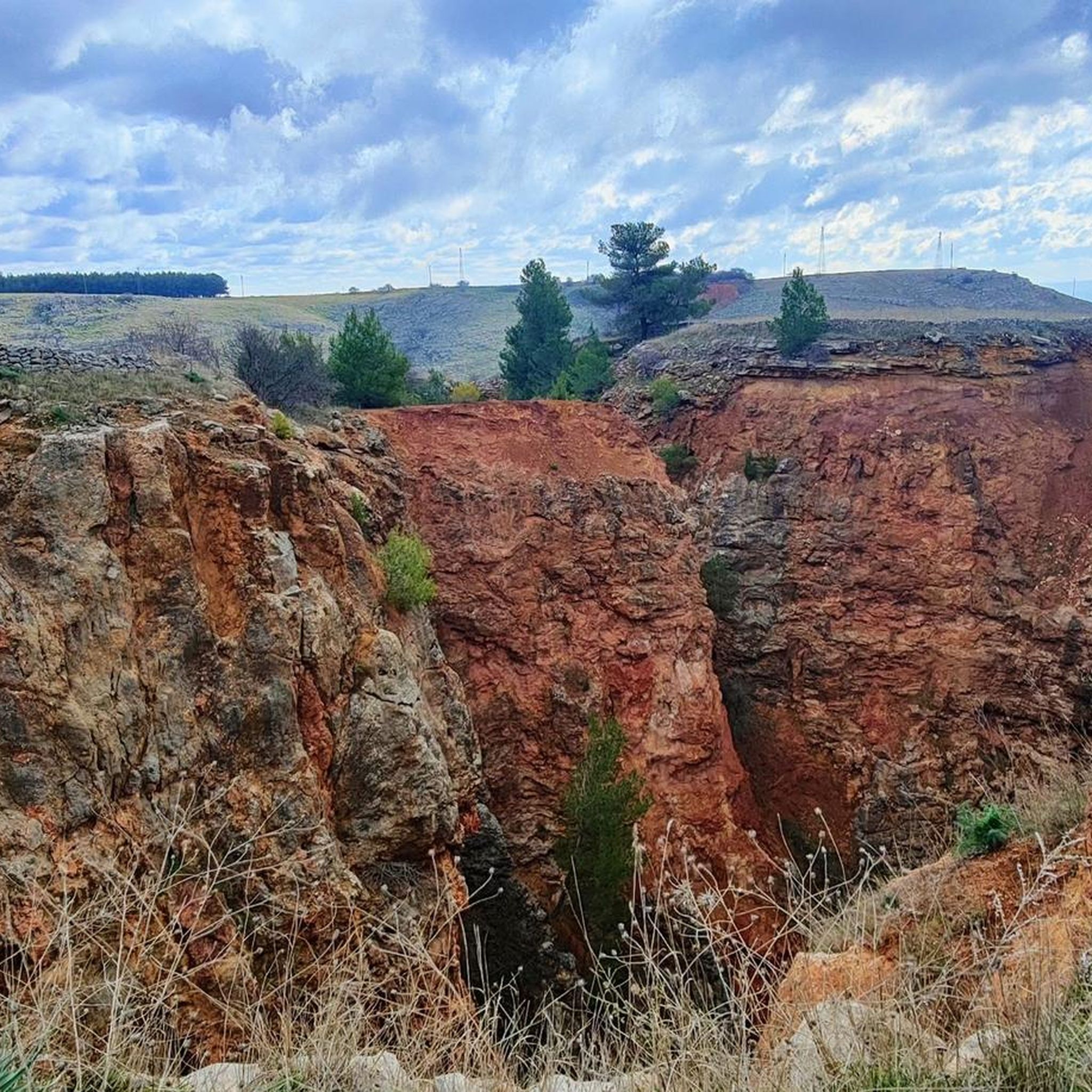
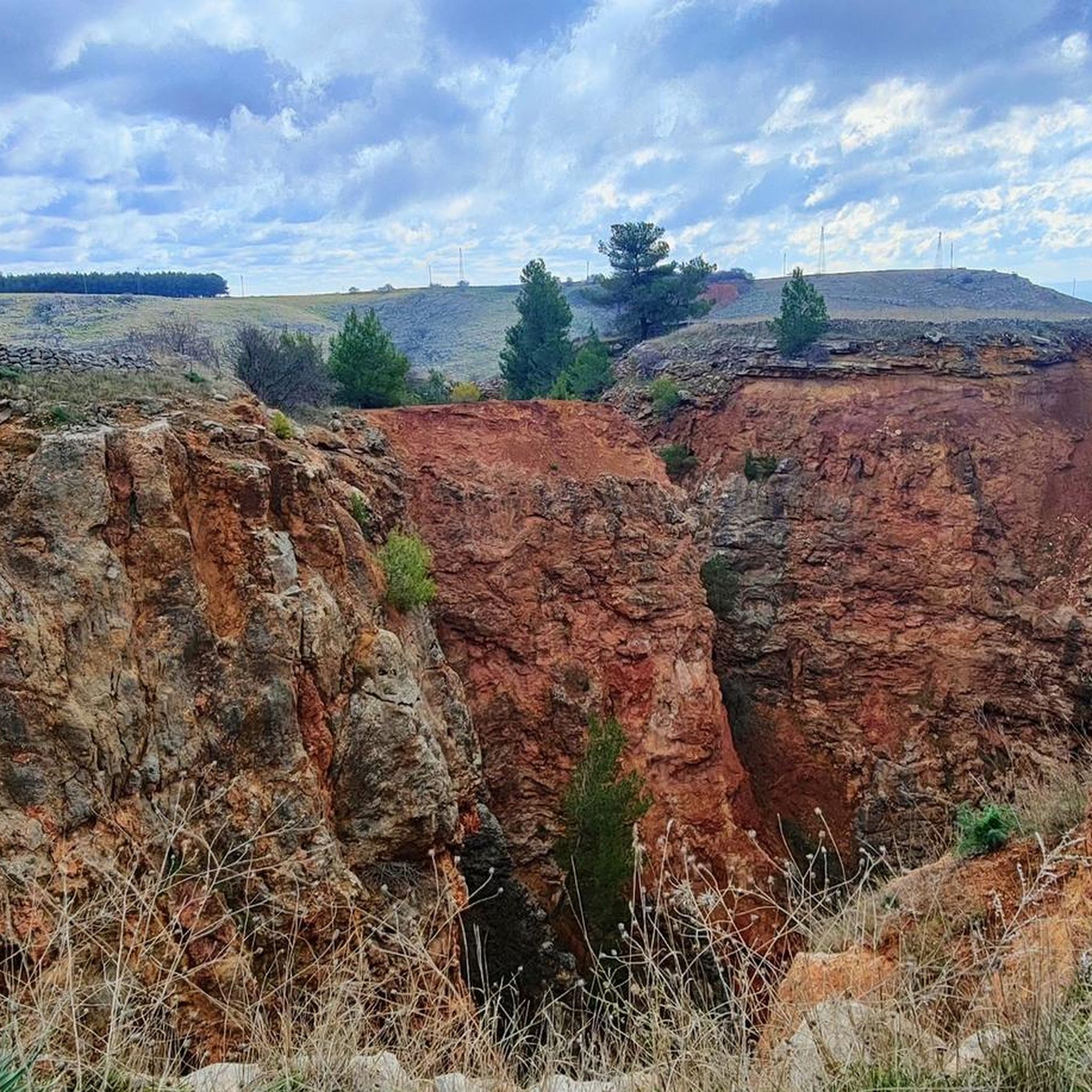
Gravina in Puglia is the charming town where the Alta Murgia park is located. The town and the surrounding area are characterized by the famous ravines: deep canyons dug into the rock by water over time. Here, you can also admire the Aqueduct bridge that connects the two banks of the Gravina stream.
1
0

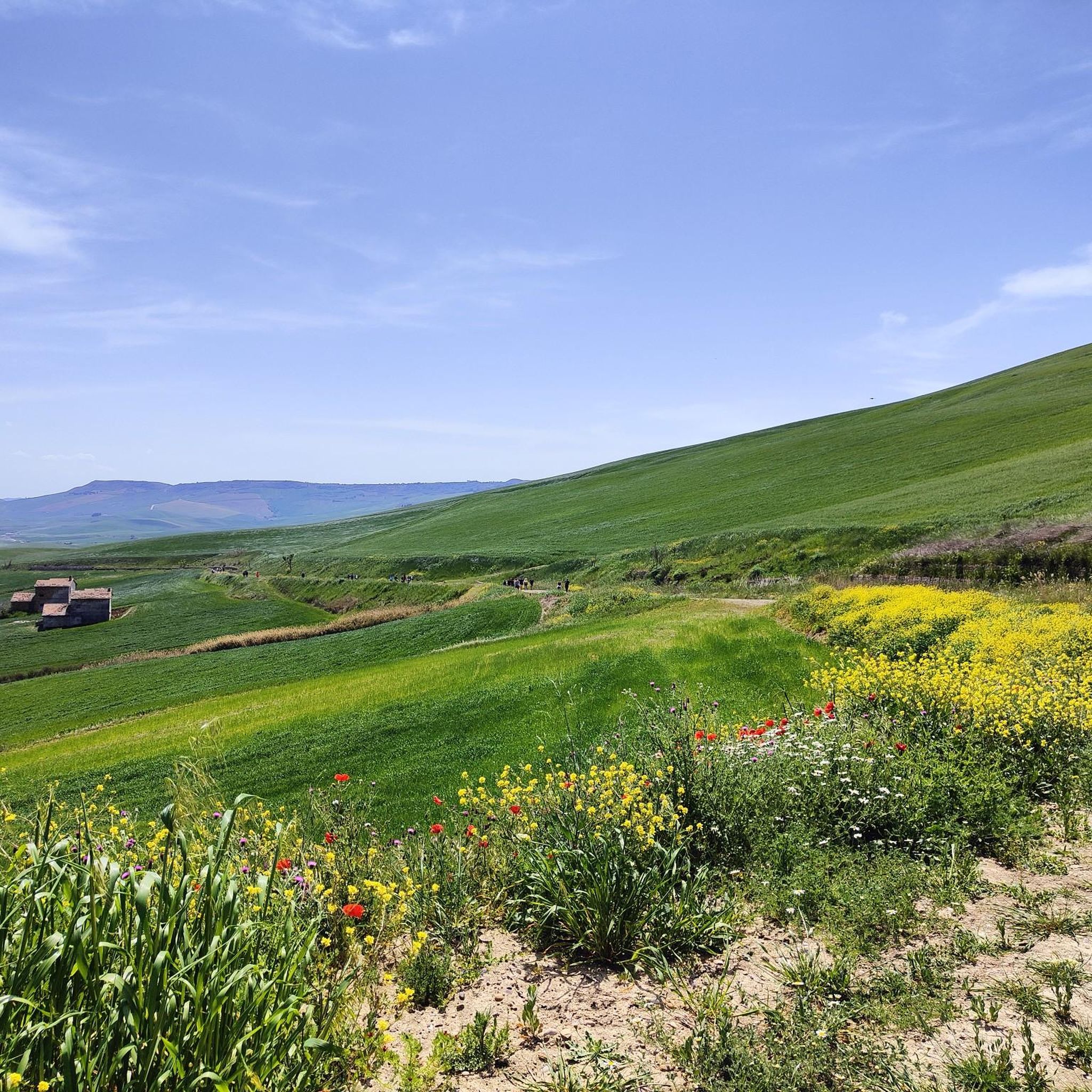
Grottole presents itself as a village divided into two distinct parts: the ancient part, full of cobbled streets and historic buildings that narrate the history of the community, and the modern part, more functional and contemporary. While the old Grottole enchants with its timeless charm and its authenticity rooted in history, the new Grottole offers a vision of the growth and evolution of the city. The contrast between the two parts adds a unique element to the experience of visiting Grottole, highlighting the diversity and coexistence of past and present.
1
0

In Piazza Notar Domenico, built in the mid-seventeenth century to be the funeral chapel of the Orsini family
0
0

Gravina di Puglia is home to the Alta Murgia National Park and is famous for the ravine under the town, a labyrinth of tunnels, cellars, cisterns and rock churches that bear witness to its millenary history. The Aqueduct Bridge, probably built in the 17th century, is a majestic arched structure that crosses the ravine and allowed pilgrims to reach the little church of the Madonna della Stella.
1
0

Village located between the Basento and Bradano rivers included, in part, in the San Giuliano regional reserve. The city is famous for a clay working.
1
1

The center of Gravina in Puglia has a hidden face. Under the inhabited area, an underground world made up of tunnels, cellars, rock churches, granaries, seventeenth-century ovens is preserved in excellent condition. The stairways leading to the oldest neighborhoods start from Piazza Benedetto XIII, between medieval houses and rock churches, the most important of which is the one dedicated to the patron saint, San Michele. The exploration of the cave civilization of Gravina continues in the Pomarici Santomasi Museum, which houses important finds such as the frescoes in the rock crypt of San Vito Vecchio
0
0
Grottole has remote origins so as to be one of the oldest centers in the region. The finds of prehistoric, Greek and Roman settlements are a precise testimony in this sense. The toponym could derive from the Greek Kruptai, hidden places, and from the Latin cryptulae or small caves, rooms used for working clay, an art for which Grottole has remained famous over the centuries. In the Magna Graecia period, Grottole was part of the VII Metapontine region, colonized by the Greeks starting from the VIII century BC. It was fortified by the Longobards, from whom it managed to escape around the year 1000. In 1061, in the Norman era, the feud of Grottole passed under the dominion of Guglielmo Braccio di Ferro, and subsequently passed to Roberto il Guiscardo and then to the counts Loffredo di Matera. Over the centuries the fiefdom of Grottole was disputed by various lordships. Carlo I D'Angiò assigned it to Ruggero di Lauro, count of Tricarico, who had supported the Angevin conquest, and from these it passed to the Monteforte and Orsini Del Balzo families. At the beginning of the sixteenth century it was a possession of the Gaetani Dell'Aquila d'Aragona family. In 1534 it passed under the dominion of the Marquises Sanchez De Luna of Aragon, the treasurers of the Kingdom of Naples, while in the following century the Caracciolos and Spinellis of San Giorgio followed one another, until 1738 when it passed to the Sanseverinos of Bisignano by marriage. After 1806, with the subversive law of feudalism, the assets were divided between the descendants of the Sanseverinos and D. Rosa Miracco, a natural daughter of Luigi Sanseverino 13th Prince of Bisignano [8], who had always been closely linked to the feud of Grottole. Only in 1874 did Grottole get rid of the last feudatory Prince Sanseverino. The municipal territory (the ancient universitas as the municipalities were once called) was divided into districts.
0
2
Frequently Asked Questions
What makes Irsina a unique destination for visitors?
Irsina is a historic hill town in Basilicata, Italy, renowned for its well-preserved medieval charm and panoramic views over the Bradano Valley and the Murgia plateau. It has been recognized as one of "Italy's loveliest small towns" since 2017, offering a rich tapestry of historical, artistic, and natural heritage.
What historical sites can I explore in Irsina's town center?
Within Irsina's historic center, you can explore the Cathedral of Santa Maria Assunta, which features Romanesque and Baroque elements, religious artworks, and the celebrated Statue of Saint Euphemia. Other notable sites include the Church of San Francesco with its underground chapel and 1300s frescoes, the elegant Palazzo Giannattasio, and the unique "Cave Houses" carved into the rock, similar to those in Matera.
Are there any significant cultural attractions or museums in Irsina?
Yes, Irsina offers several cultural attractions. The Janora Archaeological Museum, located within the Franciscan Convent, exhibits finds from prehistory to the Ancient Greek period. Additionally, the deconsecrated Annunziata Church hosts a Multimedia Exhibition of "The Treasures of the Bradano Area", using holographic video to showcase Irsina's heritage.
What kind of natural landscapes and views can I expect around Irsina?
From its hilltop position at 550 meters above sea level, Irsina provides sweeping panoramic views over the Bradano Valley and the Murgia plateau. The surrounding countryside features rolling hills, olive groves, and vineyards, characteristic of the Basilicata region. The Verrutoli Woods, about 10 km from Irsina, offer opportunities for nature excursions and picnics.
What outdoor activities are available near Irsina?
The area around Irsina is excellent for outdoor activities. You can find numerous routes for both hiking and road cycling. For example, there are moderate to difficult hiking trails around Irsina, including a moderate 9.3 km loop from Irsina to the First Summit of Monte Pollino. For cyclists, road cycling routes range from moderate to difficult, such as a 54 km ring tour from Genzano to Borgo Taccone.
Are there any family-friendly attractions or places to visit near Irsina?
Yes, the Santuario Santa Maria di Picciano is considered a family-friendly historical and religious site. It offers a place of profound spirituality and history with an ancient image of the Madonna, set in a panoramic location. Its architecture blends Romanesque and Baroque elements, making it an engaging visit for all ages.
Where can I find unique historical engineering marvels in the Irsina area?
Irsina is home to "I Bottini," an impressive medieval aqueduct consisting of underground tunnels that channel spring water to supply a monumental fountain with twelve spouts. Further afield, the nearby town of Gravina in Puglia features a remarkable Roman Aqueduct, part of the Gravina in Puglia Historic Center and Roman Aqueduct, which crosses the Murgia gorge.
What are some of the most popular attractions outside of Irsina but still in the surrounding region?
Beyond Irsina, visitors frequently enjoy the Gravina in Puglia Historic Center and Roman Aqueduct, known for its deep canyons and medieval houses. Another popular spot is the Historic Center of Grottole, which enchants with its timeless charm and ancient origins. The Monteserico Castle, a Norman-era fortress, also draws visitors with its classic medieval architecture and commanding views.
What is the best way to experience the history of the region around Irsina?
To experience the region's history, explore the well-preserved medieval towns. Start with Irsina's own historic center, then visit the Historic Center of Grottole, one of the oldest centers in the region with prehistoric, Greek, and Roman settlements. Don't miss the Gravina in Puglia Historic Center, characterized by deep canyons and a Roman aqueduct, offering a glimpse into its millenary past.
Are there any viewpoints or scenic spots to enjoy panoramic vistas near Irsina?
Absolutely. Irsina itself, perched on a hilltop, offers sweeping panoramic views over the Bradano Valley and the Murgia plateau. For another stunning perspective, the Aqueduct Bridge of Gravina in Puglia provides majestic views as it crosses the ravine. The Monteserico Castle, situated on a peak, also dominates a vast valley with impressive vistas.
What are some lesser-known or 'hidden gems' to discover in the Irsina area?
Beyond the main attractions, consider exploring the Church of the Purgatory in Irsina, which houses a 17th-century painting depicting "The Marriage at Cana." The quiet and charming Piazza San Rocco offers beautiful views and a peaceful atmosphere. Additionally, the ancient aqueduct known as "I Bottini" outside the town walls is an impressive example of historical engineering that often surprises visitors.

Get inspired with the komoot mobile app


Explore more
Still not found the Highlight you’re looking for? See guides of the top attractions in other regions:
